Livestock journal: extreme cold weather

We have been treated to a Siberian Express for the last week or so, which means we have been lucky to have highs is the single digits. We are toasty enough with our ability to heat with wood (very important as the electricity went out recently), but caring for our birds has become challenging.  We are happy we have both a chicken coop and a Duck Mansion.  
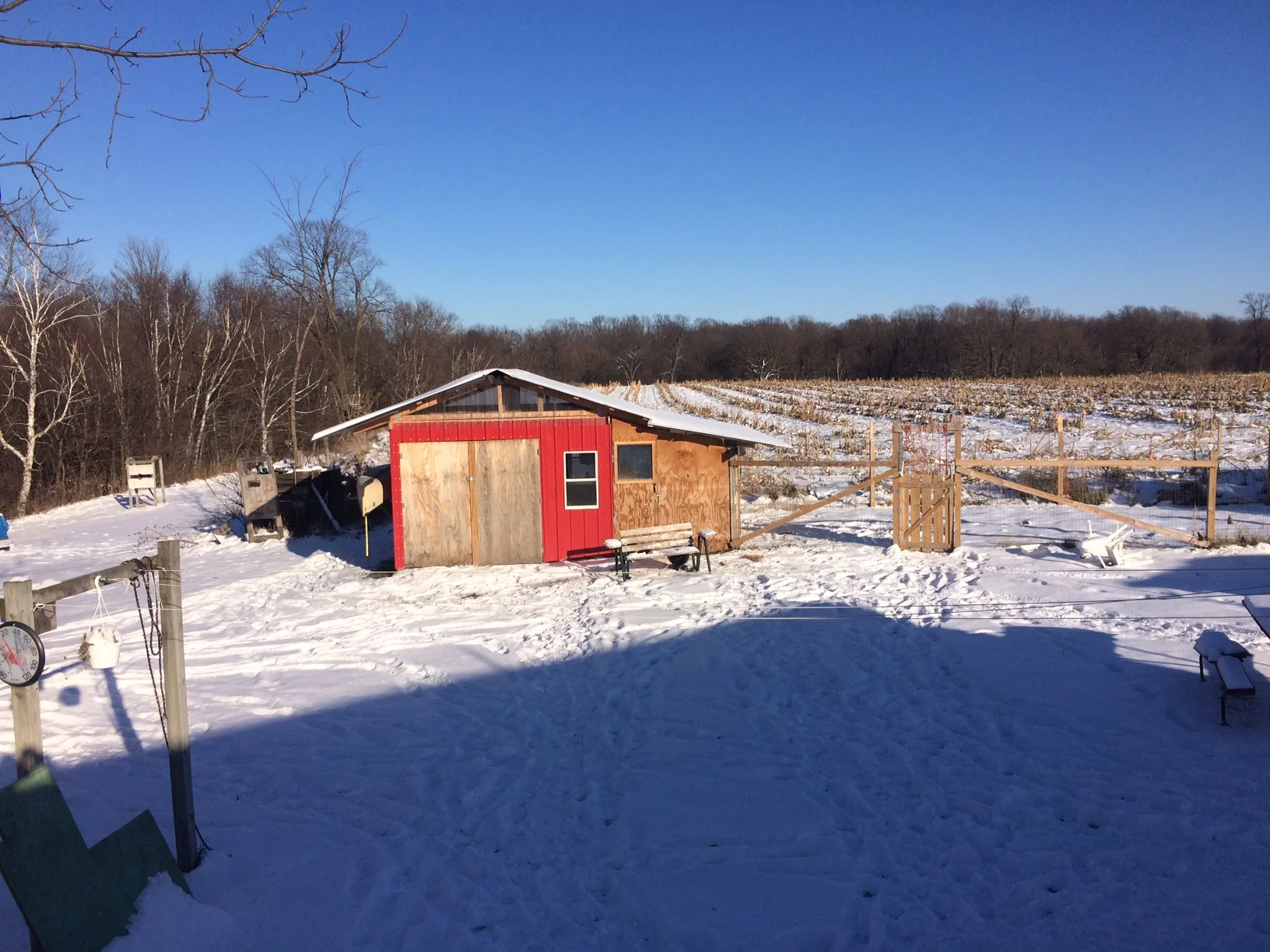
The cheerful chicken coop.  

The cheerful chicken coop.  

Keeping the birds out of the wind allows their feathers to keep them warm. Even with 14° below overnight, they maintained coop temperature at about 20° above. Strength in numbers!
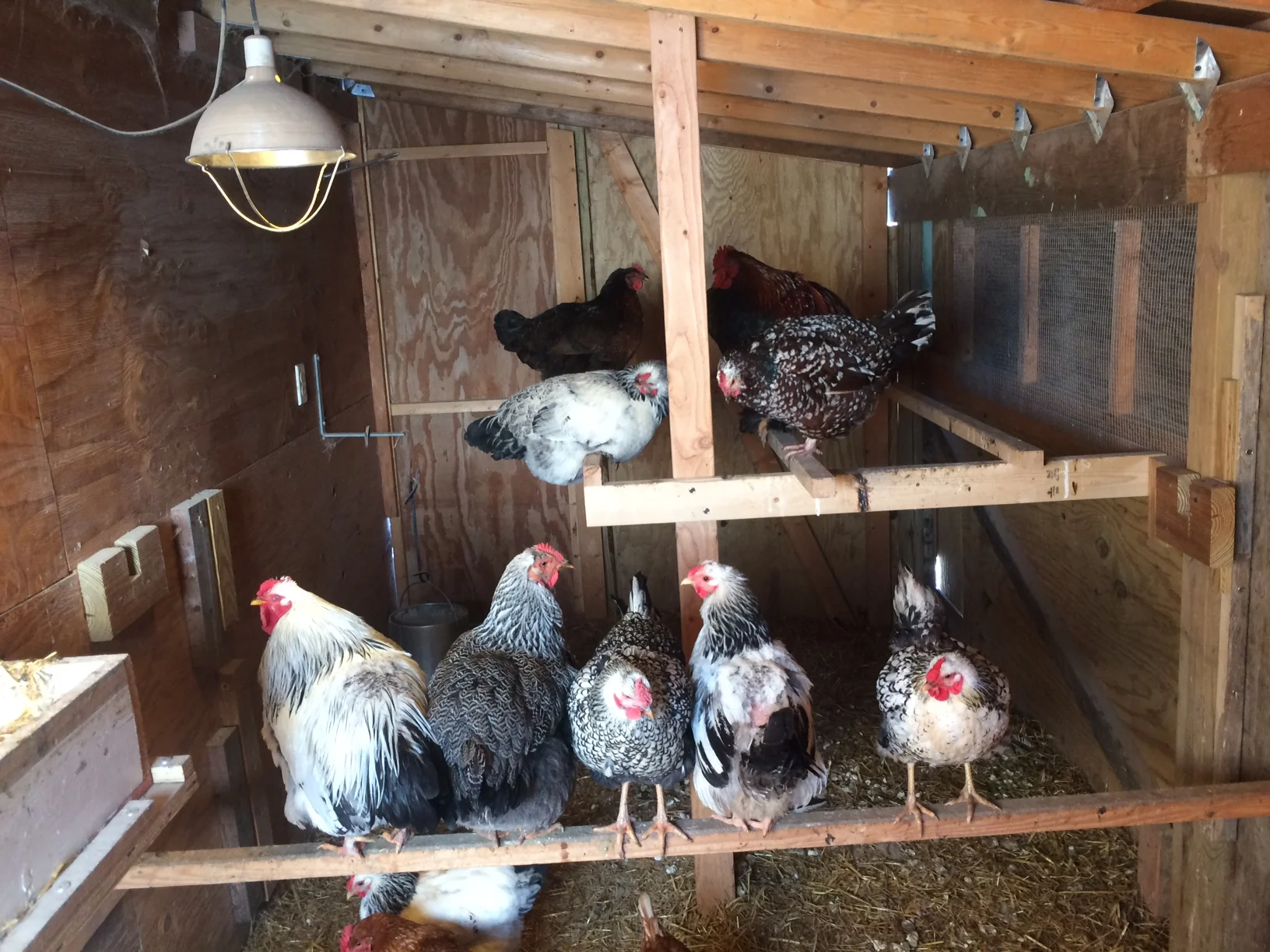
Poofy chickens

Poofy chickens

The ducks get to looking pretty bedraggled when they don't have access to open water. We usually have a tub outside for them, but the hard cold can freeze their feet and maim them.  
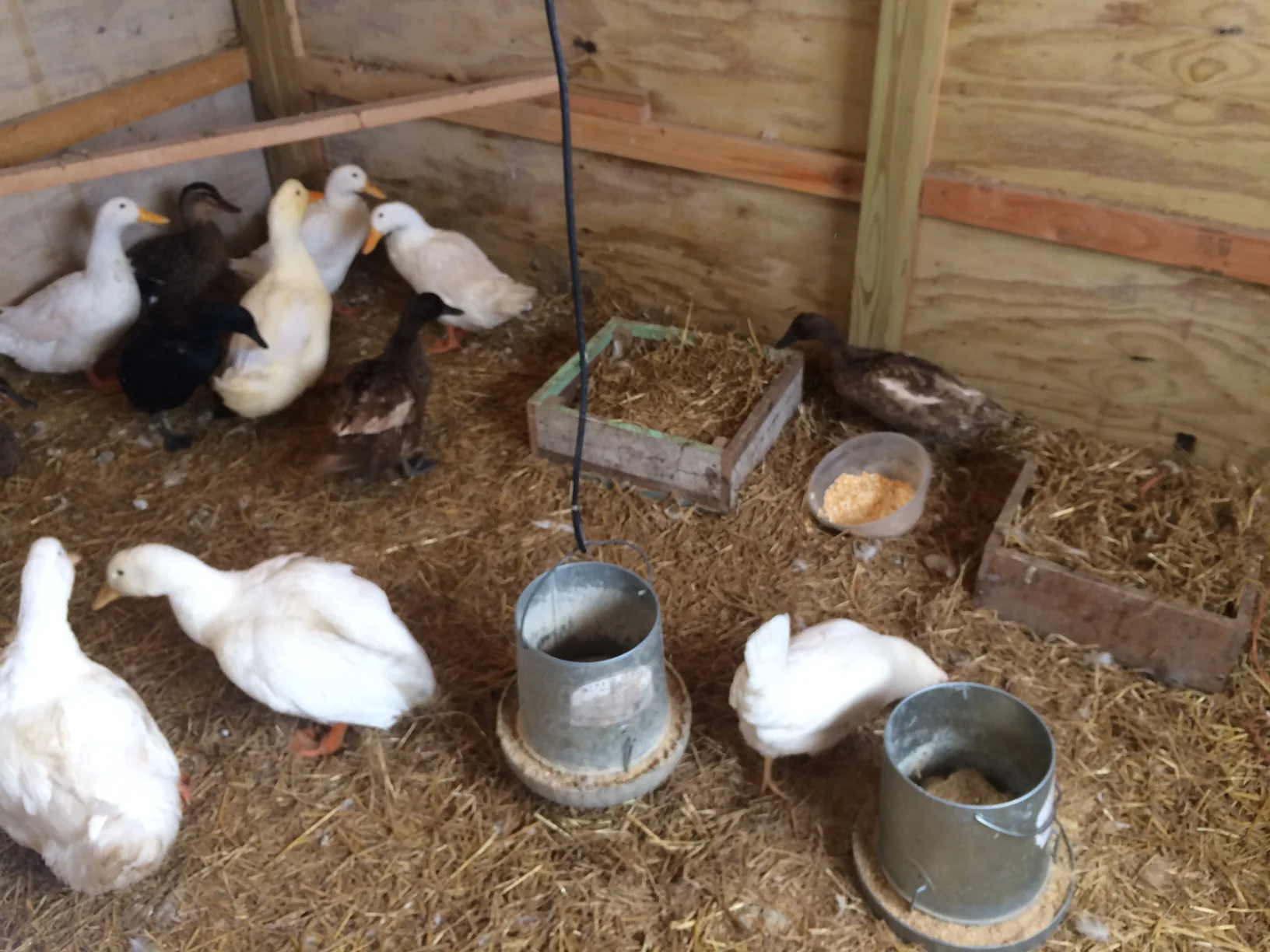
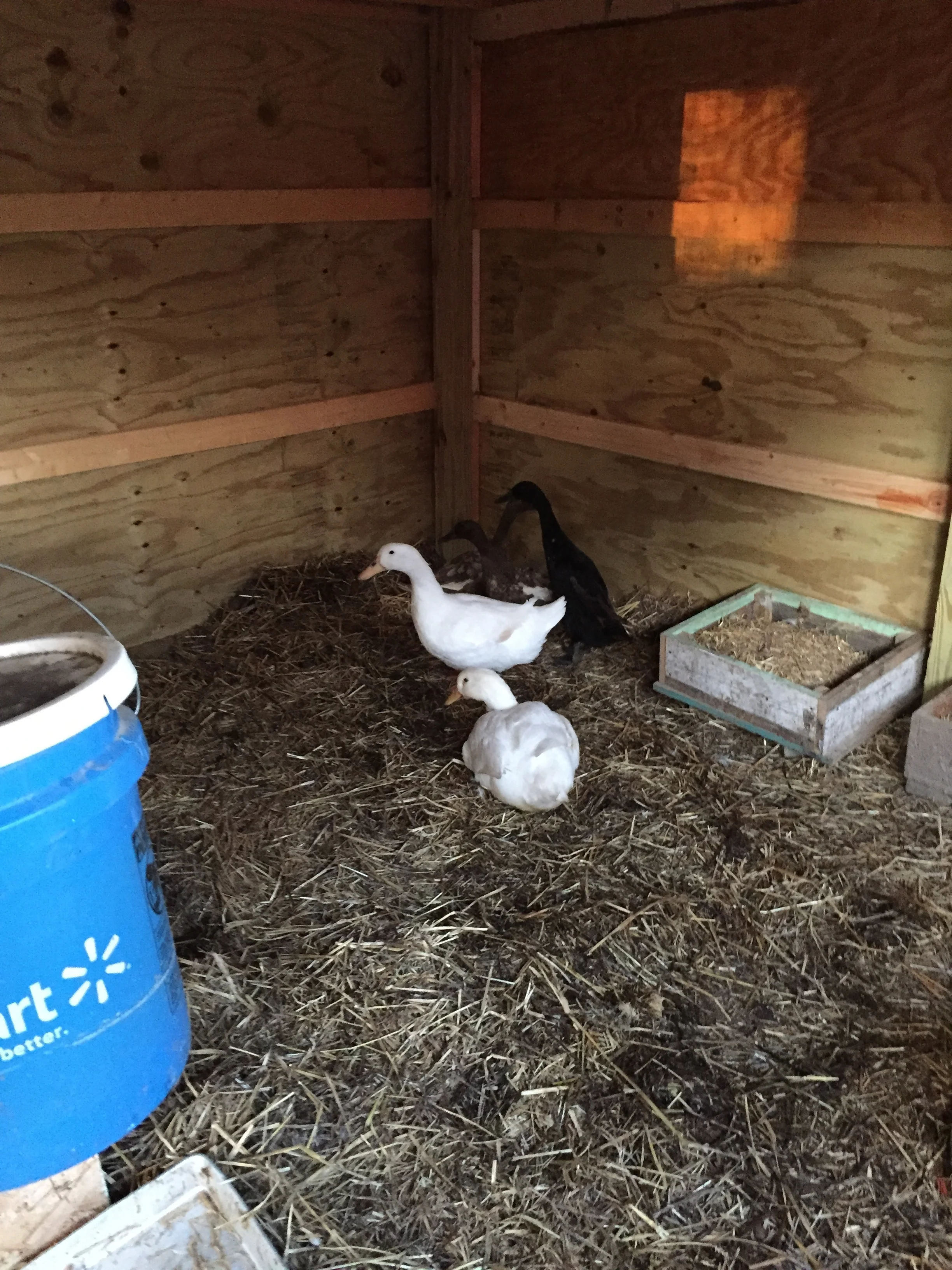
Cuddling in a corner  

Cuddling in a corner  

The Duck Mansion maintains its heat about as well as the coop, which means our birds won't freeze, but their water buckets do. In normal cold weather, Michael breaks the skin of ice in the mornings and fills the buckets with warm water. In really cold weather, this doesn't work as well due to the fact that the water nipples freeze and don't thaw well. To cure this, Michael made extra water buckets.  
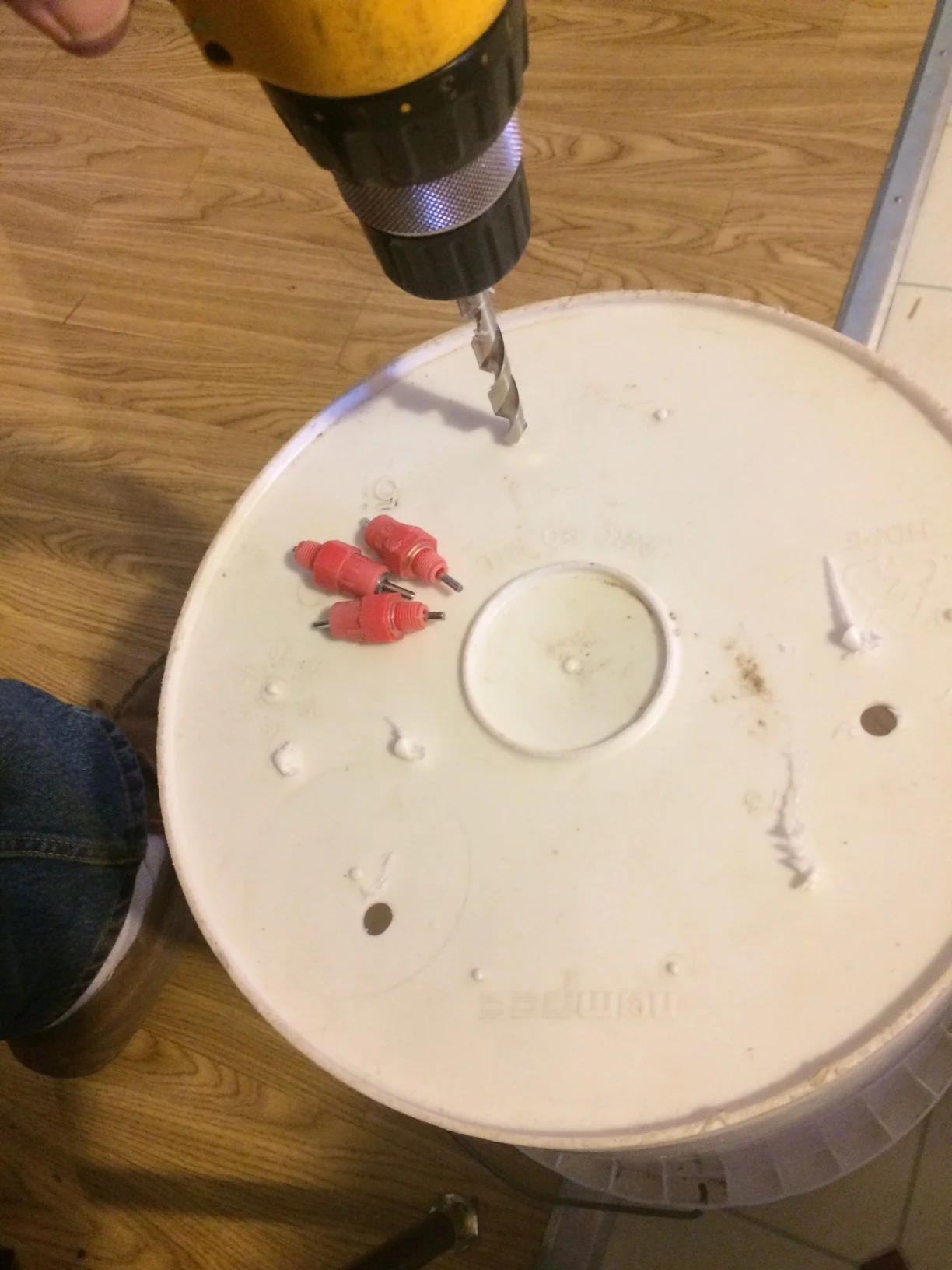
After drilling holes, the nipples are glued in place with Shoe Goop, or its moral equivalence, which can take the flexibility of the plastic, is water tight, and isn't poisonous to the birds.  

After drilling holes, the nipples are glued in place with Shoe Goop, or its moral equivalence, which can take the flexibility of the plastic, is water tight, and isn't poisonous to the birds.  

This way, we bring in one set of buckets to thaw overnight and start ice-free in the mornings. More hot water in the afternoon keeps the birds with access to unfrozen water during waking hours.  

We have noticed a decrease in egg production during the very cold weather, but it may also be linked to the fact that we are down to about 8 hours of natural light...and less on cloudy days.   
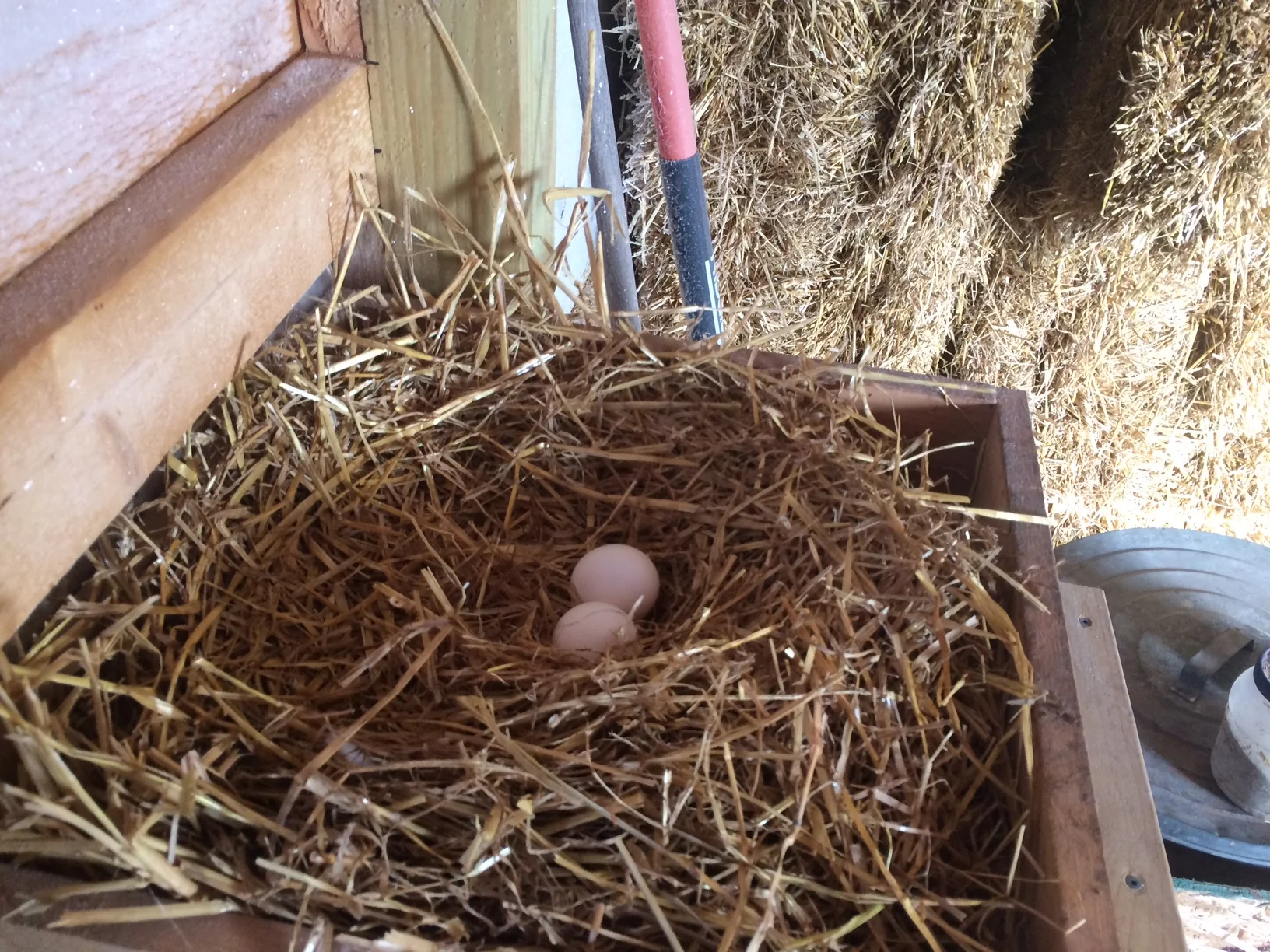
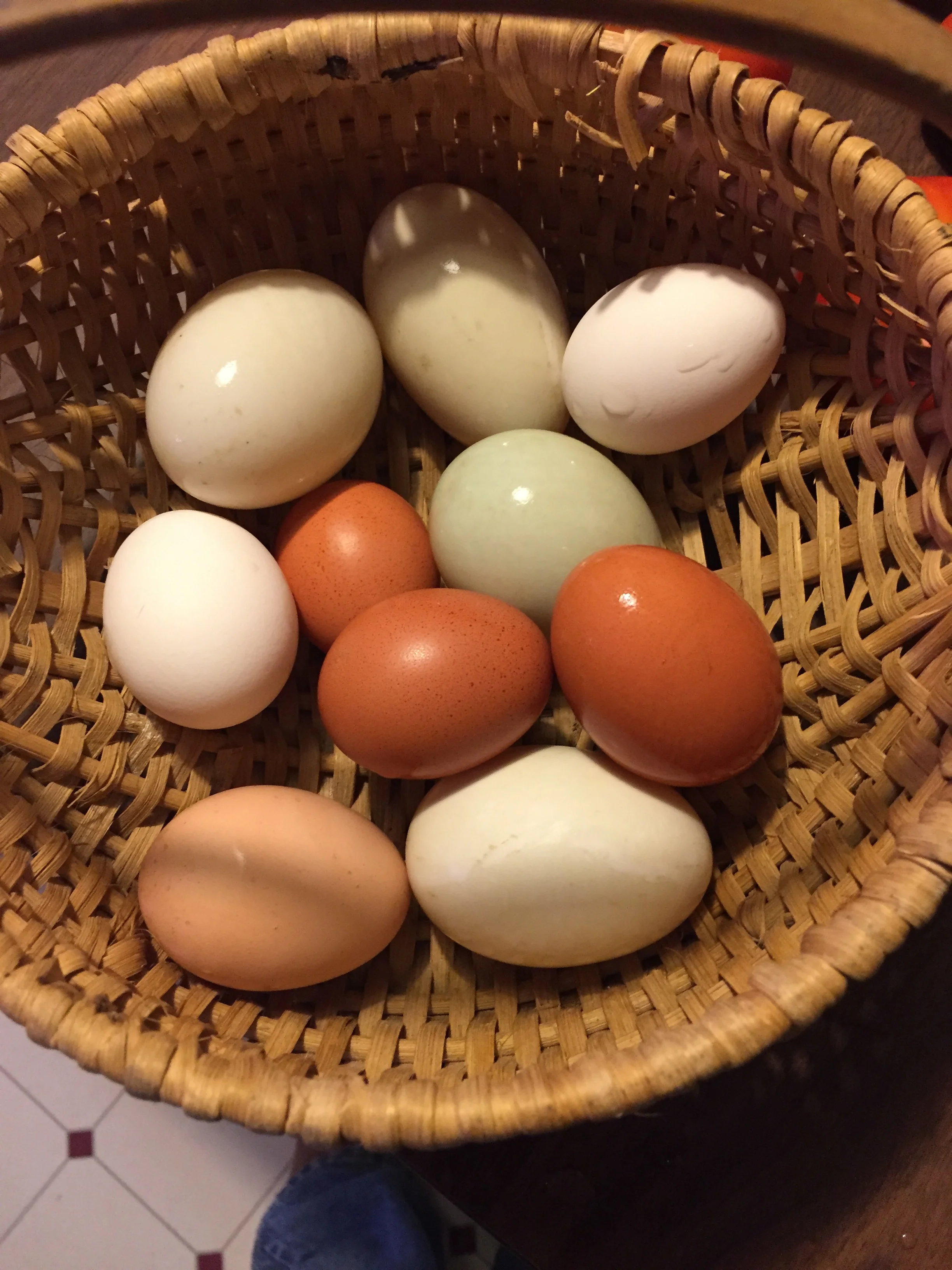
Abi and Ani eggs.  

Abi and Ani eggs.  

Michael does the majority of bird care in the winter, although I do run half of the morning bucket brigade.  It keeps the floors from getting too covered in snow,  

I grew up in the San Francisco Bay Area. It took 20 years of living in northern climes before having the ground turn white didn't come as a shock. Cold weather requires planning and preparation, for ourselves as well as our livestock.  Here's to keeping warm and drinking water! 
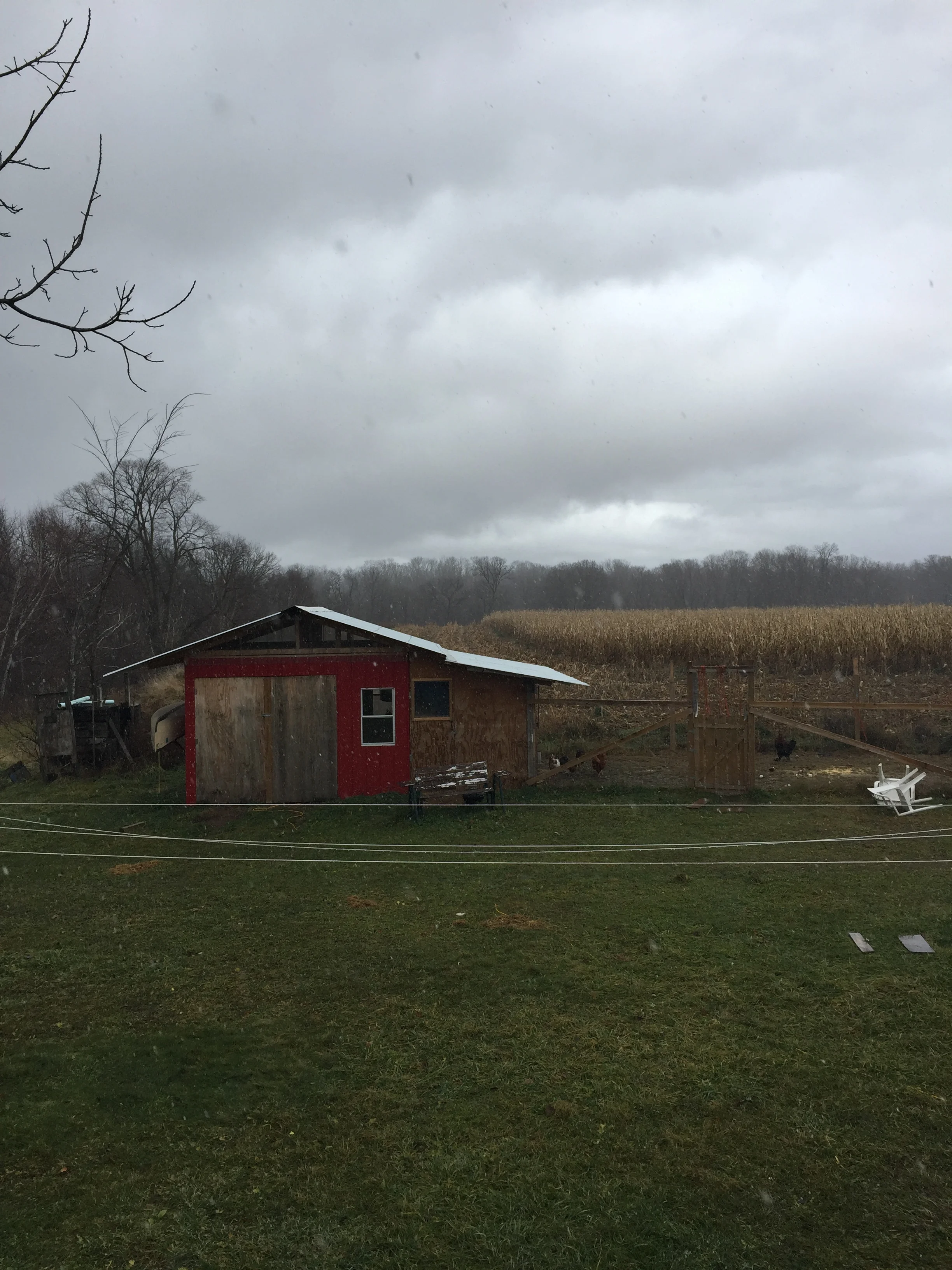
 

Weather journal: winter has arrived!
The weather predictors had forecast an early, cold, and snowy winter. We had a dusting for opening day of deer season, but then it warmed up again. We got rain rather than snow.  

A green and gray December 1st  

A green and gray December 1st  

We awoke this morning to 3" on the ground and a possibility of more.  

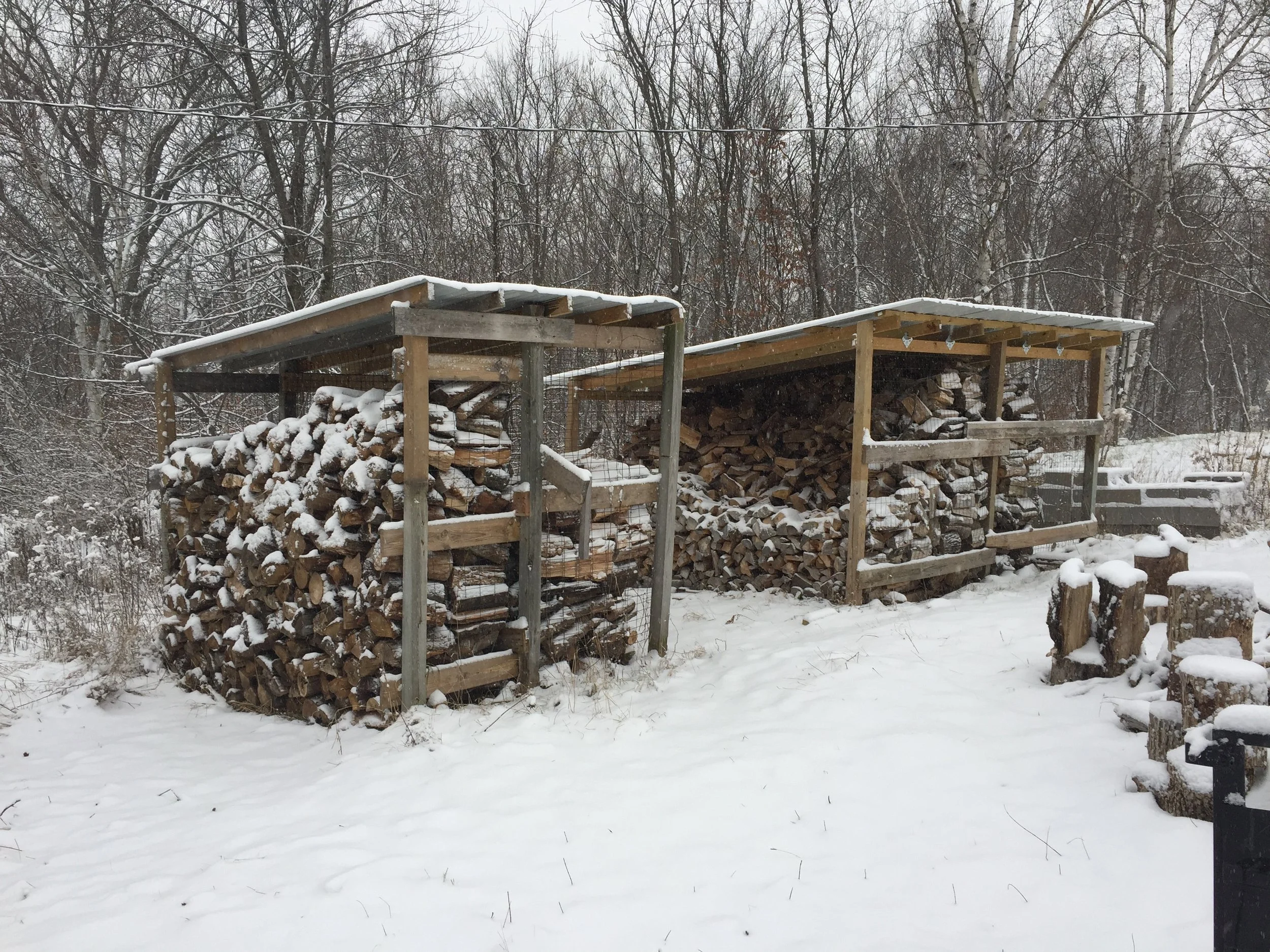
This represents about 4 cords of wood  

This represents about 4 cords of wood  

We have been behind in cutting wood due to construction duties, and so bought a cord of wood yesterday. Got it moved and stacked. Just under the wire...whew!   

Our ducks come out to play whether the weather is sunny or not. The chickens prefer to cuddle in their coops.  

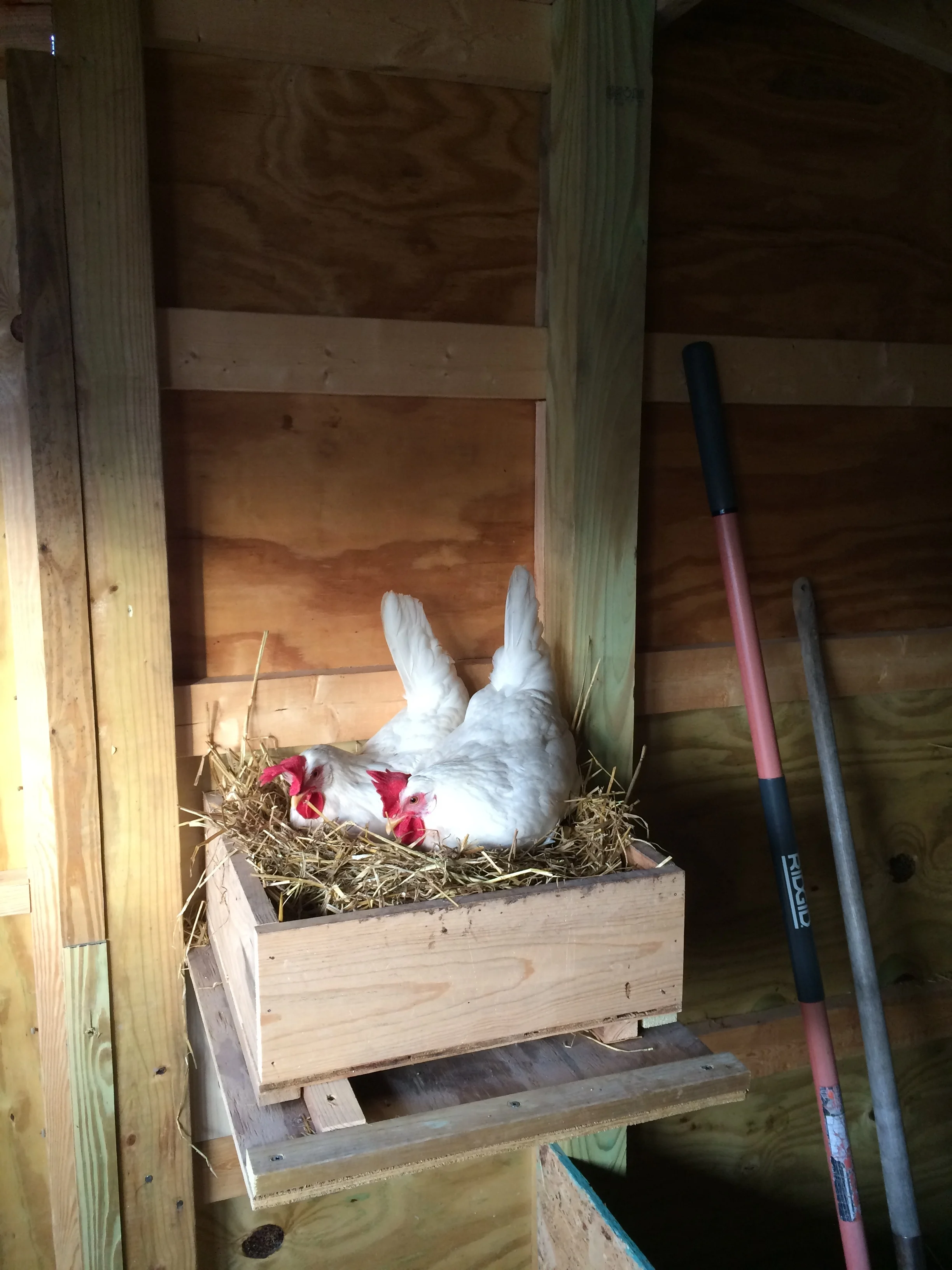
Abi and Ani sharing their nest

Abi and Ani sharing their nest

We haul water to the birds, with me on the inside and Michael on the outside, by way of a bucket brigade. We gather eggs throughout the day to avoid having them freeze. Egg yolks gel when they freeze and do not liquify again upon defrosting. You can freeze eggs, but you have to scramble them first. Things I never thought I'd need to know!

Harvest journal: 5 out of 8 is more than enough

Today is the last day of firearm deer hunting season here in Western Wisconsin, but in truth we all stopped hunting on Day 2. By that time, out of the 8 deer we had licenses for between the 4 of us hunting on our land, 5 tags were filled. Brother Johnny took his two deer back to Minnesota with him, and we processed son-in-law Nick's buck for him, sending him back to Iowa with 52 pounds of tenderloin, roasts, stew meat and hamburger. 

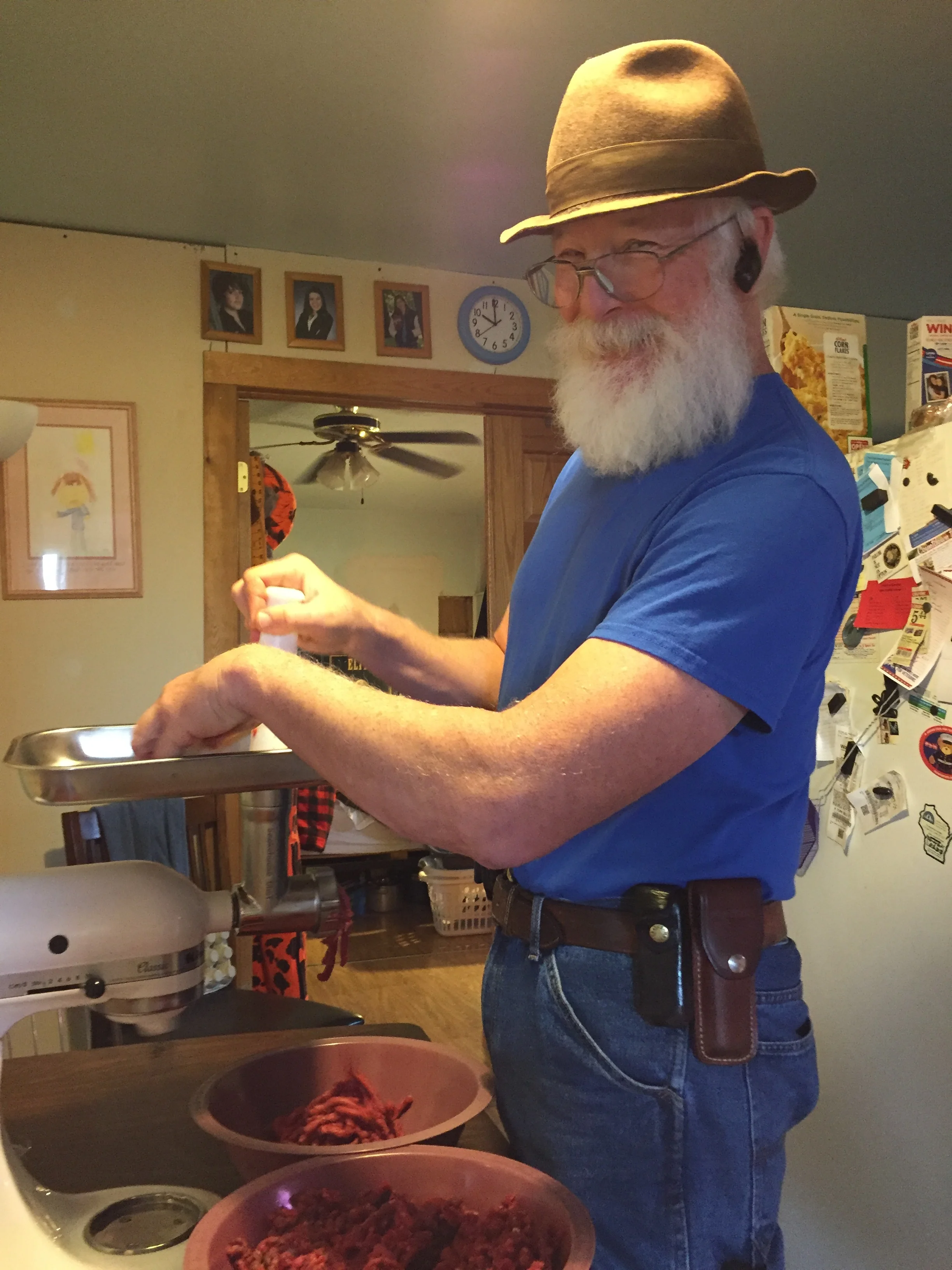
Grinding the last of the hamburger.  

Grinding the last of the hamburger.  

That left us with 2 deer to take care of ourselves. And here is how we did it: 

Michael was in charge of outdoors operations (and I do mean the kind that requires sharp cutting instruments!) while I did the inside work. After a deer is shot and field dressed, we hang it up by the neck and place a board or stick inside the cavity so that cold air can circulate and cool down the meat. This prevents spoilage. 

"Field dressing" means opening the deer from sternum to the pubis, cutting through the bony girdle so that the hips can splay. You cut through the trachea and the hide around the anus and take out all the viscera, saving the heart and liver in the zip lock bag you have thoughtfully stored in your pocket for such an occasion. Then you get to drag your deer from the woods up to the house. If you are lucky, your hunting partner helps out with this bit. When you've caught your breath, you register the deer, which happened on-line this year. 

Last year, we didn't get to process our deer immediately, and the weather turned very cold. This made getting the hide off the deer a major effort involving blow-driers and gymnastics. Vowing to avoid the problem this year, Michael skinned the deer, quartered them and then hung the quarters in the garage, where we had made space. He would then cart in a joint to me inside.  

Once inside, I took meat off the bones and cut fat and excess connective tissue from the meat. I then cut the meat into steaks, stew meat, roasts, meat to grind into hamburger, and thin-sliced the hearts and took the membrane off the livers before slicing them up.  

We can process one deer in a day, if we work 10 hours in a day. This includes taking time out to re-sharpen knives, and drink the occasional cup of coffee, but meals extend the day.

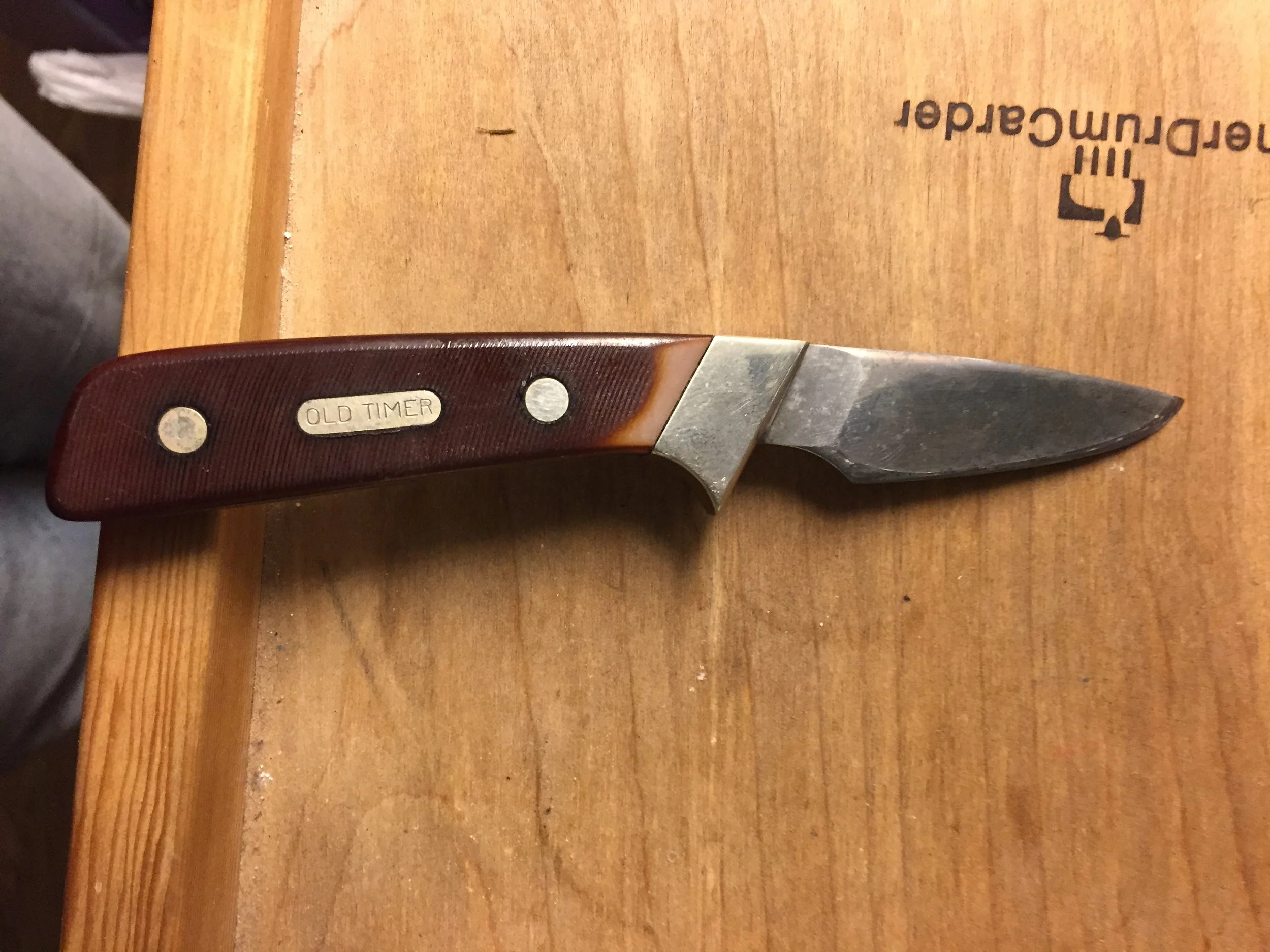
Our favorite field dressing knife: fixed blade drop point

Our favorite field dressing knife: fixed blade drop point

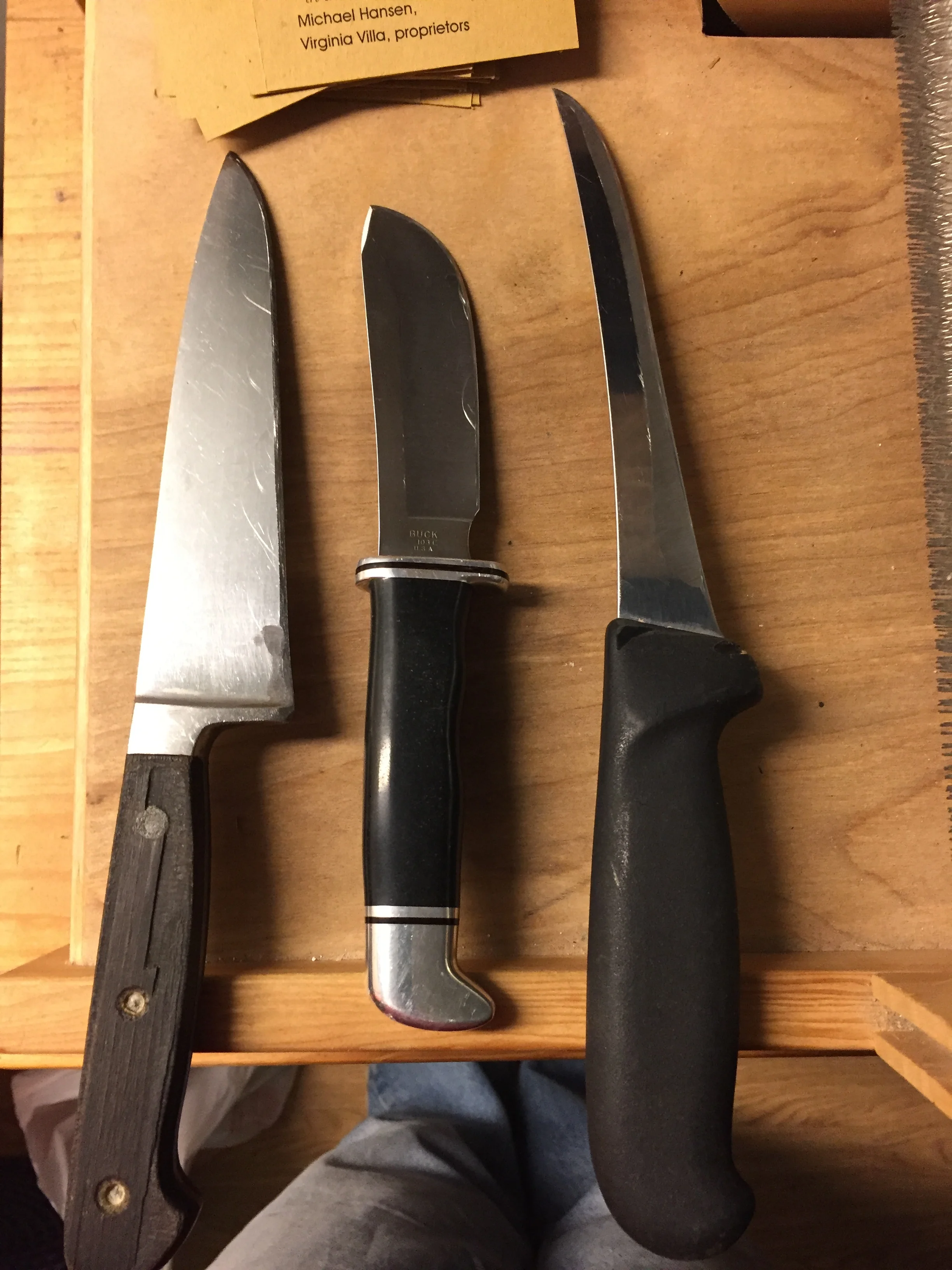
Good knives are very important to this process.  

From left to right: chef knife, skinner, boner.  

From left to right: chef knife, skinner, boner.  

Having a grinding attachment for our mixer is also a huge labor saver. We pile hamburger trimmings on cookie sheets lined with waxed paper and let the meat become semi-frozen before grinding it. This lets the grinder cut the sinews rather than have them get wound up in the grinder. We save the hamburger grinding for after dinner (about the time it takes to super chill the meat), at which time Michael puts the meat through the grinder twice, and I weigh and package the hamburger. Then I get to find the space in our freezer to store it!   

Last year we ended up with 65 pounds of processed meat. This year we have 84 pounds of venison in our freezer. The difference may be in the size of the deer, but also the loss of meat due to the super cold weather.  

Last year the neighbor who rents our land had hay planted. This year he planted corn. This fall has been a lot warmer than last fall. Whatever the factors, the bucks this year had noticibly more fat on them than in years past. They also all had broken antlers. As a final oddity, the single doe we harvested was still lactating. That is a sample size of one, which is meaningless. Yet, observing differences, such as increased competition (all those broken antlers) and increased resources (more high-calorie food and warm weather) is fascinating. 

Thanksgiving journal: thankful every day

Another beautiful morning in Western Wisconsin  

Another beautiful morning in Western Wisconsin  

A friend sent a message this morning: " What if you woke up today with only the things you were thankful for yesterday?"   I did, and do, every day. But some days it is good to be extra thankful. We made dinner for family close enough to drive- and had 9 at our table. Aunt Harriette, who is 97, graced us with her company. 

We have had so many good meals in Harriette's kitchen, we will never even the score.  

We have had so many good meals in Harriette's kitchen, we will never even the score.  

We share a meal with Irene every day, and we are very thankful as otherwise we grow lax in our cooking efforts.  

Our own personal imp! 

Our own personal imp! 

Michael's brother Johnny and his family, and our daughter Artemis and her husband Matt all came to enjoy the fruitfulness of this land. One of our 10 pound broilers fed everyone, with leftovers. Potatoes, squash, carrots, and kale from the garden rounded out the menu. The stuffing had wild mushrooms, onions, garlic, and venison heart. Plum and pumpkin, also from the backyard, made into pie. 

Michael is now gently snoring by my side. Tomorrow we tackle another project. Waking up every day by Michael's side, working on something new, and falling into an exhausted heap at the end of the day is indeed cause to celebrate. 

Harvest journal: 3 down, 5 to go

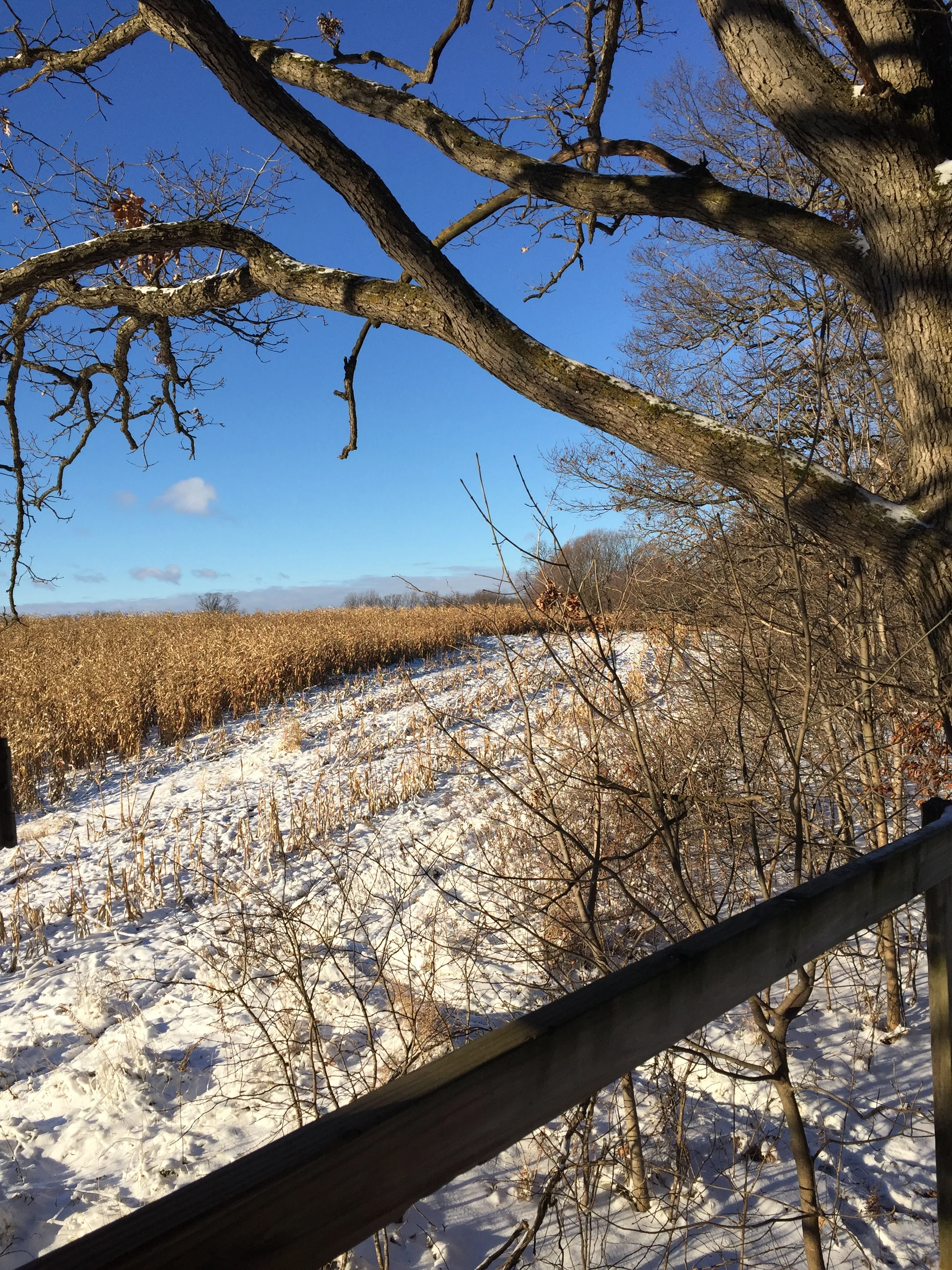
The snow came last night, just in time for opening day.  

A brief period of sun and blue sky.  Those are snow clouds on the horizon.  

A brief period of sun and blue sky.  Those are snow clouds on the horizon.  

Michael got a nickel and a kiss for harvesting the first deer, a big doe, at about 8:30 am. She was still lactating, which is unusual for this time of year. Brother Johnny shot two young bucks at about 2:30 pm. I saw 3 does at about 10:30 am, but they were faster than I was. 

My only successful shot: photographing my stand companion  

My only successful shot: photographing my stand companion  

The wind in the trees reminded me of the rhythm and crash of waves on a sandy strand, a gathering roar followed by a sustained hiss.  It took a good dinner (thanks Irene!) and a hot shower to begin to thaw my toes. Even so, I look forward to sitting in the woods again tomorrow, doing my best to substitute for a wolf.  

Fiber journal: wrapping some of my favorite people in warmth

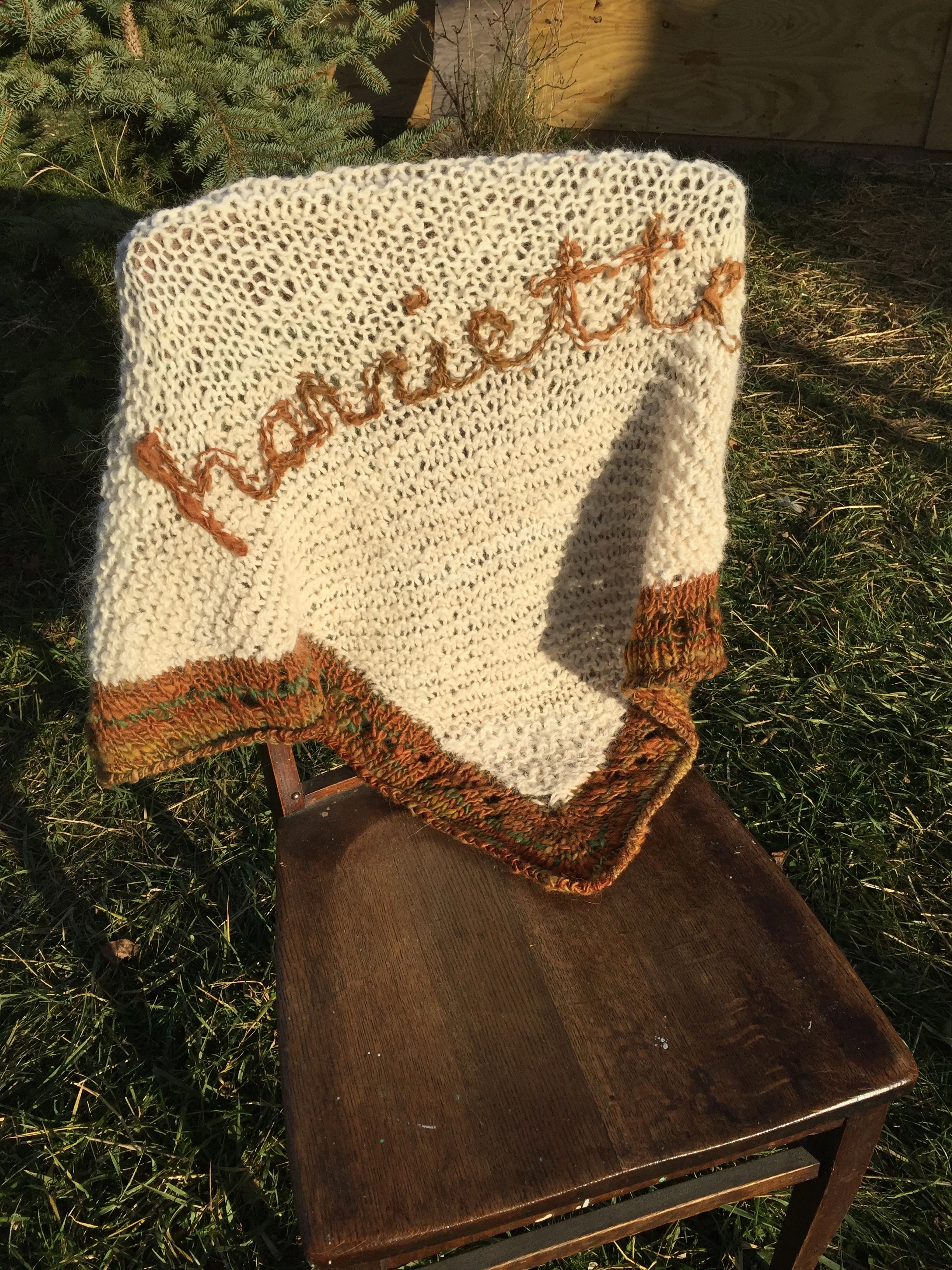
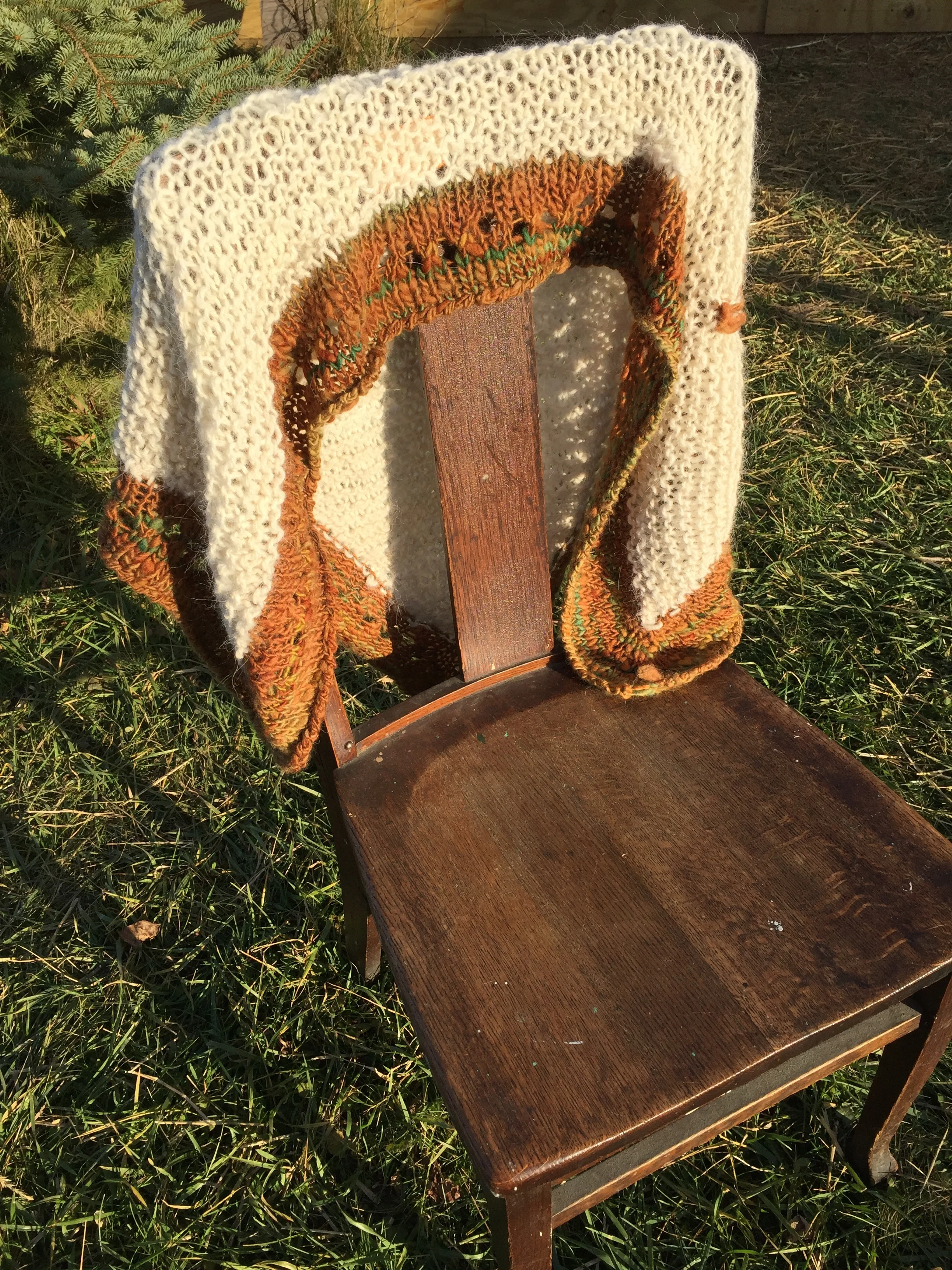
Auntie Harriette and Irene have been shivery lately, and real cold weather hasn't even hit yet. I had a long car ride this past weekend, which allowed me to finish a couple of projects I began in September. I had a variety of yarns I had spun in times past that went together well for Irene's wrap. 

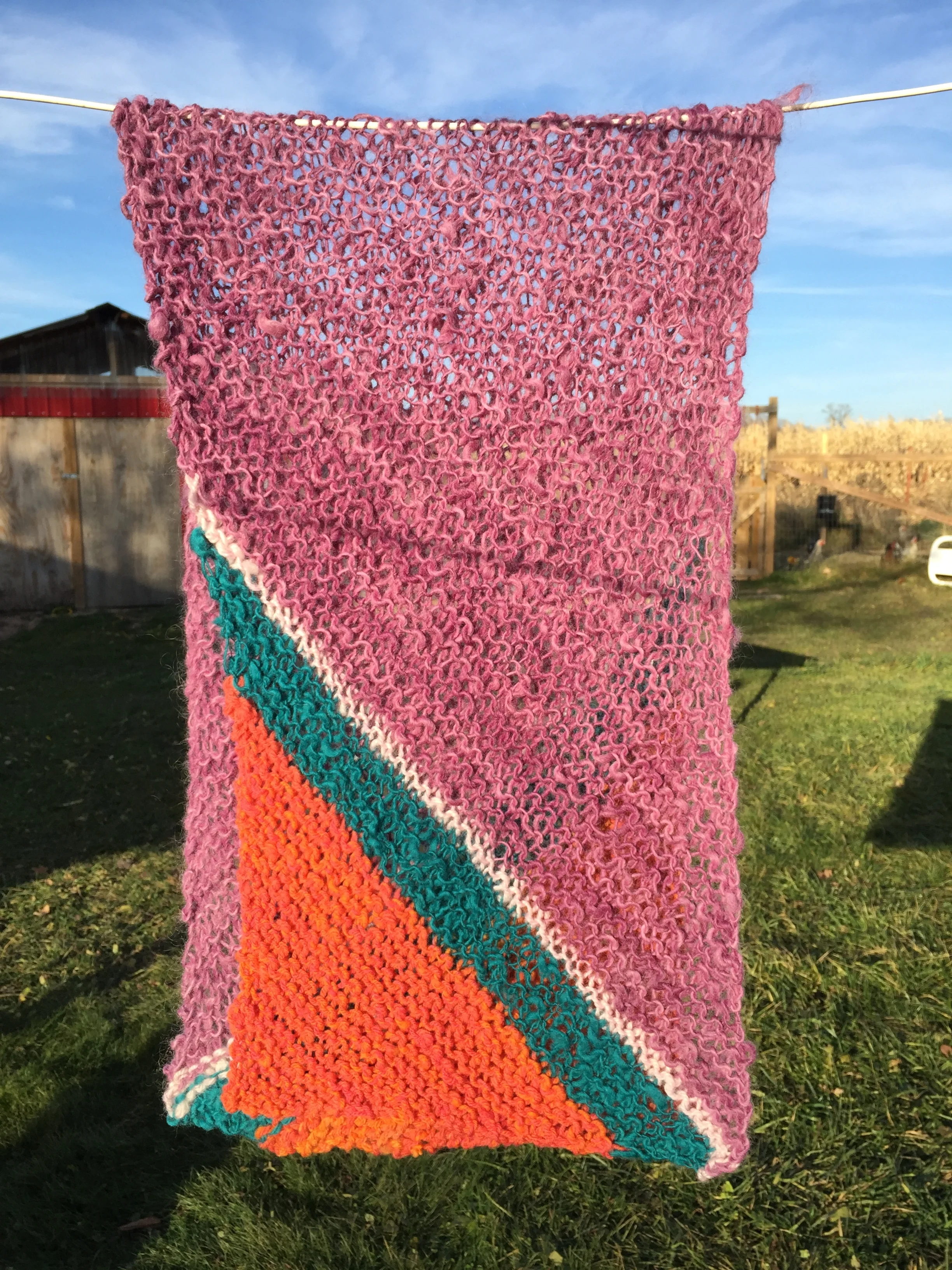
A sunset shawl for Irene. It should leave her hands free for her crochet projects.  

A sunset shawl for Irene. It should leave her hands free for her crochet projects.  

I began spinning the llama fleece shortly after being gifted it during thenRiver Ramble (thanks Betty!), but it took me a while to spin sufficient yarn to make a decent sized shawl, which takes about as much yarn as a vest--in the 600 yard range.  

I customized Harriette's as she is always worried that her favorite things will walk out her door and won't return...a hazard of living in an assisted care facility.  

I customized Harriette's as she is always worried that her favorite things will walk out her door and won't return...a hazard of living in an assisted care facility.  

It is fluffy and warm!  The edging I spun on a wheel gifted to me this past March (thanks Melissa!) with roving hand dyed at Ine Lupine fiber center in Bangor, Maine (thanks Jody!).  

This should work better than the bed sheet Harriette wrapped herself in last time we visited.  

This should work better than the bed sheet Harriette wrapped herself in last time we visited.  

Spinning and dying my own yarn slows down my output, but it gives me the opportunity to make beautiful and warm clothes for those who need them within my sparse budget. I can hardly wait until I have more work space and fiber time!  Michael has been pulling wire in the addition while I finished the shawls. We begin installing insulation as soon as deer season is over. 

Construction journal: furnace (mostly) finished!

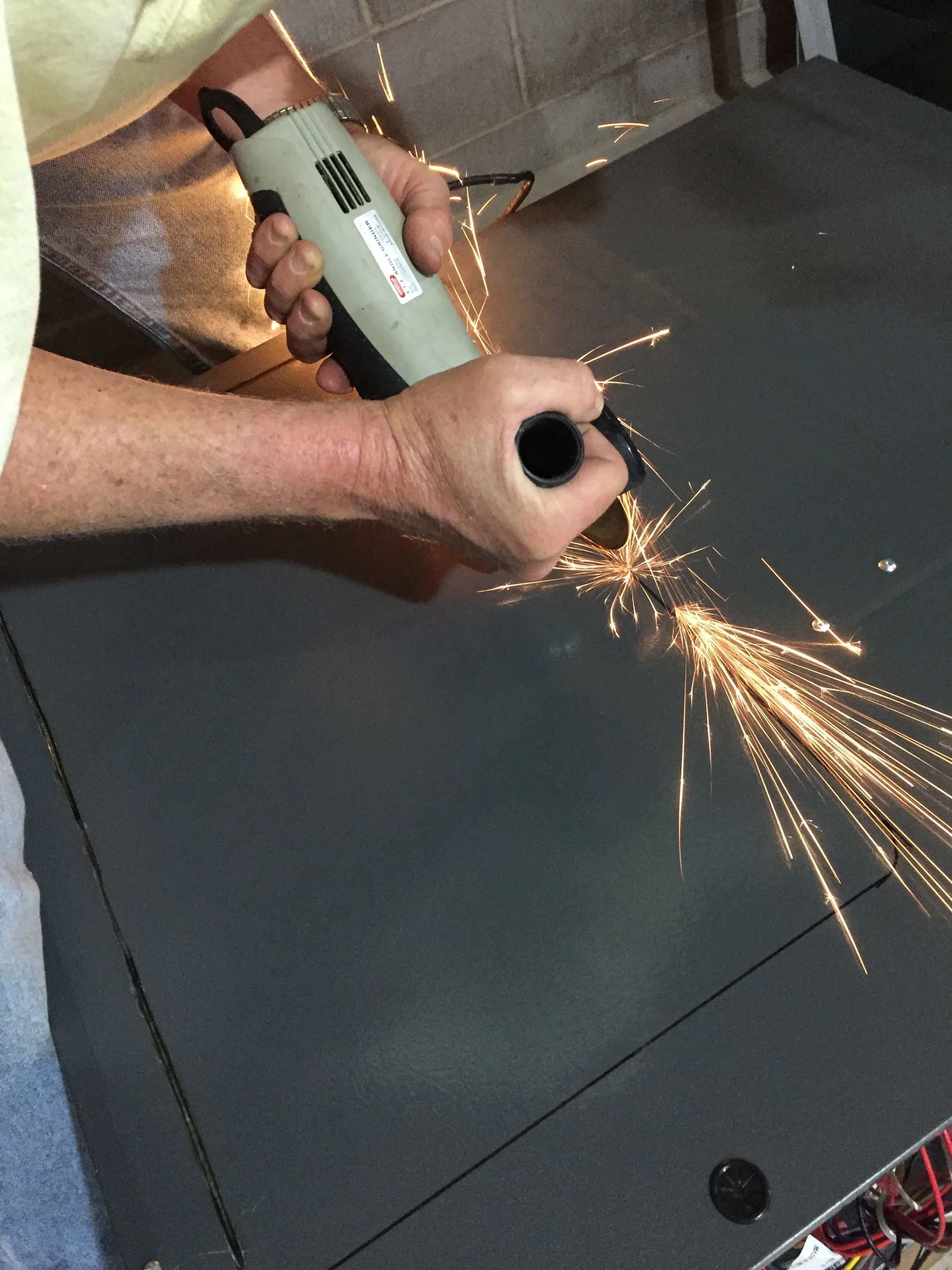
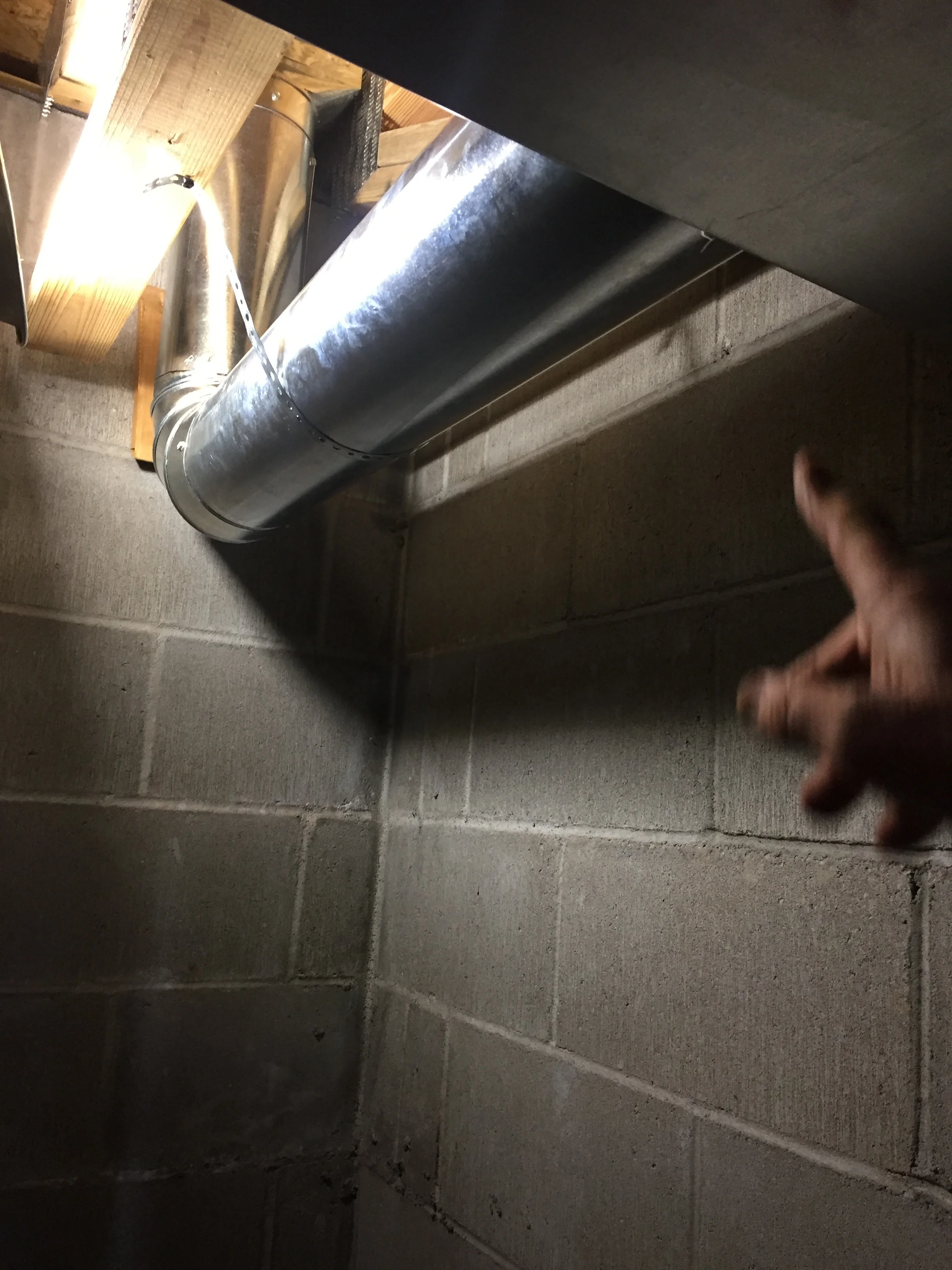
We started our furnace project for the addition about 3 weeks ago. We received a bid from a professional furnace installation company that came to $12,000. We decided to go it alone, using the furnace in the existing house as a template where the instructions that came with our furnace (bought on EBay) were a bit opaque. The first major step was cutting a hole in the side of our new $1200 furnace

Michael, the intrepid!  Date: October 24th. 

Michael, the intrepid!  Date: October 24th. 

We couldn't find a hot or cold air plenum (this project has expanded my vocabulary), so Michael ordered custom made ones, again through EBay. 

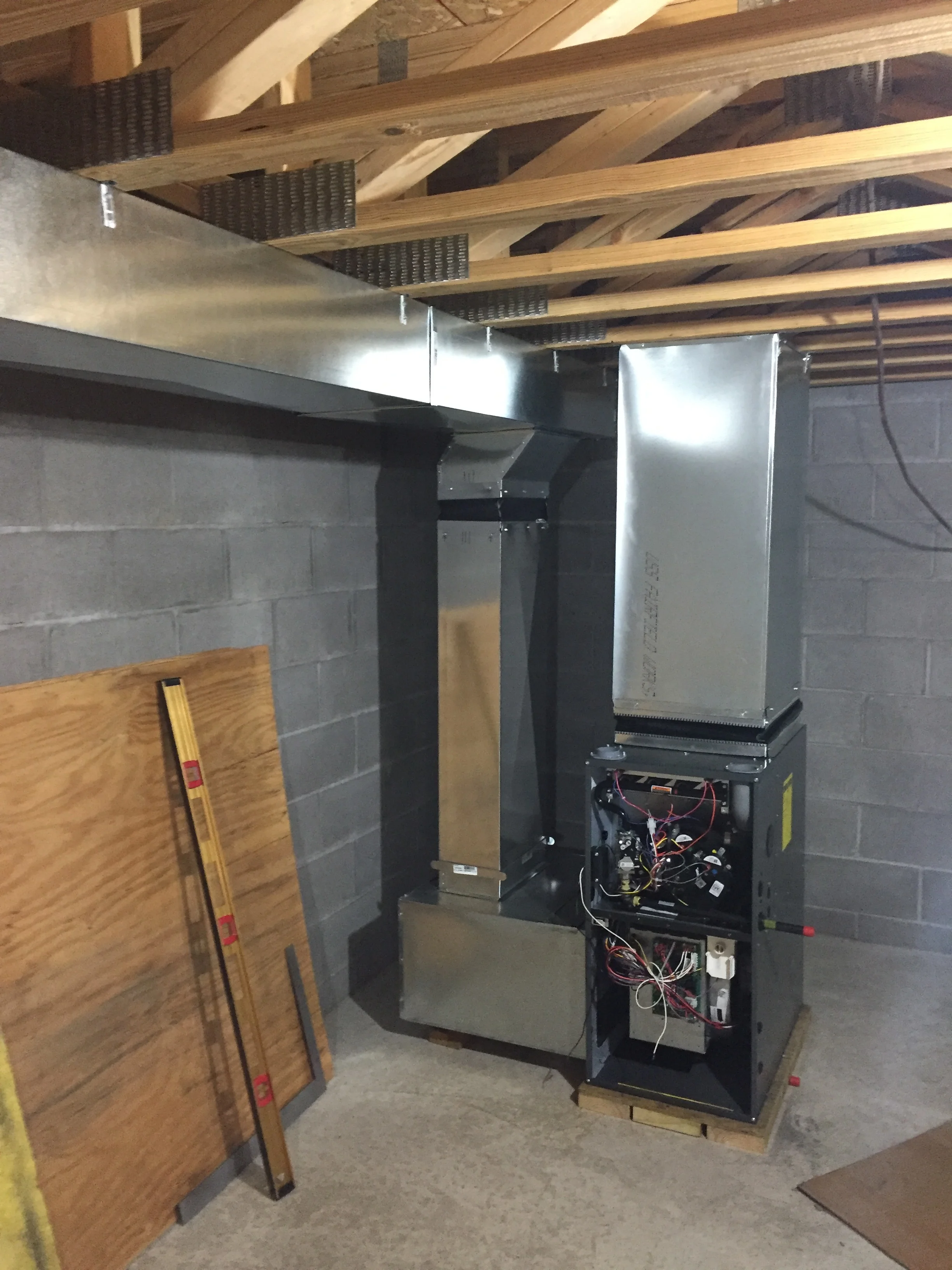
Cold air out the side. Hot air out the top. Duct work to get cold air returned to furnace started.  

Cold air out the side. Hot air out the top. Duct work to get cold air returned to furnace started.  

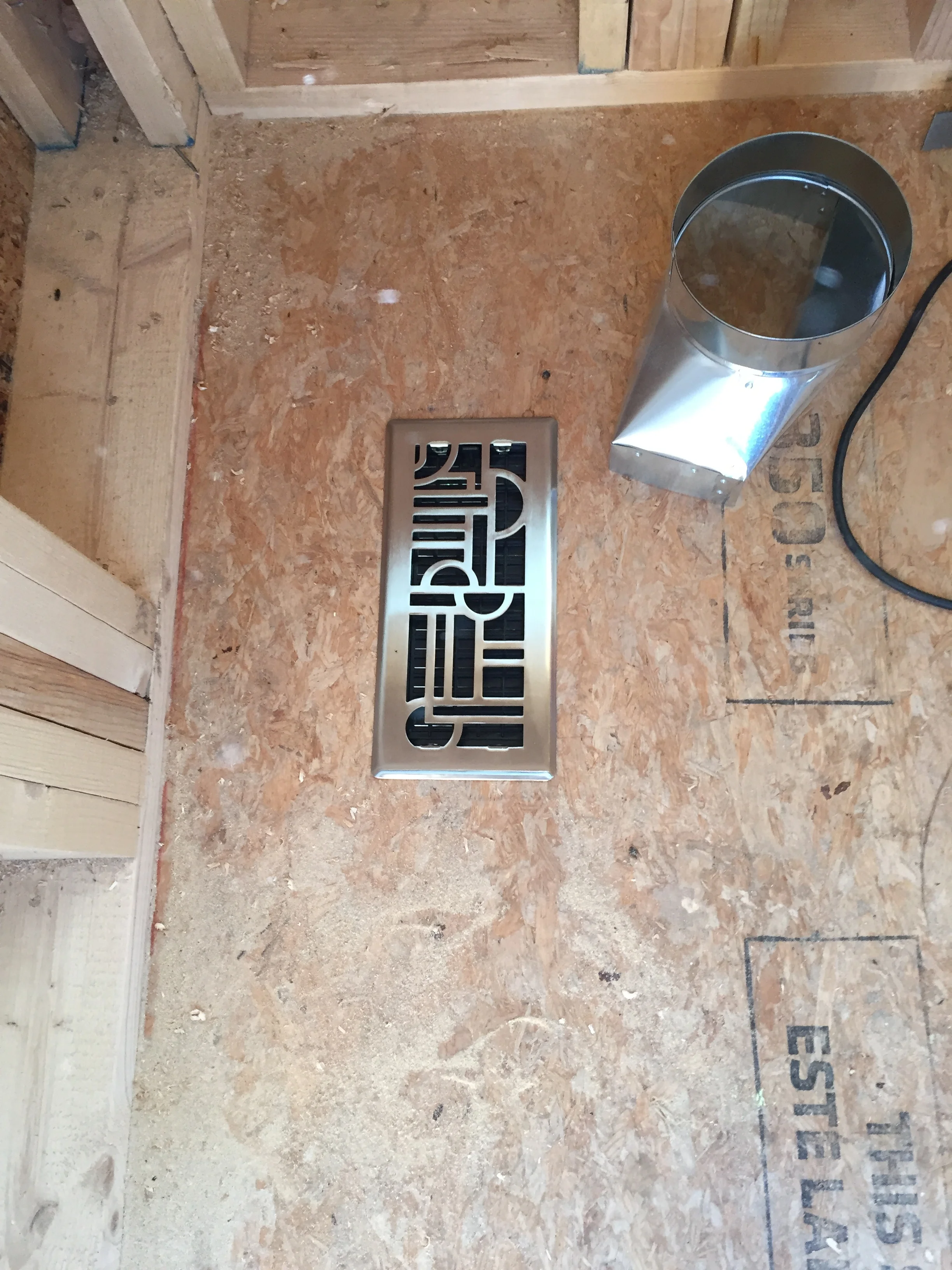
We had to plan where to put hot and cold air vents in the floor, and then figure out how to get ducts to those areas without interfering with future plumbing and keeping register covers from high traffic areas. 

Our first hot air duct! 

Our first hot air duct! 

I managed to get the holes in the floor to be square with the world...and just the right size so the covers don't rattle around too much.  

I chose pretty covers for Irene's area. She likes them! 

I chose pretty covers for Irene's area. She likes them! 

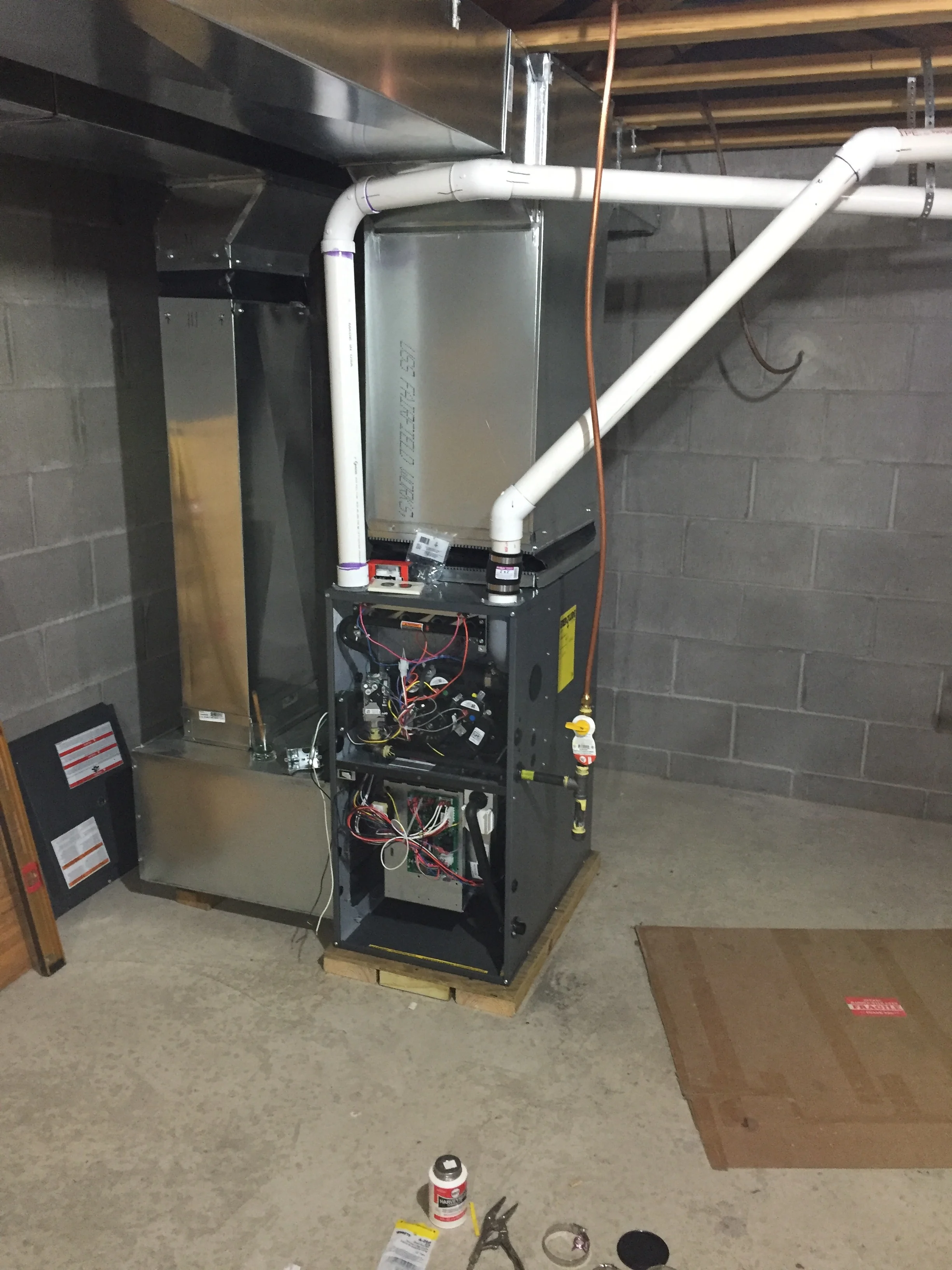
We could do about 2 of these in a day...and we were working hard!  We did take a couple of days to get the PVC pipes installed (to vent to the outside) , and another day to get a gas line into the furnace. 

Almost done!  Still needs a thermostat and condensate pump attached, but those are relatively minor projects.  

Almost done!  Still needs a thermostat and condensate pump attached, but those are relatively minor projects.  

We were also slowed down a bit because we kept miscounting needed parts and so had to go to the store every three days or so. We also had to take a day out, move the young ducks up from the pond to their winter quarters, and harvest the last two "extra" drakes. We put the last duct (not duck) into the living room today. Yay!  I can get back to being a lawyer for a couple of hours!   

Foraging journal: oysters!

Mushrooms that is.  

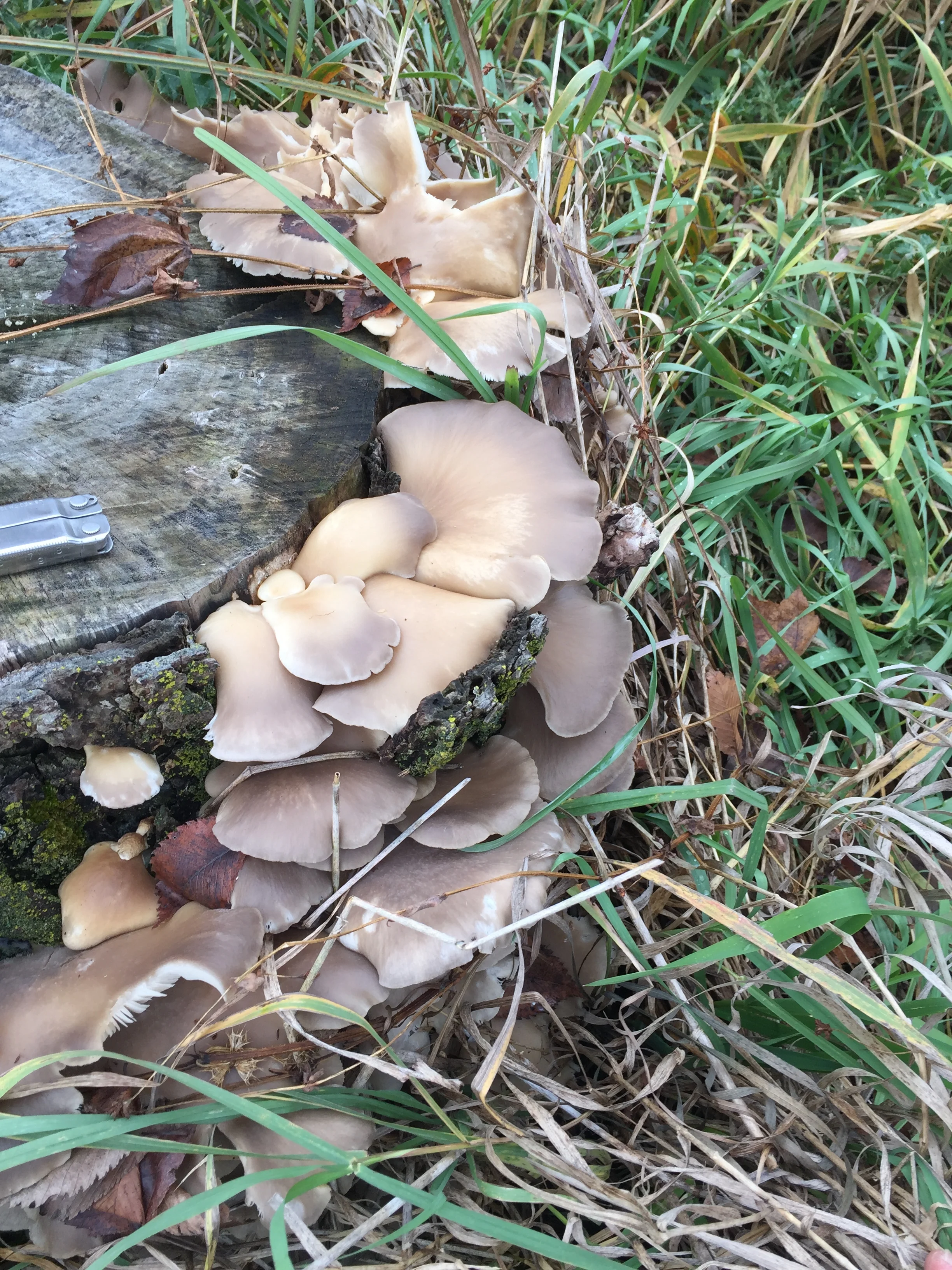
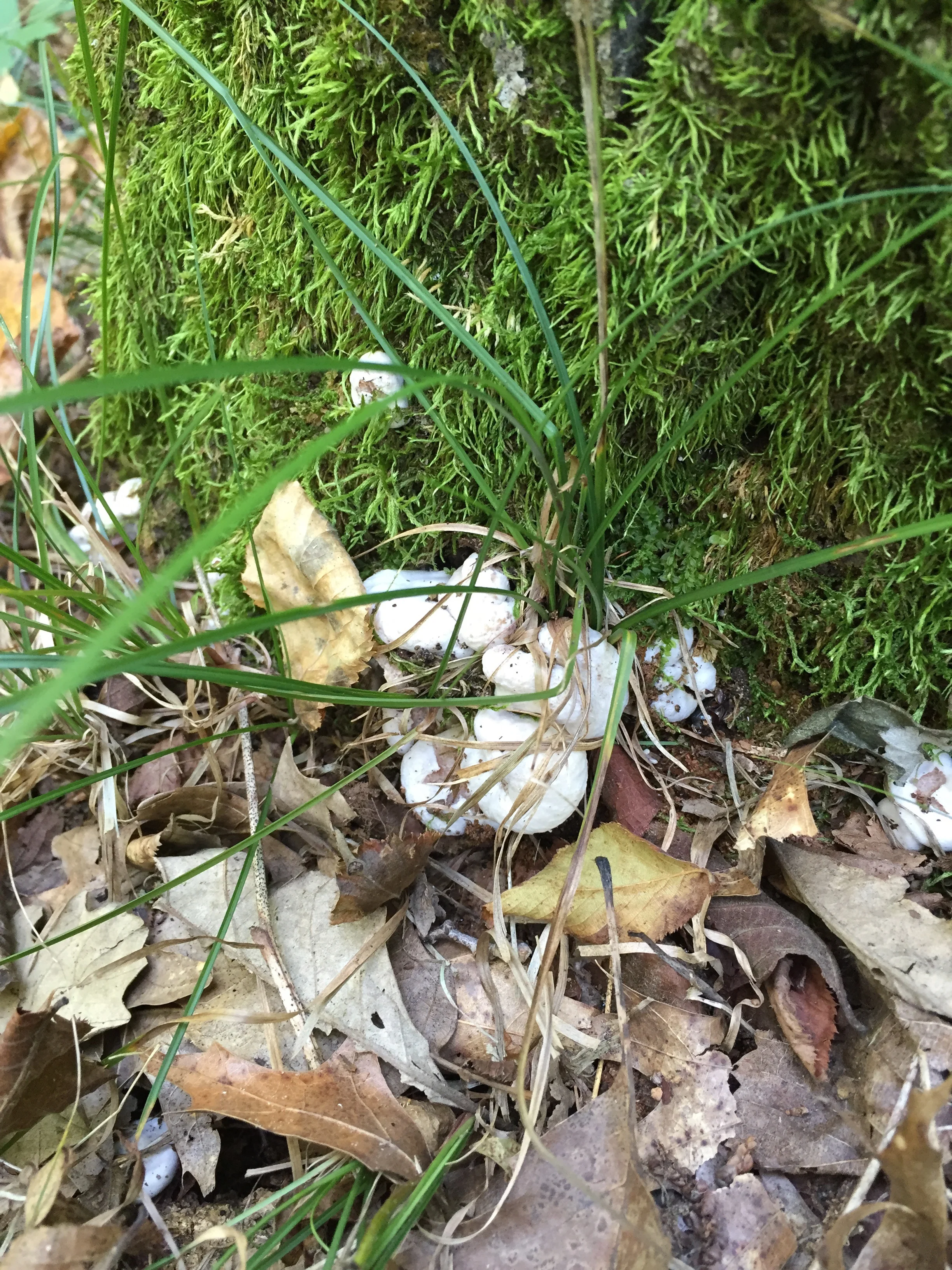
Oysters like elms in our neck of the woods.  

Oysters like elms in our neck of the woods.  

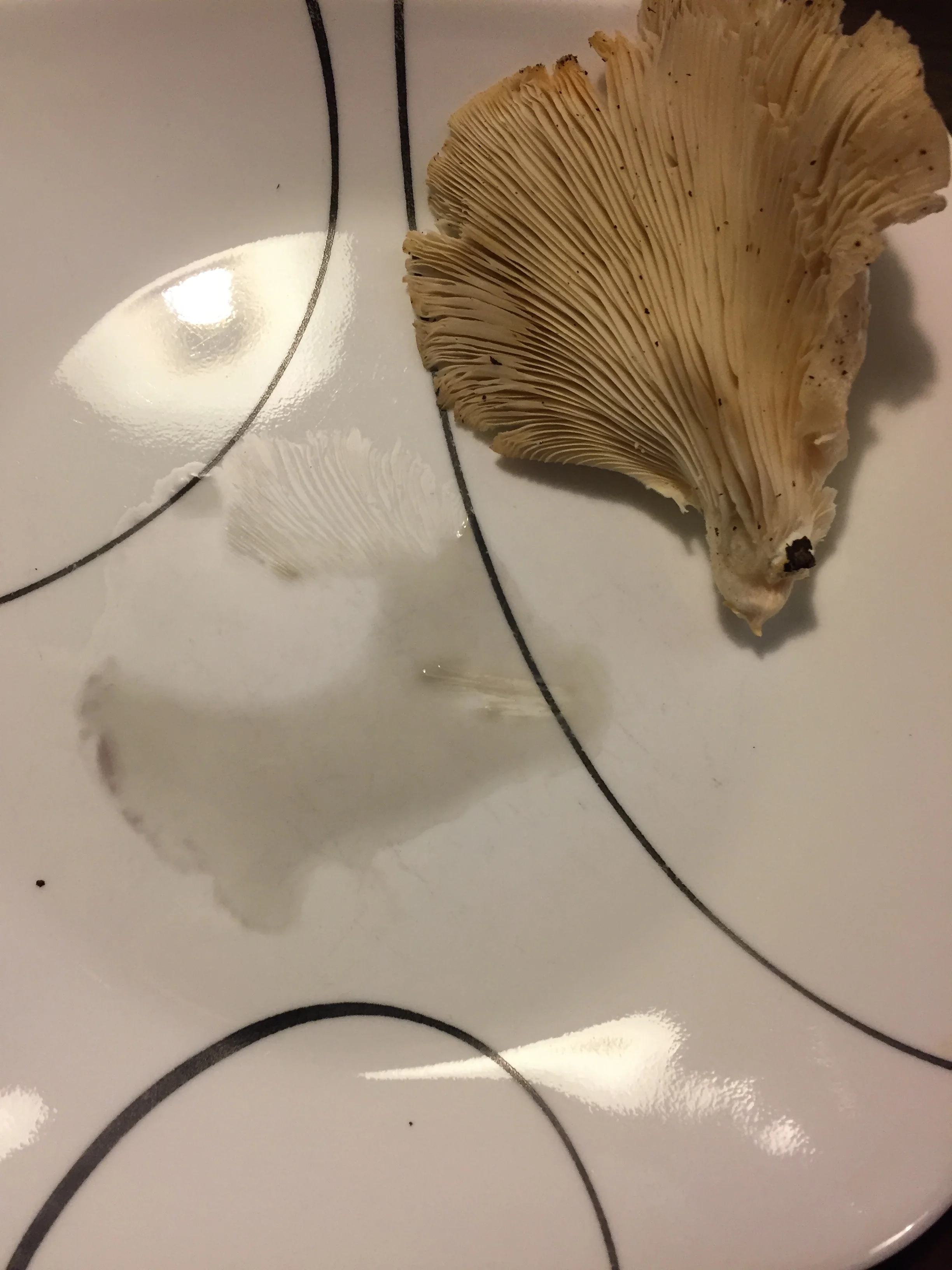
While we were out cutting some dead wood, I noticed the above beauties. Whether due to the wet year (we are 8" above normal) or the warm autumn, we have oyster mushrooms in our woods. I checked a number of sources, cross checked any possible other poisonous look-alikes, and then took a spore print.  

Definitive lilac print (I couldn't get good color in the photo...but it was lilac!). 

Definitive lilac print (I couldn't get good color in the photo...but it was lilac!). 

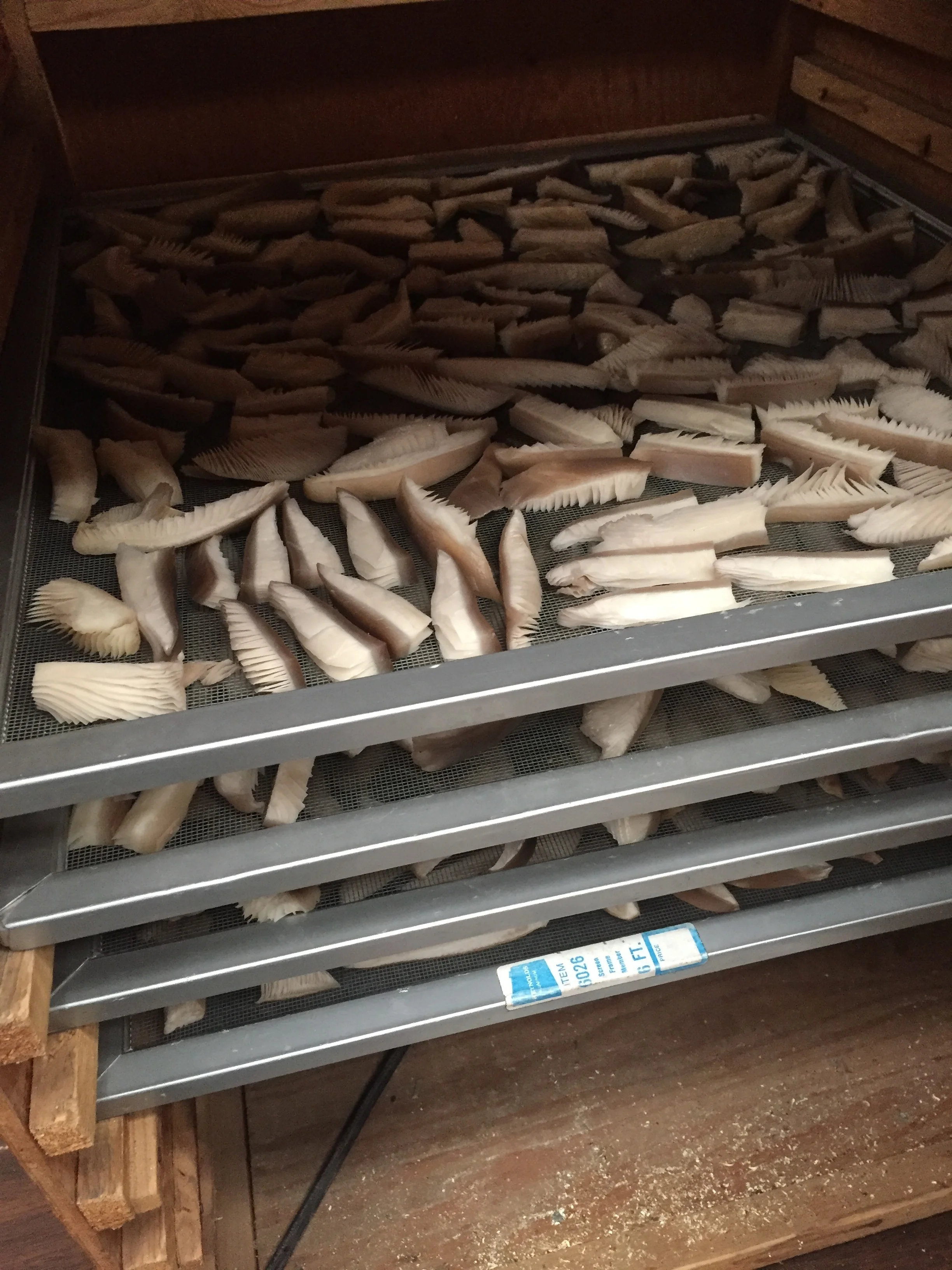
I ate one or two slivers (temptation overtook me) and when nothing untoward occurred, we had them in the spaghetti sauce. In meatballs and gravy. In stir-fried vegetables. In chicken soup. They dried well and rehydrated marvelously. 

This made about three and a half quarts, dried.  

This made about three and a half quarts, dried.  

We will now keep our eyes open after first frost, which is closing season for most other wild edibles. 

Wildlife journal:owls!

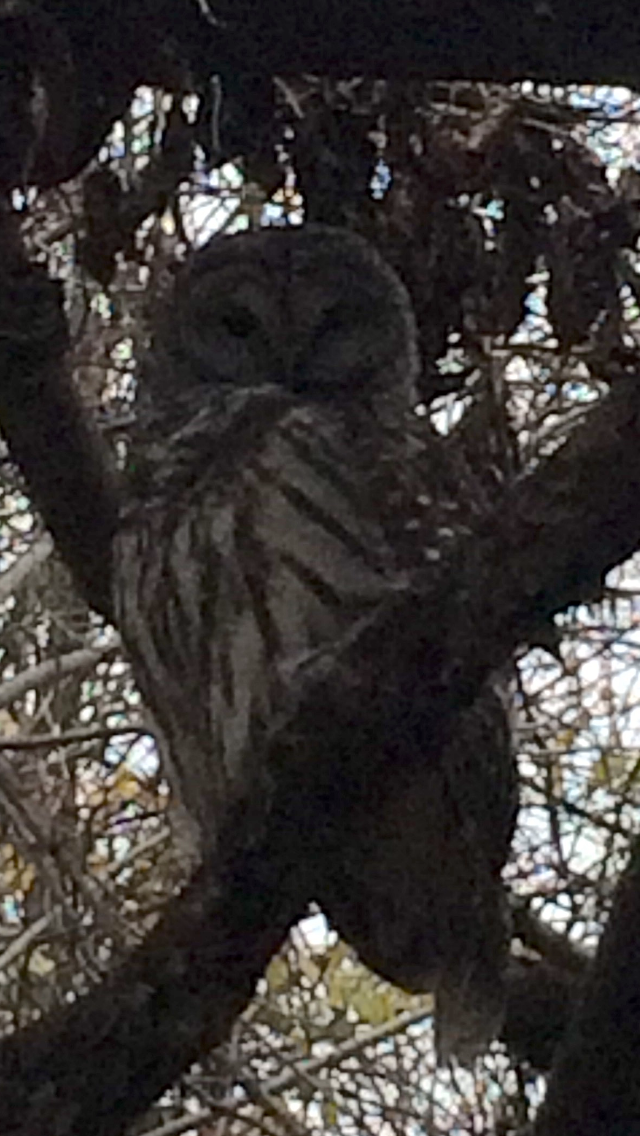
A Northern Hawk Owl, to be precise.  

A day owl, not a night owl!   

A day owl, not a night owl!   

Michael and I were out rambling around in the back of our land, seeking dead trees to harvest. We found a couple of trees...and this owl. She was right calm and allowed us to take her portrait. 

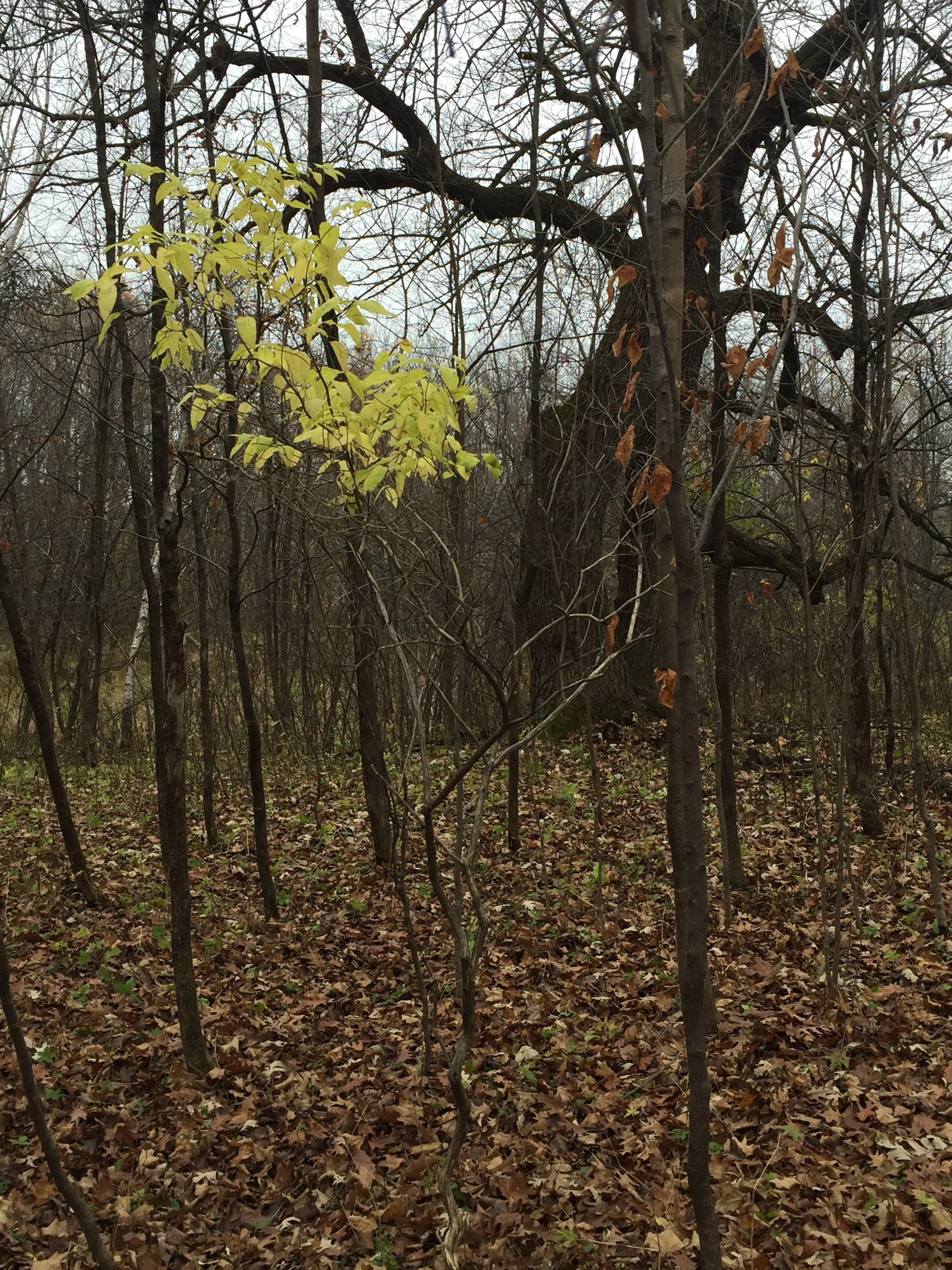
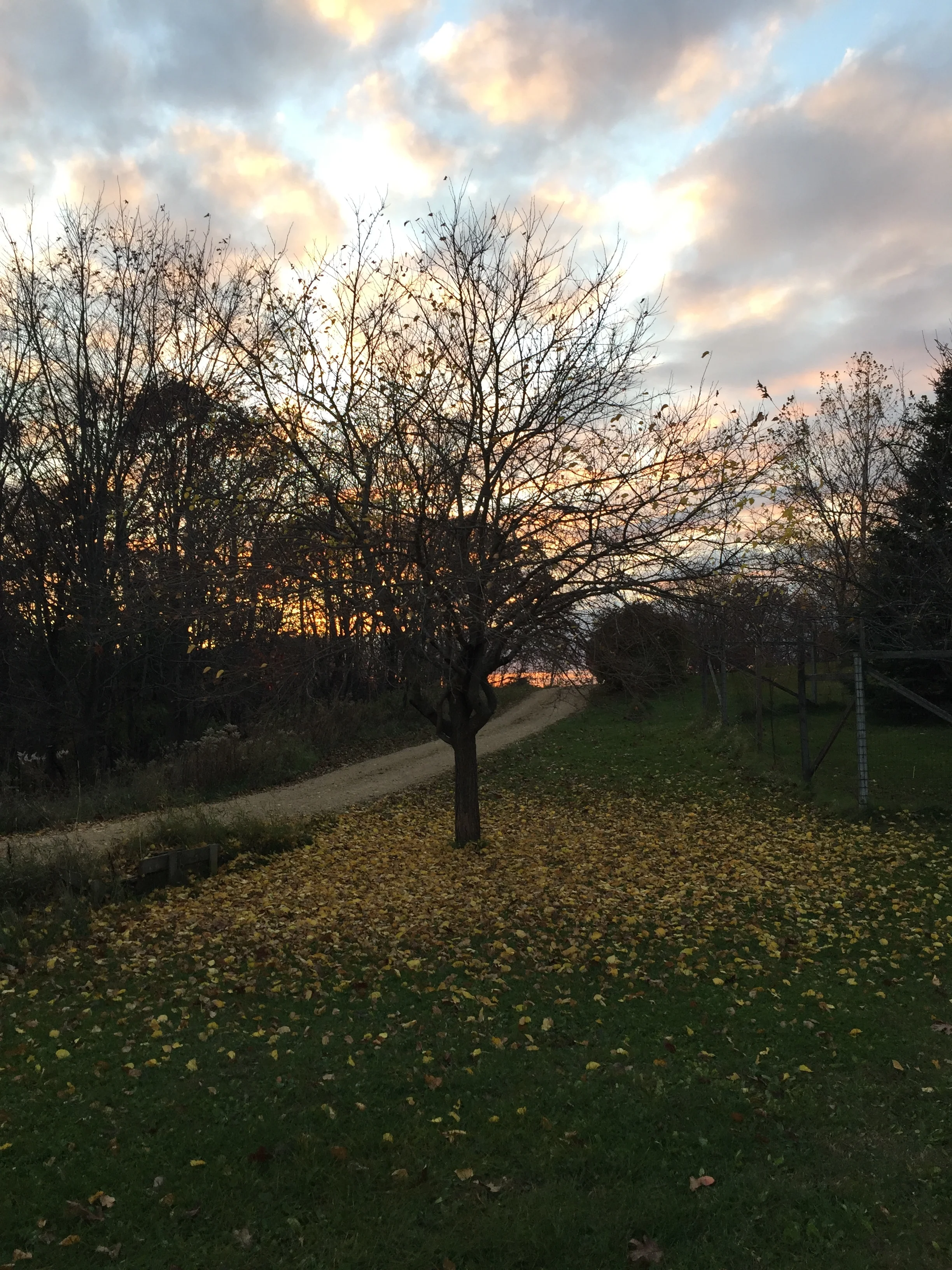
Who would think spring green would appear in the October woods? 

Who would think spring green would appear in the October woods? 

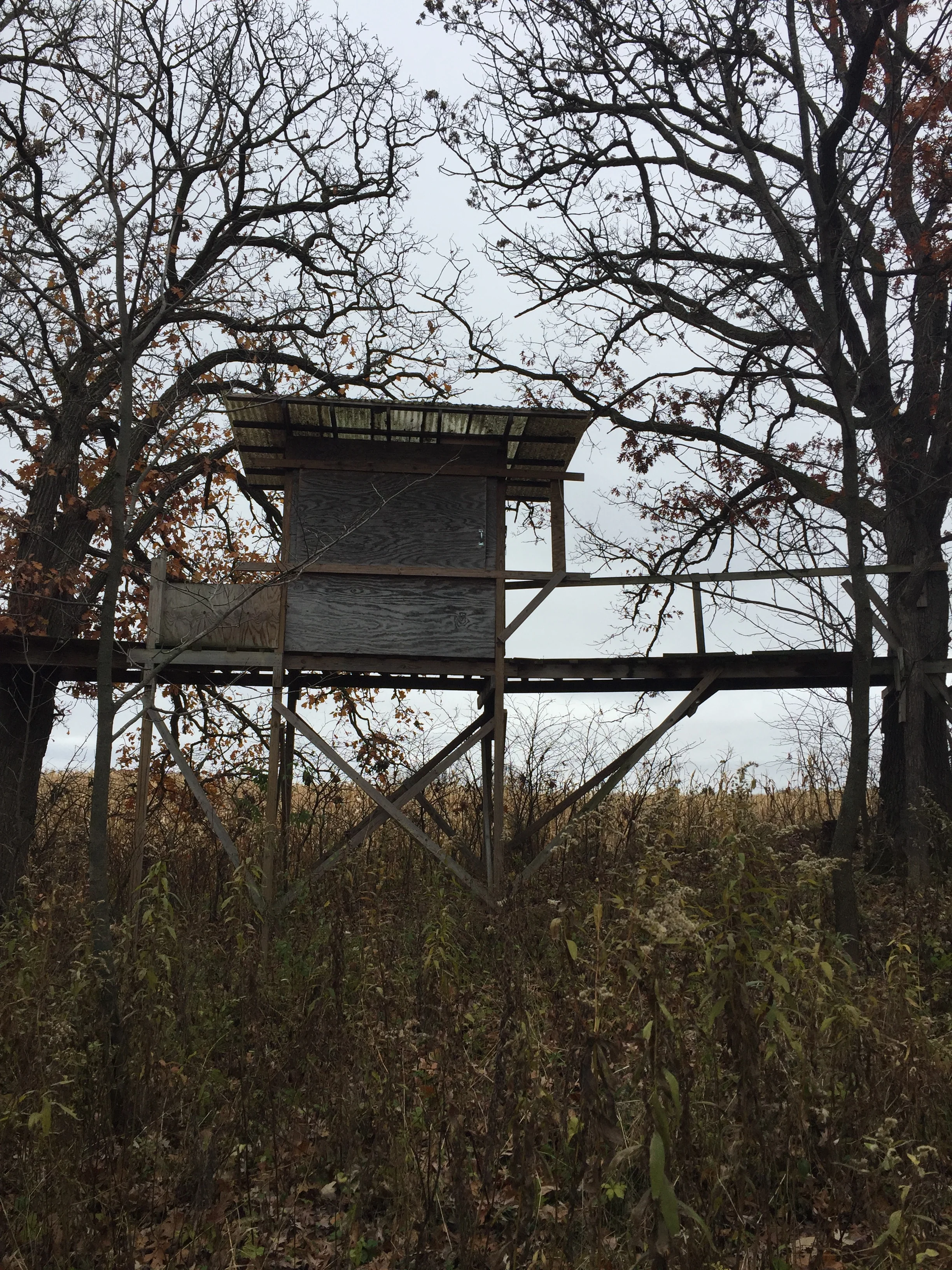
There are always surprises waiting for us in the woods. While we were out, we checked on my deer villa.  

An original Michael "Frank Lloyd" Hansen design.  

An original Michael "Frank Lloyd" Hansen design.  

I stood in the deer highway to take this photo.  We then skirted the corn field to make a full circuit of our 40 acres.  

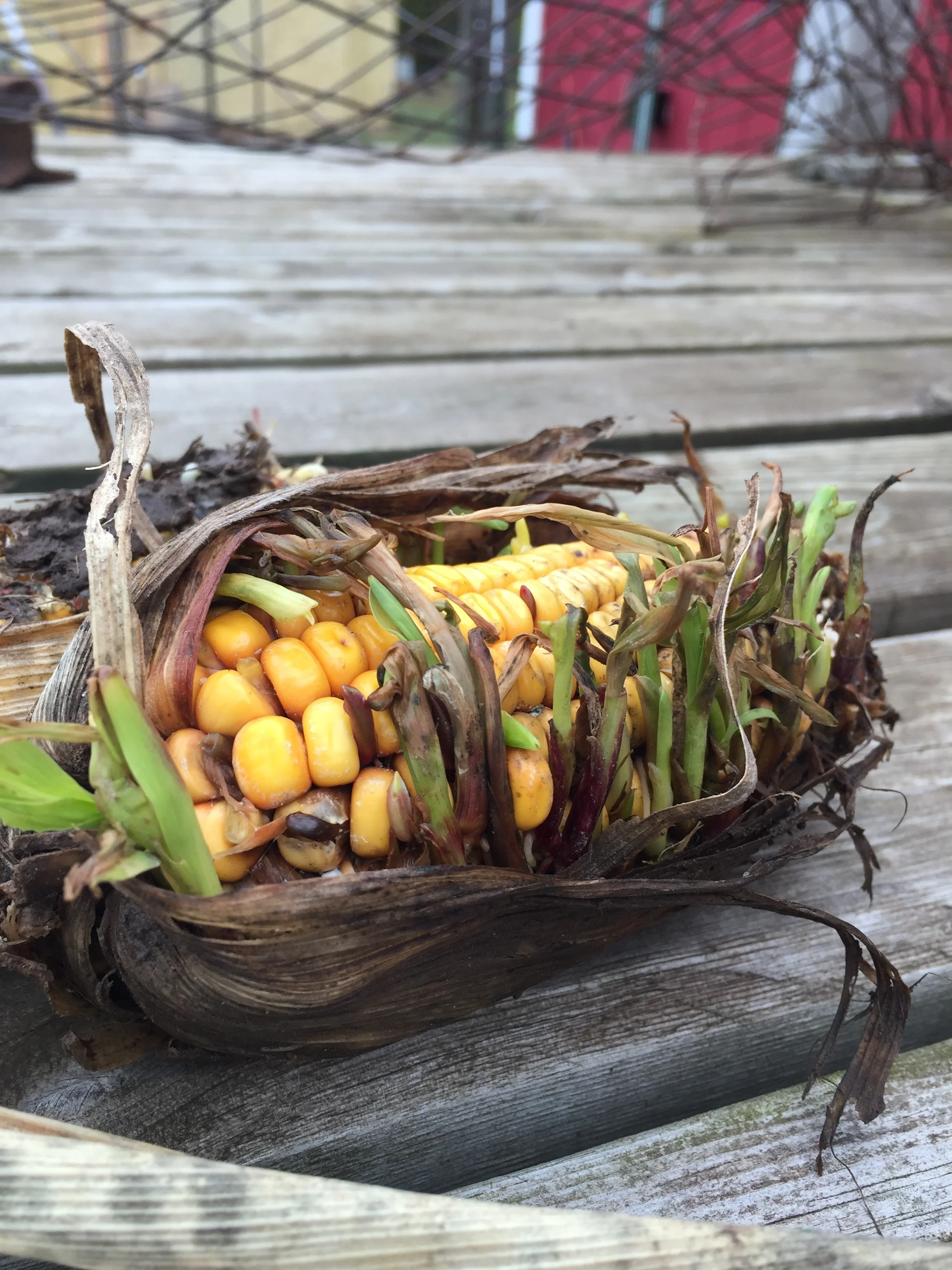
Rain and warm weather allowed this downed cob to sprout.  

Rain and warm weather allowed this downed cob to sprout.  

I love walking through wood and field and sharing the mud with Michael.  

Planting journal: garlic all tucked in

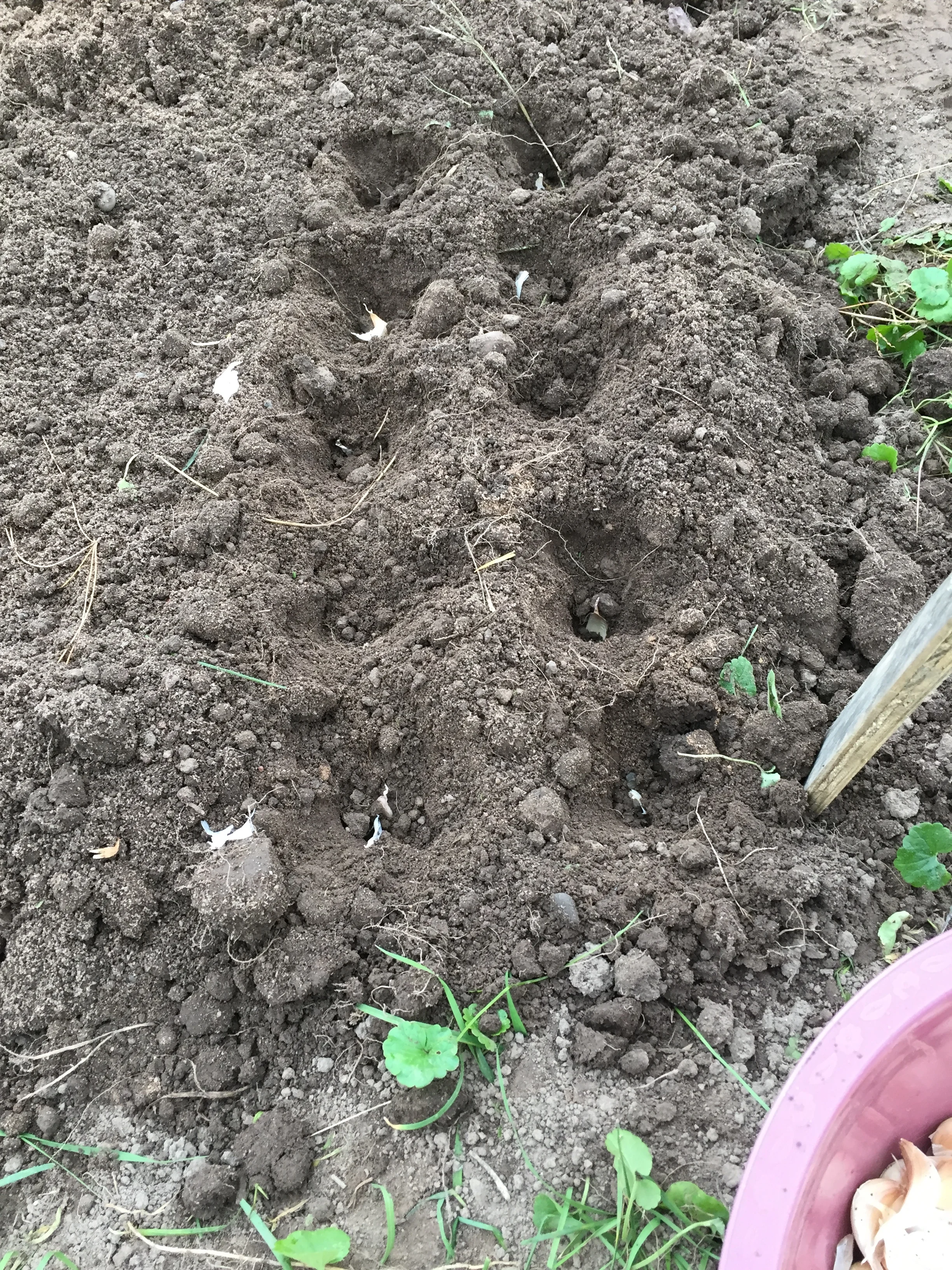
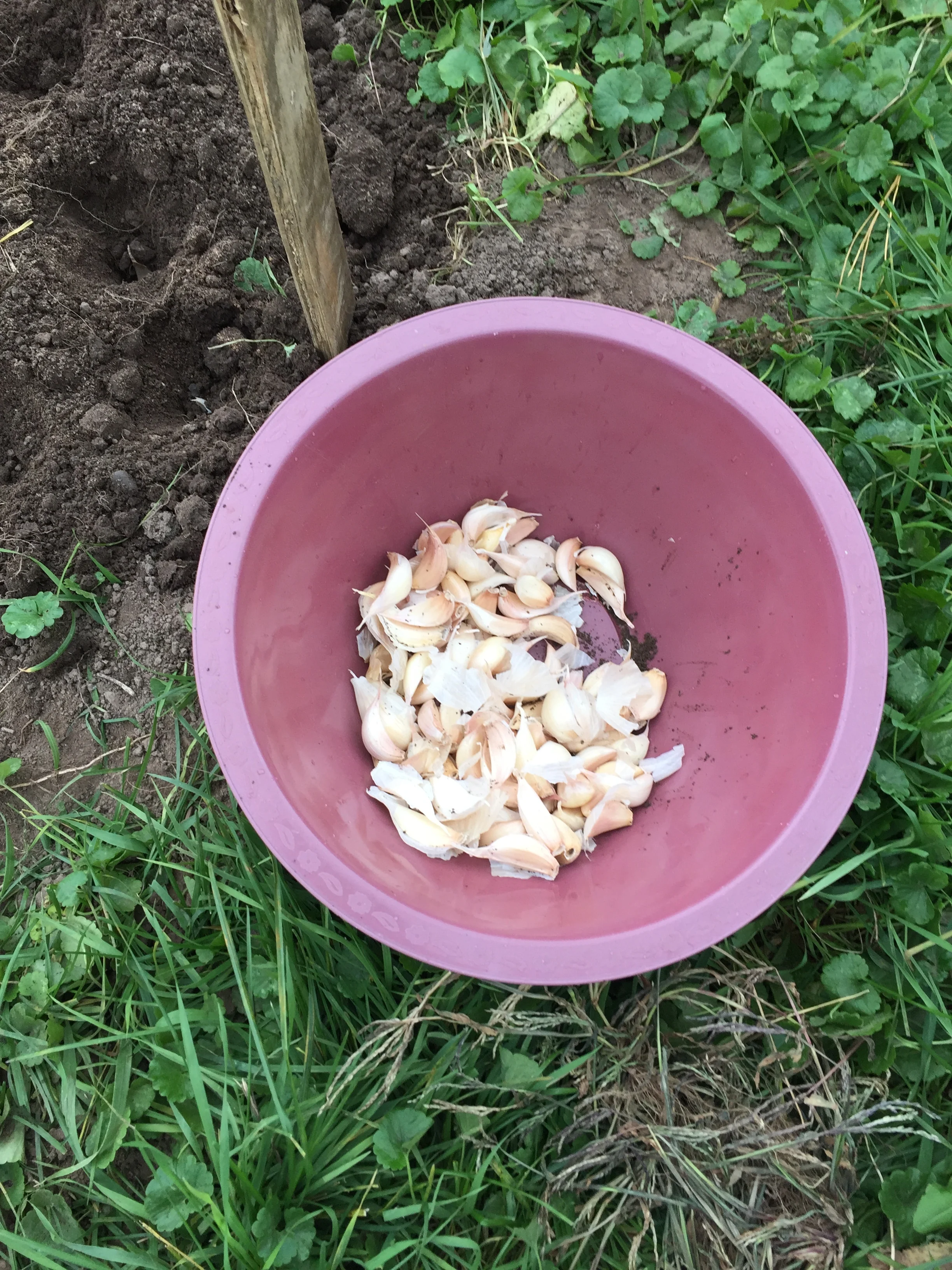
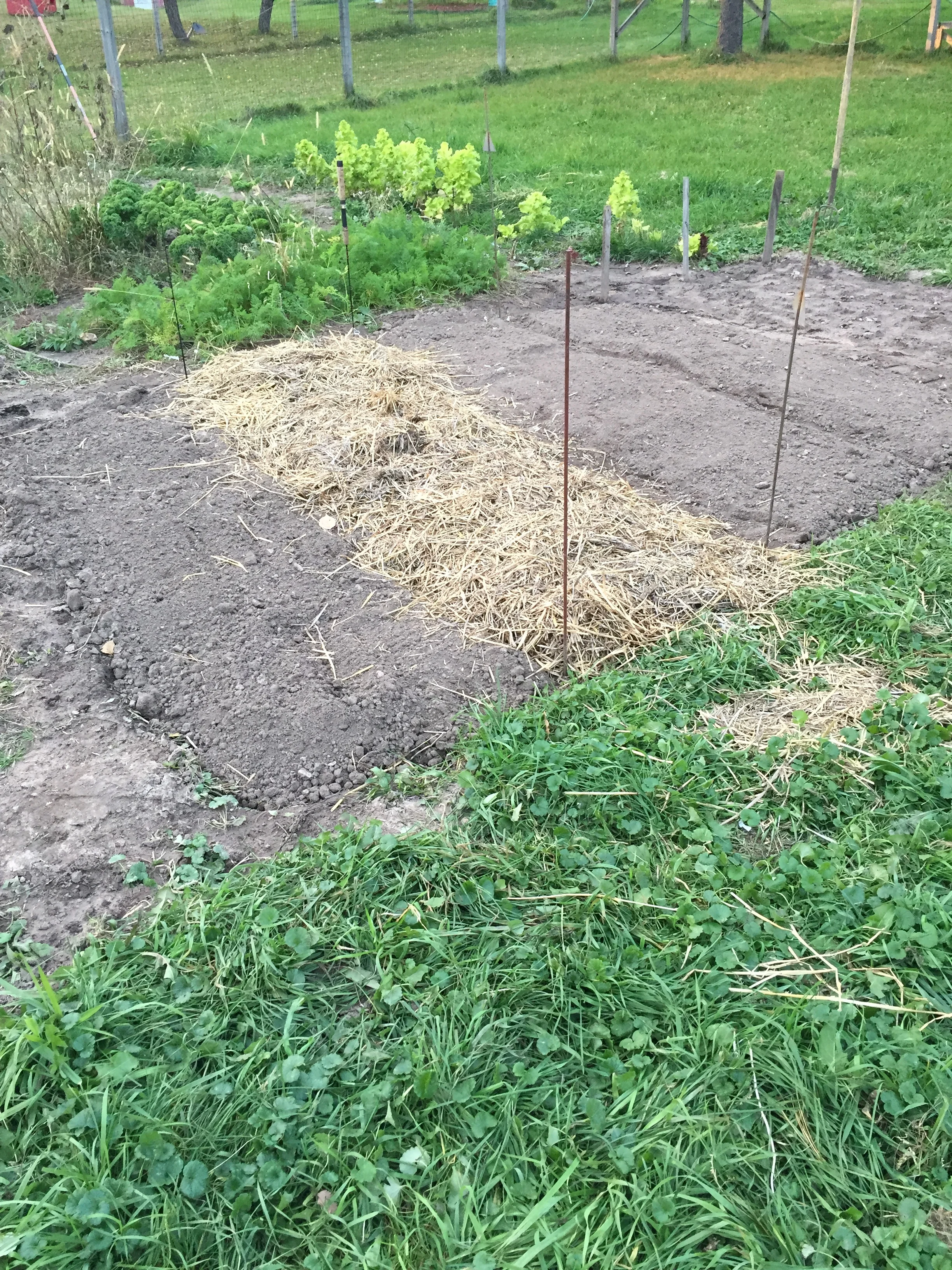
I started planting garlic on October 15th. That was after spending a couple of days preparing the seed bed.  

The cloves poked in about 2" or so.  

The cloves poked in about 2" or so.  

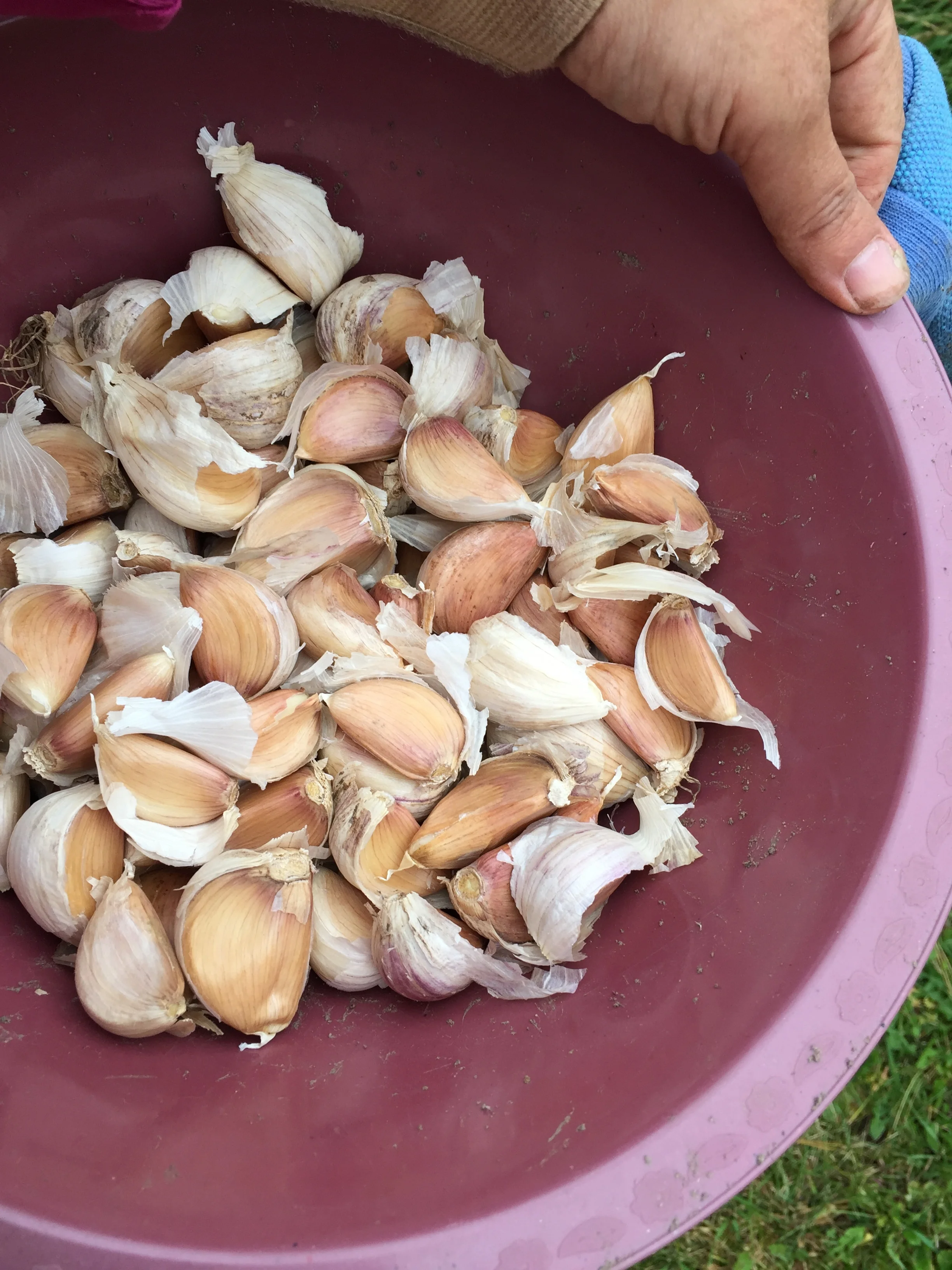
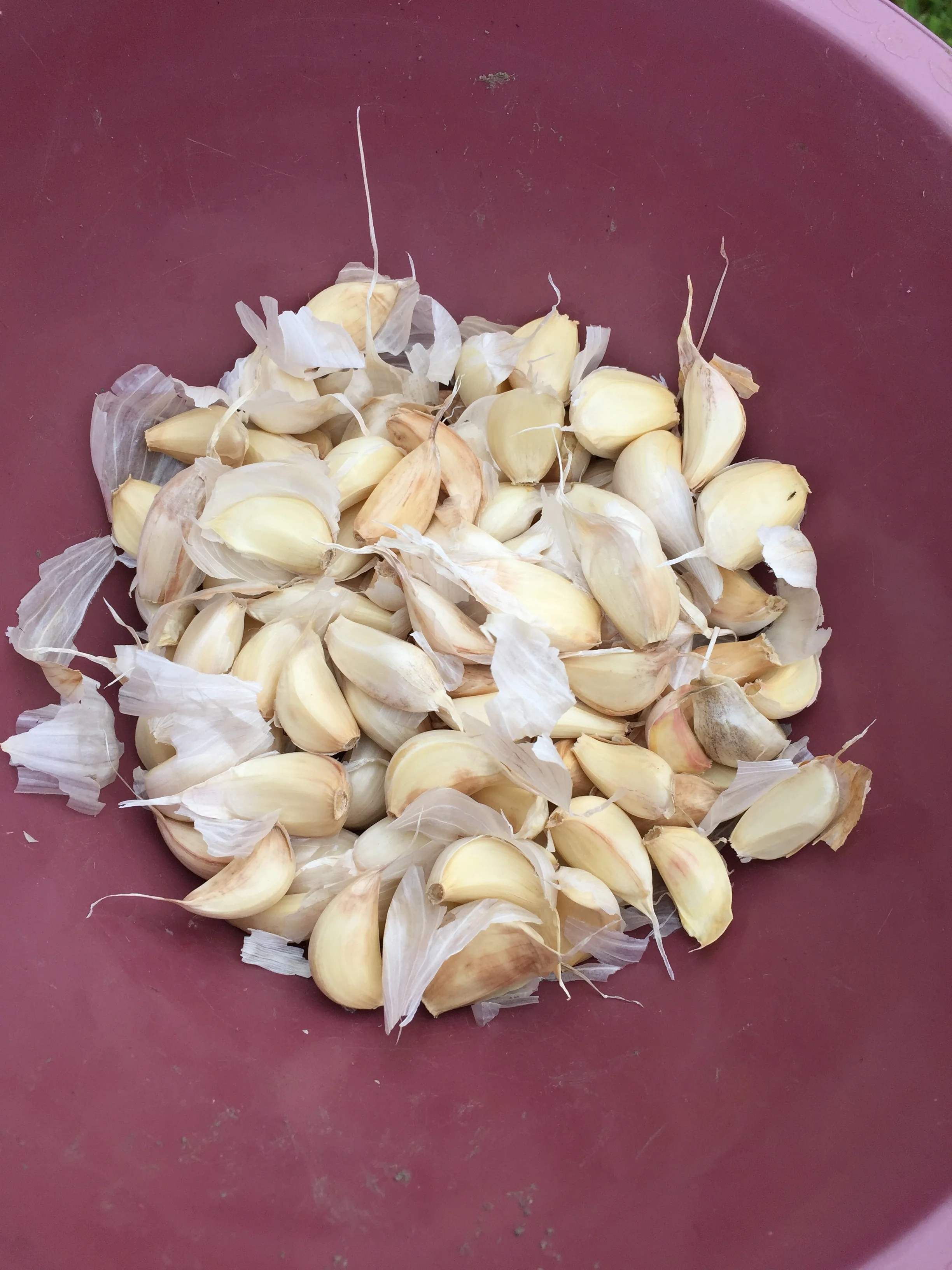
I have a bit more space this year, so I planted 105 of each of my five varietals.  

French germinador

French germinador

Rocambole  

Rocambole  

German Red

German Red

I also have Siberian White and River Giant (which might be my personal favorite), but was too tired by the time I got to them to remember to take photos.  

I will finish mulching with straw once we go and buy more straw!   We will also mulch the carrots and should have fresh carrots well into December. 

I will finish mulching with straw once we go and buy more straw!   We will also mulch the carrots and should have fresh carrots well into December. 

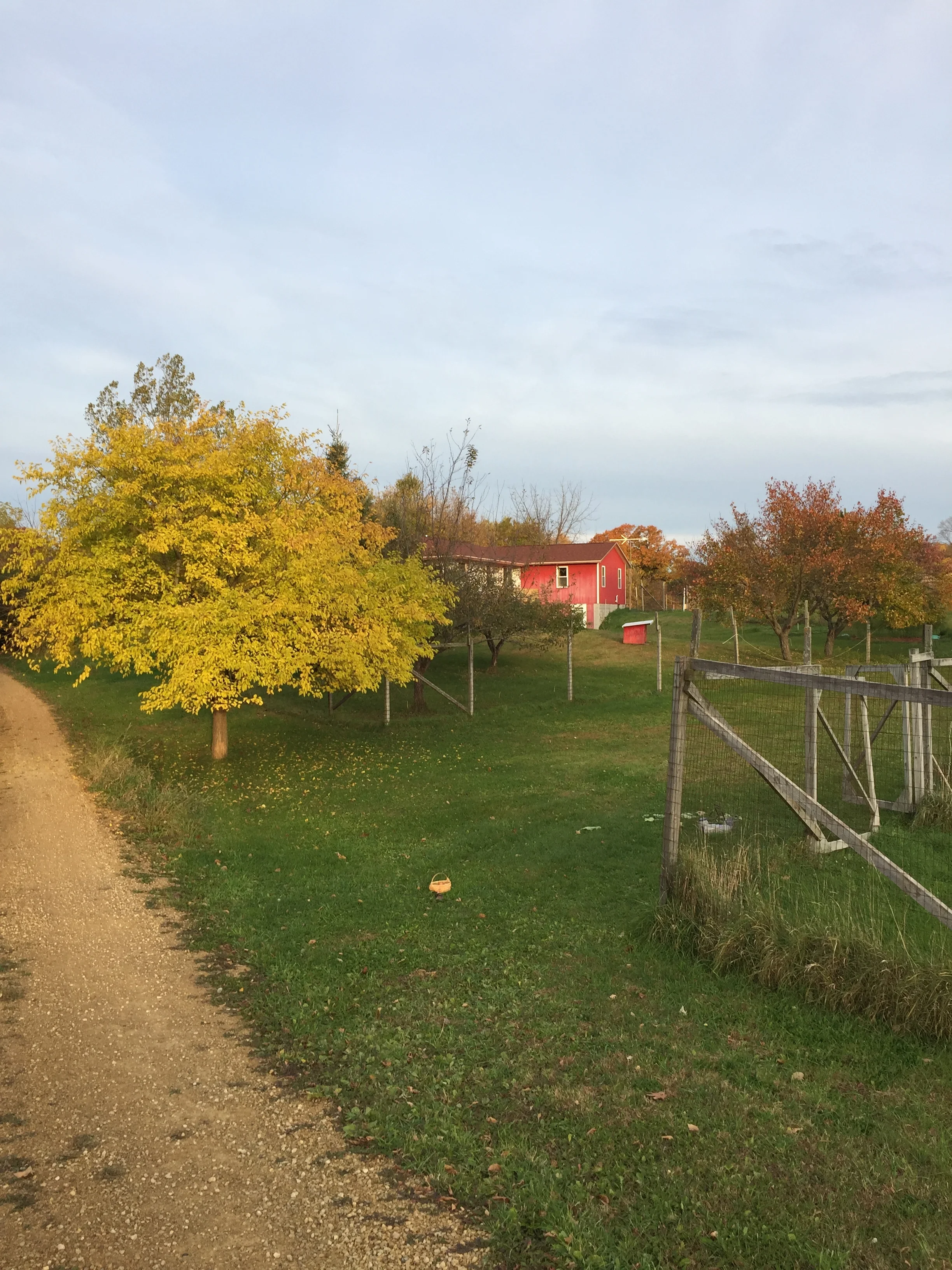
When I started, the mulberry tree stood resplendent in fall foliage.  

Green gold! 

Green gold! 

Today, we started our first fire in our wood burning stove, and the mulberry let down her tresses.  

All done.  

All done.  

I think I finished planting just in time. Whew! 

Harvest journal: ground cherry heaven

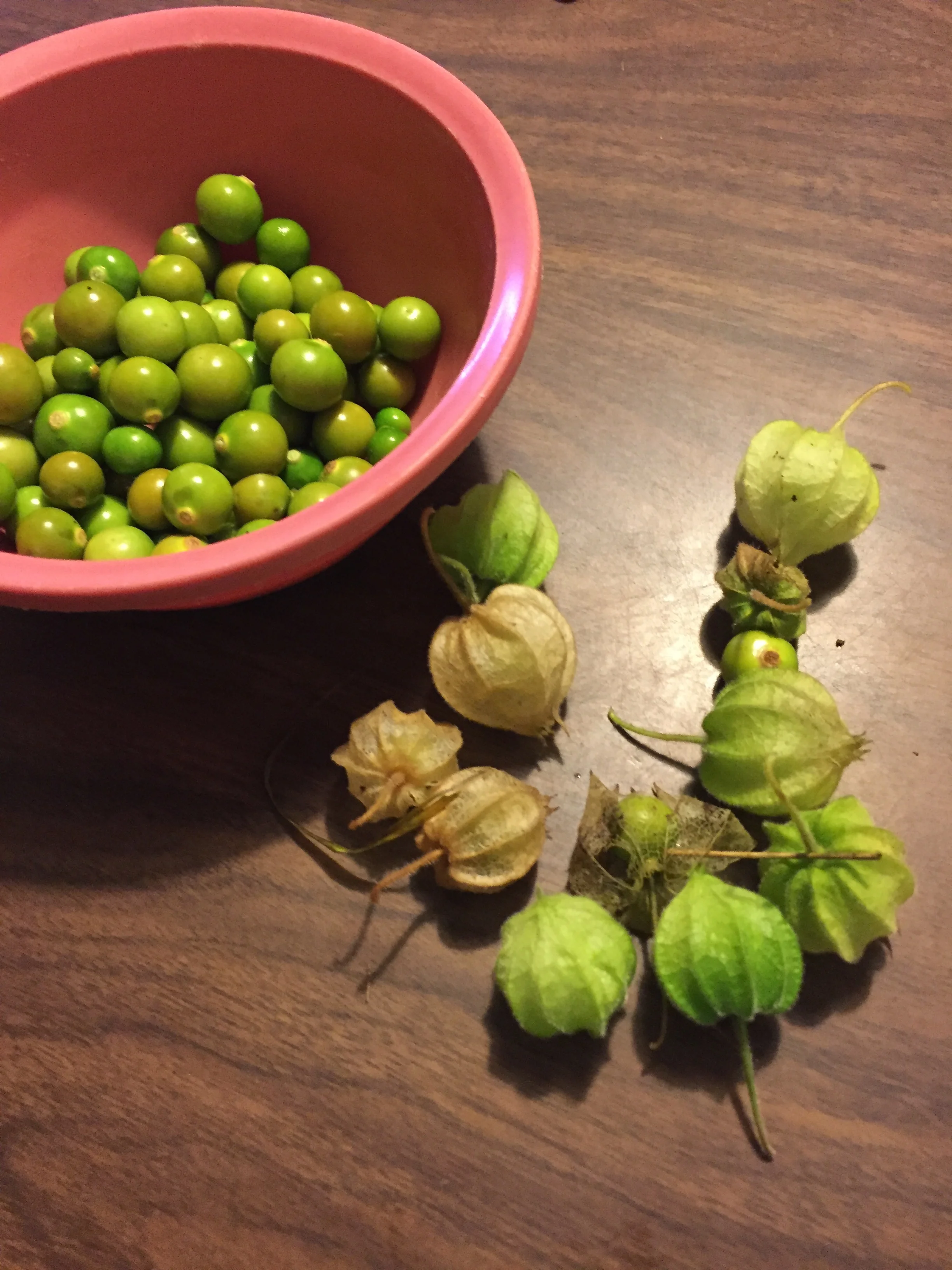
We are now in the latter half of October here in Western Wisconsin and harvesting anything but corn or soybeans seems highly unlikely. But with out very wet year, we had a number of volunteer ground cherries magically appear. Sorting through the tall grass, we gathered about a cup and a half of fruit.  

Ground cherries are related to tomatillos.  

Ground cherries are related to tomatillos.  

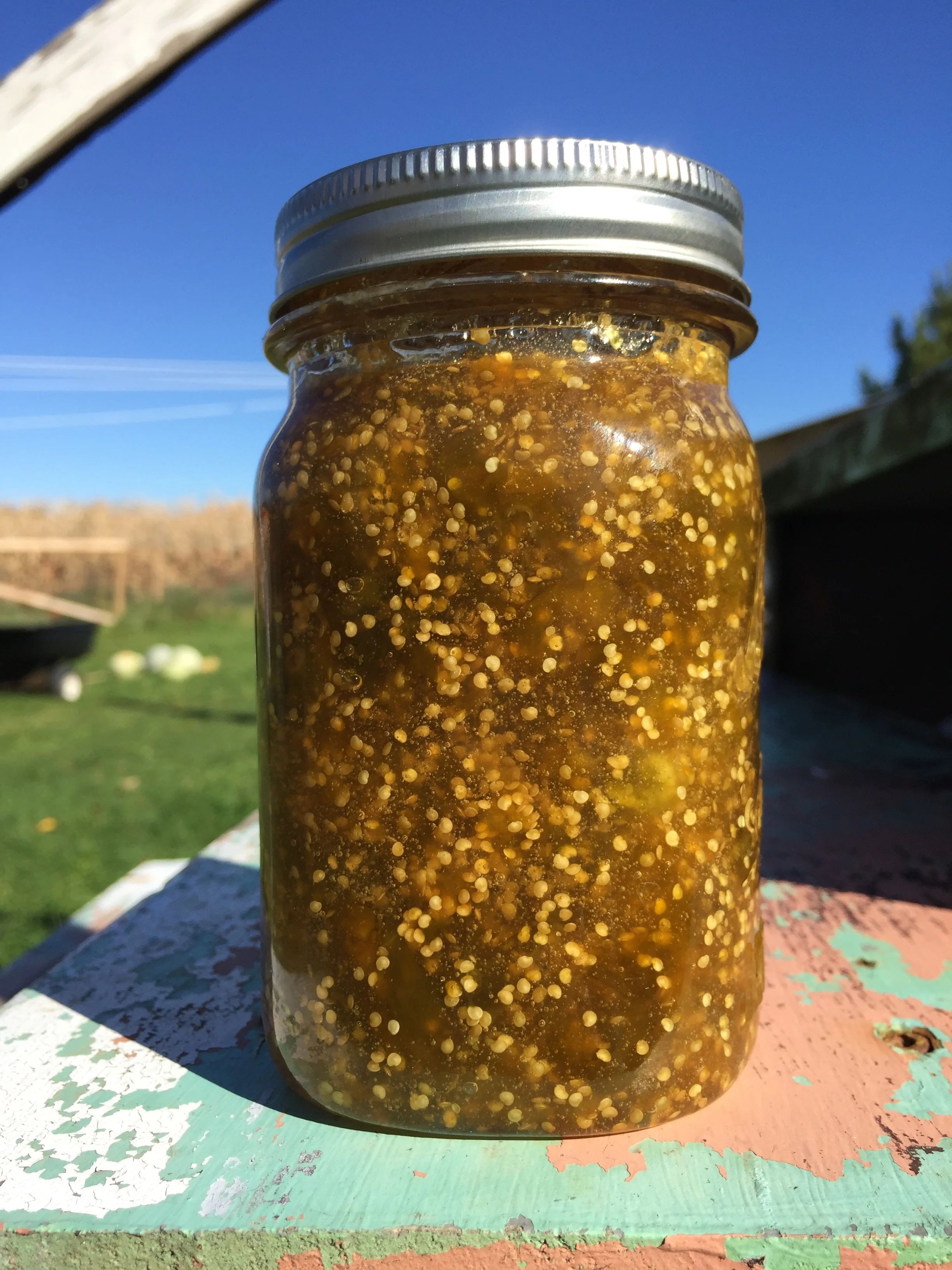
There are a number of ground cherry recipes on line (who knew?) and so I made a small batch of jam.  

A pint of flavor fantasy! 

A pint of flavor fantasy! 

This was well worth the effort. I now understand the enthusiasm for ground cherry jam. I will have to find some of the dropped fruit and try to plant some in the garden next year.   

Construction journal: ducks in place

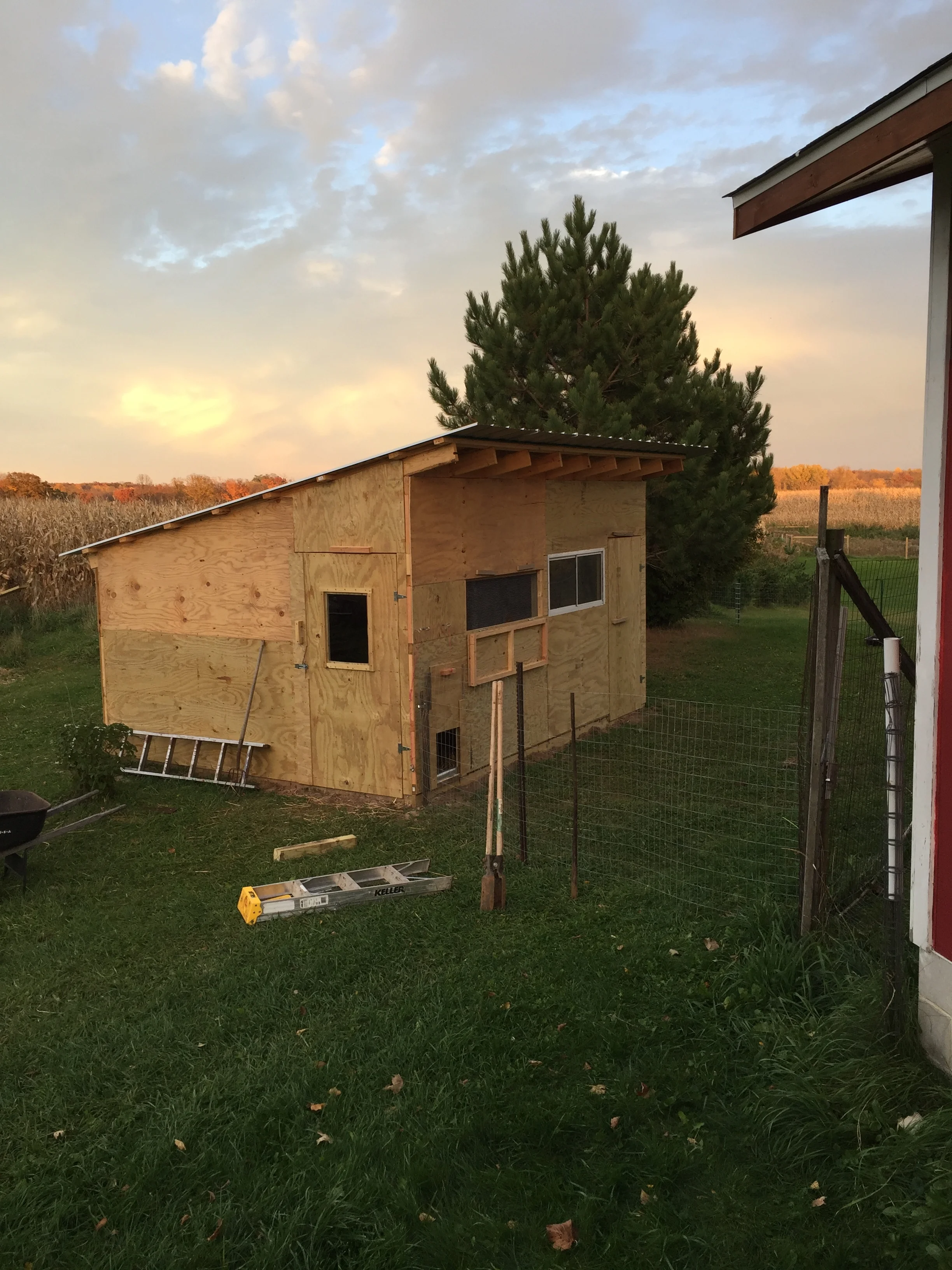
We completed work on the Mansion before temperatures have started to dip below freezing with regularity.  

Three doors, three windows and a large yard. 

Three doors, three windows and a large yard. 

The older ducks are staking out their territory.  

The Khaki Campbells just blend into the background.  

The Khaki Campbells just blend into the background.  

We will move the new ducks up when their pond freezes.  

On unfrozen pond.  

On unfrozen pond.  

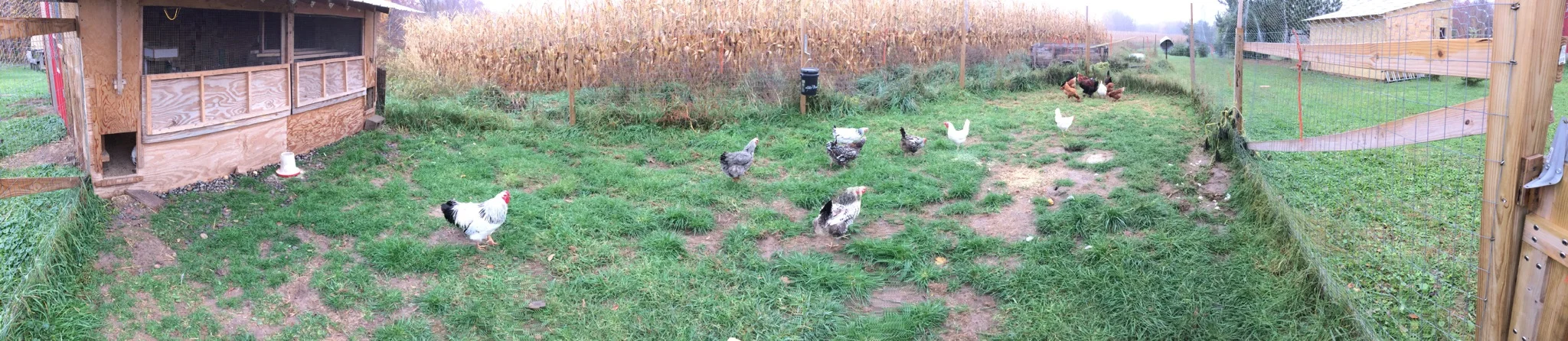
The young ducks have been laying well despite the darkening days. We have all the chickens in their winter quarters.  

The flocks are blending without much blood shed, although the hens stick close to their roosters. 

The flocks are blending without much blood shed, although the hens stick close to their roosters. 

I love looking out my window and watching my birds! 

Construction Journal: engineered flooring at its finest

The Duck Mansion didn't get completed last weekend. We had an art show to attend Saturday. Oh, the price of having talented children!  Sunday a good friend came to visit...and so the time goes. Today marked a construction milestone:  the Mansion floor is finished!  

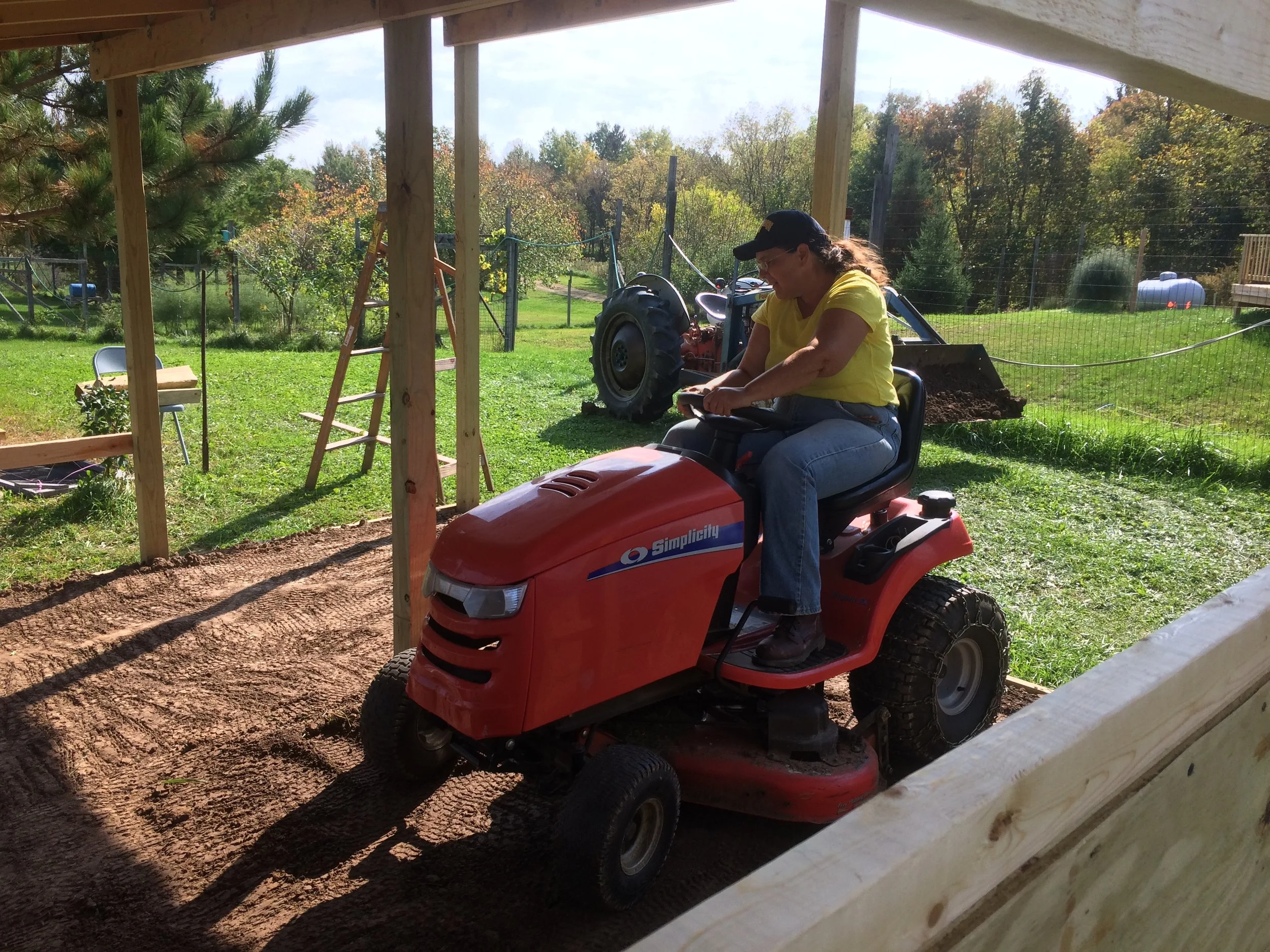
This floor represents about two square yards of compacted dirt. That's a lot of dirt! 

This floor represents about two square yards of compacted dirt. That's a lot of dirt! 

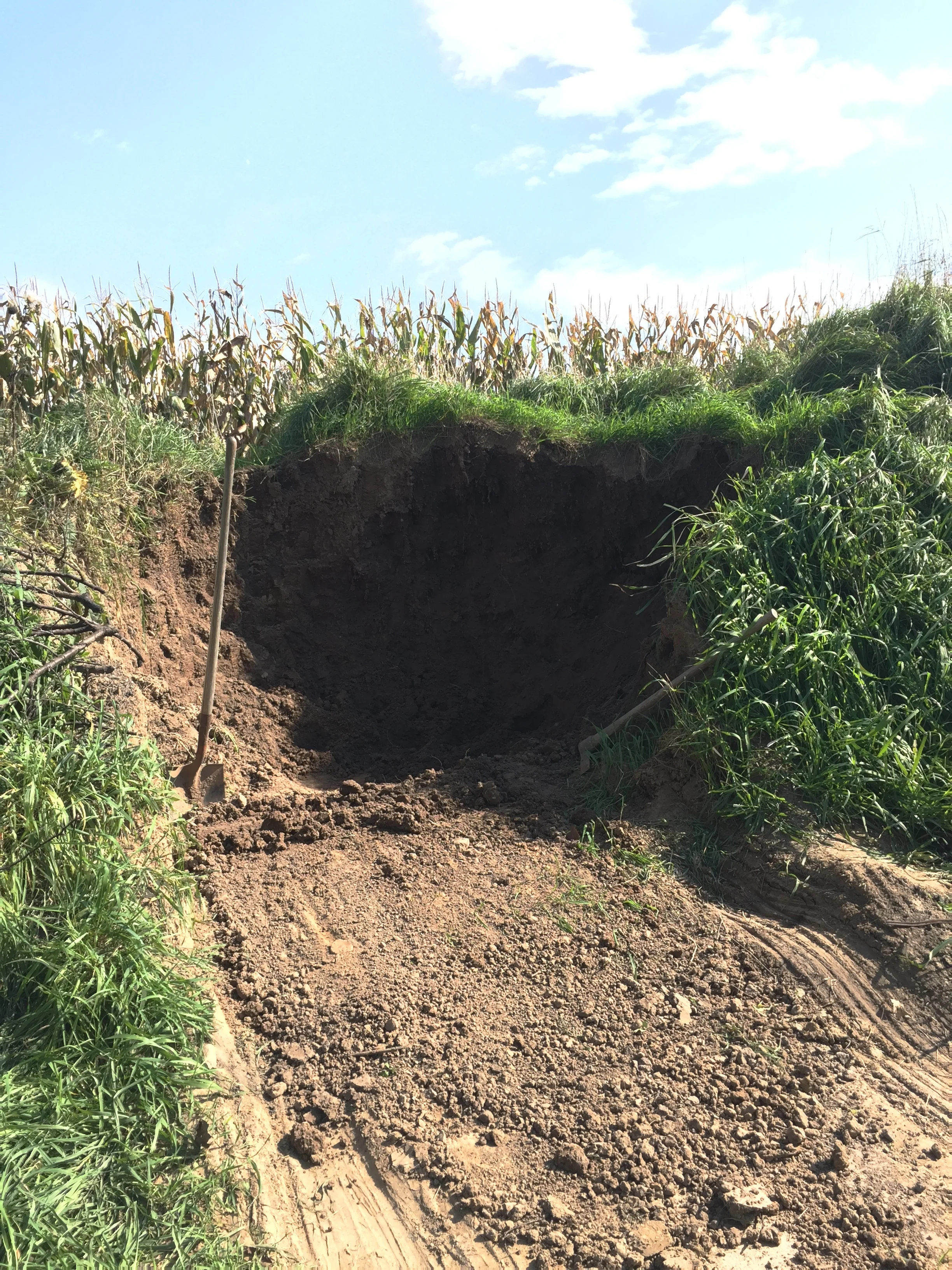
We have a mound of dirt left over from the first addition to the house. Michael hauled dirt from the mound with our 1949 Ford tractor.  

The tractor lacks traction, so Michael shoveled the dirt into the front end loader. Beats hauling dirt by wheelbarrow any day  

The tractor lacks traction, so Michael shoveled the dirt into the front end loader. Beats hauling dirt by wheelbarrow any day  

Once he dumped the dirt in the Mansion, I raked it out. As a final touch, I compacted it with Irene's lawn tractor.  

You can see the Ford in the background.  

You can see the Ford in the background.  

Raising the level of the floor will help keep the Mansion dry. Making the floor of dirt will allow moisture created by our livestock to leach away. We will probably store straw in here, which should give a little added insulation and make it easier to keep clean straw on the floor. I love my ducks, but they are messy!  

As I was raking dirt around for hours, I thought about my grandfather, who built his home in New Mexico from adobe. It had a dirt floor too. My dad told me that my grandfather would have been pleased to know I had argued before the United States Supreme Court, but would be immensely proud that I own a farm.   I now feel I share a dirt bond with my abuelo. 

Construction journal: making a winter home for our larger flocks

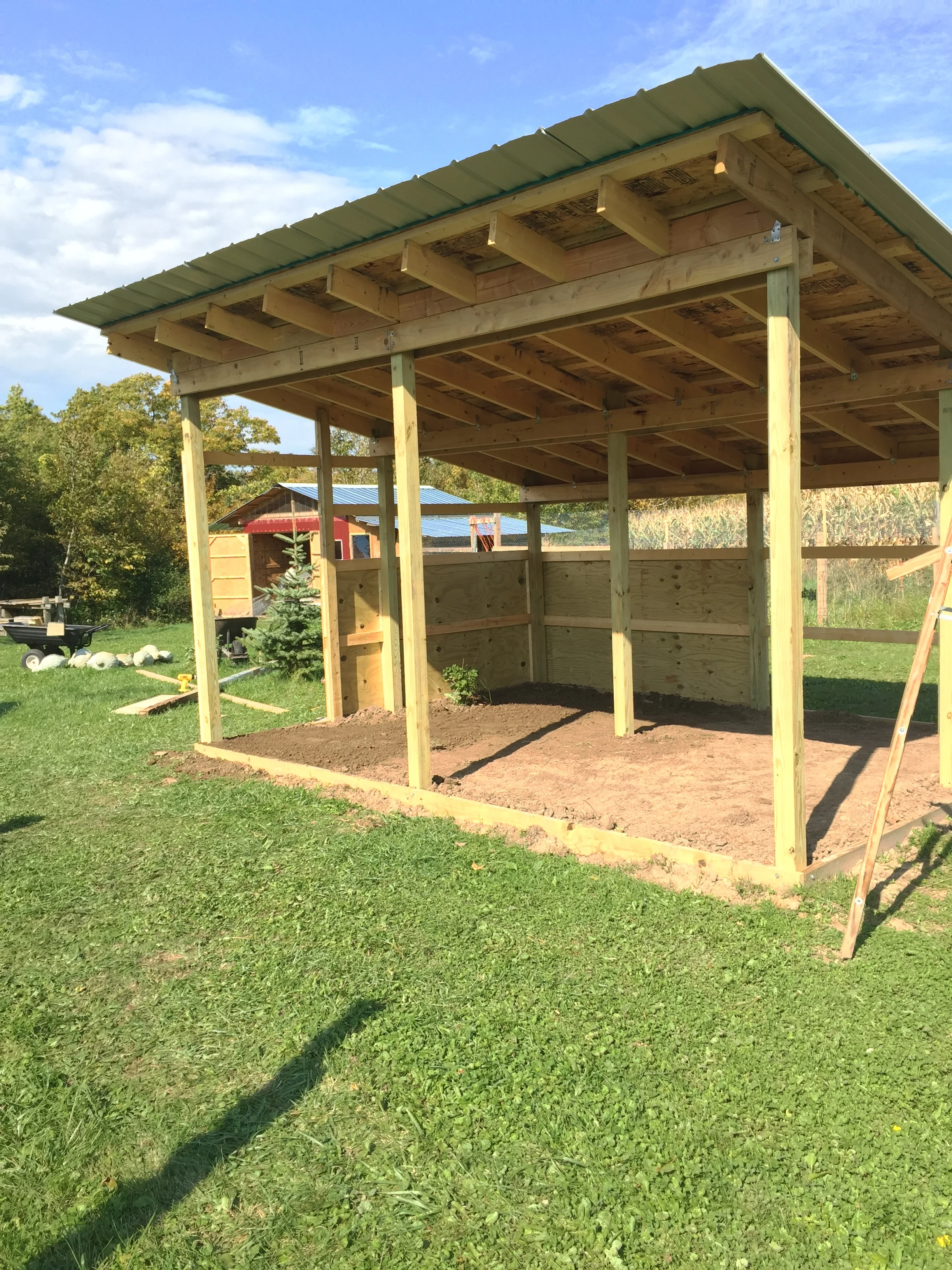
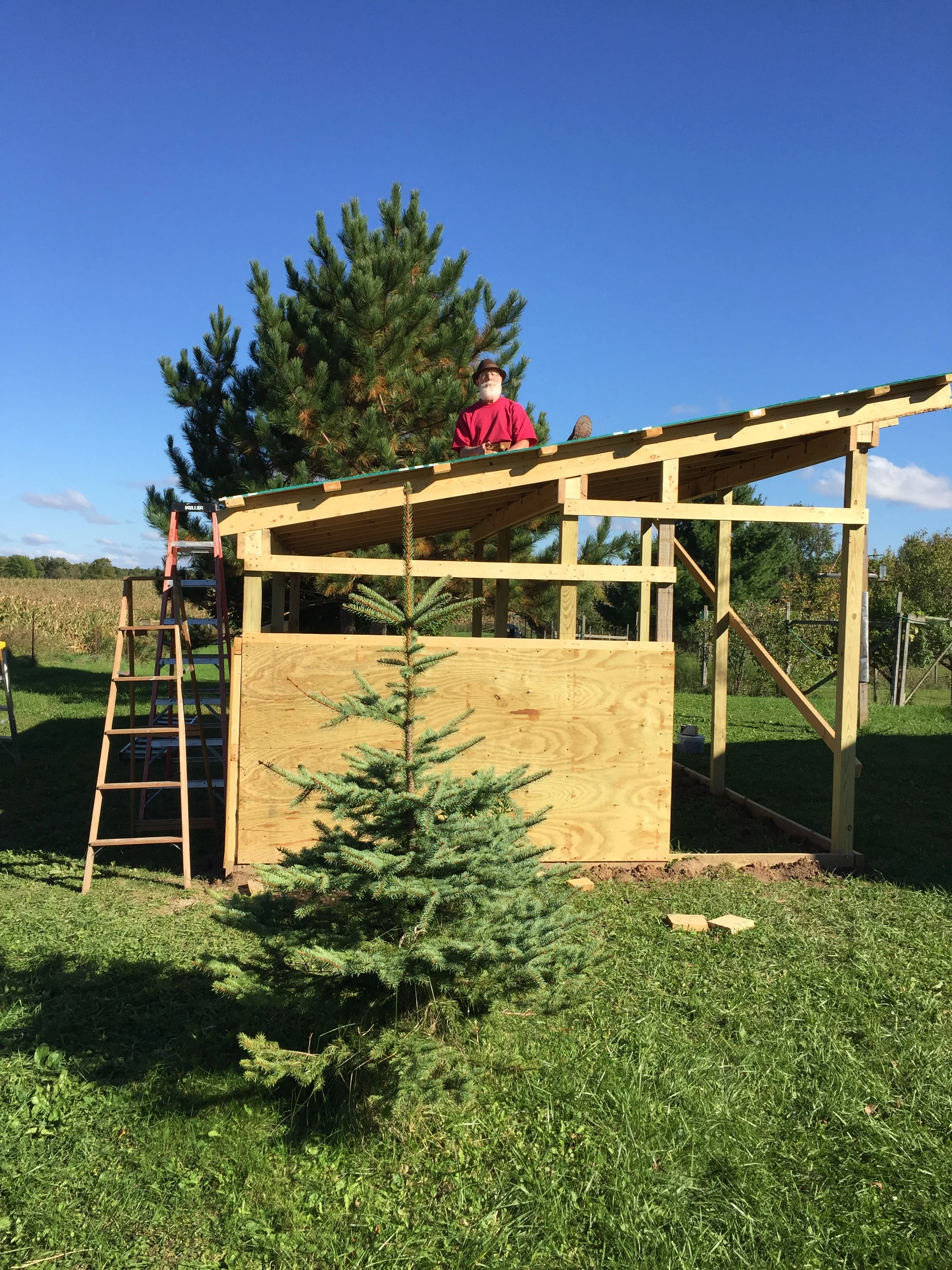
We are in full fall (not to be confused with free fall) here in Western Wisconsin. We have not had a hard freeze yet, but the fog falls heavily over our mornings. This means that when it does start freezing, we need a place closer to running water for our ducks and chickens. Since our flocks are about twice the size they were last year, we need more space close to the house. Hence, our newest construction project: the Duck Mansion:

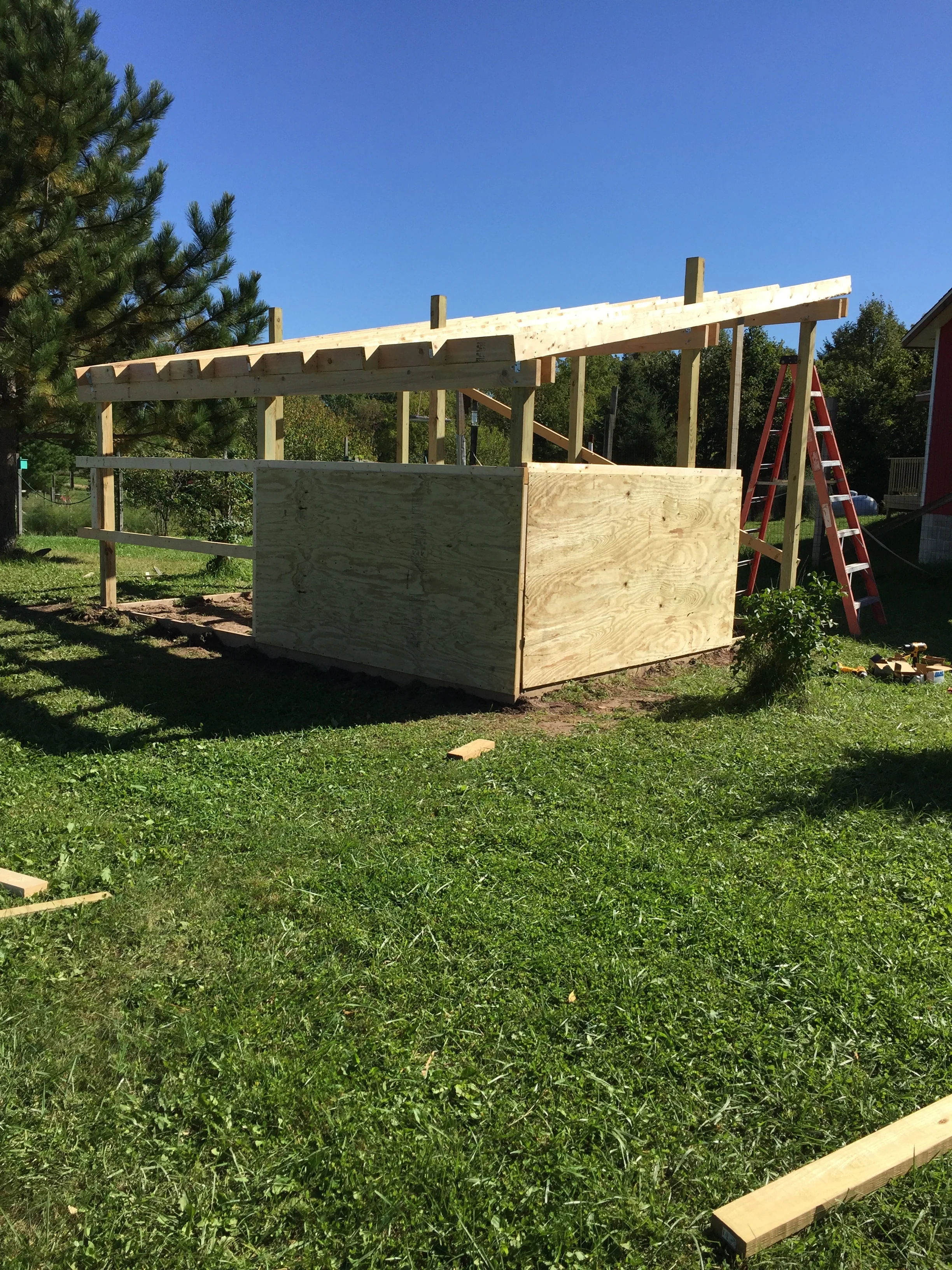
Putting the roof on what Michael calls the Duck Manger, but I think of as the Mansion.  

Putting the roof on what Michael calls the Duck Manger, but I think of as the Mansion.  

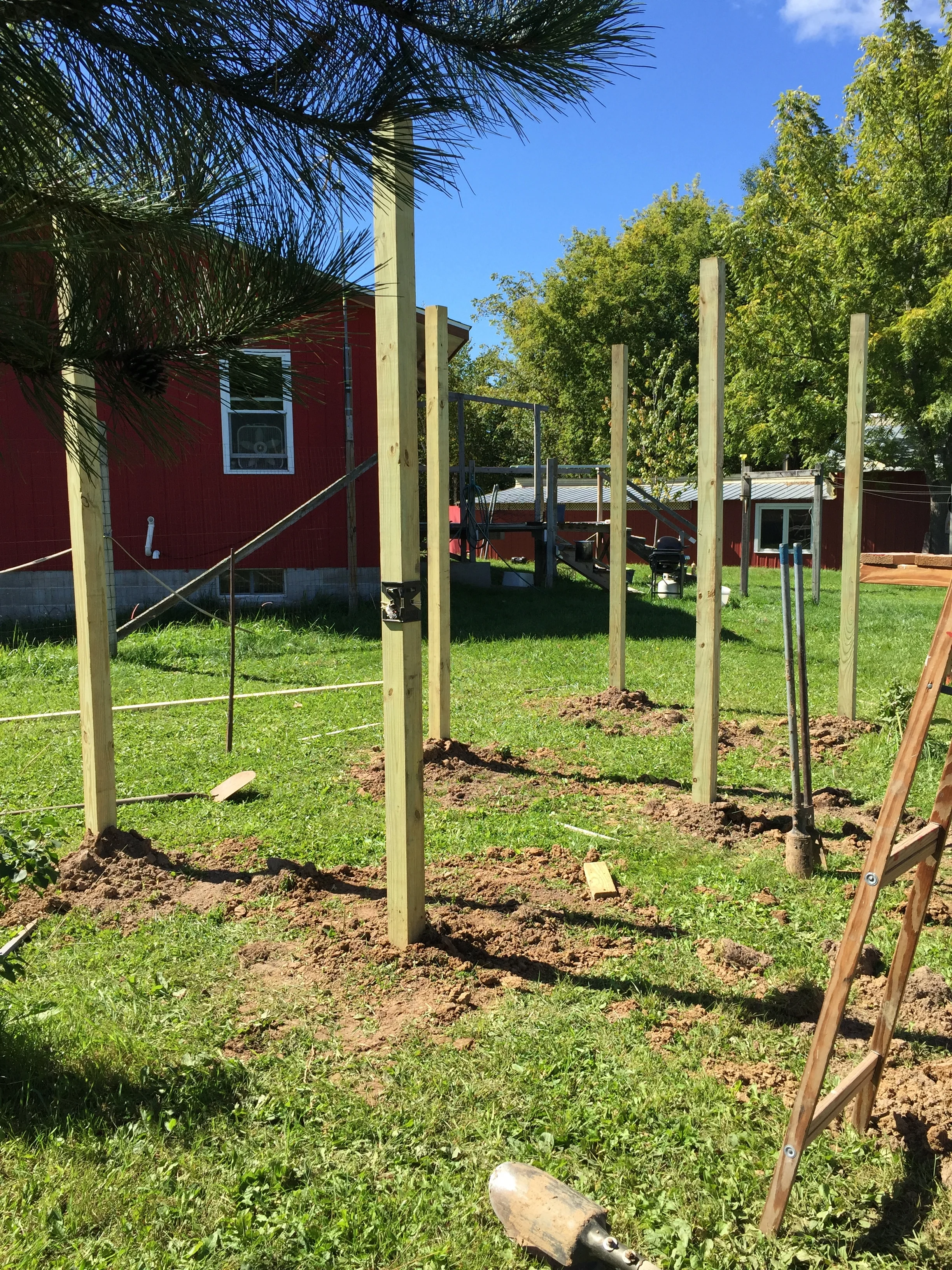
The above photo represents about a week of steady work, since we took a week off to prepare for The Ramble. Michael broke ground and installed posts on September 14th: 

This is the second time Michael sank posts. Notice the post hole digger in the bottom right of this photo.  I was at a conference when the first set went in. When I returned home, we both agreed the first site was just wrong. So it goes.  

This is the second time Michael sank posts. Notice the post hole digger in the bottom right of this photo.  I was at a conference when the first set went in. When I returned home, we both agreed the first site was just wrong. So it goes.  

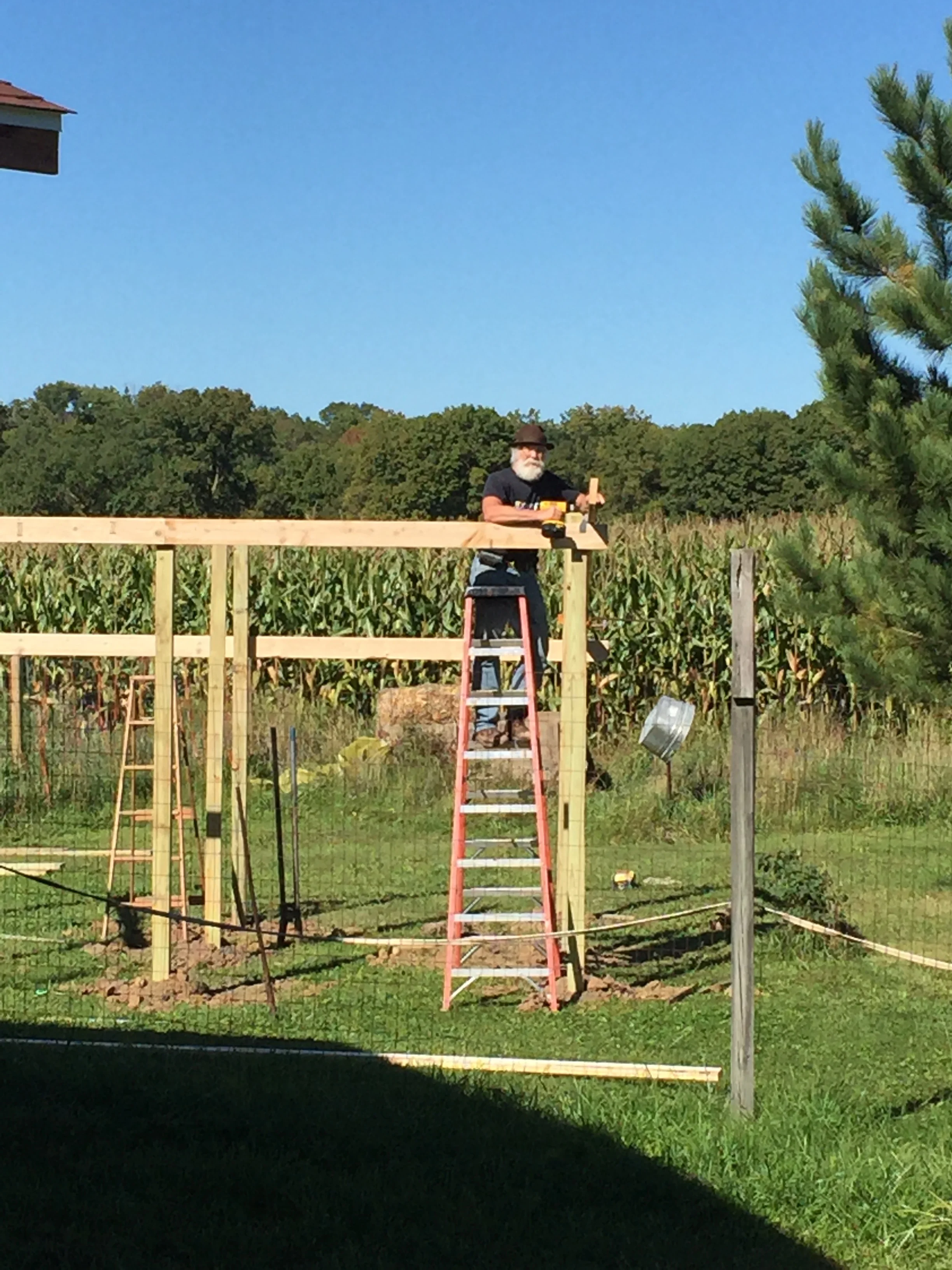
Supports for the roof beams came next.  

Michael always gets to do the stuff that requires being tall (or taller that me!) 

Michael always gets to do the stuff that requires being tall (or taller that me!) 

Once the roof supports were in place, but before climbing up there to nail down the sheathing, we put up the plywood on two sides, to act as bracing. This kept everything square...or as square as we could make it with hand- dug post holes.  

Two sides partially sided. It tells us where the windows will go. 

Two sides partially sided. It tells us where the windows will go. 

The metal went on the roof yesterday and we hope to get the dirt filled in the floor today so that we can finish the walls, doors and windows tomorrow ... Or at least next week. 

Farm stand journal: good clean fun

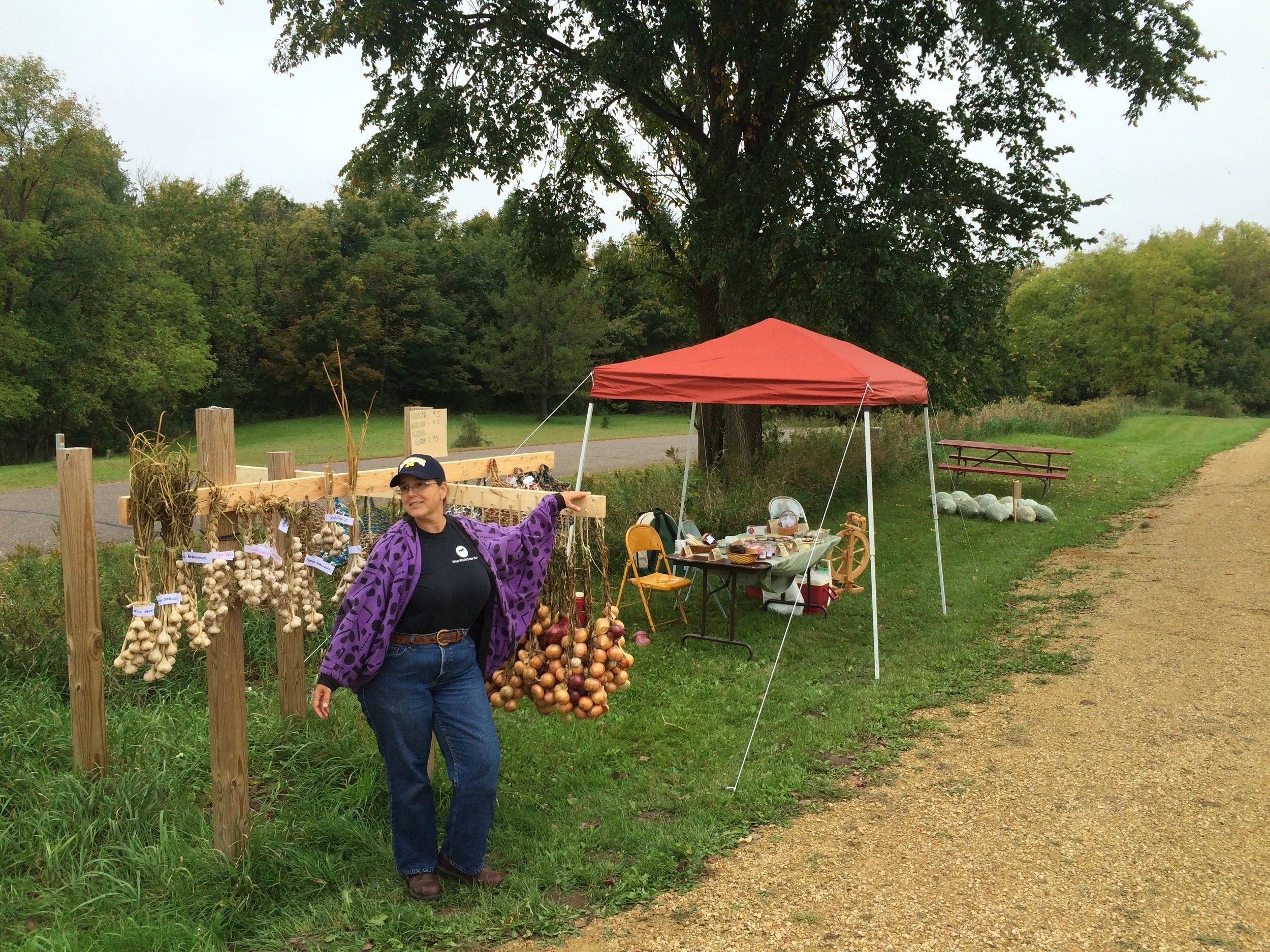
Saturday was River Ramble Day. They came. They saw. They occasionally bought things. We sold a little bit of everything.  

Onions onions ha ha ha. Onions onions fa la la. I love onions.  

Onions onions ha ha ha. Onions onions fa la la. I love onions.  

I discovered that the River Ramble is more about meeting your neighbors than anything.   Betty and Jeff brought an alpaca fleece and two beautiful roosters. Paul and Elizabeth brought good conversation and commeraderie. Laura and Jim brought observations on our favorite woodland trail. Steve and Christine brought knowledge about pasturing sheep. 

Another benefit: time to spin!   

Another benefit: time to spin!   

We ended the day much richer than when we began! 

Farm stand journal: last minute prep

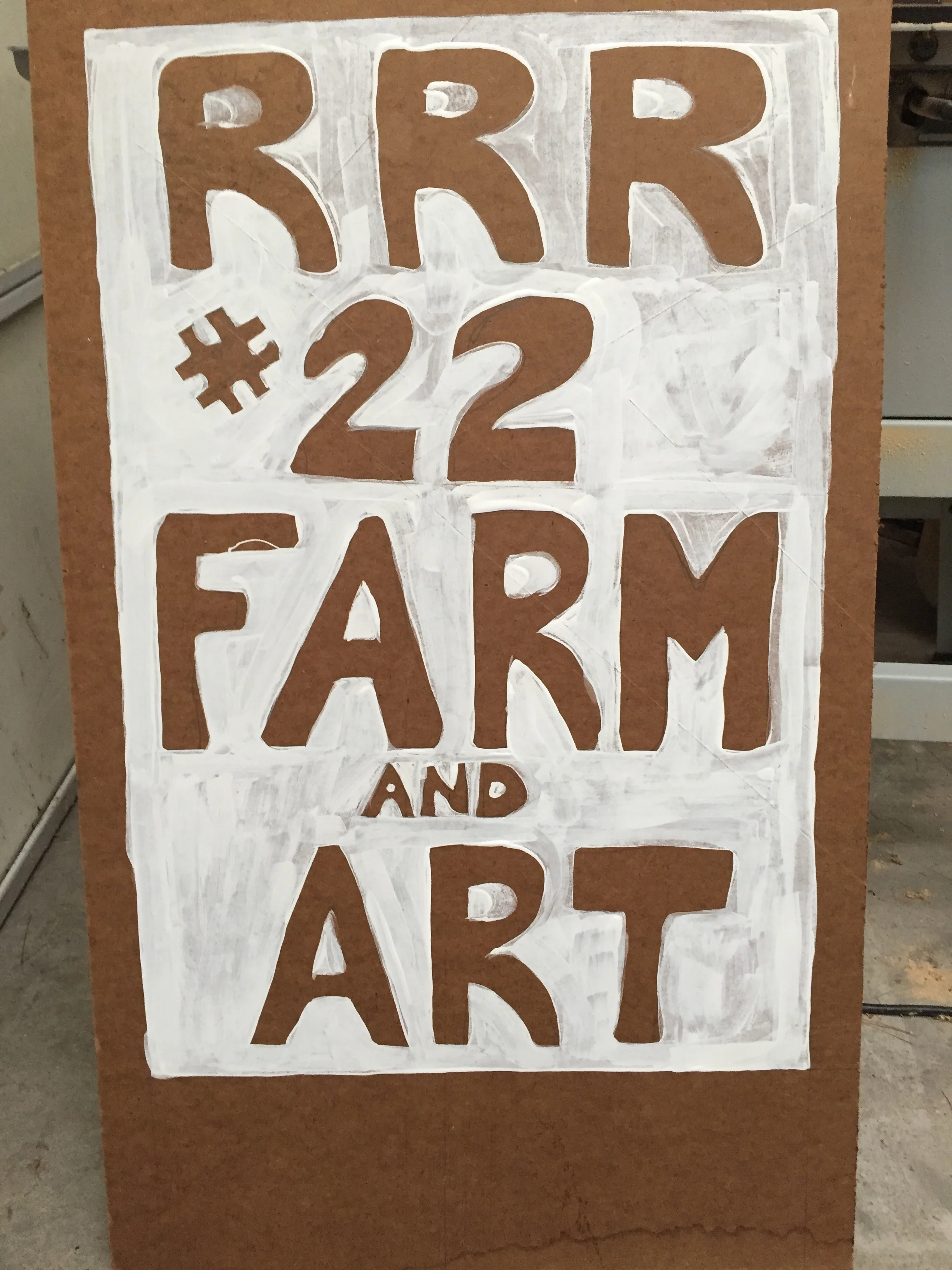
Details, details. I spent 6 hours today painting signs. No use having a farm stand if no one knows where you are!  Yes, the St. Croix River Ramble does supply maps, but signs help.  

Short and sweet

Short and sweet

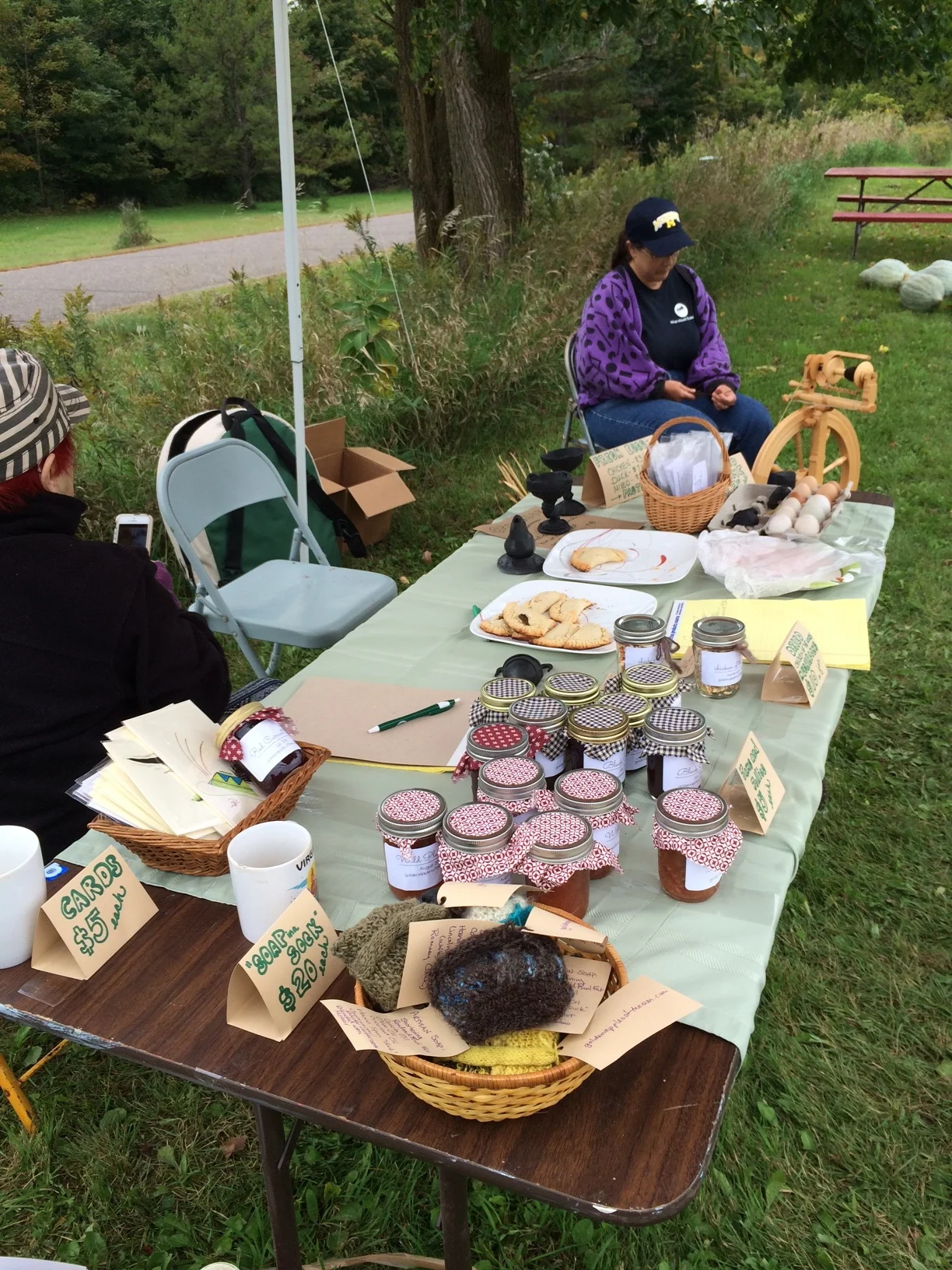
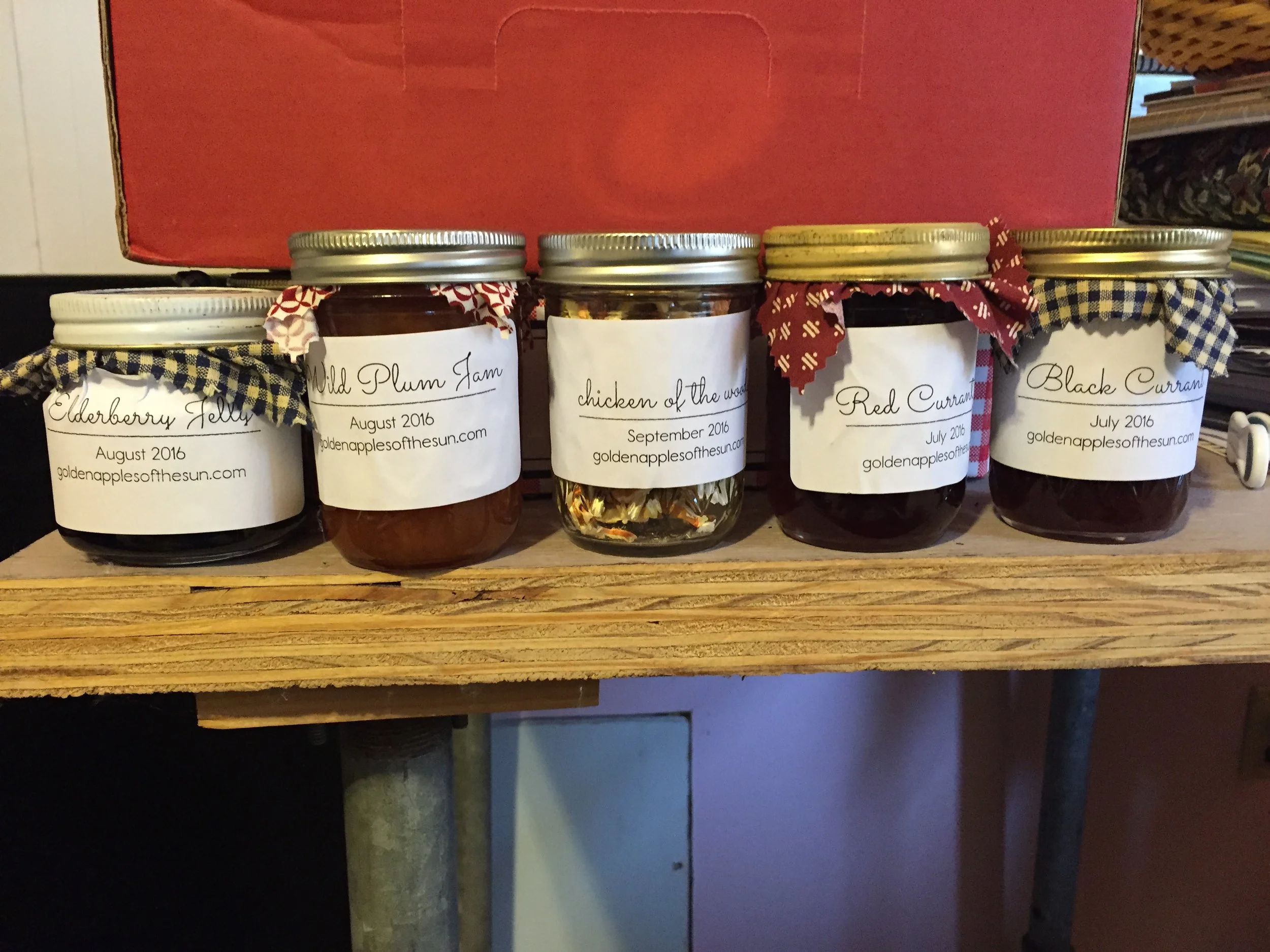
And to tempt those of you who may be in the neighborhood, here is a lineup of the jams and jellies: 

Whoa. How did the dried mushrooms sneak into the middle? 

Whoa. How did the dried mushrooms sneak into the middle? 

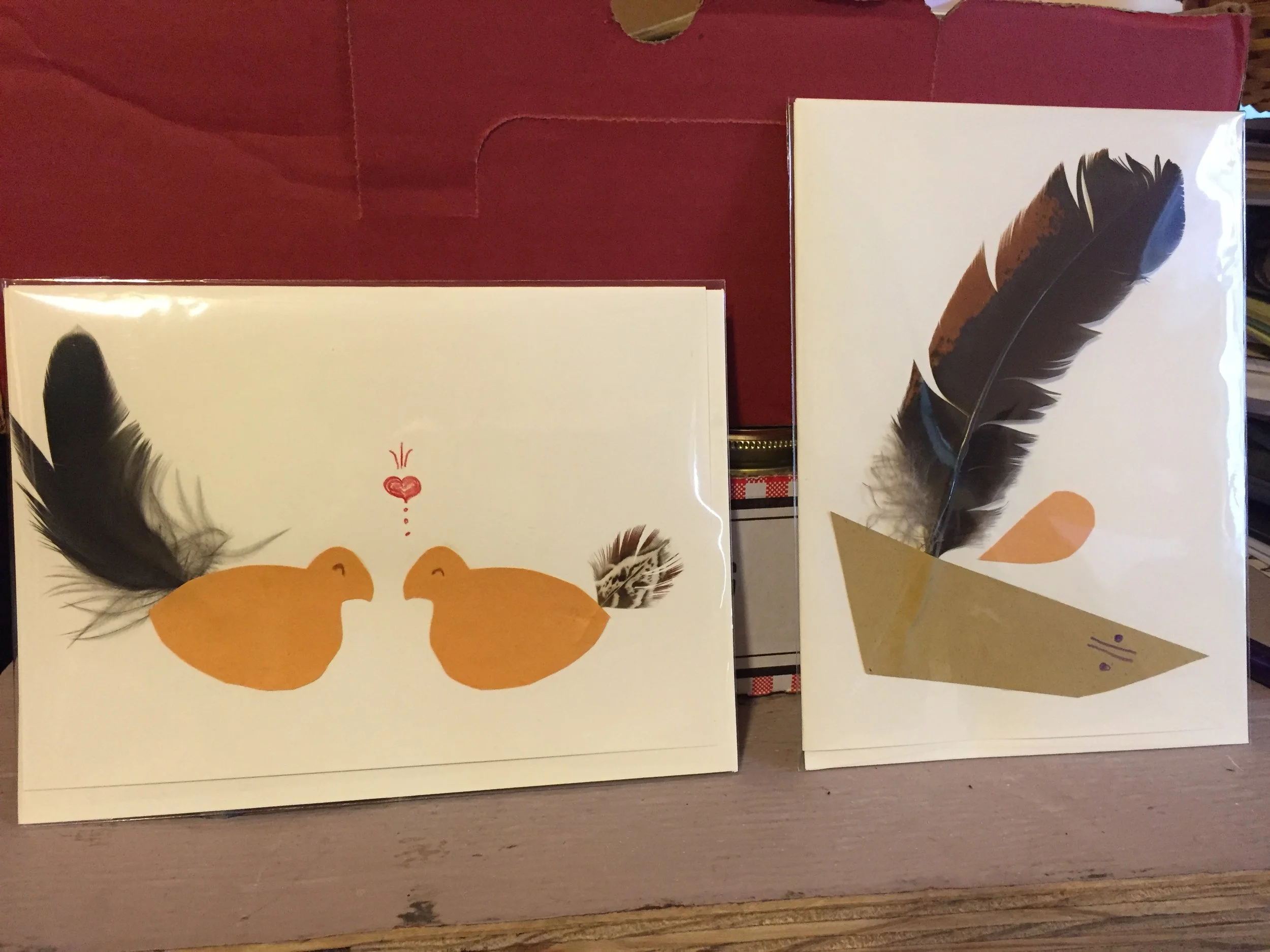
One more photo: 

Quill Notes-cards for all occasions

Quill Notes-cards for all occasions

Hope tomorrow goes well.  

Farm stand journal: fruits of the earth

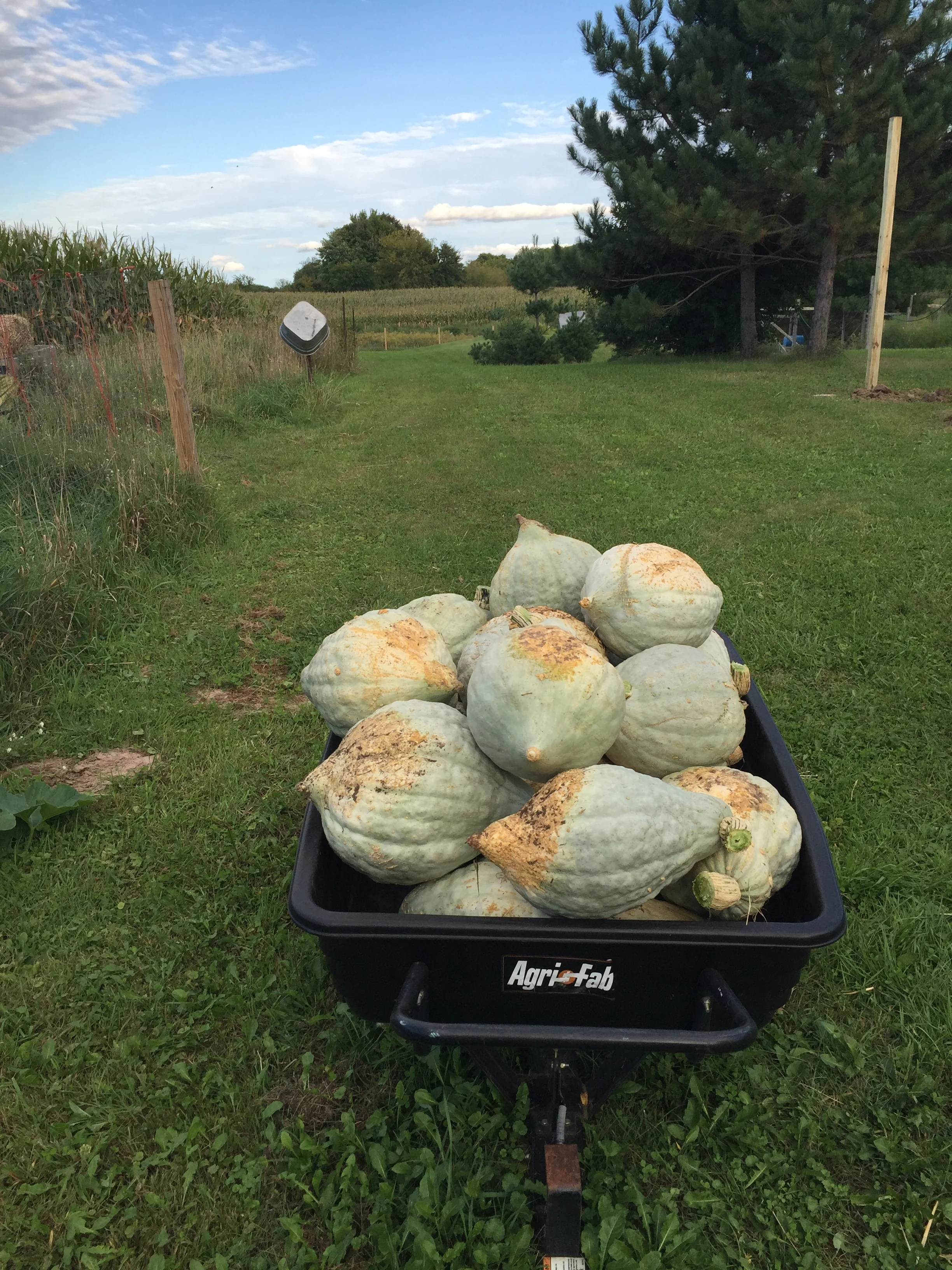
It has been a rainy year in Western Wisconsin. All the squash that went toward animal feed last year reappeared this year as vines in surprising places. And heaps of squash! 

Blue Hubbard by the bucketload.  

Blue Hubbard by the bucketload.  

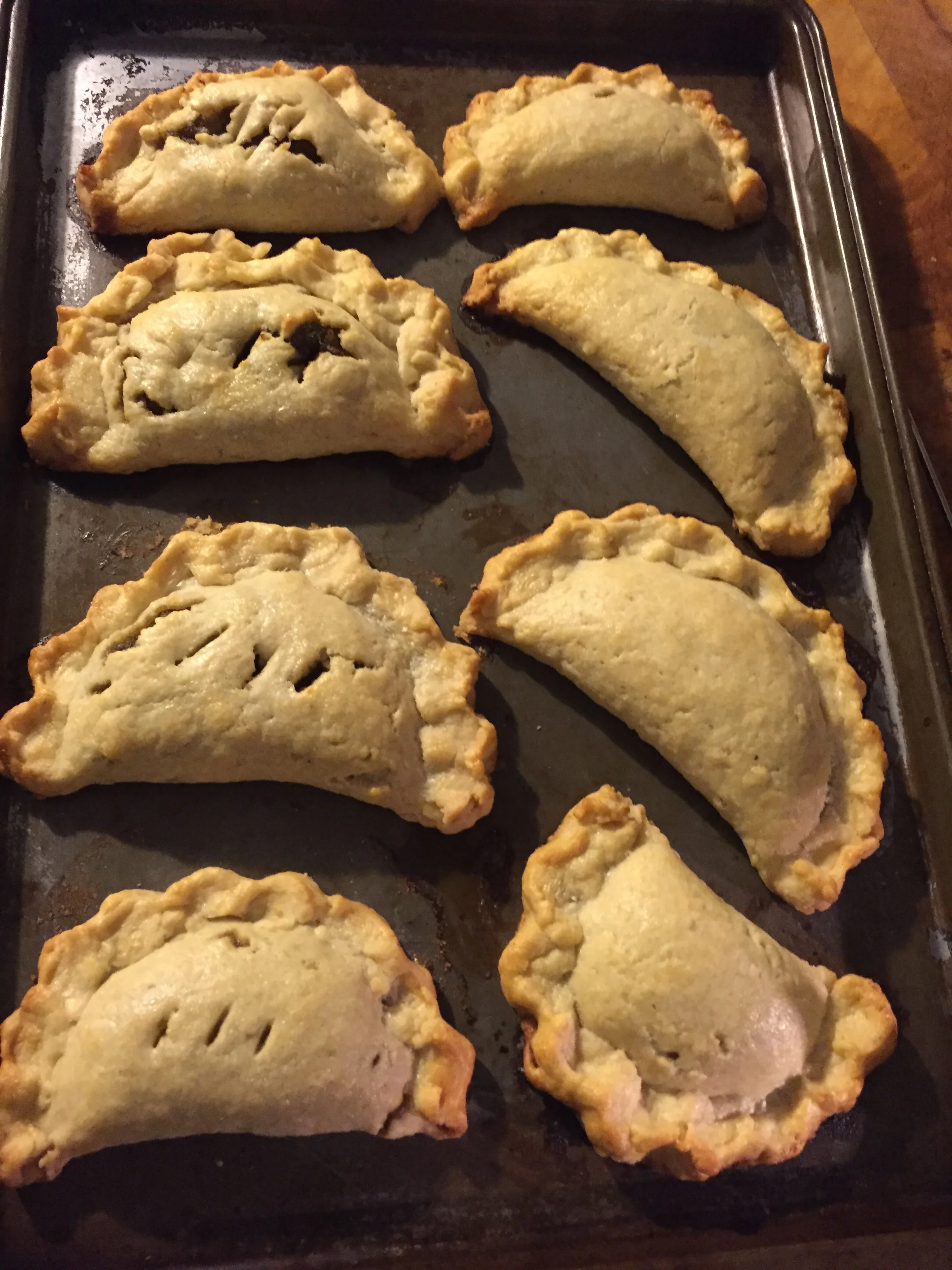
They save well, bake nicely and taste wonderful.  

Blue Hubbad empanadas. Yum.  

Blue Hubbad empanadas. Yum.  

I would feature the pie made from squash, but it got eaten before I could take a picture!  The magic of the pie may stem from the eggs.  

This year's chickens and ducks are laying well. Their yolks tend to be dark yellow as they can eat grass to their heart's content.  

This year's chickens and ducks are laying well. Their yolks tend to be dark yellow as they can eat grass to their heart's content.  

The squash and eggs will be on sale at our farm stand on Saturday, September 24th as part of the St. Croix River Road Ramble. Come and share in our bounty!   

Farm stand journal: knitting socks for soap!

Irene had a near disaster when she dropped the soap while showering. (She's ok, and so is the shower.) Jane Brody, in the New York Times, suggested putting your soap in a sock.  The sock was either too big or too small, so I am making them "just right."

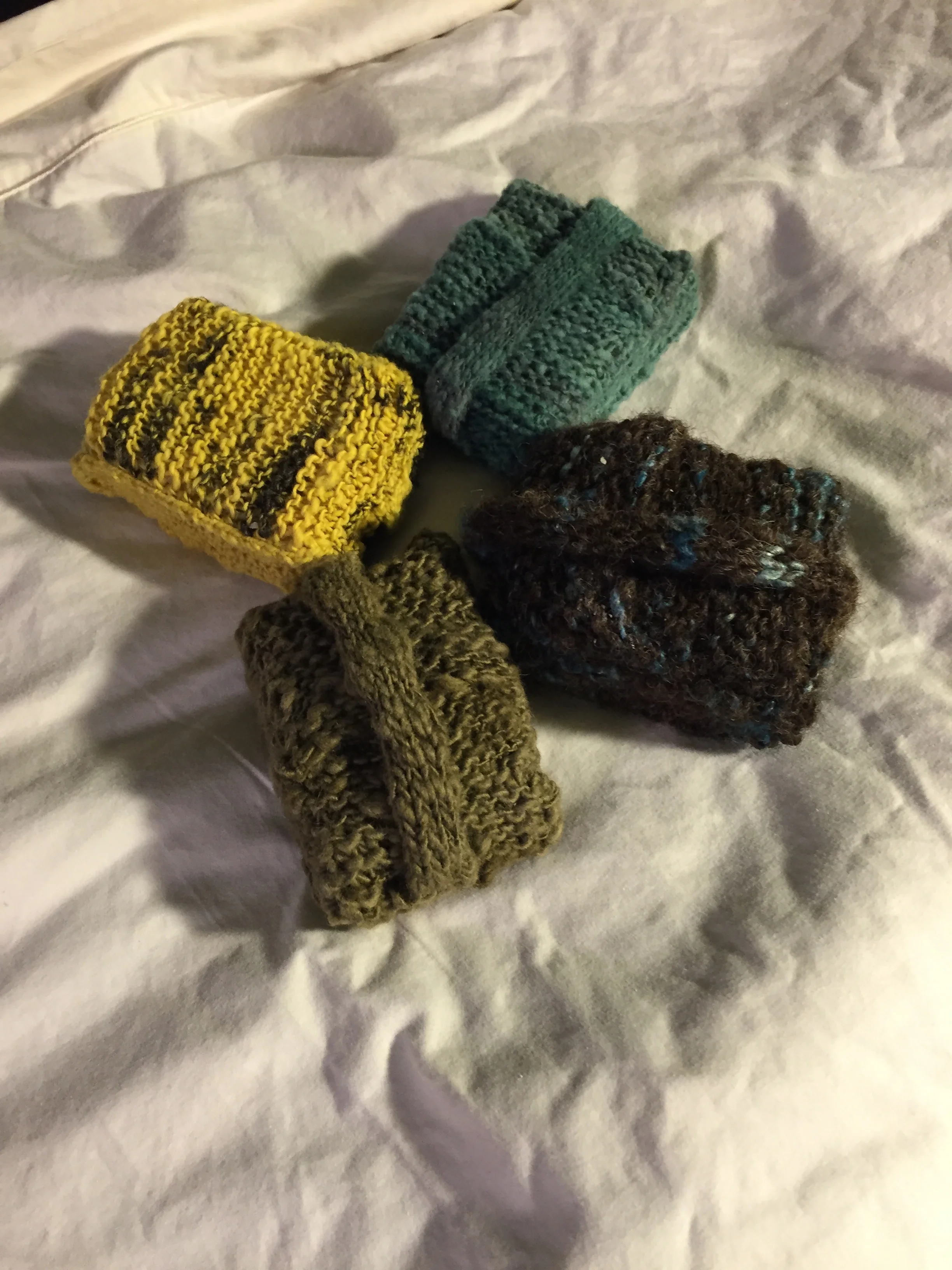
Hand spun yarn and custom designed!

Hand spun yarn and custom designed!

I have to say, these are wonderful to use. They exfoliate while cleansing and make your skin feel happy. They also keep soap ends manageable. Wool has natural antibacterial properties. I hope to be able to sell them on this site sometime soon, but if you can't wait, come to my farm stand and enjoy the fall colors and other sights along the St. Croix River Road Ramble!   

Mushroom journal: the first entalomas of the season

Yesterday was an Aunt Harriette visiting day. She's a wee bit more fragile, but still getting around on her own two legs, which is not bad for 97!  After taking her to lunch, we stopped by the Mushroom Woods. We were not disappointed.  

Aborted entalomas in place

Aborted entalomas in place

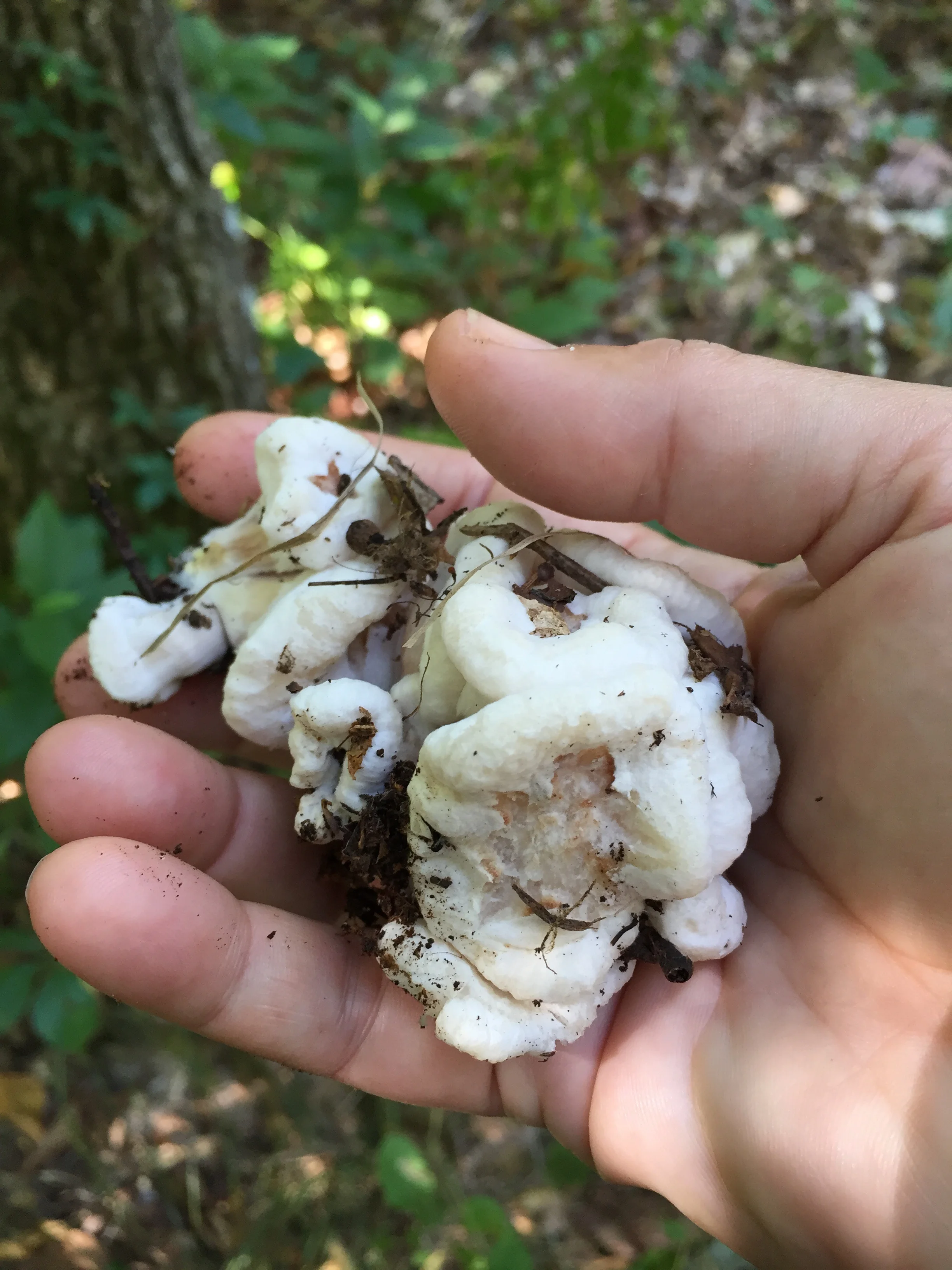
Entalomas are fragrant mushrooms that vary from choice to poisonous. Only the choice ones become invaded by another fungus, which gives them an unmistakeable and unique appearance, which means we get to eat them.  

Aborted Entalomas in hand

Aborted Entalomas in hand

They fry up to have a meaty texture and flavor. They go well in hot dishes calling for hamburger. They also dry well. When in season, they are abundant. 

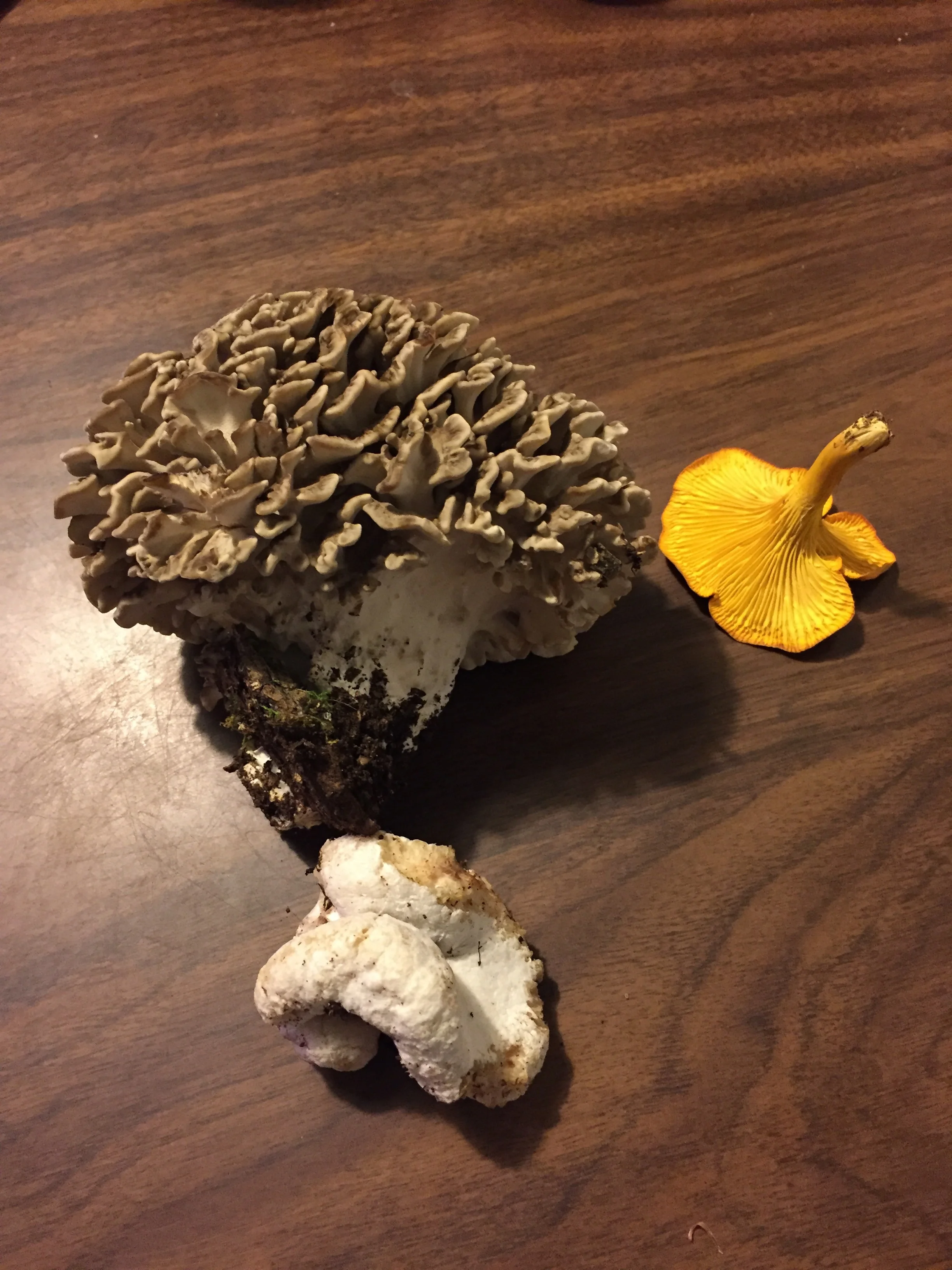
From bottom clockwise: aborted entaloma, grifola fondrosa or Hen of the Woods, chanterelle. 

From bottom clockwise: aborted entaloma, grifola fondrosa or Hen of the Woods, chanterelle. 

I spotted the Hen of the Woods as we were walking out. It looked like a large, gray pine cone without any pines nearby...  It seems our favorite mushrooms all grow on oaks, except those that do not. The chanterelle appeared in an area we rarely traverse, but I spied a different cluster of mushrooms and had to investigate. Chanterelles smell of ripe apricots. The one I found was a single, and already old. But beautiful. The Hen of the Woods was tender and delicious. We had it for dinner. The entalomas we cleaned and put in the dehydrator, which took up the rest of our day. Today we are back to building winter shelter for our increased flocks.