Travel journal: 2700 miles
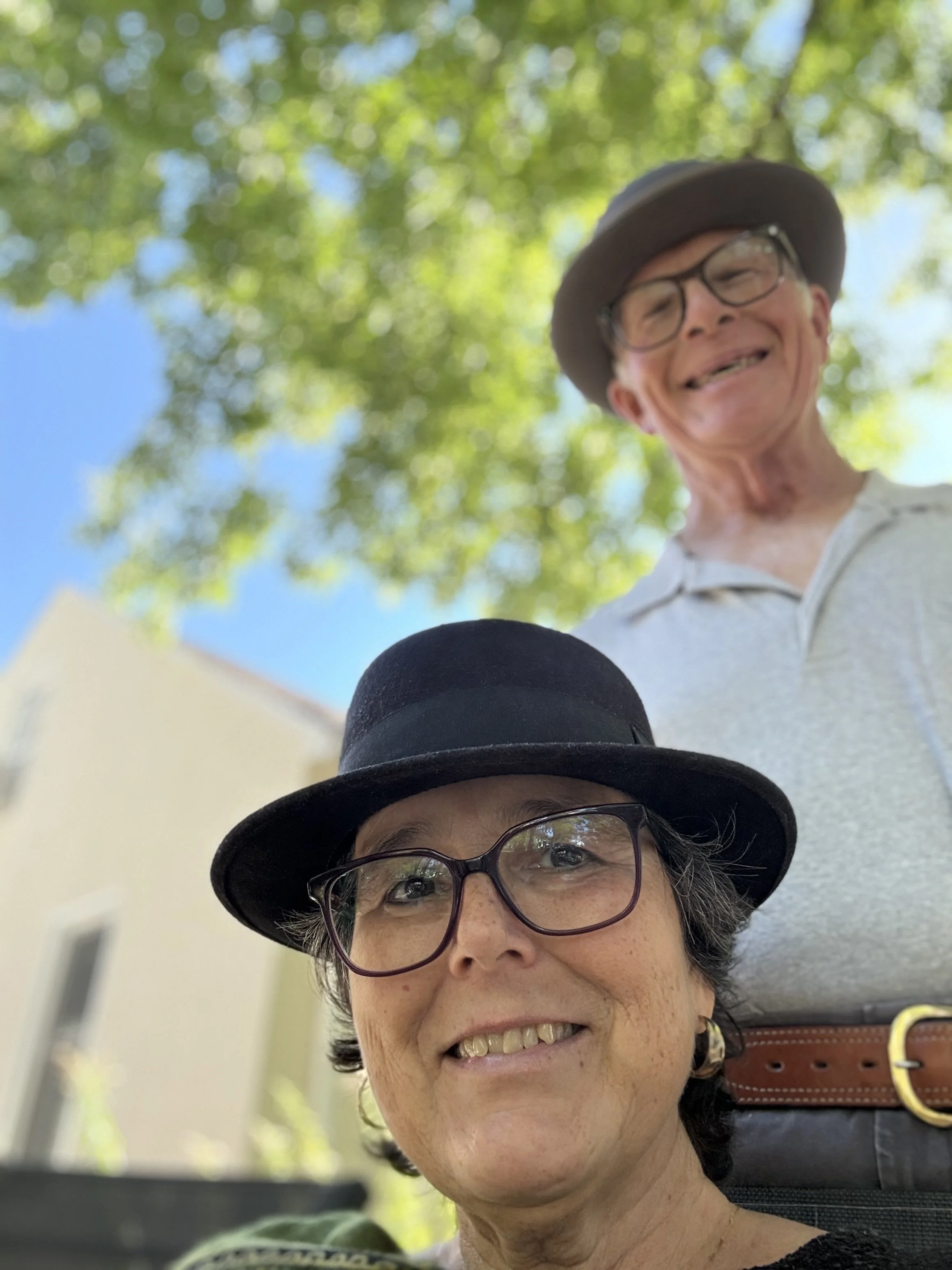
Ten years ago Michael and I took a road trip to DC and back (via Alabama). We hadn’t been able to take off on an extended tour since then…until ten days ago.
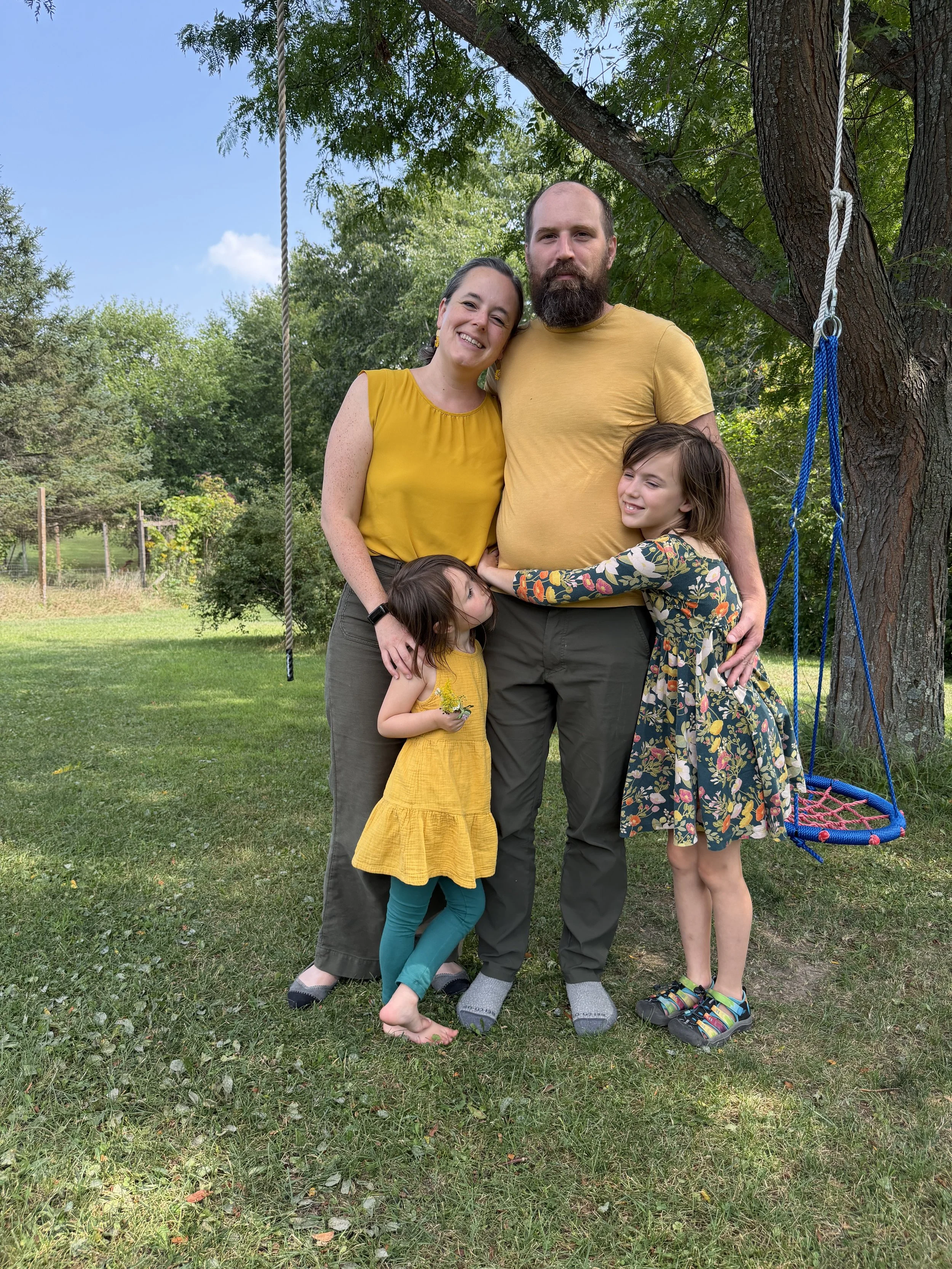
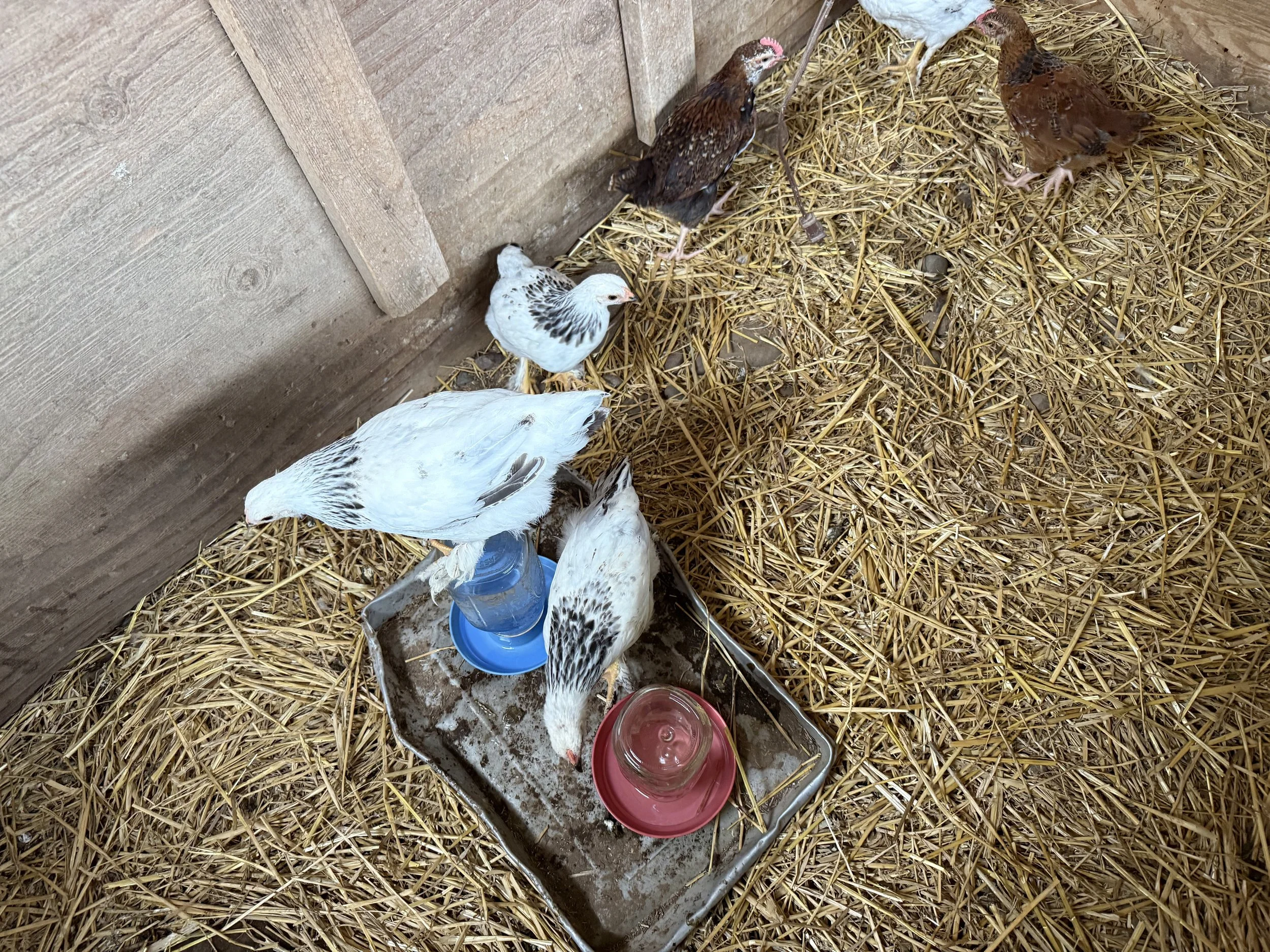
We went to see my momma because our wonderful children combined forces to farm sit for us.
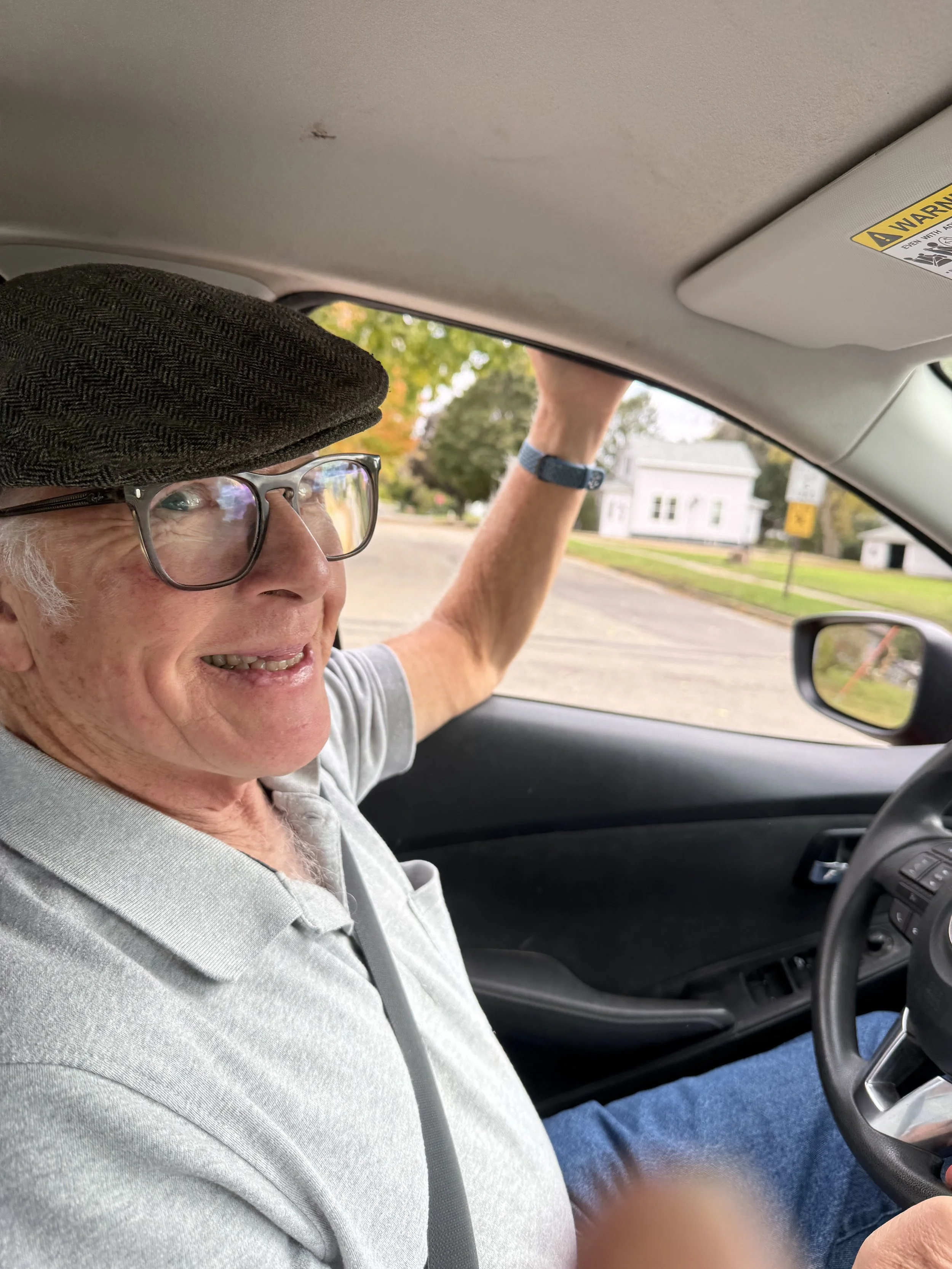
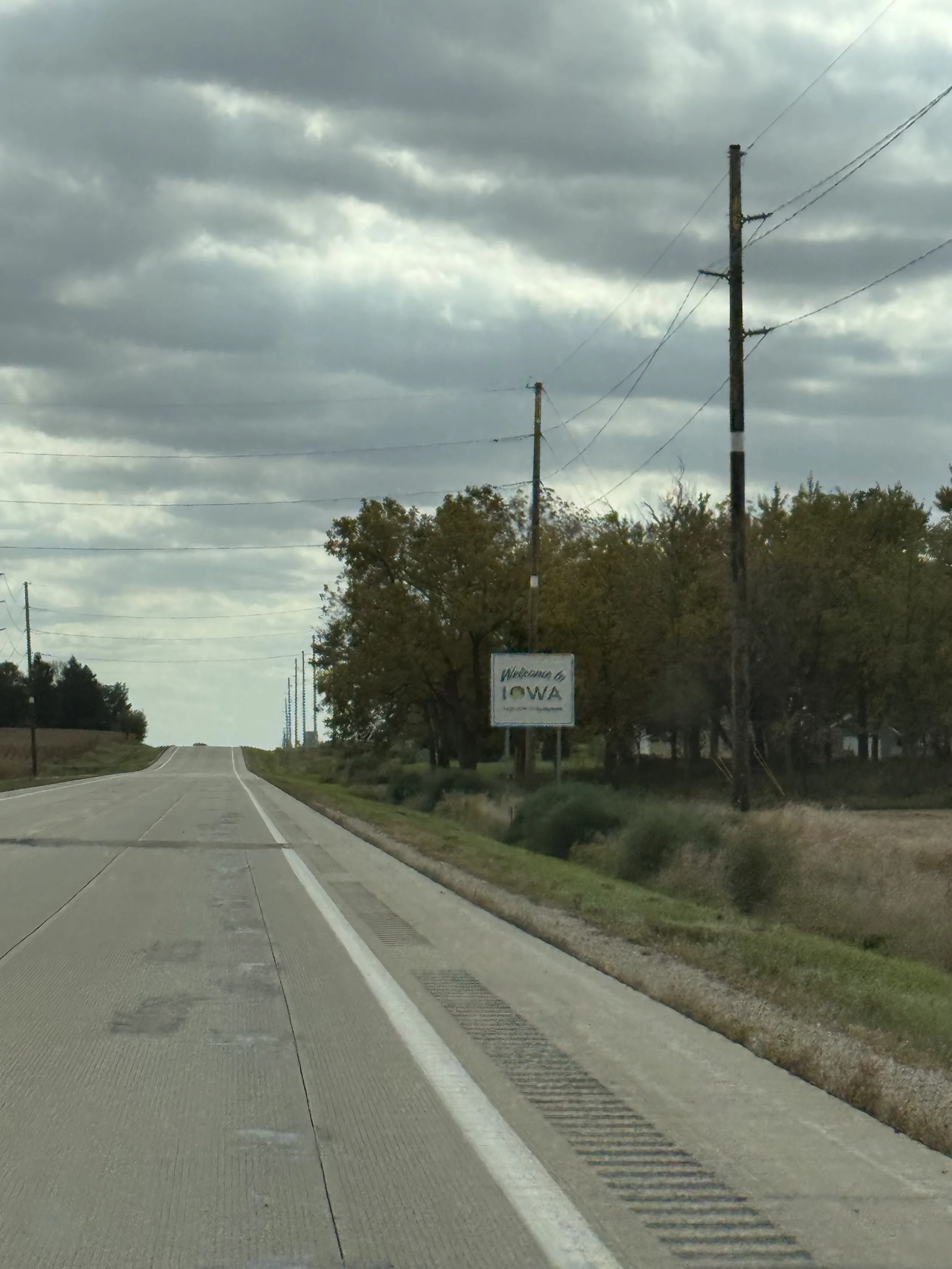
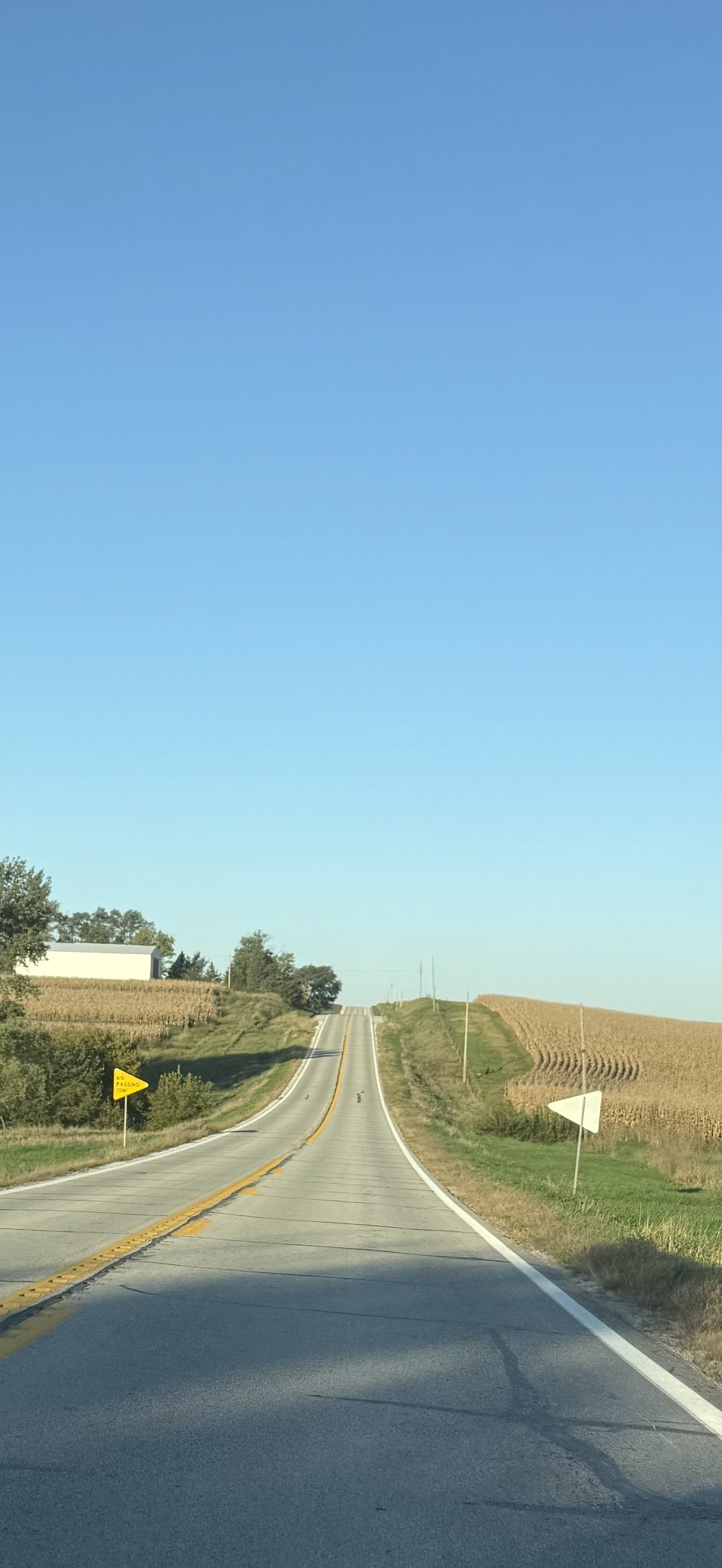
After doing morning chores, we took small roads south and west, angling through Minnesota to Iowa.
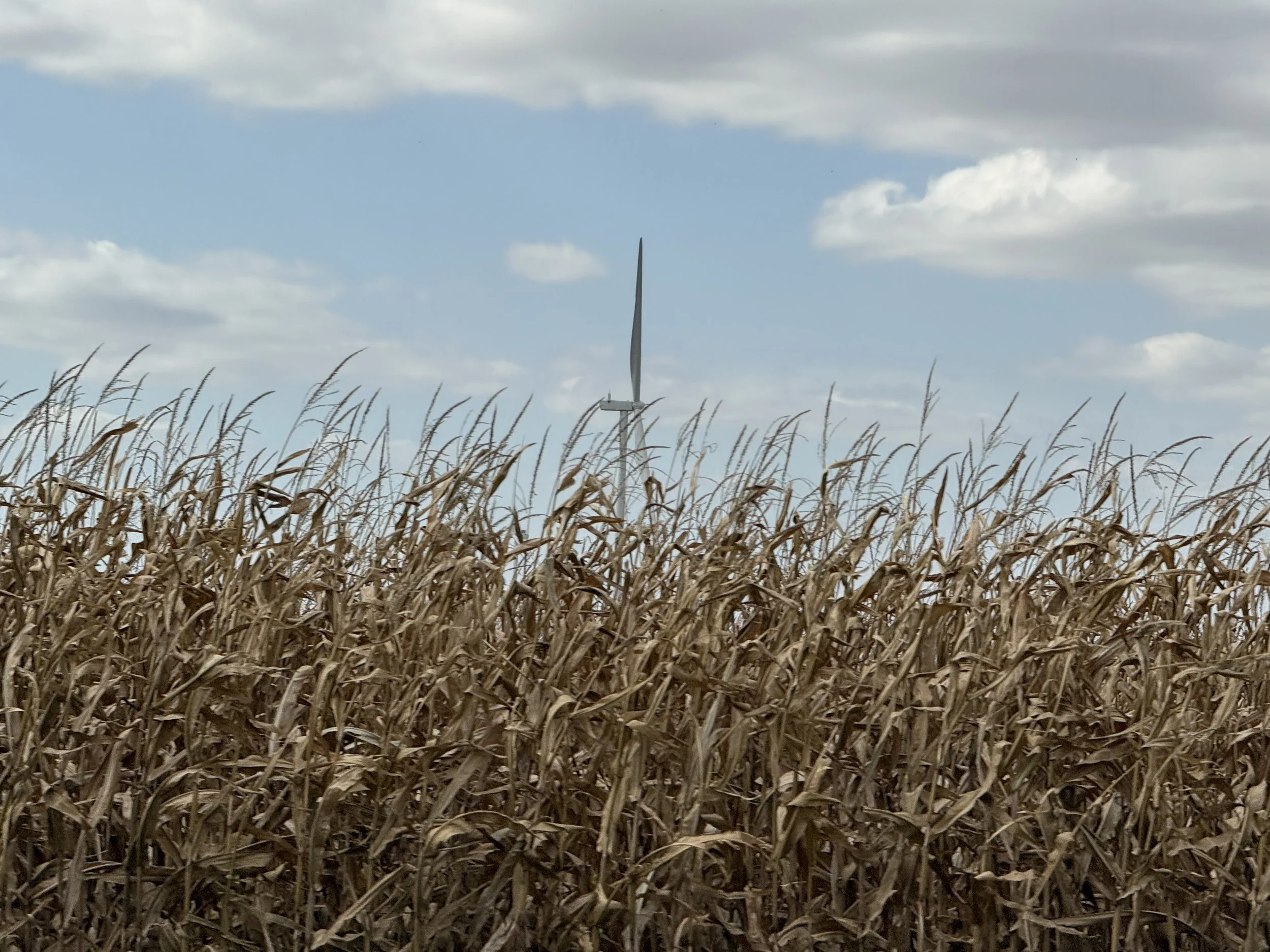
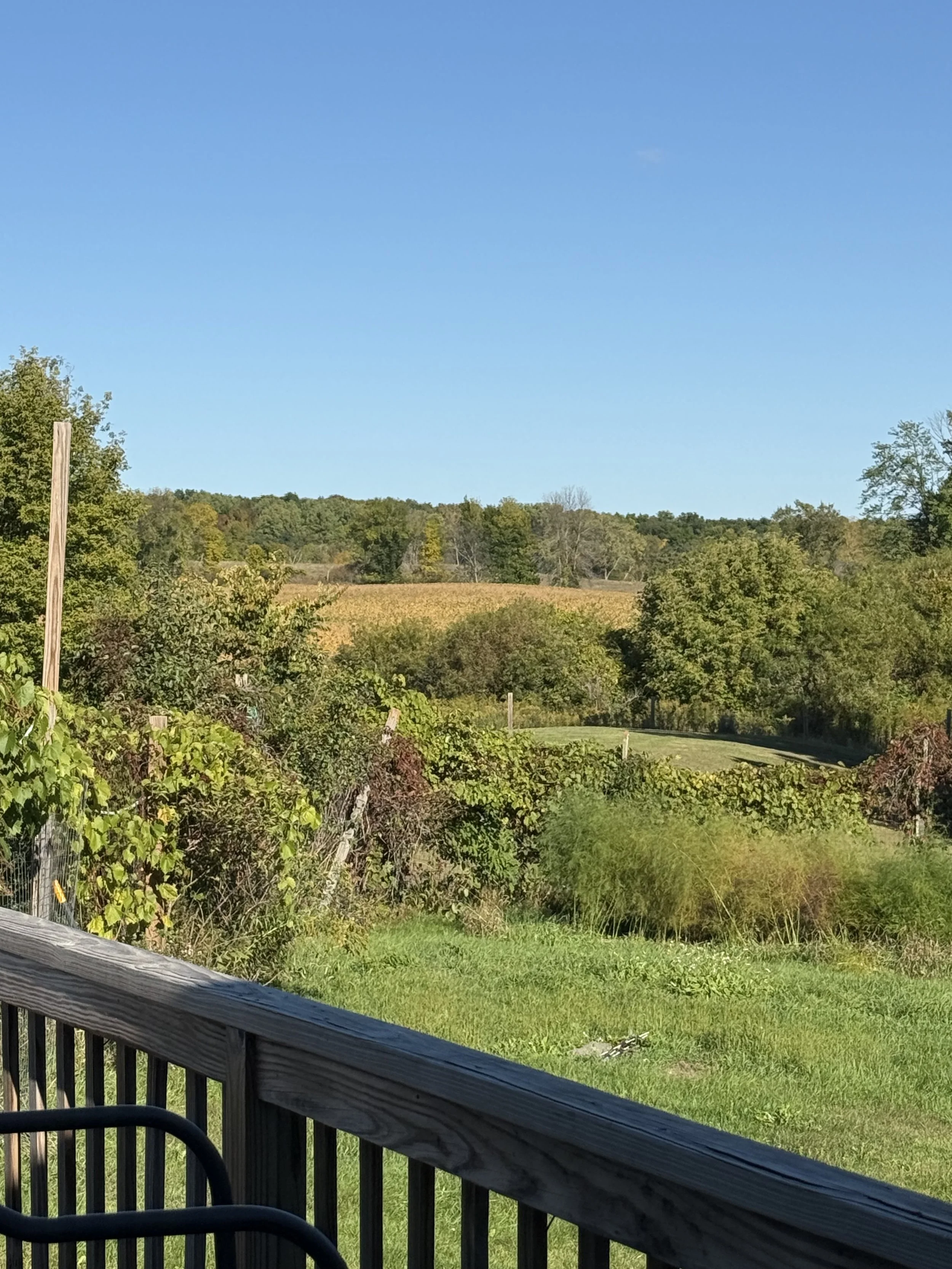
Windmills and cornfields.
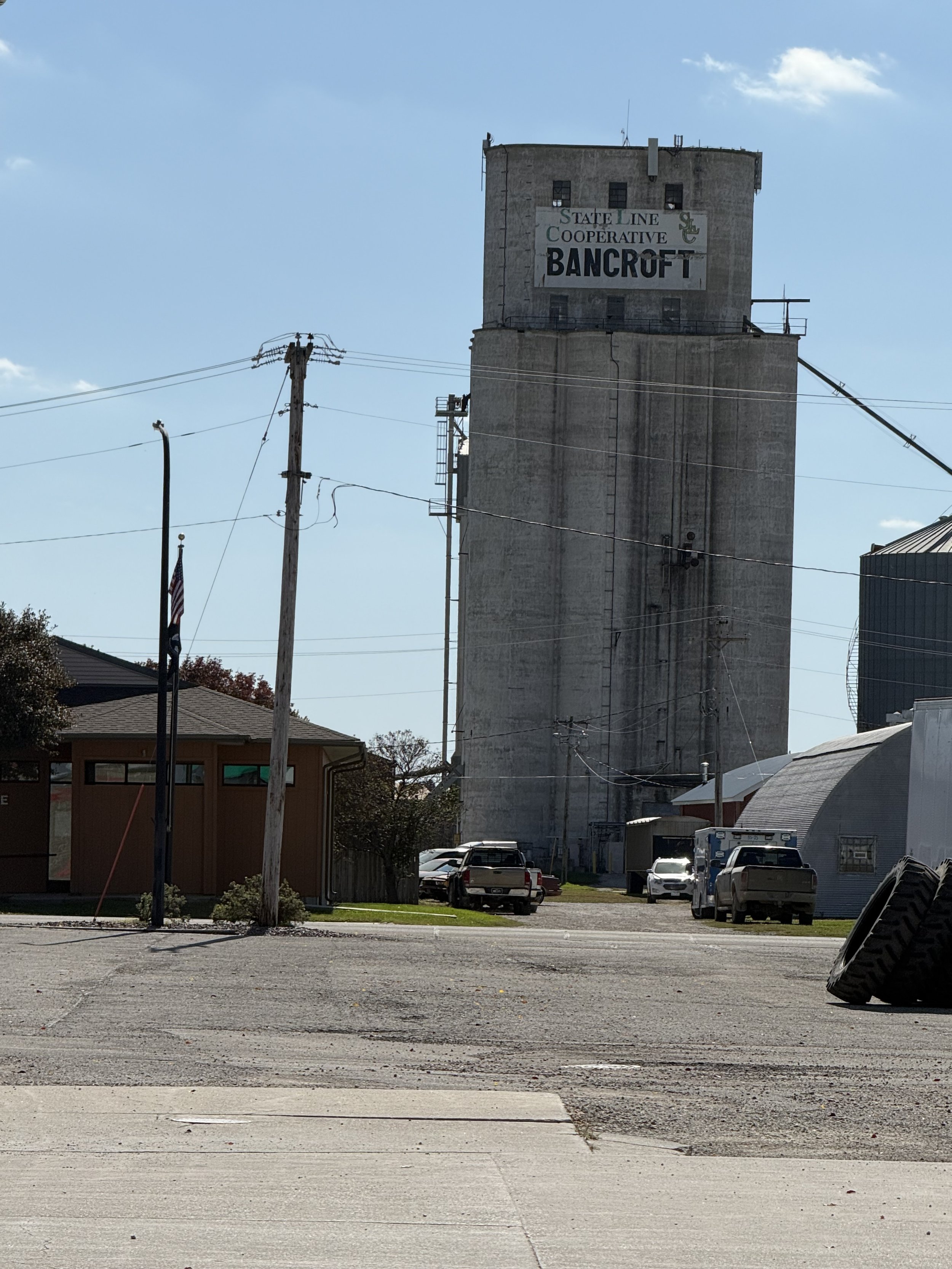
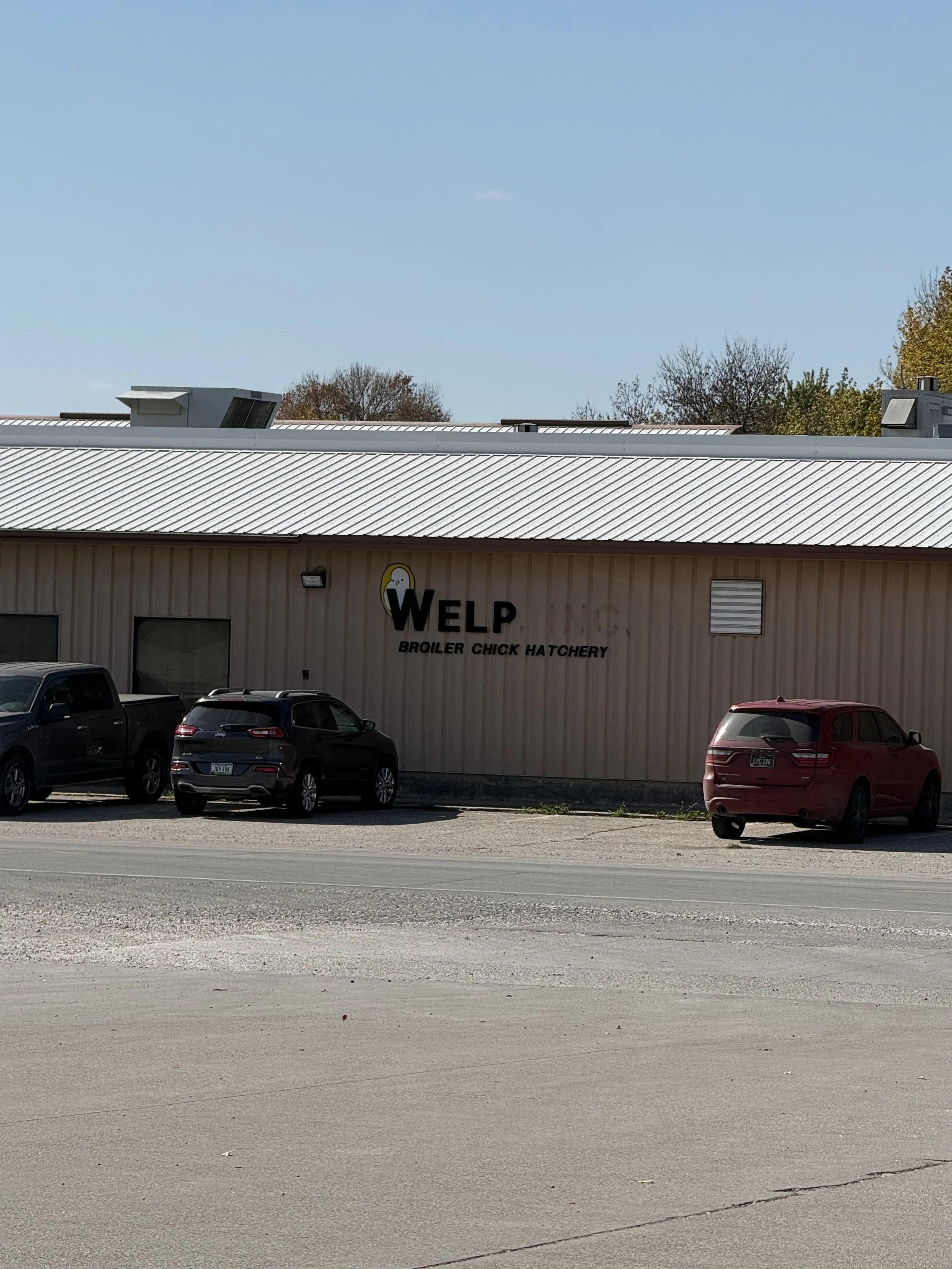
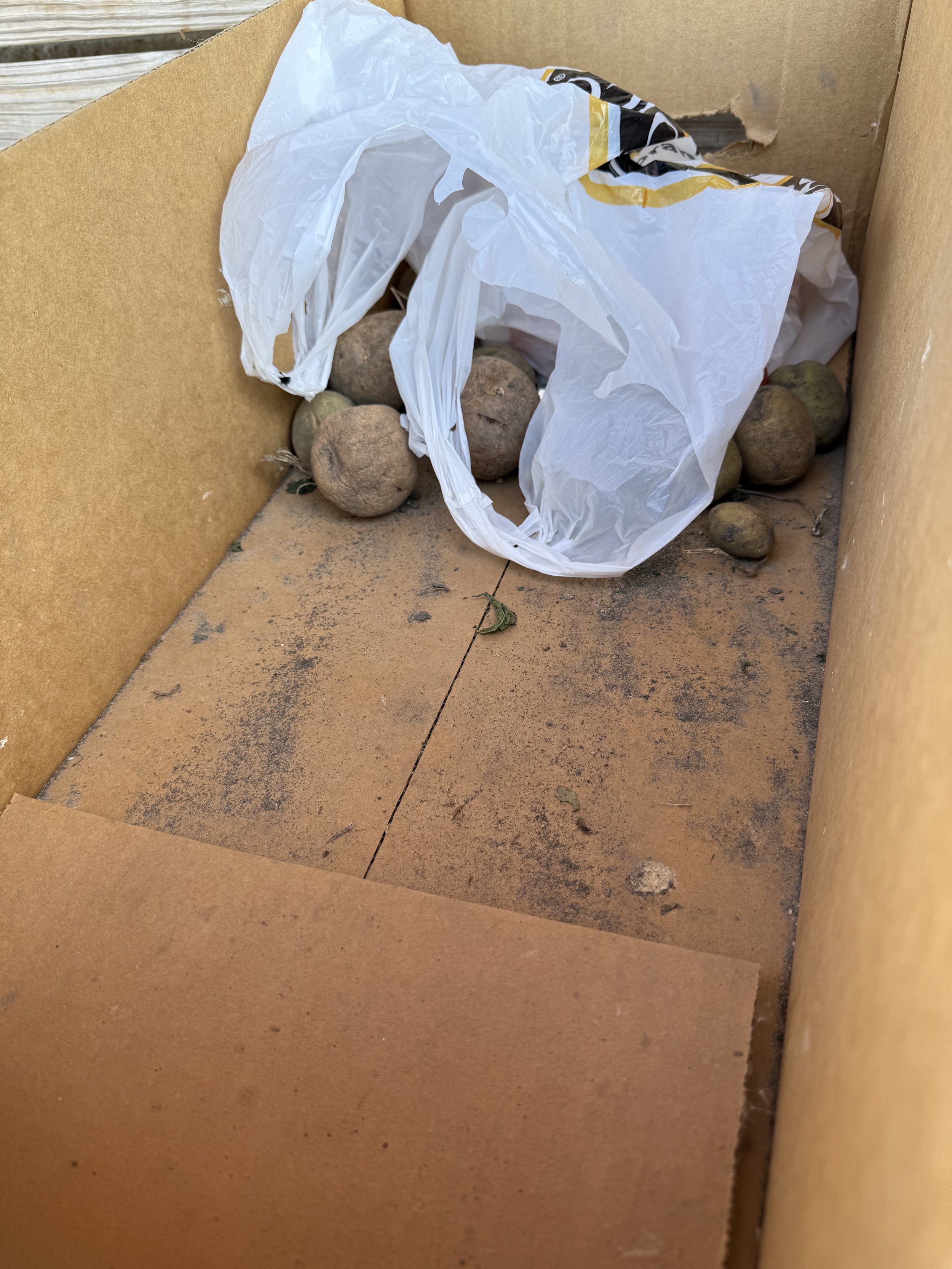
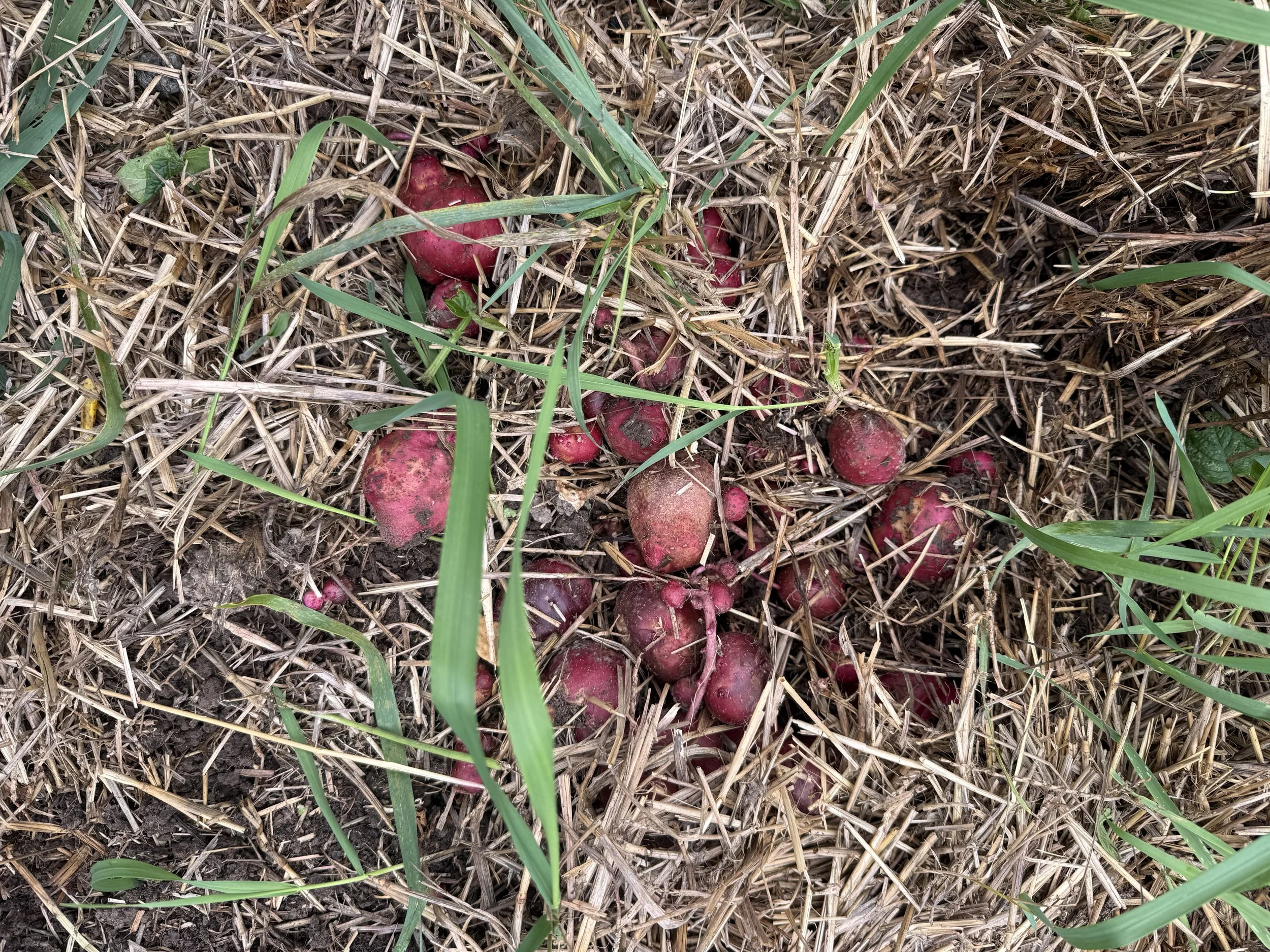
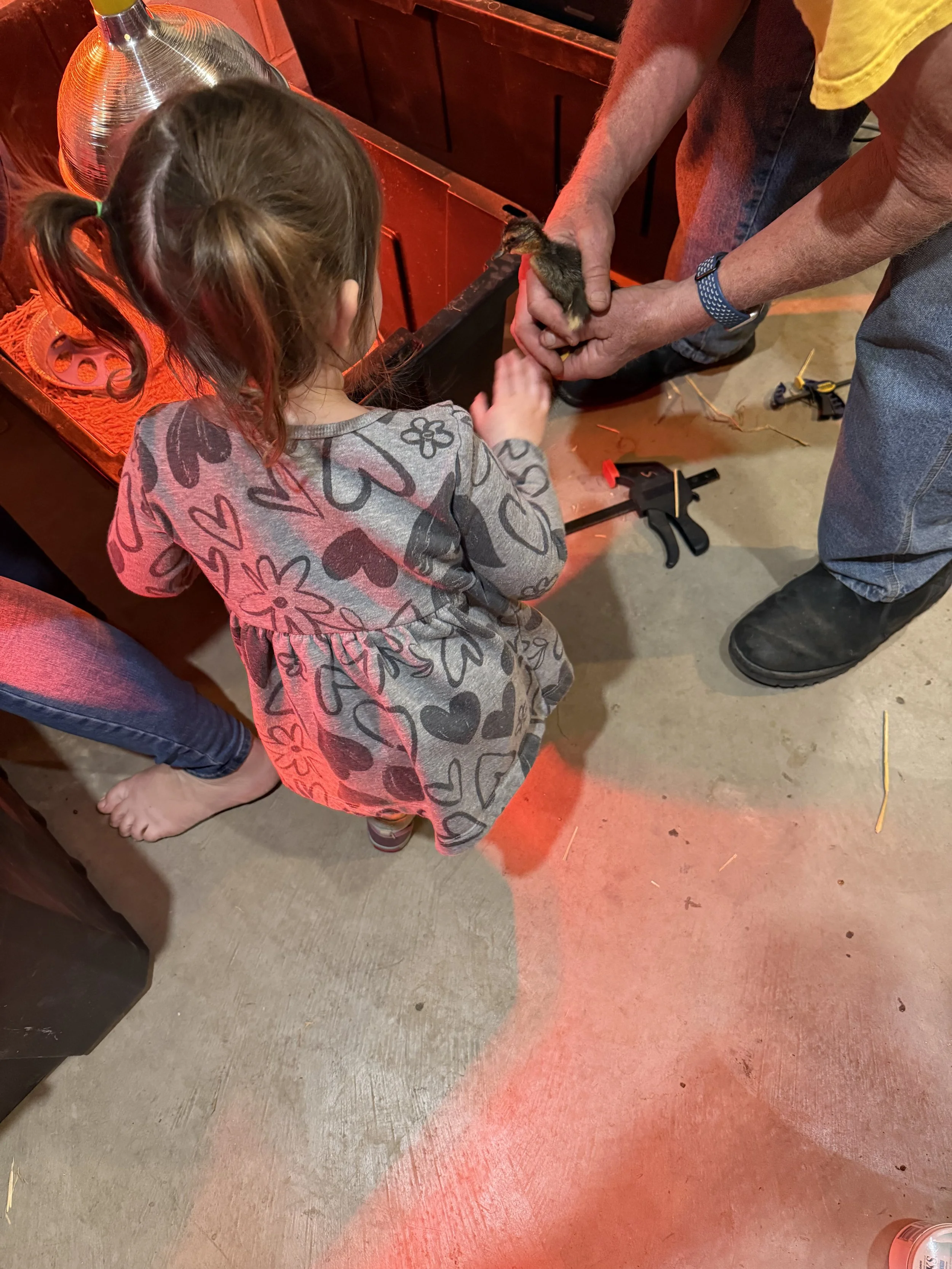
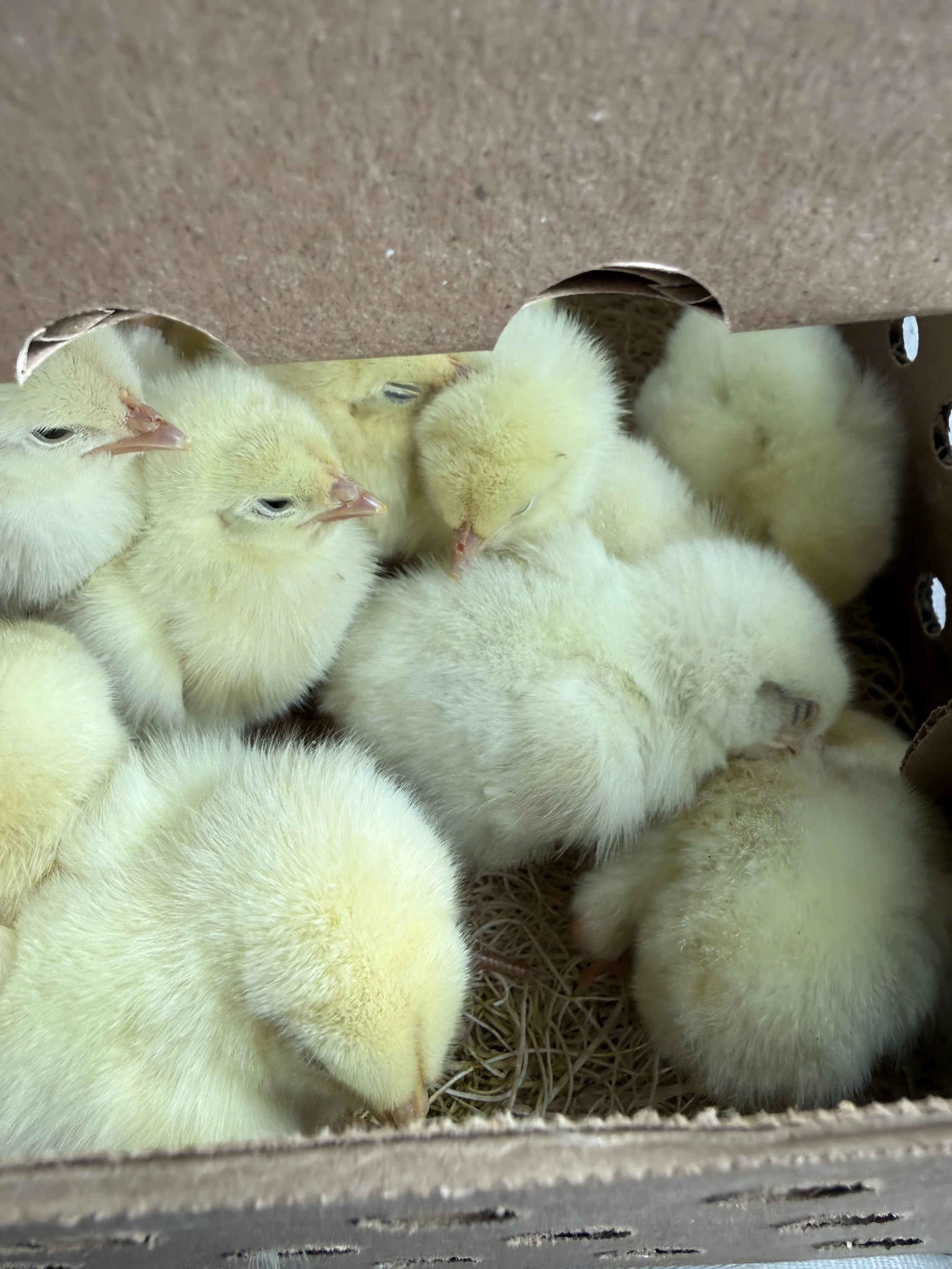
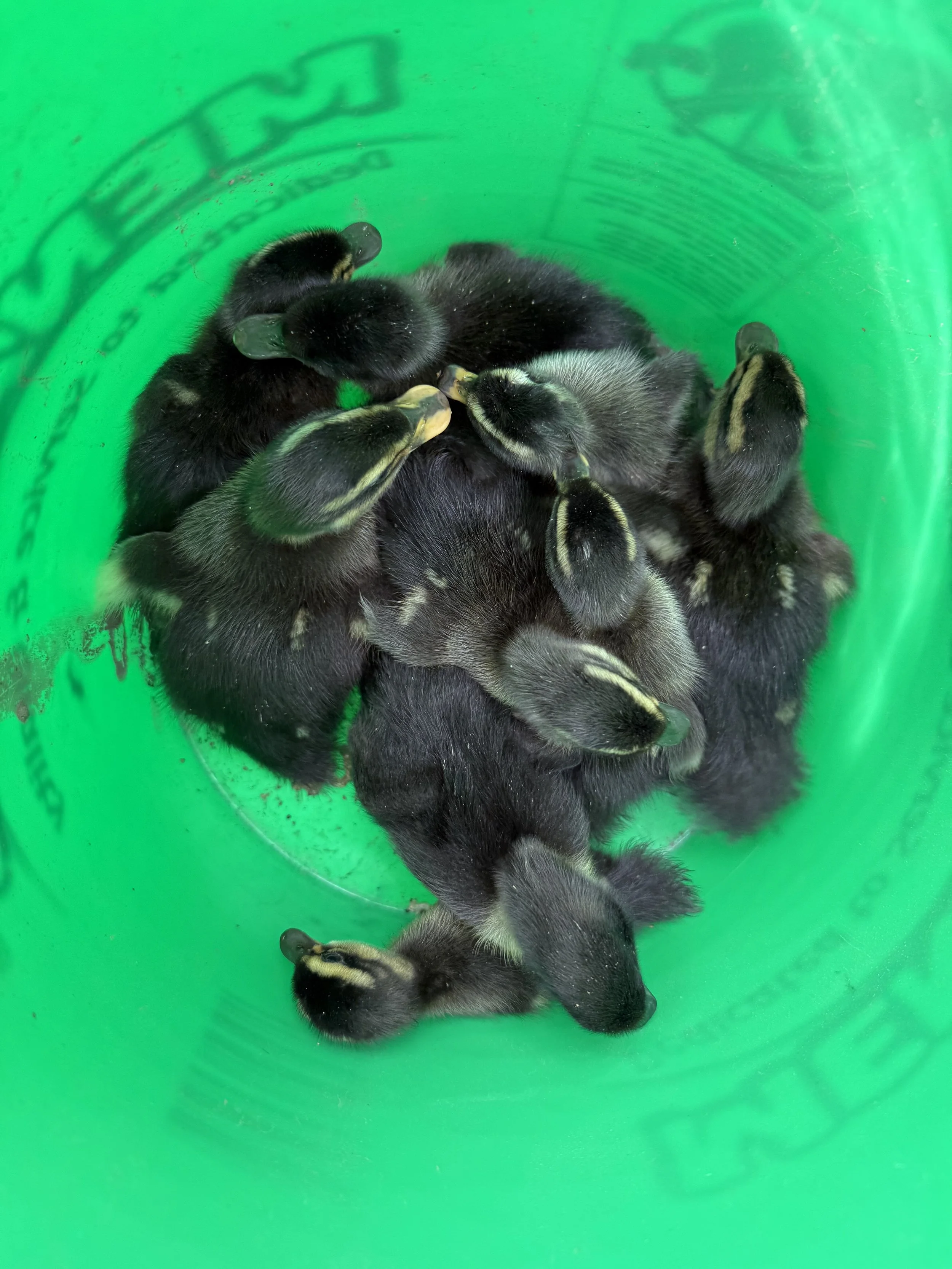
Grain silos, broiler hatchery, and abandoned home-grown potatoes at the gas station in Bancroft, Iowa.
I neglected to take photos of the mansion built in 1898 we stayed in our first night. The Chestnut Charm Bed and Breakfast run by Barbara in Atlantic is a fun and amazing place to stay. We walked a mile for great salads at a local restaurant and walked back in the dark, marveling at the elaborate Halloween decorations adorning the neighborhood. Dragons! Skeletons! The Great Pumpkin!
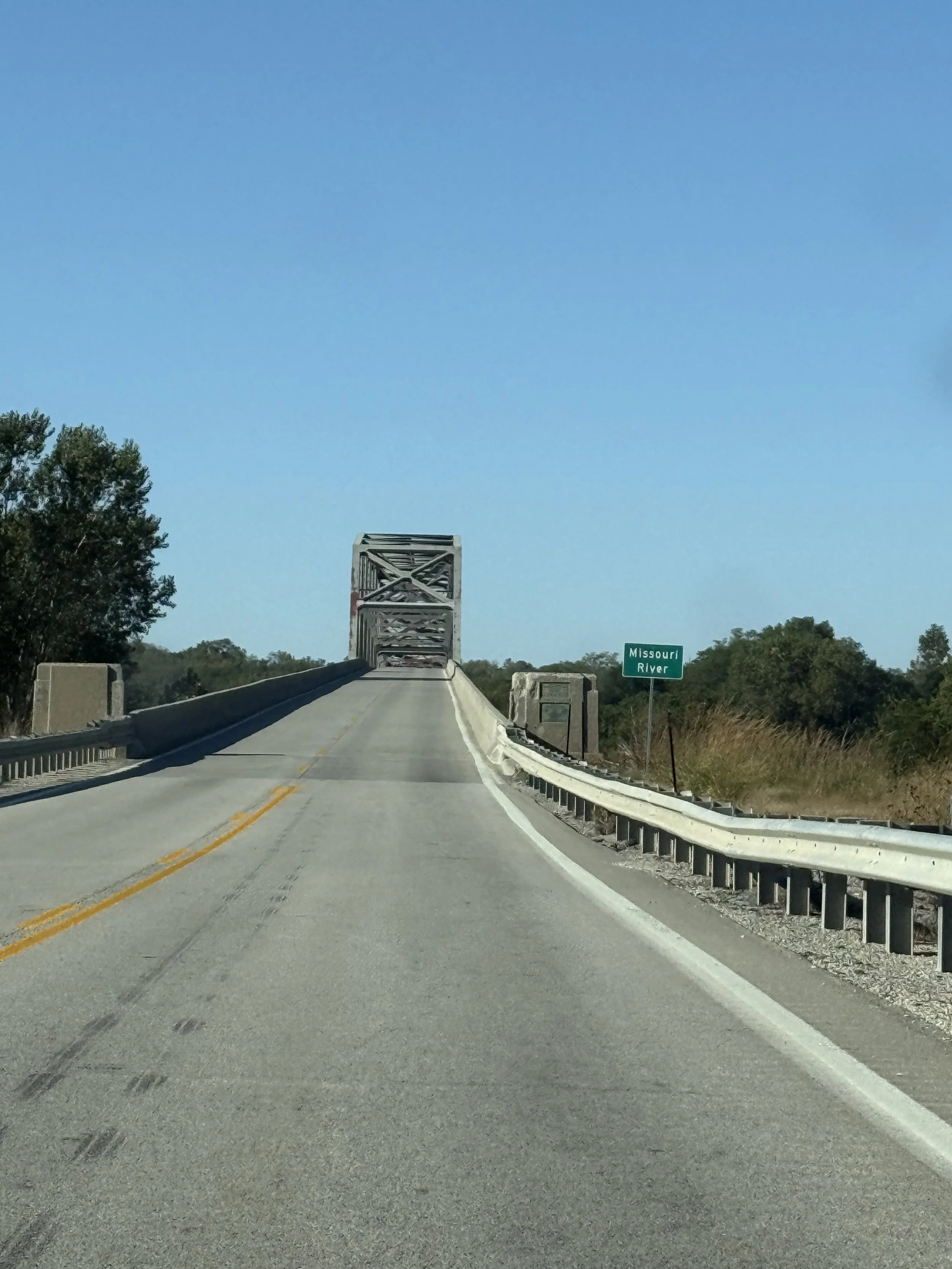
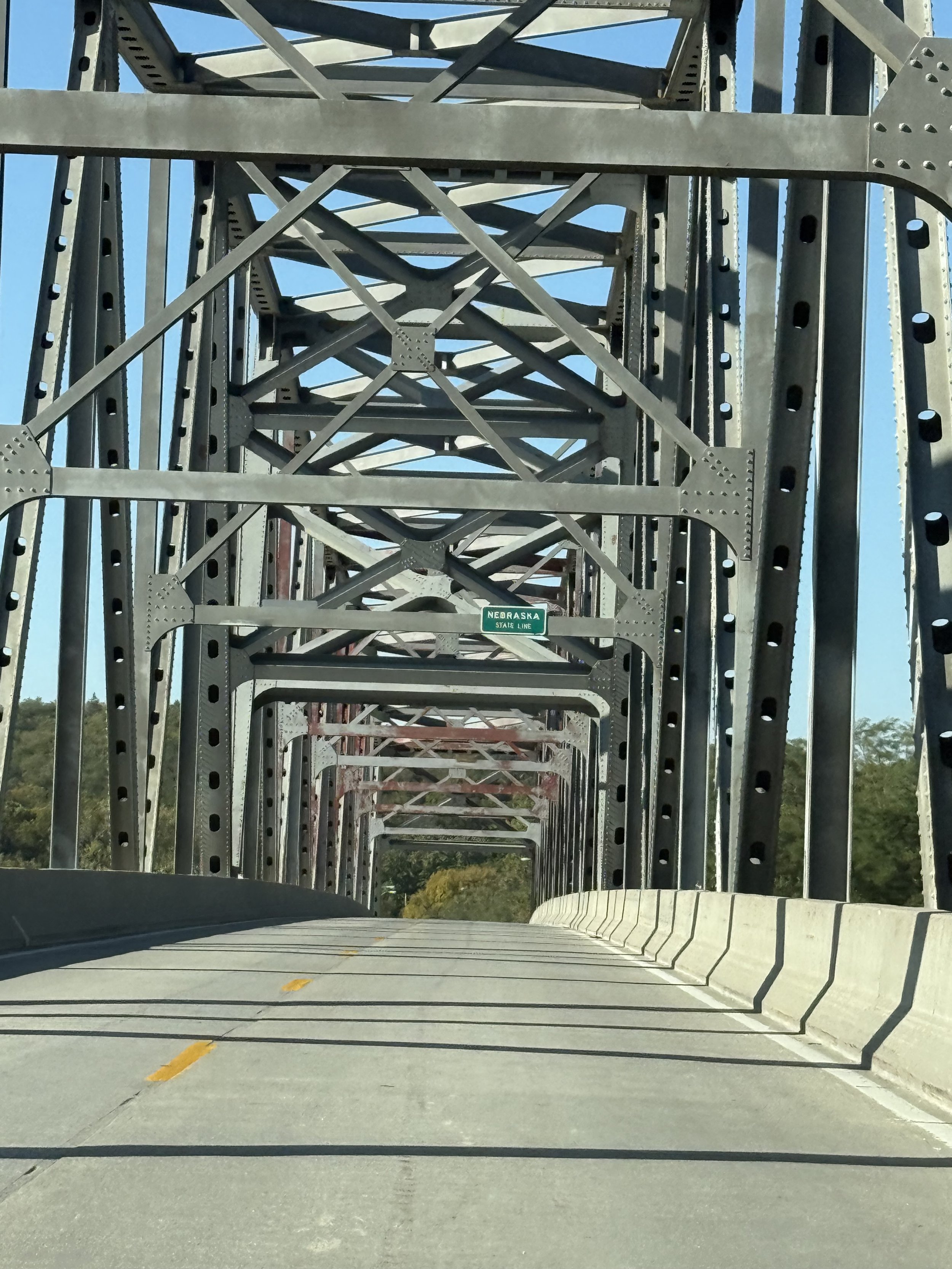
The next day we headed south, cut off the corner of Missouri, then west to cut off the corner of Nebraska, and headed into Kansas.
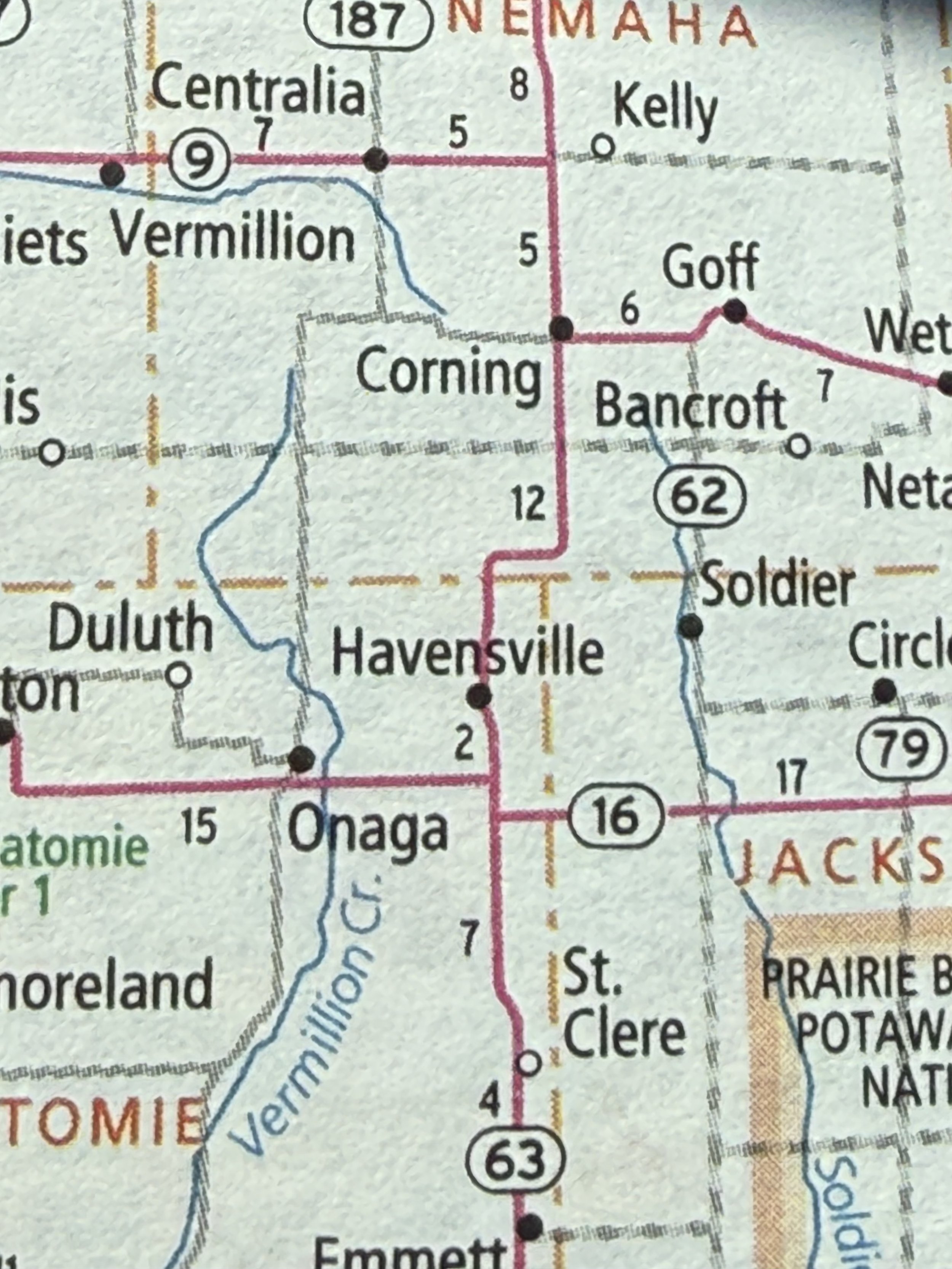
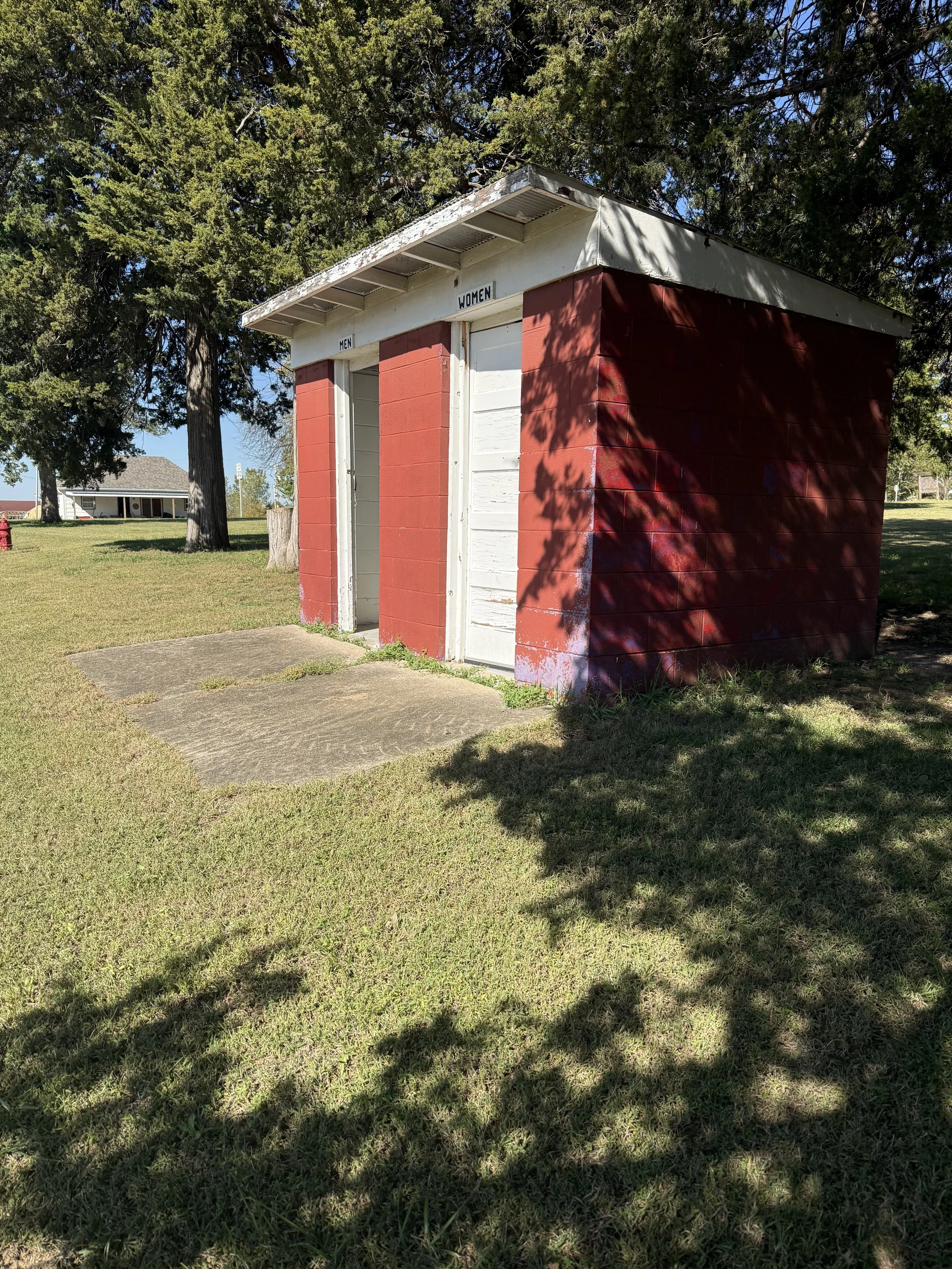
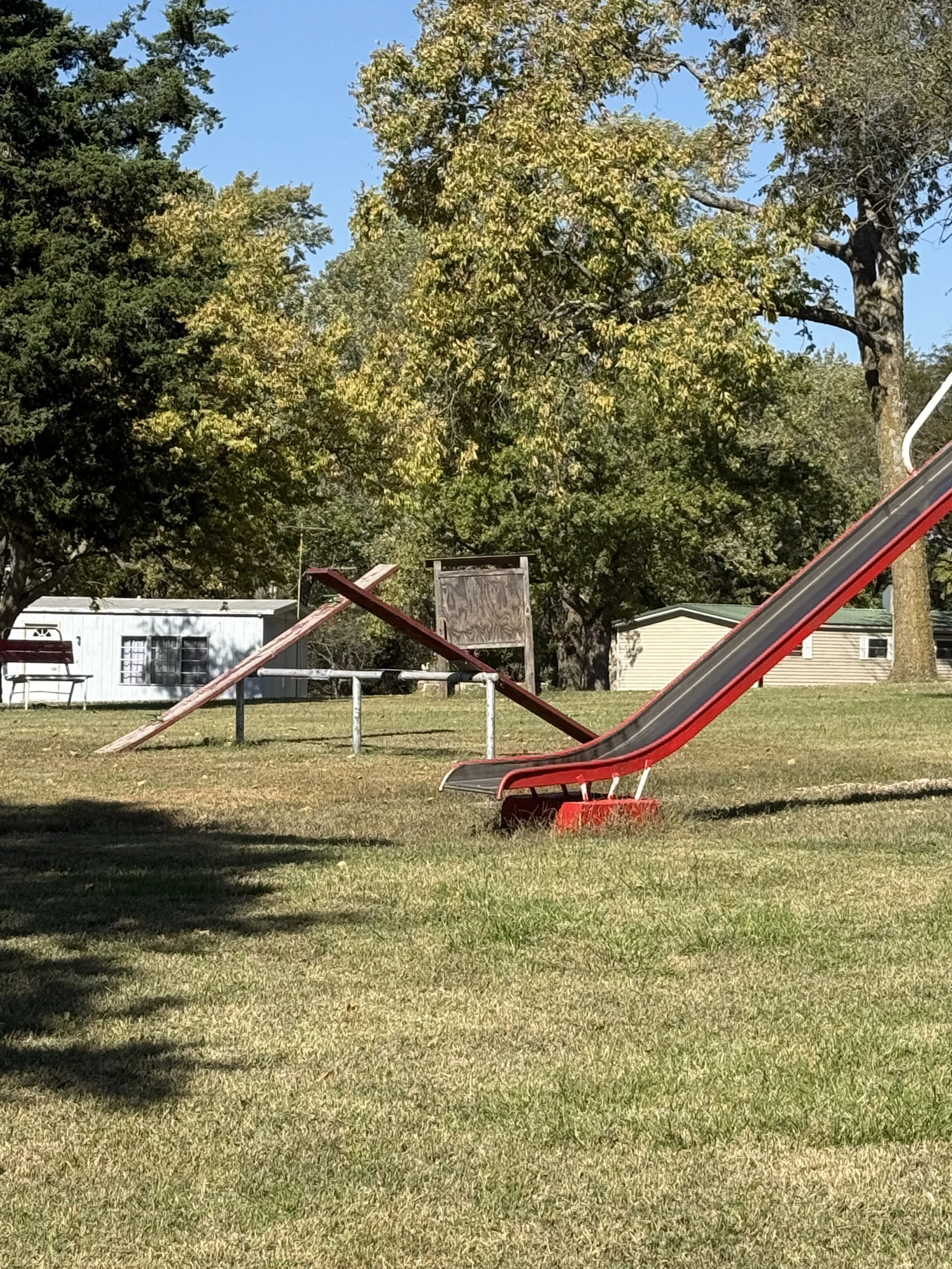
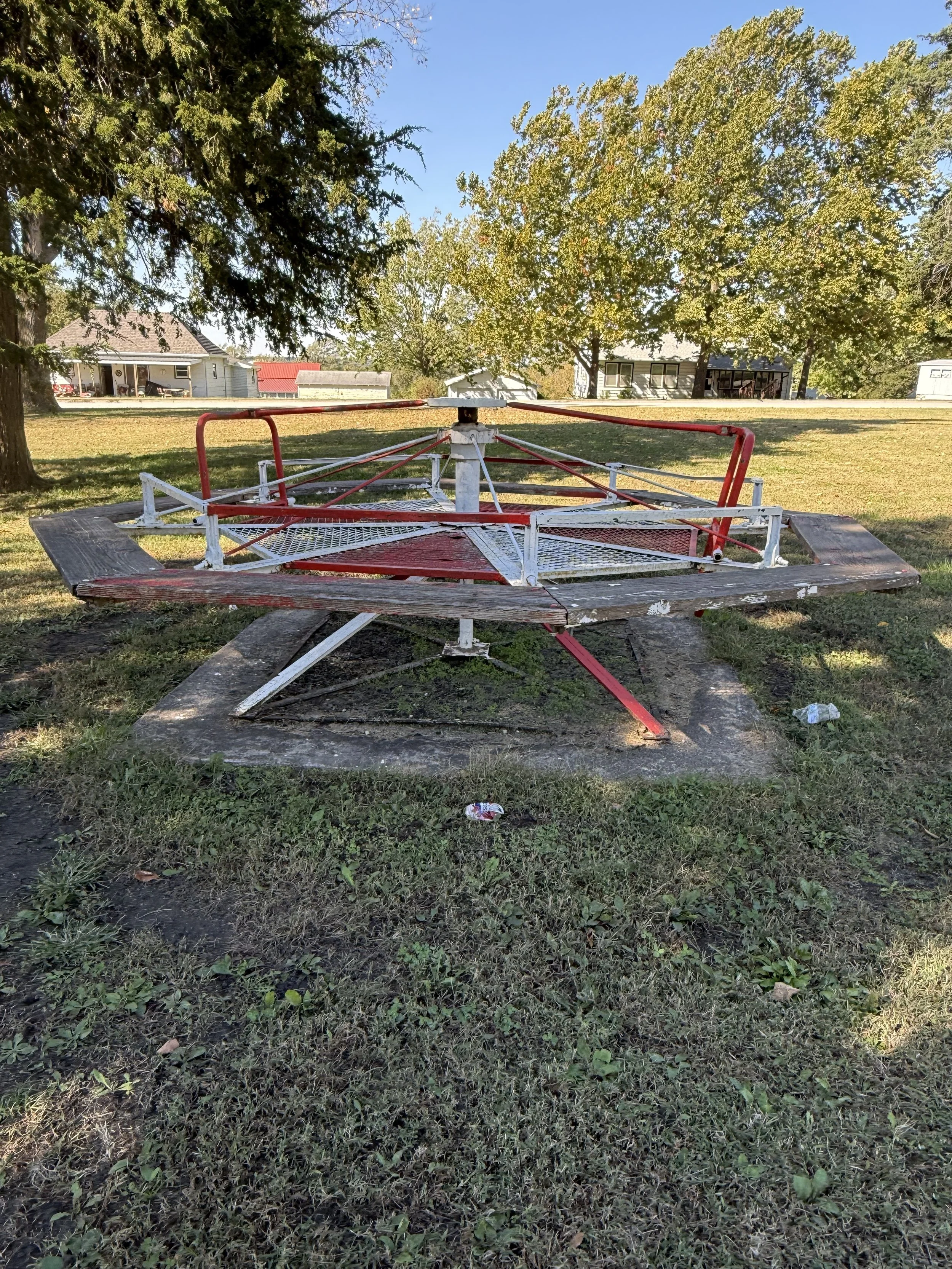
The park in Havensville was amazing. Potties when we needed them. Teeter totters. Merry-go-rounds. None of this is allowed in Minnesota or Wisconsin!
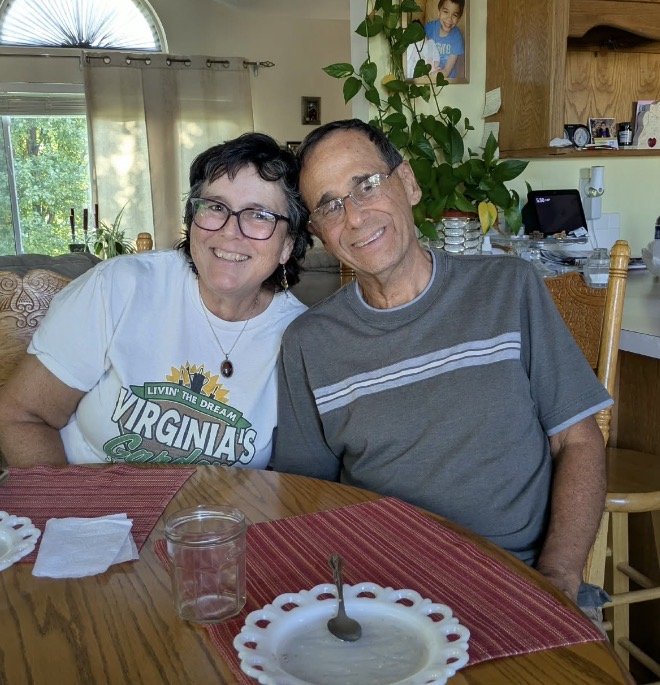
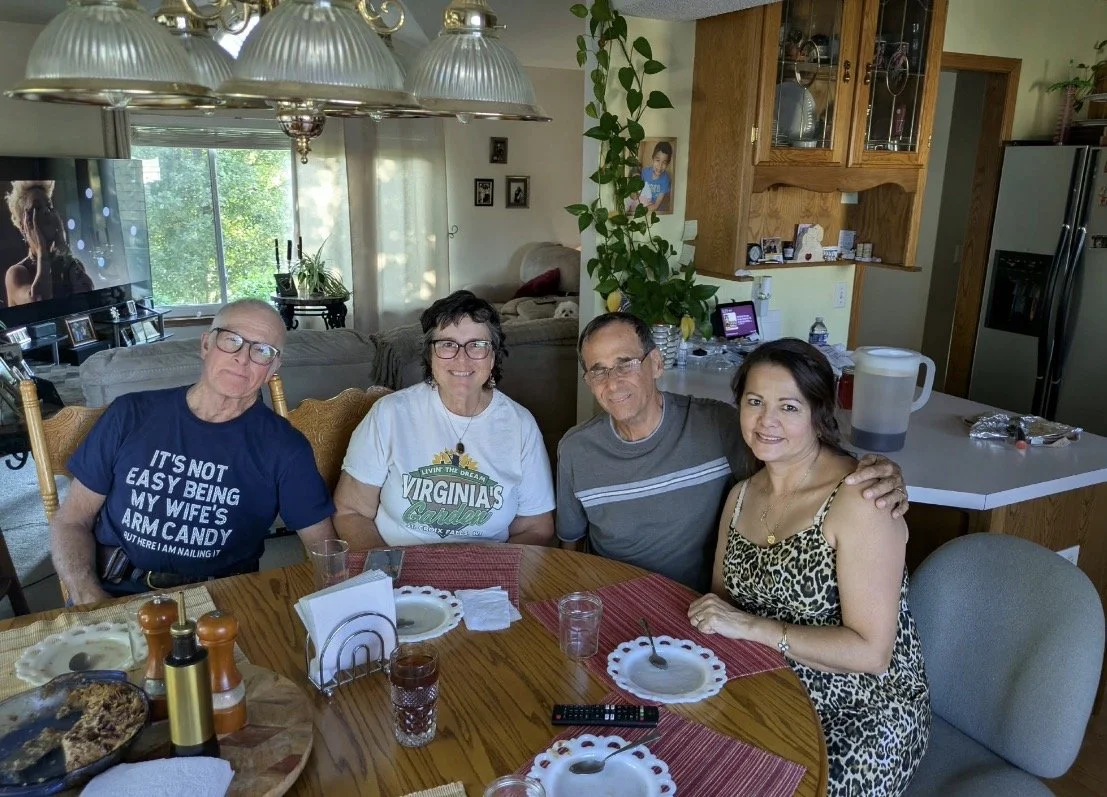
We landed at my brother Don’s house, where his wife, Fanny, made us a Peruvian dinner of Carne Seco. Yum! It had been 5 years since we last saw each other. And 5 years since we first saw each other! So amazing to discover a new brother by another mother. He reminds me so much of my papi.
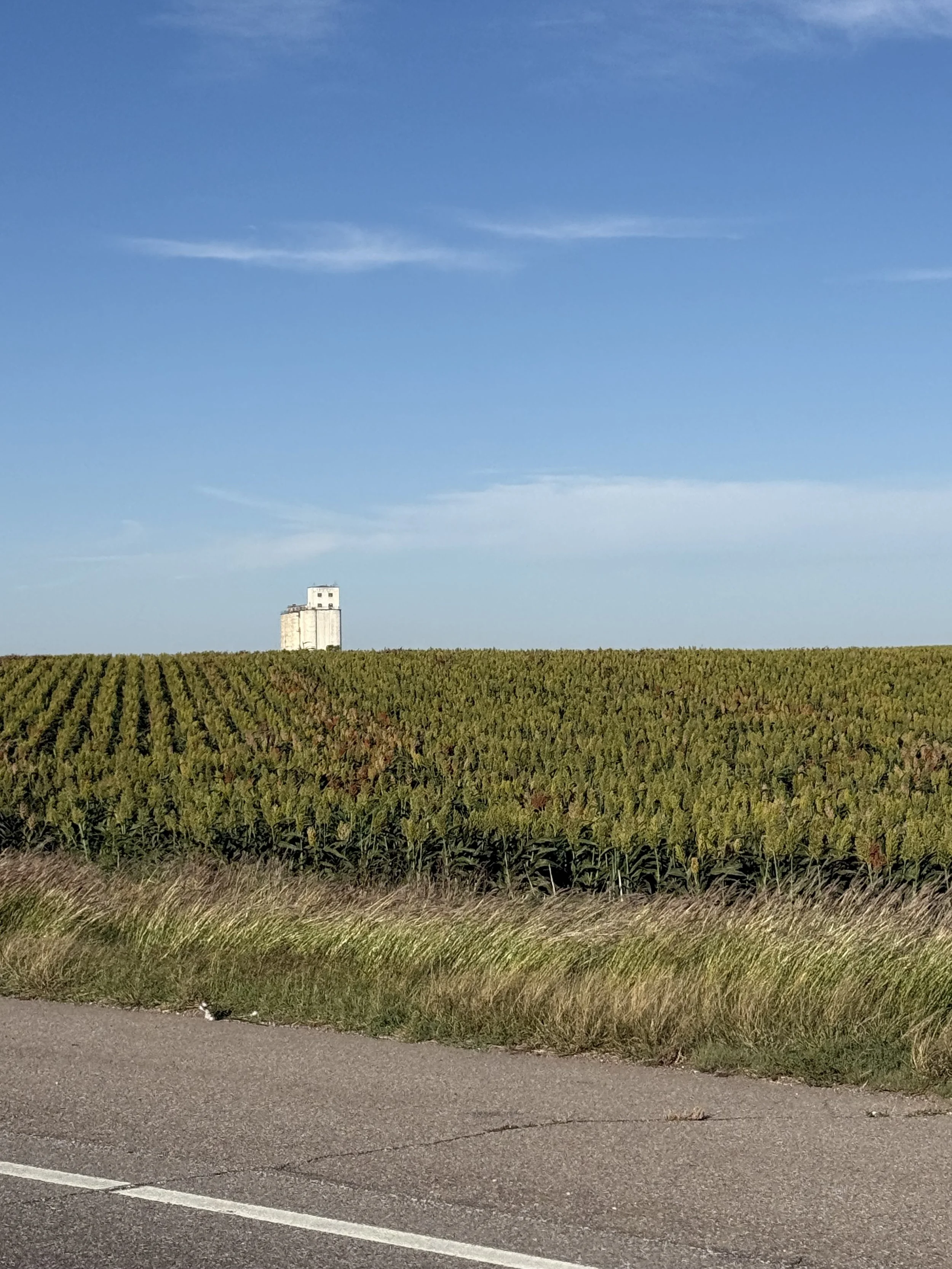
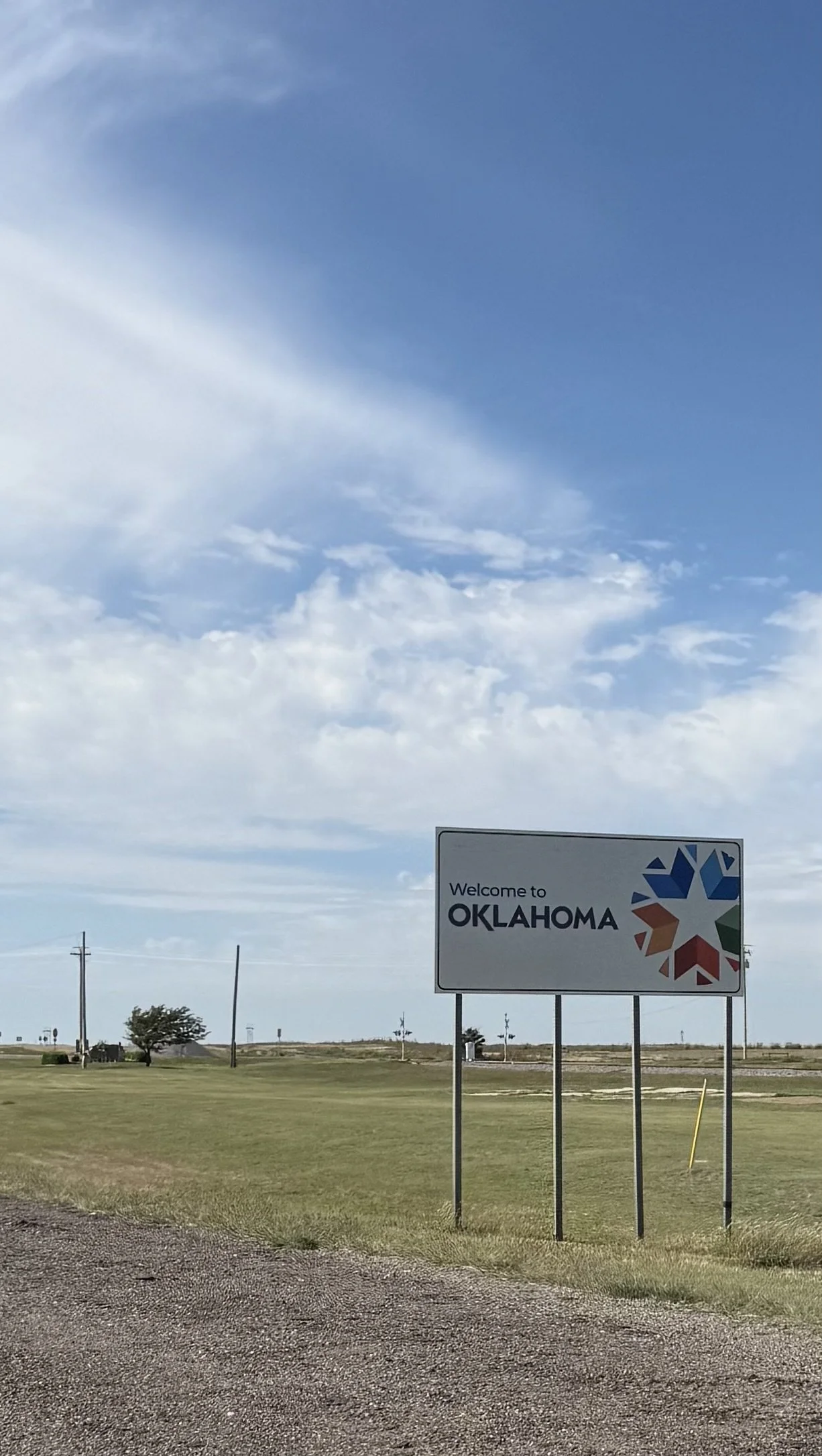
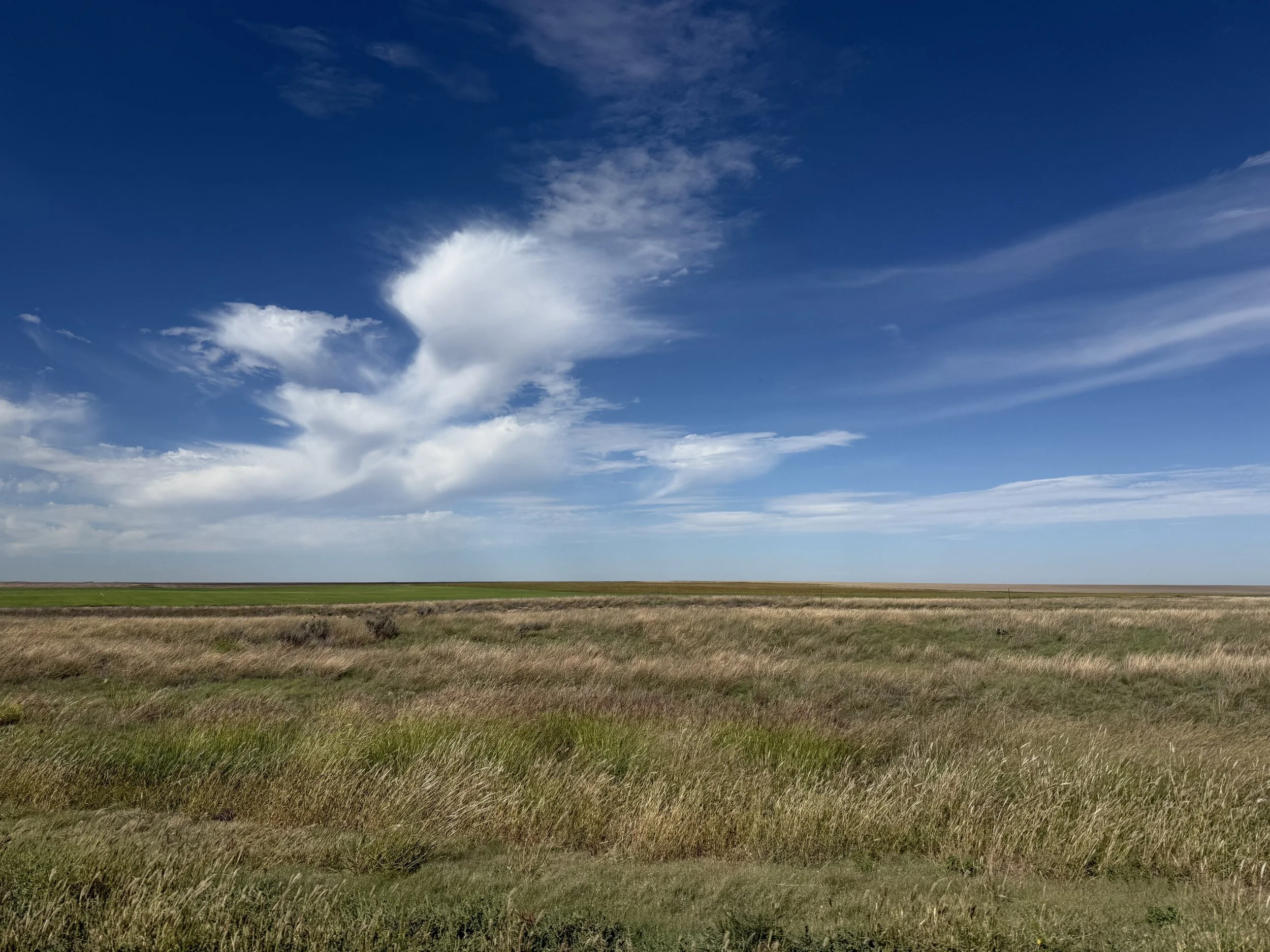
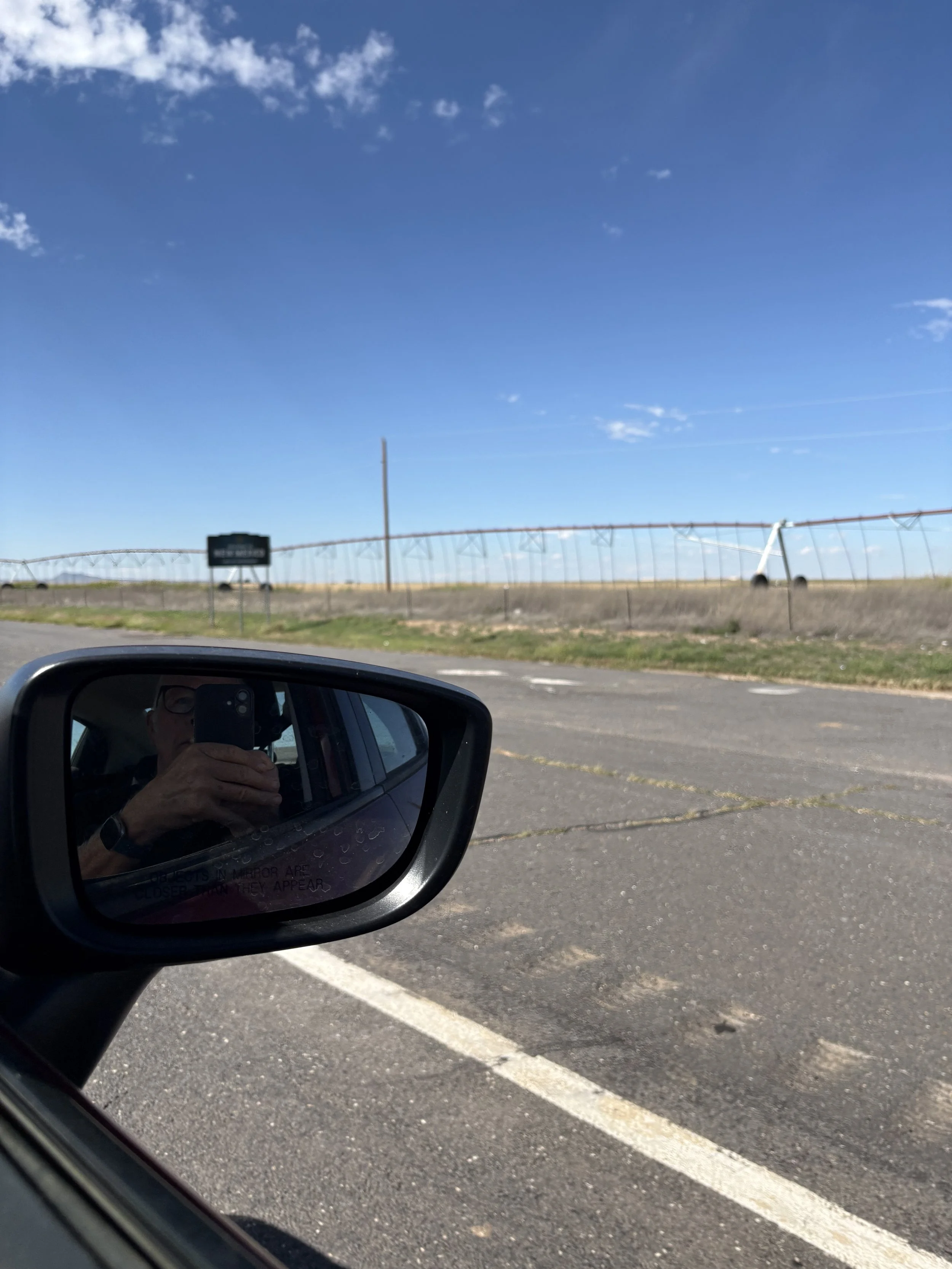
That’s the “Welcome to New Mexico” sign. South Western Kansas and the Oklahoma Panhandle largely look the same.
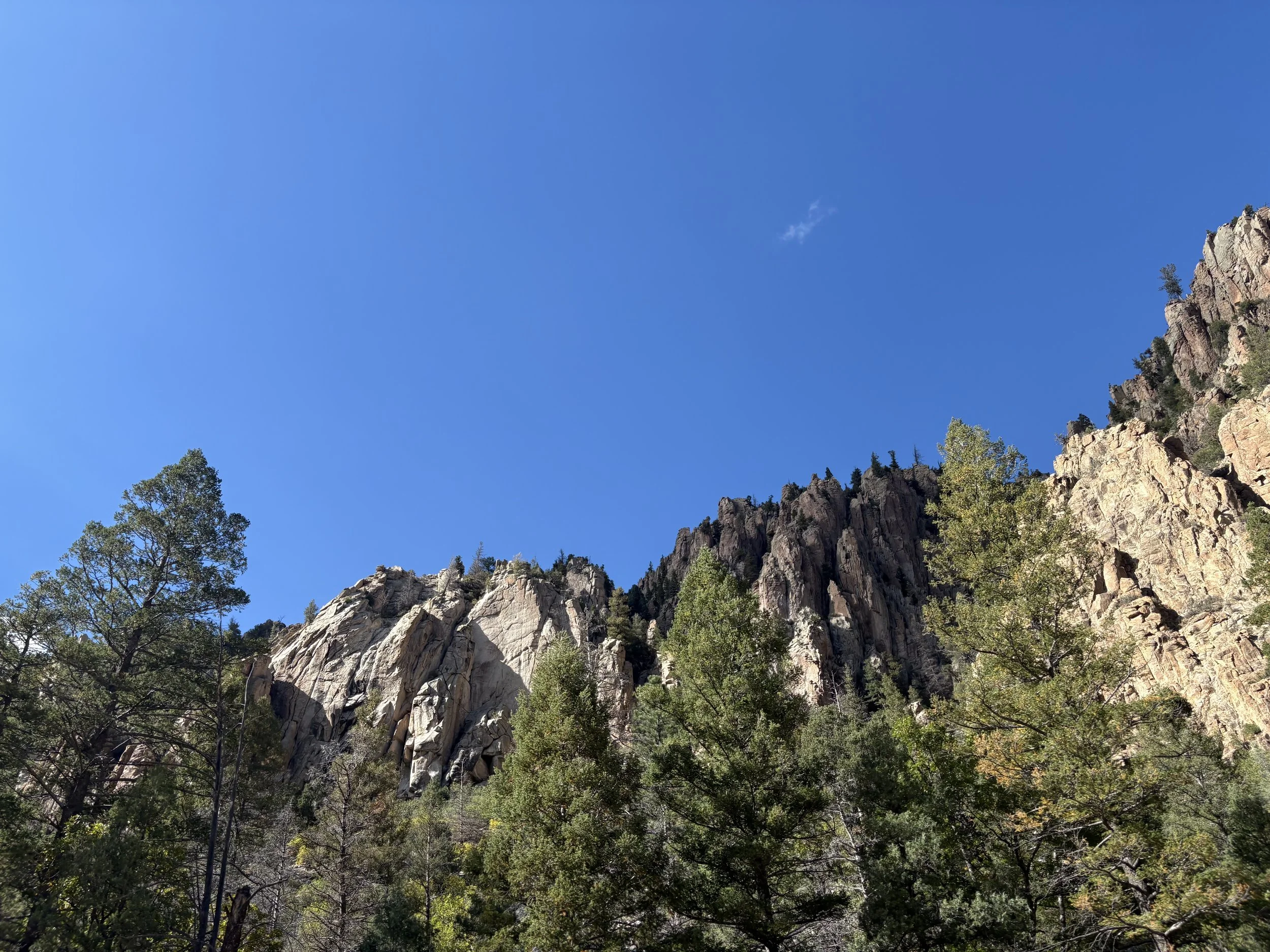
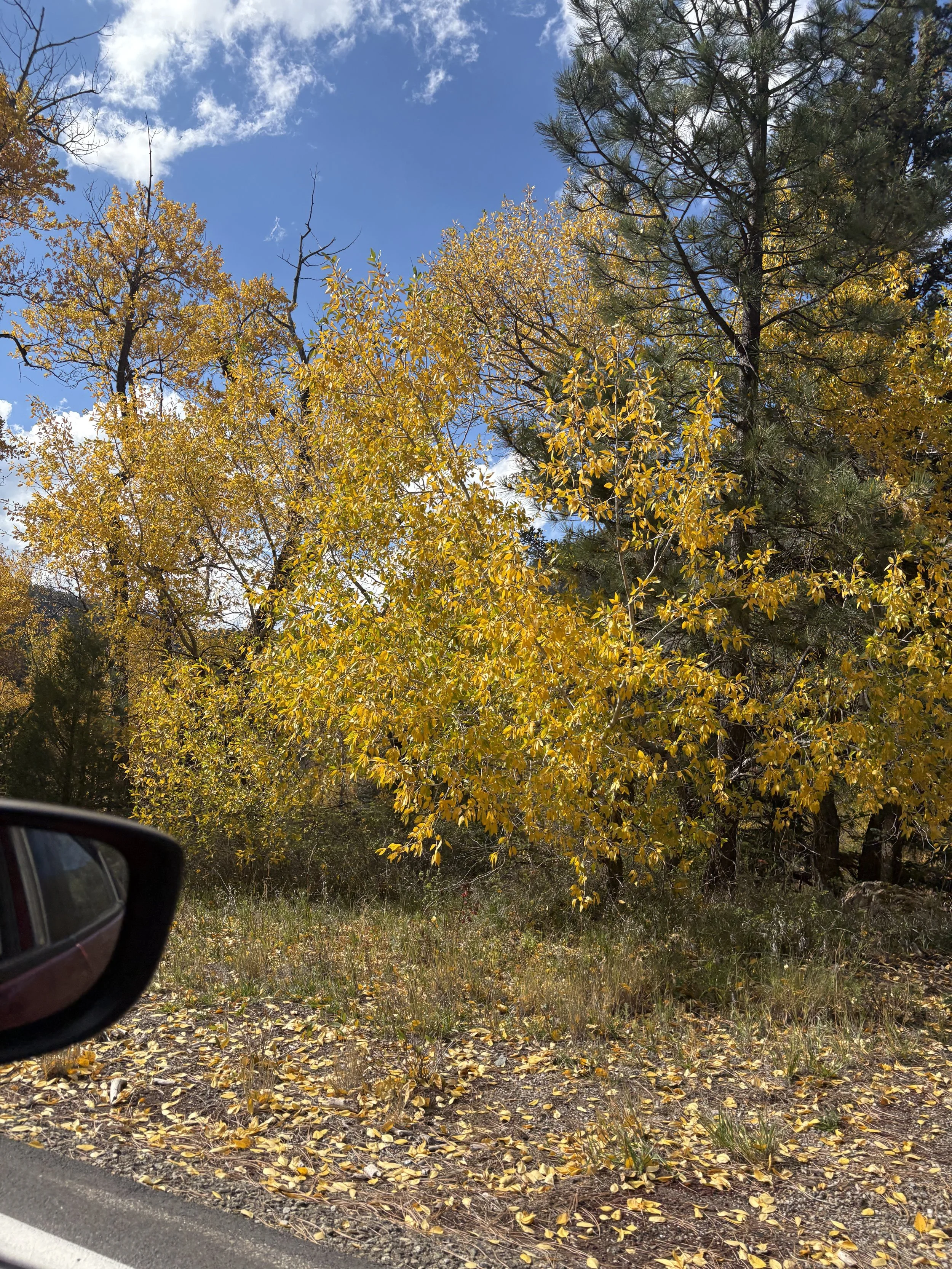
New Mexico, on the other hand, has mountains.
We arrived in time for dinner at my momma’s house, dining with my brother Dan and his wife Jeni to boot! They drove up from Las Cruces.
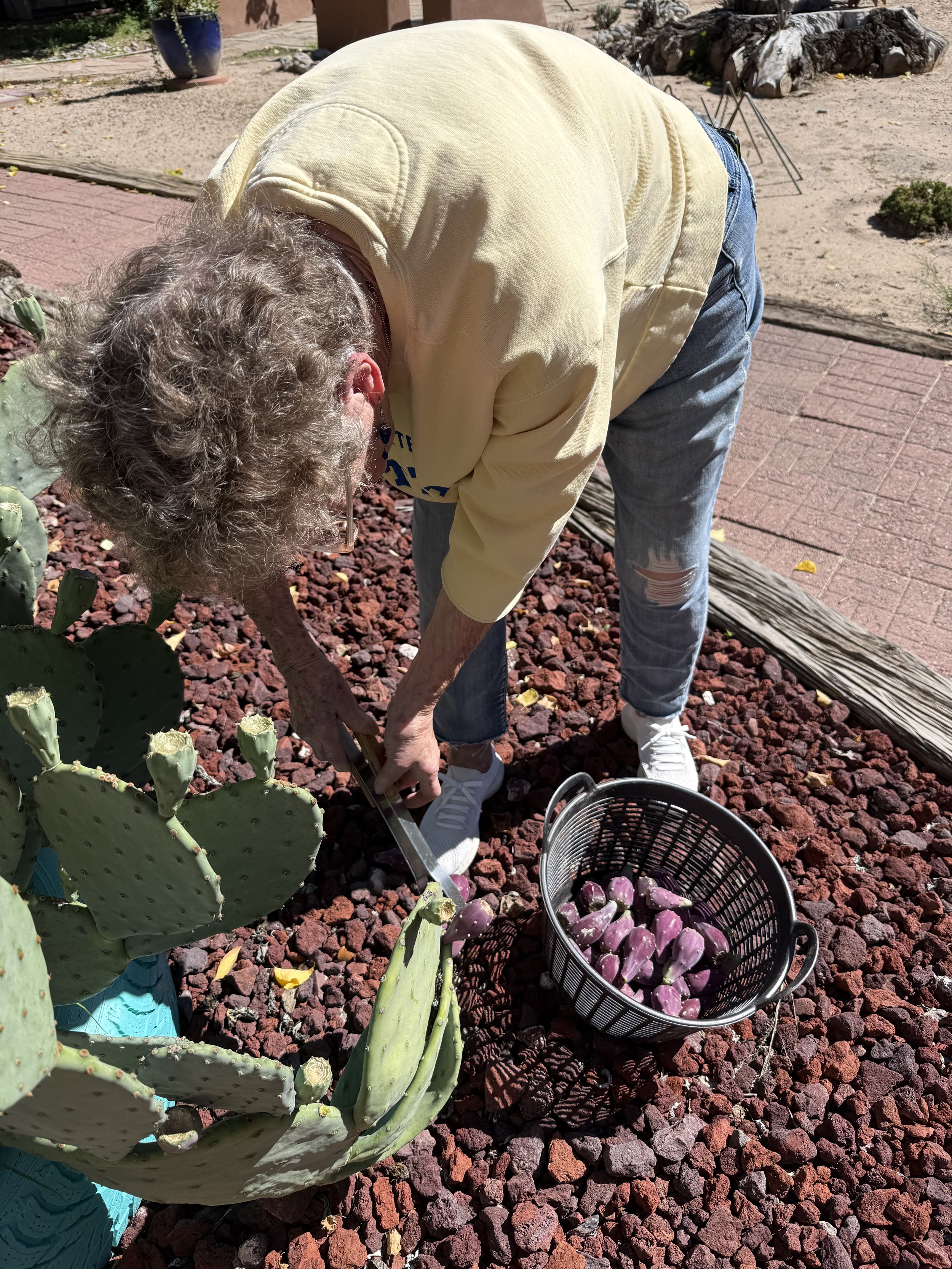
The next day, my mom said she wanted to do a bit of gardening. Leaves had fallen off her nopales in the front.
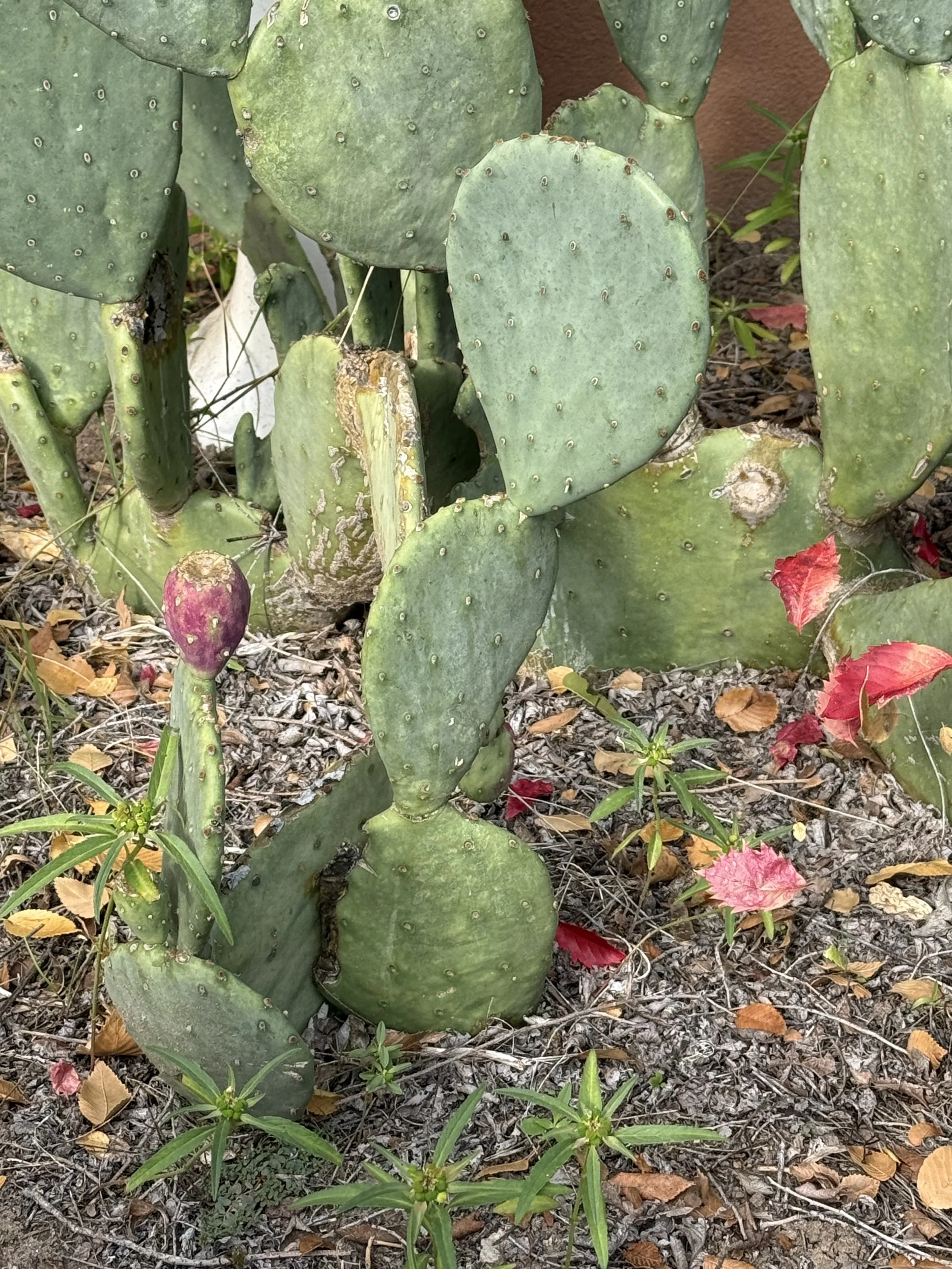
We carted them to the back cactus patch, then harvested the ripe tunas (prickly pears). Avoiding the small thorns was harder than evading the big ones!
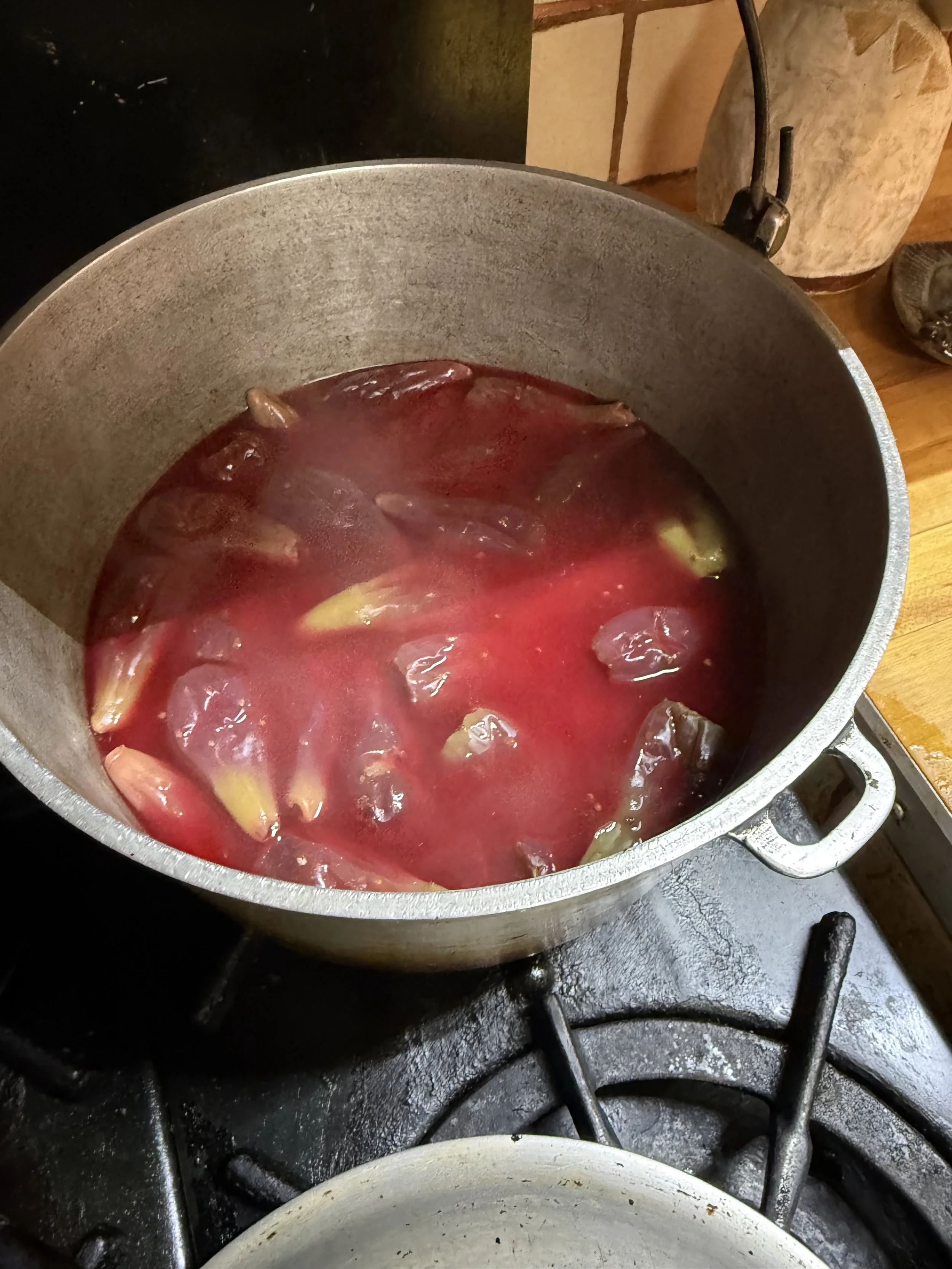
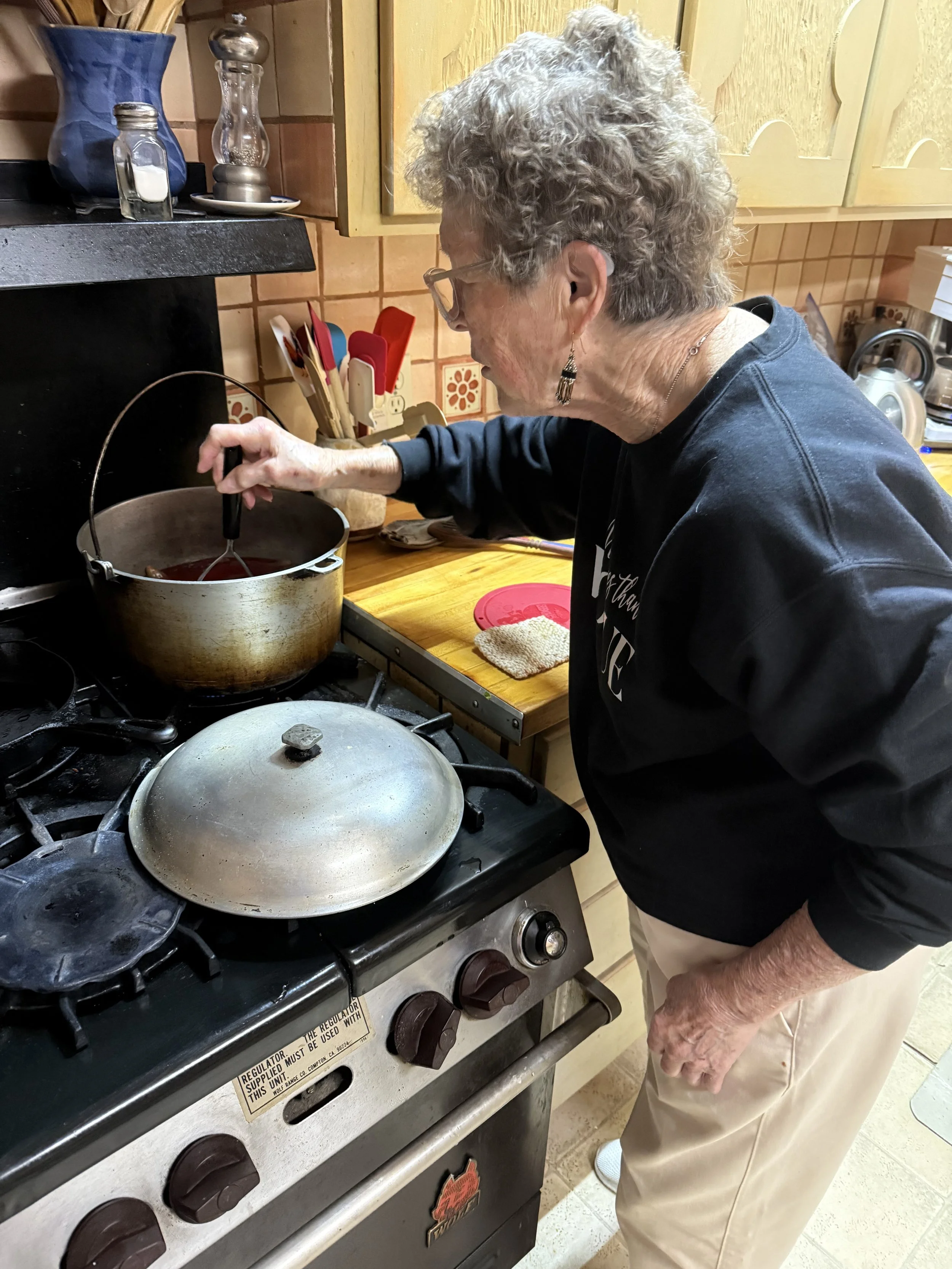
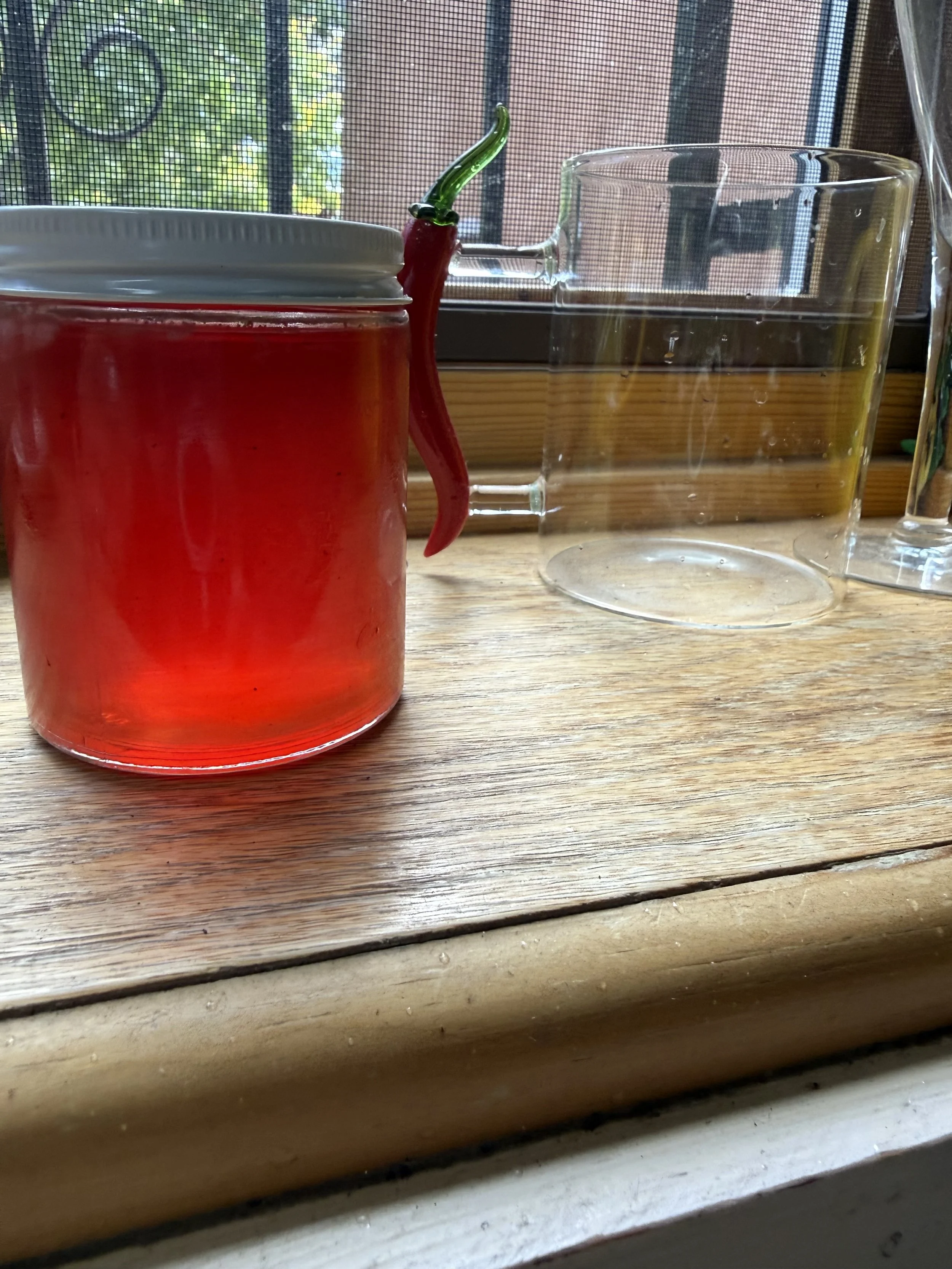
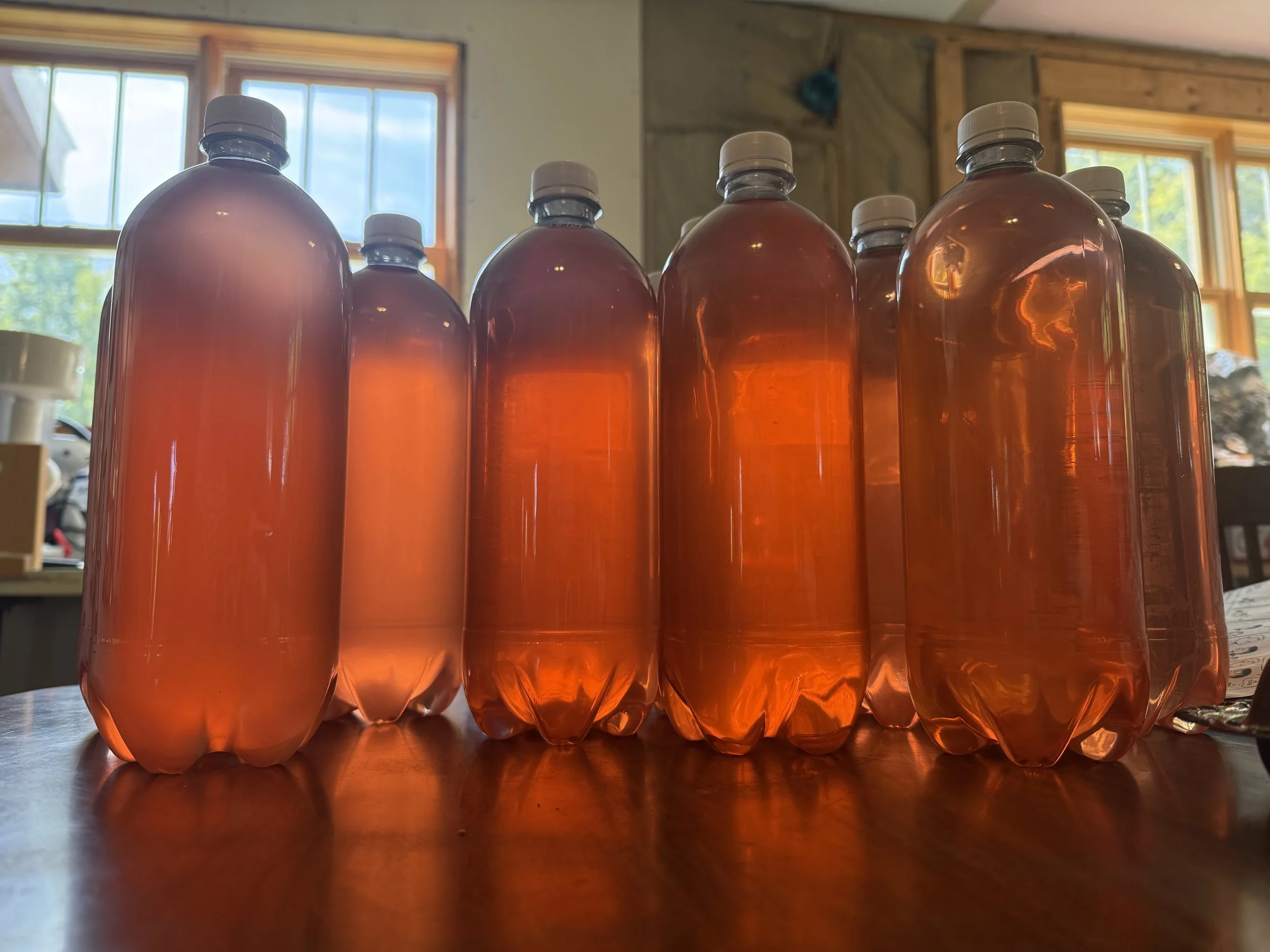
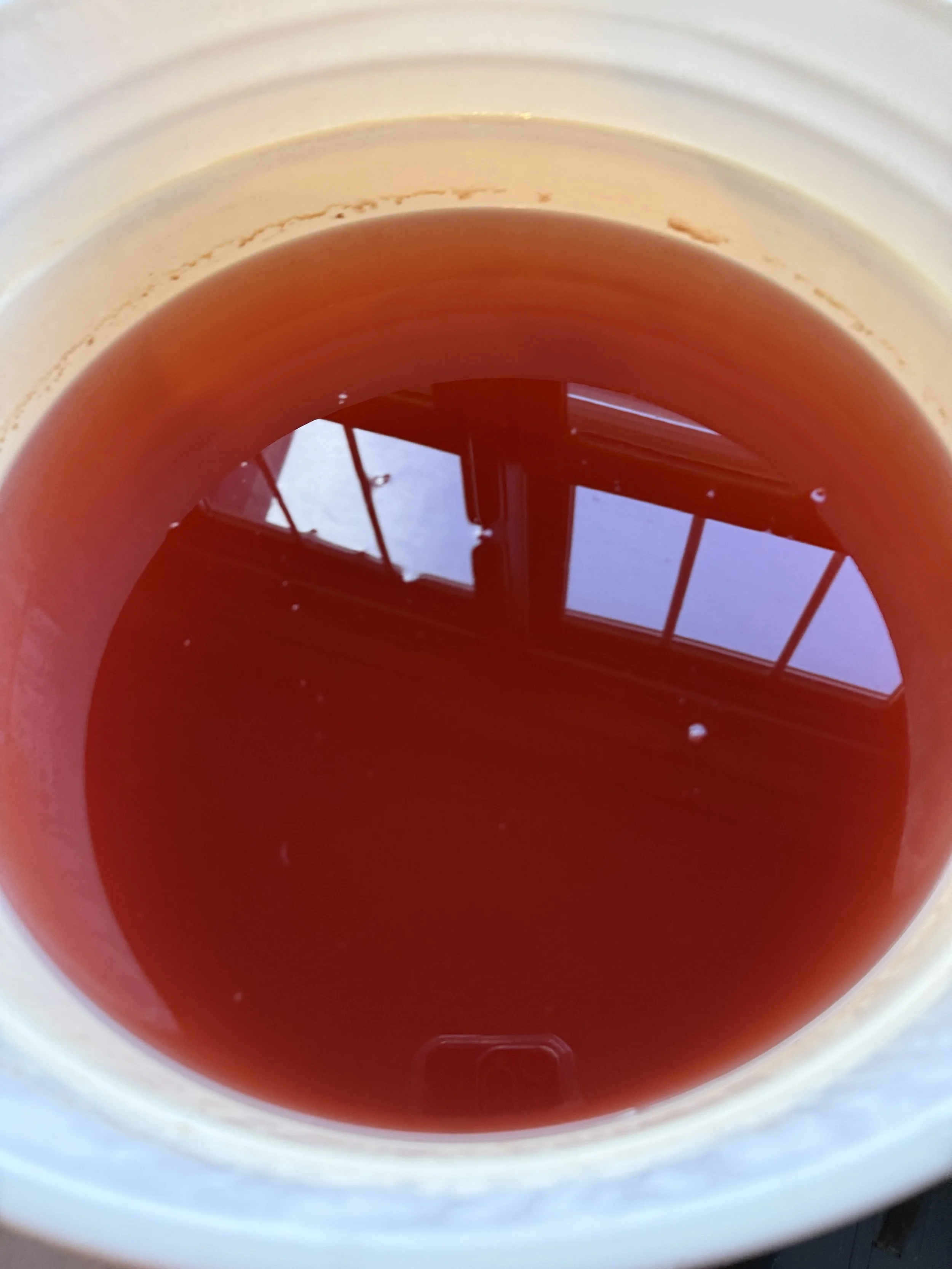
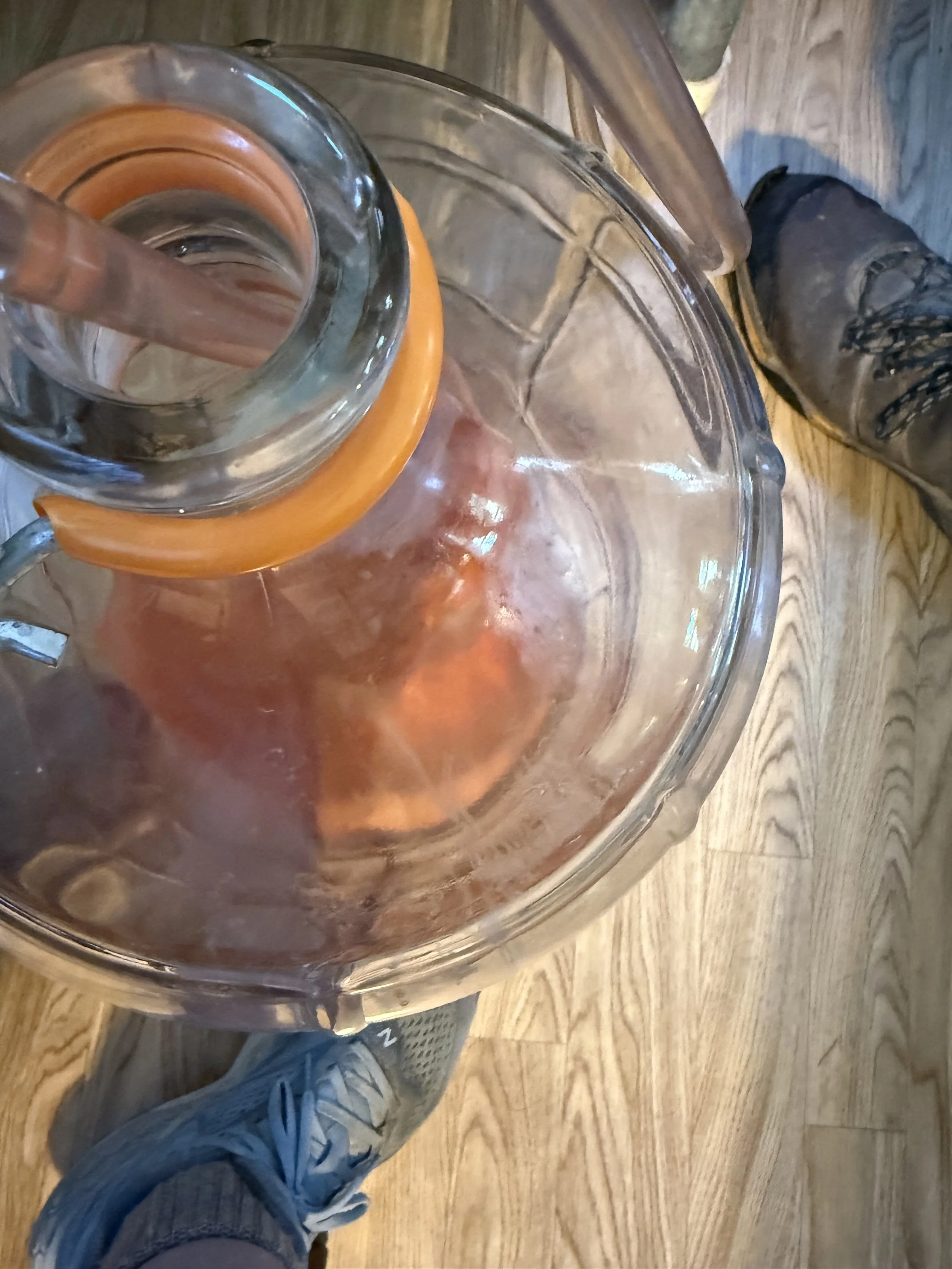
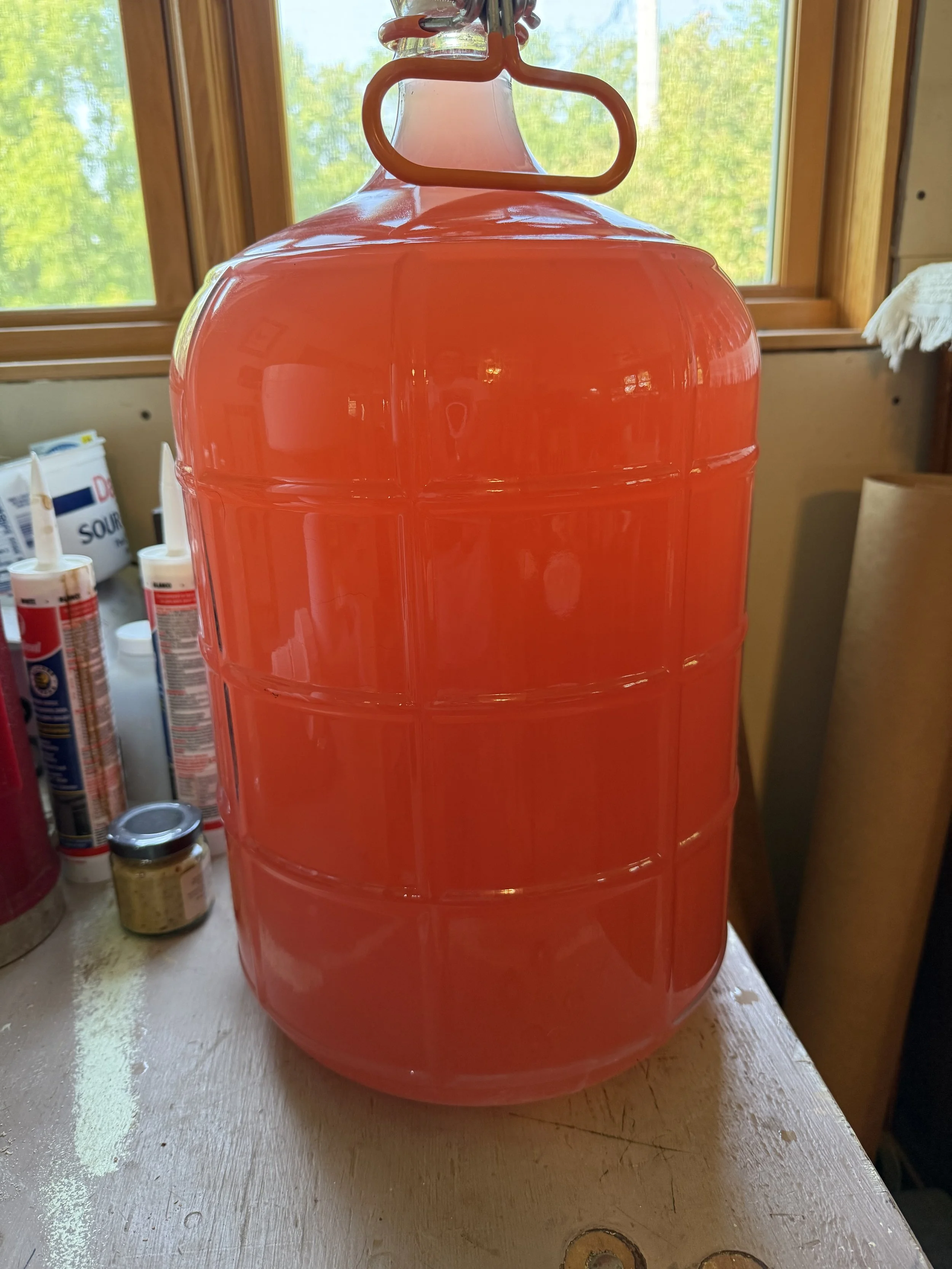
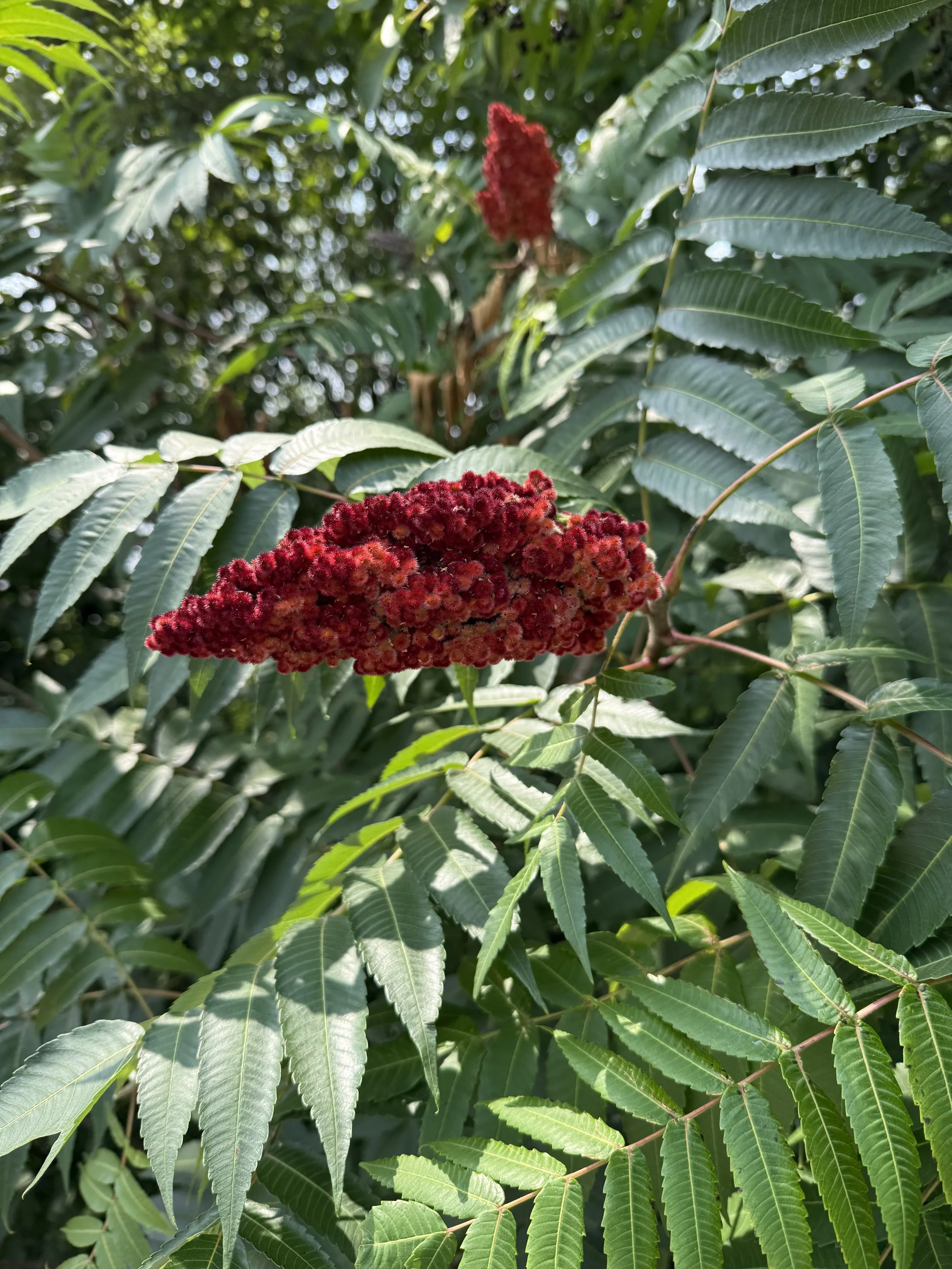
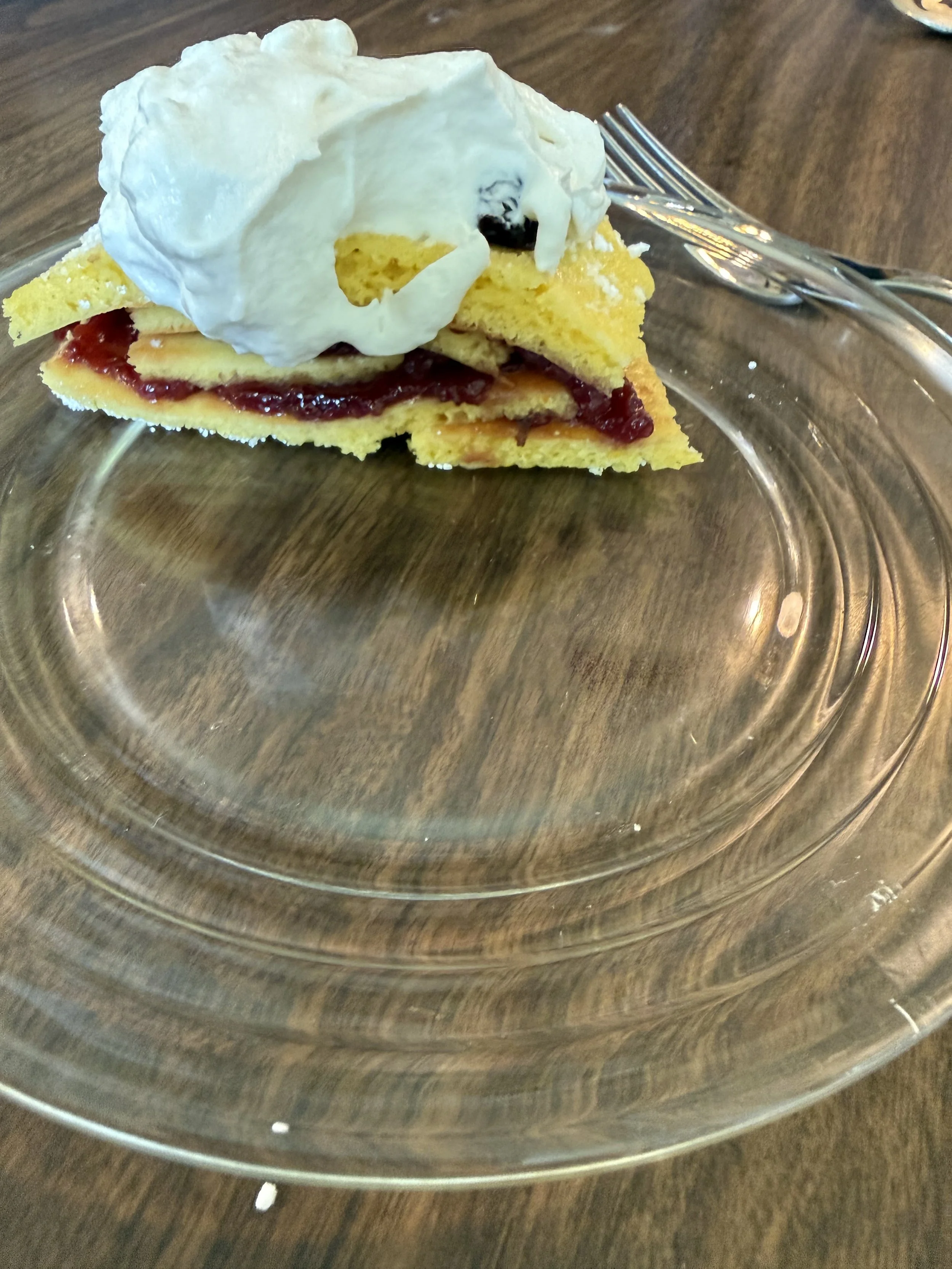
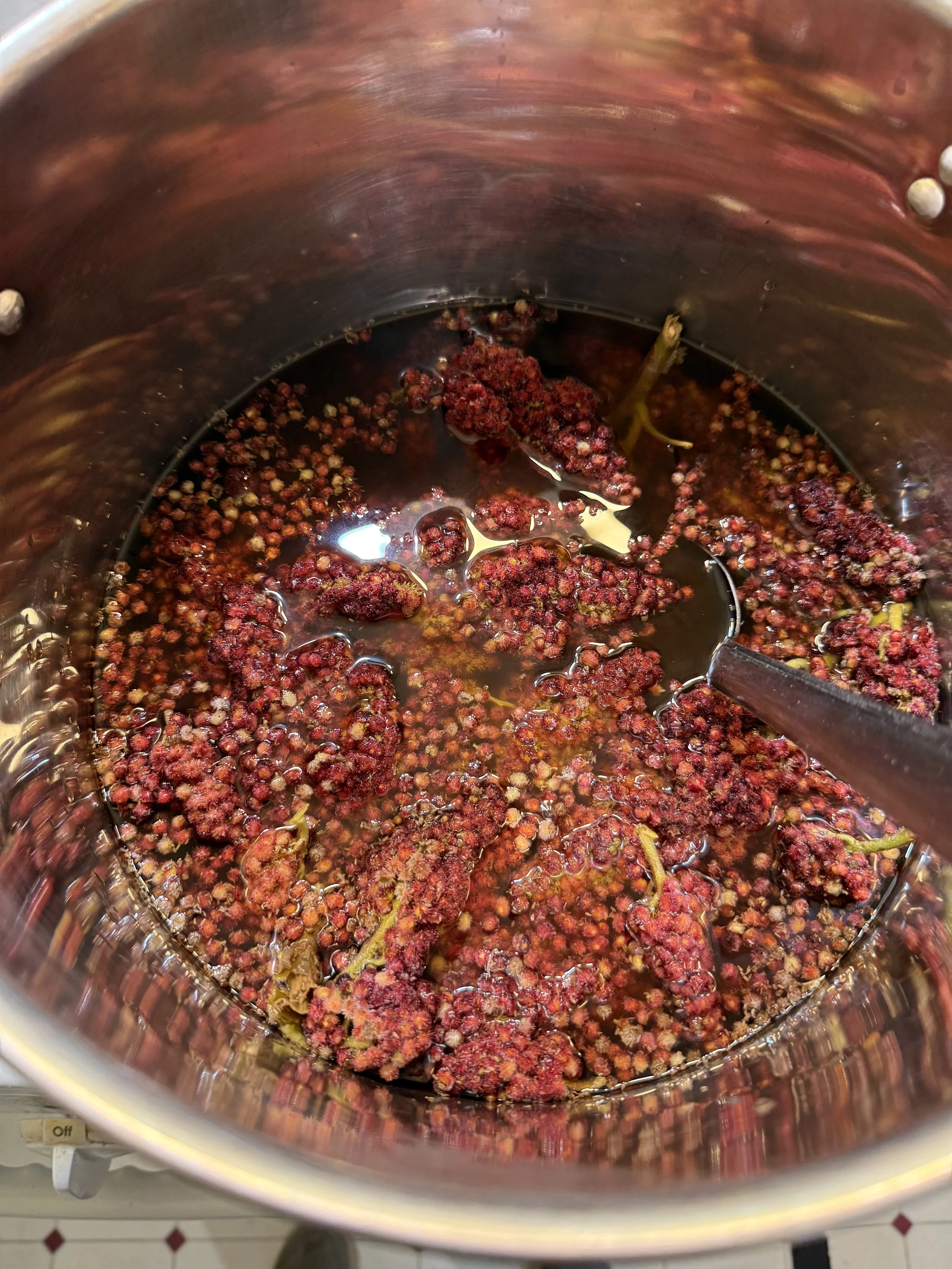
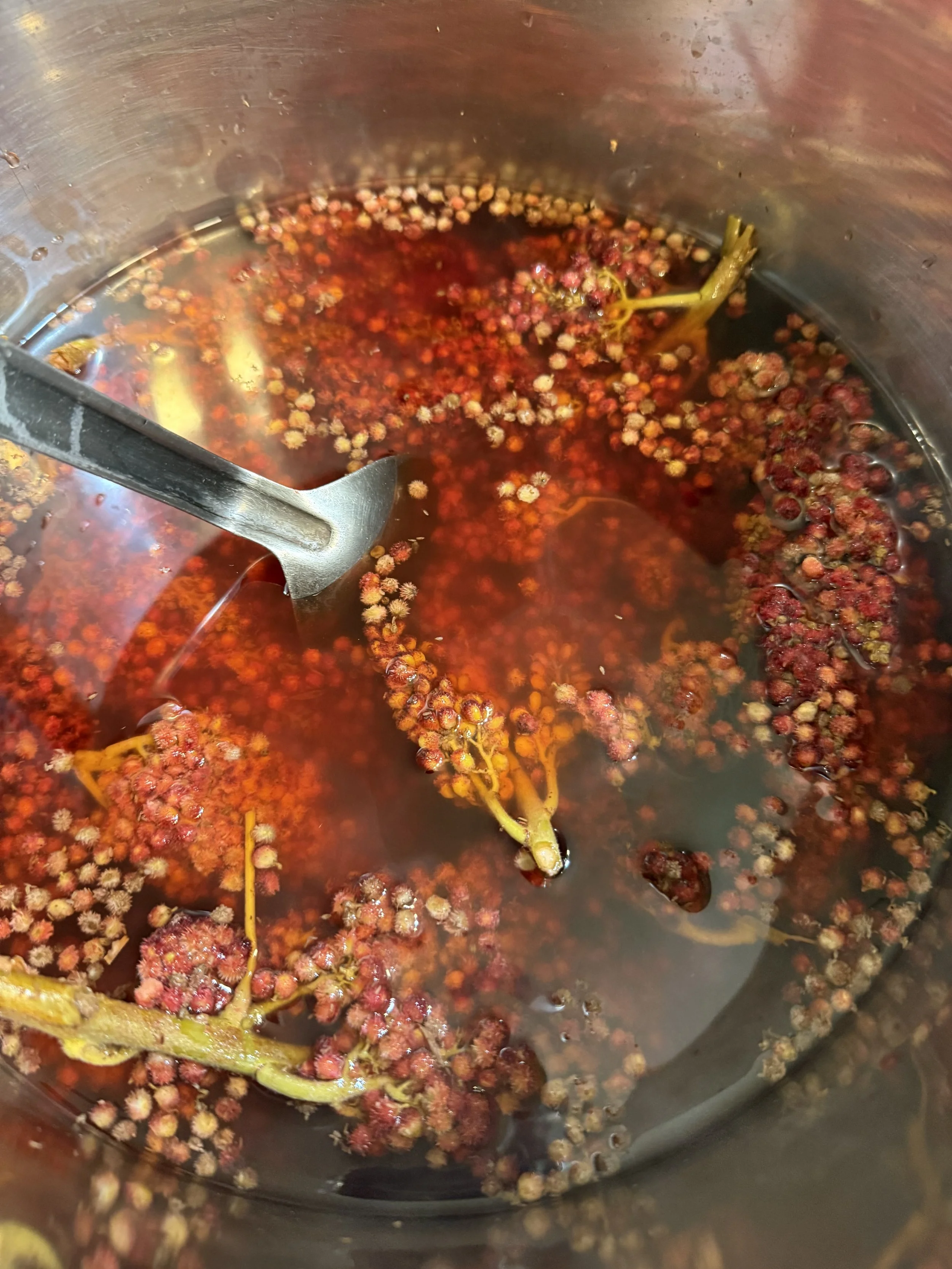
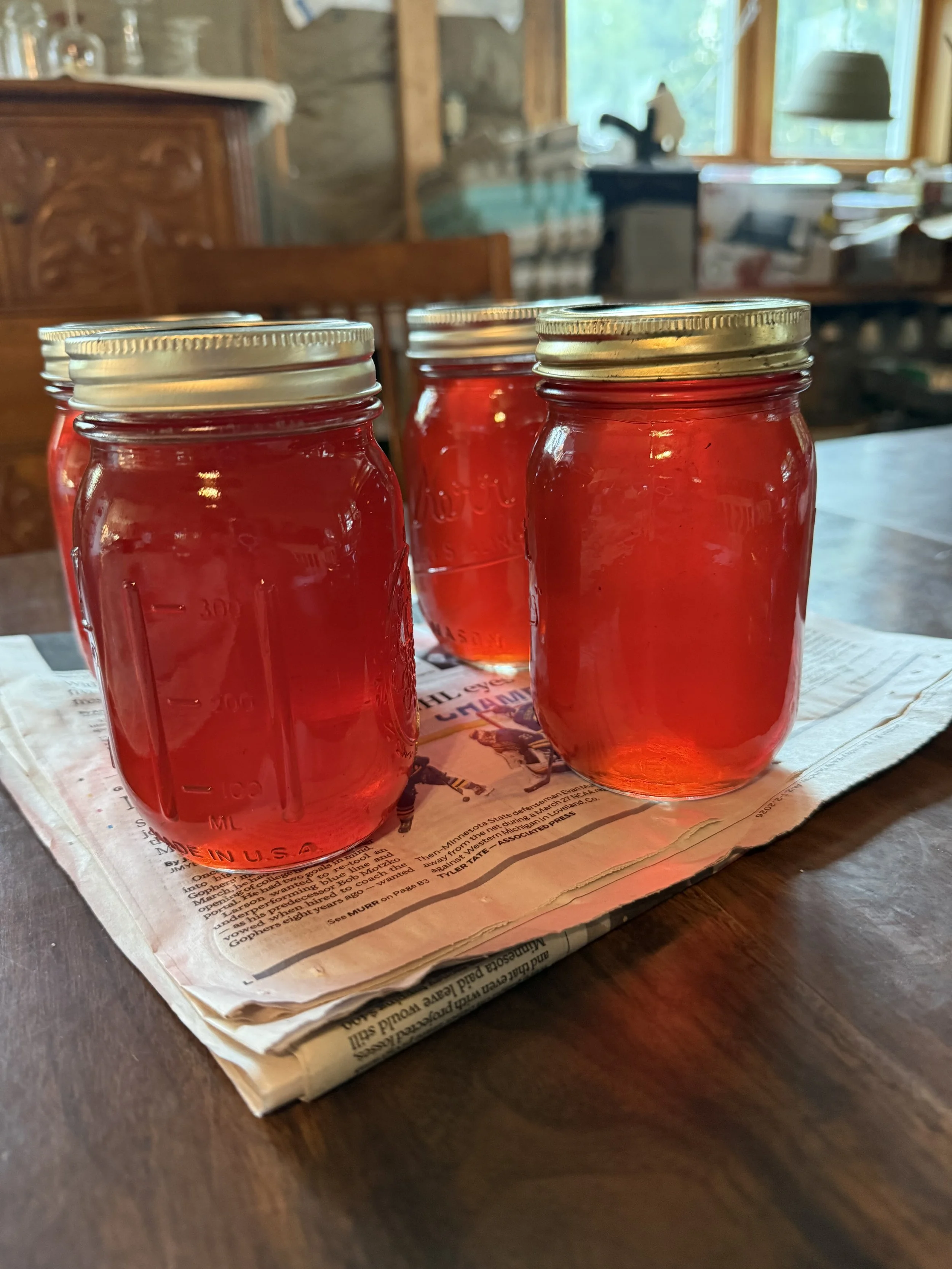
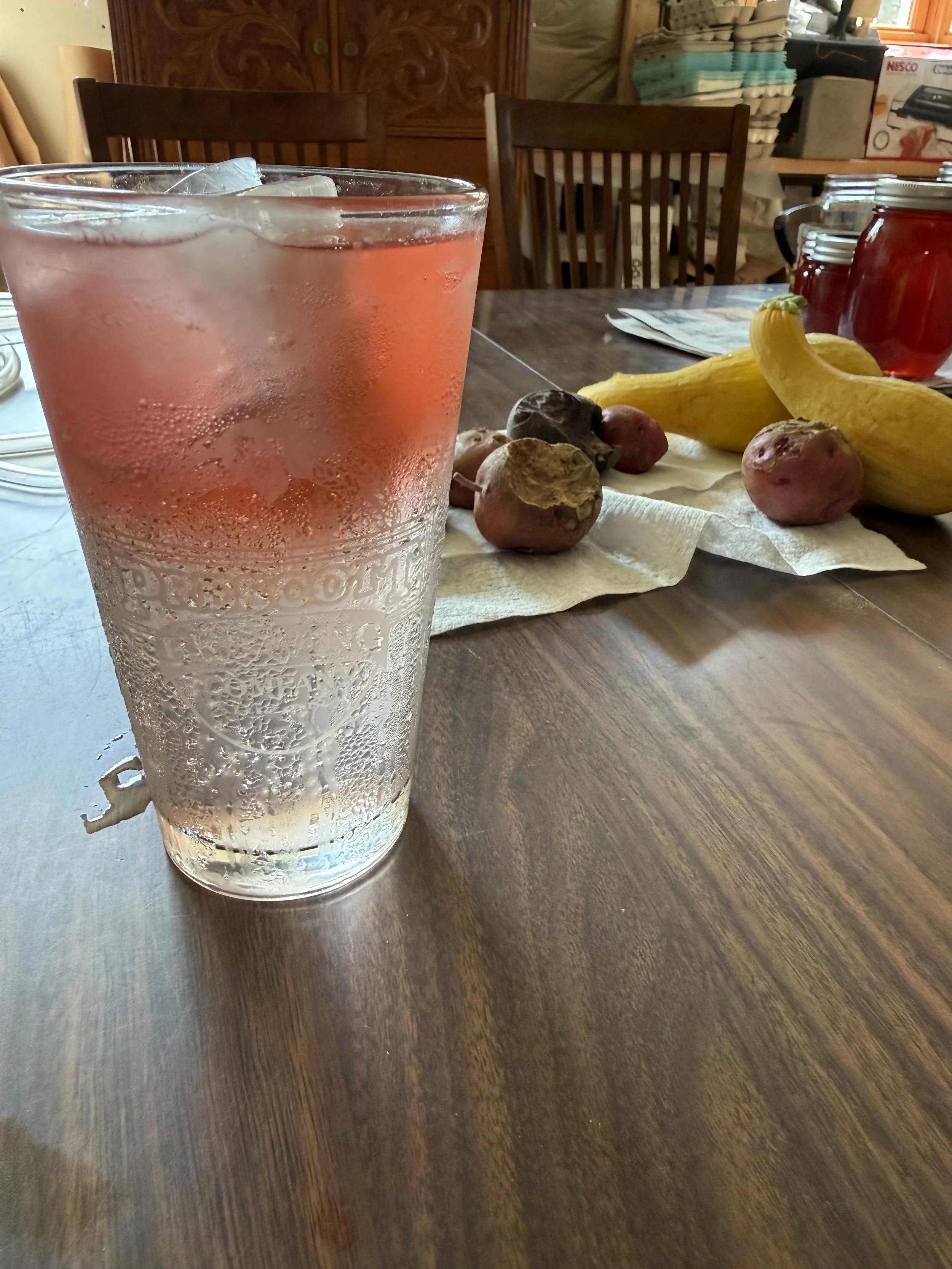
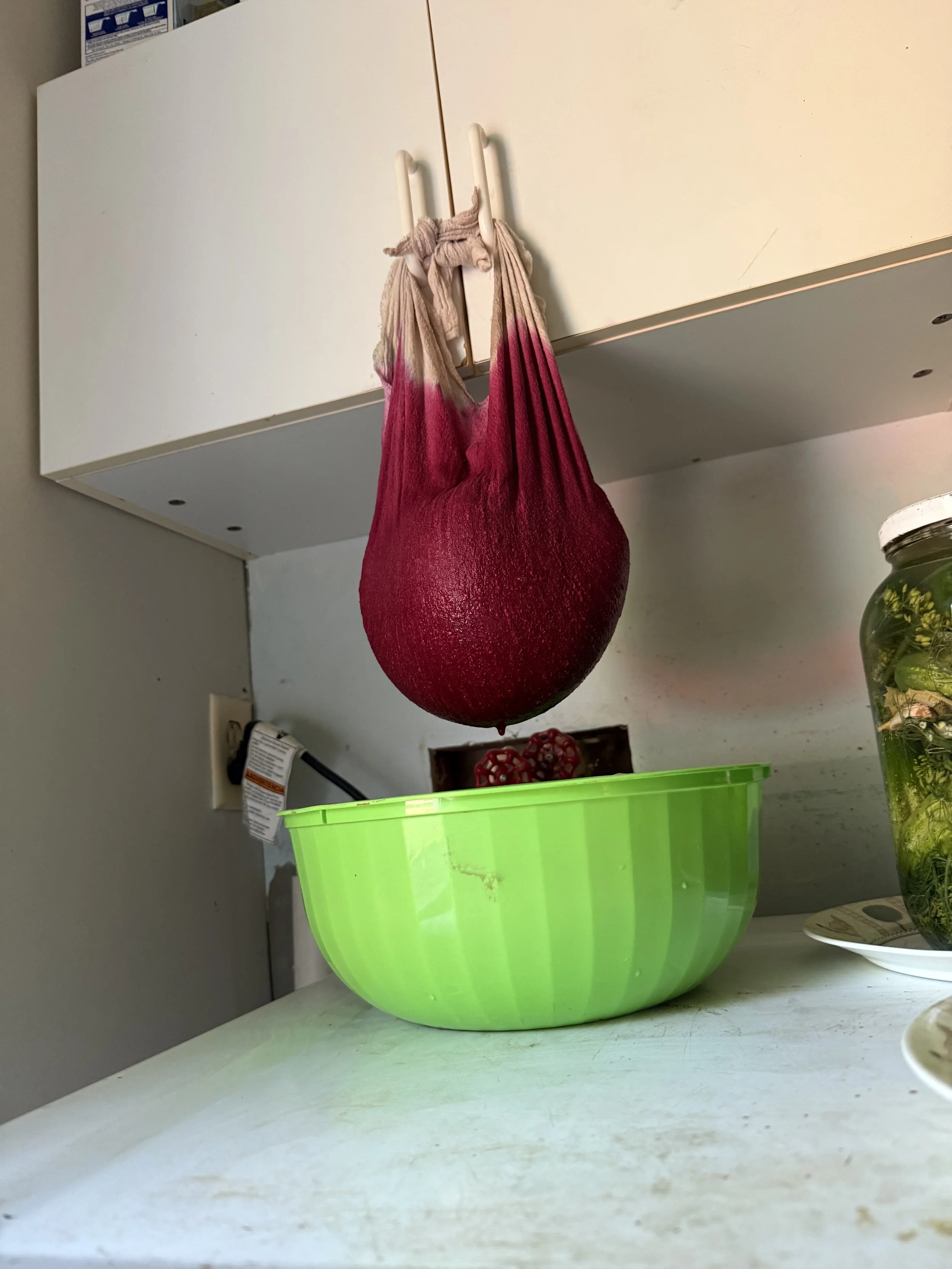
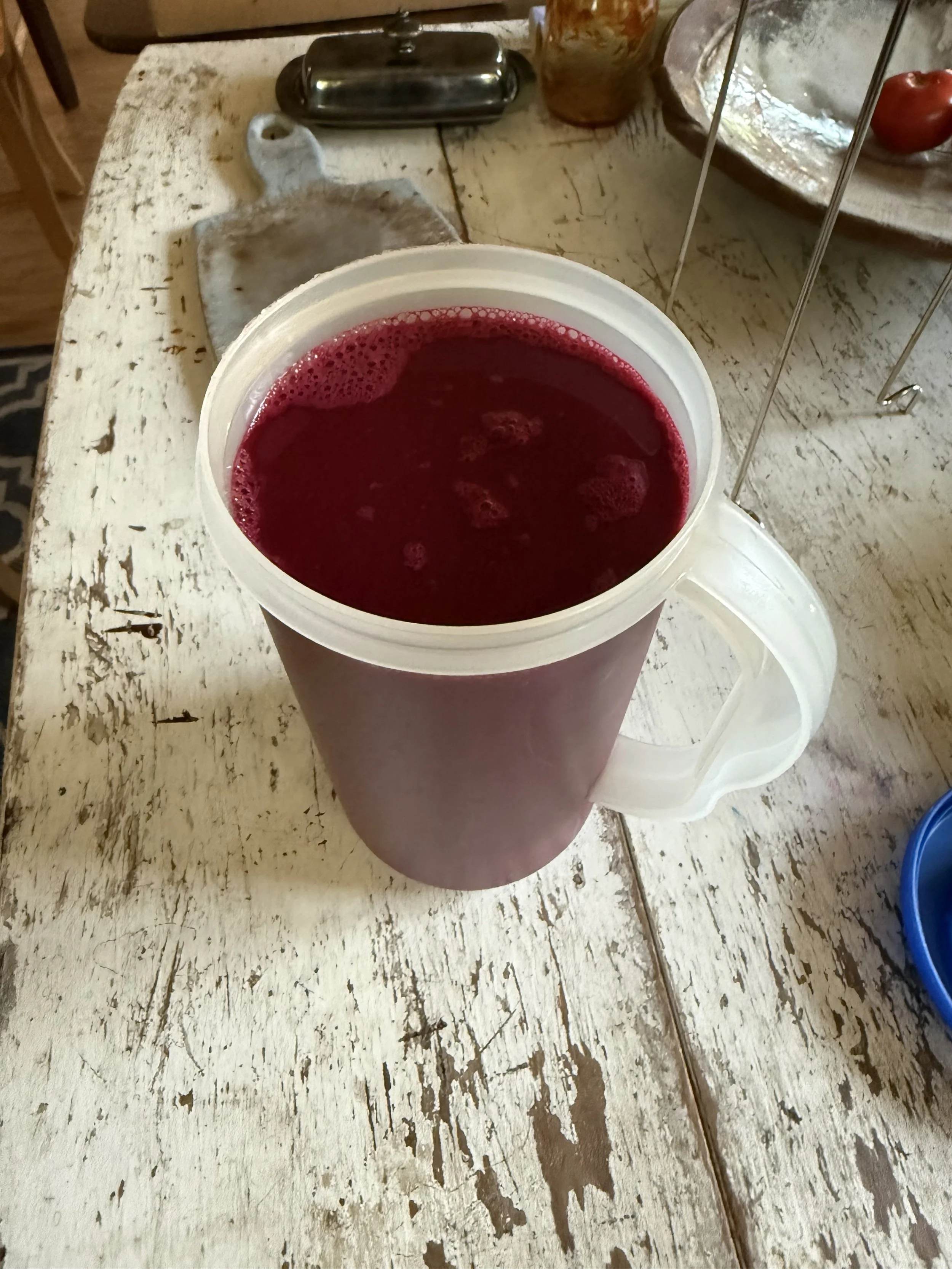
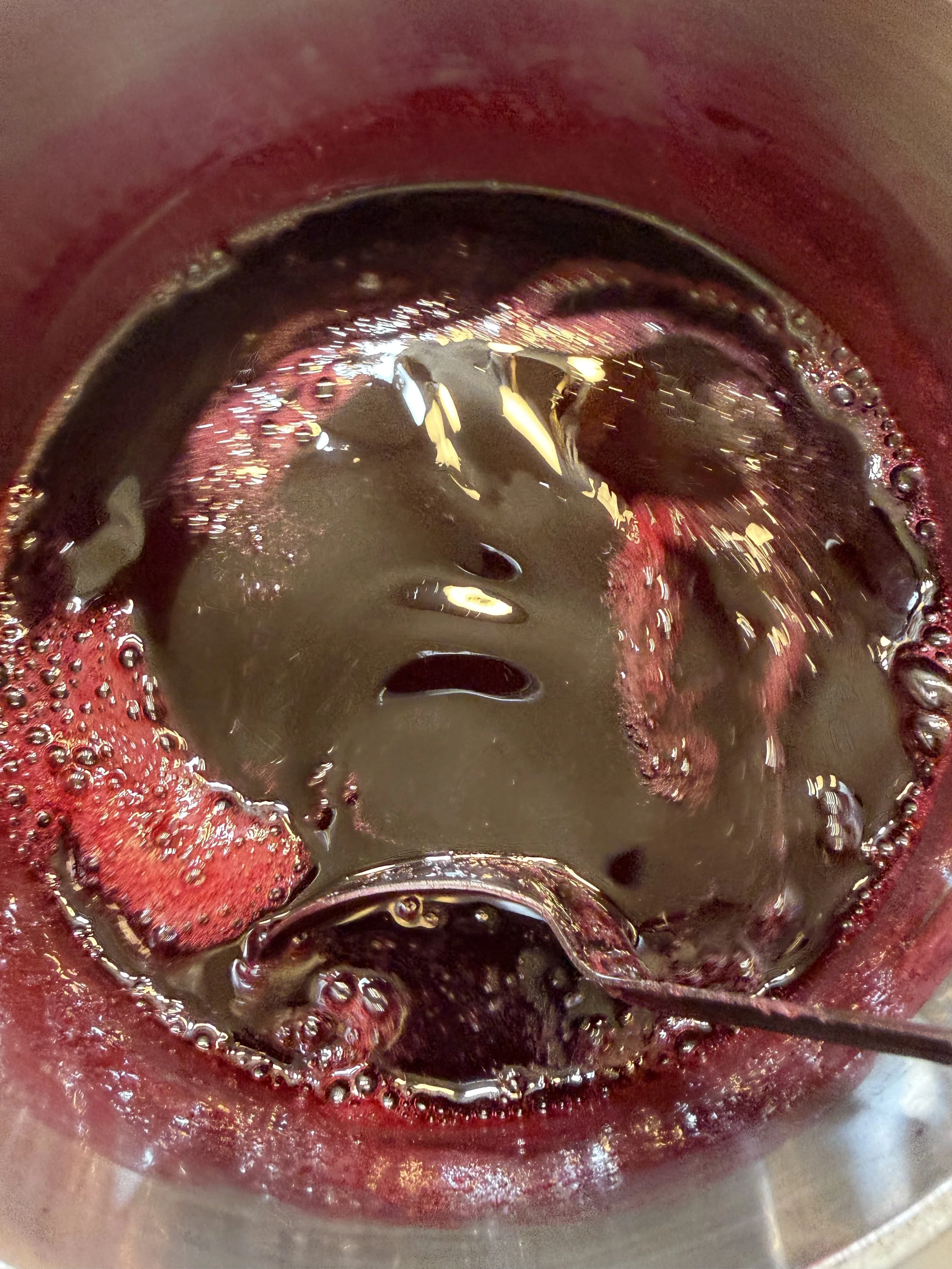
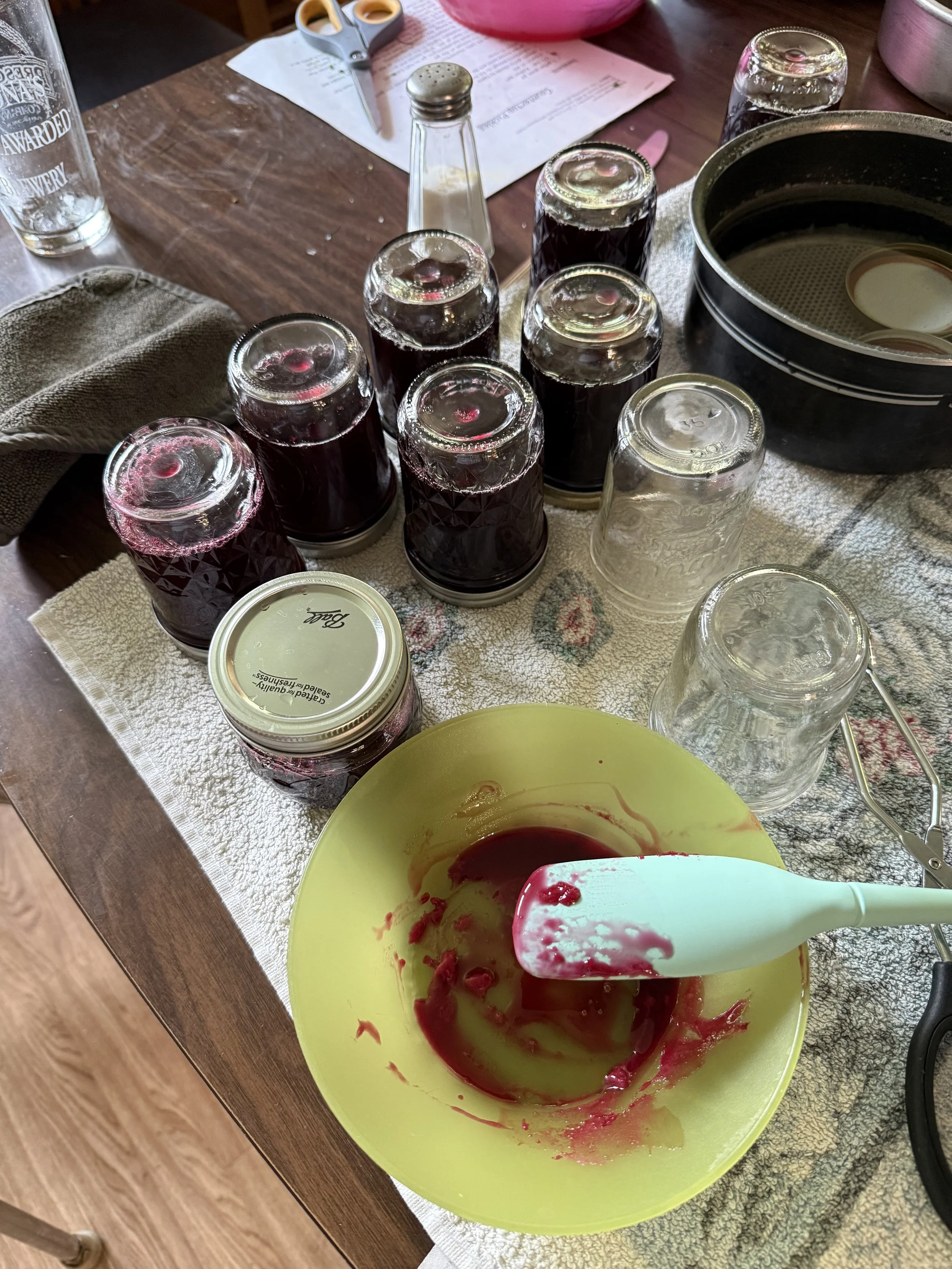
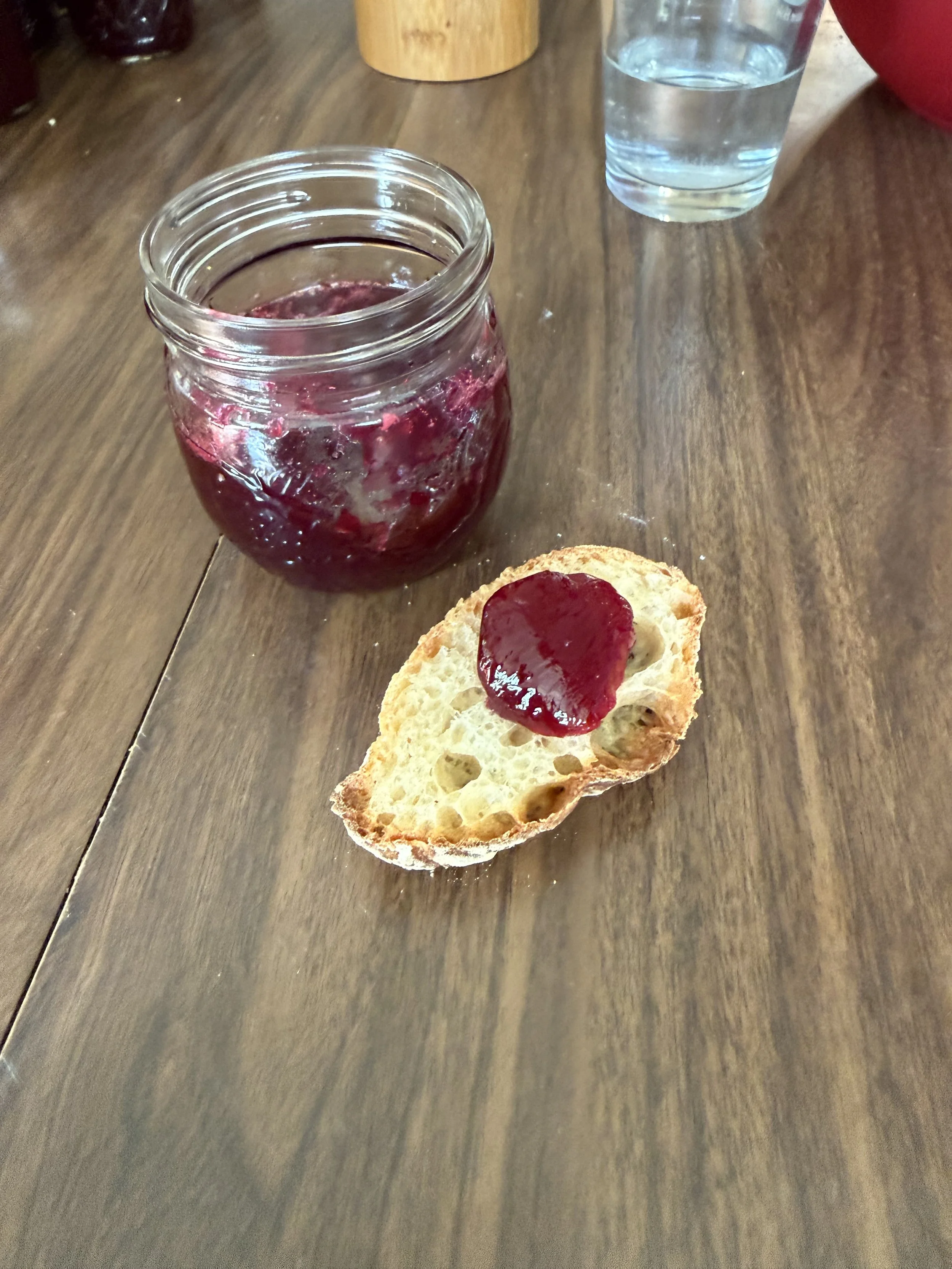
My mom stewed them, mashed them, strained them. I made jelly from the juice; as pretty as sumac jelly.
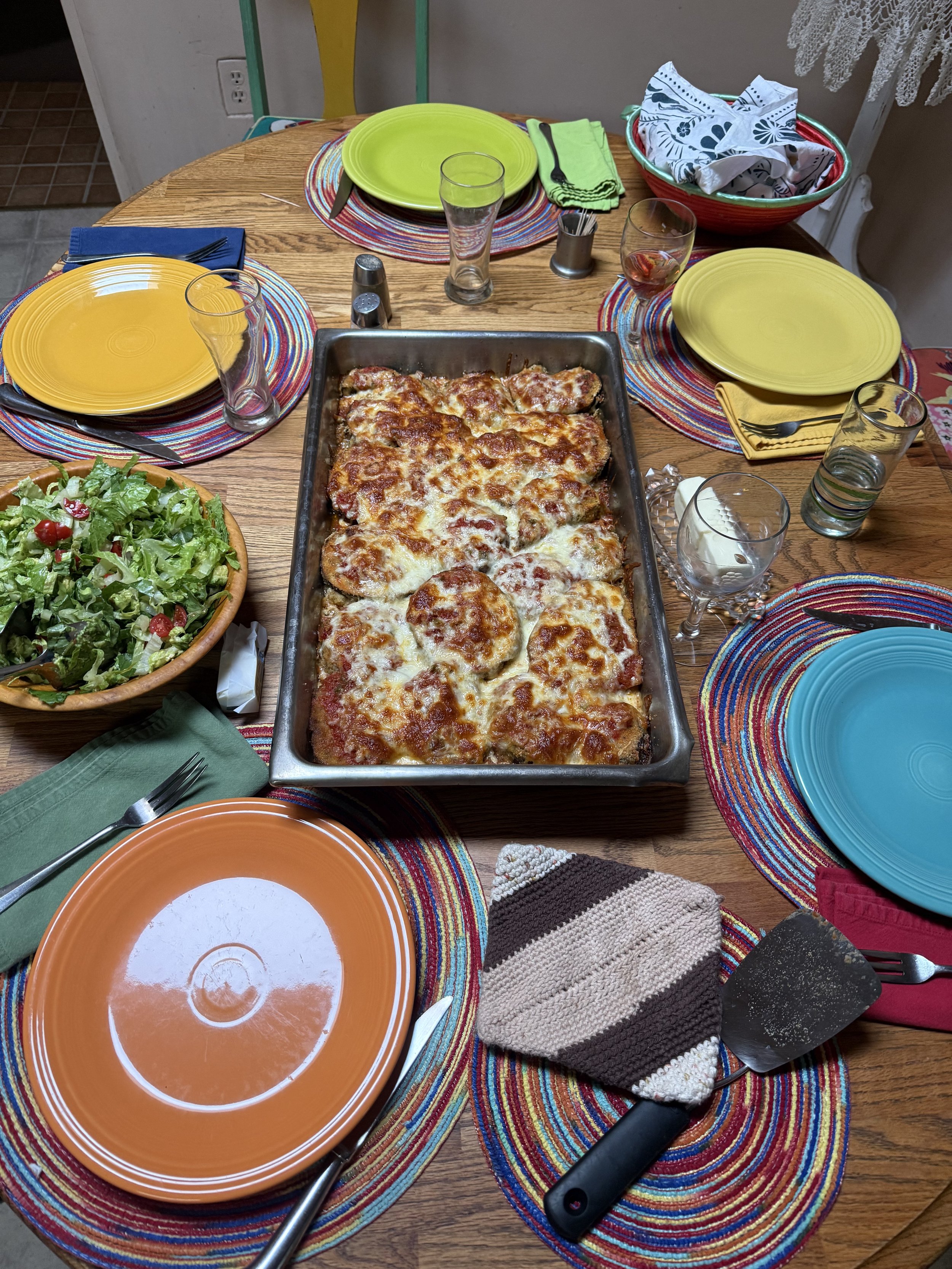
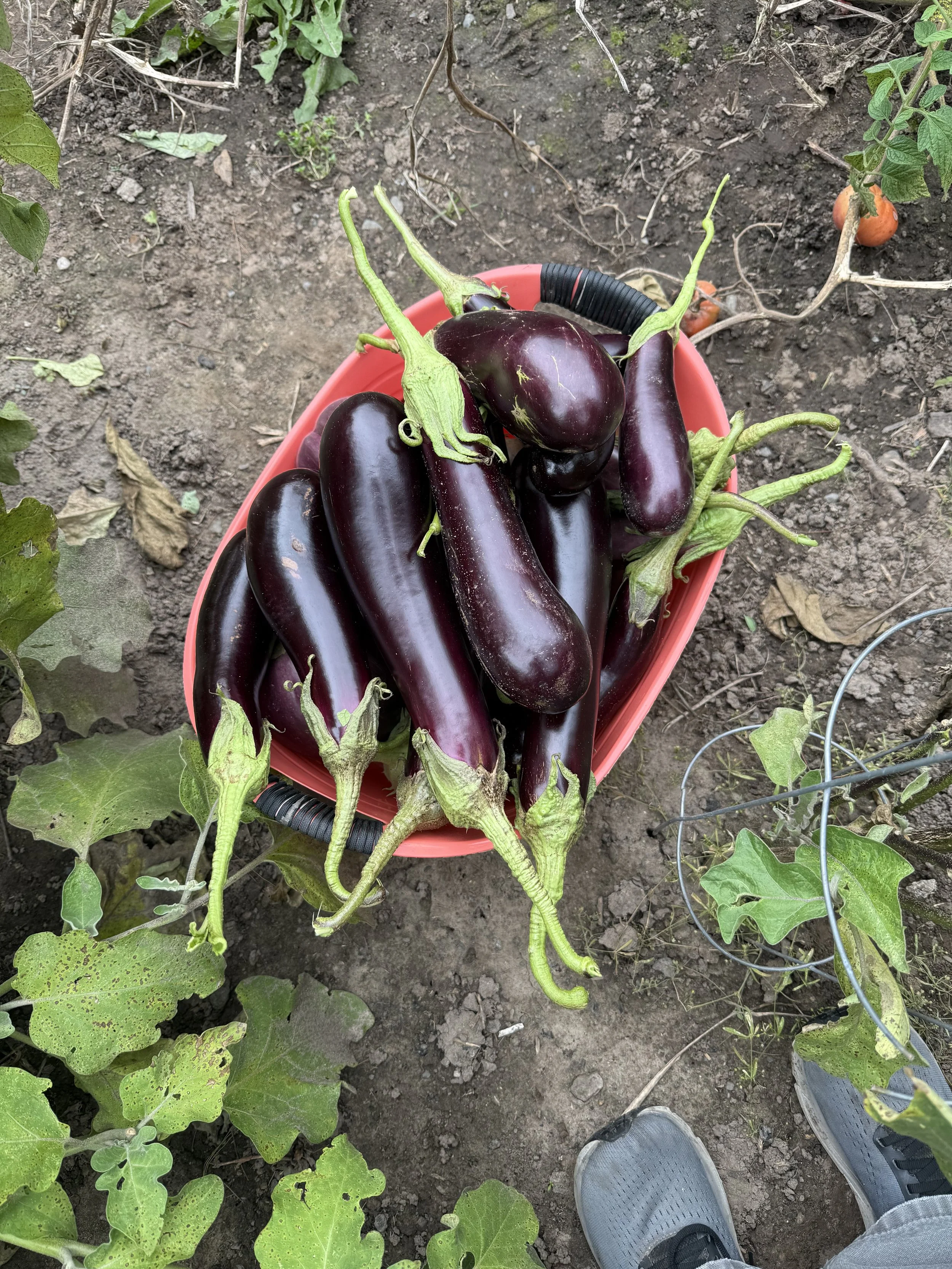
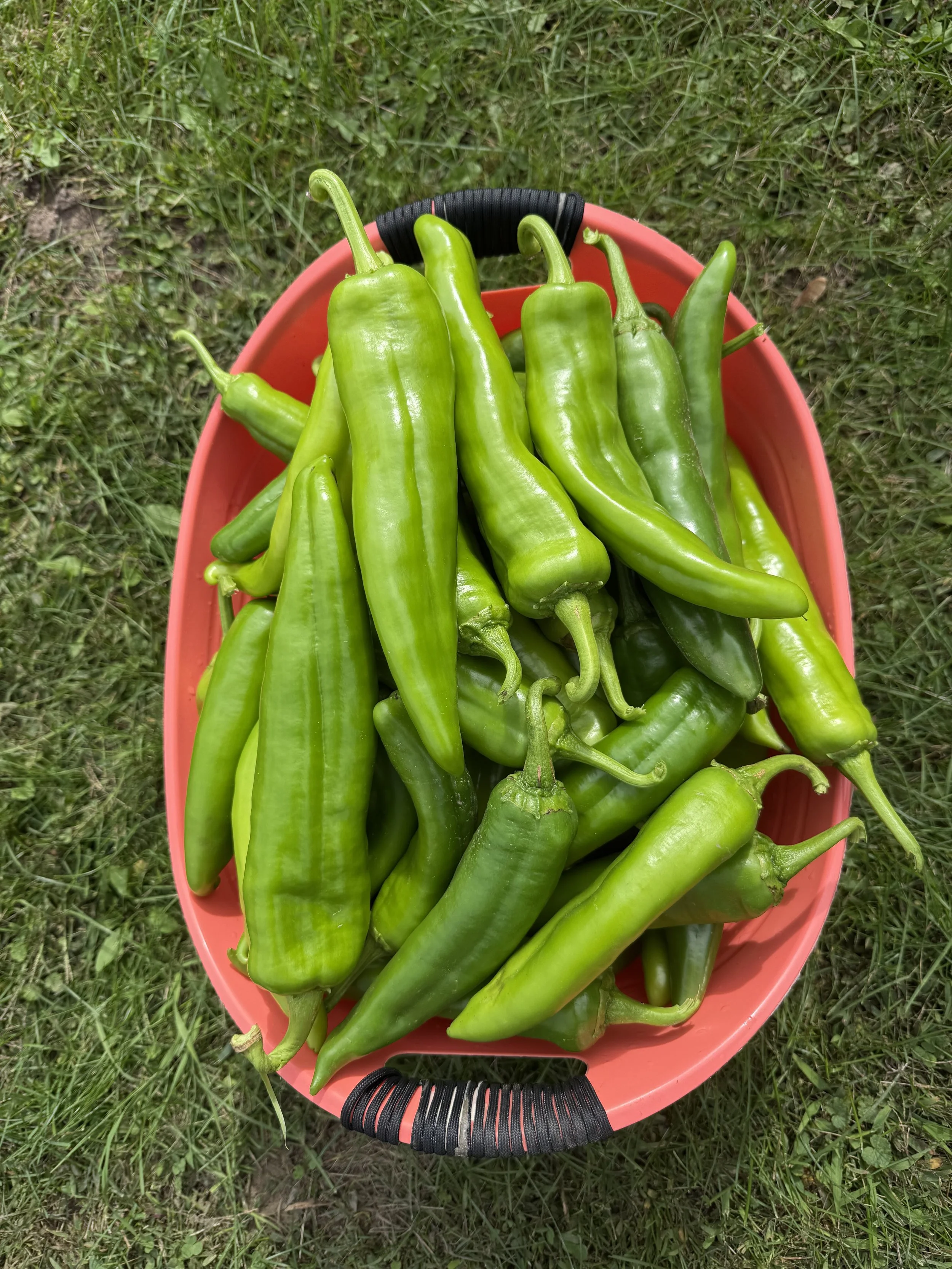
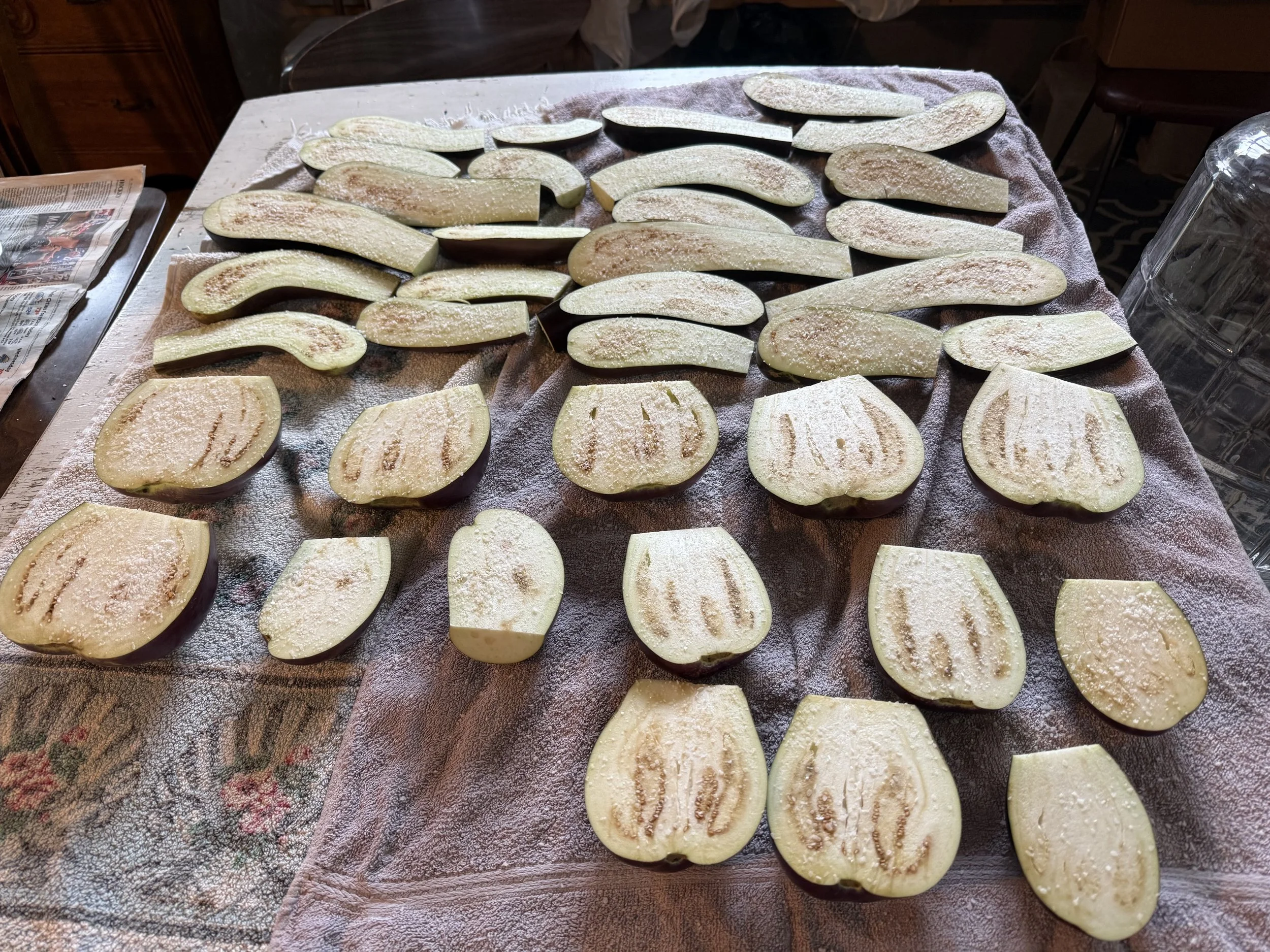
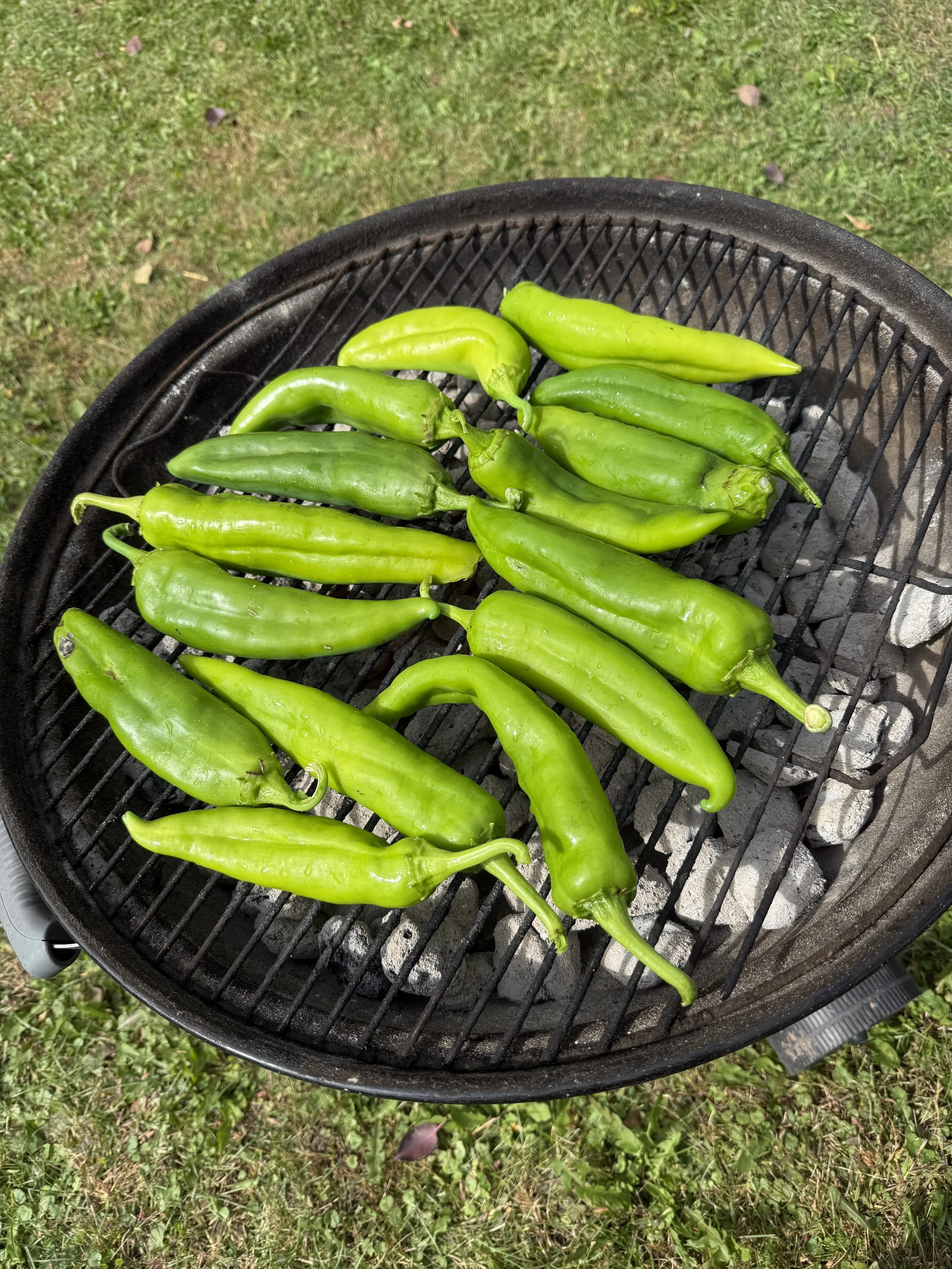
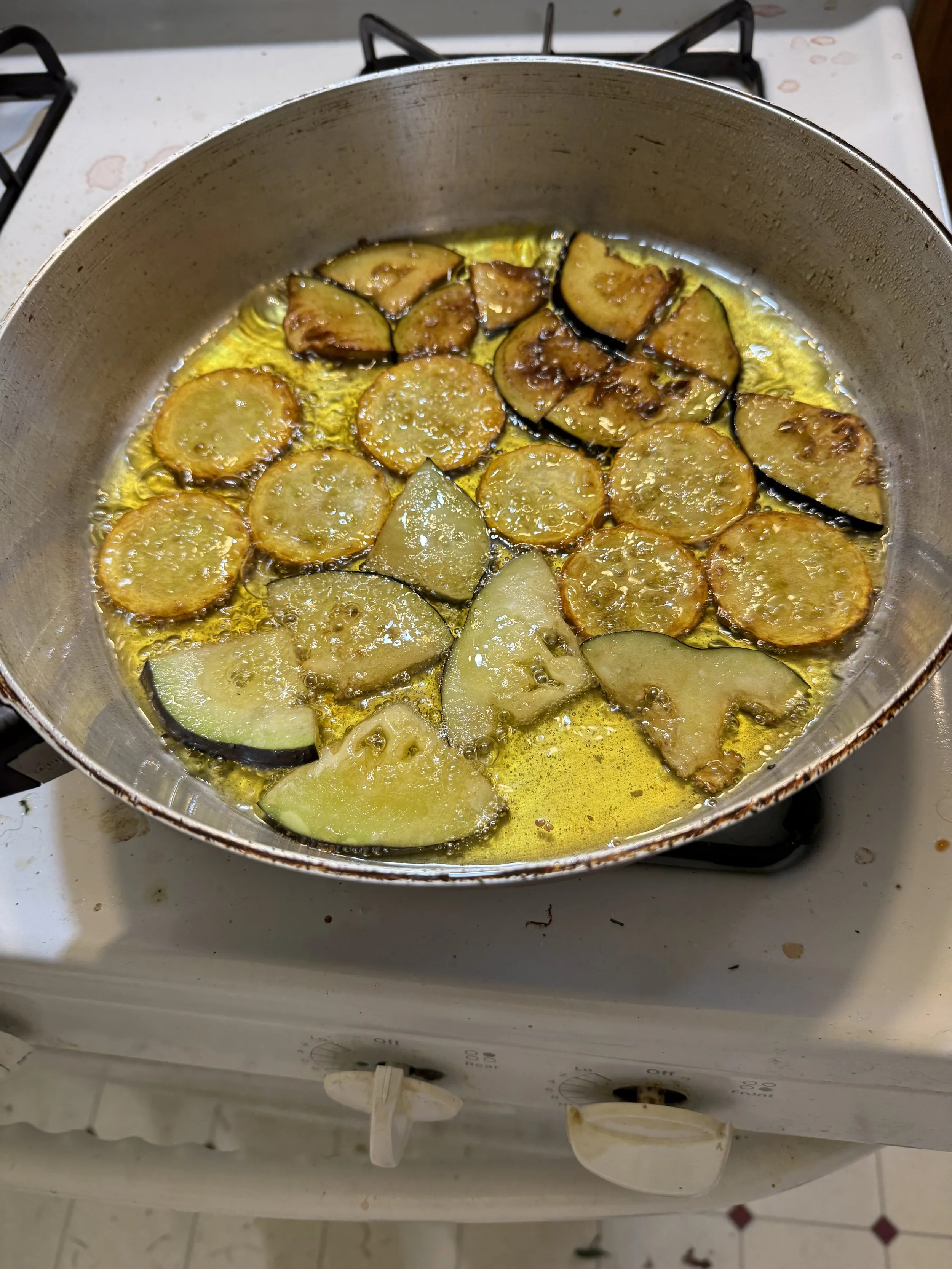
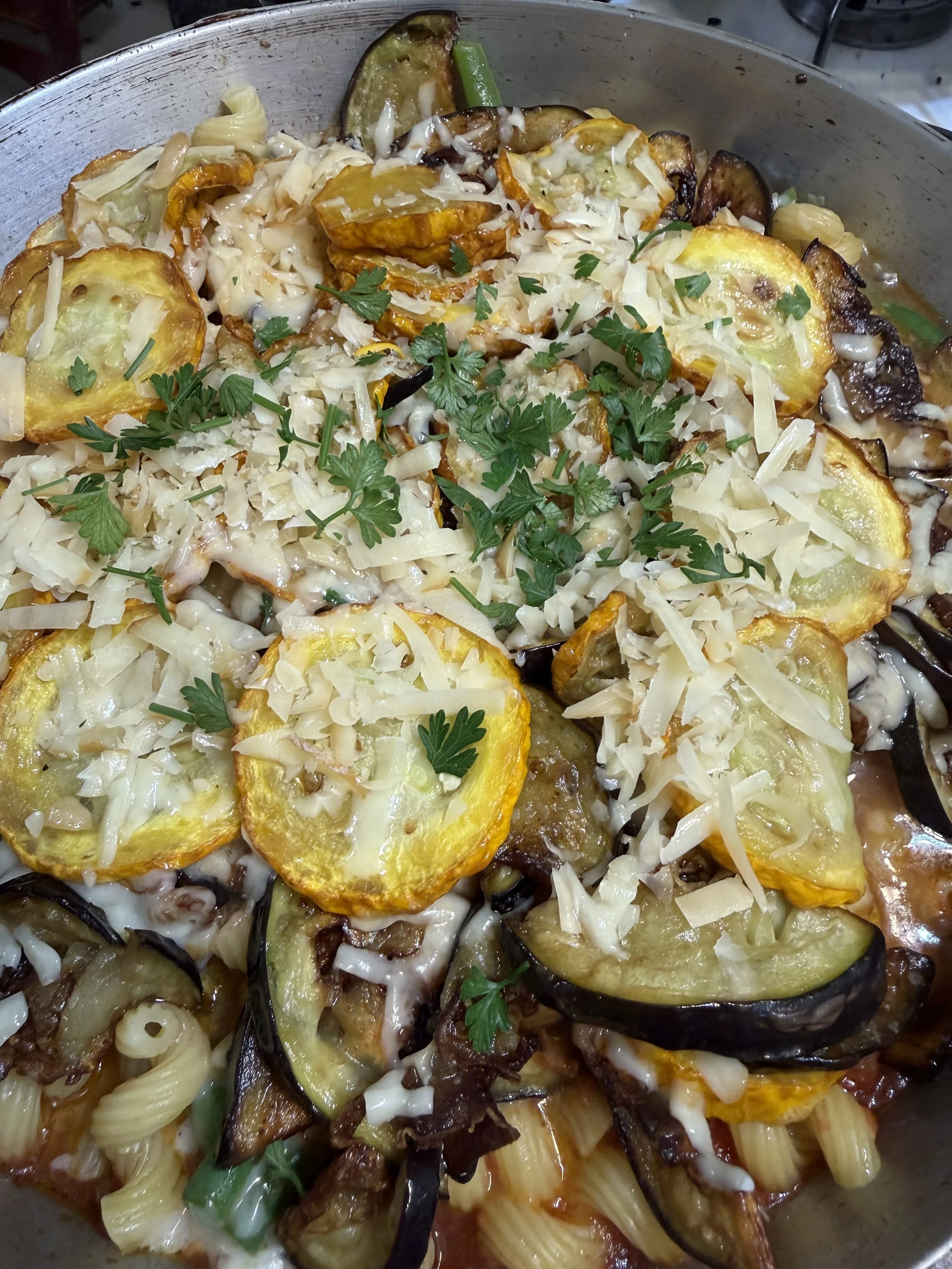
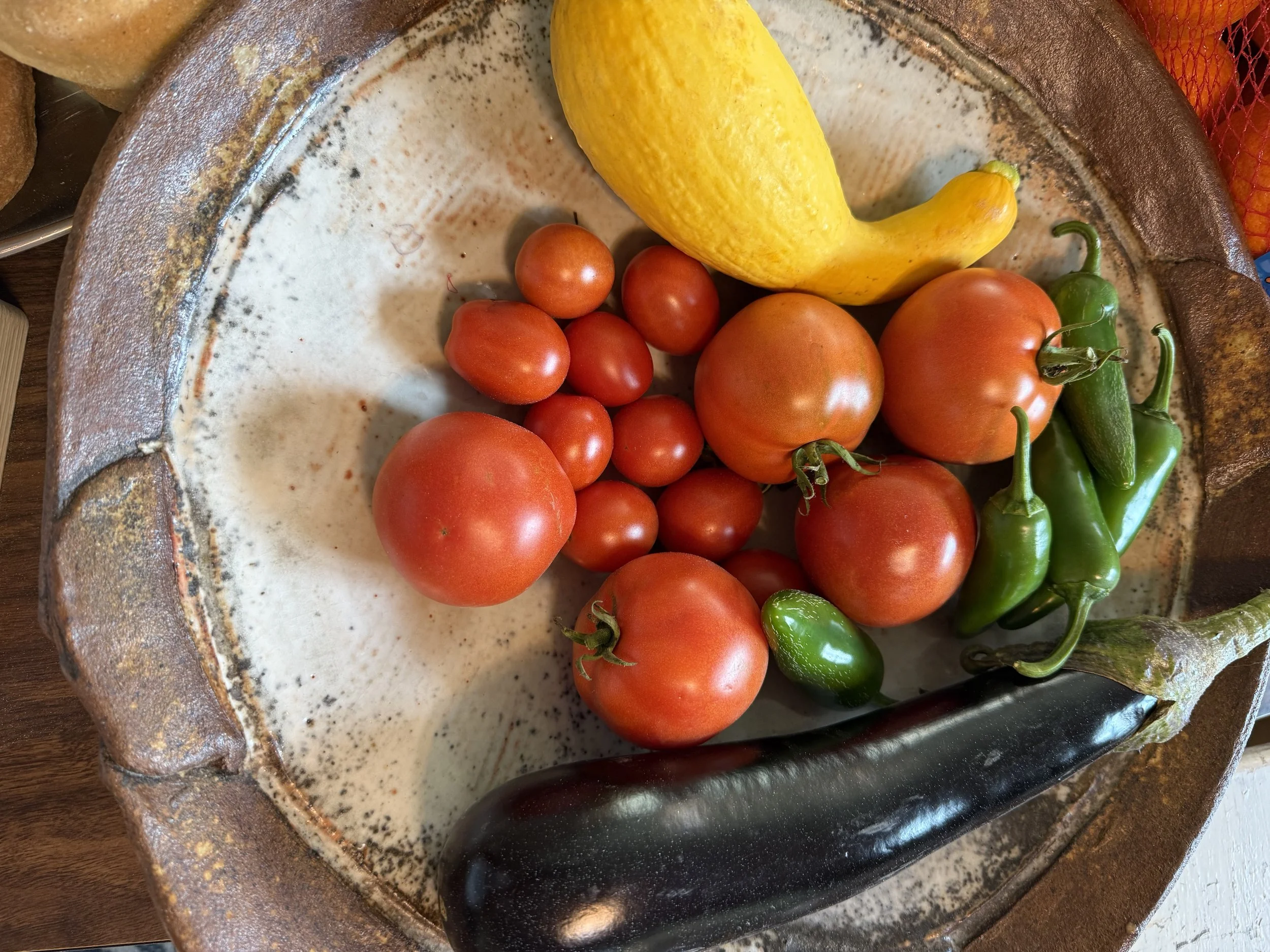
We brought all the makings for eggplant parm: my momma’s favorite!
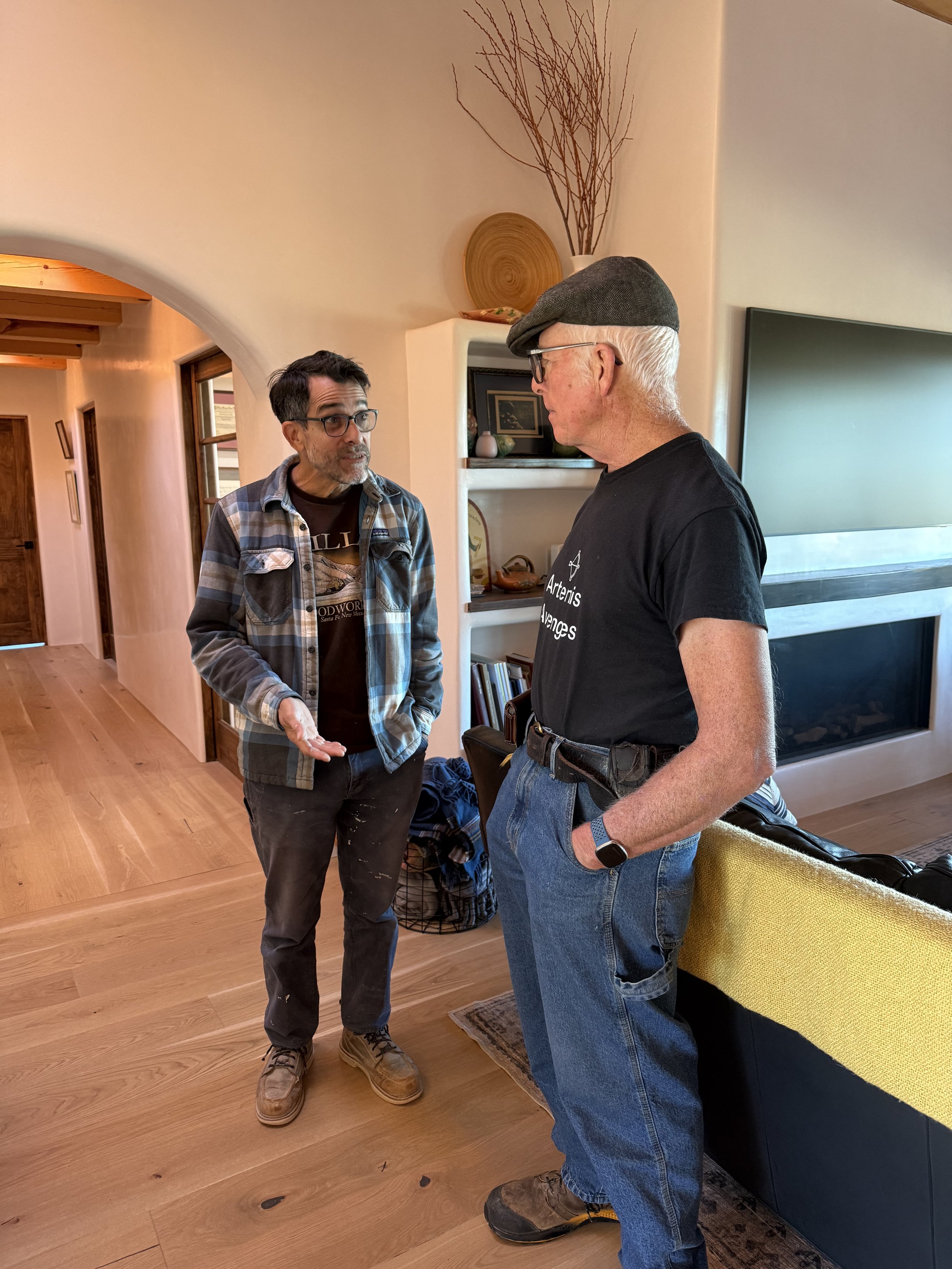
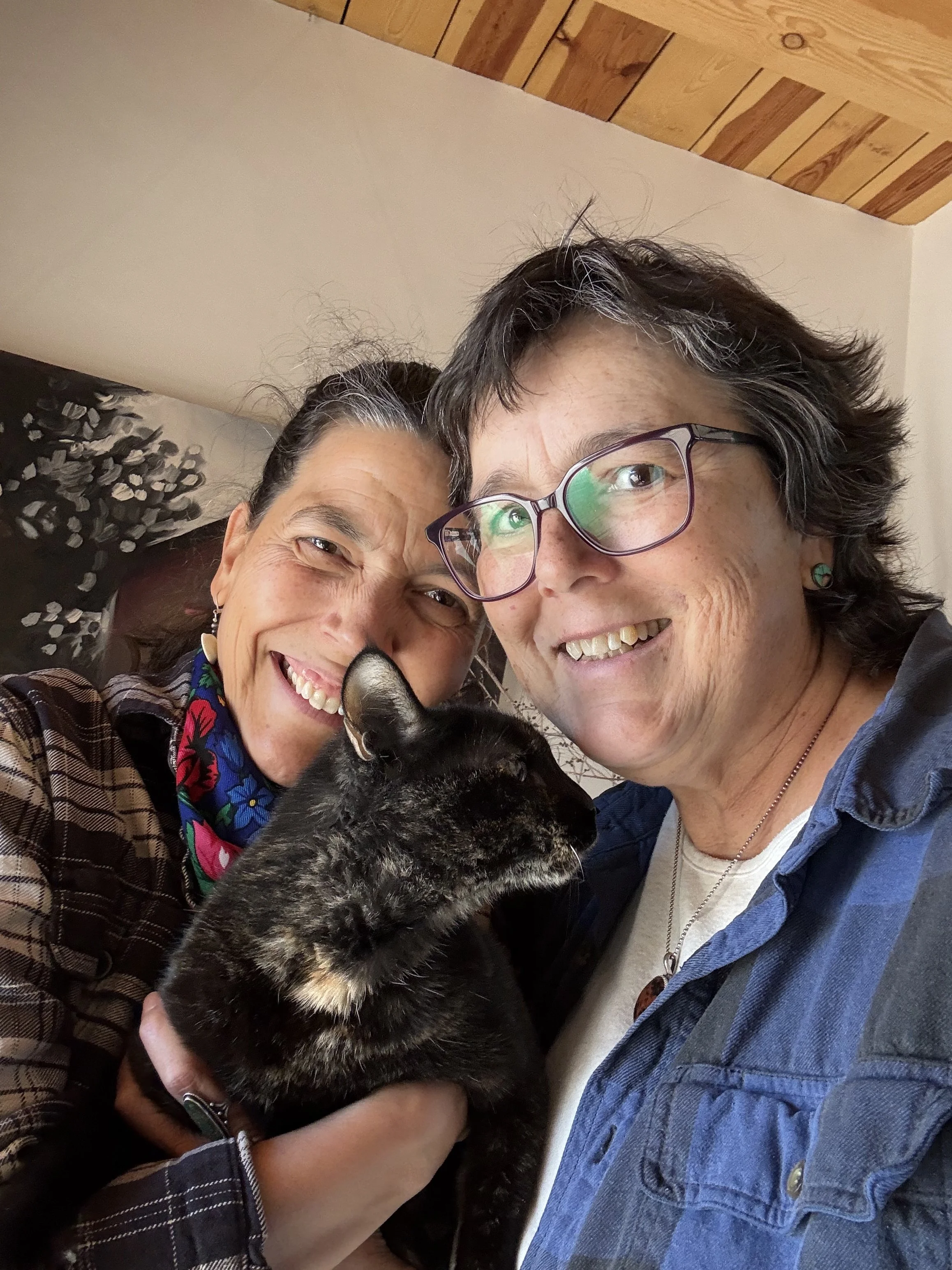
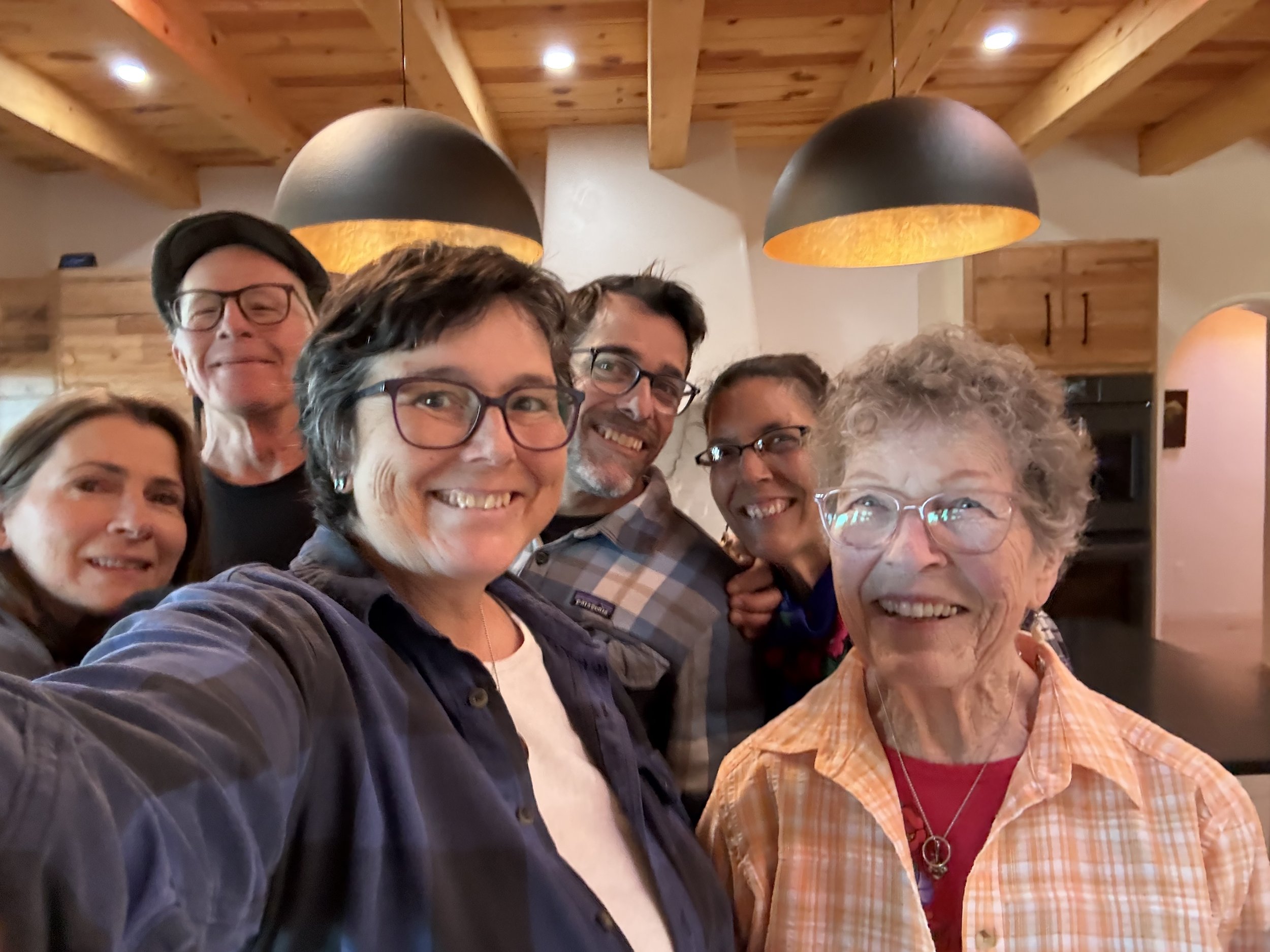
We got to see my brother Joe, his wife Kathleen, and my sister Angela.
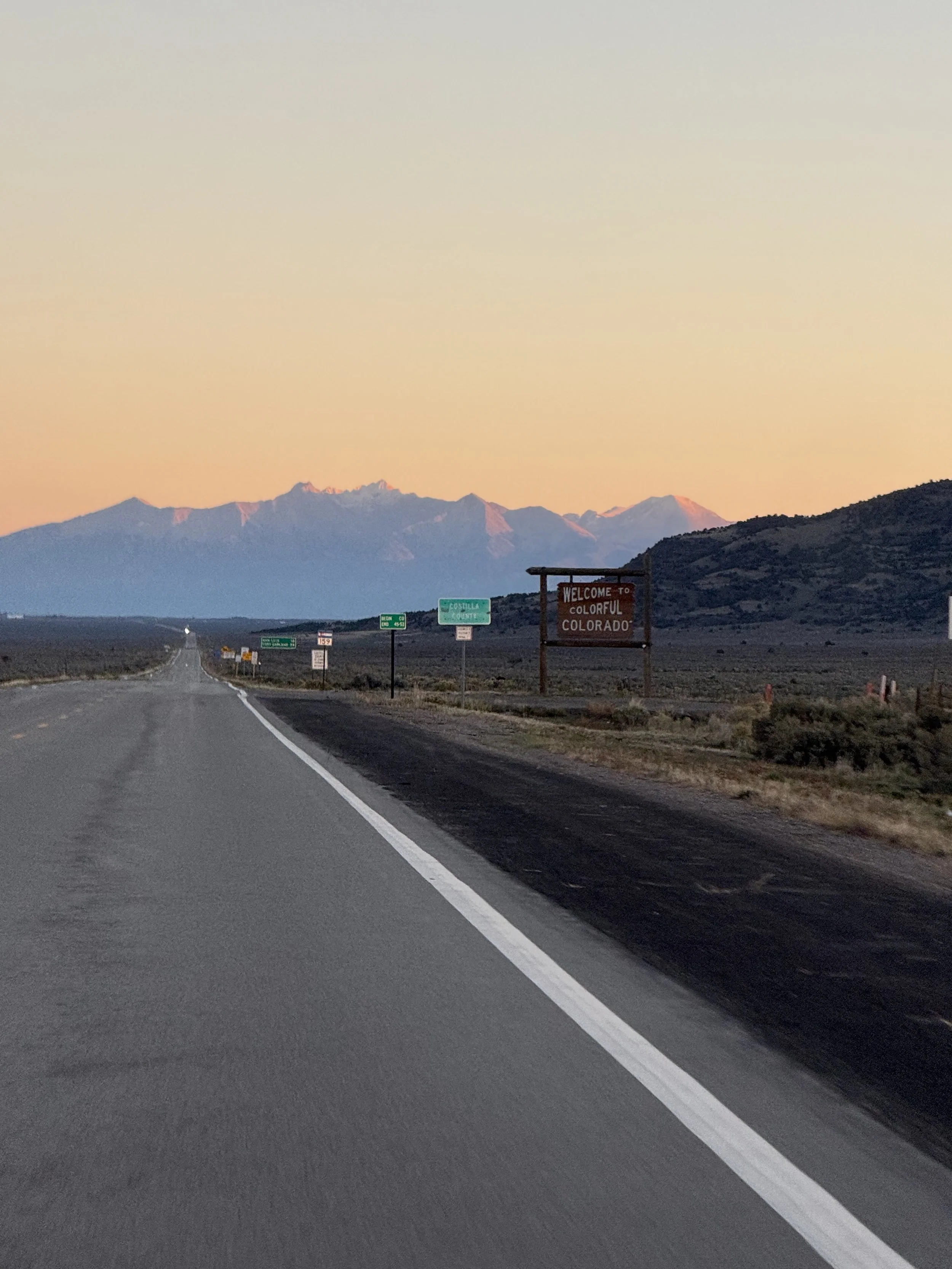
And after spending 4 days gabbing and knitting and cooking and gardening, it was time to head towards home.
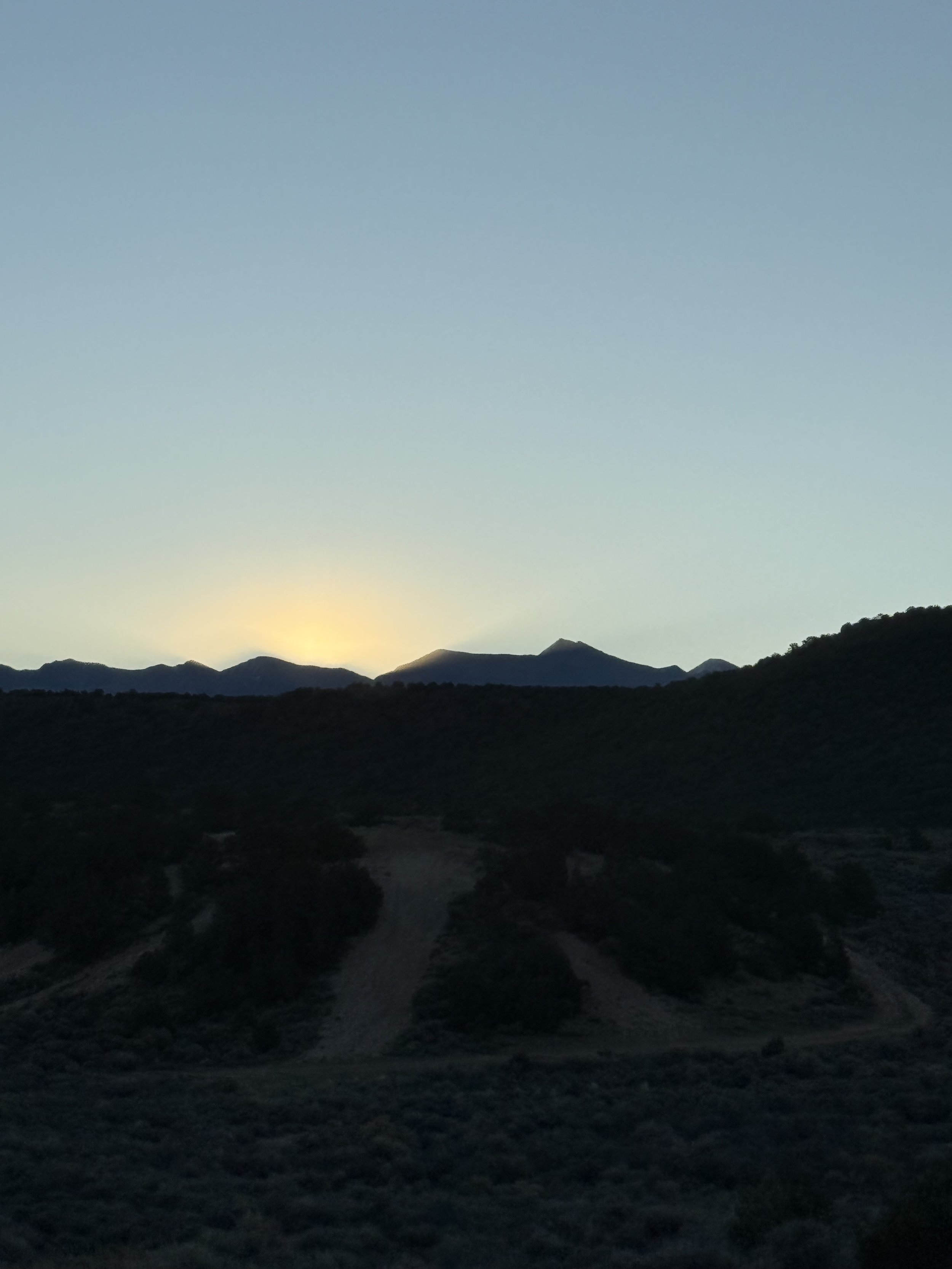
We got an early start and saw the sun rise over the Rockies.
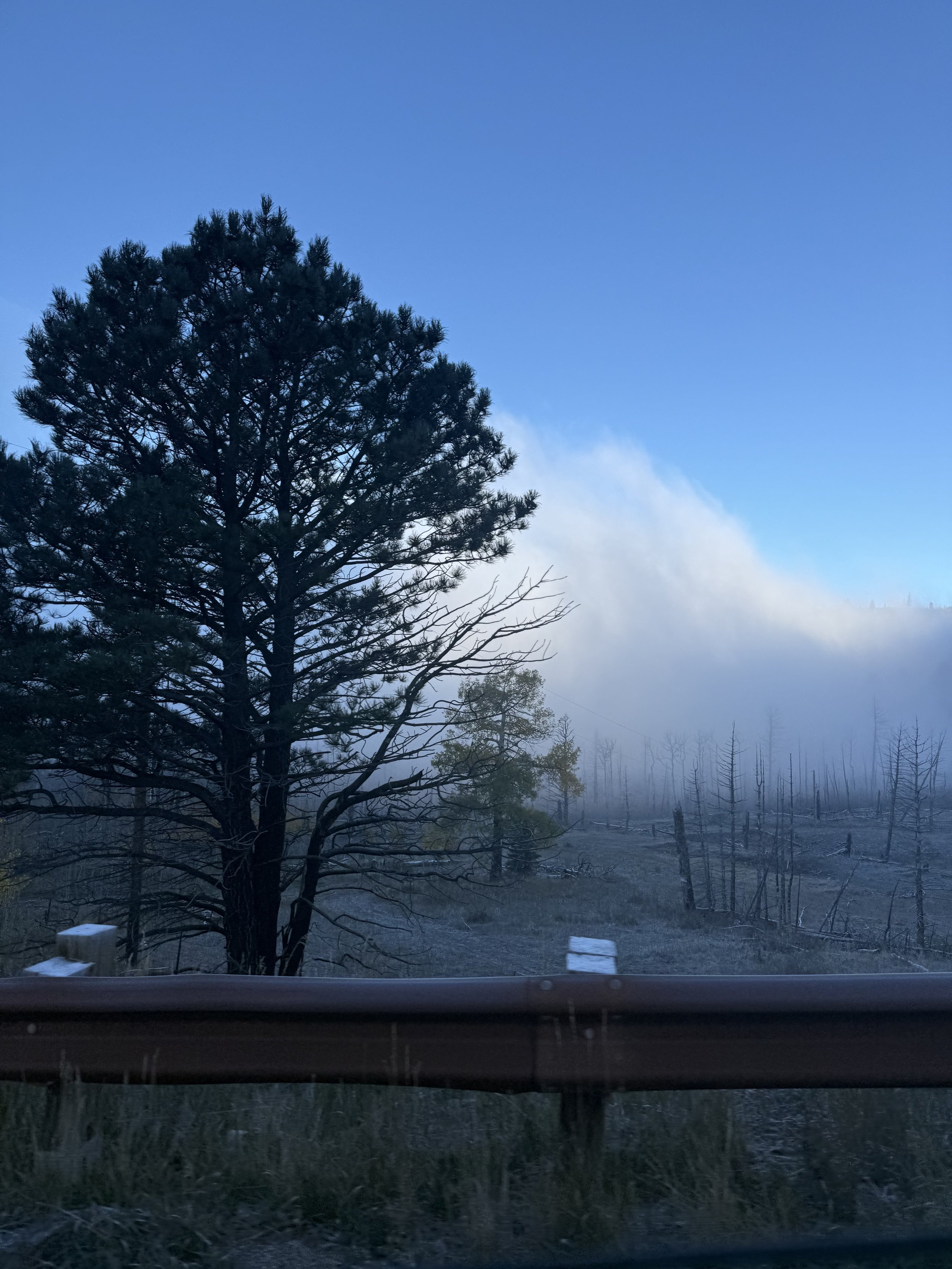
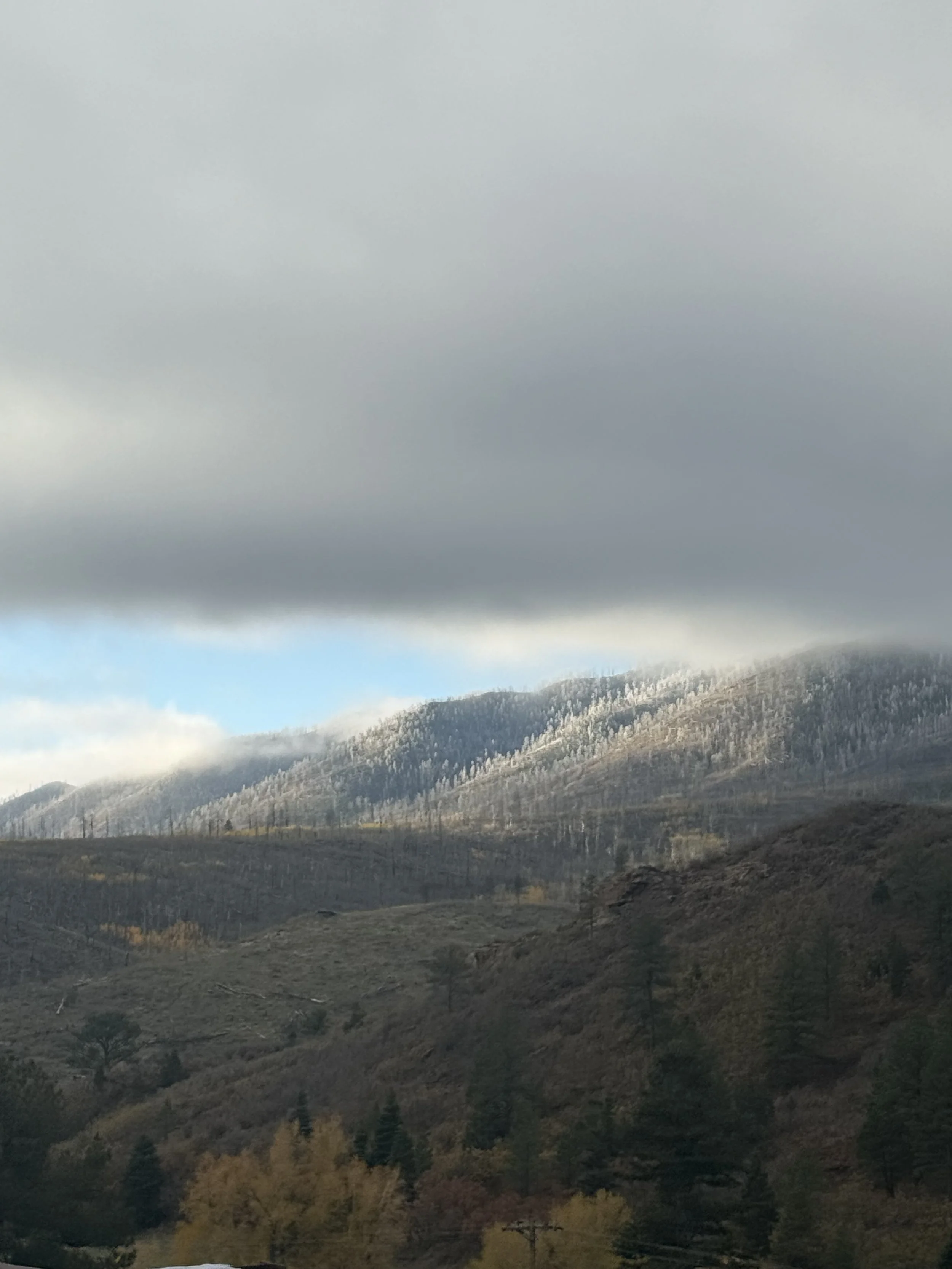
Fog and frost over the La Veta pass.
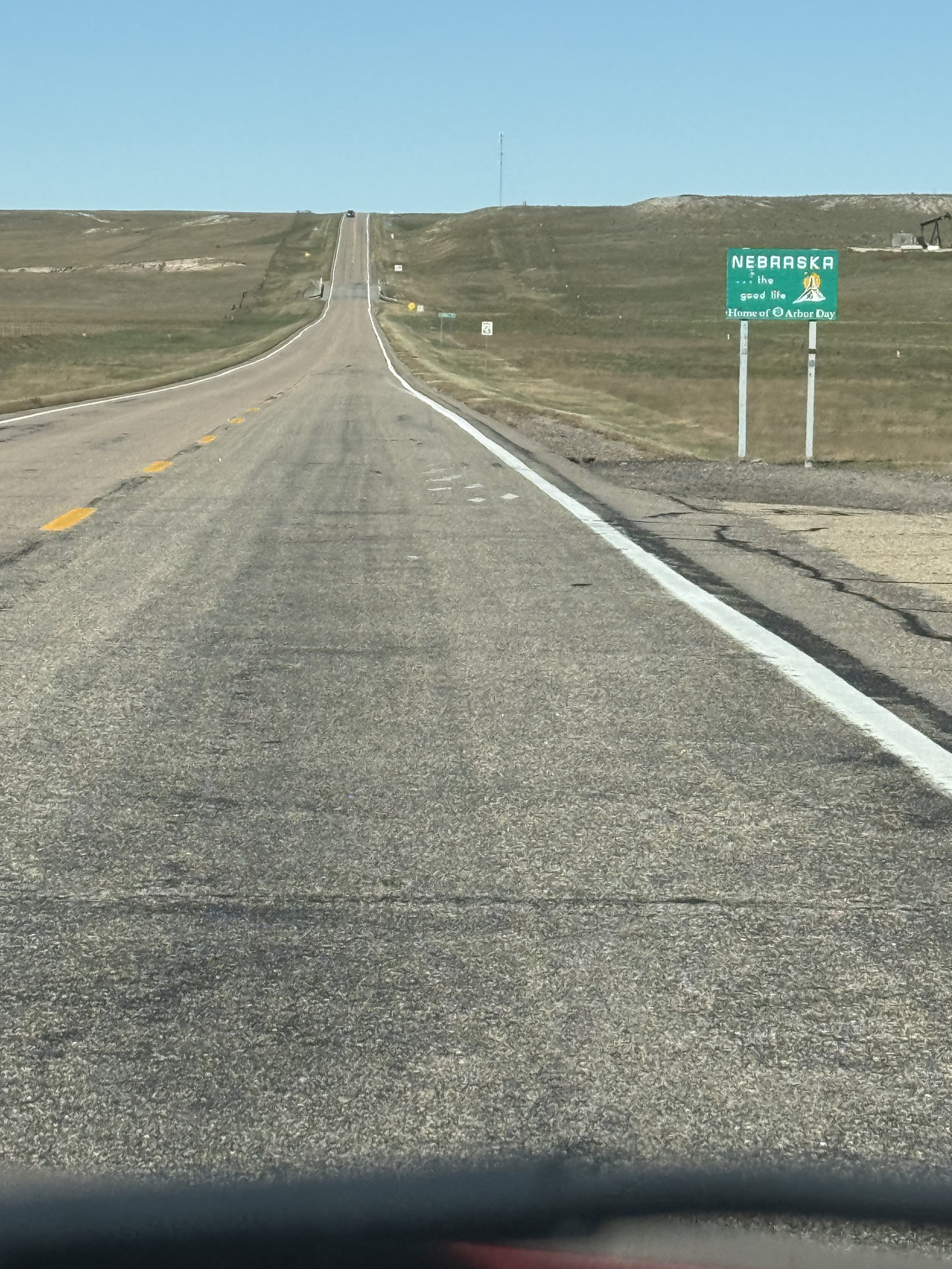
All the way through Eastern Colorado and back into Nebraska, but the Western end.
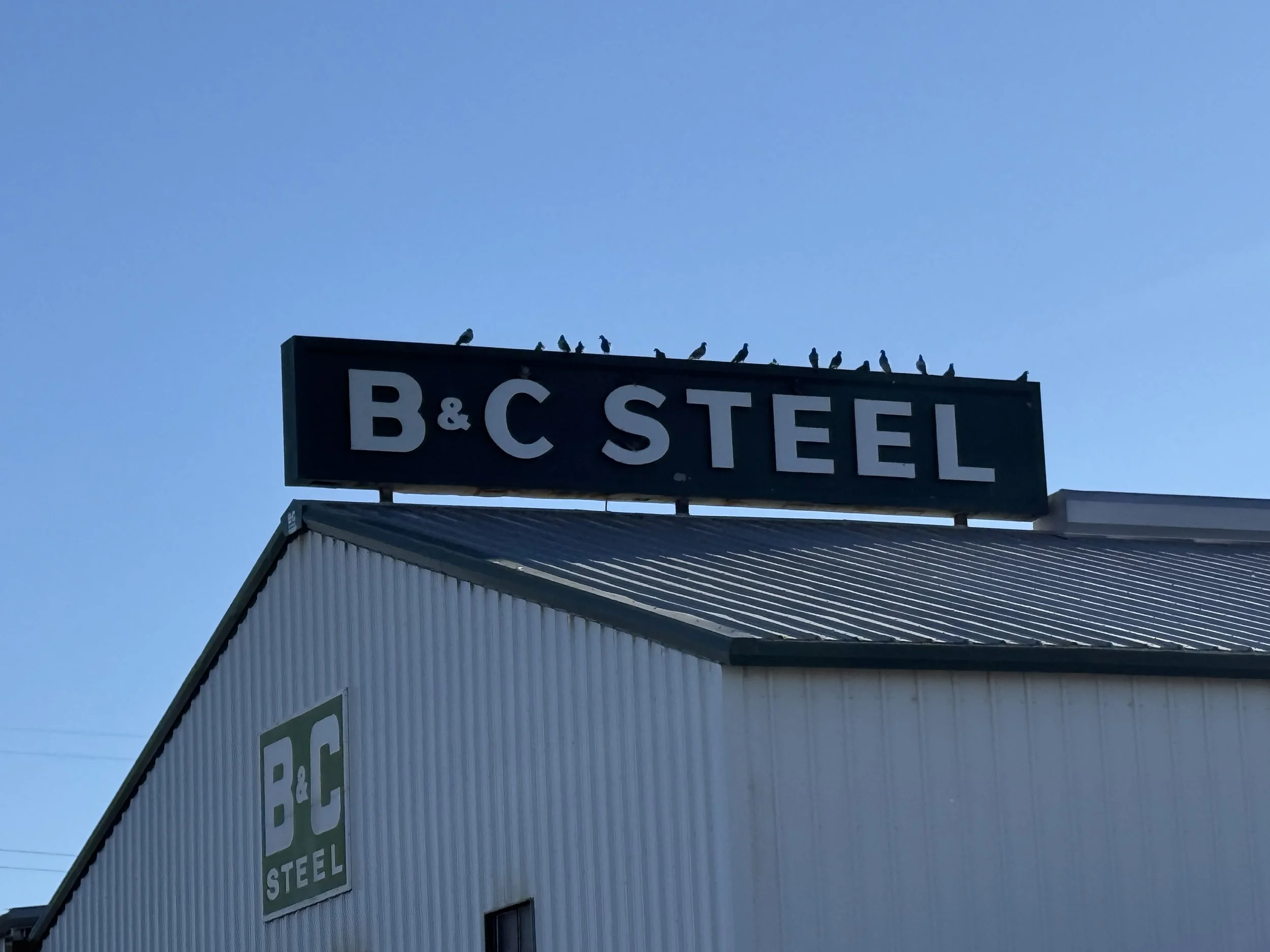
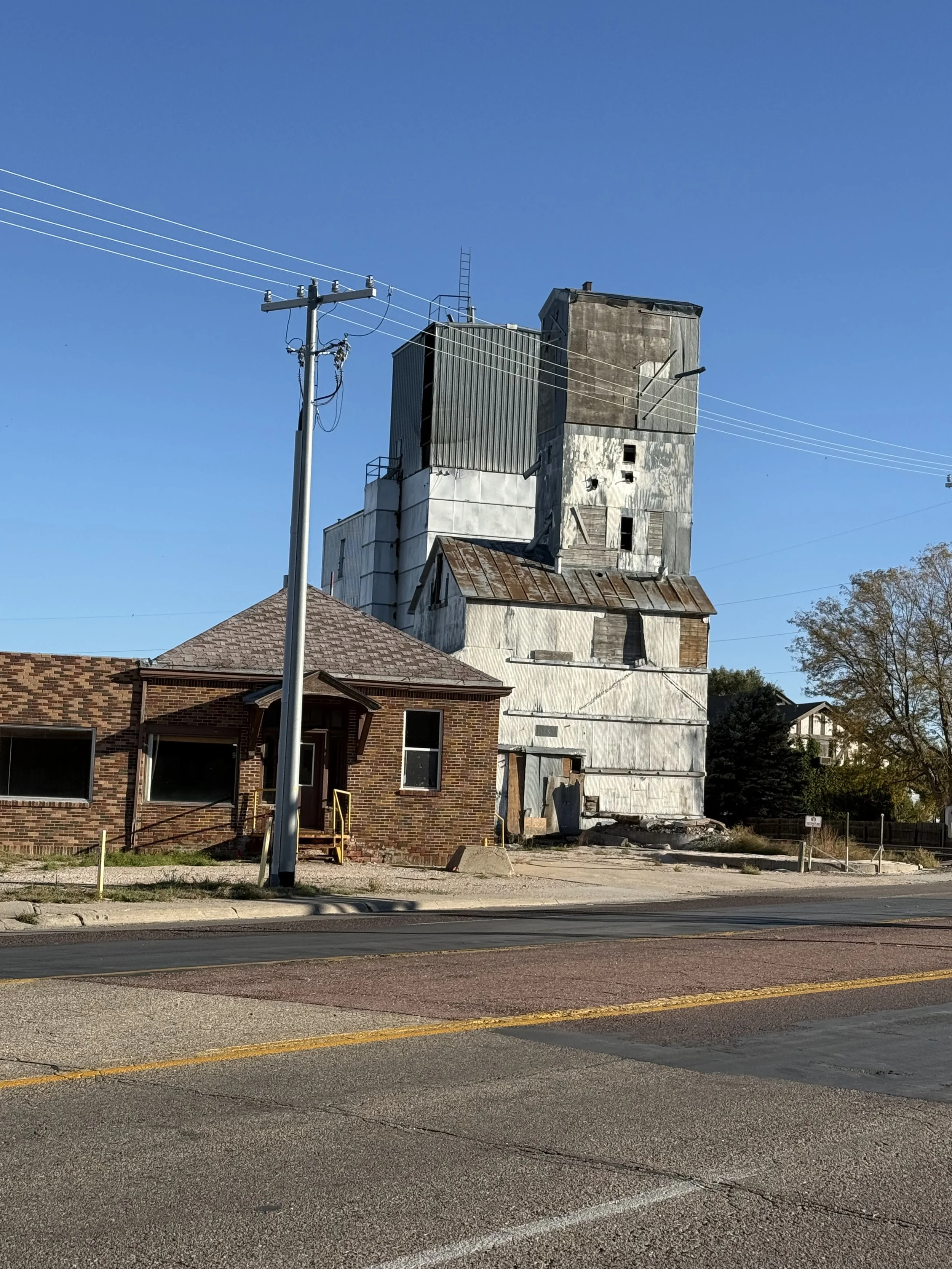
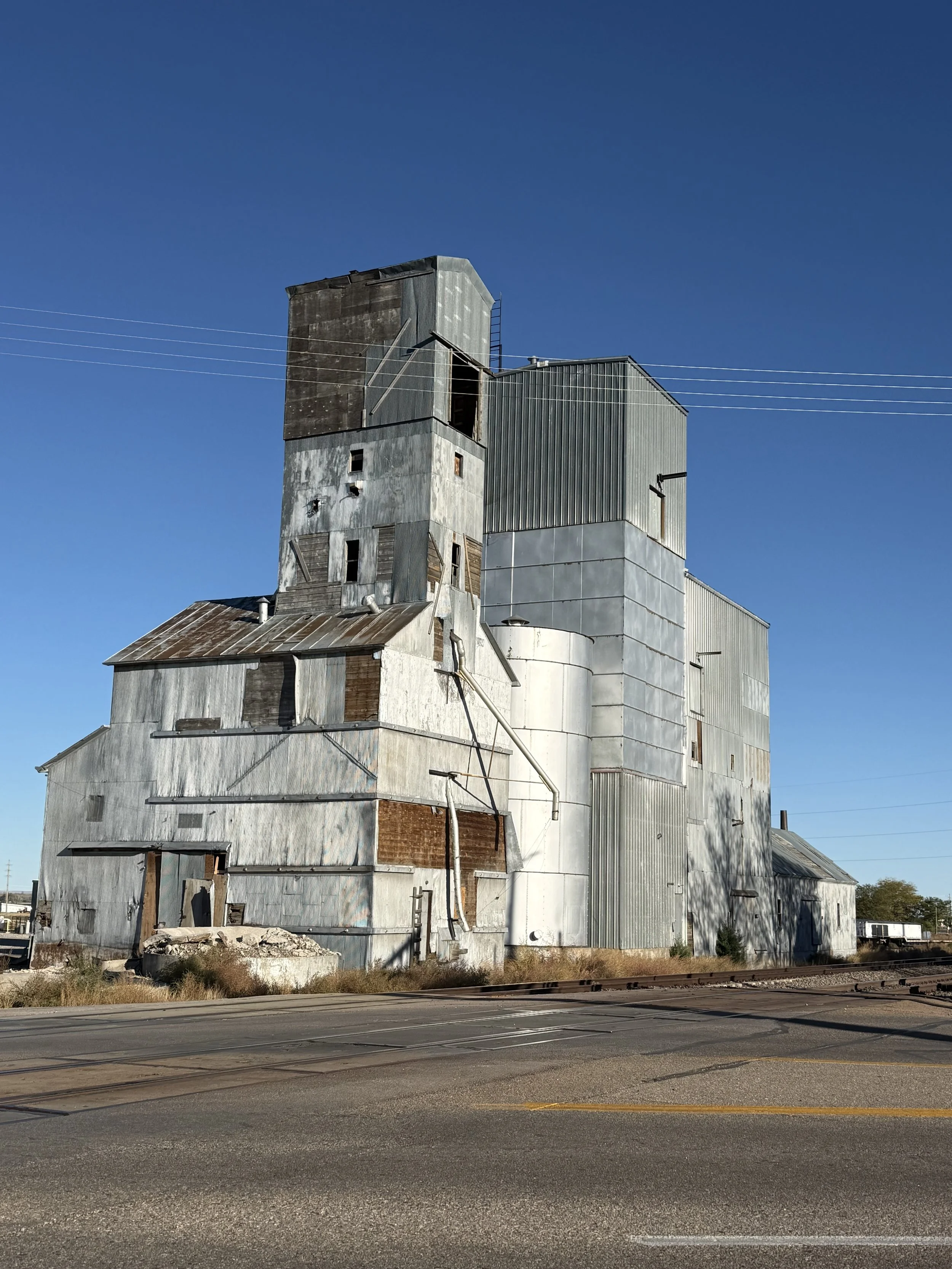
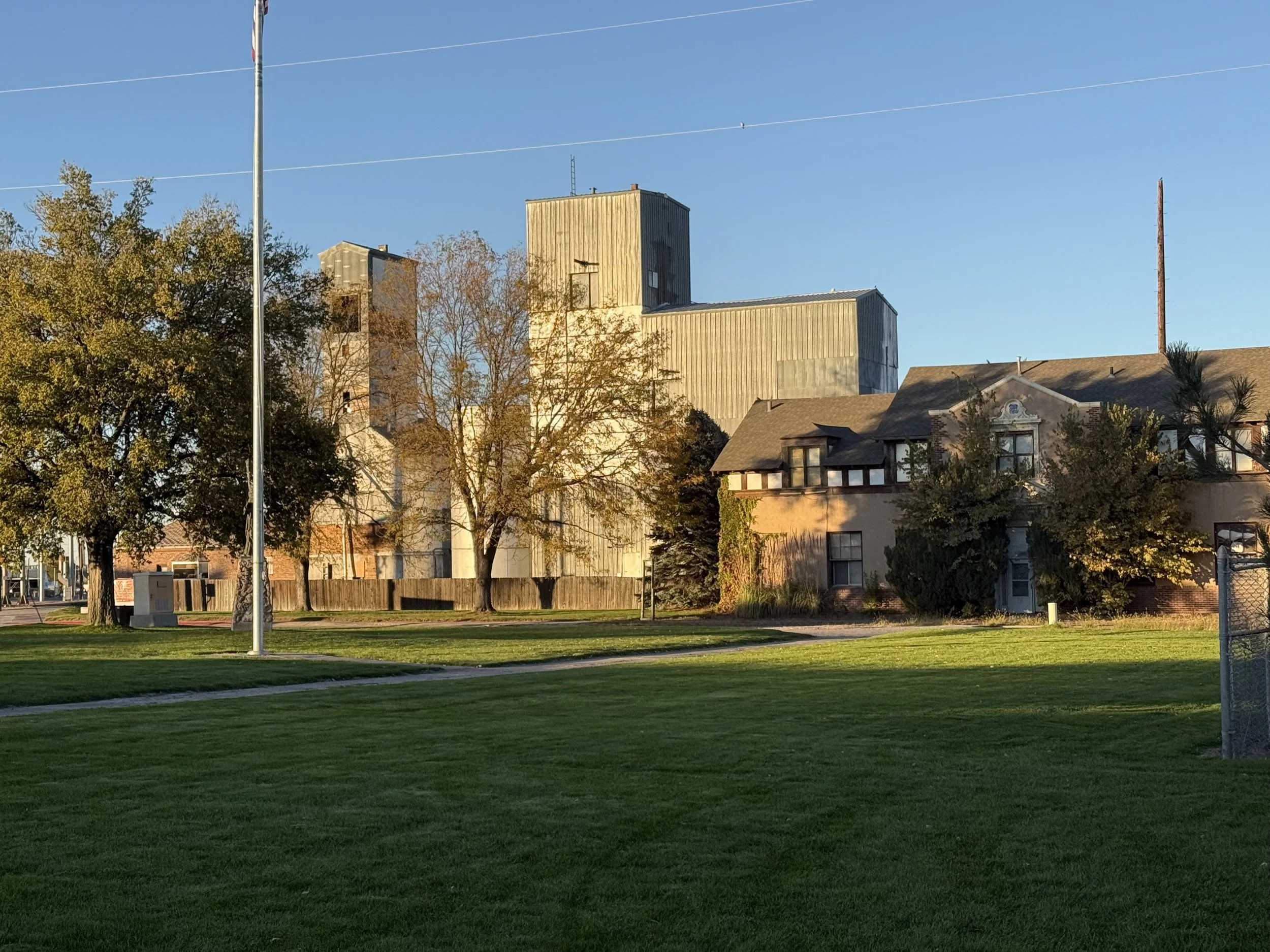
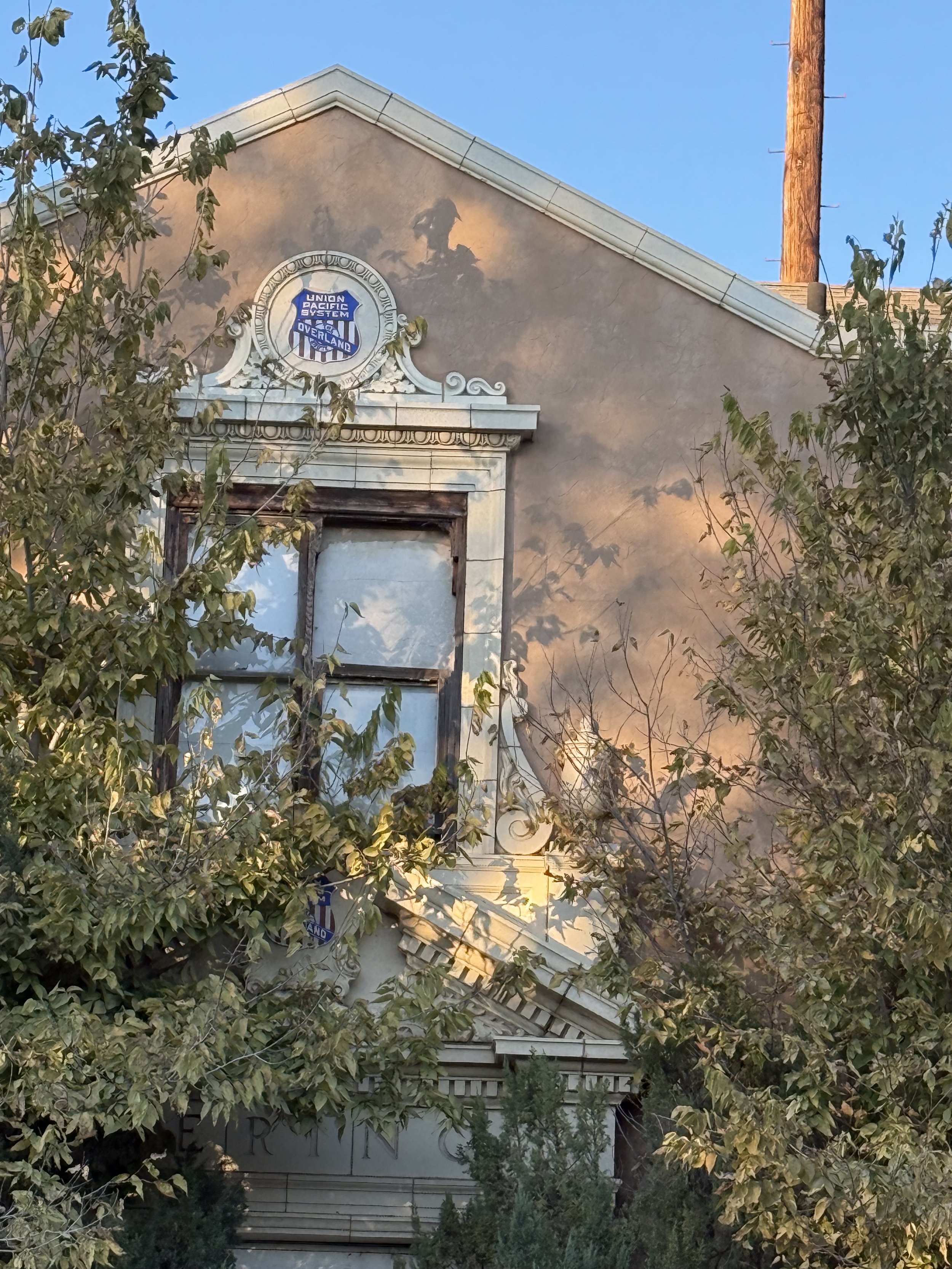
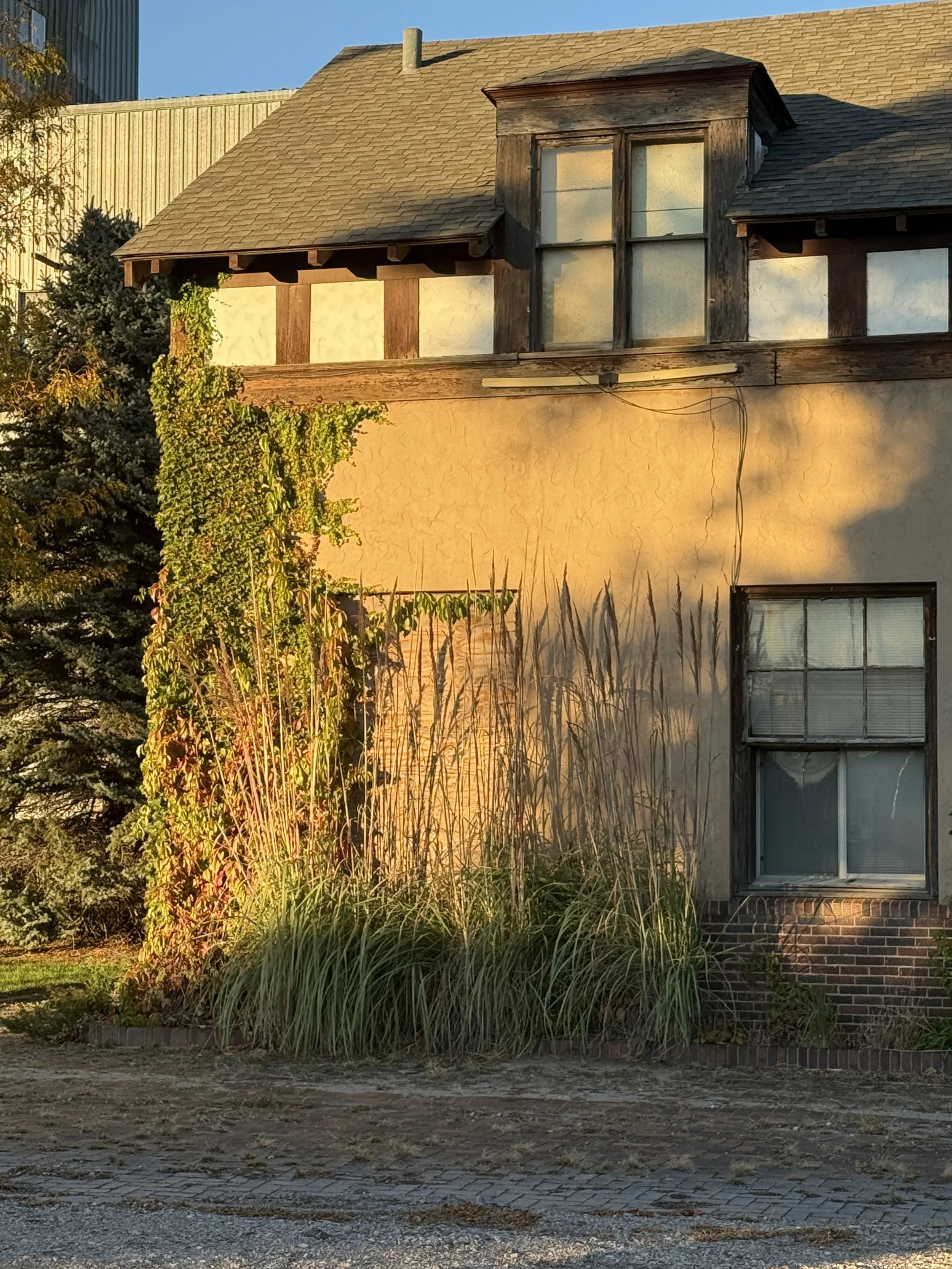
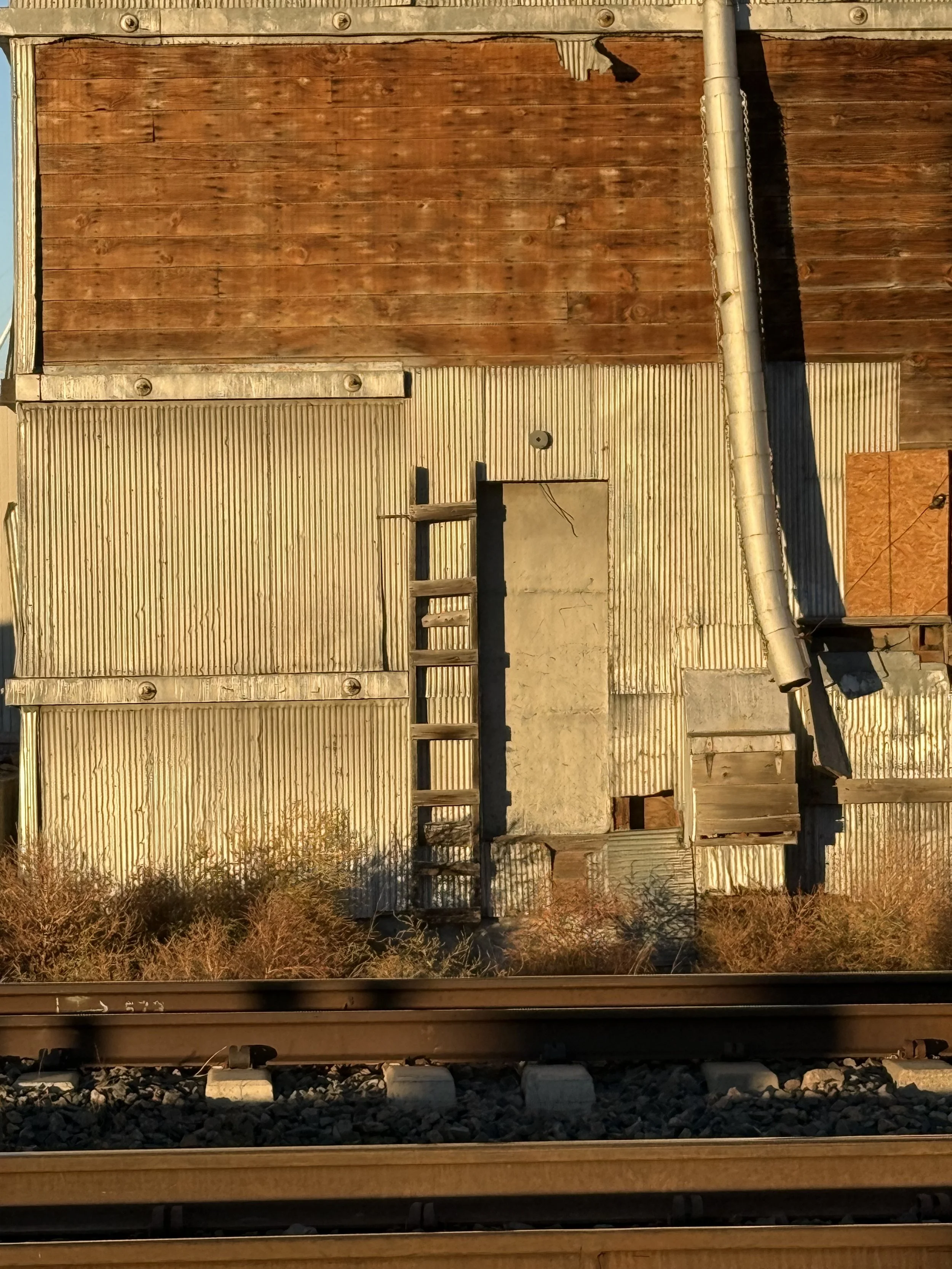
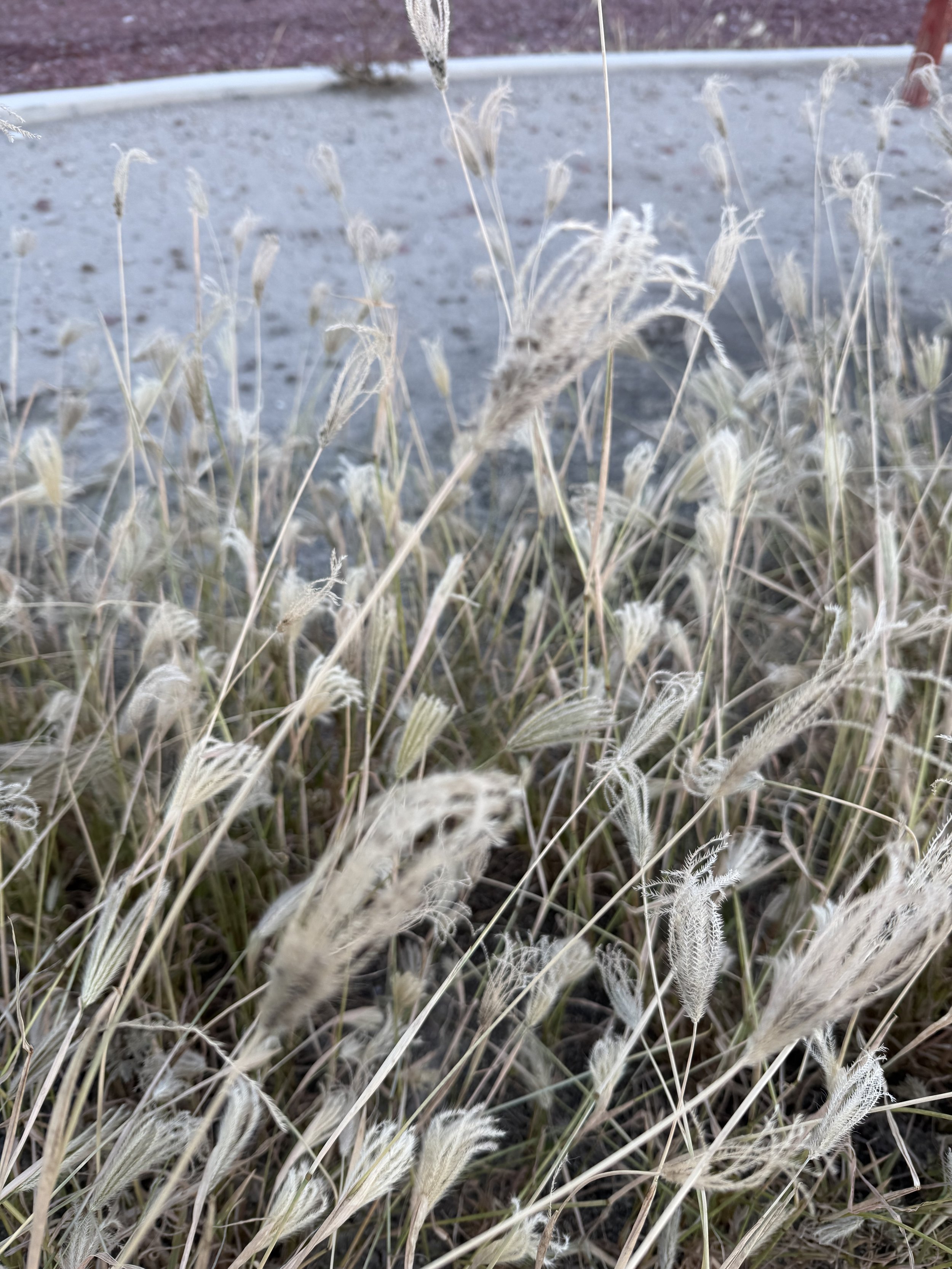
We landed in Gering Nebraska. Walked past this abandoned building on our way to find dinner.
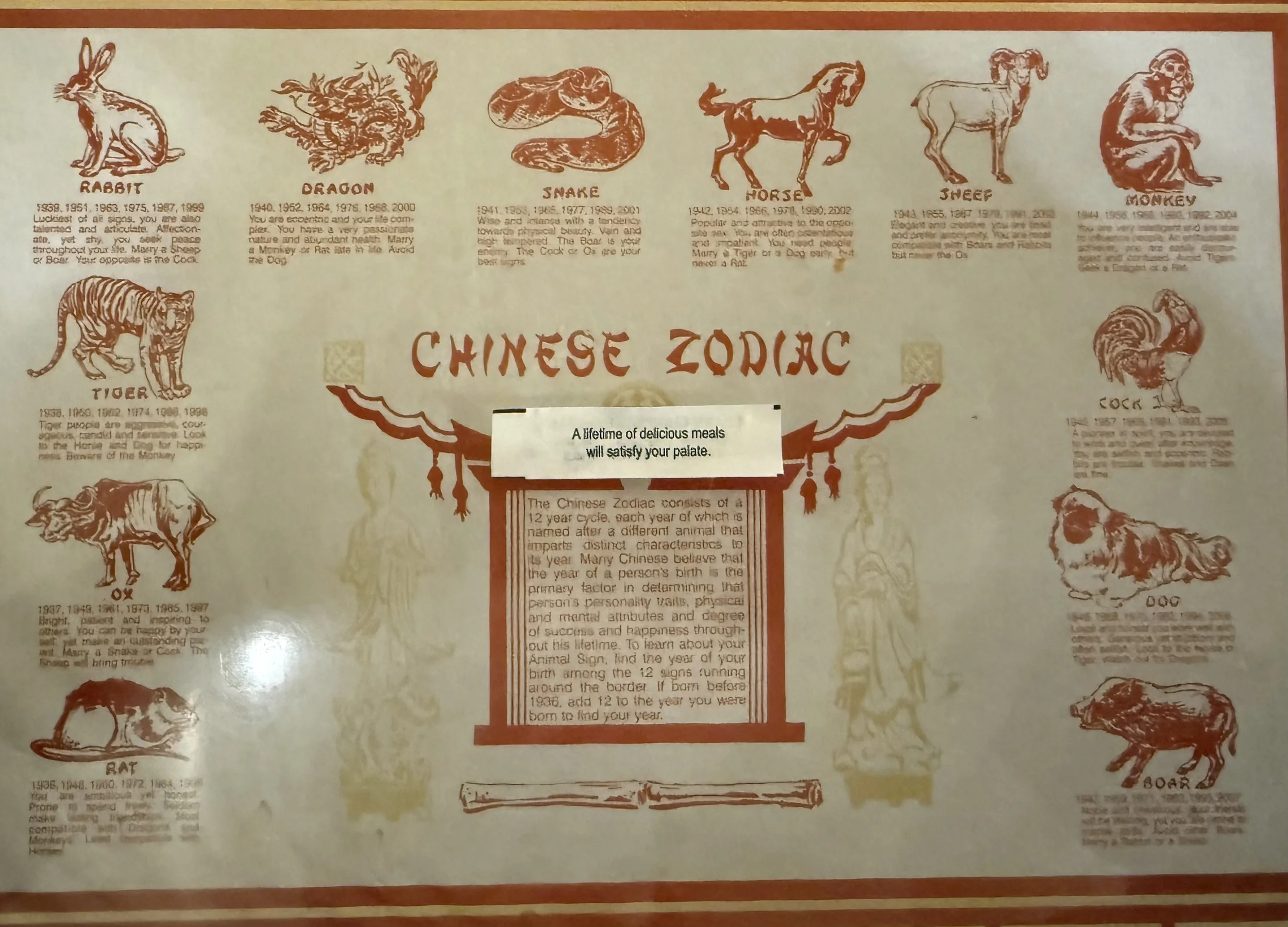
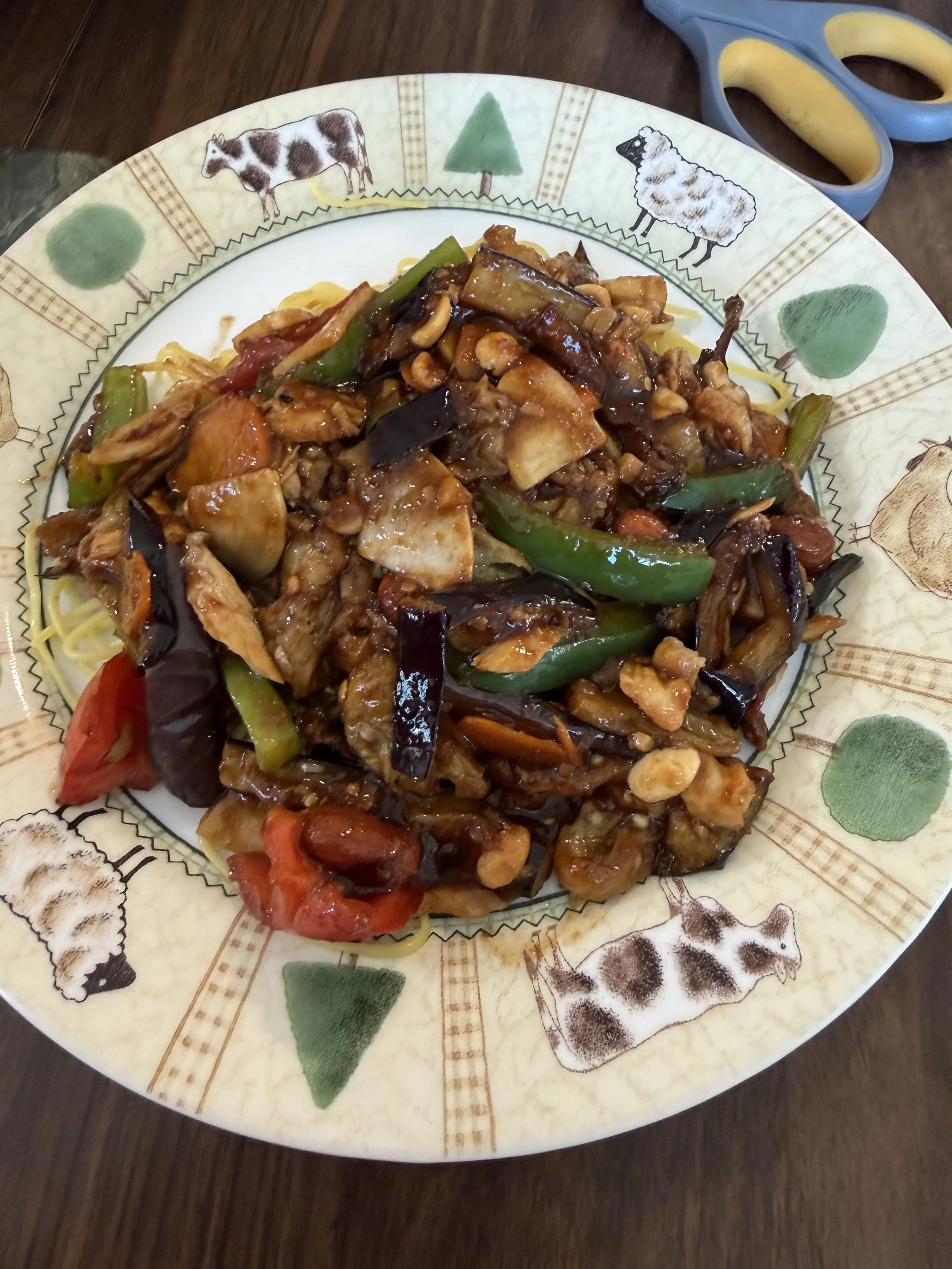
Surprisingly good Chinese food. Crispy vegetables! Spicy sauce! Tofu! Yum.
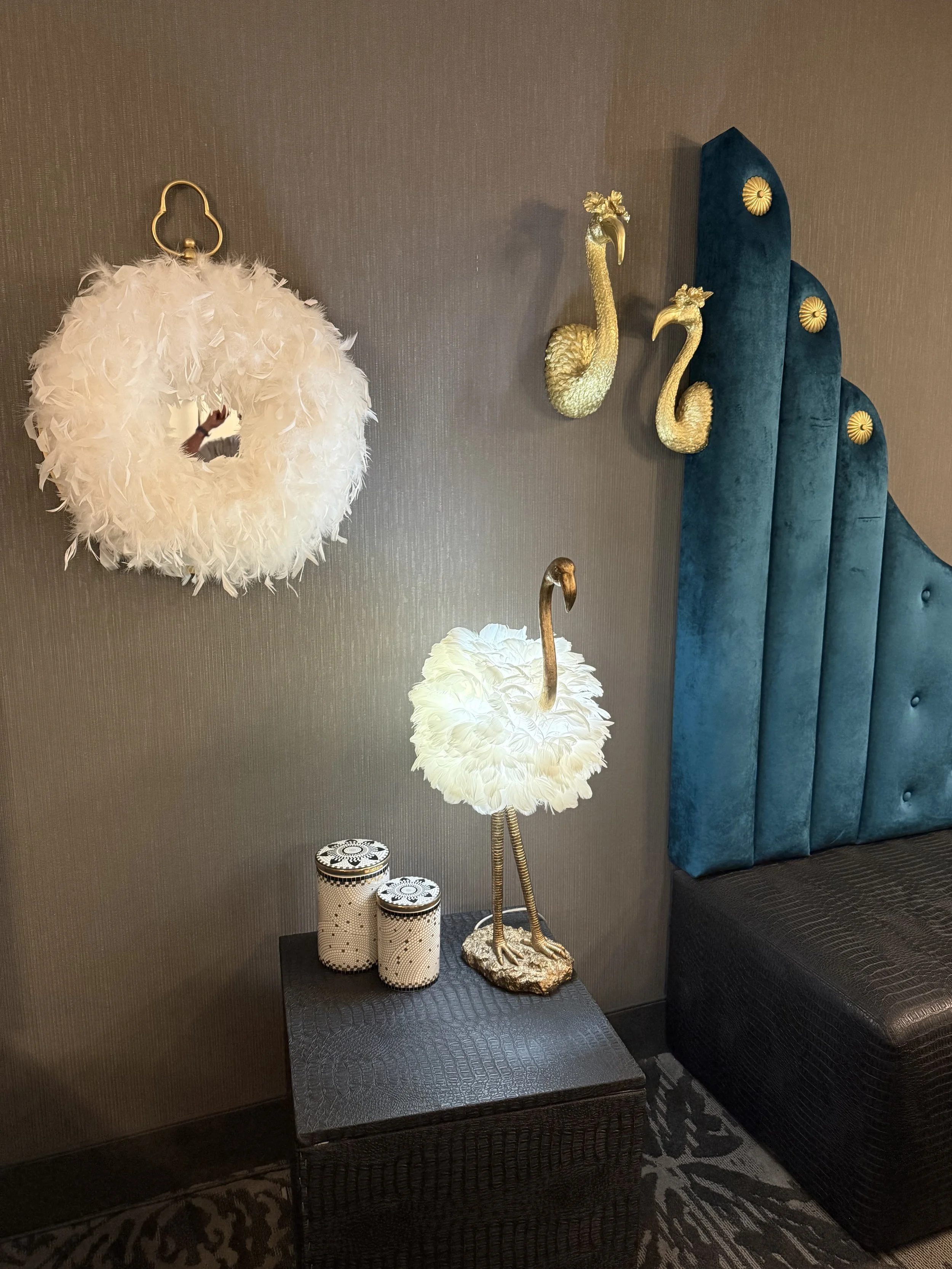
The hotel, on the other hand, was faux-chic. Barbara’s breakfast was light years better!
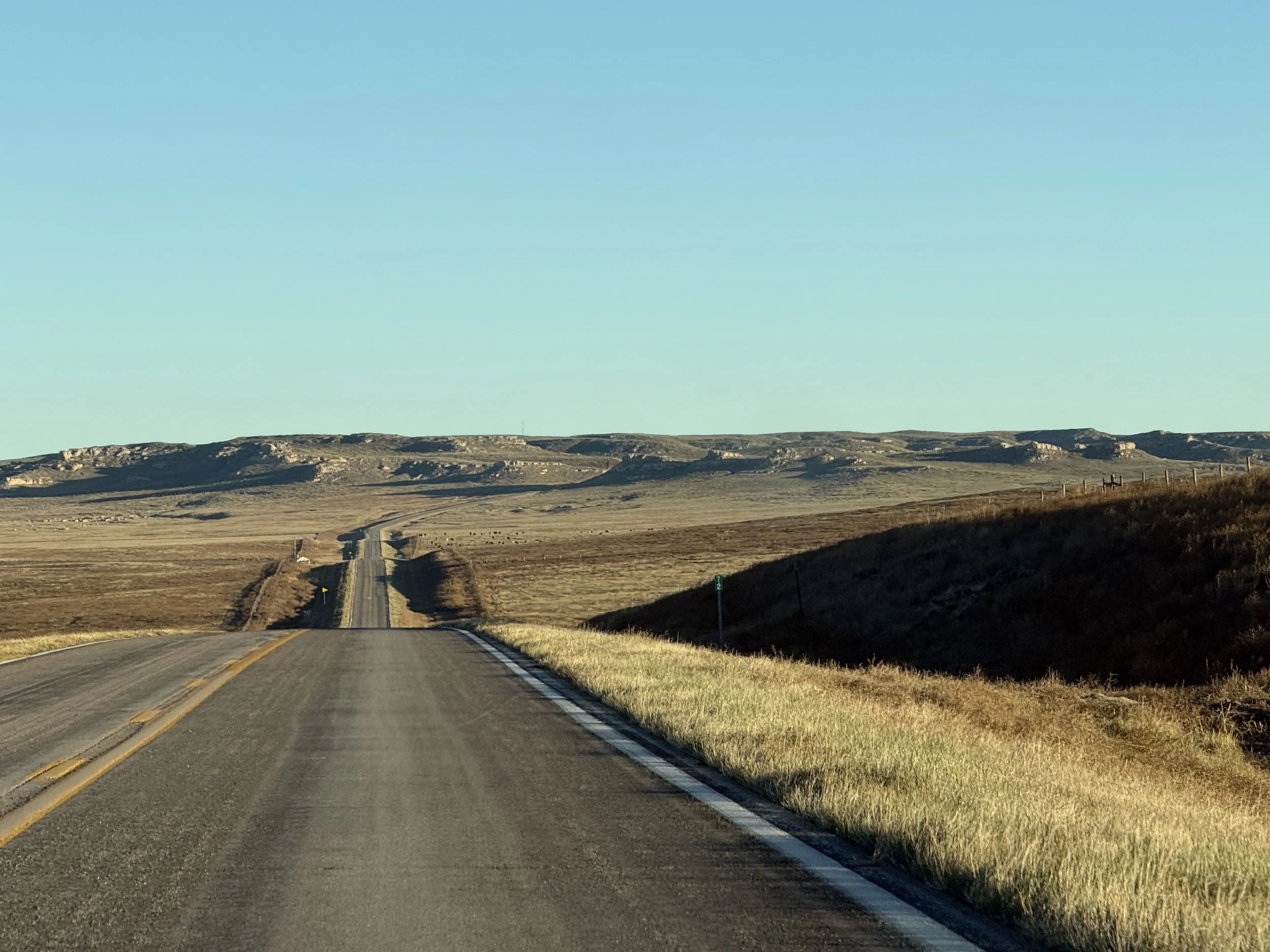
On the road again.
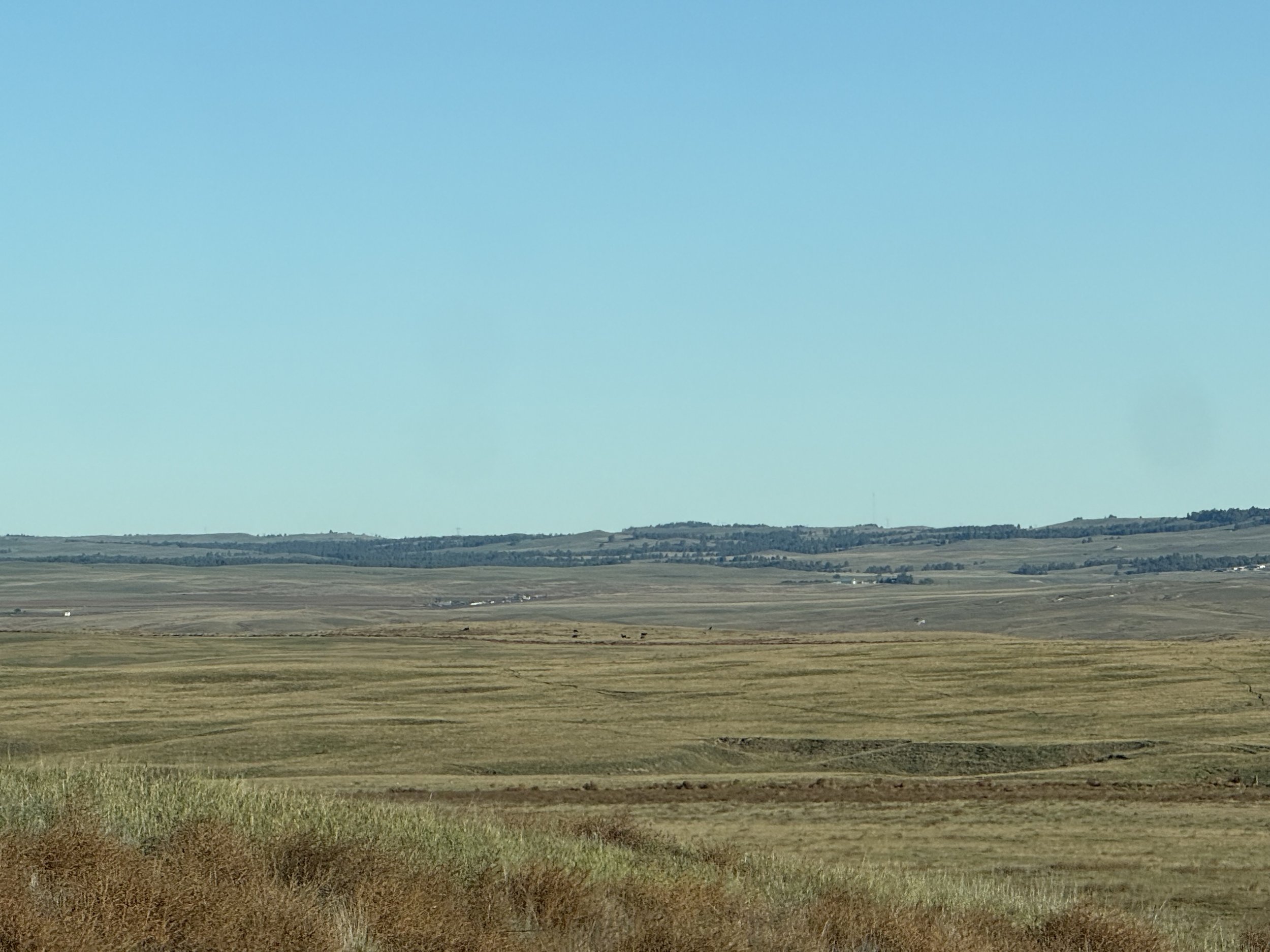
Antelope and prairie dog country.
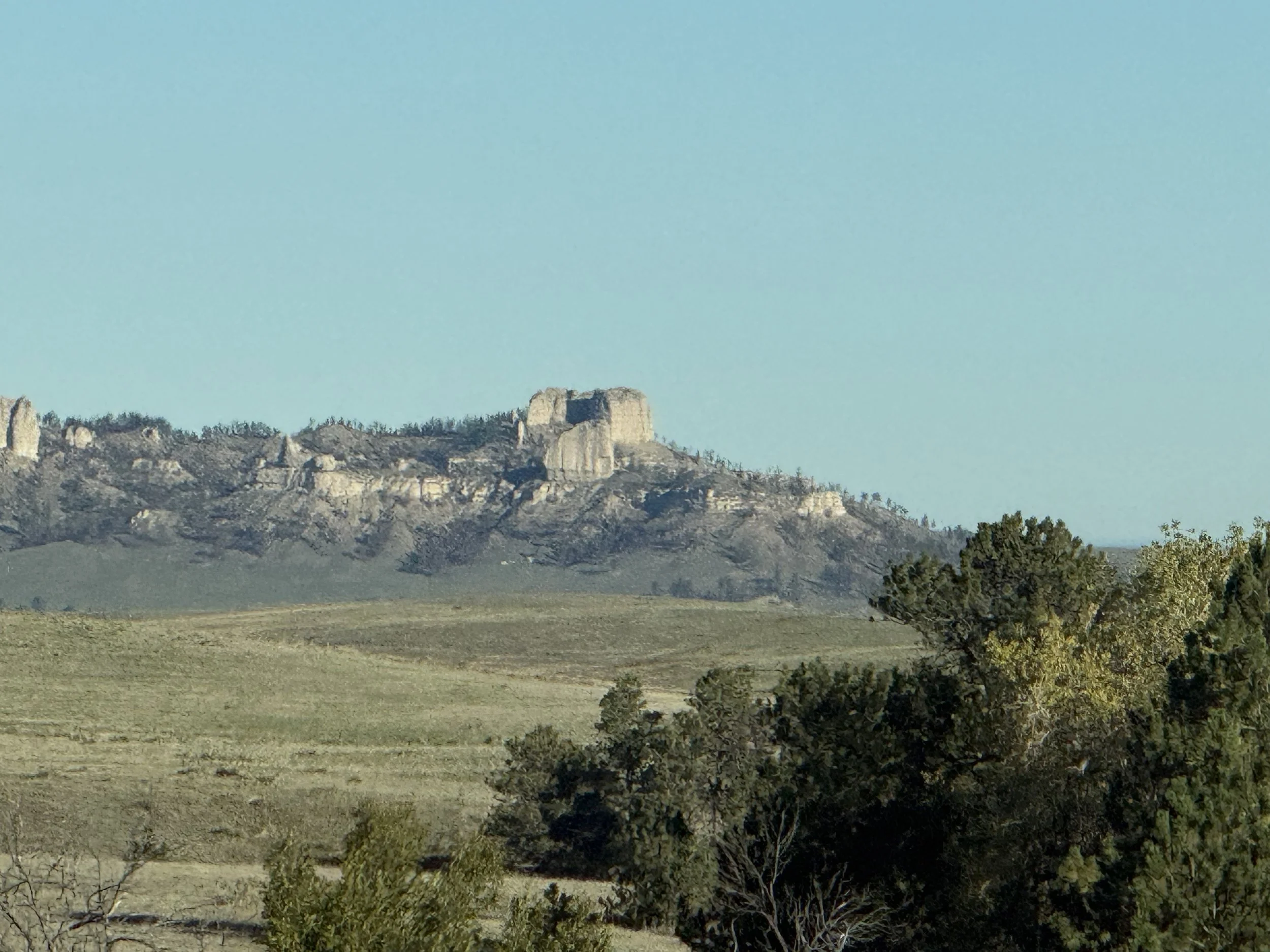
Then headed into badlands.
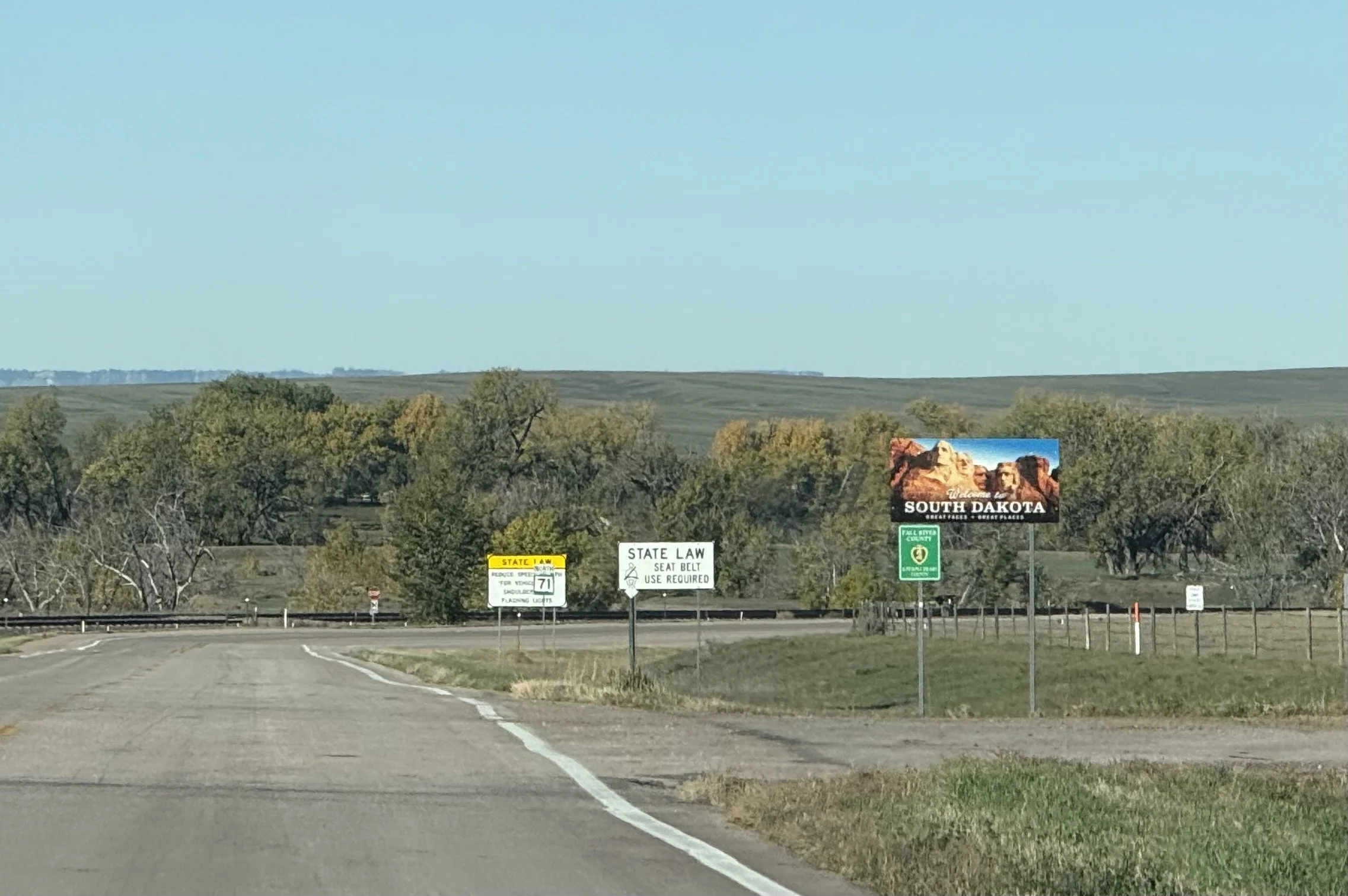
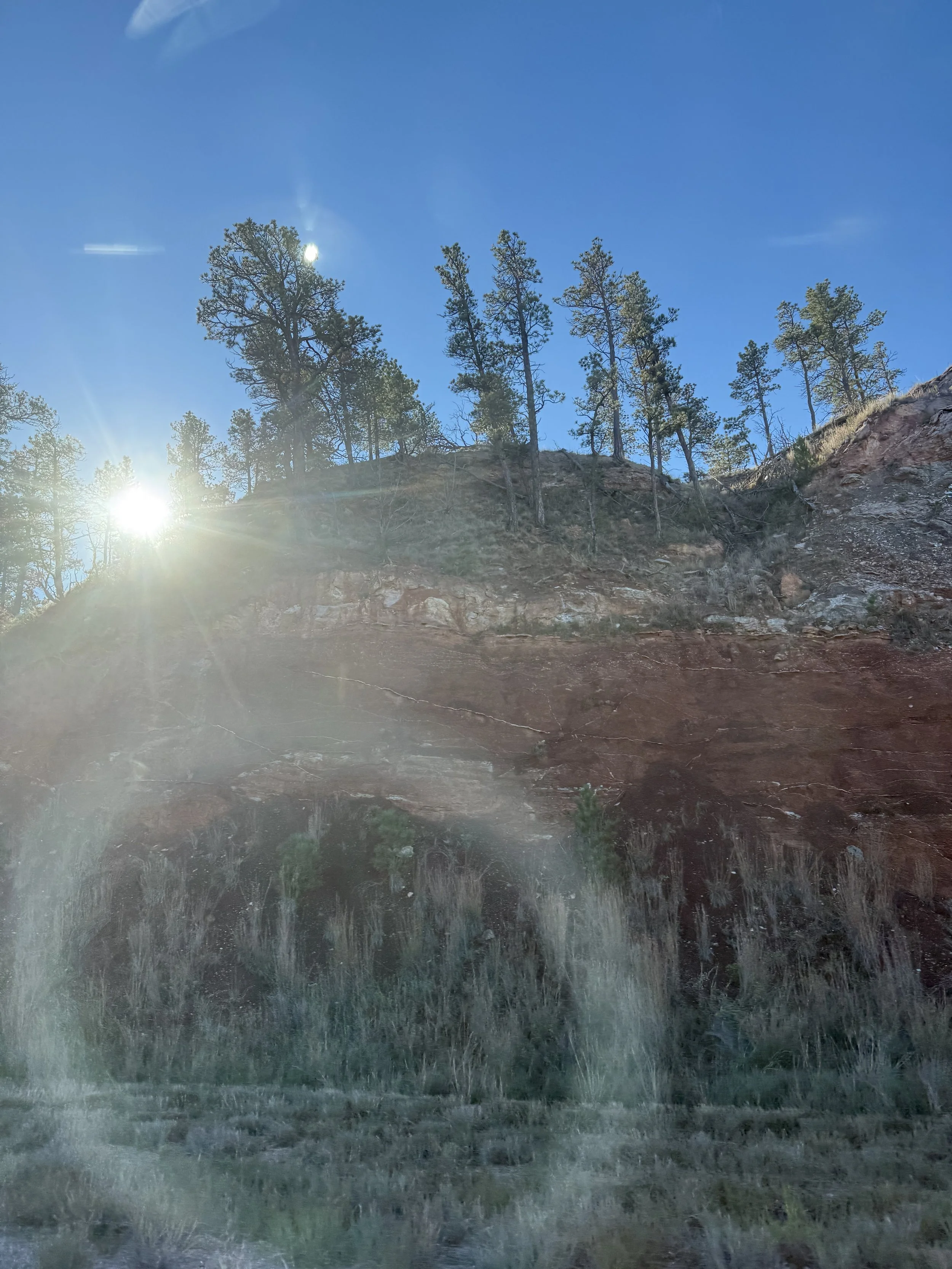
We took the long way home to pass by Hot Springs SD. Why?
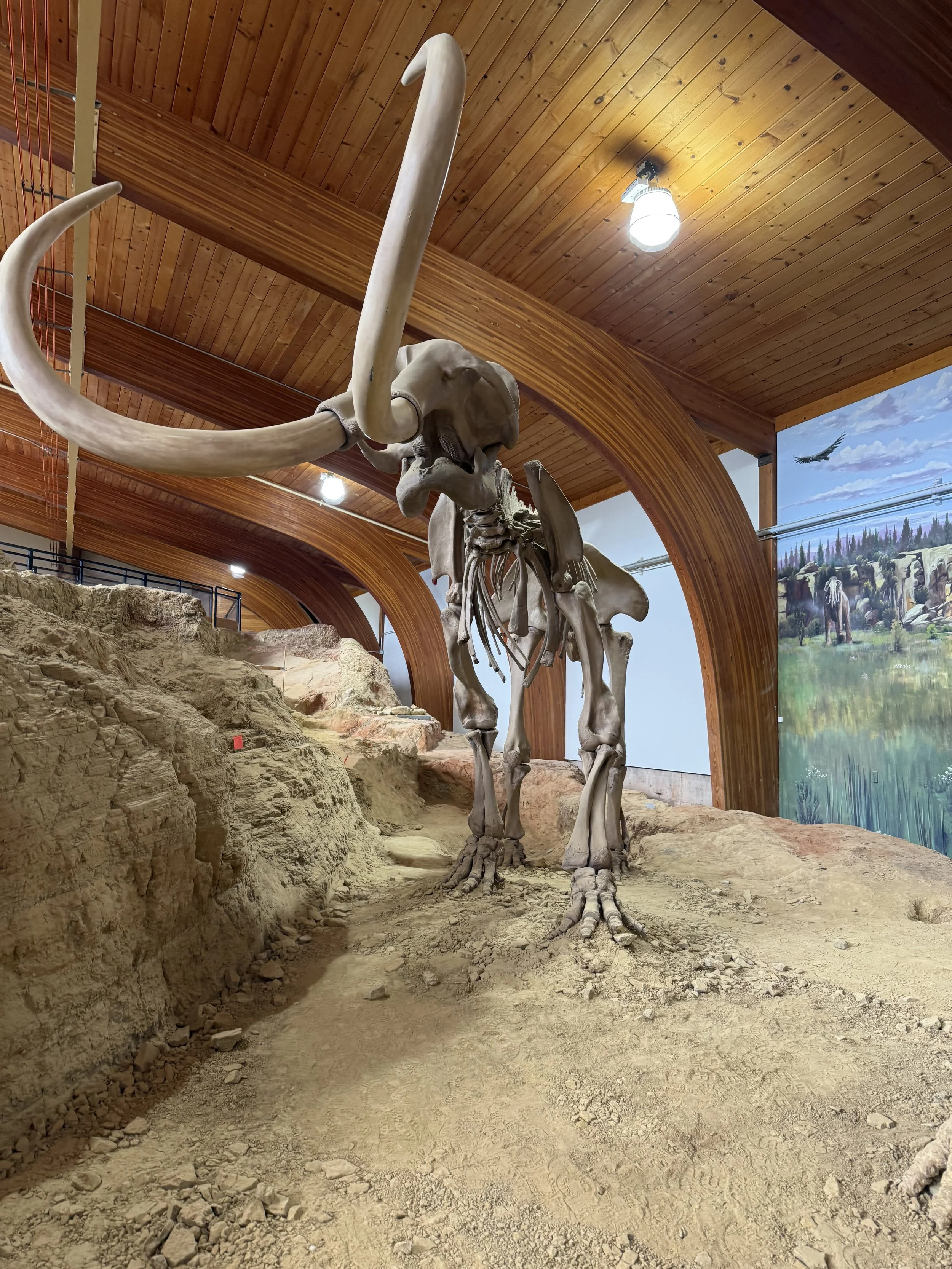
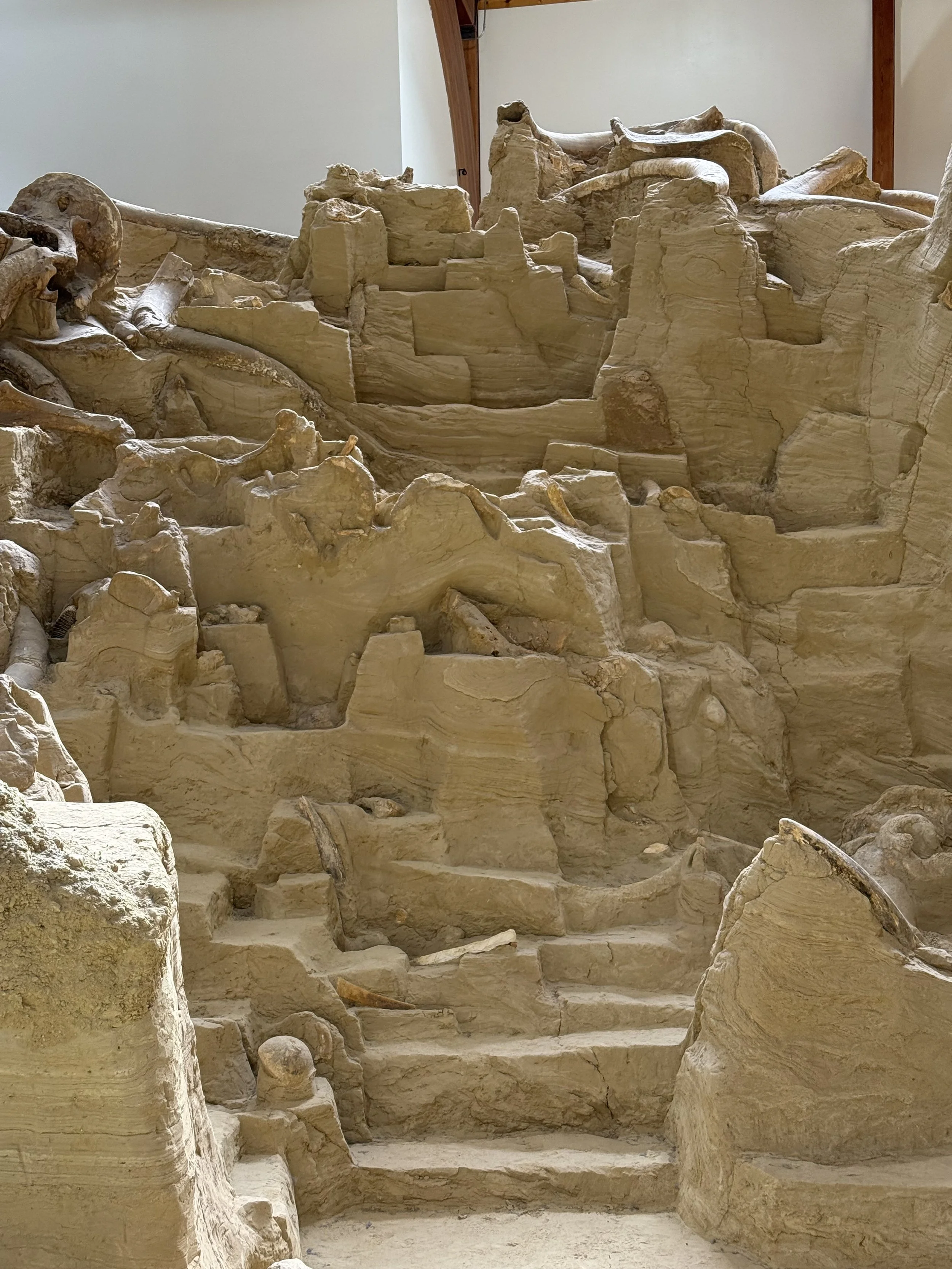
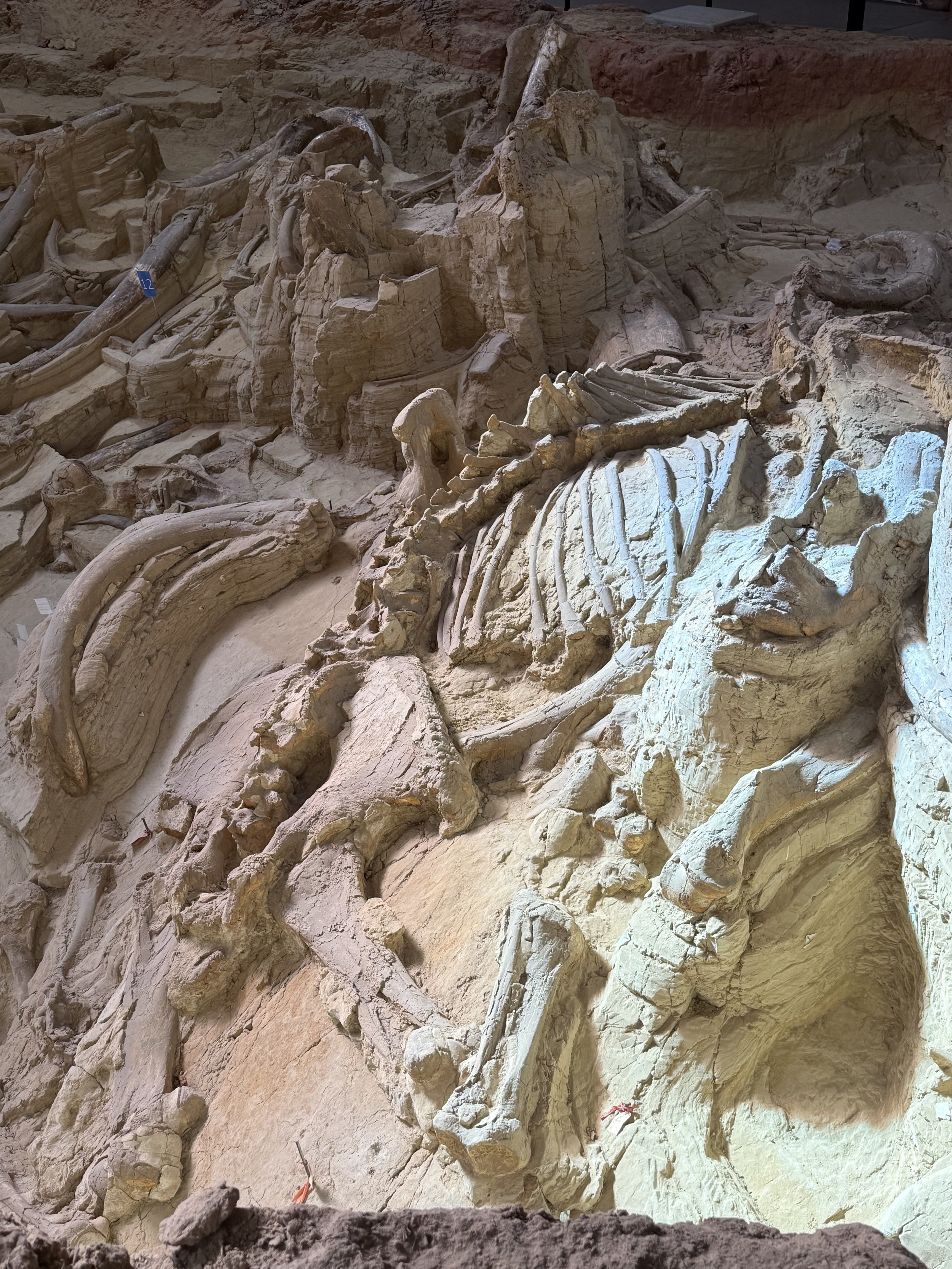
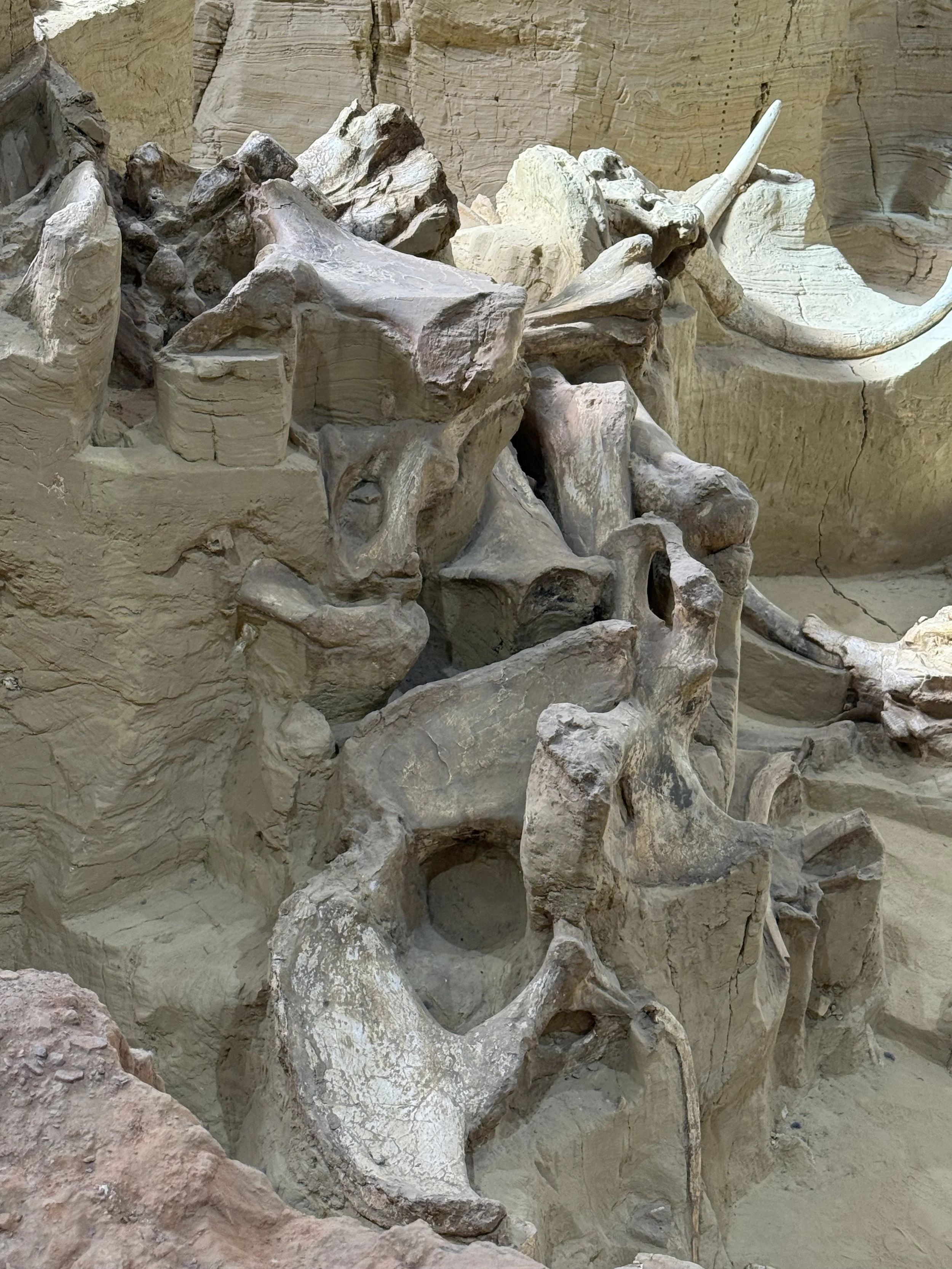
The Mammoth Site! 61 skeletons of mammoths (wooly and Columbian) trapped in a sink hole, then uncovered in the 1970s.
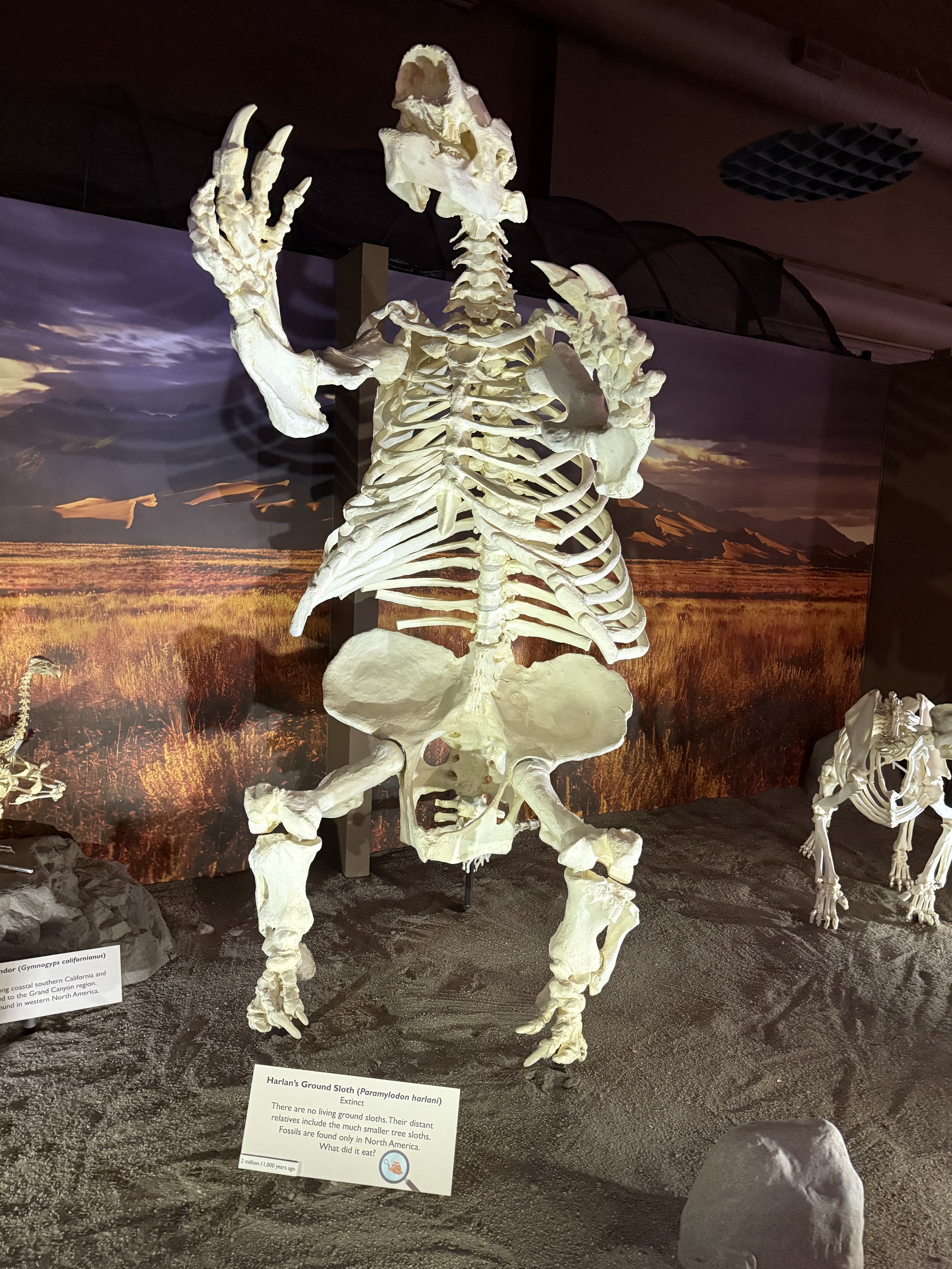
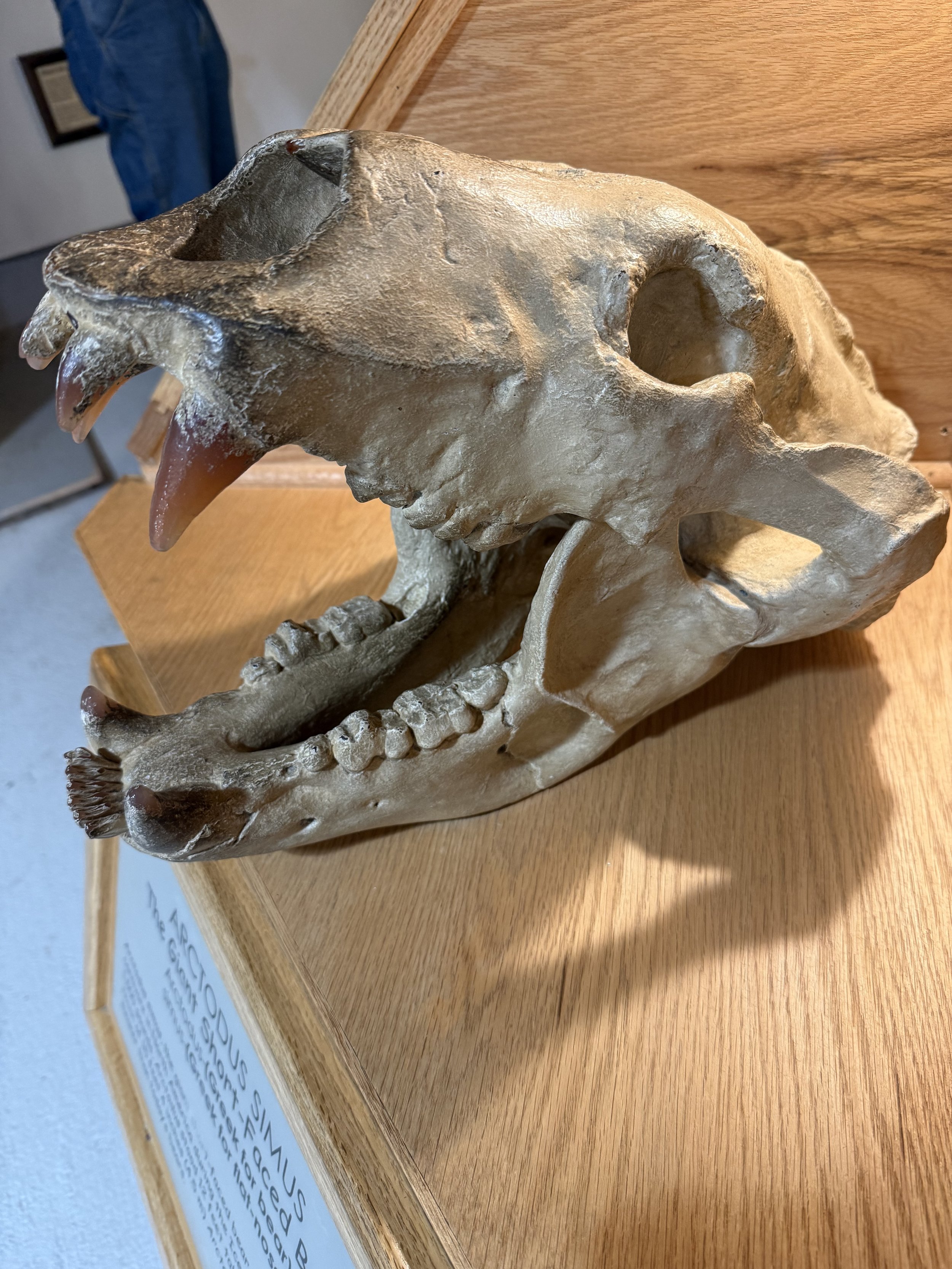
There is a small museum featuring other animals that coexisted with the mammoths. There are several other sites in the area (in the White River group, for geology buffs) we now want to visit. Well worth the extra miles!
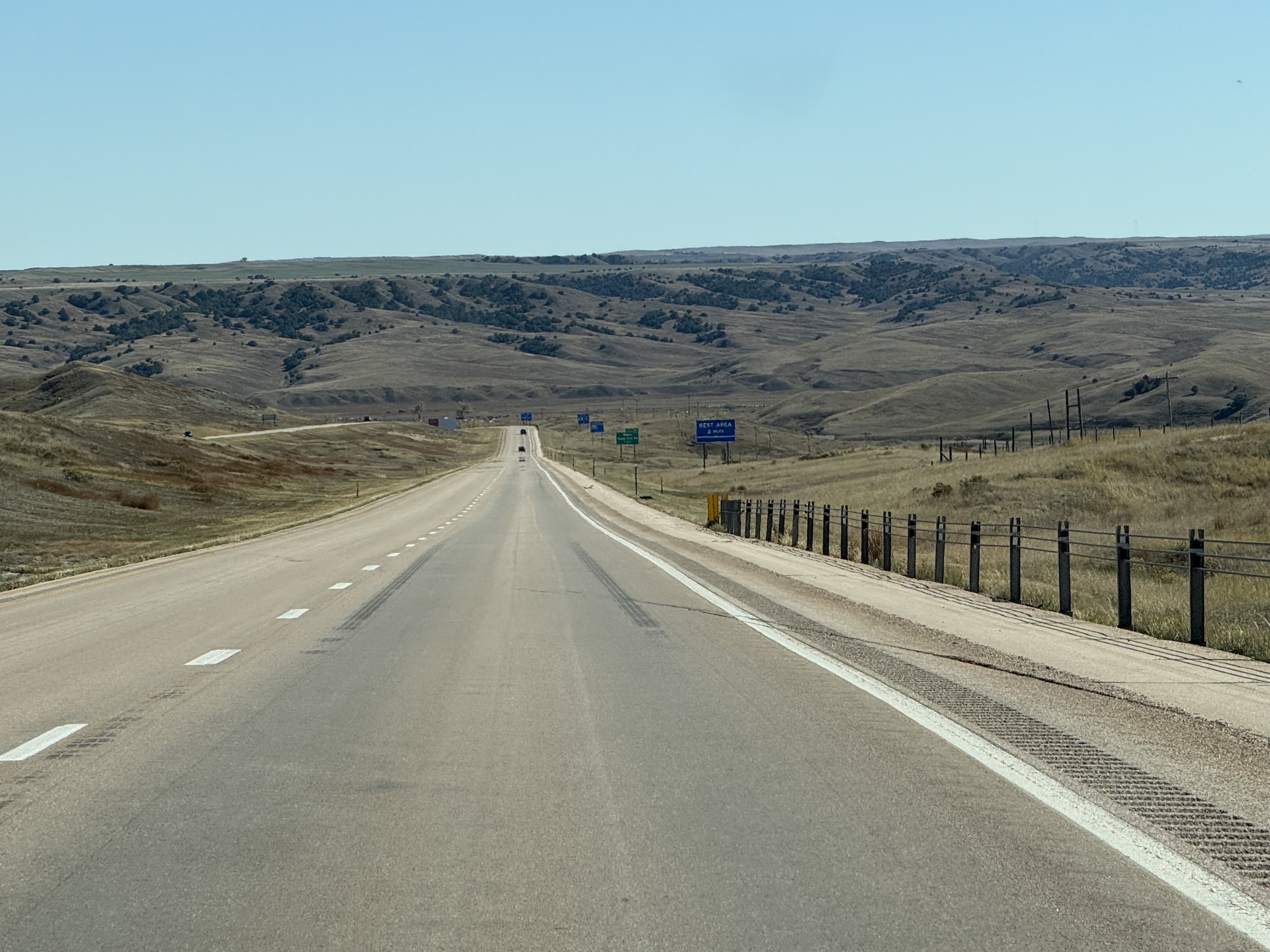
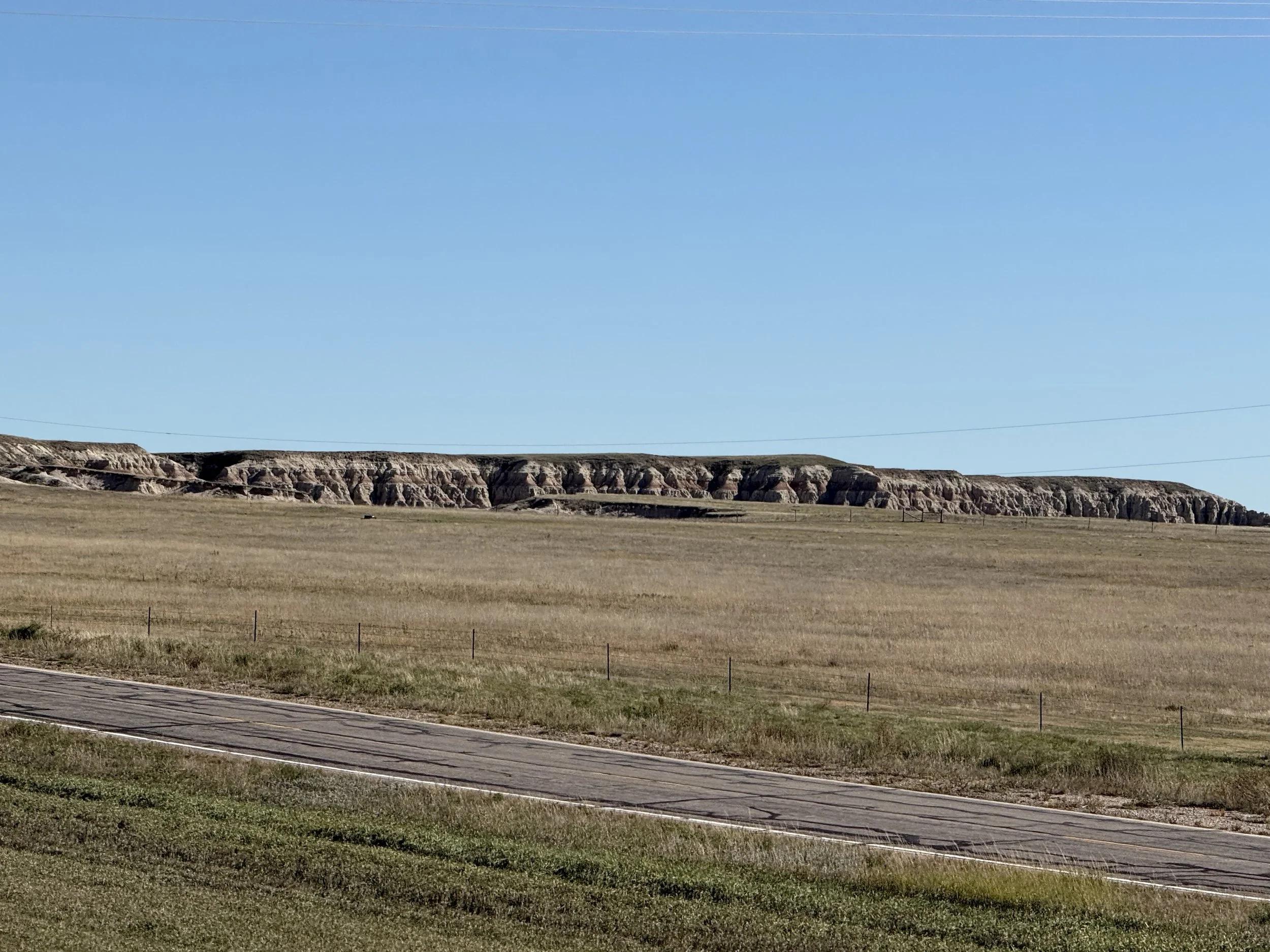
Coming out of the badlands (more White River stuff) east of Rapid City.
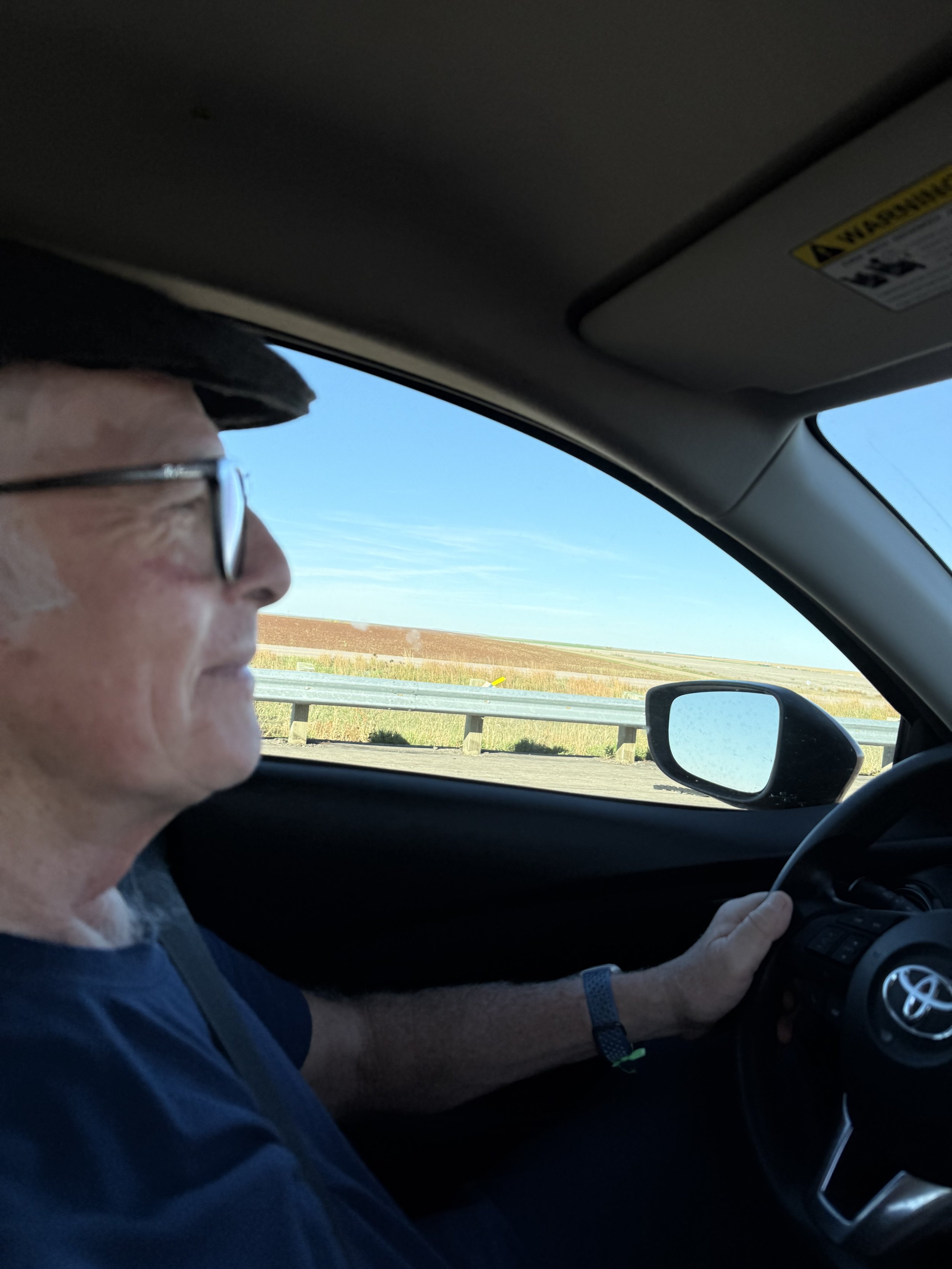
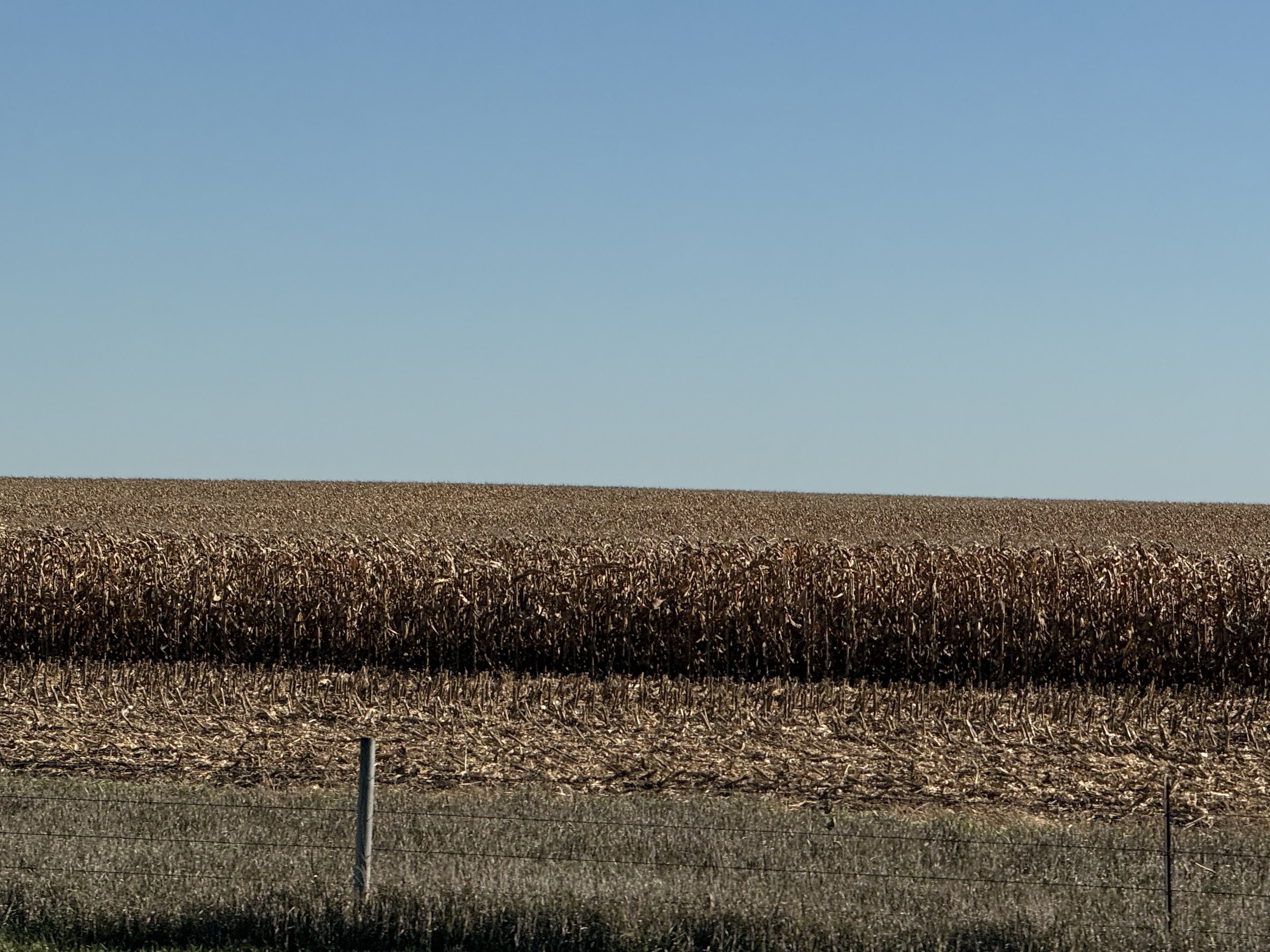
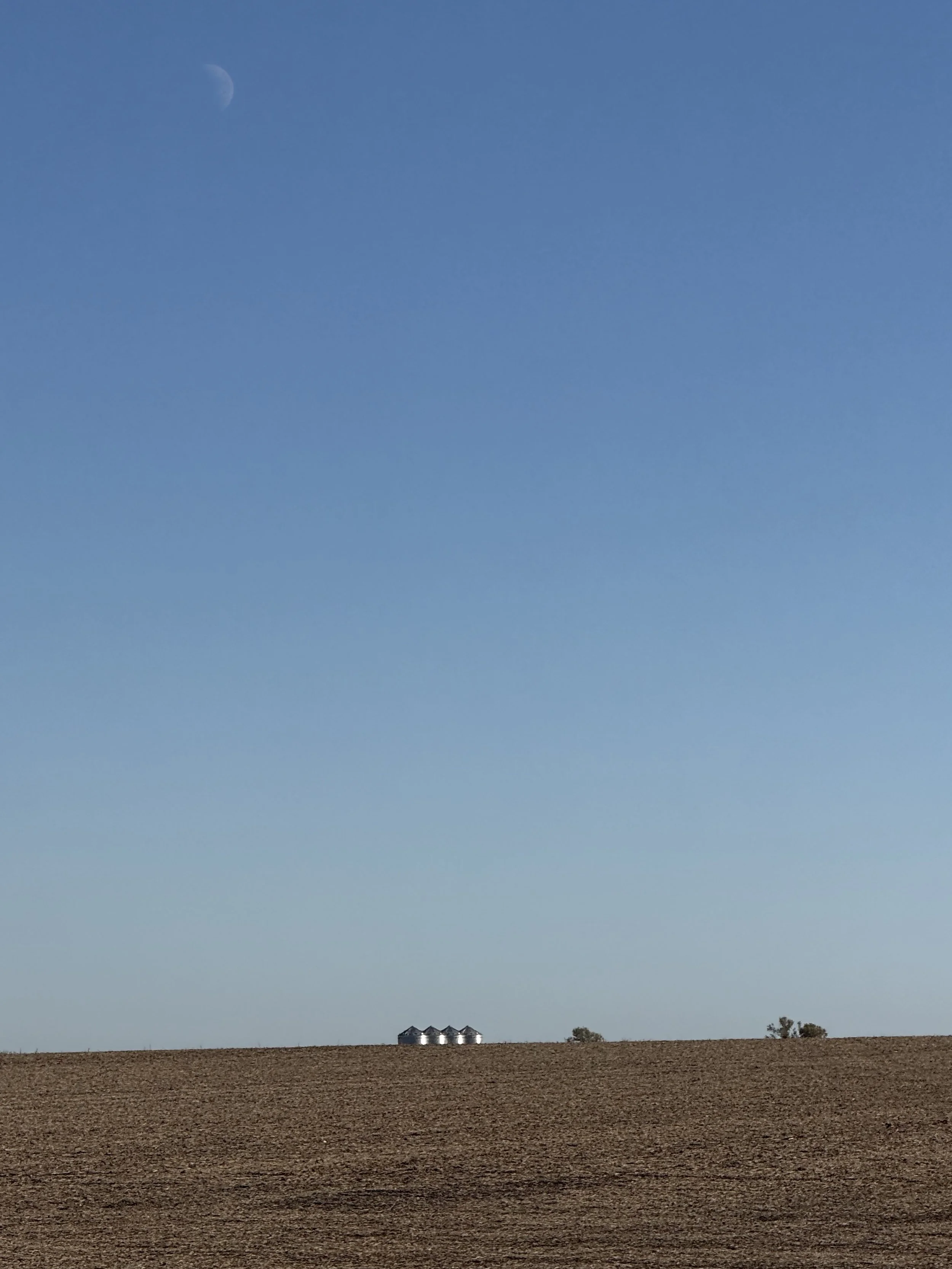
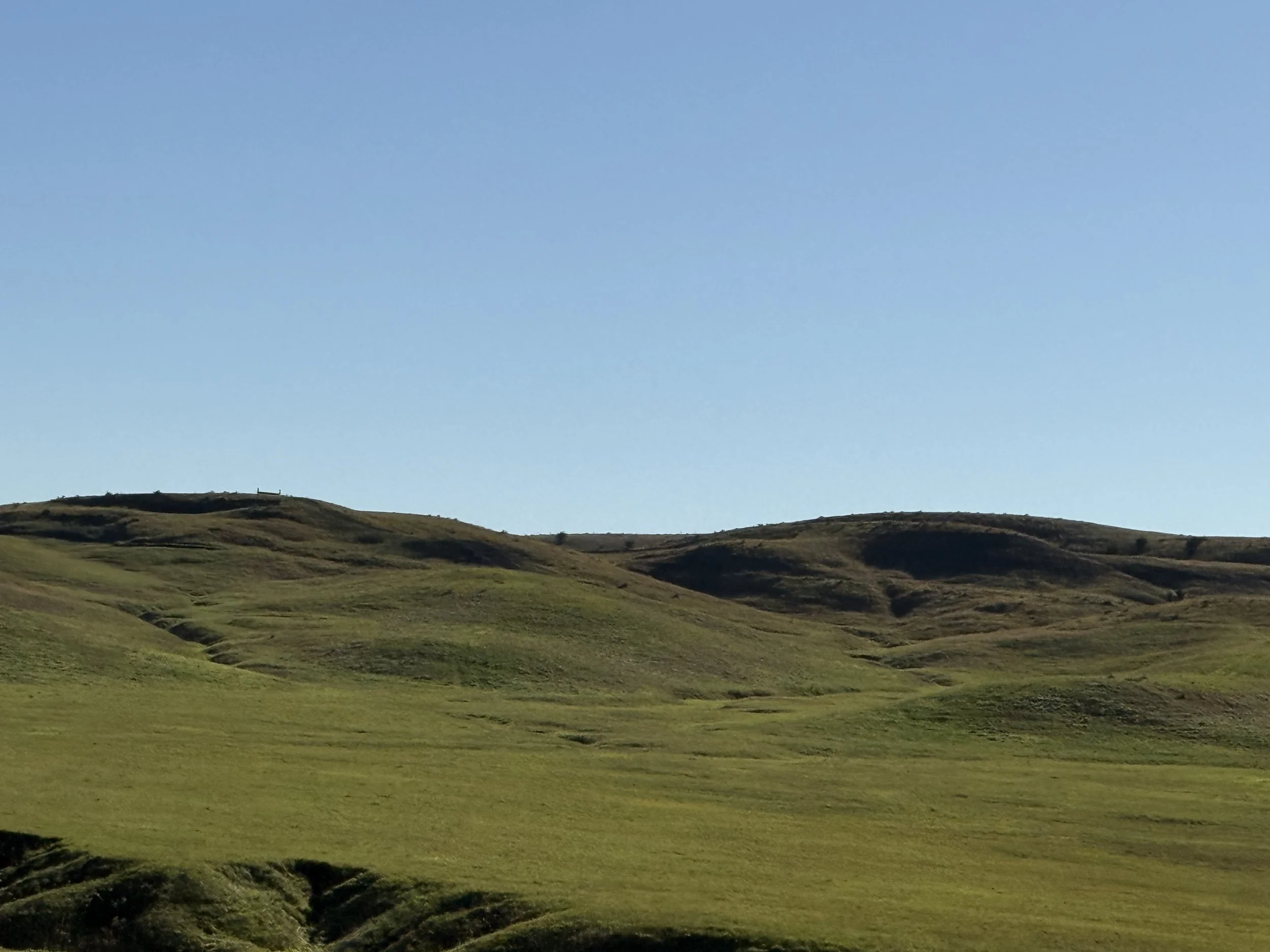
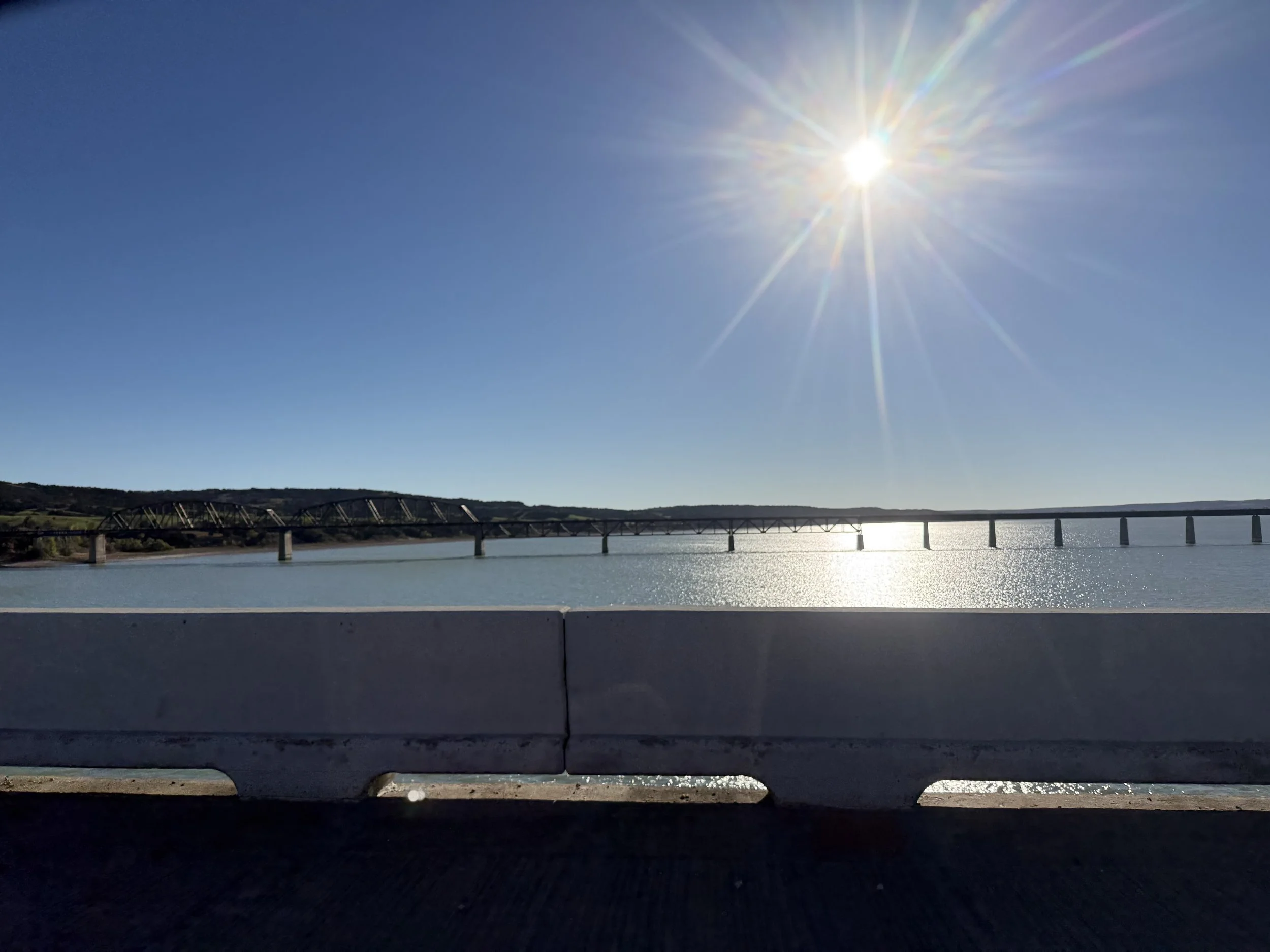
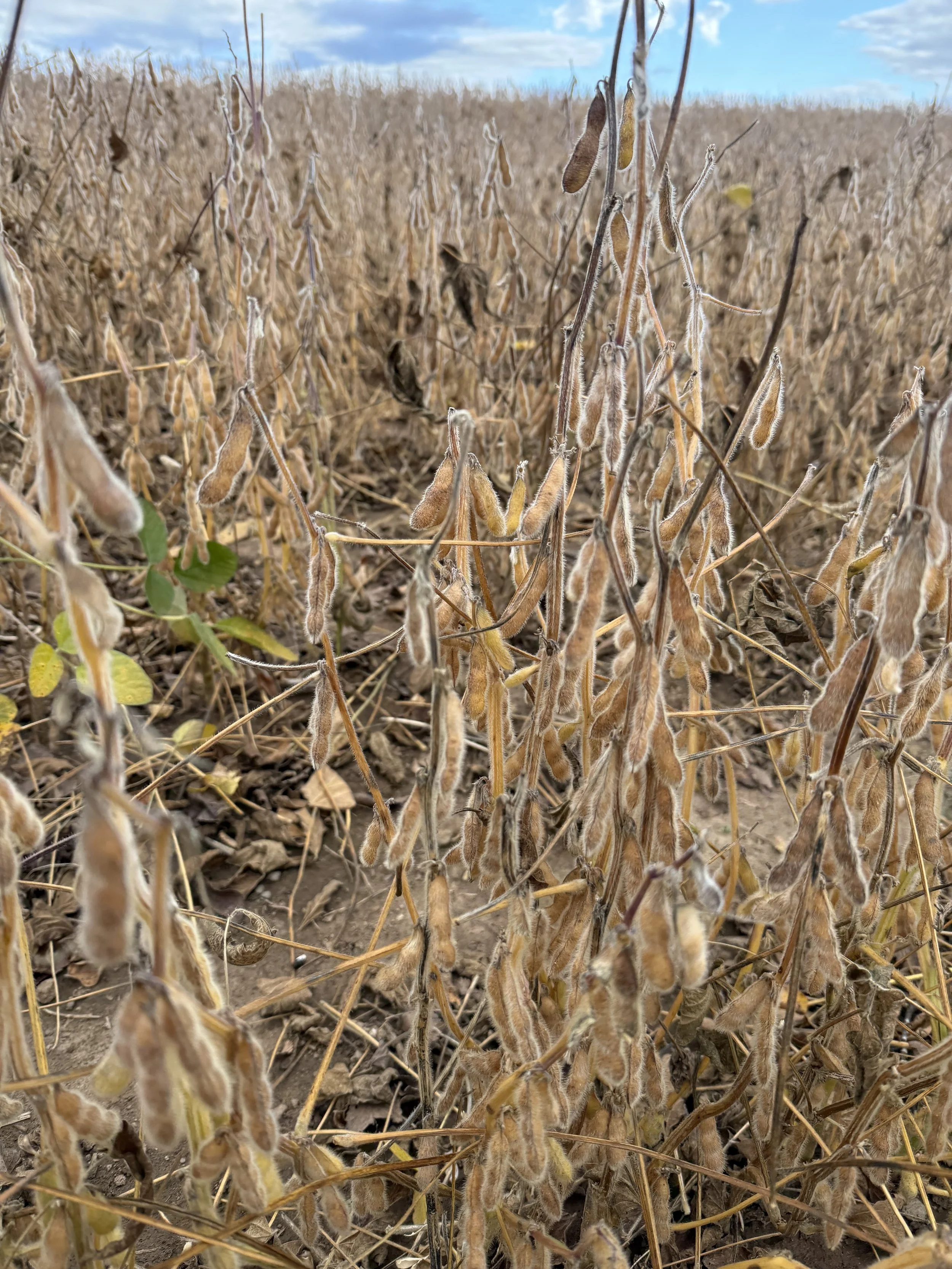
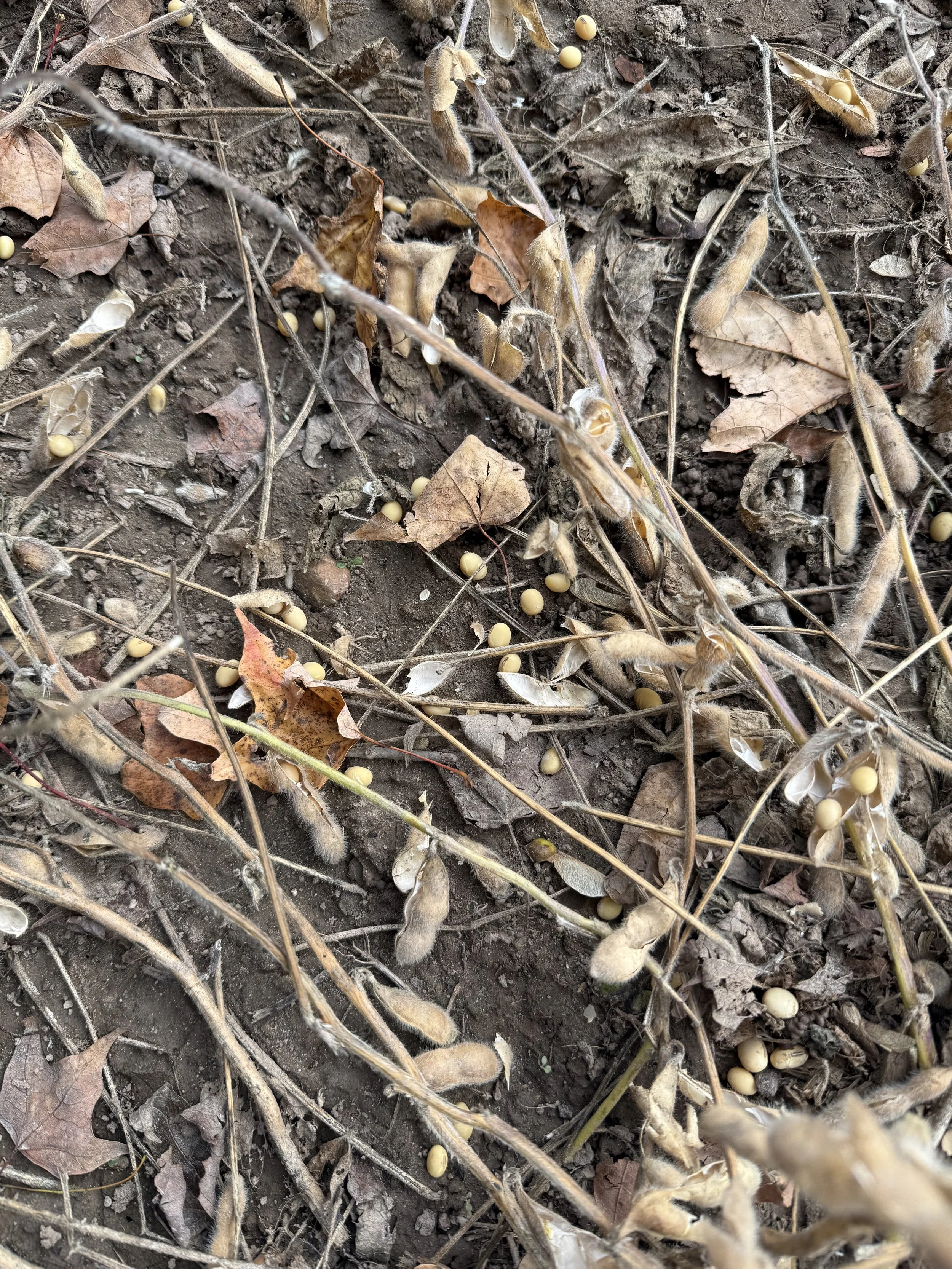
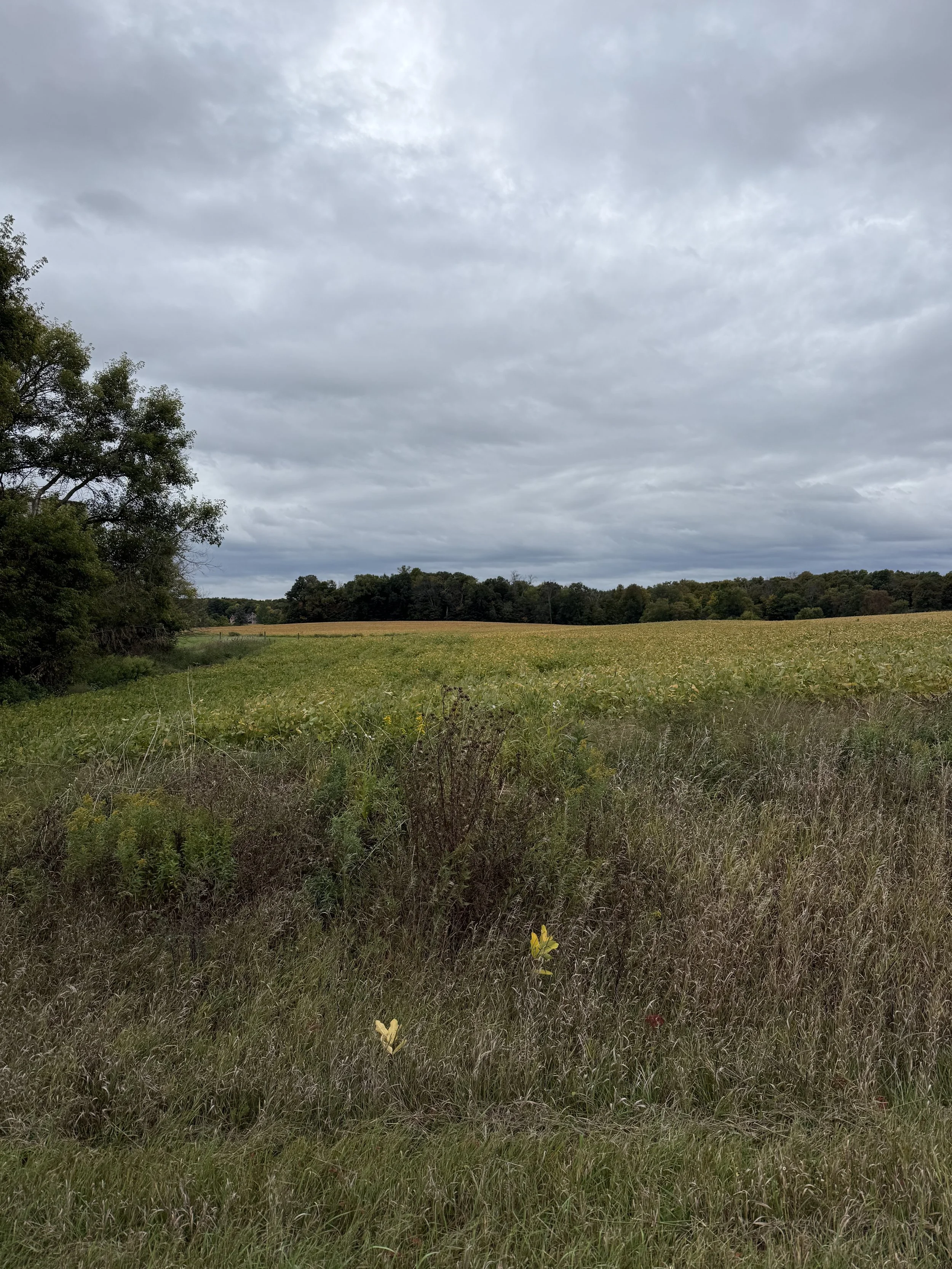
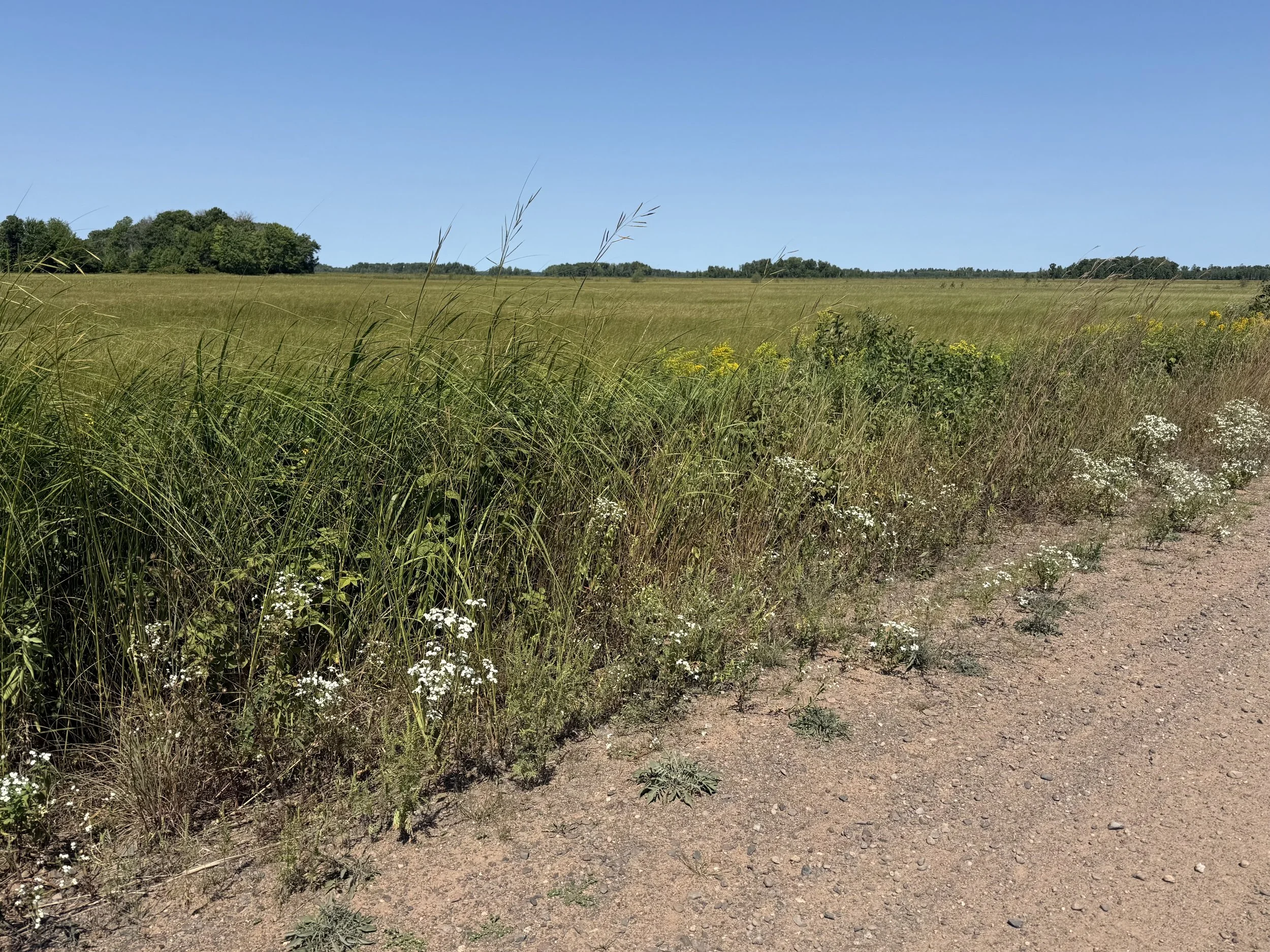
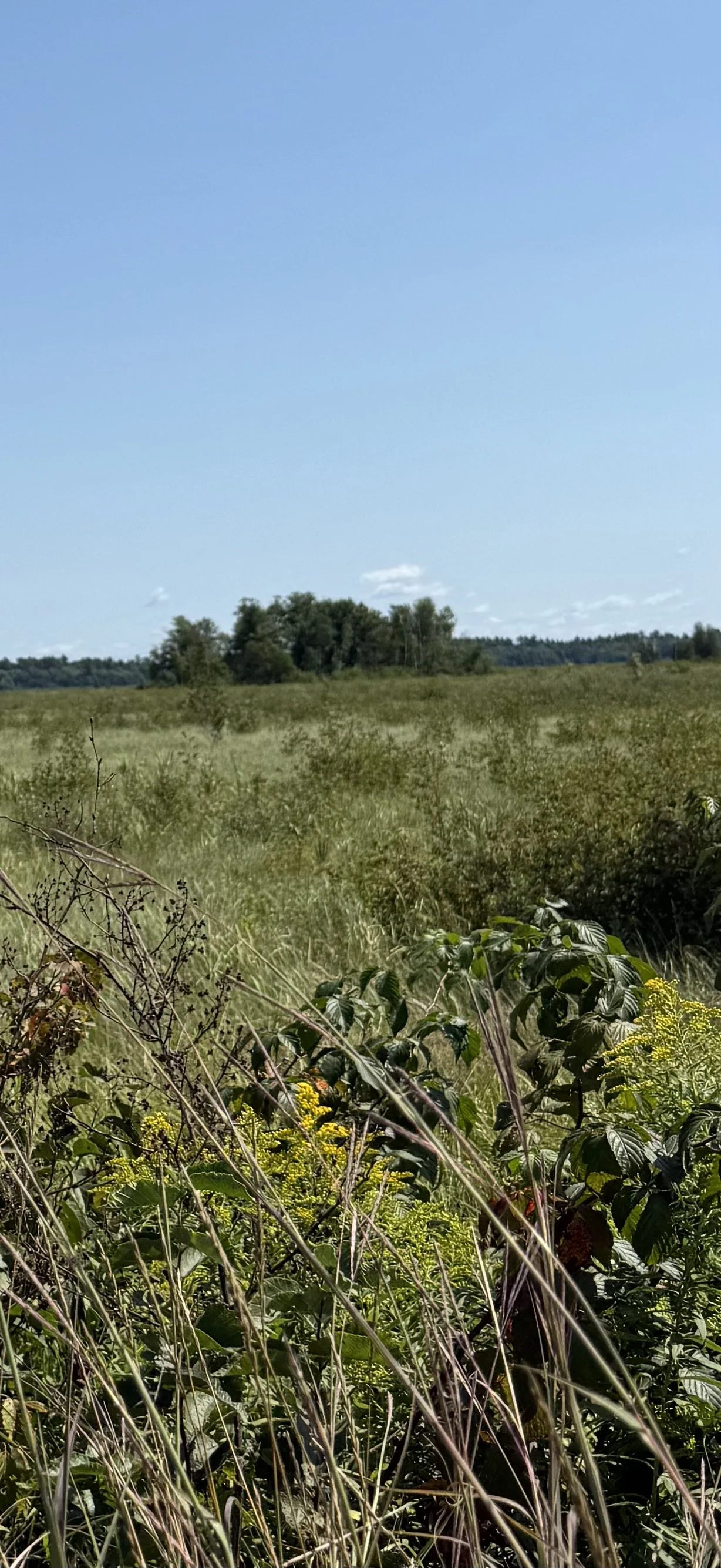
There’s sufficient water for “dry land” (non-irrigated) farming. Sorghum, corn, soybeans. Then grazing on the hill country headed into the Missouri River valley.
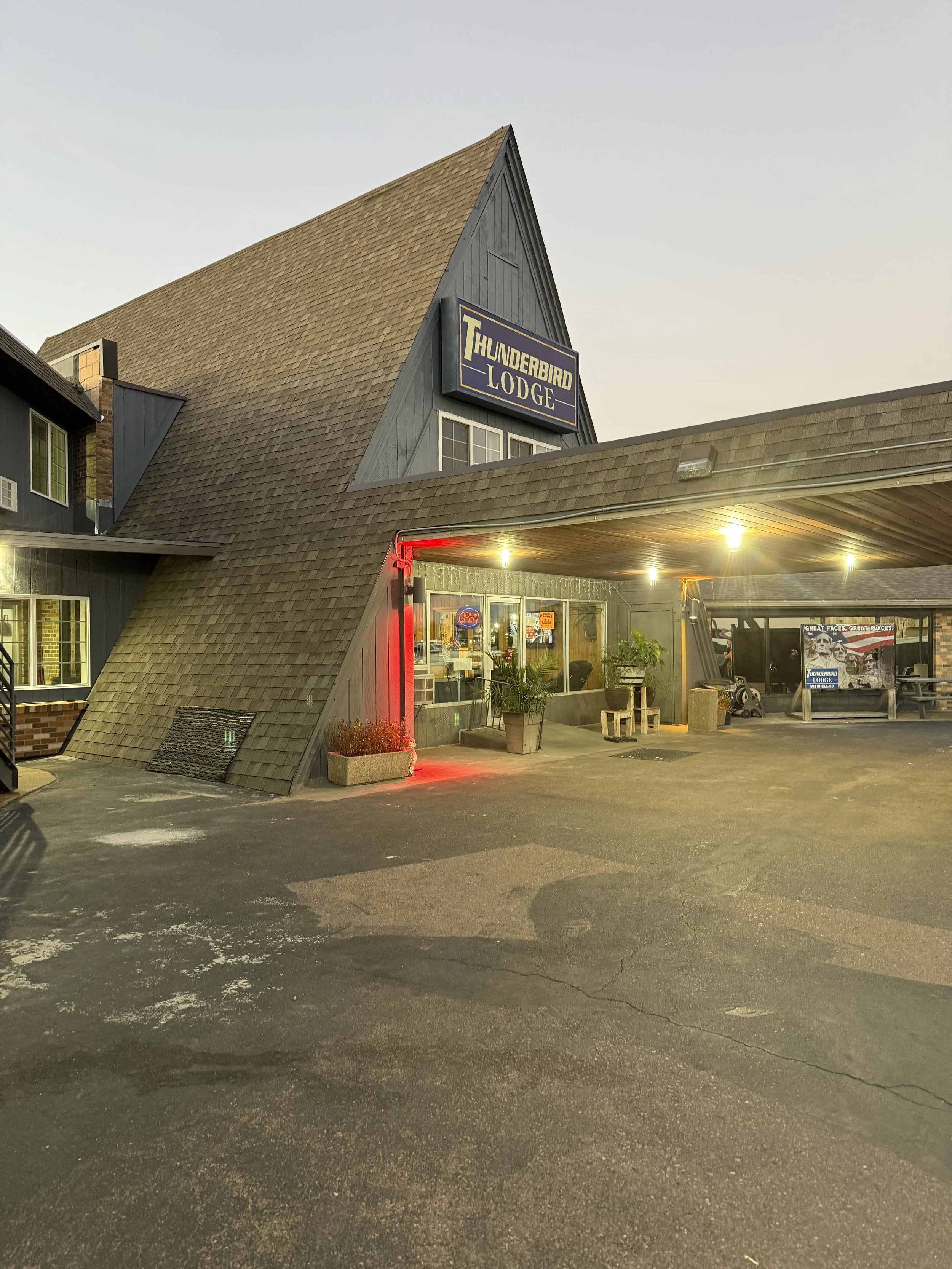
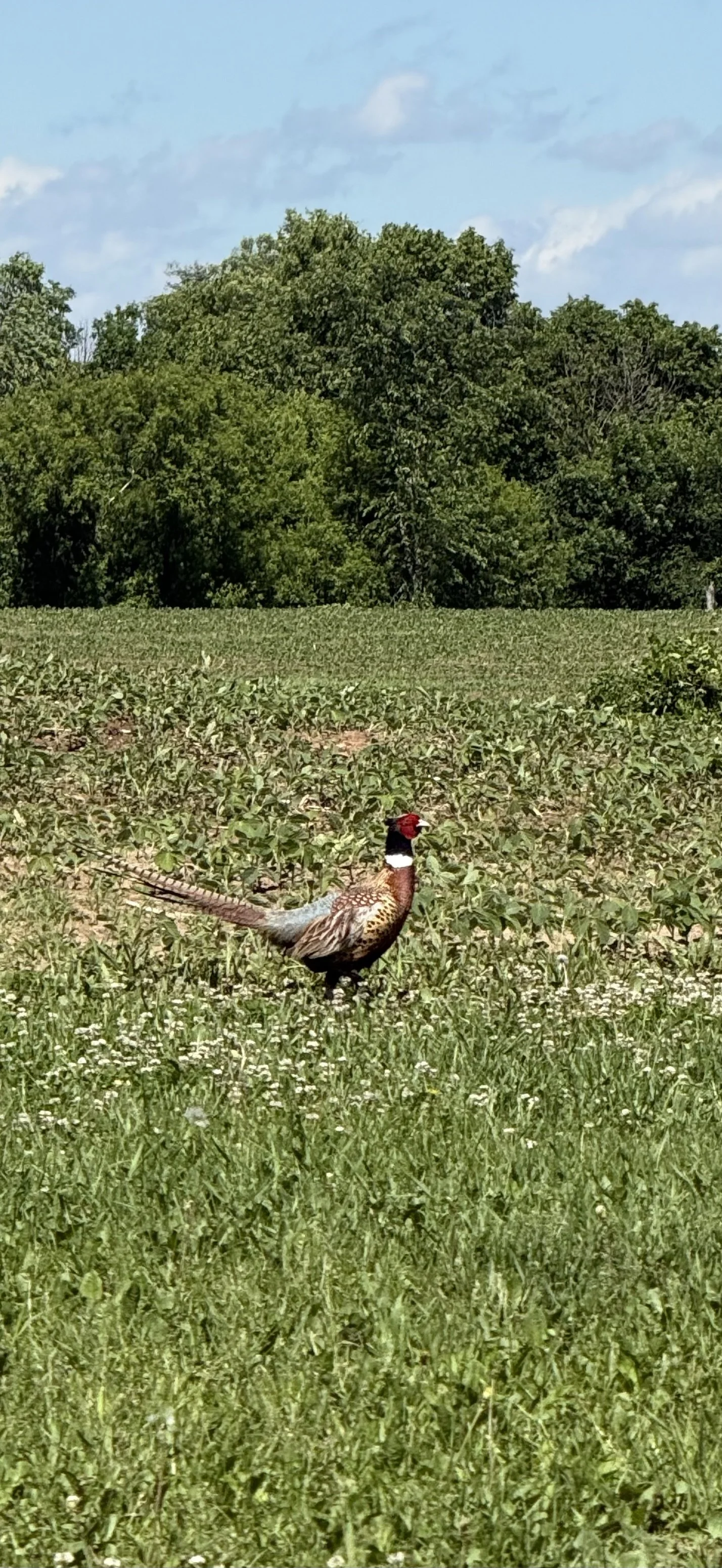
We, and a bunch of pheasant hunters, stayed in Mitchell, SD. We walked and found another great Chinese restaurant. Crispy vegetables! Spicy sauces! Just what we needed after a day on the road.
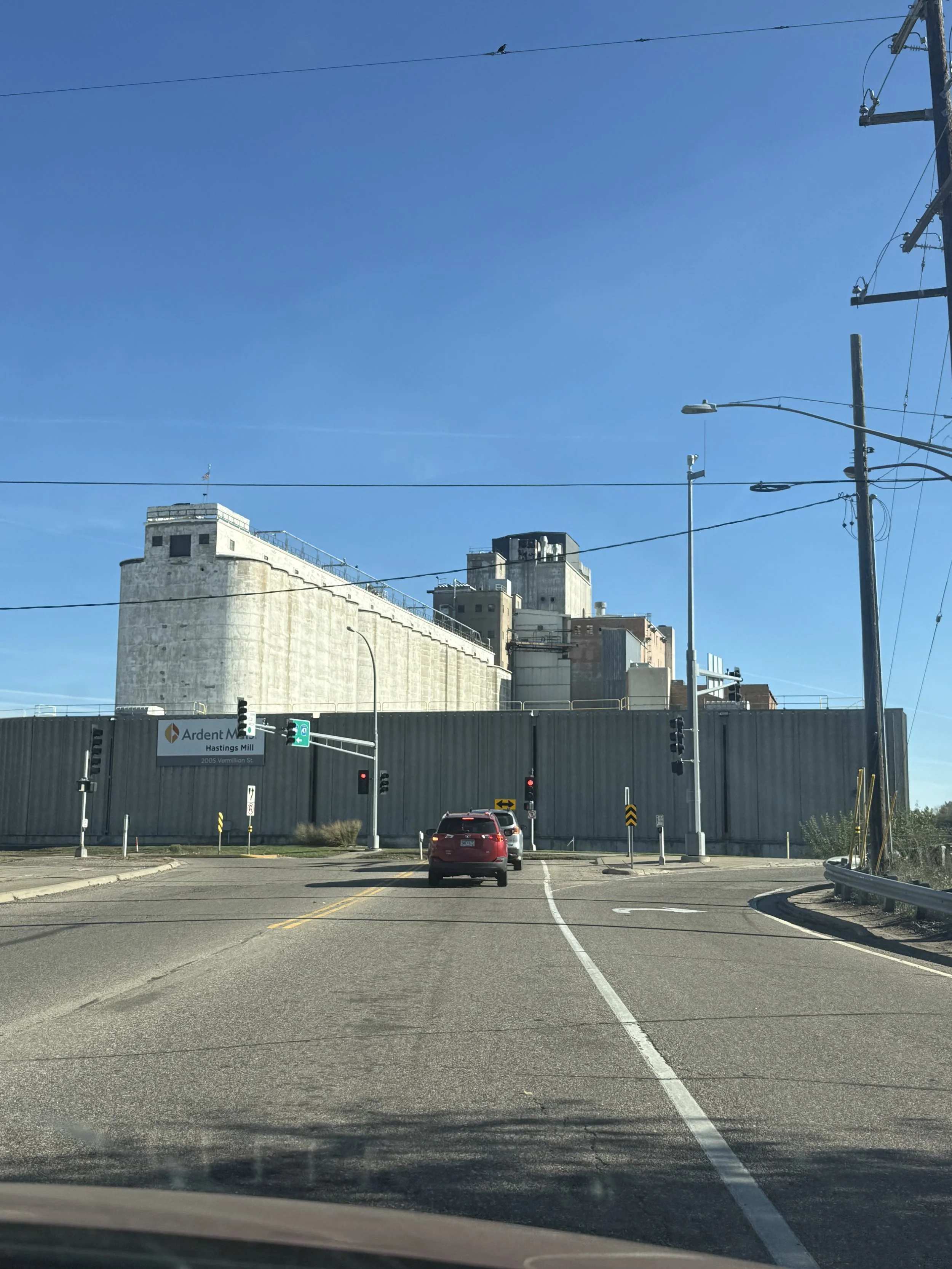
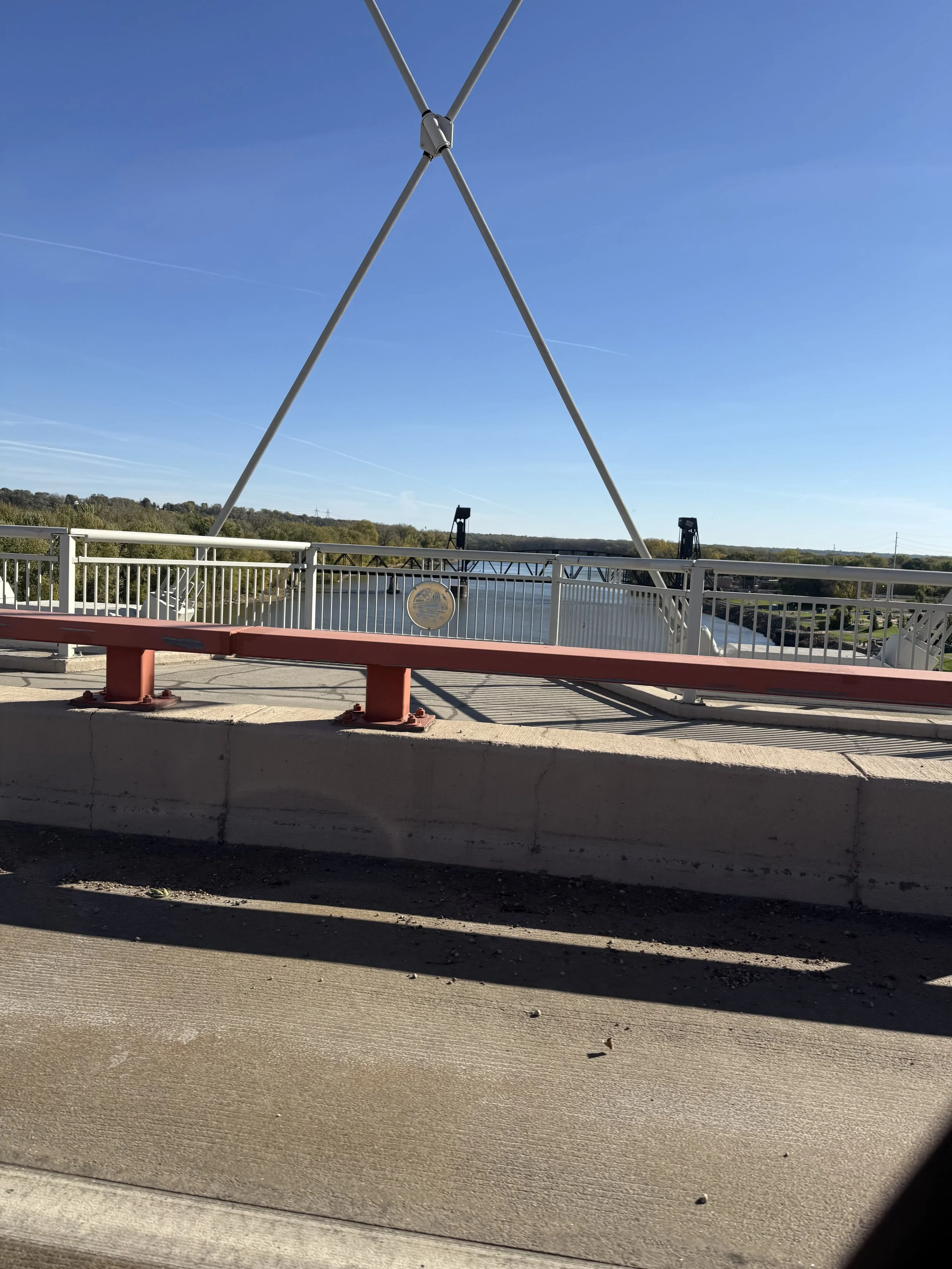
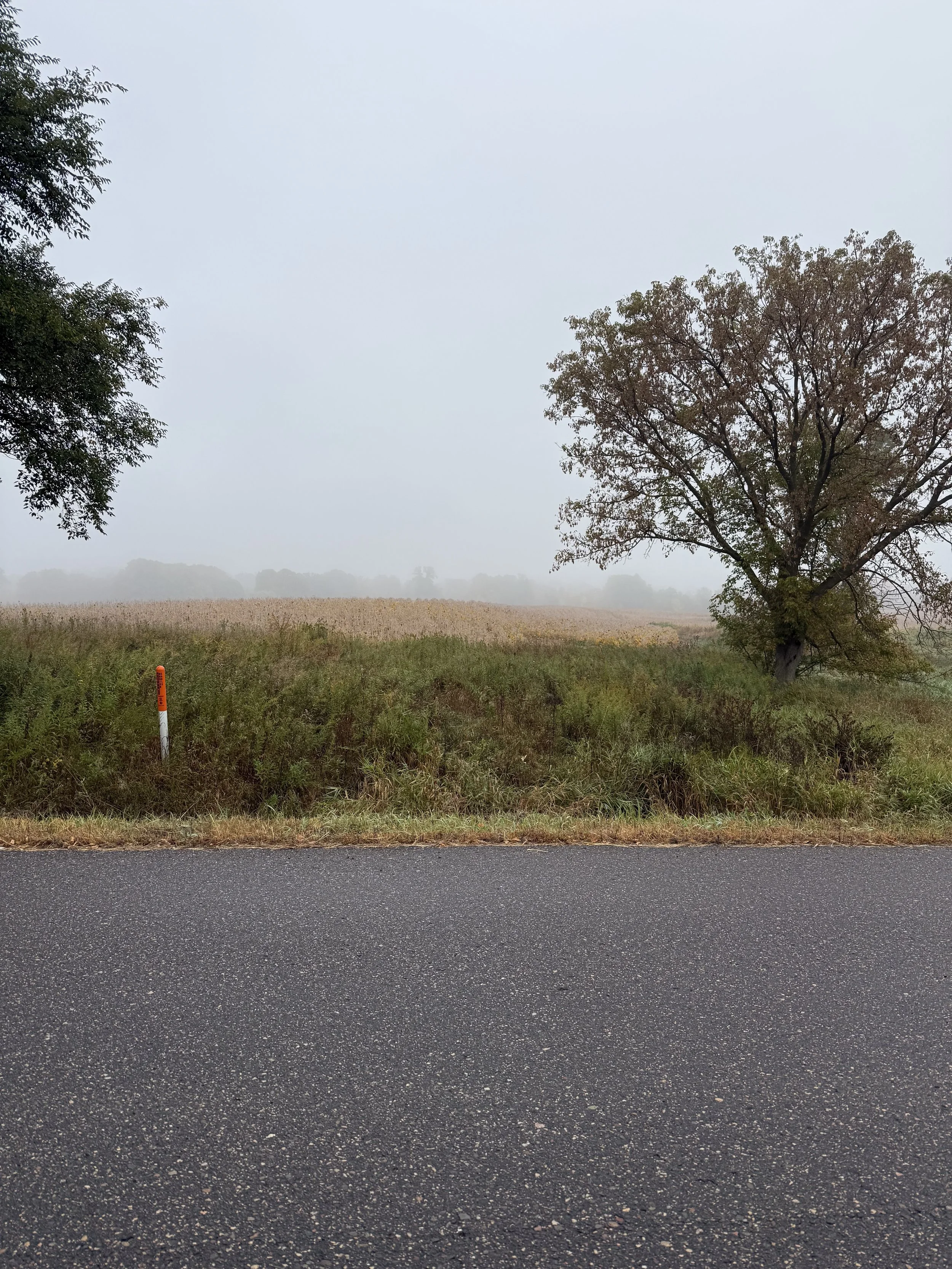
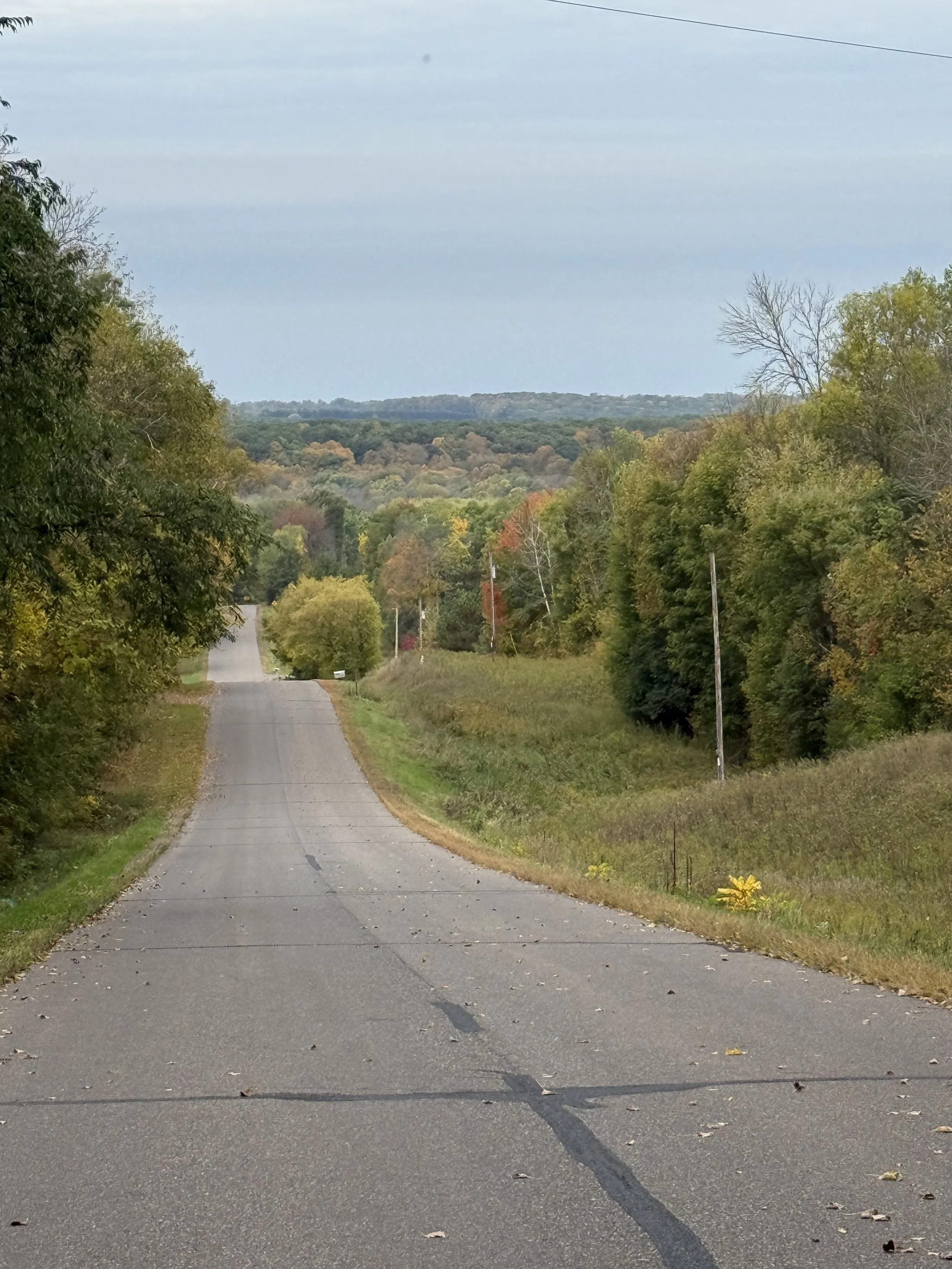
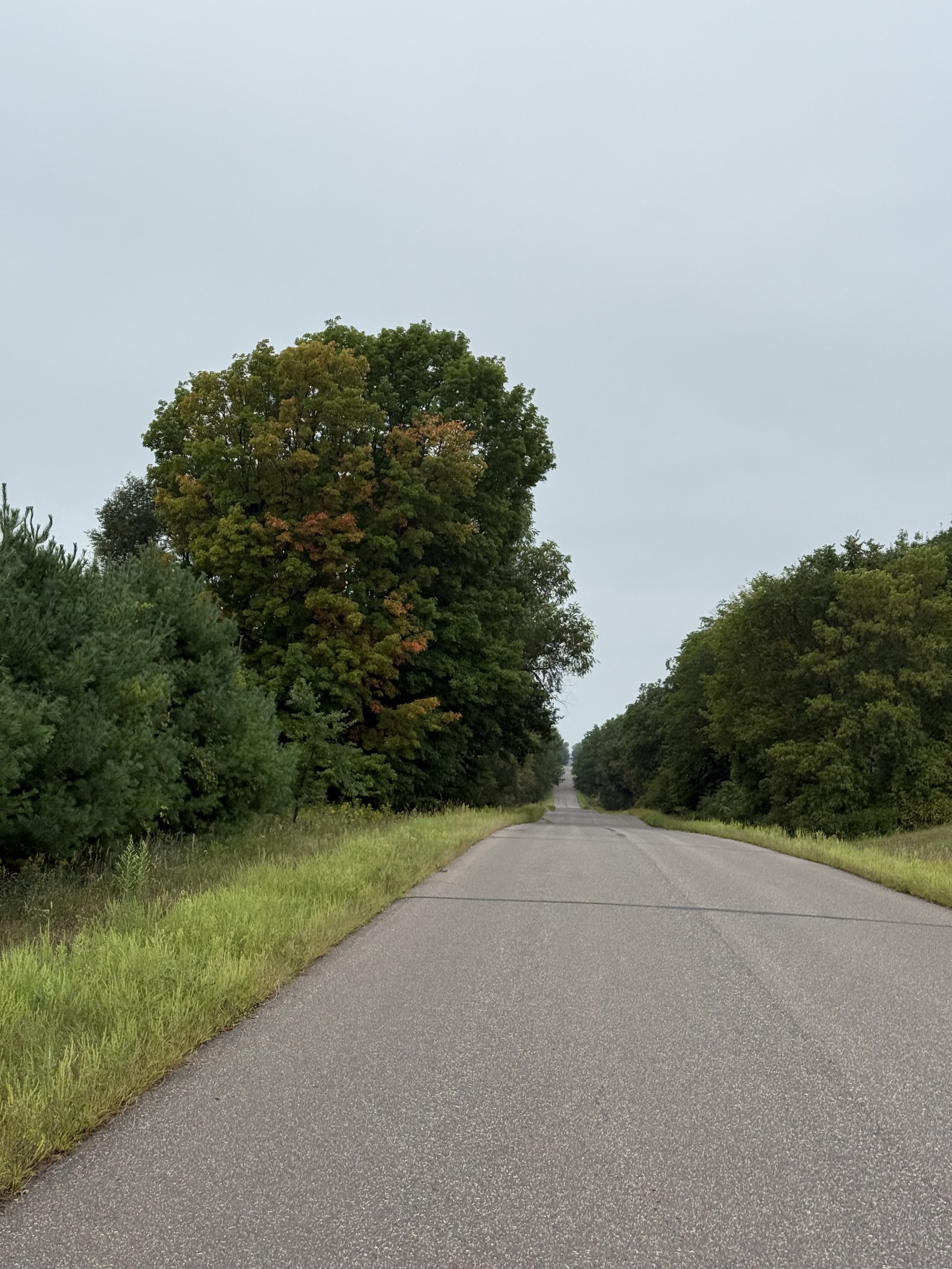
Back through Minnesota.
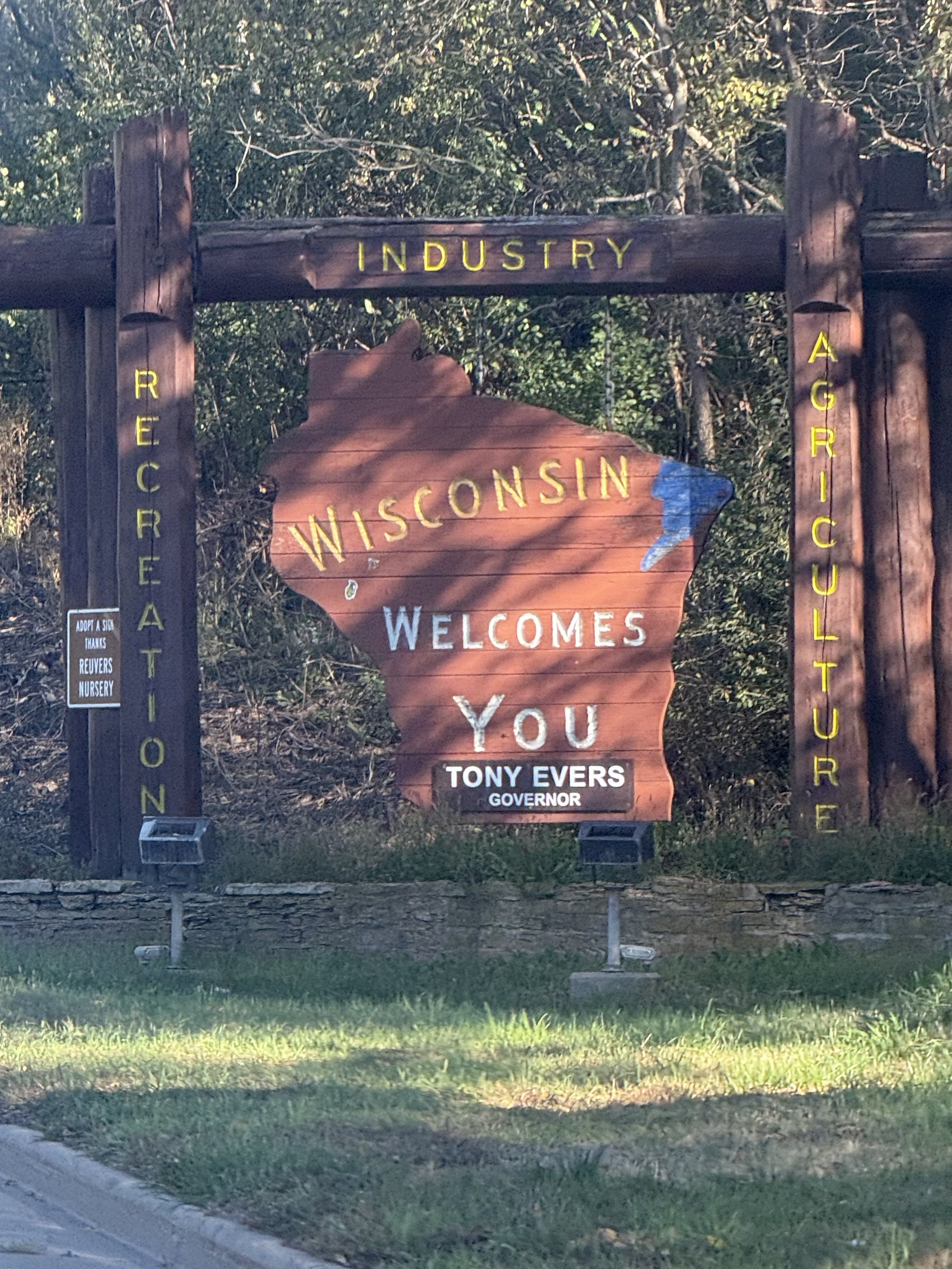
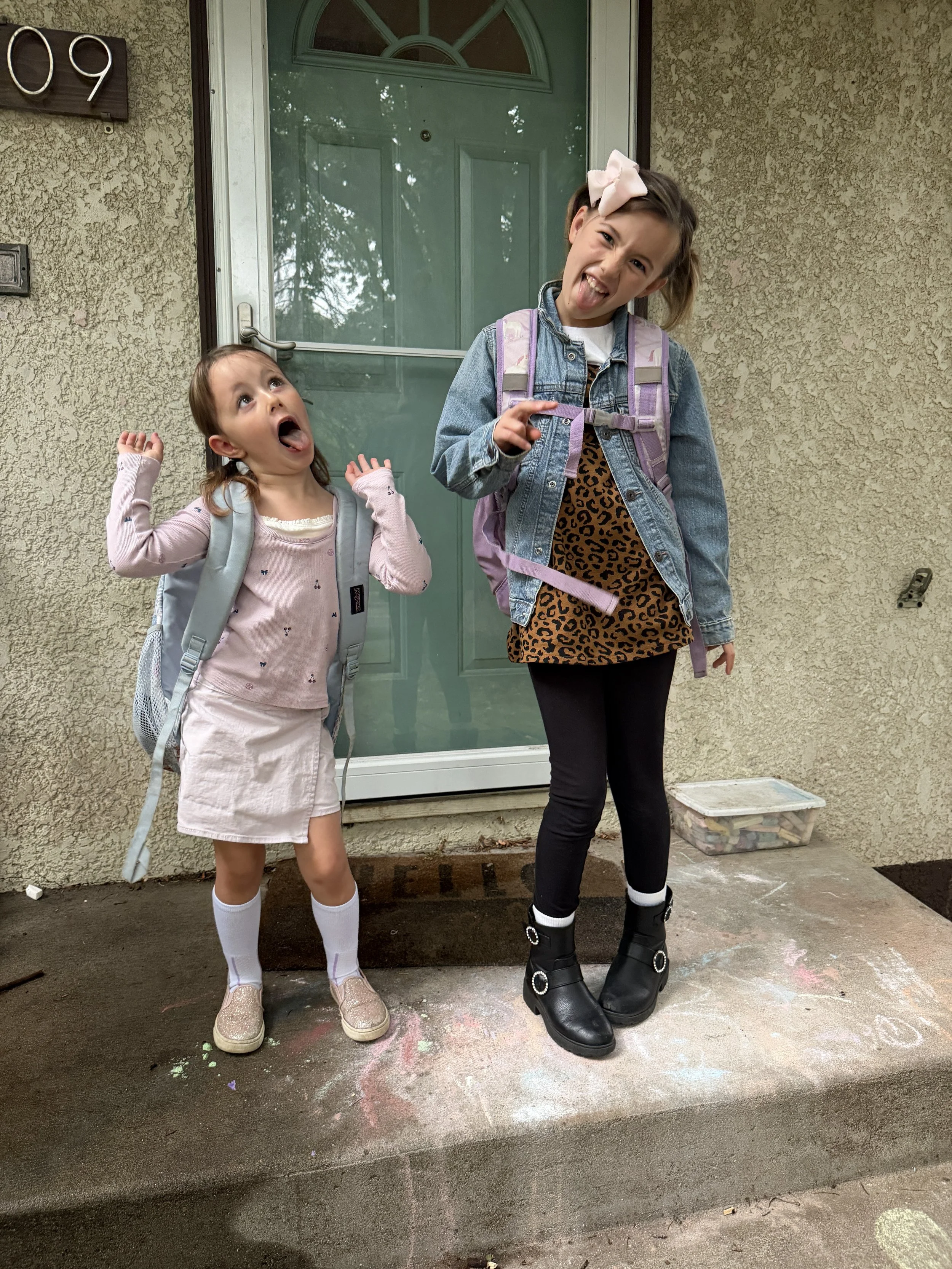
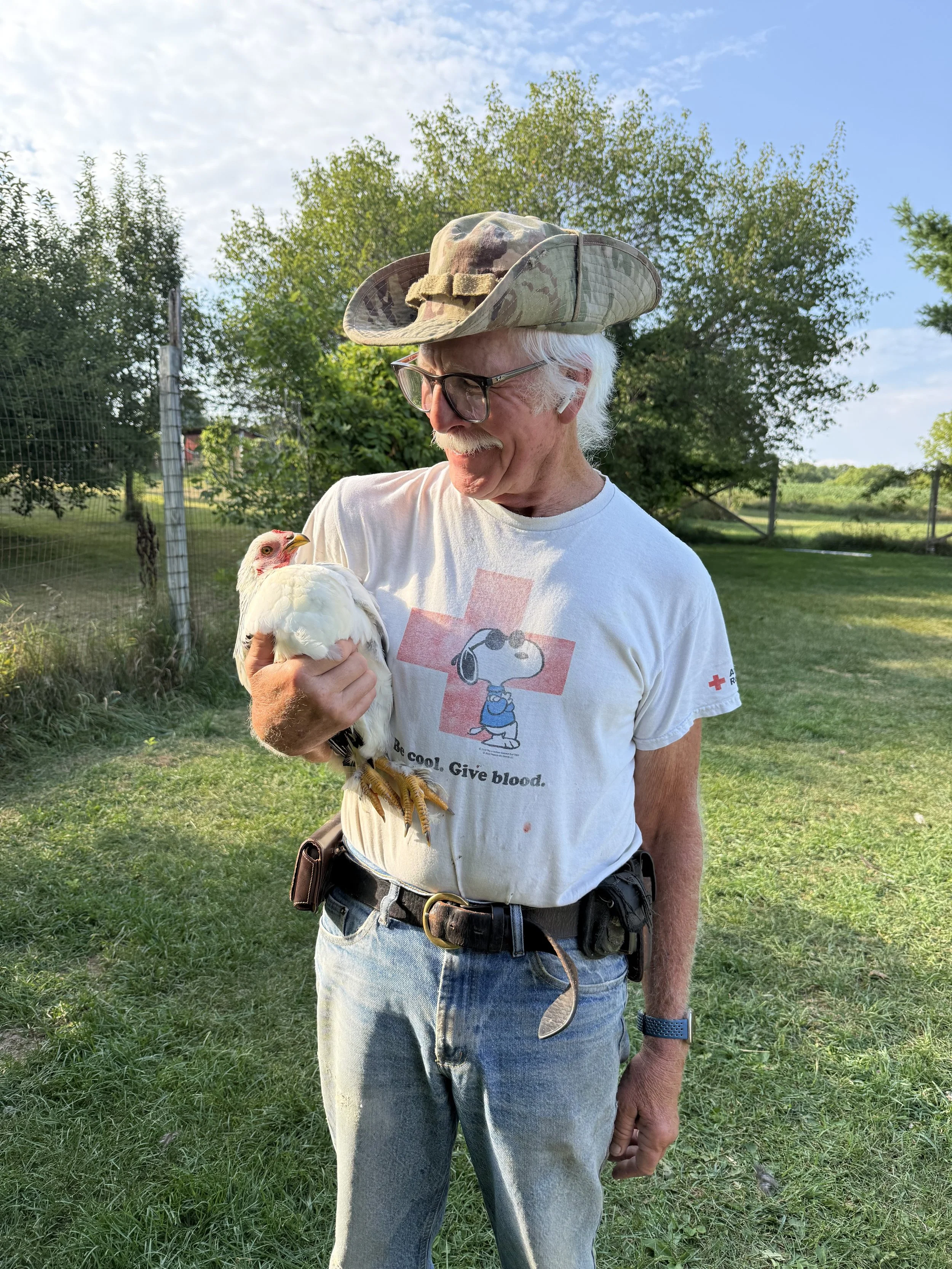
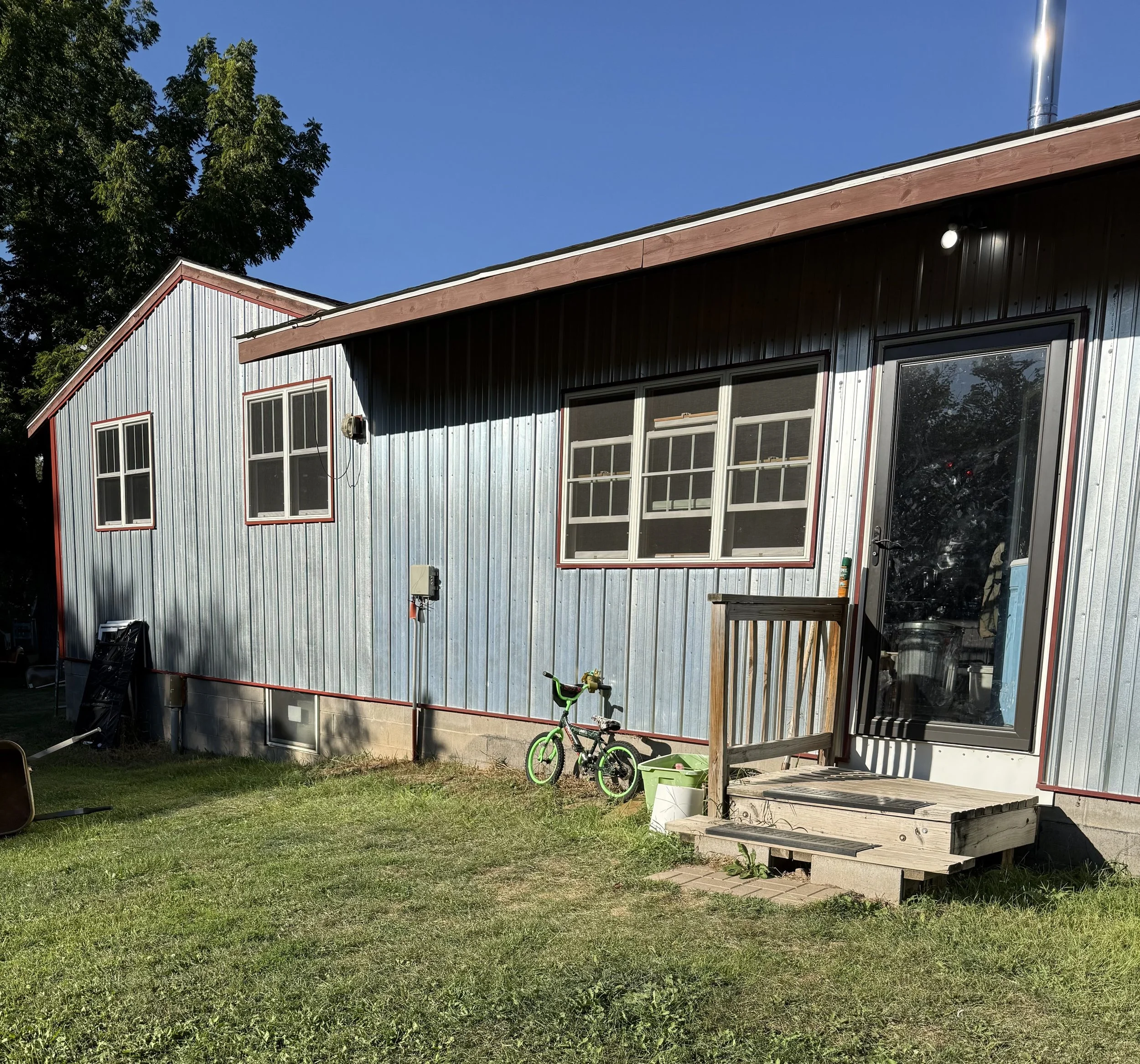
And home!
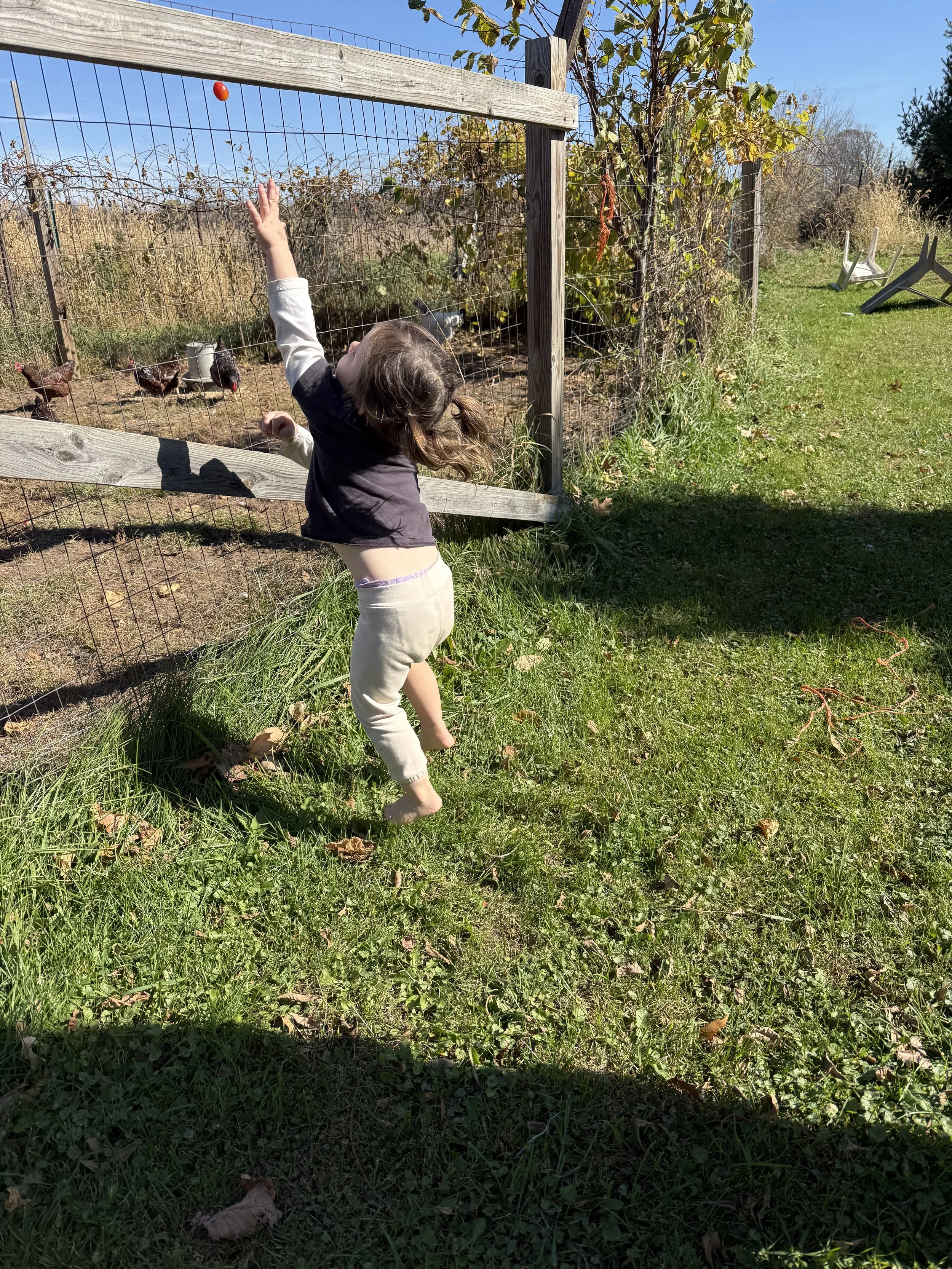
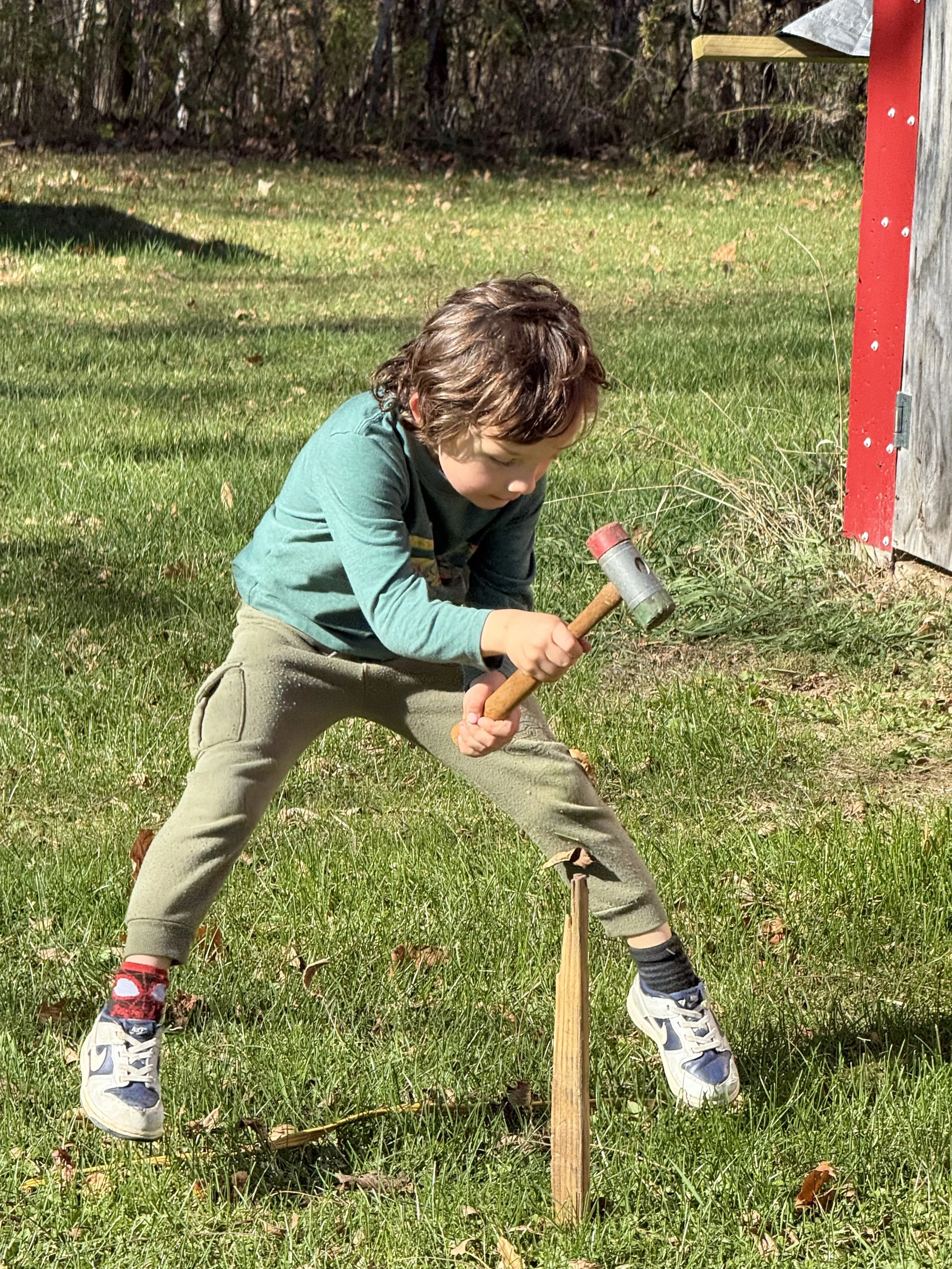
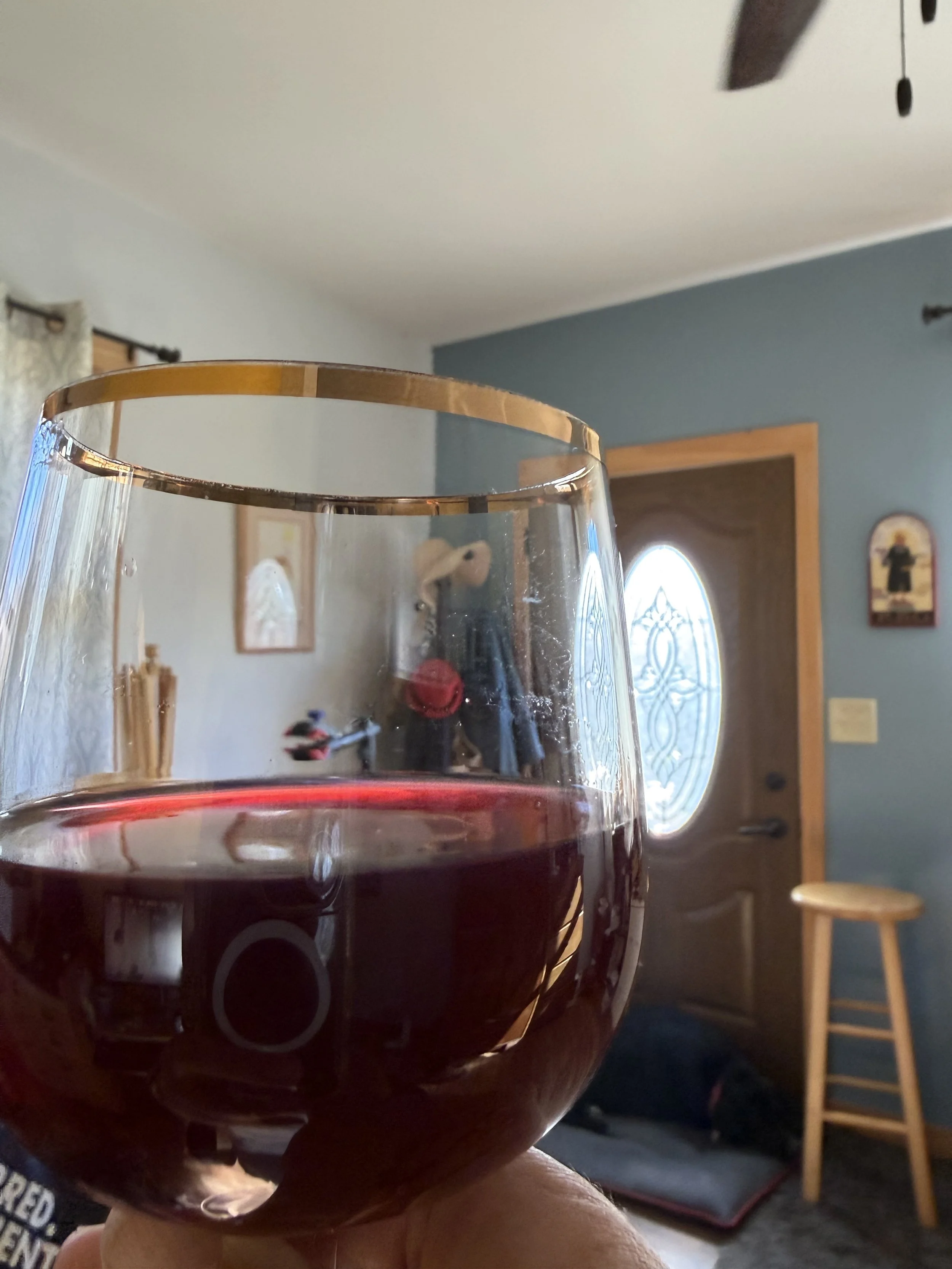
Good to go. Great to return!