Harvest journal: learning how to do in geese

We finished the siding on the addition on Monday; on to the next order of business!  We got eight goslings this spring. 3 succumbed to raccoons and 5 grew up. We have been too busy to build a new outbuilding for the geese, so all of them were destined for freezer camp. For all of our other birds, we have used a pillow case with a hole cut in one corner. A big chicken can rip a pillow case. We needed a better sack for the geese. So I made one.  
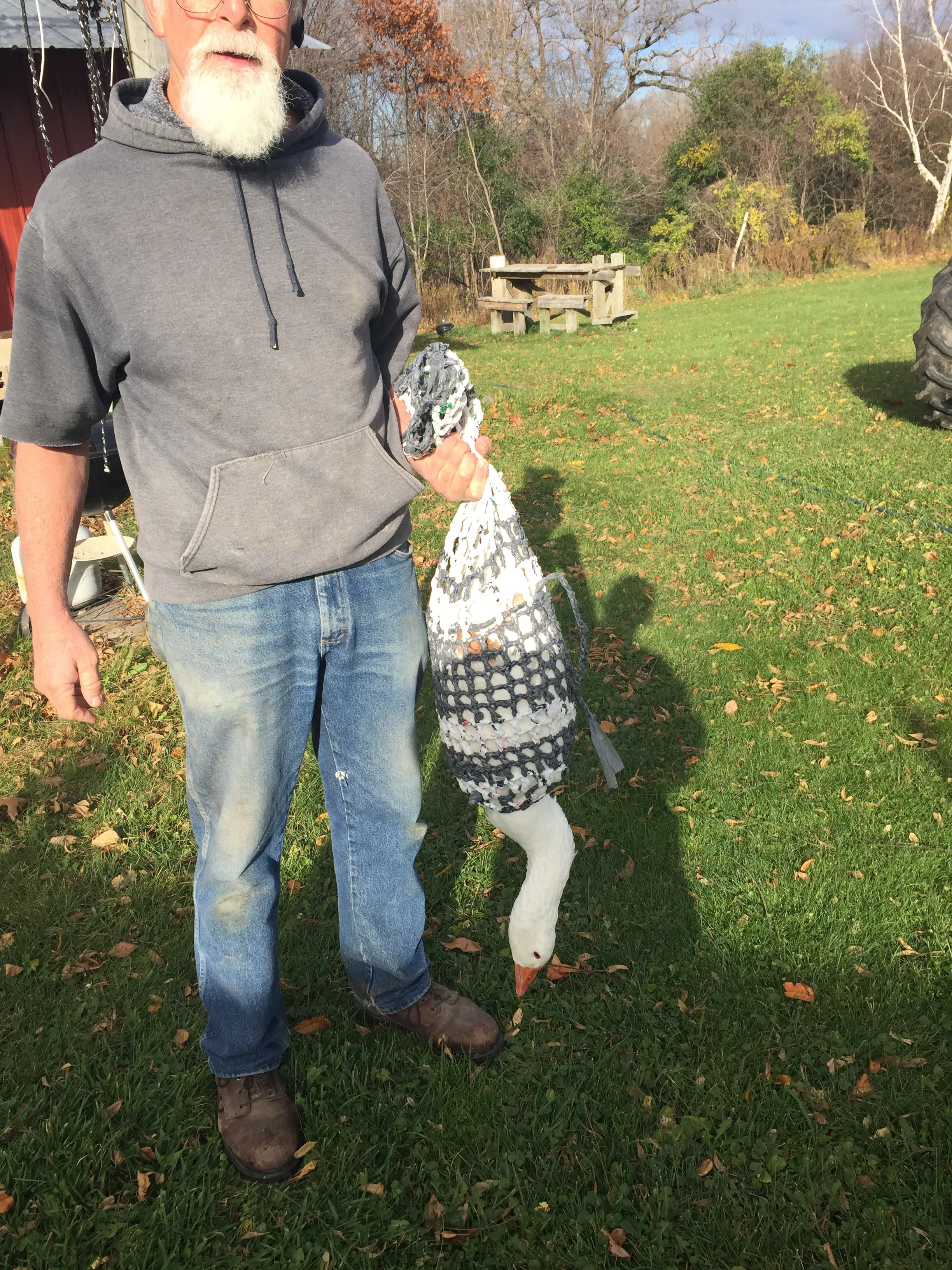
Tastefully tailored.  

Tastefully tailored.  

My mother put me on to making yarn out of plastic shopping bags. It is strong and washable. Fit the ticket. Michael bent a threaded rod to hold the heads. A U-bolt could do as well.  
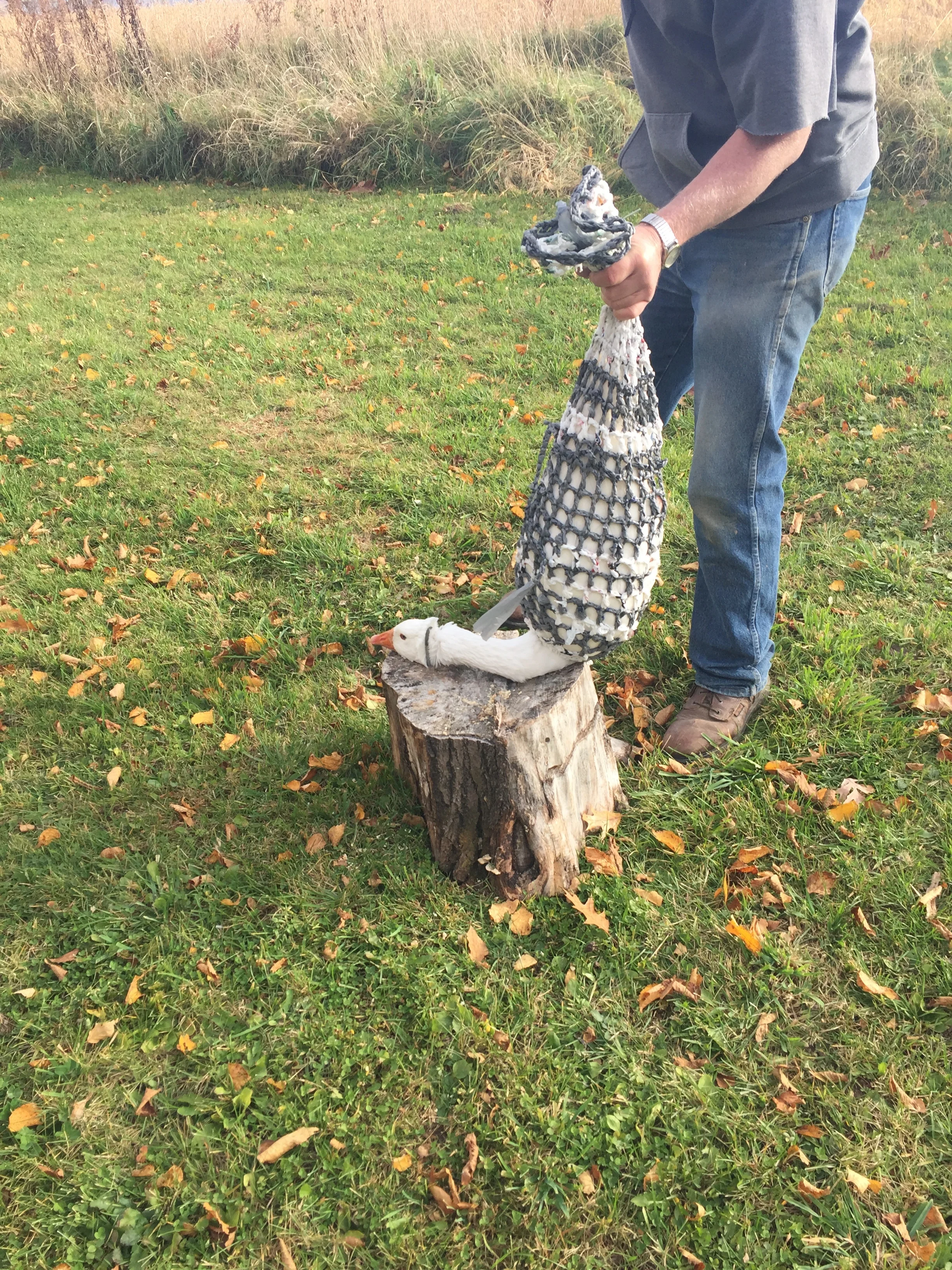
The bag keeps them snuggly, the bent rod is set into the stump to keep the head secure. One swift whack with a very sharp ax and the goose is gone.  

The bag keeps them snuggly, the bent rod is set into the stump to keep the head secure. One swift whack with a very sharp ax and the goose is gone.  

The next piece of equipment we needed was a scalding pot. Michael bought me a 15 gallon pot for my birthday.  
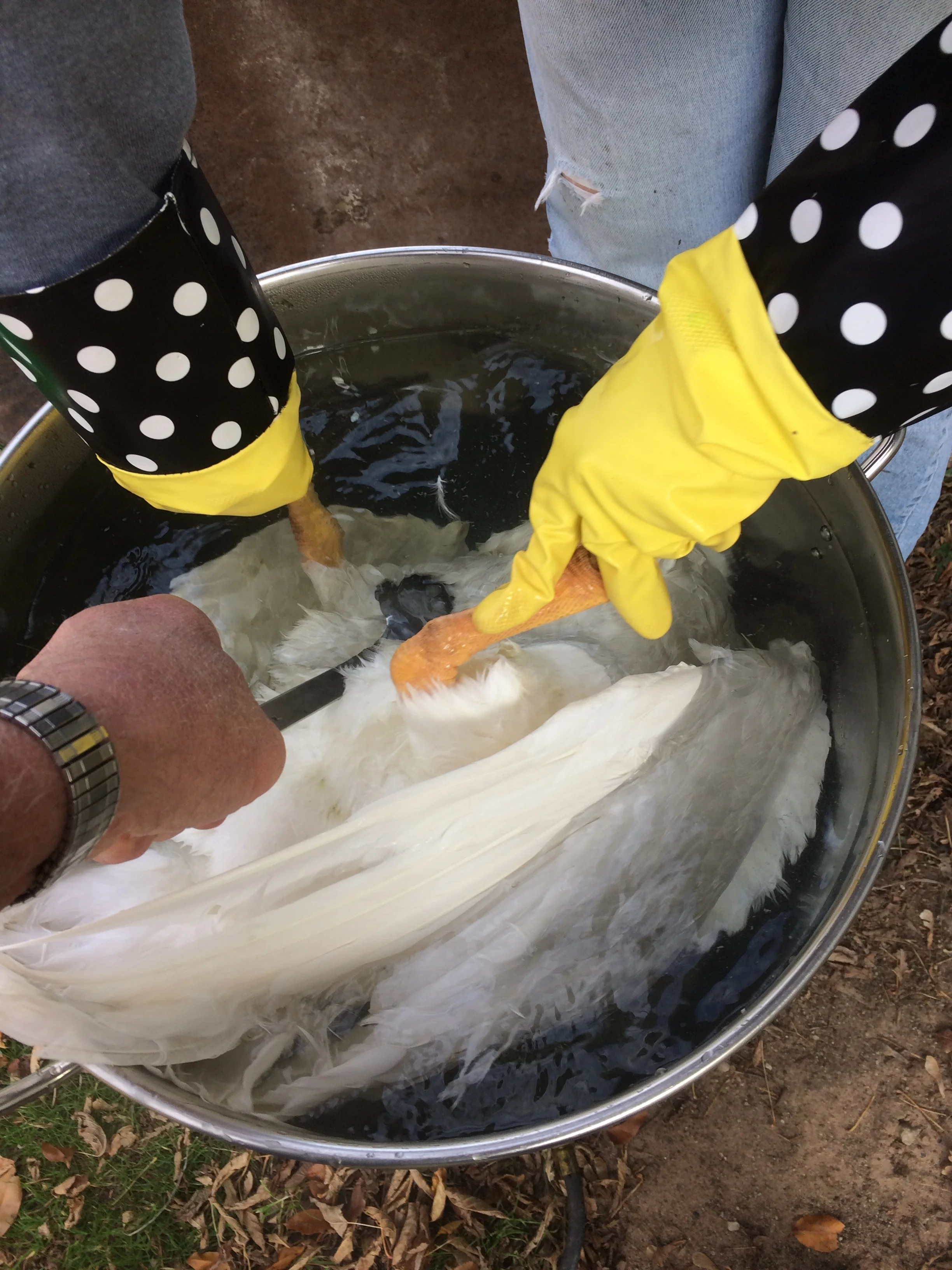
Another perfect fit! 

Another perfect fit! 

Geese. Down. We couldn’t just throw it away.  
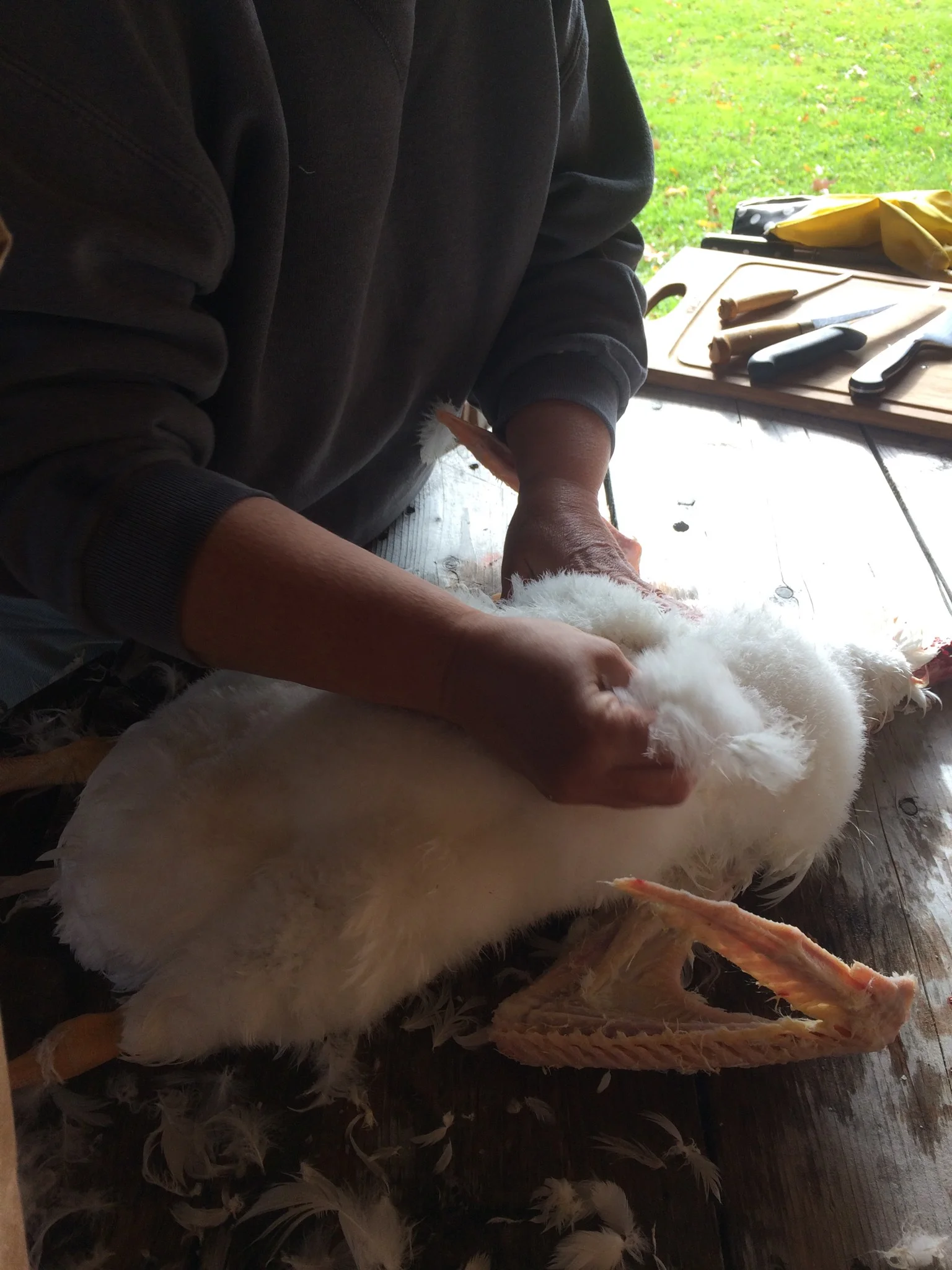
They are soooooo fluffy!!!!! 

They are soooooo fluffy!!!!! 

Lucy, who was 24 weeks old, weighed in at 10 pounds.  
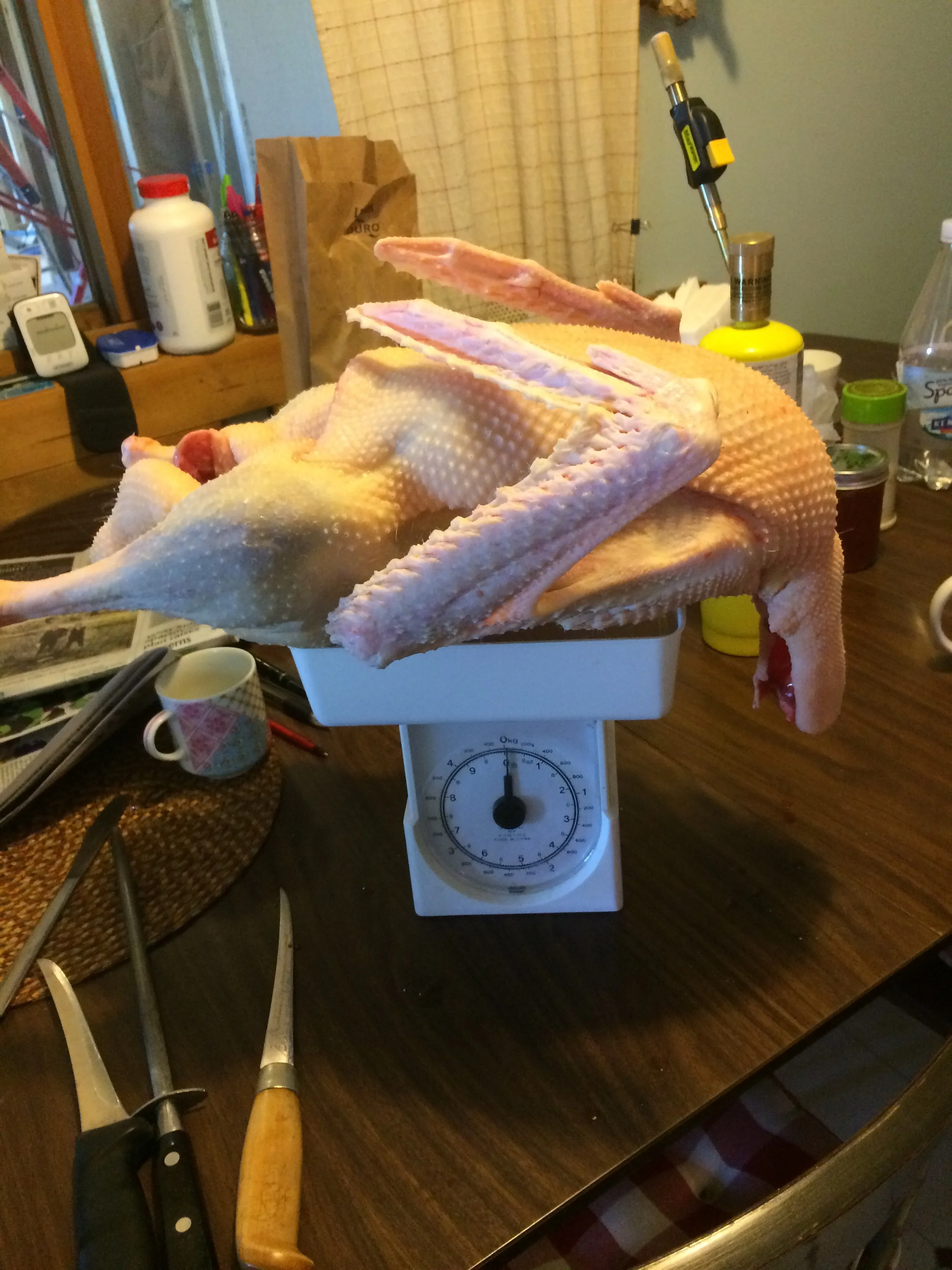
The rest of the geese were 17 weeks old and weighed in around 8 pounds.  

The rest of the geese were 17 weeks old and weighed in around 8 pounds.  

All are now safely stored for the winter. We have 3 drakes who need to join the geese, and then we can finally get to the garden. I need to plant garlic before the snow flies.  
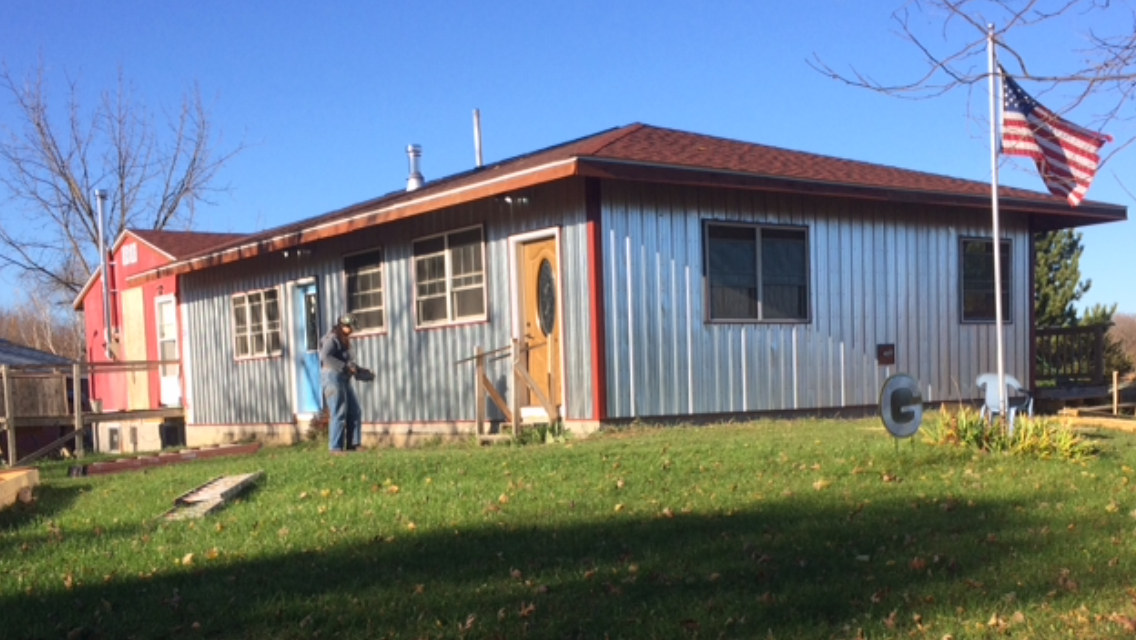
Cleaning up after the last of the siding went on.  

Cleaning up after the last of the siding went on.  

And because I can’t help myself, an image of my mother meeting my granddaughter.  The things are good, but the people are the best.  
And because I can’t help myself, an image of my mother meeting my granddaughter.  The things are good, but the people are the best.  
Construction journal: finishing the outside of the addition

October. First hard frost a week ago. This week promises to be sunny and warm...which means we are working away trying to button up the house before true cold sets in. This entails putting siding on the house...finally!

Measure 4 or 5 times, cut once

Measure 4 or 5 times, cut once

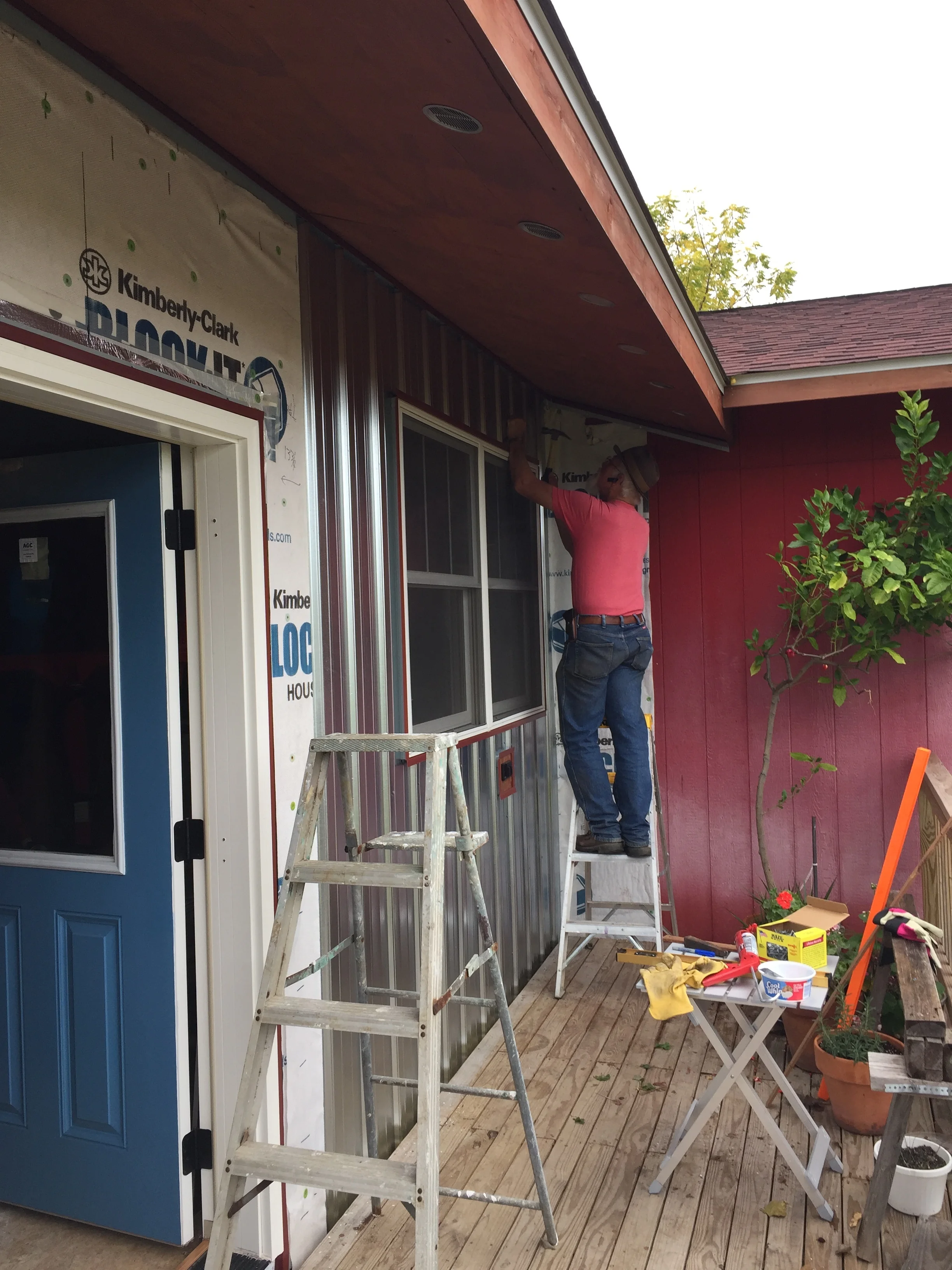
Michael and I decided to put metal siding on the house as it is inexpensive and lasts well. The windows had to go in before we could put siding on, which left us not enough time to hang siding last year. Before the actual metal goes up, the trim goes on. We are also hanging more house block material because the bottom half has suffered from exposure to the sun. 

Ooooh. Shiny. 

Ooooh. Shiny. 

We decided on galvanized because we knew we would scratch any painted surface due to the inevitable learning curve. Yes, we have put painted metal on our out buildings, but there aren’t as many windows and doors on the out buildings. Good call on our part. We had one really narrow space between a window and door that had us grumbling out loud.  

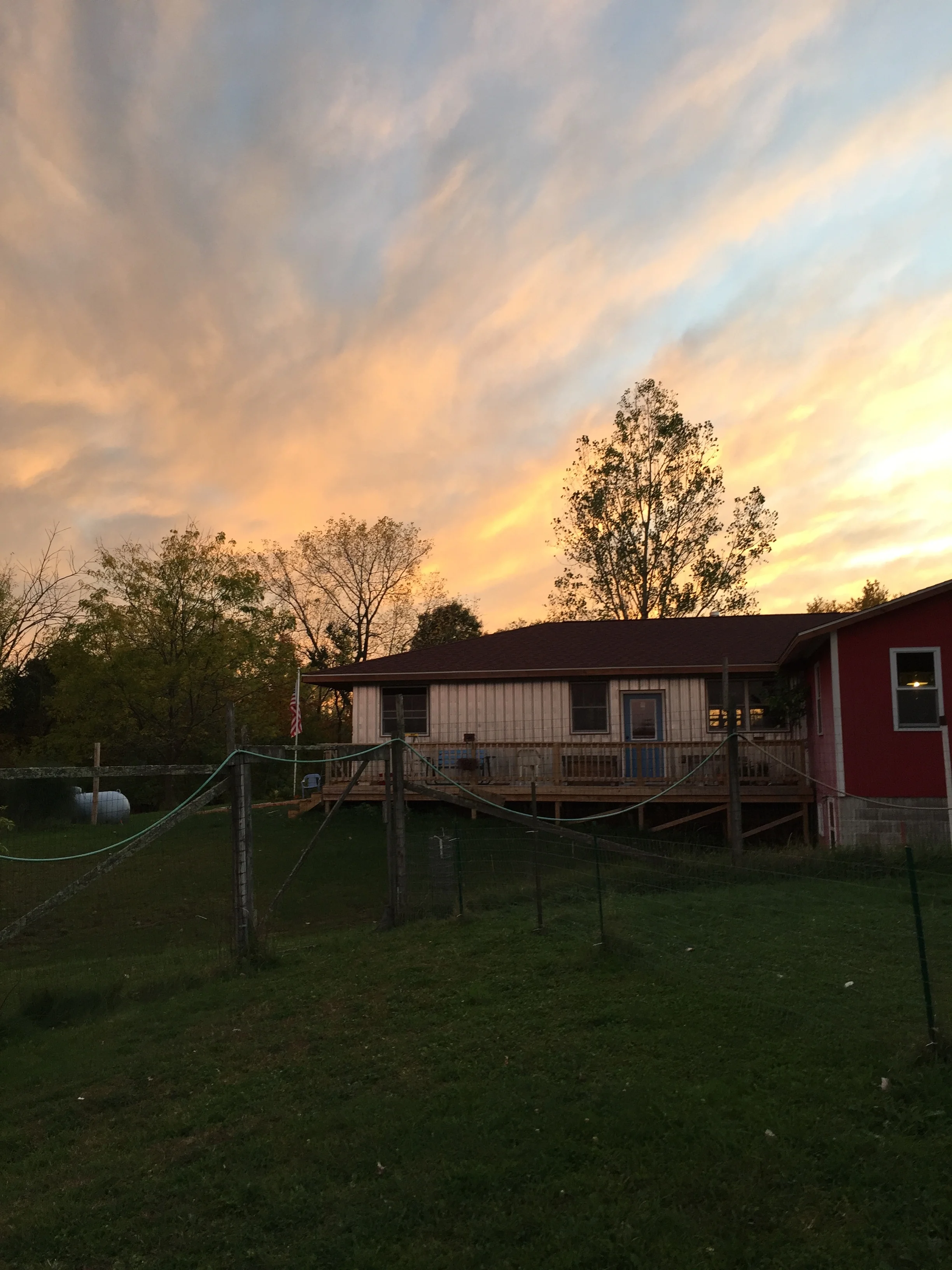
Our house changes colors with the sky! 

Our house changes colors with the sky! 

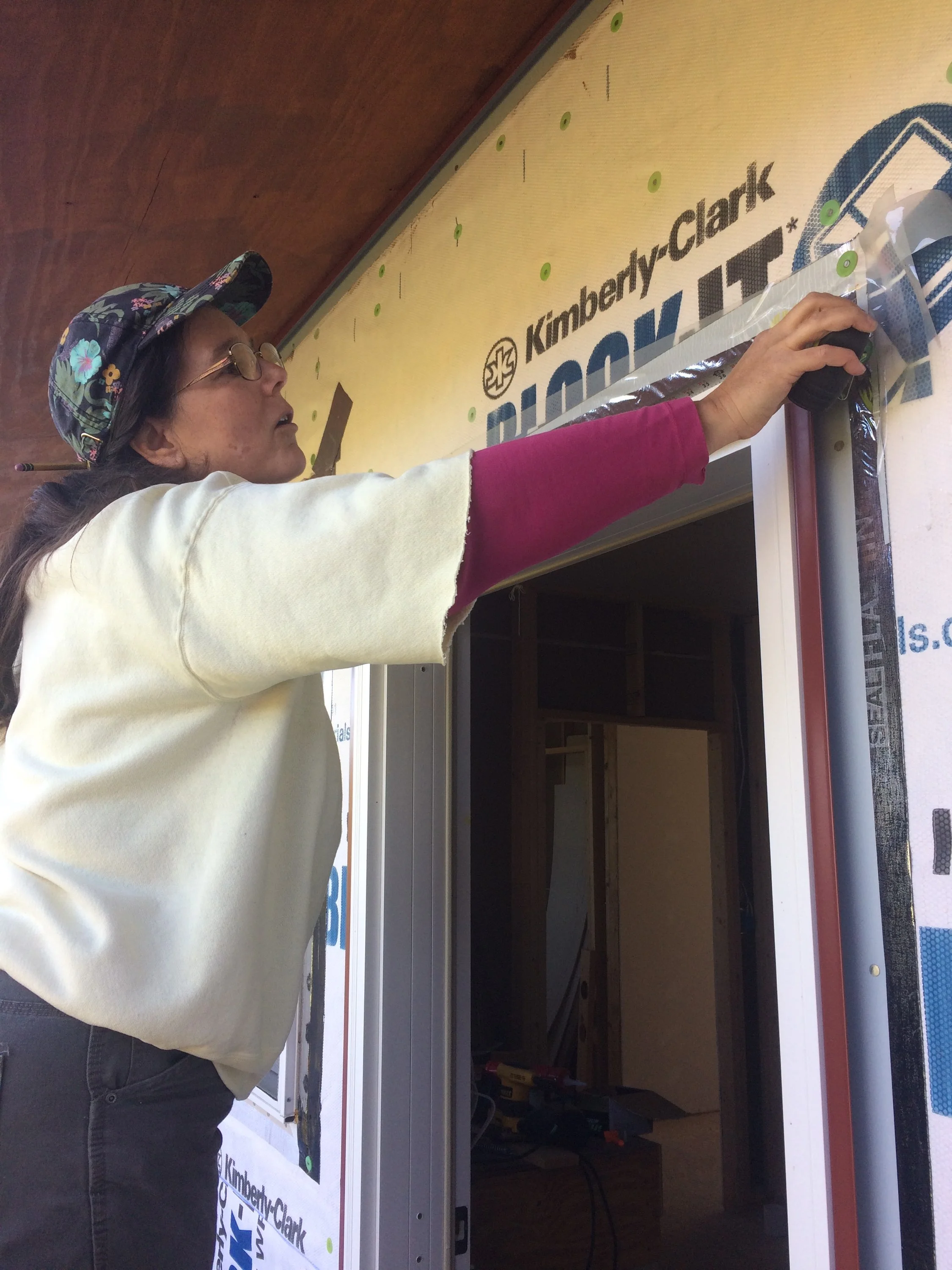
It takes us about 3-4 days to get a side done...and there are 3 sides. We haven’t done the corners yet because it’s been too cool to have the sealing tape stick. We hope to get corners on tomorrow. In the meantime, we put in our front door.  

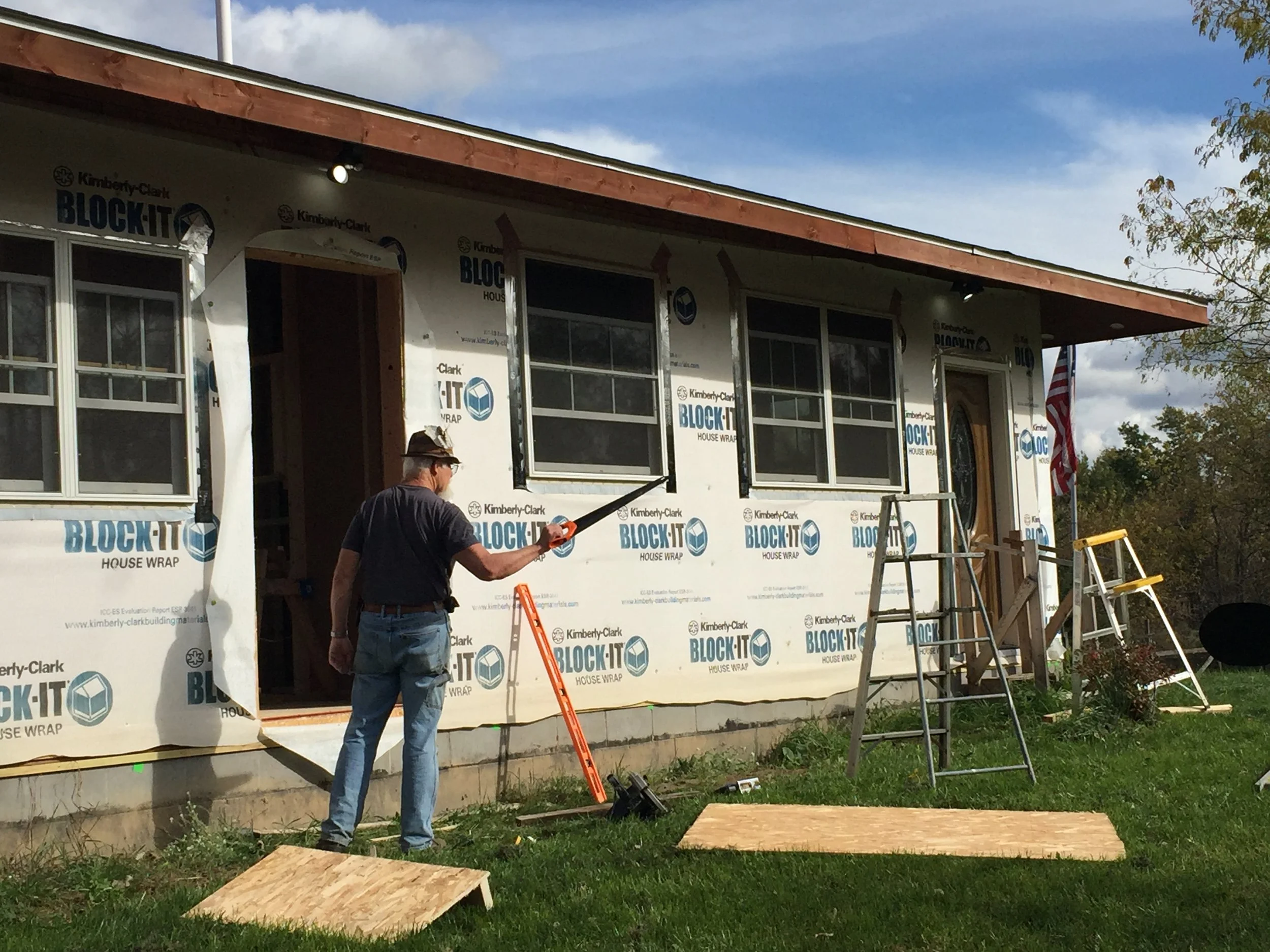
First, Michael cut a hole in the wall.  

First, Michael cut a hole in the wall.  

After the addition was framed in, we decided to change the location of our front door. Luckily, we could do that!  

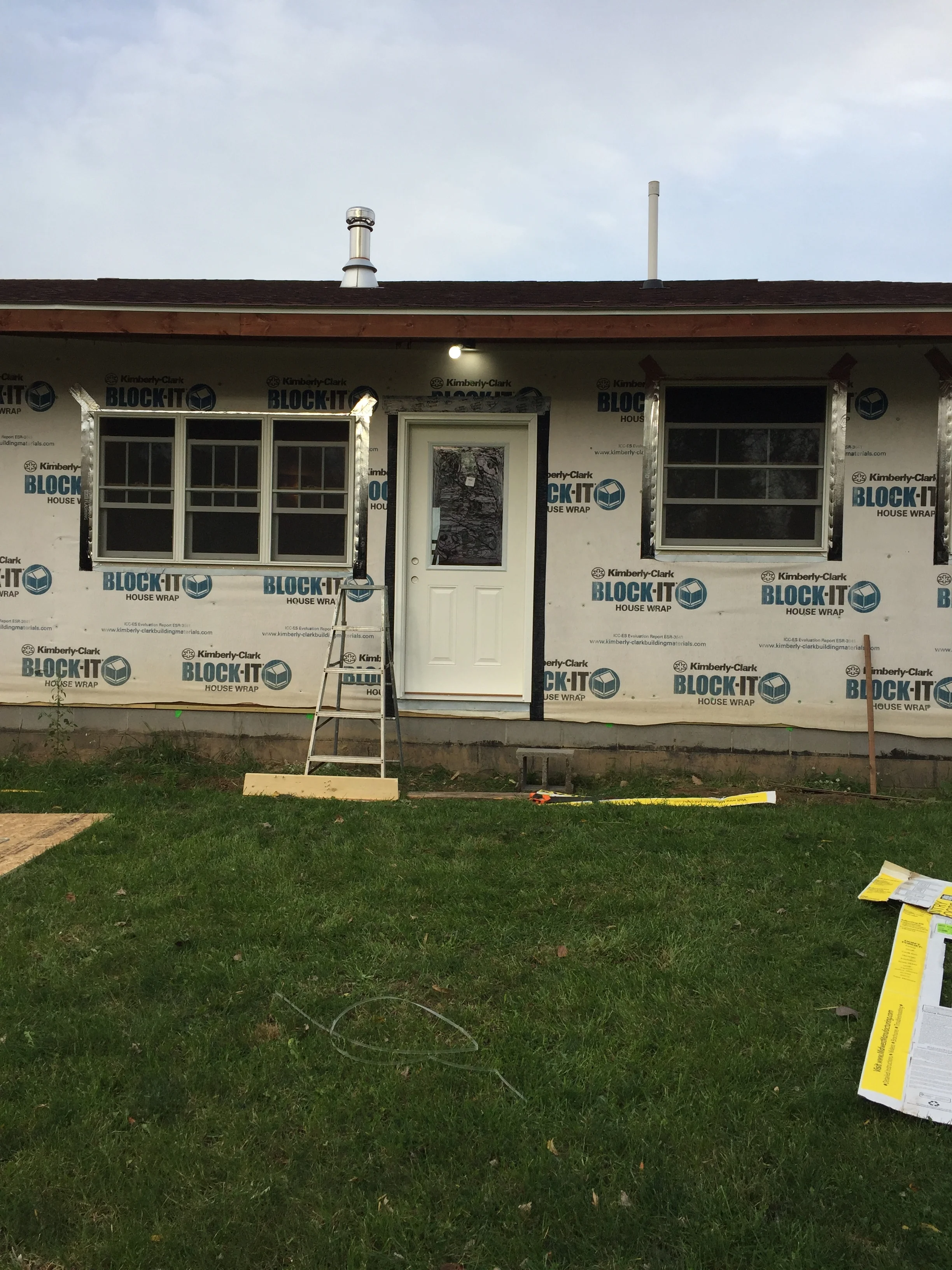
Then we wrestled in the door. Hopefully we now know how to deal with that narrow space between window and door. 

Then we wrestled in the door. Hopefully we now know how to deal with that narrow space between window and door. 

I will need to paint the door while warm weather holds as well. Steps are next year’s project. Snow is not far off when the trees turn to flame. 

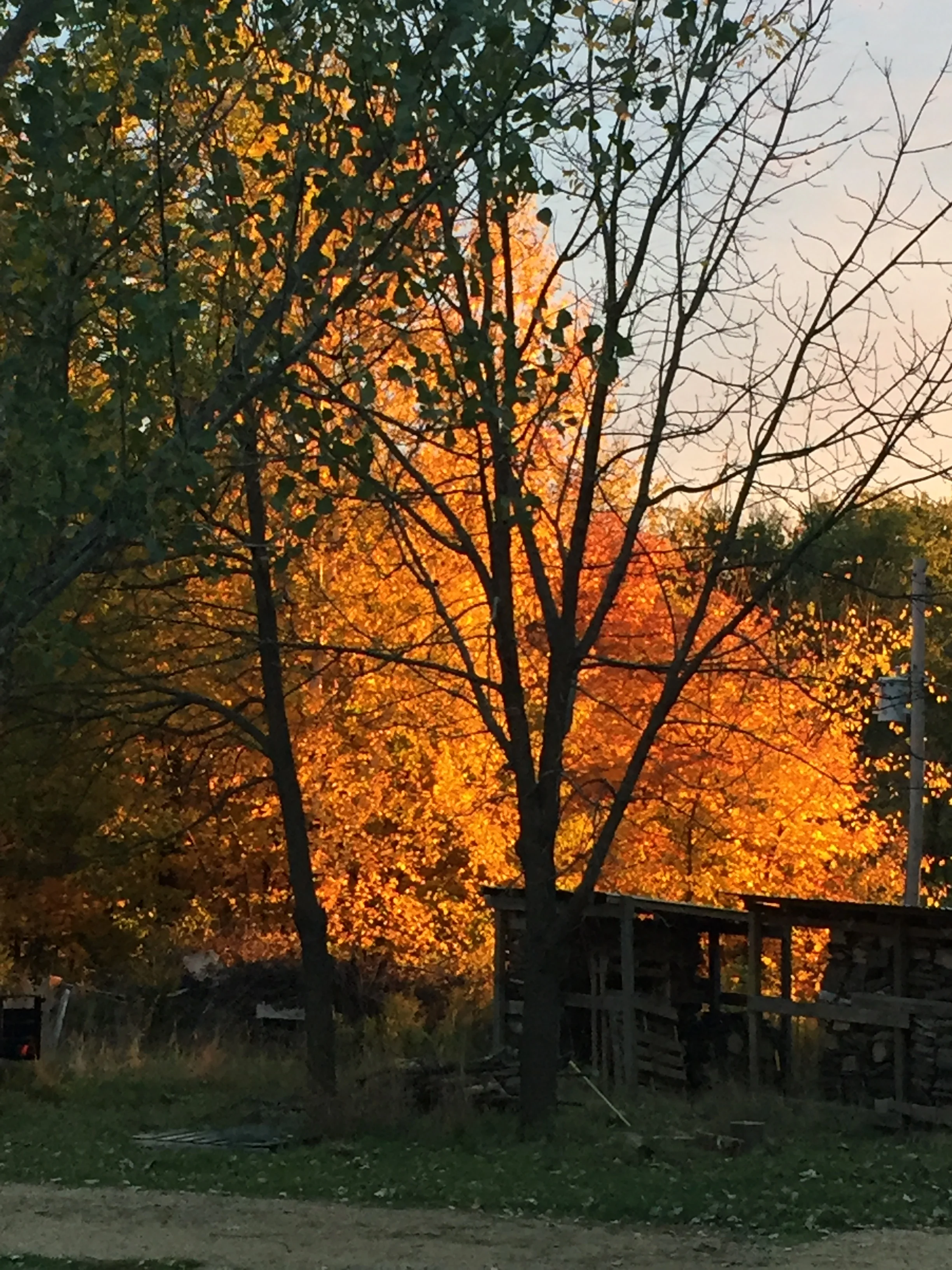
One of the best parts of this month is the long red light.  

One of the best parts of this month is the long red light.  

And we aren’t the only ones getting ready for winter: 

IMG_7834.JPG

She’s always on the move! 

Construction journal meets harvest journal: preparing for deer season

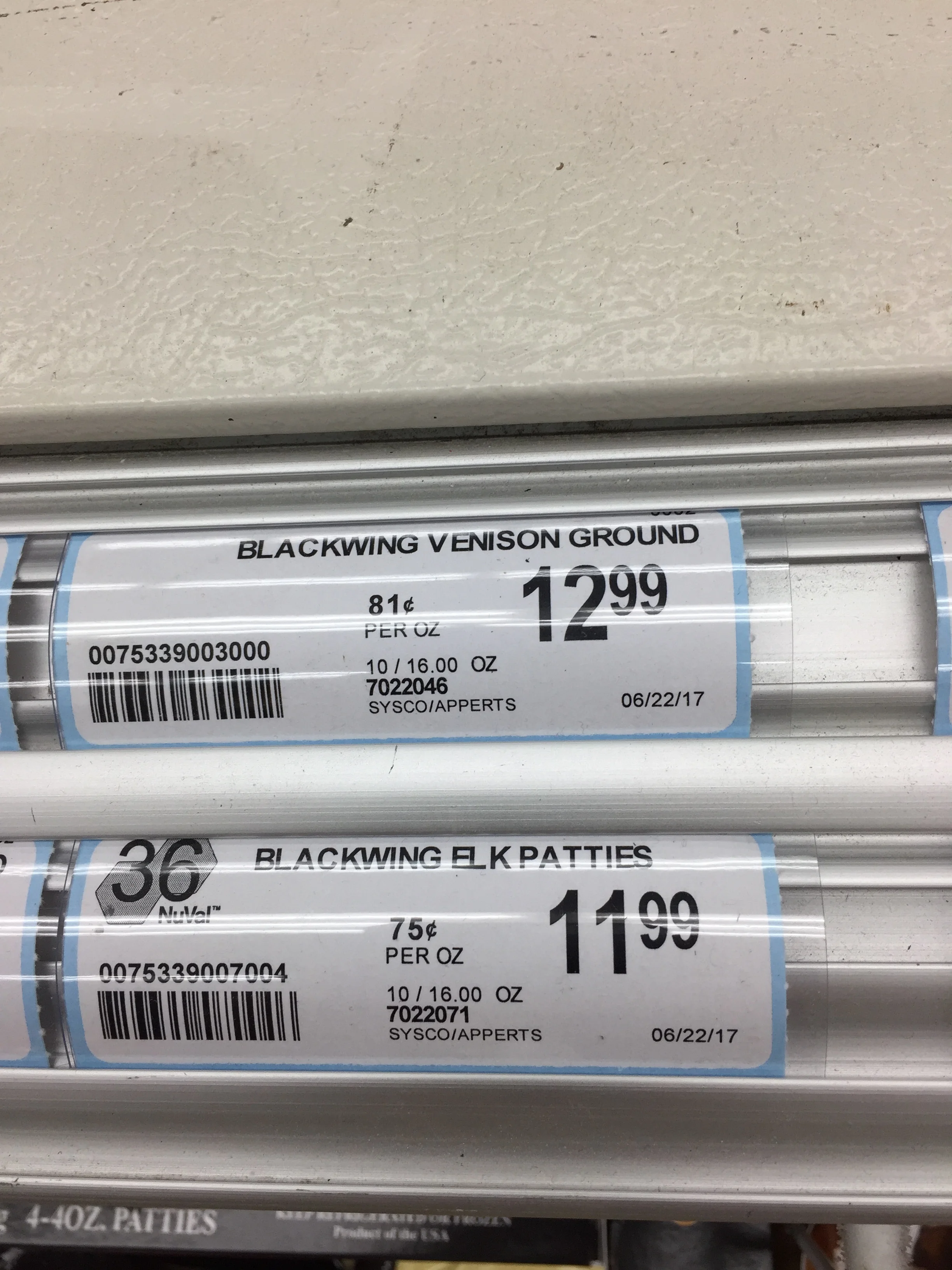
September fades into October, soon to become November. Time to ready ourselves and our land for the 10 days of firearm deer season. Our children have become interested in joining in the harvest, not the least due to the price of ground venison in the stores! 

Yikes. And I thought beef was expensive.  

Yikes. And I thought beef was expensive.  

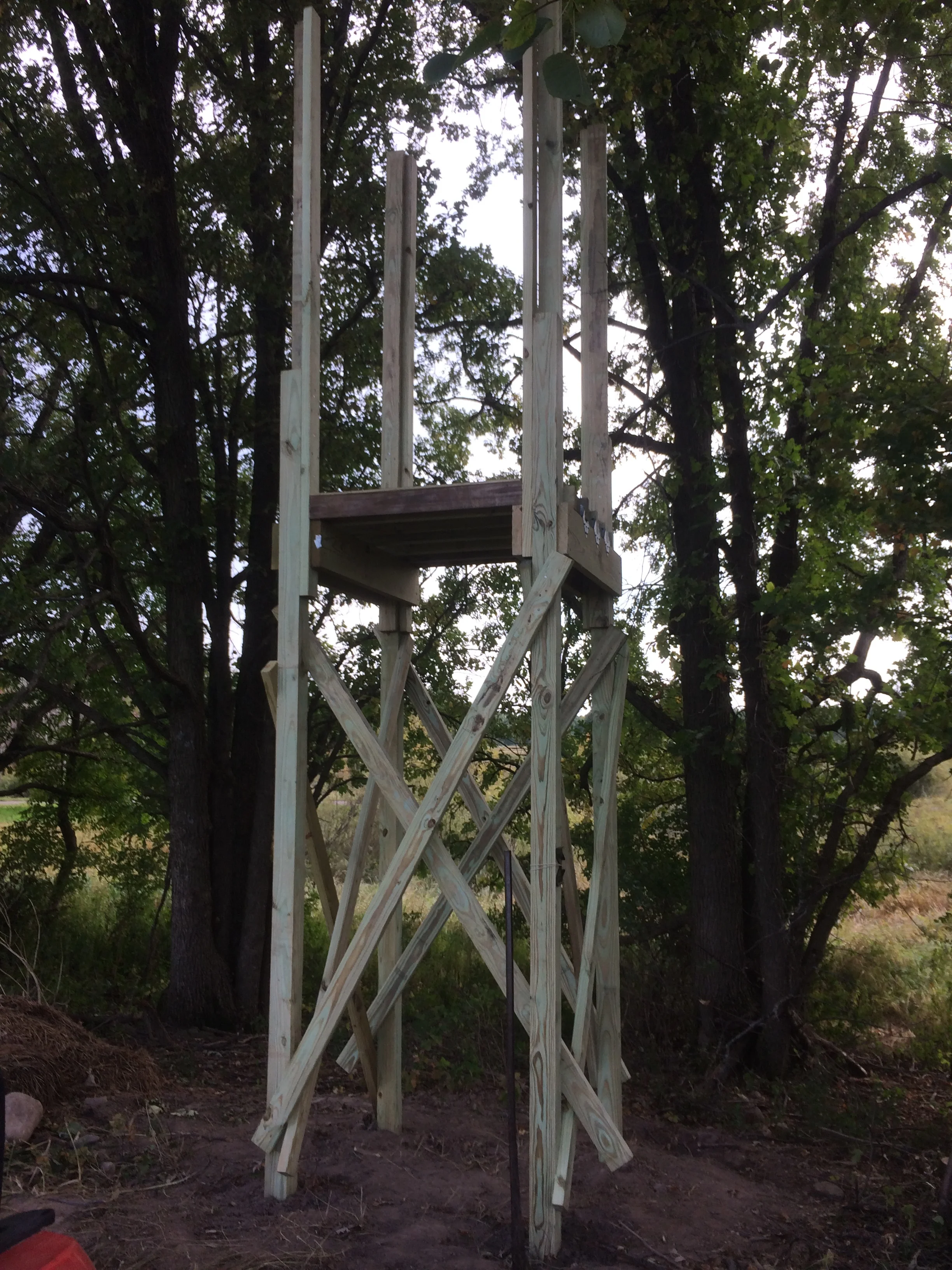
A lot of work goes into preparing for hunting. Given that we needed to have a new blind for Matt to use, it was appropriate that he was here to build it with Michael.  

Matt developed a new respect for digging post holes by hand... 

Matt developed a new respect for digging post holes by hand... 

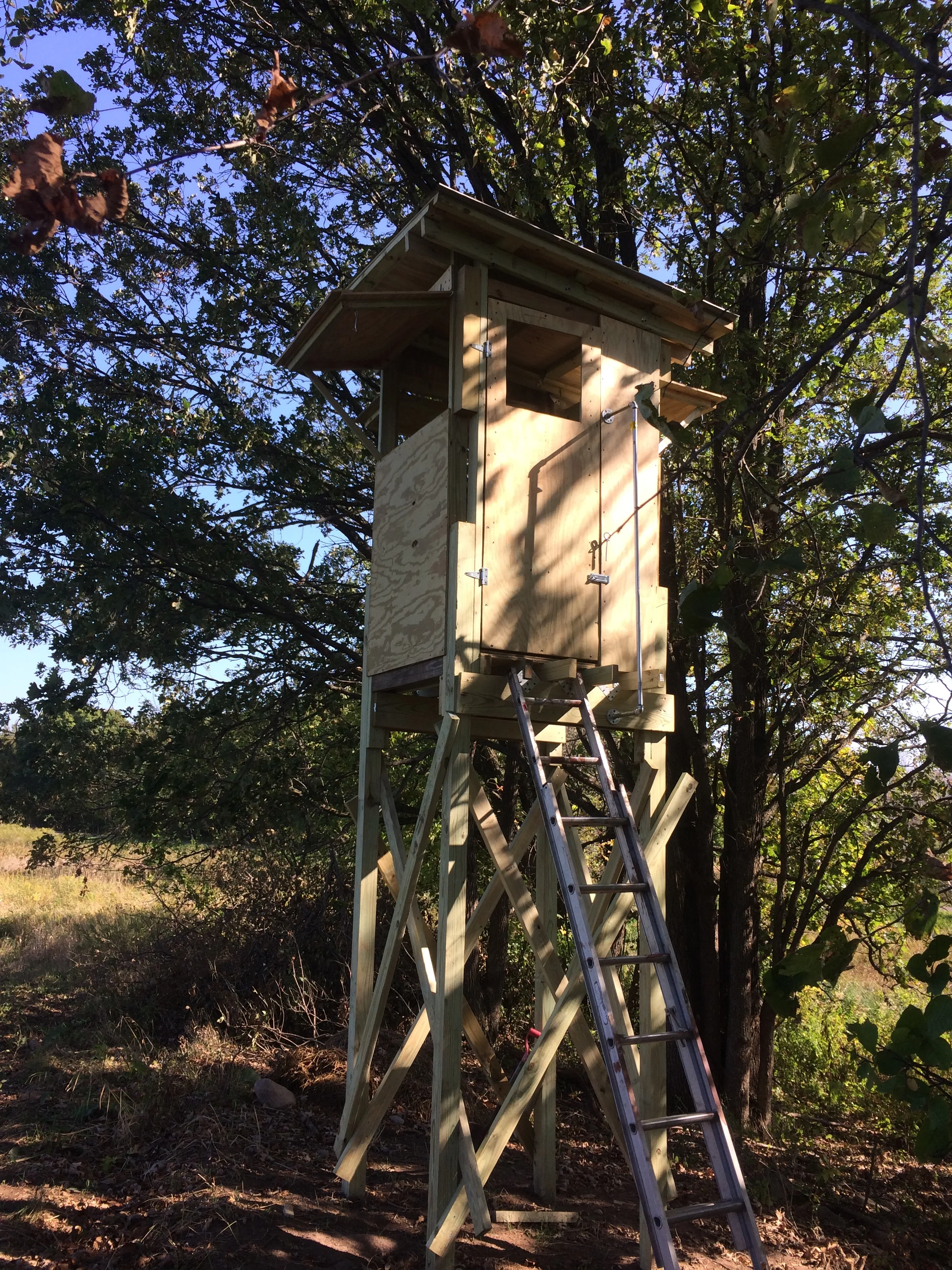
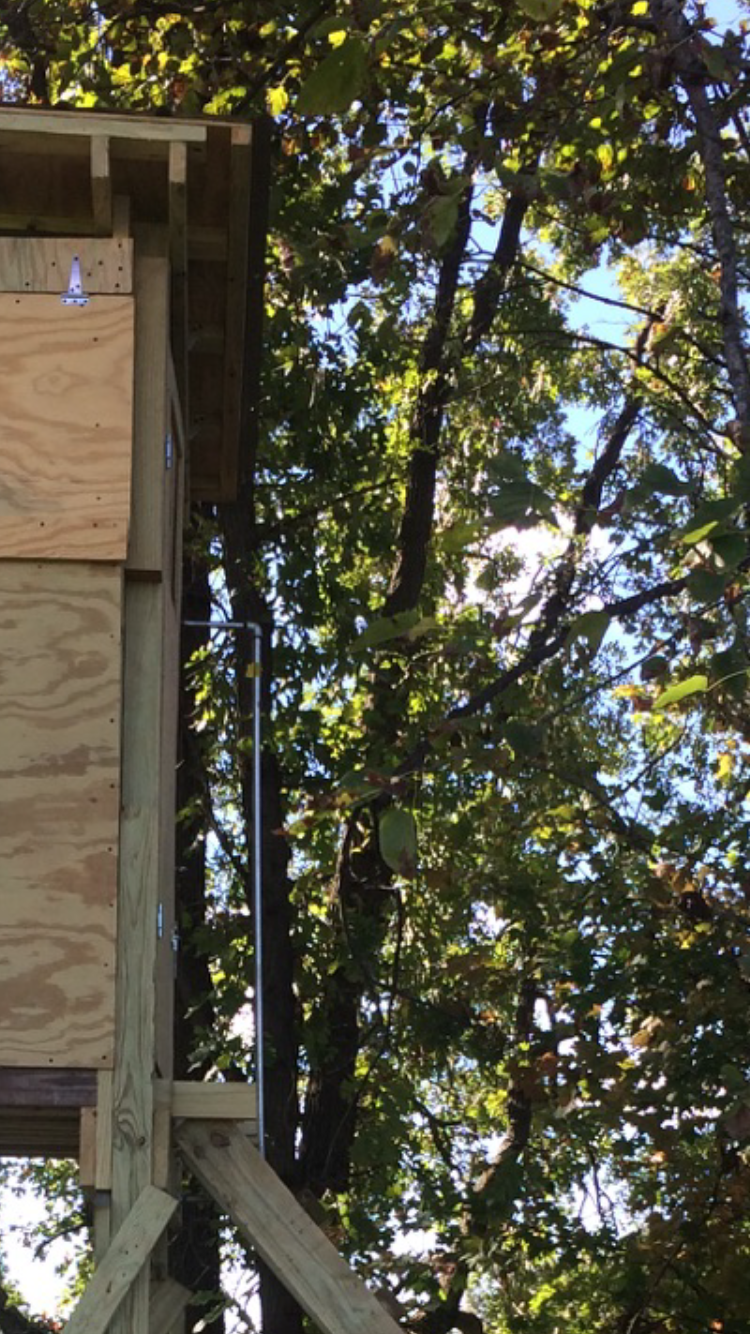
We have a corner of our land which contains a variety of deer hiways, but did not contain a deer fort. No more. 

Fort Ettsen. 

Fort Ettsen. 

Matt, who climbs rocks for fun, did not like the aluminum ladder, preferring to climb the cross bracing. Yet, once snow flies, that would not be a good way to get him AND his rifle safely into Fort Ettsen. 

Heck, even I might be able to climb that ladder! 

Heck, even I might be able to climb that ladder! 

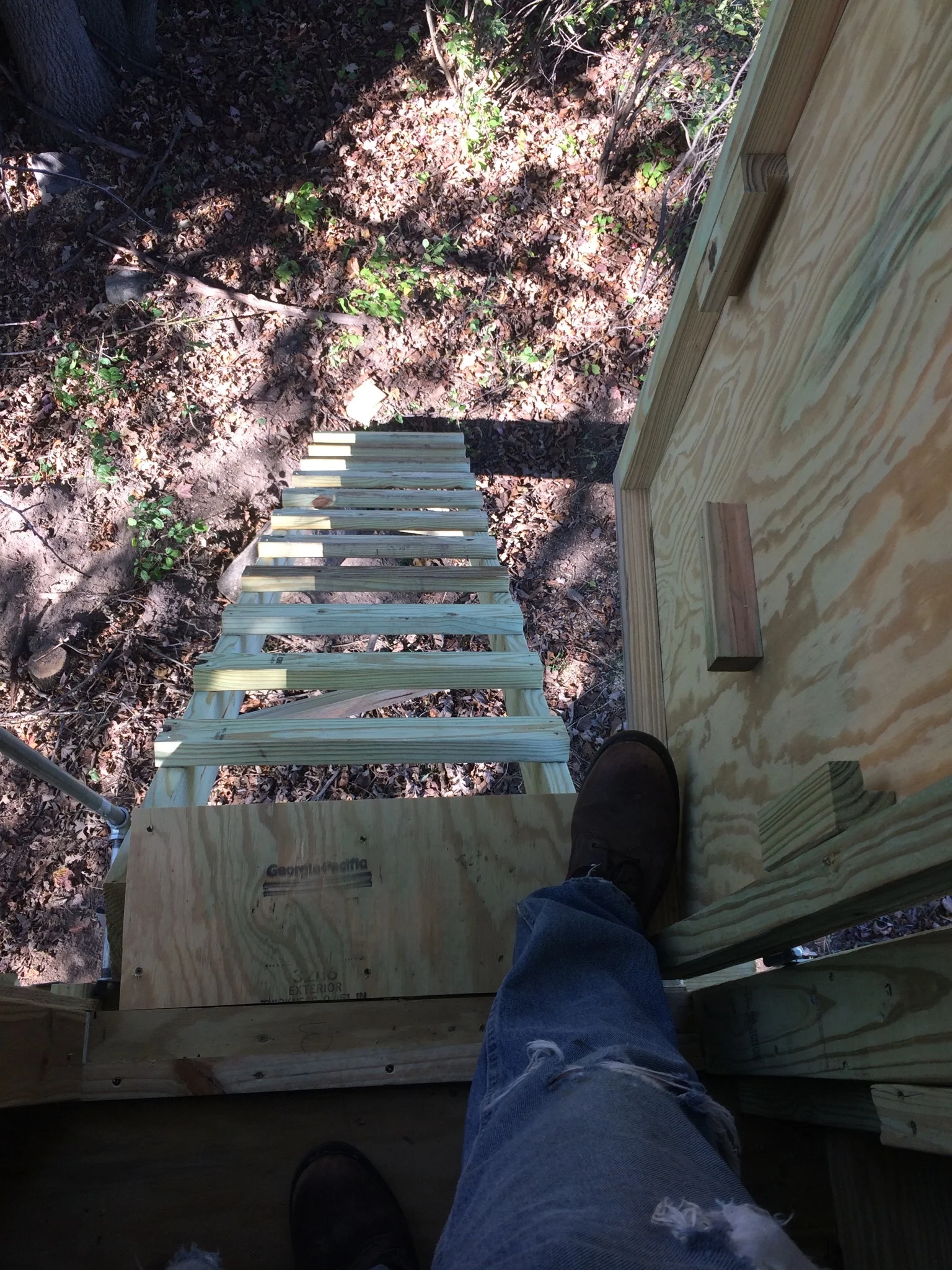
Michael, as usual, solved the problem by making a ladder of 2x4s, and even put in the little entry platform so toes have somewhere to go instead of hitting the side of the fort. 

It even has a handrail for wimps like me! 

It even has a handrail for wimps like me! 

Now that the Fort is operational, he is reloading bullets for everyone’s rifles.  

Finally found a combo that works for my rifle.  

Finally found a combo that works for my rifle.  

For the next 6 weeks, I will have to don my hunting coat and practice with my rifle and the new load. I will clean my rifle before the season opens, and after as well. We will also sharpen knives (a continuous requirement in our house...which means we always have knives to slice tomatoes!), and make sure the hunting clothes are aired out and any number of other details.

Hunting doesn’t mean just getting a rifle and heading into the woods. There is a bunch of prep work that goes into it, and then the packaging afterwards. But it’s so much better, and a lot more fun, than paying $13 a pound for ground venison! 

Egg journal: soft shell, yellow whites, chocolate mousse

Eggs.  I love eggs. I love all the weird things about having birds who lay eggs.  

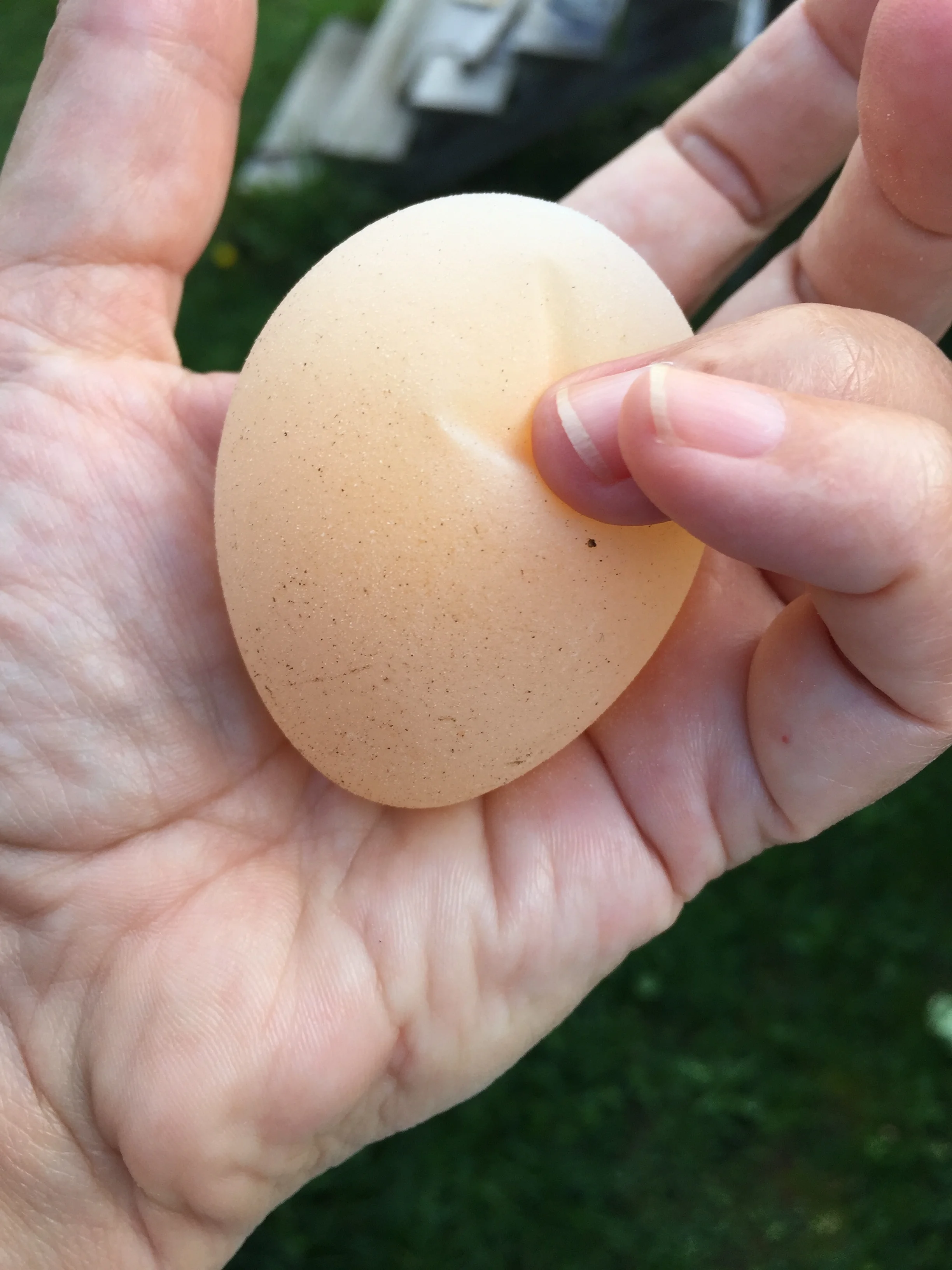
Squishy!   

Squishy!   

Every now and then a shell will not form all the way. This is different from having a thin shell, which means your birds need more calcium. We keep track of how many broken eggs there are to gauge if we are needing to check the quantity or quality of the oyster shell bits we put out for the birds. Sometimes the shell pieces are too big, and so are unavailable as a supplement, even if they are sitting right there!

 A soft shell, however, usually is a sign of stress. Sometimes it is either heat or cold, and sometimes it happens when we change their pasture. And sometimes it just seems random.  

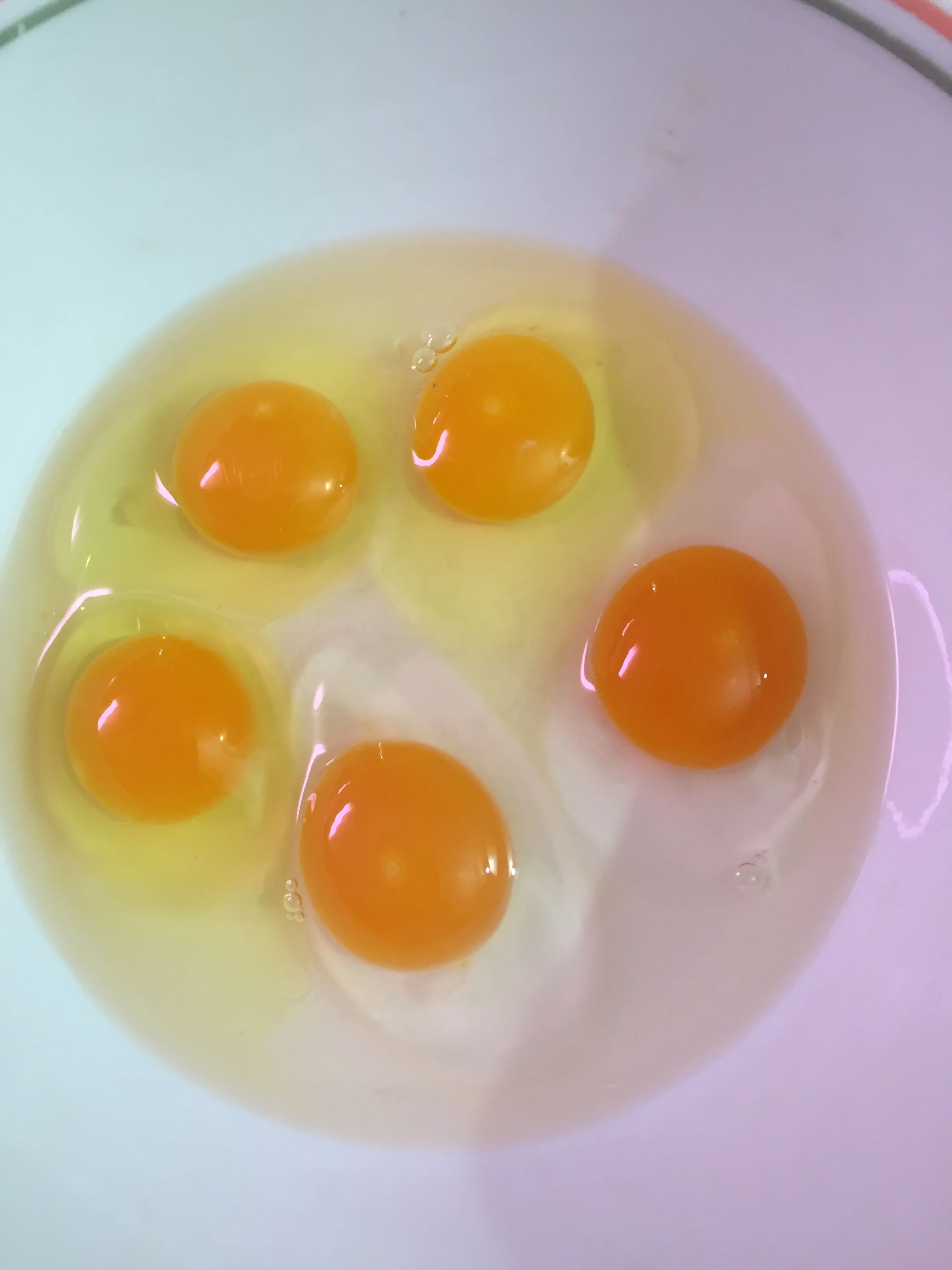
Yellow egg whites! 

Yellow egg whites! 

Another interesting phenomenon is the color of the whites. I was making a frittata and noticed the pullet eggs had very yellow whites, whereas the new duck eggs were the normal clear. It doesn't show well in this photo, but all the eggs, being fresh, stood up really high!   

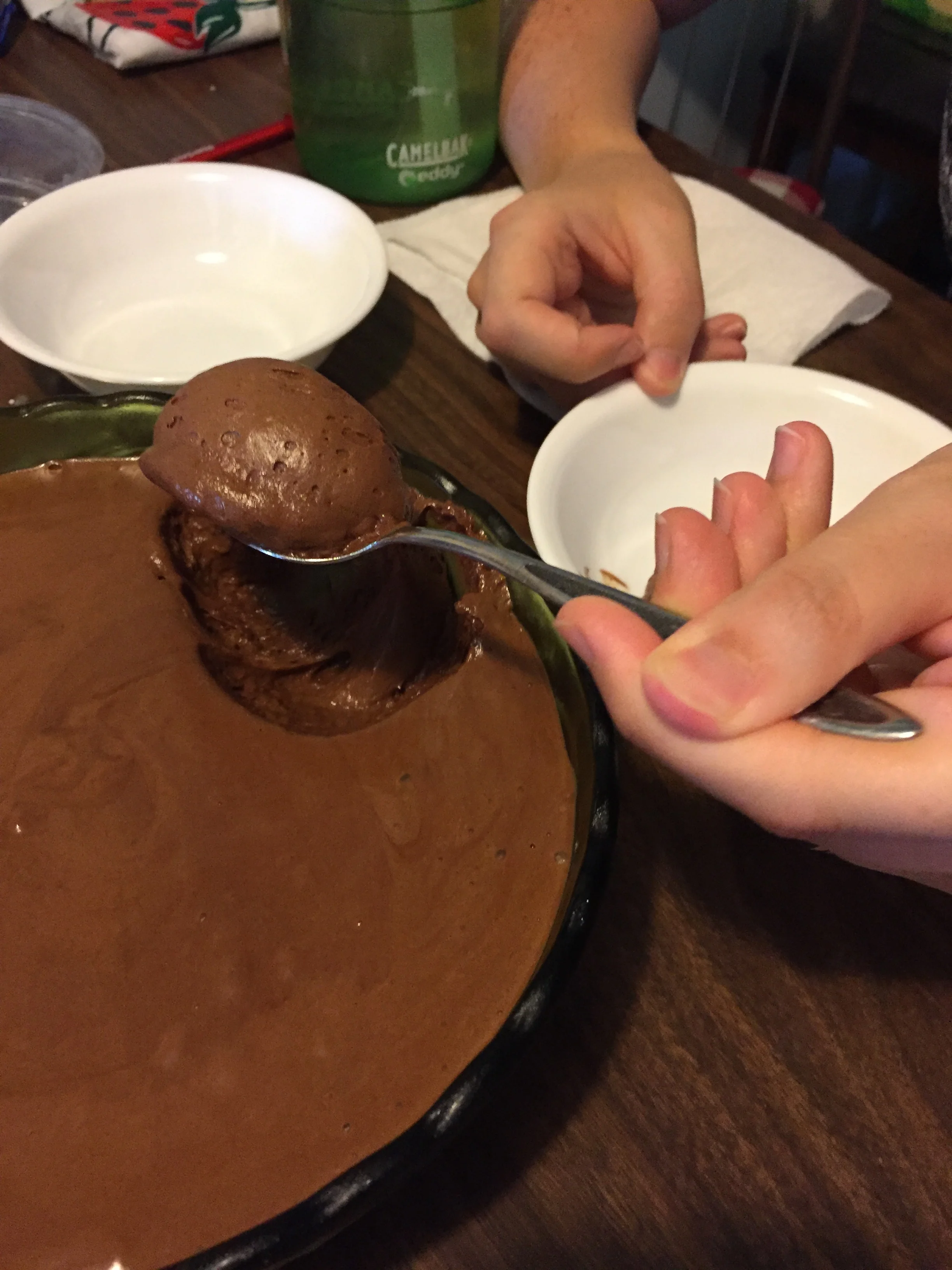
Given the surfeit of eggs in the house, Artemis cajoled me into making chocolate mousse.  

Sugar, eggs, chocolate, butter, coffee, rum, and a lot of whipping! 

Sugar, eggs, chocolate, butter, coffee, rum, and a lot of whipping! 

We had to take time out and watch The French Chef episode for mousse. Worked like a charm.  

IMG_7641.JPG

Lilith, however, said she preferred her thumb.  

Varmint journal: comparative ecology

Between getting my daughter and her family packed and shipped off to Colorado, appellate work, and construction, I haven't had much time to update my posts. I currently am sitting in a waiting room in Santa Fe, waiting for my father to come out with a new lens in his left eye, and so will see if I can get caught up.  


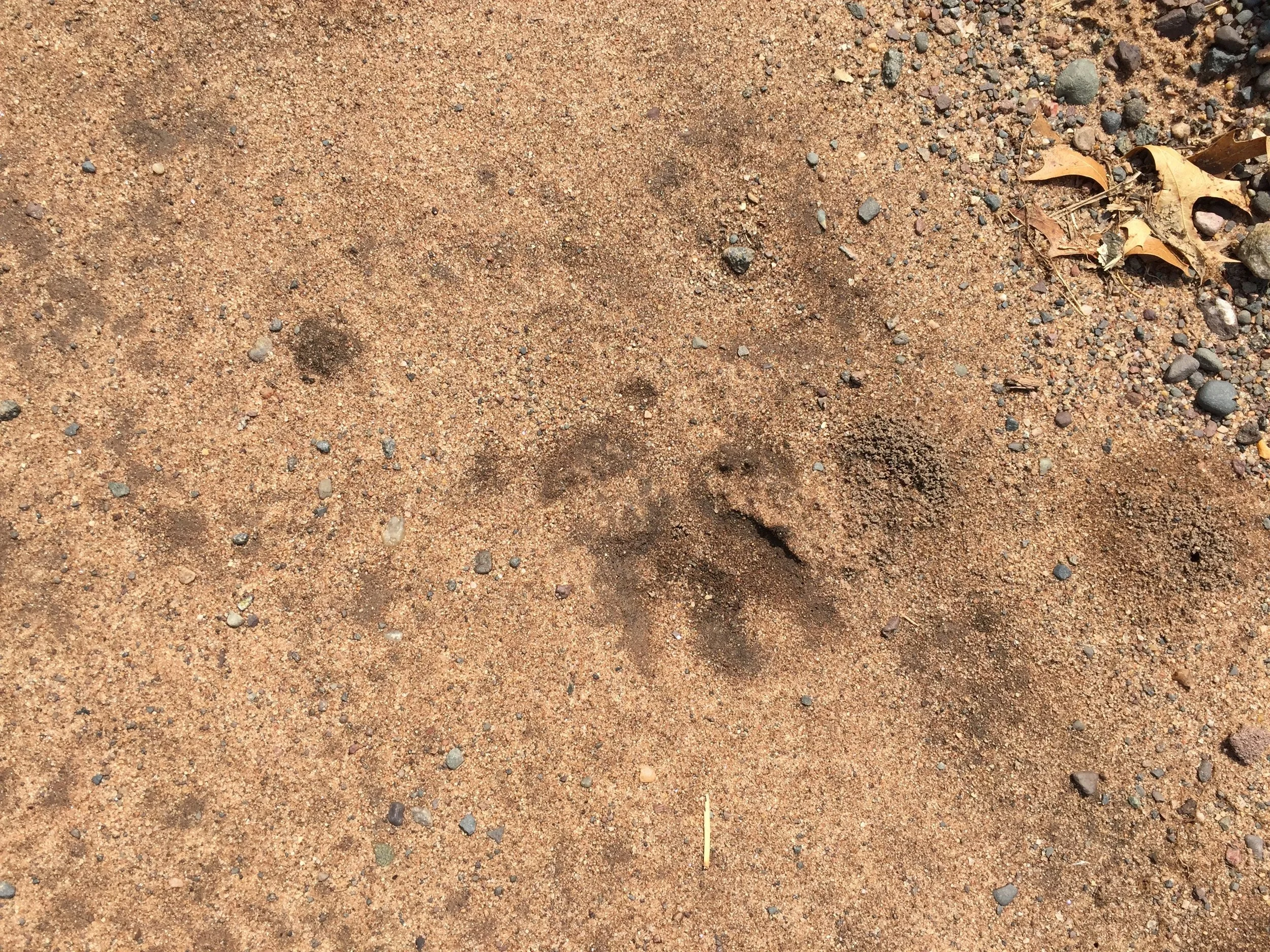
These are not gopher mounds! 

These are not gopher mounds! 

After having a couple of relatively mild winters, we noticed these small hills of dirt connected by shallow tunnels. Walking in the duck pasture felt like walking on sand just after a wave has gone out: you sank a bit with every step. 

Mr. Mole! 

Mr. Mole! 

I do not have the same antipathy for moles as I do for gophers, even though they both dig up my yard and garden. The difference is that moles eat worms and grubs and insects, while gophers eat roots and potatoes and dill.  

Same dirt-digging claws. Different snouts and teeth.  

Same dirt-digging claws. Different snouts and teeth.  

Neither can be allowed to destroy our mound-type septic system, and so both have been removed from that area. Irene was concerned that Michael and I would be kidnapped by the gophers proliferating by the driveway.

Lillith didn't like the sound of that! 

Lillith didn't like the sound of that! 

But then I explained that those were only mole hills.  

IMG_7536.JPG

My reputation as protectress of the realm is intact!   

Livestock journal: pullet eggs and more

Corn that grows to the same height. Soybeans that ripen at the same time. Eggs washed and graded fit in stackable cartons. Uniformity allows a level of efficiency that makes food widely available. 

Our birds are a wide variety of breeds, ages, and, at the moment, species. This makes for many things, but uniformity and efficiency aren't among them. 

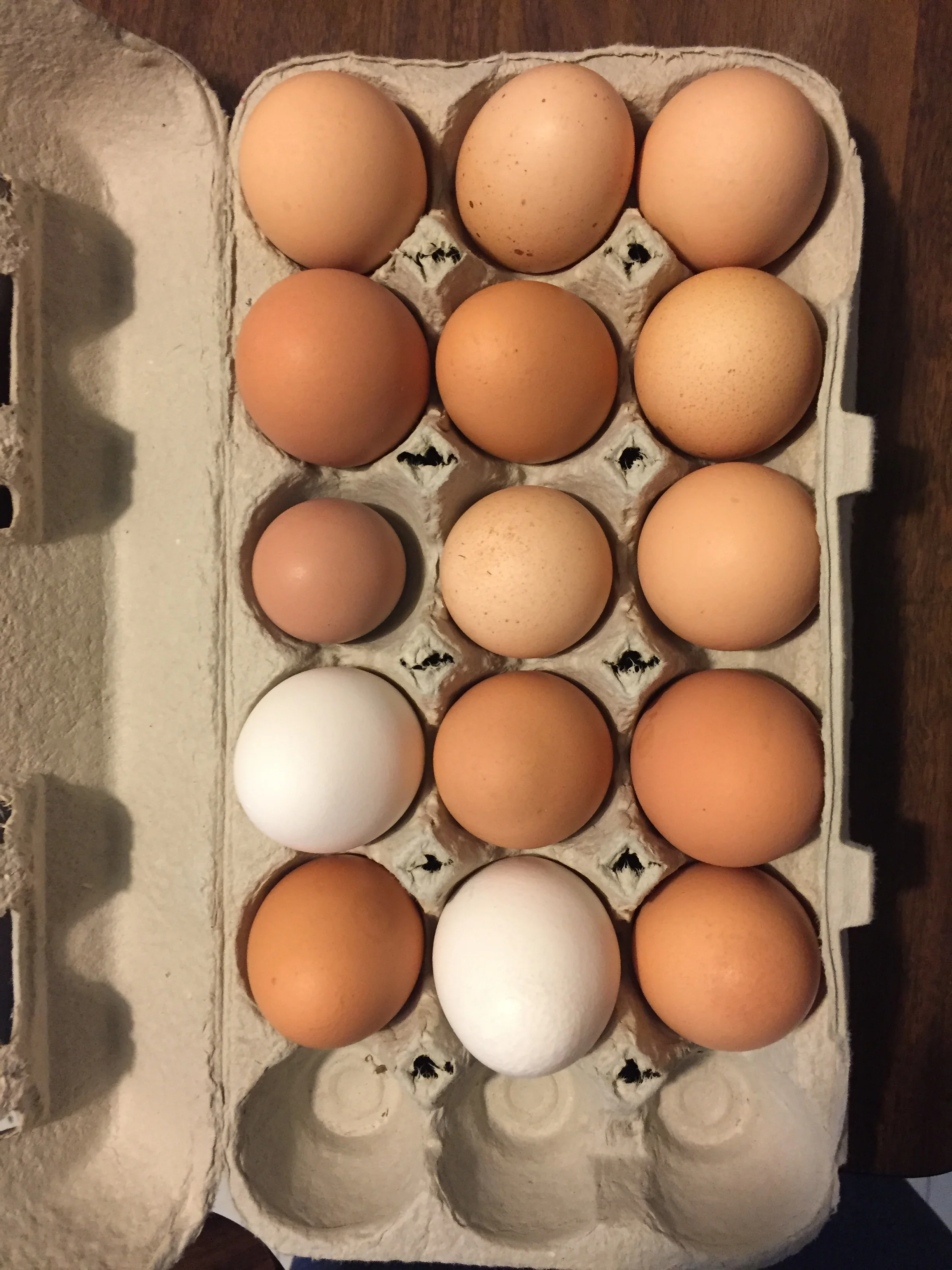
White Leghorn eggs, the light brown from Wyandottes and the dark from the local brown "egg layer" mix (Rhode Island Red and something else I think). 

White Leghorn eggs, the light brown from Wyandottes and the dark from the local brown "egg layer" mix (Rhode Island Red and something else I think). 

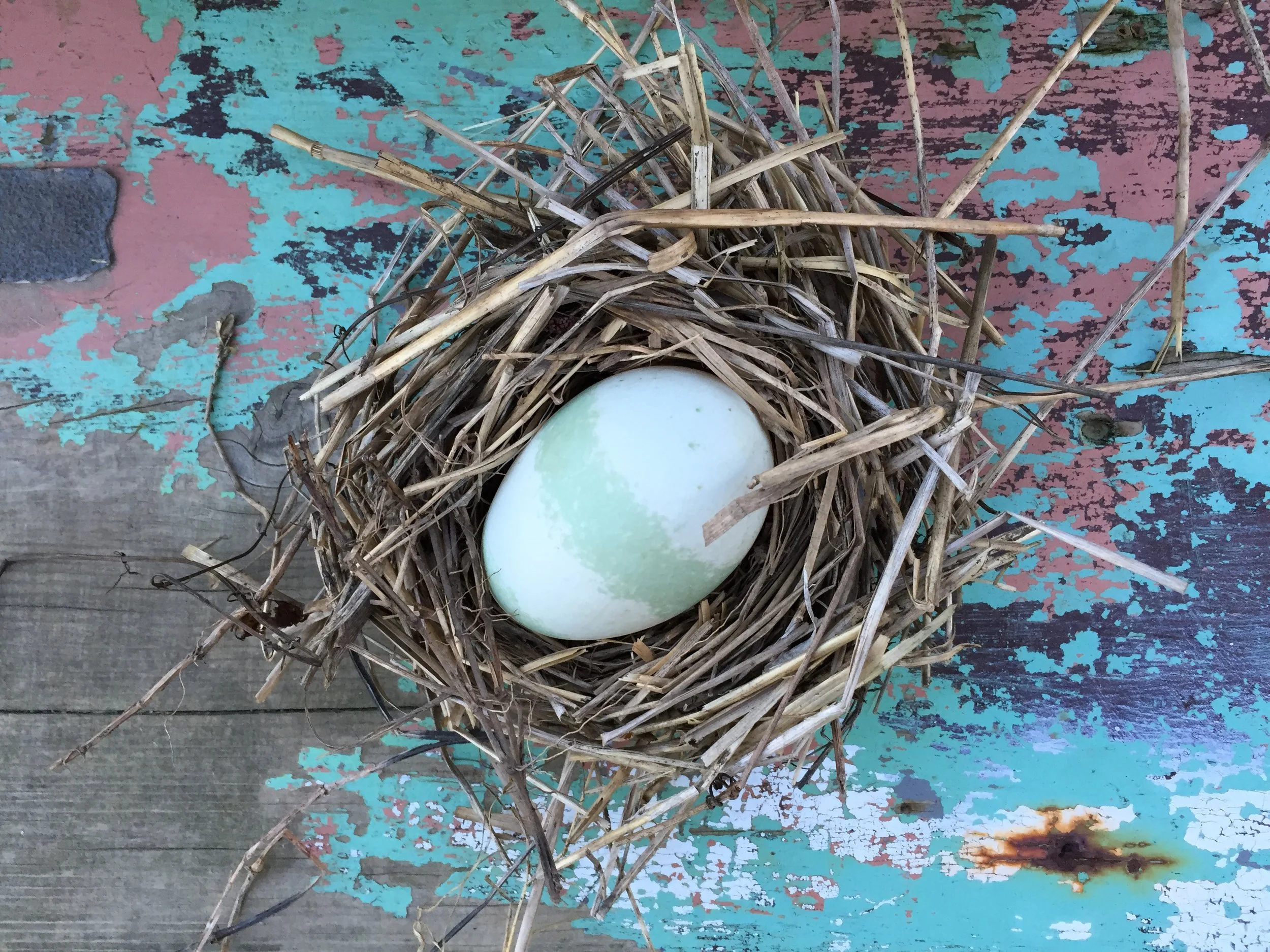
An egg we found in the duck enclosure reminded me that even your old birds can surprise you. 

Our first striped egg. Duck...but which one? Arthur, our only runner duck who is of age, lays a green egg, but this would be his second for the day. (Michael named him as a duckling.) All our other ducks lay cream or tan eggs. 

Our first striped egg. Duck...but which one? Arthur, our only runner duck who is of age, lays a green egg, but this would be his second for the day. (Michael named him as a duckling.) All our other ducks lay cream or tan eggs. 

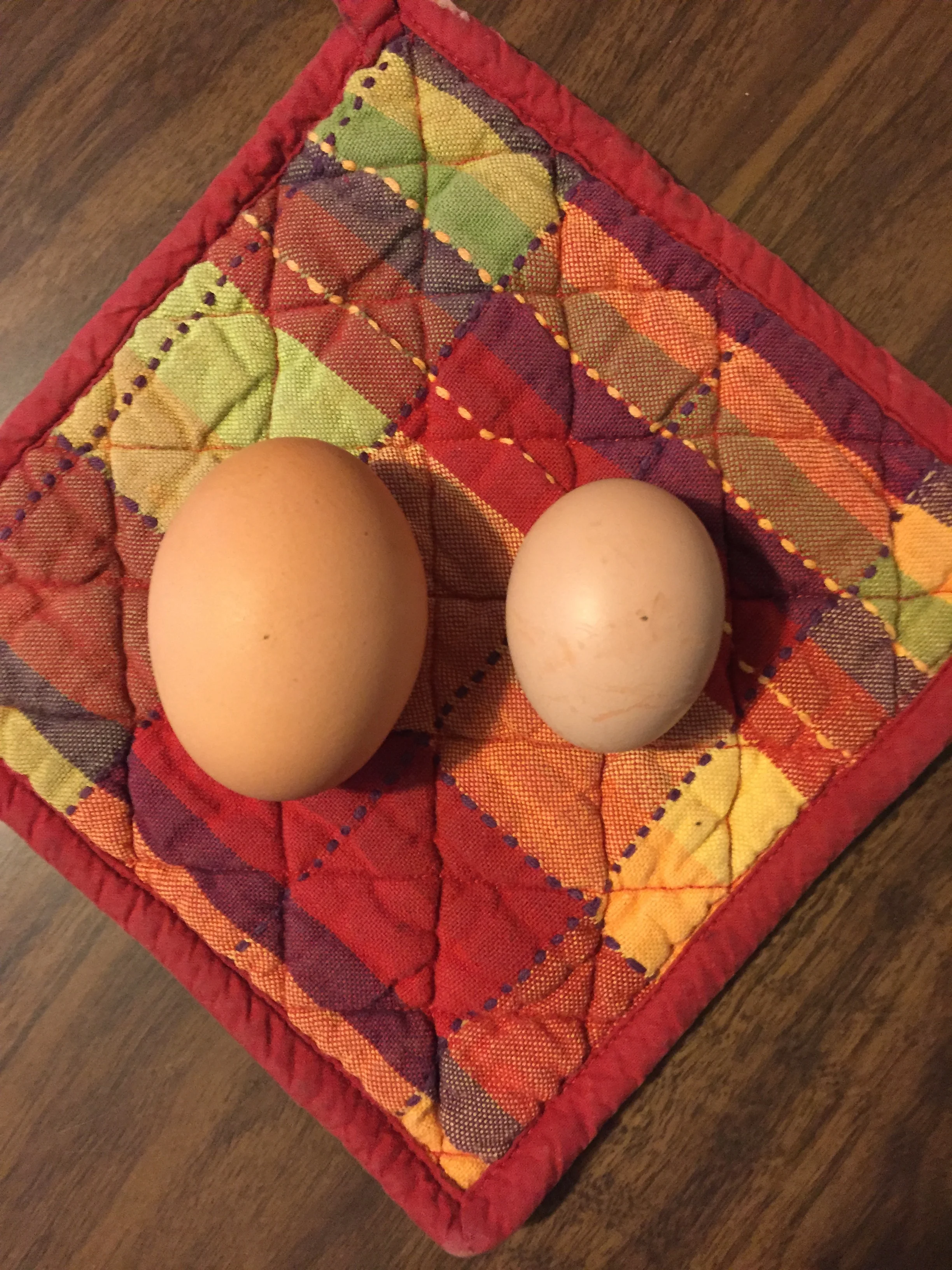
Our new chickens have begun to lay as well. They have "pullet eggs," which are wee things.  

In this household you get to estimate how many eggs REALLY go into a "3 egg" recipe: 2 duck, 3 Leghorn, or 6 pullet!

In this household you get to estimate how many eggs REALLY go into a "3 egg" recipe: 2 duck, 3 Leghorn, or 6 pullet!

And speaking of wee ones: 

Our oldest and newest household members: may they be as non-uniform and inefficient as they care to be. We love them!

Our oldest and newest household members: may they be as non-uniform and inefficient as they care to be. We love them!

Harvest journal: battling the birds

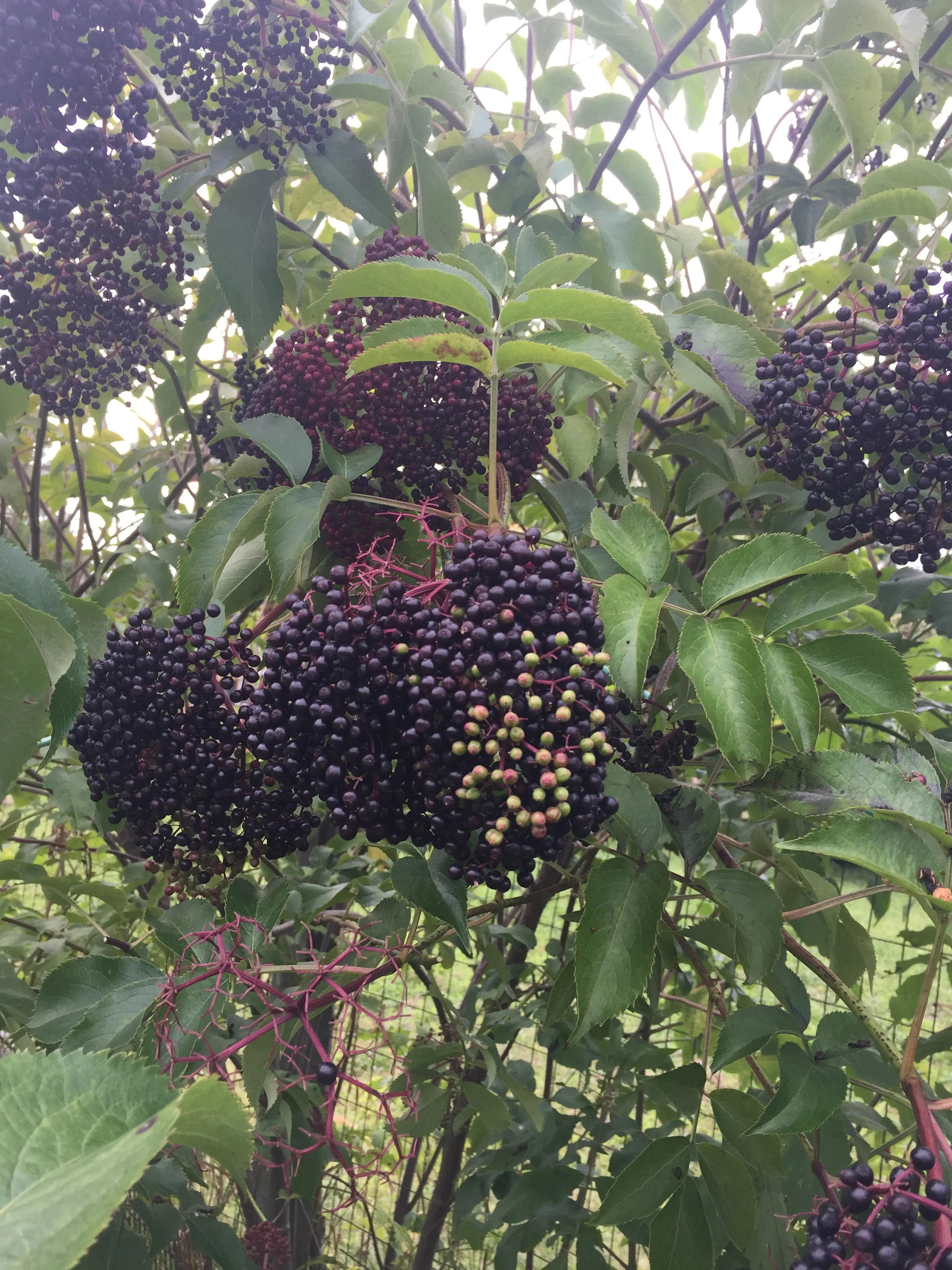
Michael and I are sitting on the deck after another day on this lovely land. I have an unparalleled view of our elderberry bushes. They are looking pretty bare at the moment, but just two days ago they were loaded. 

Elders, being mostly wild, tend to ripen over time. These were planted by birds. We simply failed to mow them down.   A bird-stripped umbel is in the bottom left of this photo. 

Elders, being mostly wild, tend to ripen over time. These were planted by birds. We simply failed to mow them down.   A bird-stripped umbel is in the bottom left of this photo. 

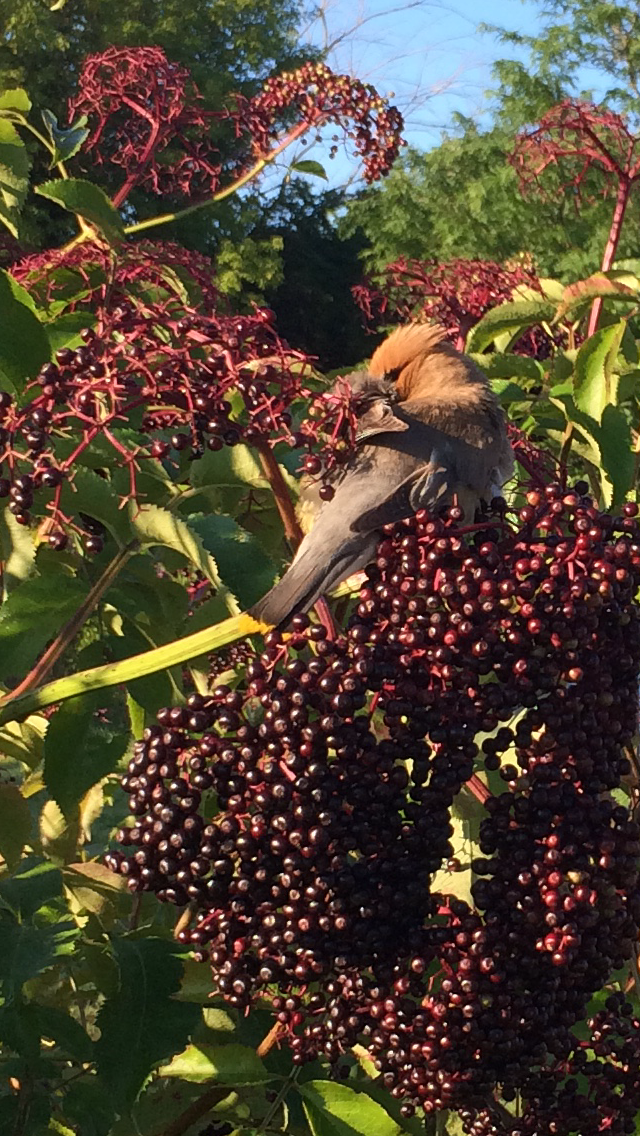
I was walking down to help Michael put the birds to bed when I noticed a flock of Cedar Waxwings fluttering about the elders. 

Sated, this young one was catching a nap. Almost all the umbels at the top of the bush are bare. 

Sated, this young one was catching a nap. Almost all the umbels at the top of the bush are bare. 

Instead of heading down to the bottom pastures, I went back to the house and got a paper sack and clipper. Michael found me stripping berries when he came up from bird care duties. He joined me and we finished getting berries separated from stems at about 10:30 PM. I put them in the fridge overnight and juiced them and made jelly yesterday. 

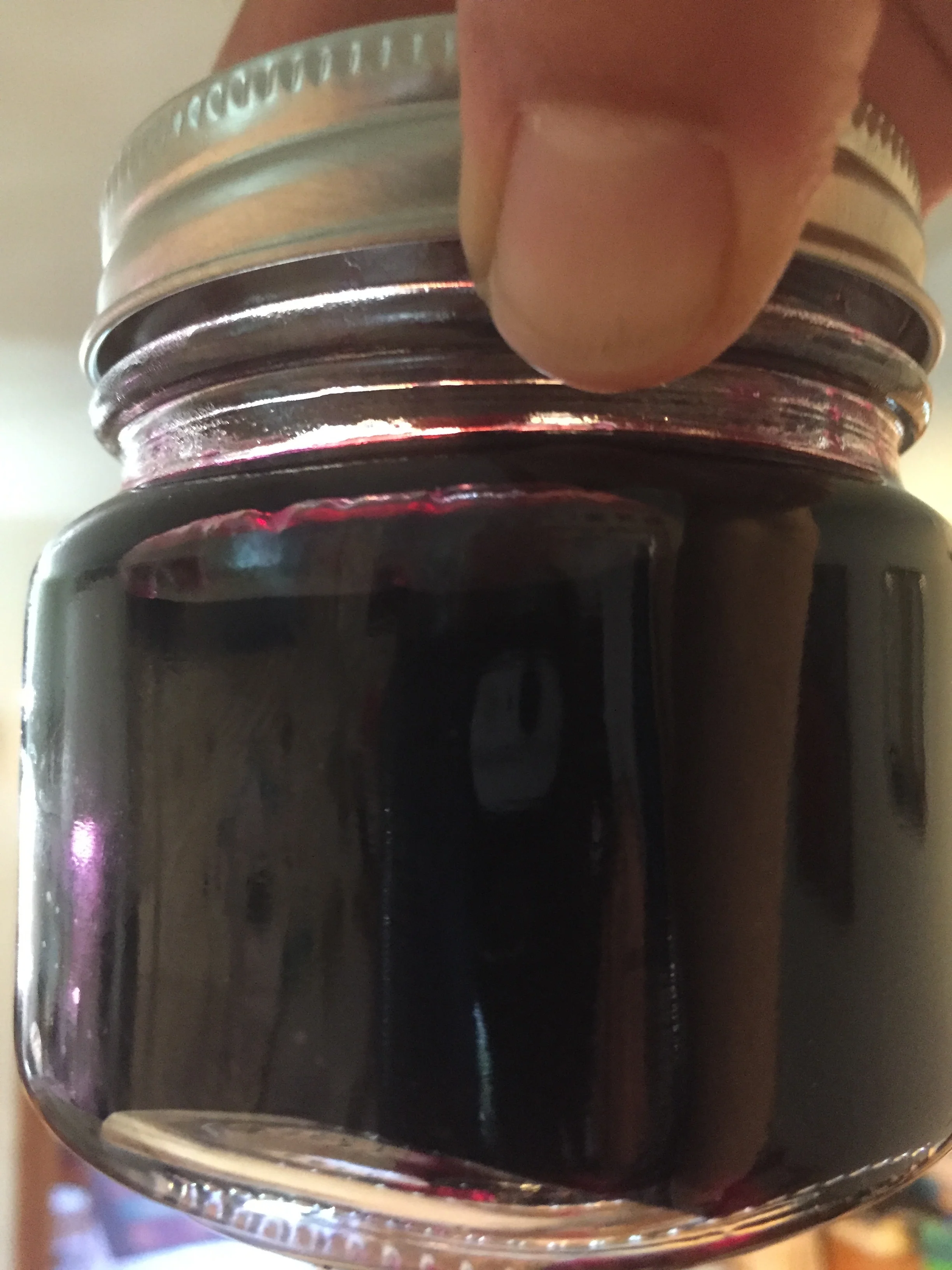
Elderberry jelly looks like grape, but tastes much better.  

Elderberry jelly looks like grape, but tastes much better.  

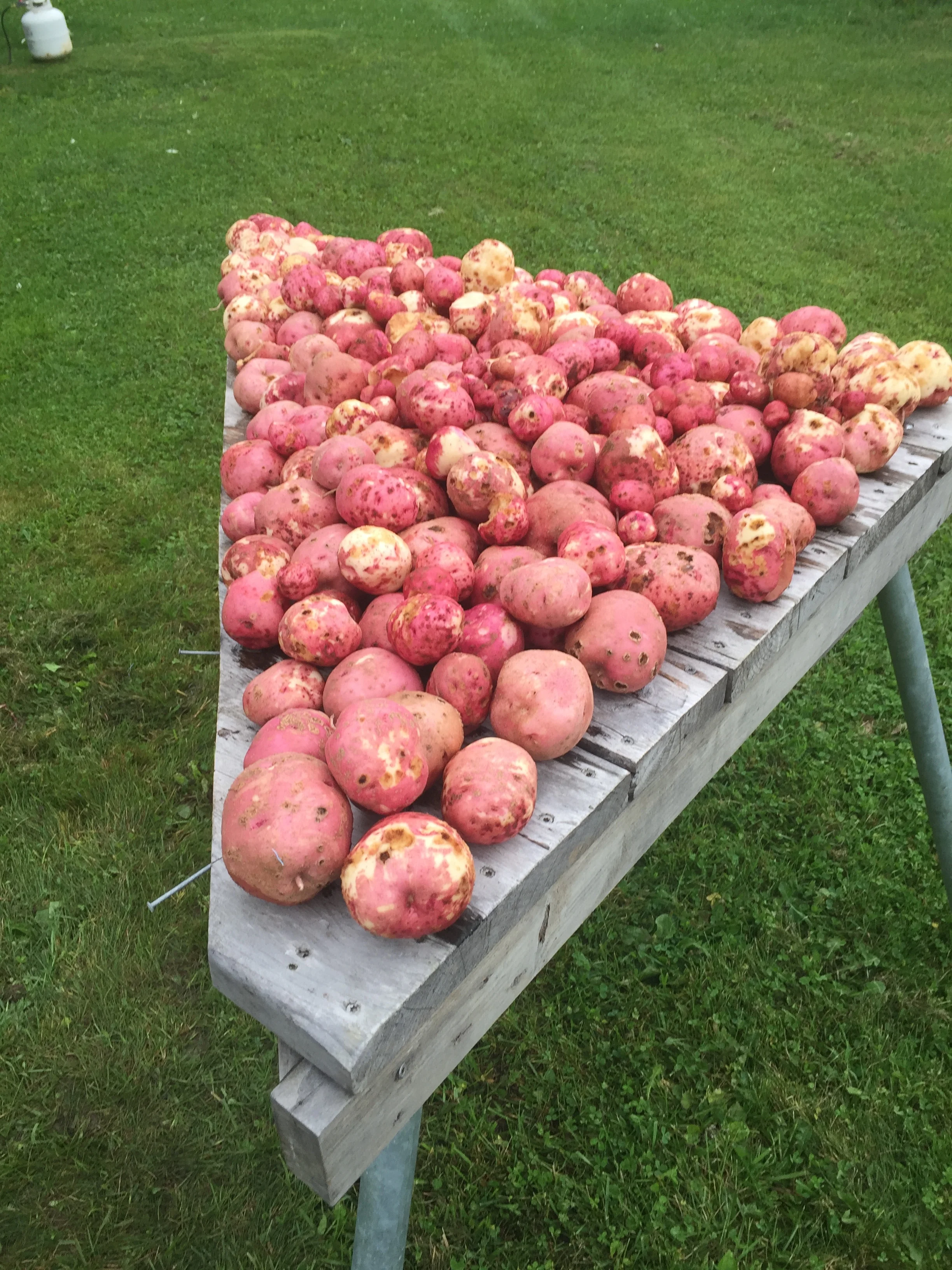
Michael made more jelly today, having finished digging the potatoes yesterday. 

Artemis must be telling Lilith about what fun she will have picking berries with her grandparents...or at least that's what I like to think has evoked this beautific smile.  

Artemis must be telling Lilith about what fun she will have picking berries with her grandparents...or at least that's what I like to think has evoked this beautific smile.  

Or maybe she's extolling the creaminess of home grown potatoes.  

Or maybe she's extolling the creaminess of home grown potatoes.  

Harvest journal: onions onions ha ha ha

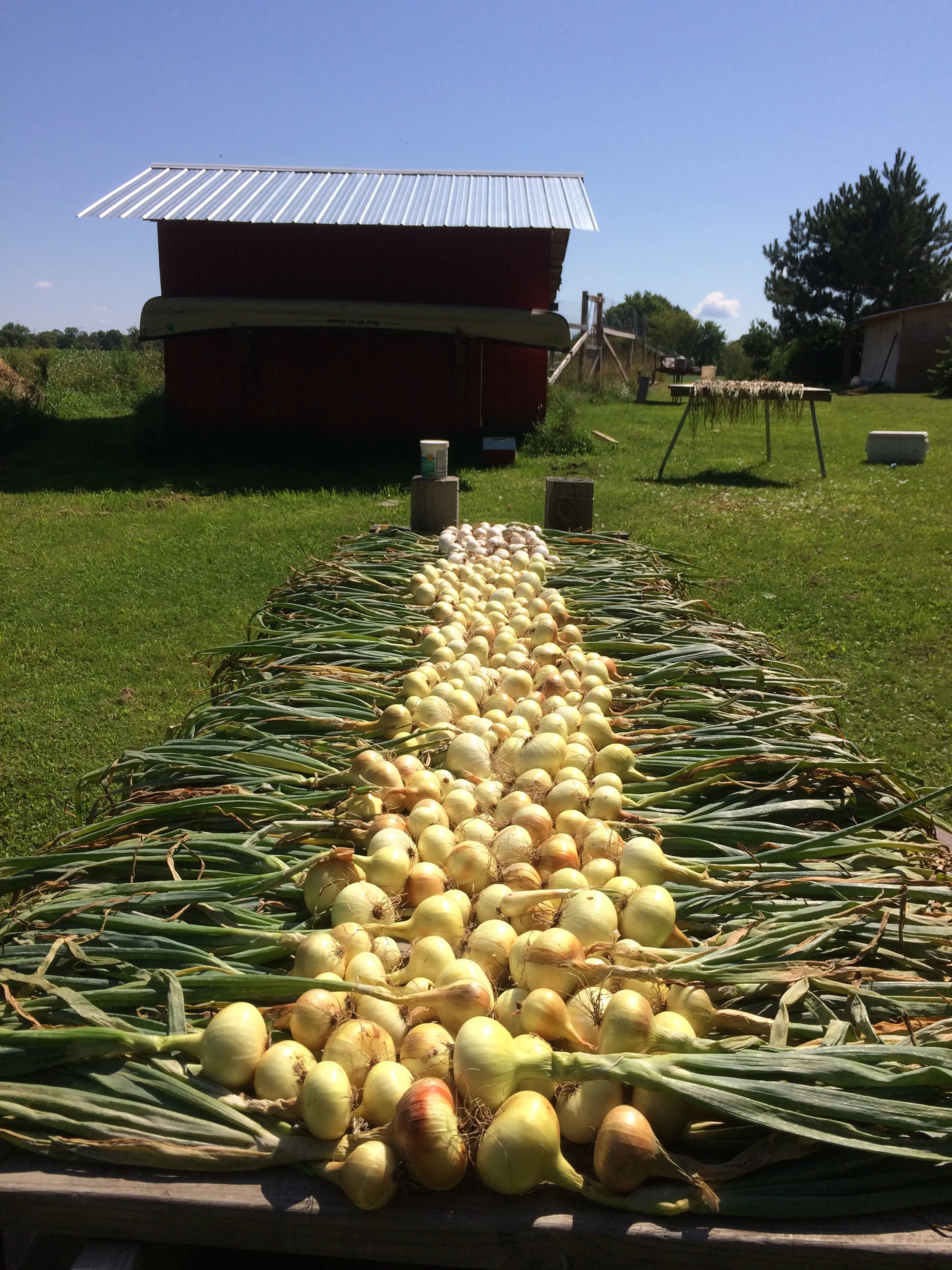
I love onions.  

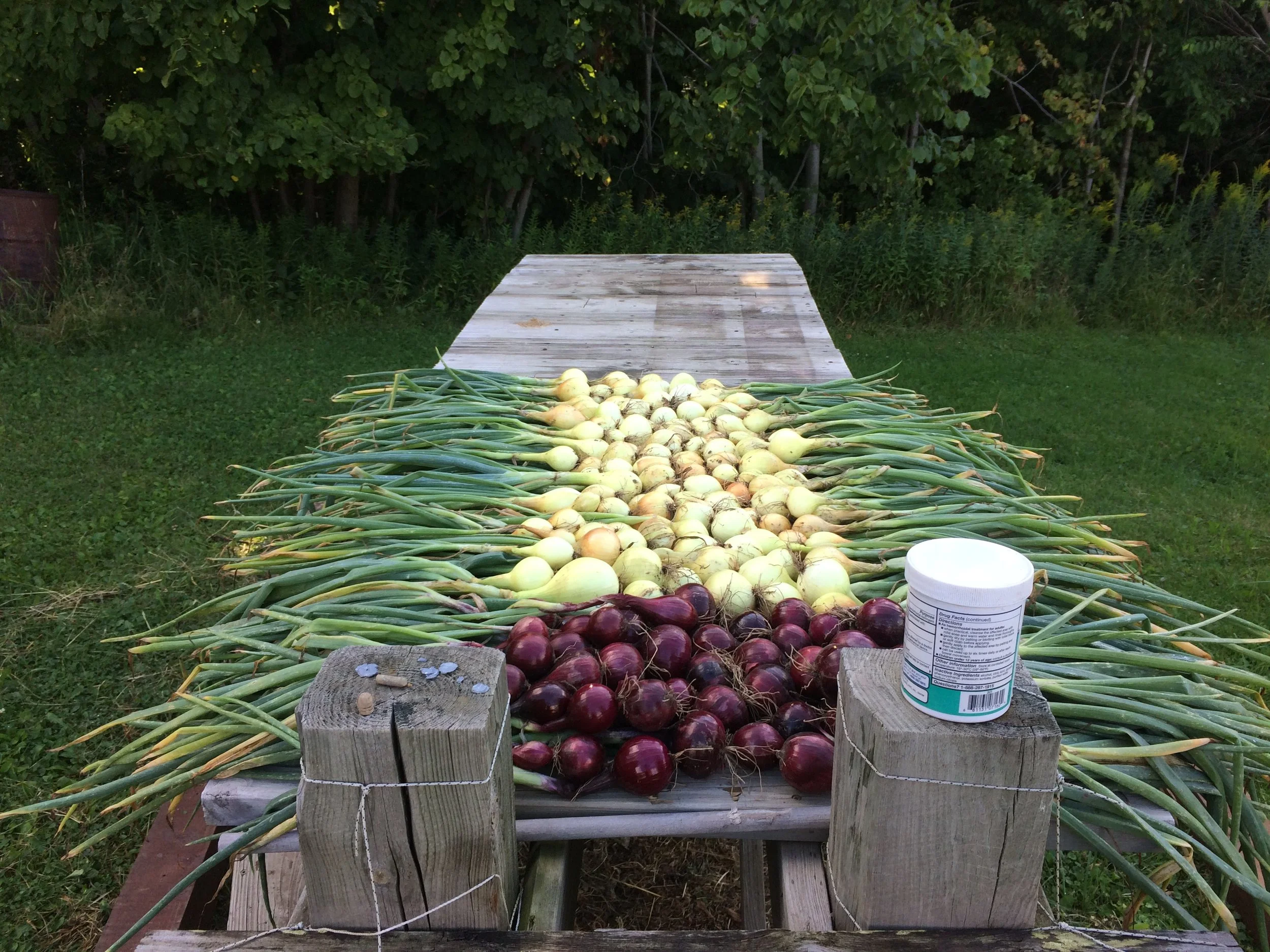
yellow and white

yellow and white

yellow and red

yellow and red

Michael planted 700 onion sets. We harvested less than 500 mature onions. Our garden has suffered from lack of attention and less rain. It's not as if we have been slacking. Rather, a certain amount of time and attention has been diverted by little Miss Devine. 

Unlike our onions, this wee one is growing at an amazing rate, and is really happy about it all. 

Unlike our onions, this wee one is growing at an amazing rate, and is really happy about it all. 

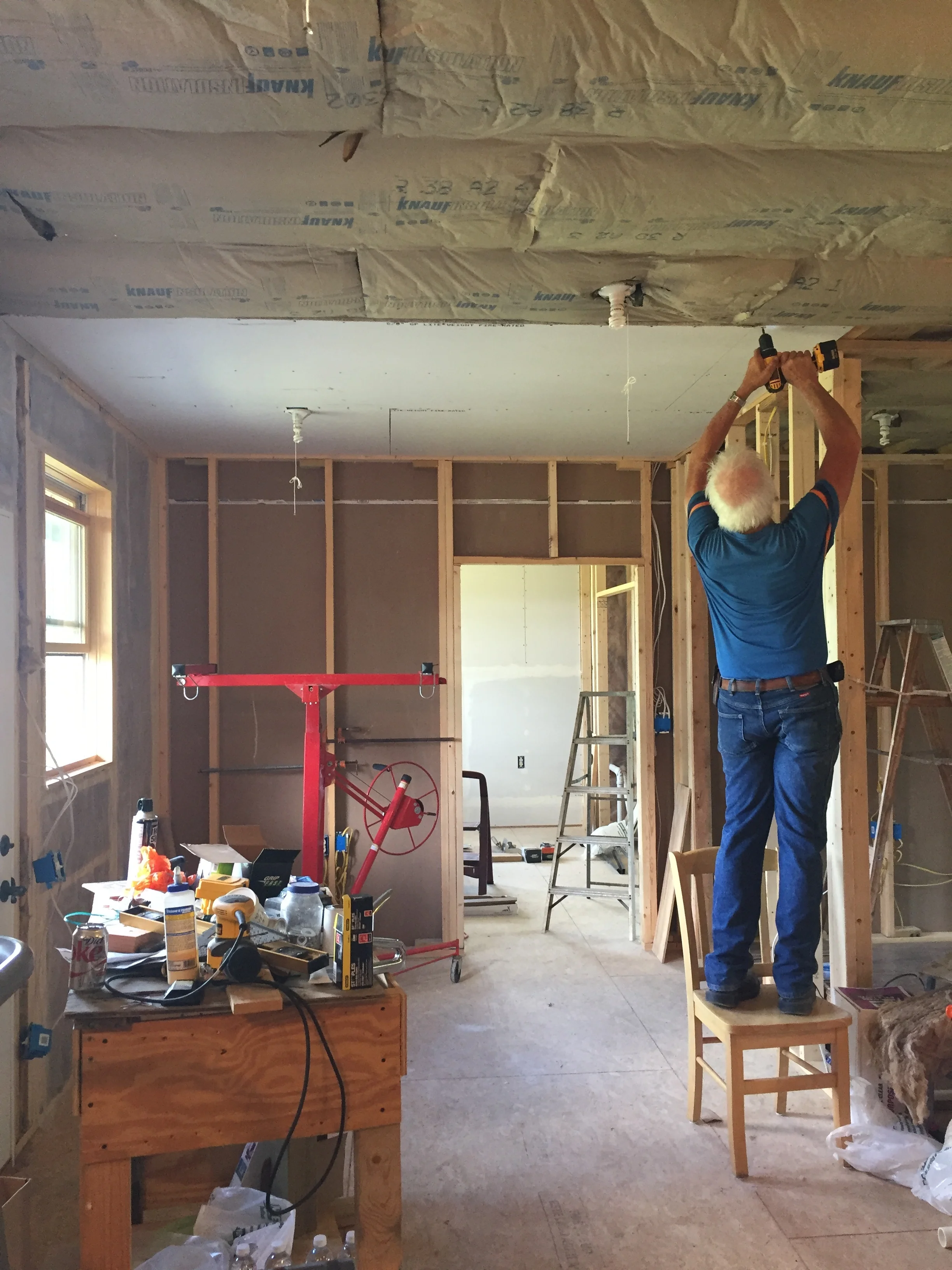
We have also been spending a fair amount of time and energy putting up wallboard and getting it taped. 

Michael installs. I tape. Those cake decorating skills come in handy!   

Michael installs. I tape. Those cake decorating skills come in handy!   

I have been working on several appeals. We both work on keeping us fed, the chicken and ducks fed, all of us in clean clothes and bedding, transporting compost from town to our garden...and other general maintenance. It is a glorious existence!  Onions add depth of flavor. 

Harvest journal: Garlic. I love garlic.

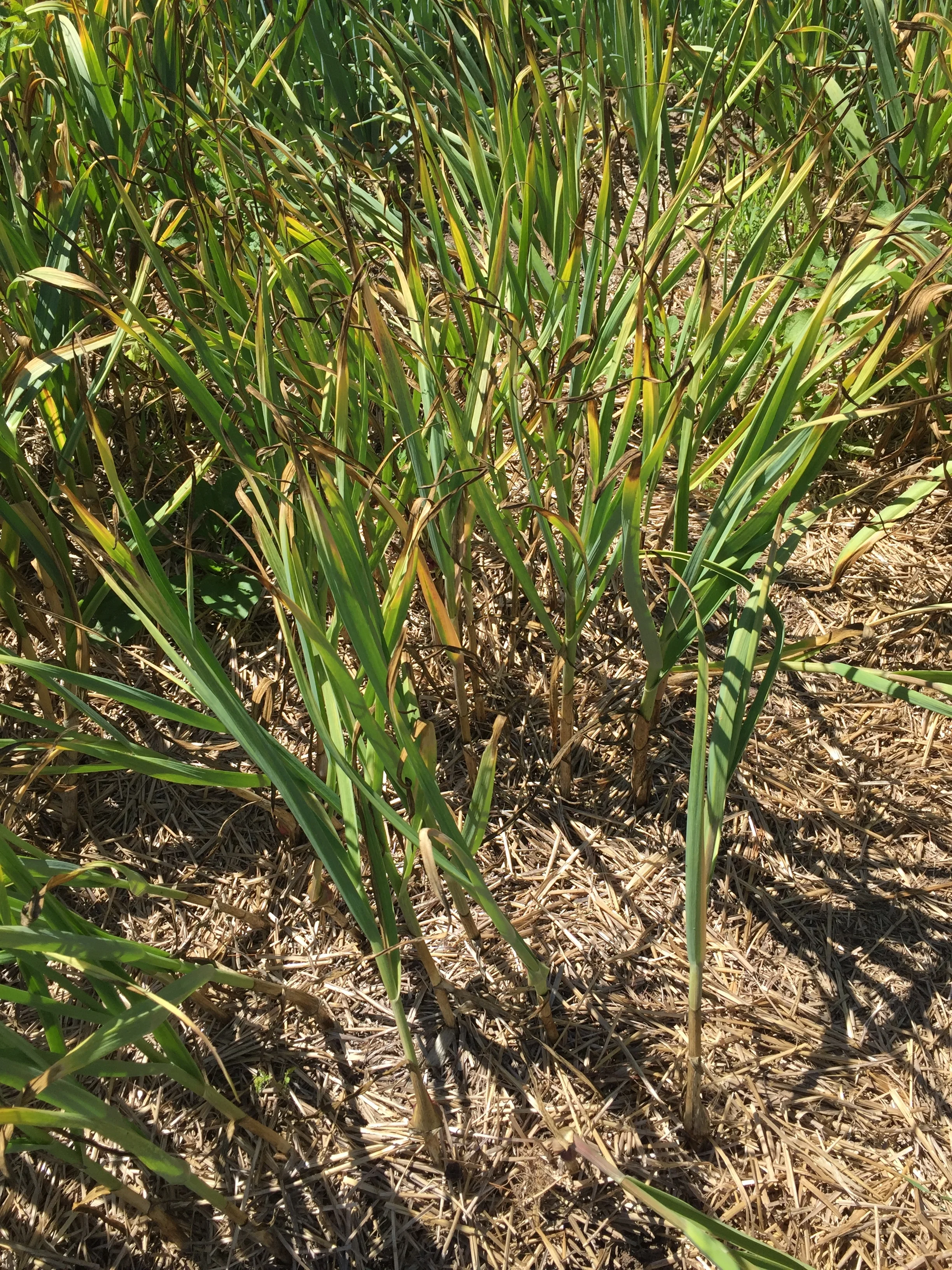
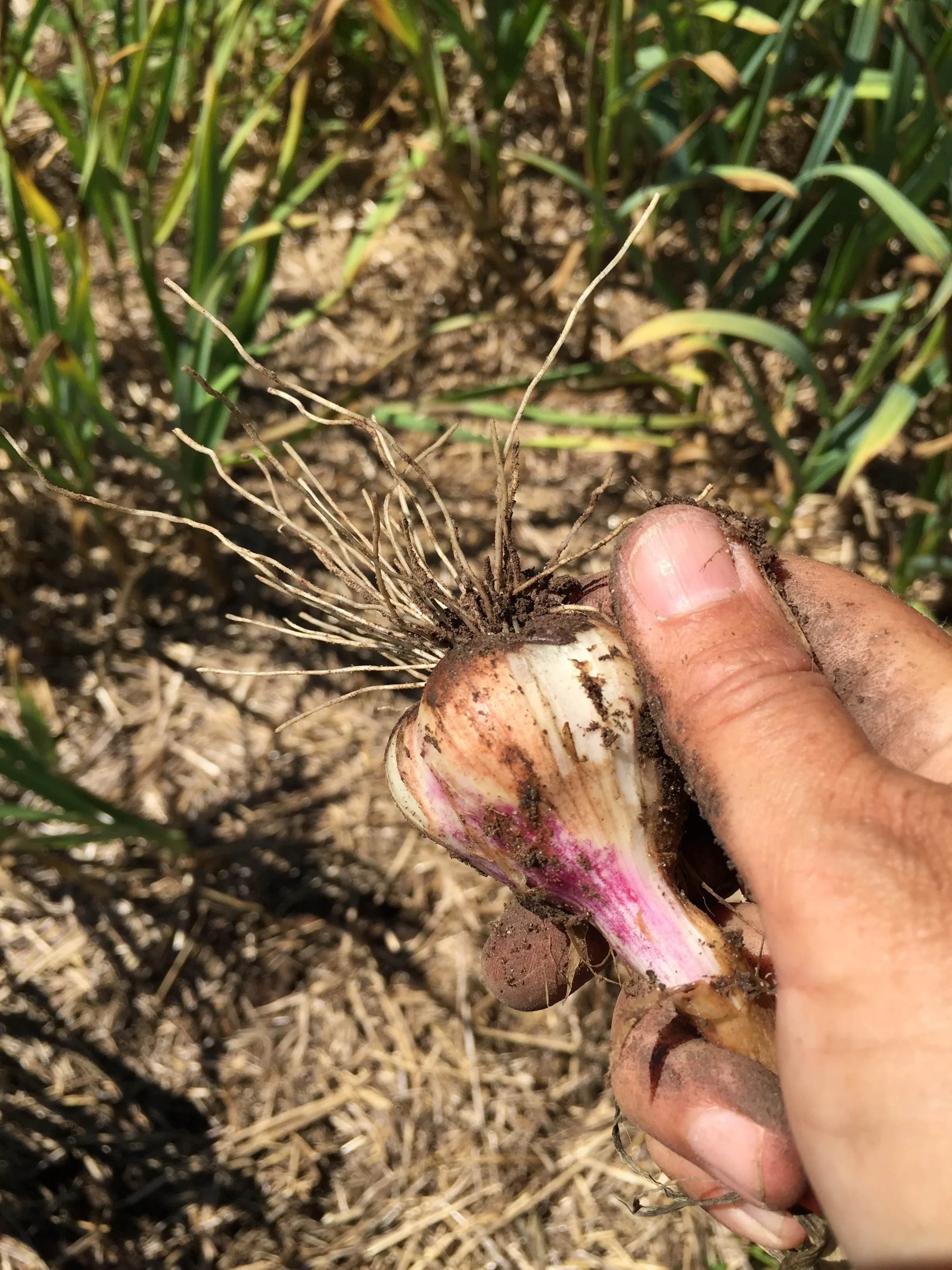
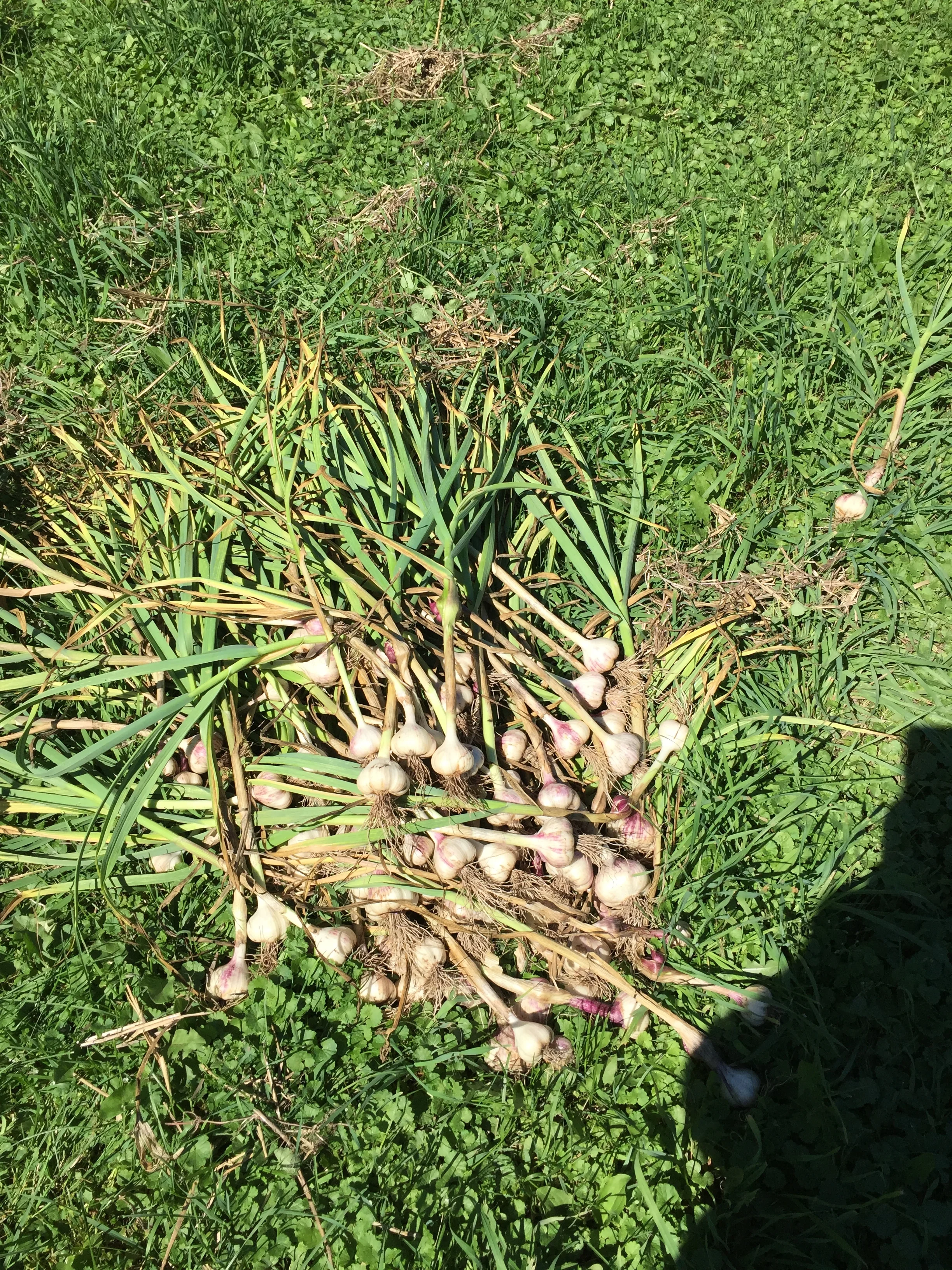
I planted garlic last October and am reaping the benefit of my labor now.   It seems early for the garlic to be lodging, but this year has been drier than last year. 

The ends are withering and the stalks are beginning to fall over. It's ripe! 

The ends are withering and the stalks are beginning to fall over. It's ripe! 

Harvesting garlic is not very tricky, but there are some steps worth noting. 

Fresh out of the ground.  

Fresh out of the ground.  

First, it's nice to not wait too long to harvest, as the bulbs will start to separate from the stems at some point. You can still get garlic out of the ground, but it's hard to find and won't save as long. 

Rubbing the dirt off takes a little time, but is worth it.  

Rubbing the dirt off takes a little time, but is worth it.  

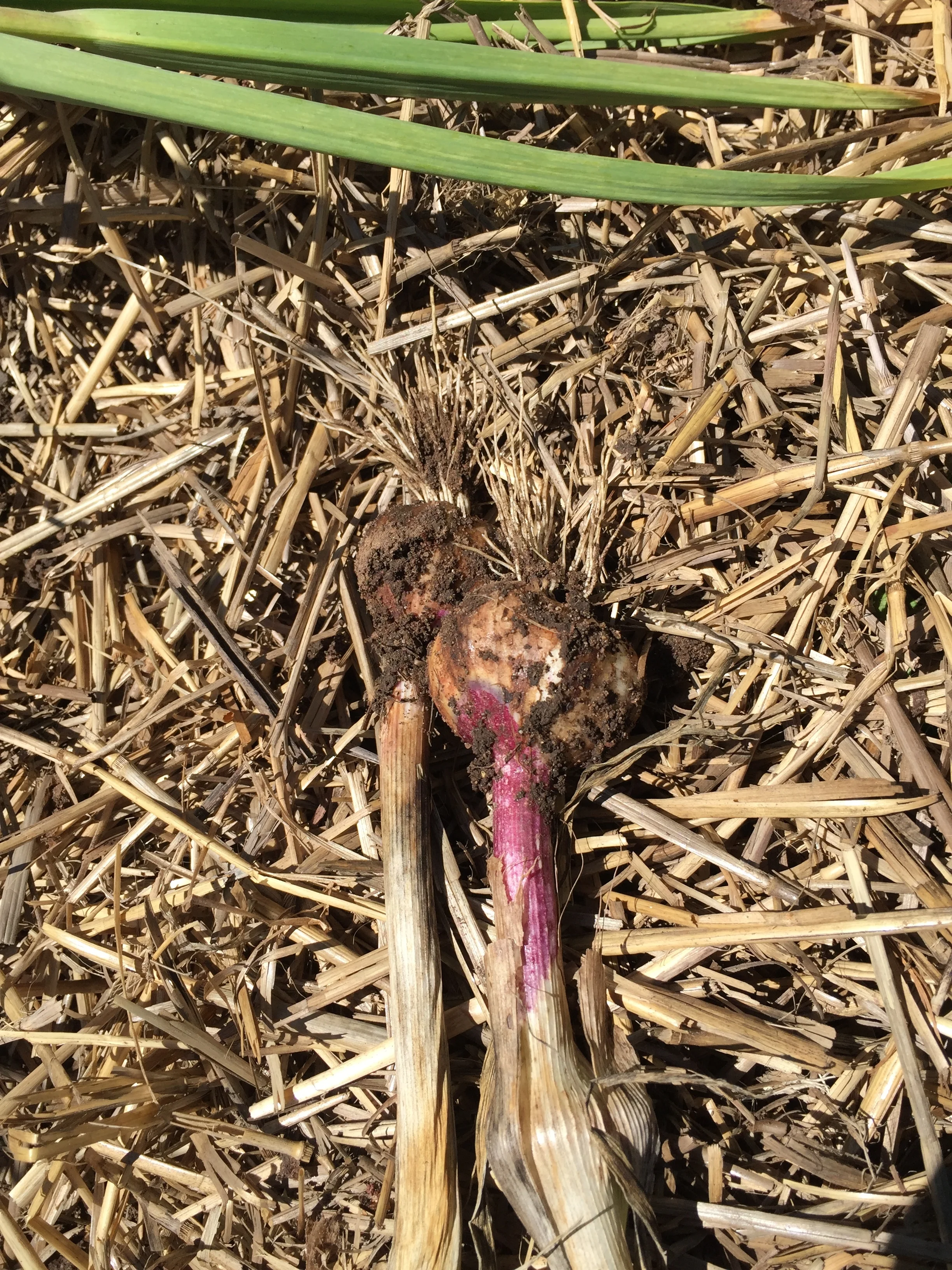
When we first grew garlic, Michael would pluck it all and then do a massive washing with water. Our garlic would rot. Avoid letting your garlic (or onions) get wet after harvest. If you do it immediately, the dirt just rubs off. If you wait, it gets glued on and you have to peel off layers of the outer skin to get rid of the dirt. That same skin is what helps the garlic keep its moisture longer and not dry out as soon. If you are growing garlic, you are probably saving it as well. We are just finishing our last braid of Germinador, and it is still good!  (It is also known for its ability to last...). 
Look Ma, no dirt! 

Look Ma, no dirt! 

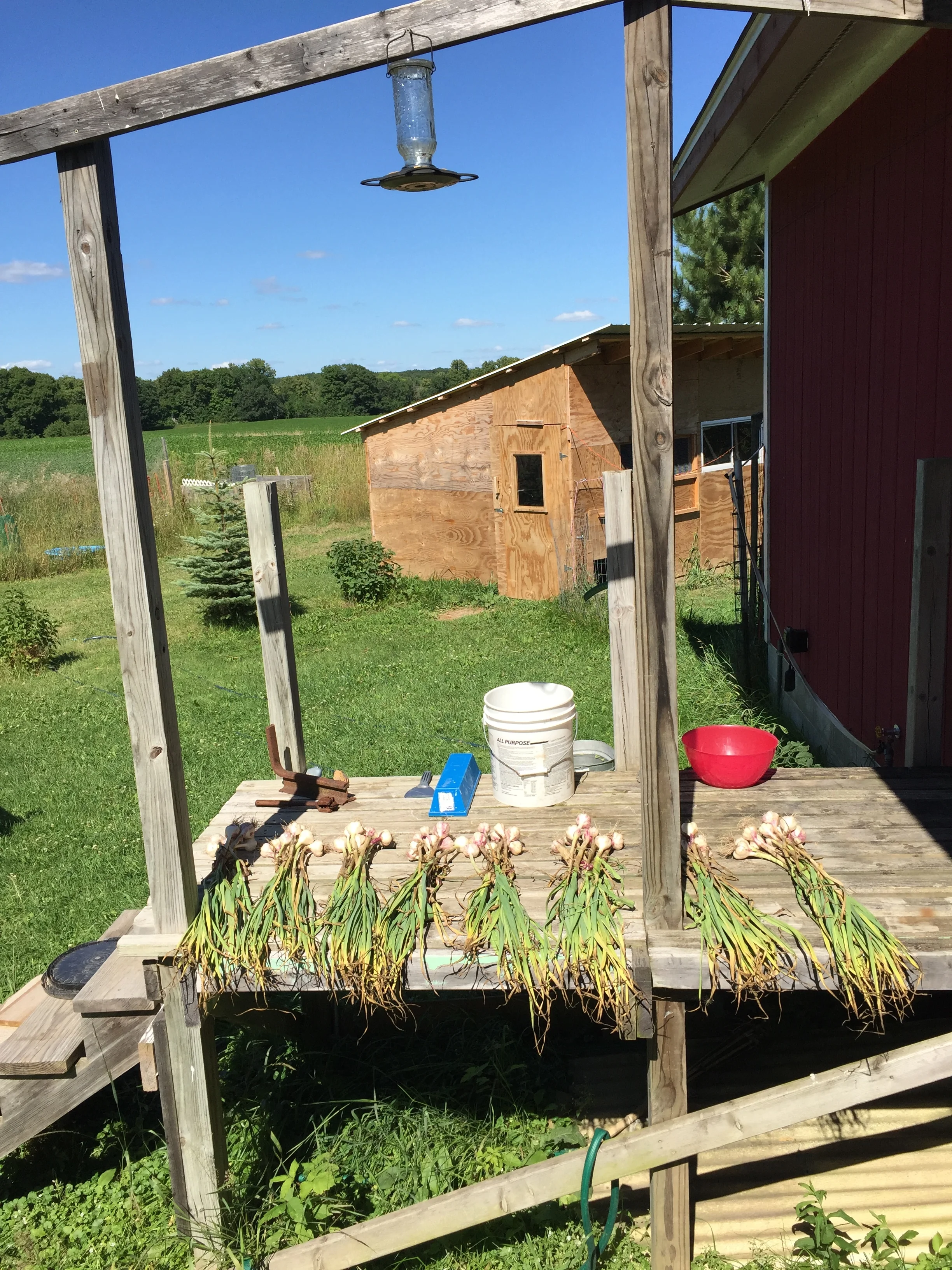
We don't have a good place to hang our garlic out of the sun and dry it. We set it out in the sun for a couple of days, turning it so any fungus gets some hard UV before I bundle or braid the garlic. 

Different garlic strains do variously well depending on the weather. I planted 105 cloves of 5 different types. So far, I've had a low of 82 bulbs and a high of 105.  

Different garlic strains do variously well depending on the weather. I planted 105 cloves of 5 different types. So far, I've had a low of 82 bulbs and a high of 105.  

I like the stems to have dried somewhat but not entirely, which makes braiding/bundling easier. 

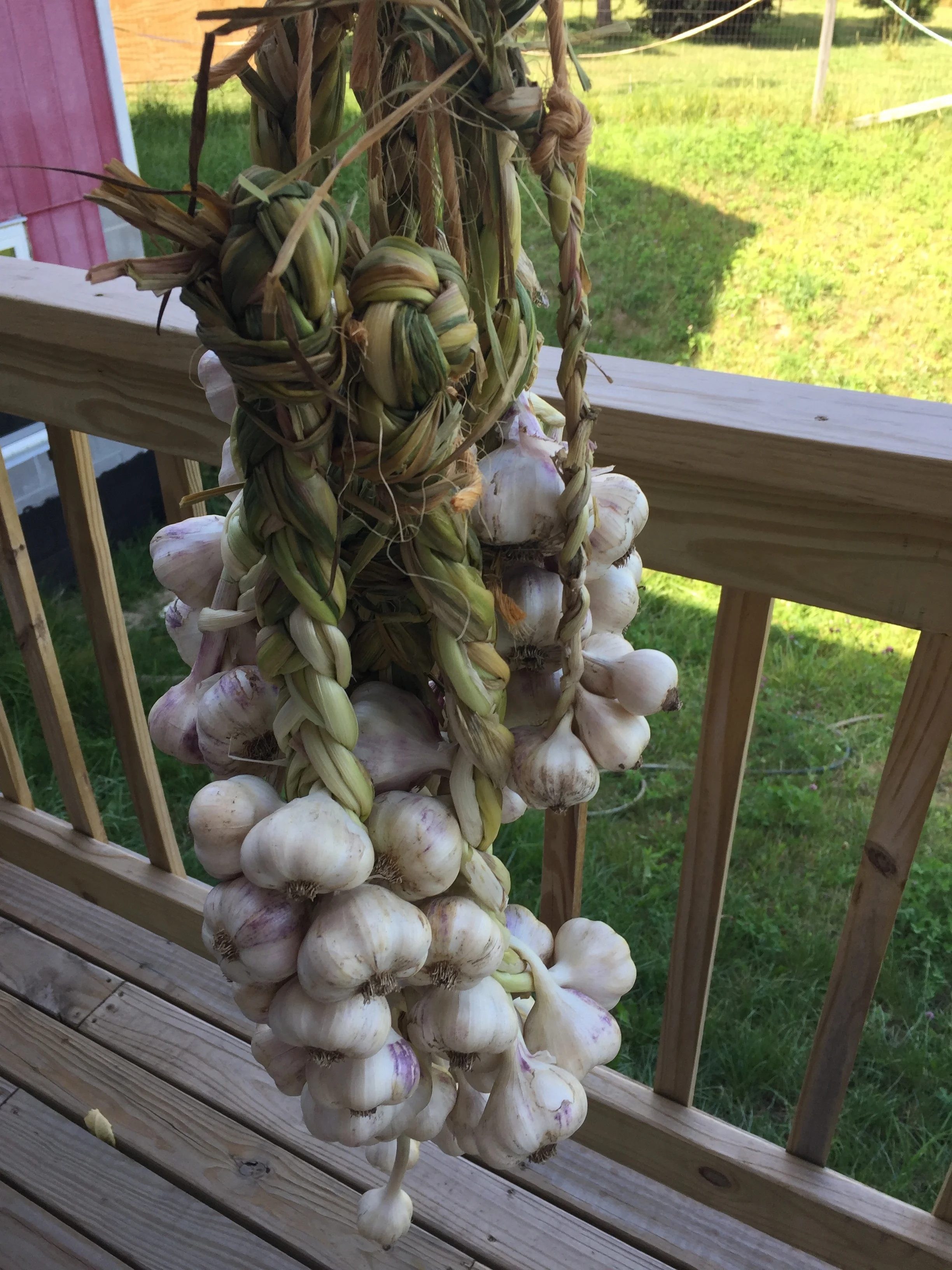
Soft neck garlic can be braided/hard neck must be bundled.  

Soft neck garlic can be braided/hard neck must be bundled.  

We grow more garlic than we can eat, but that means a select few also get to enjoy our garlic.

I like to think this is Lilith dreaming of garlic.  

I like to think this is Lilith dreaming of garlic.  

Season journal: we are jamming!

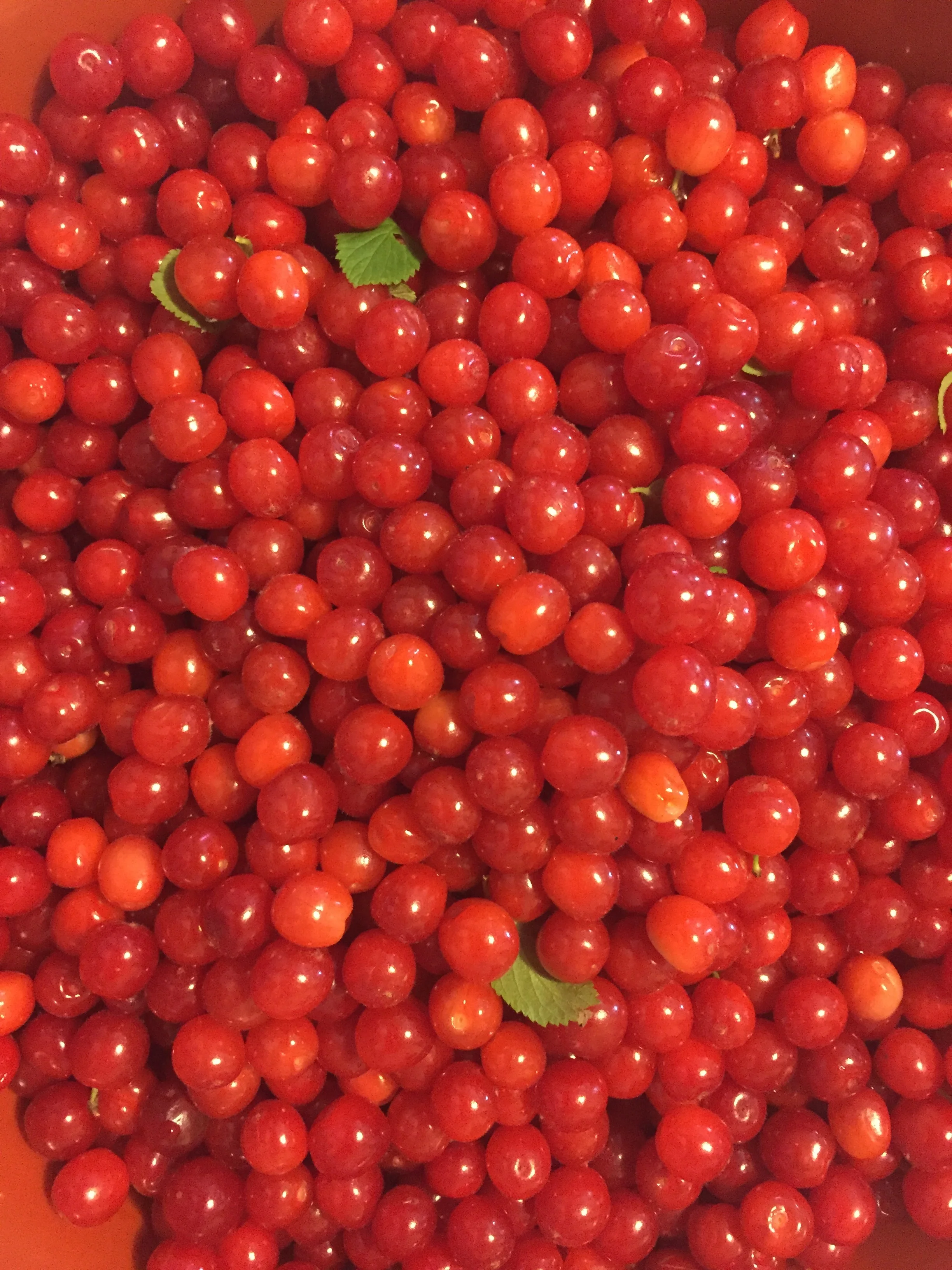
Nankin cherries: hardy but tiny

Nankin cherries: hardy but tiny

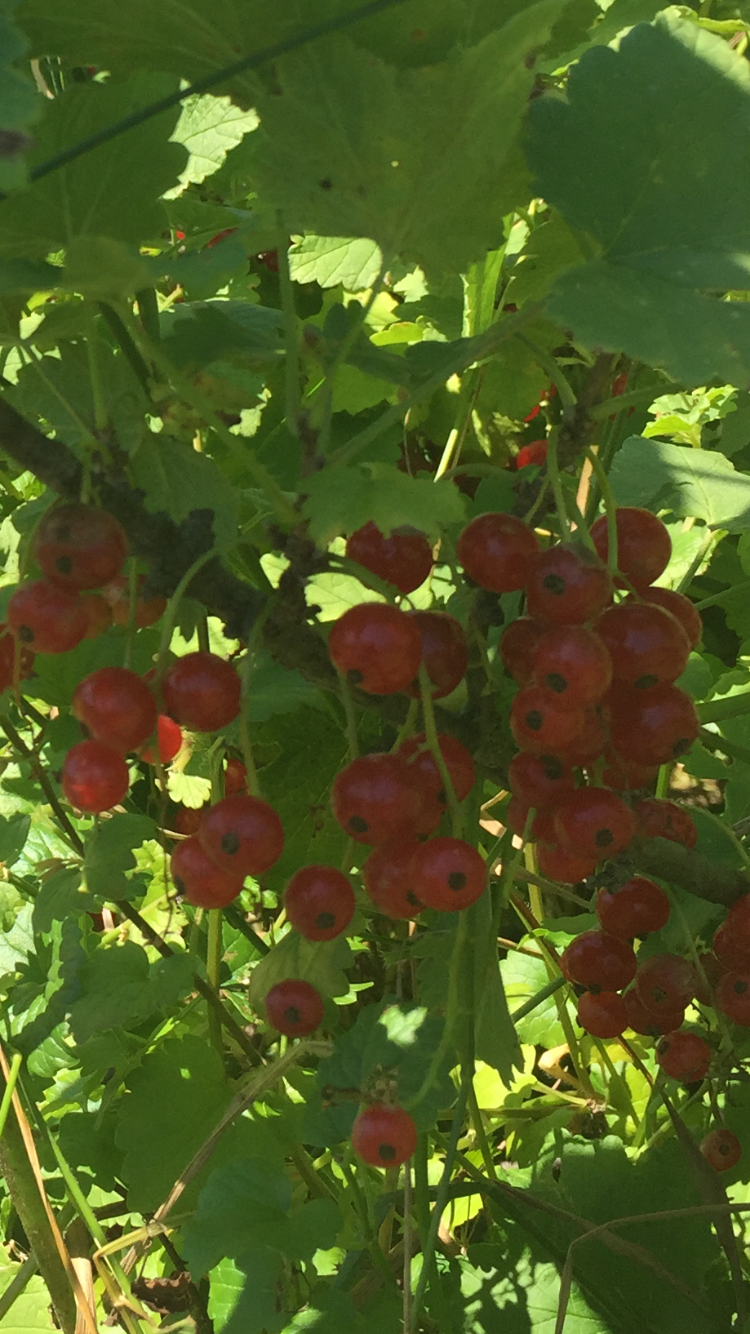
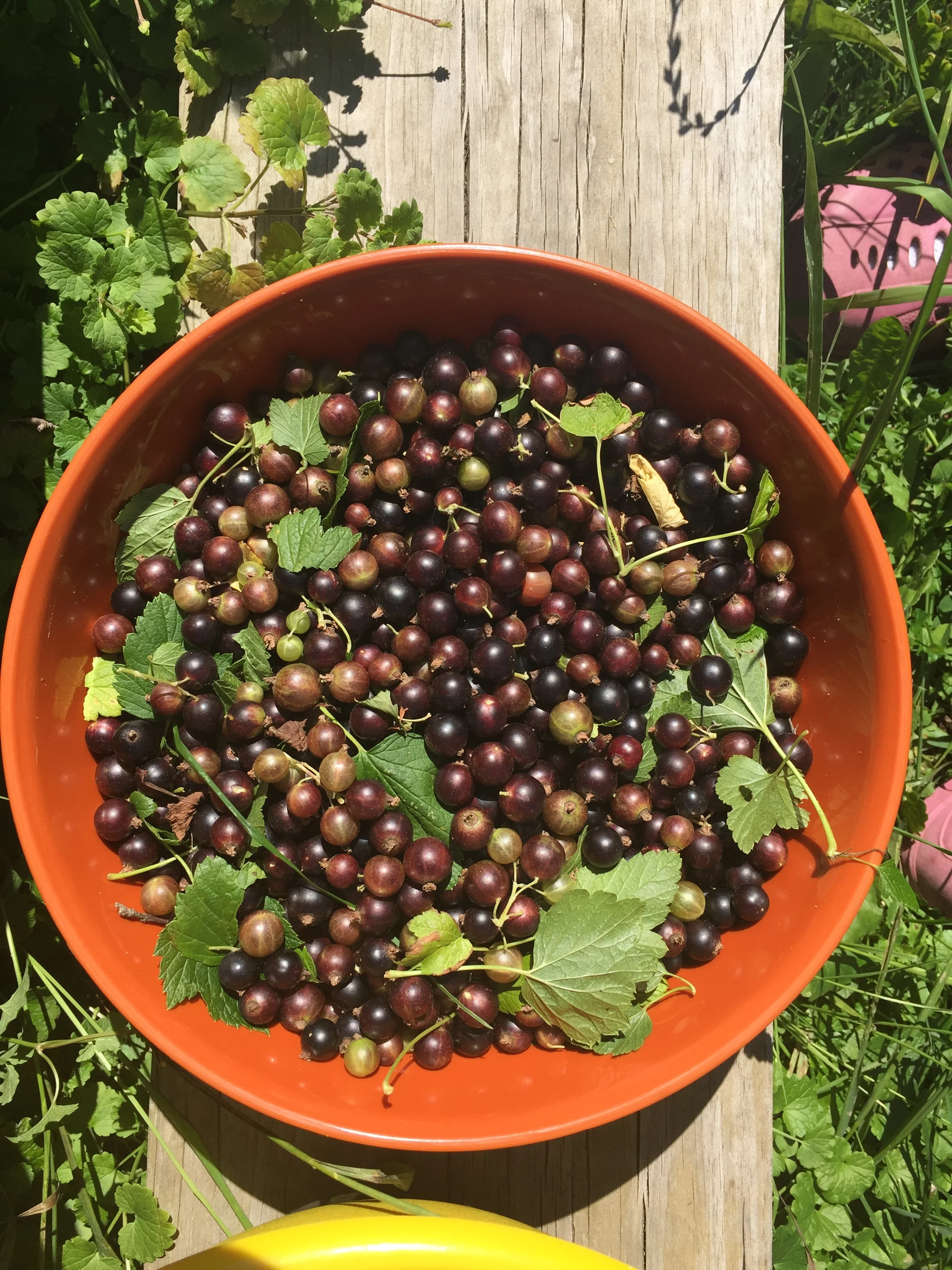
When fruit ripens, it's time to start making jam and jelly. Cherry jelly is precious, if only due to the work that goes into pitting them. They came ripe about the same time as the currants-red and black.  

Red currants, bright and tangy

Red currants, bright and tangy

Black currants, dark and velvety  

Black currants, dark and velvety  

We had a break in fruit production of two or three days and now are in the midst of collectiing Manchurian Apricots as they ripen and fall. They are tarter than eating apricots, which make them perfect for jam. 

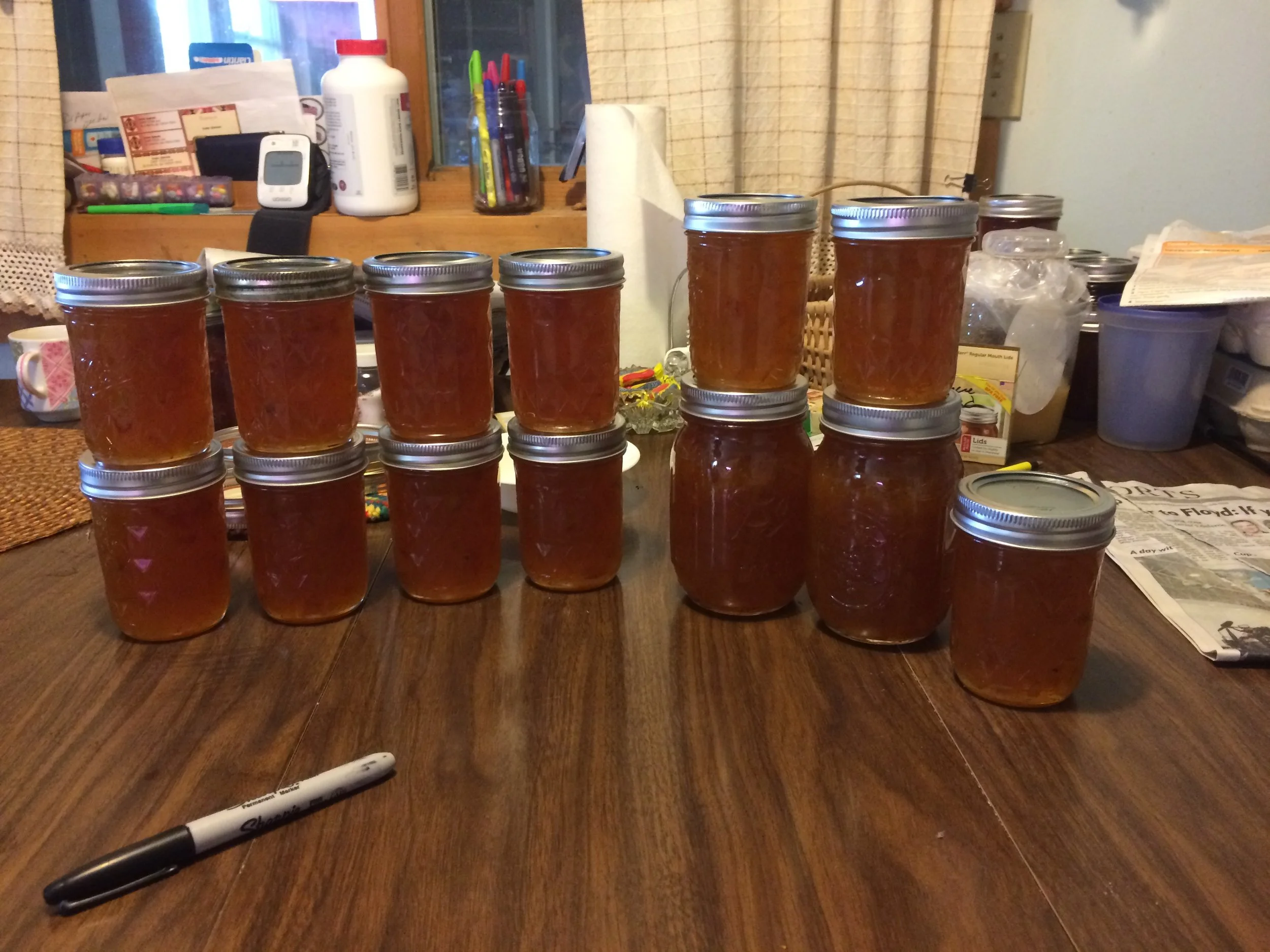
So happy to have apricot jam again!   

So happy to have apricot jam again!   

We took a trip out to the sand barrens to see if the blueberries were ripe, but the bears beat us to them. 

 Butterfly weed blooms when blueberries ripen.  

 Butterfly weed blooms when blueberries ripen.  

We still have elderberries and apples and wild plums, but those are fall harvests. If we are lucky, we will find choke cherries in August. 
I figured that it costs about $1.50 to make a jar of jelly, if you have to buy the jar. That does not include the fruit we grow or forage, or our time. An equivalent amount of jam at the store costs about $3. The difference is: you can't readily find black currant, elderberry, wild plum (which doesn't taste like anything in the store!), choke cherry, or the wonderful apricot jam we make. So we make more jelly and jam than we could possibly eat, and if you are lucky, you might have a dab on toast, or yogurt, or as a glaze on pork or duck...or maybe just a small spoonful straight from the jar... if the bears don't beat you to it. 
IMG_7289.JPG

Fishing journal: we aren't the catch and release types

I spent most of yesterday slaving over a keyboard. Michael rewarded me with an afternoon spent fishing. (He had been slaving over a hot stove. More on that later.)  At the boat ramp we chatted with a family just coming off the lake. They reported they had caught a lot of sunfish and crappies, but threw them back. We aren't that way. 
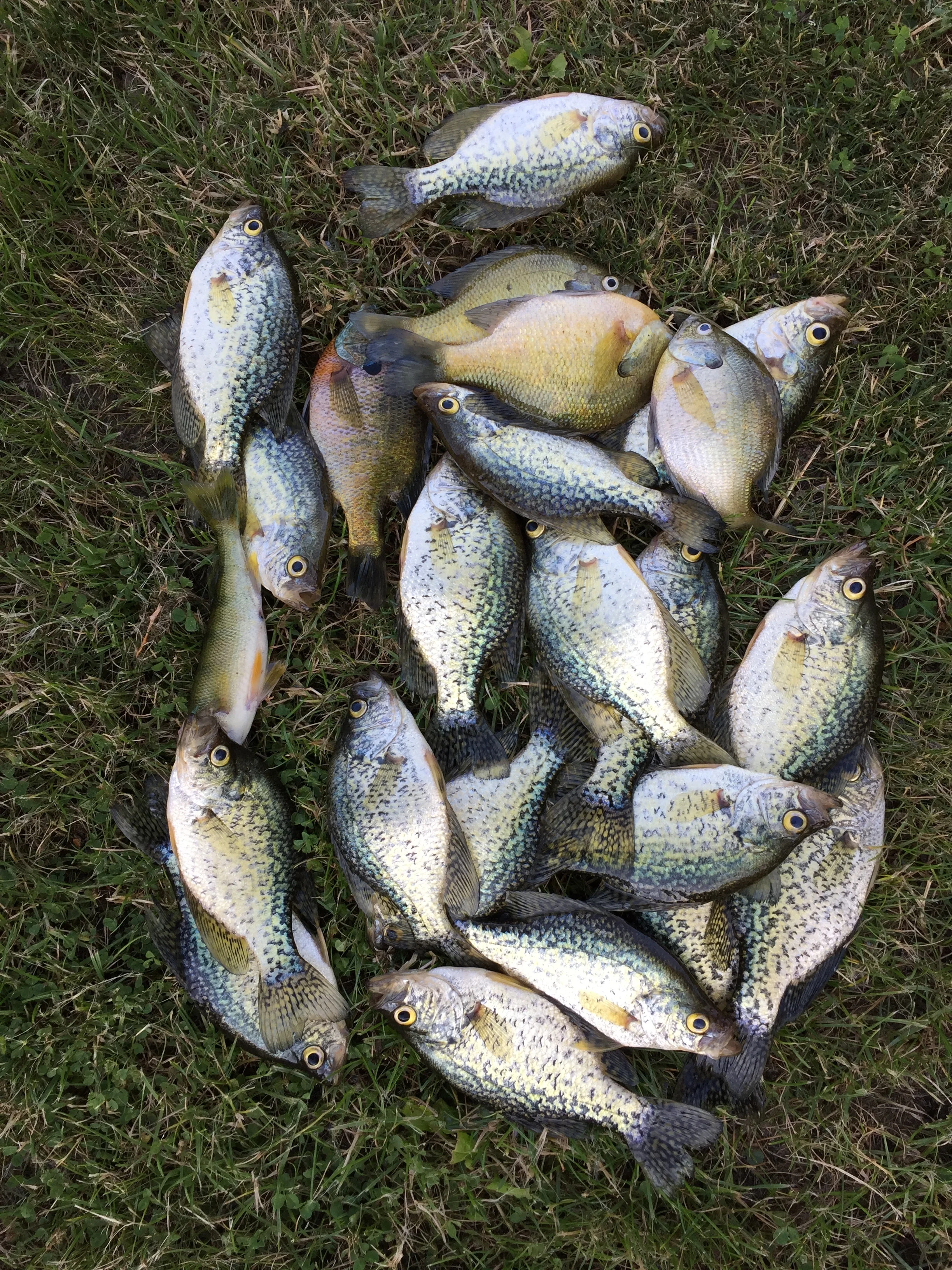
18 crappies, 4 sunnies and 1 yellow perch

18 crappies, 4 sunnies and 1 yellow perch

I don't understand people who fish for fun but don't eat the fish the catch. But I've also fed fish to people who say they don't like fish...but like mine. Maybe it's because I fillet them, so there are no small bones to battle. For anyone interested, here is our method of cleaning pan fish: 

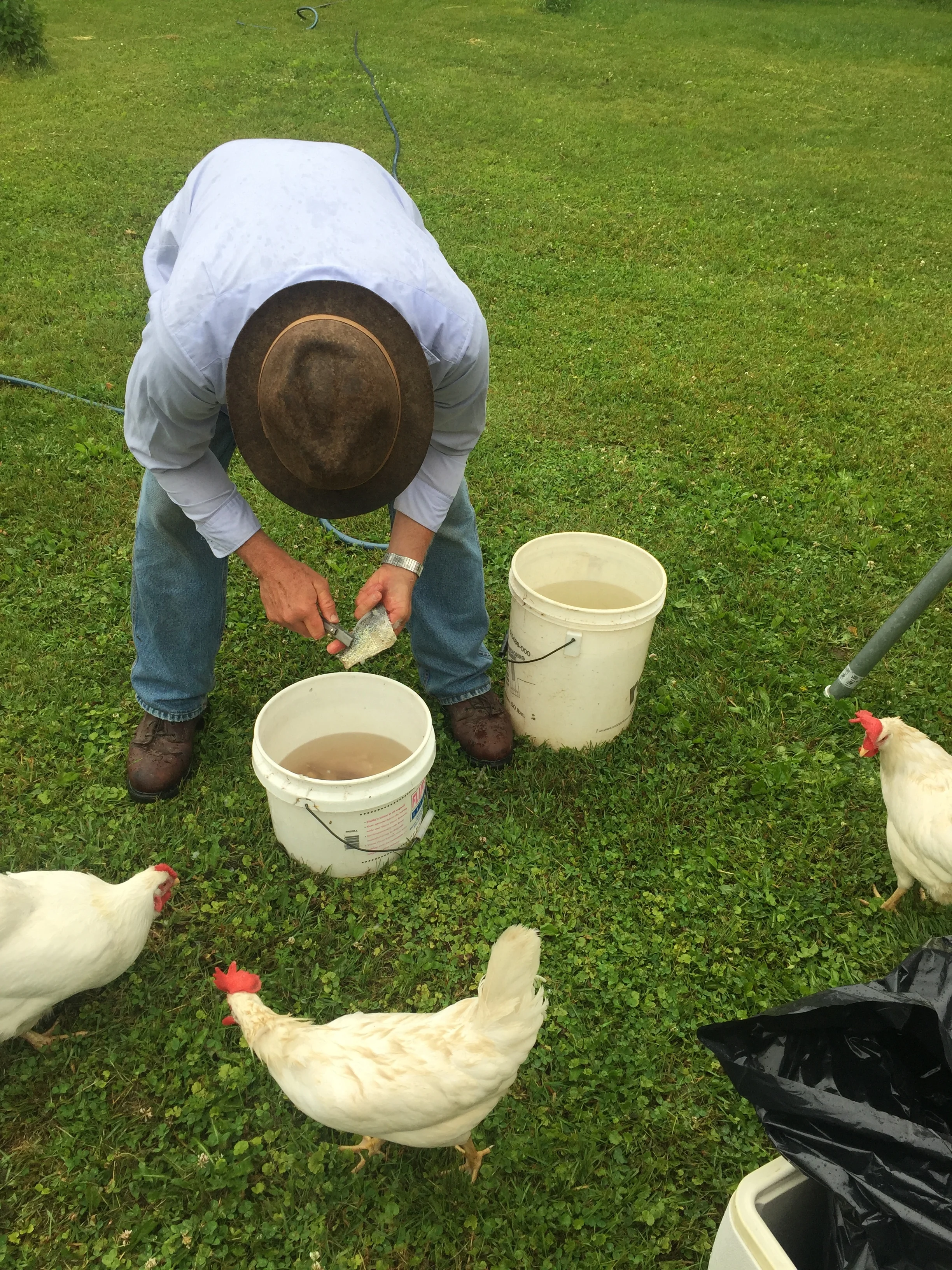
Equipment is important. Two sharp knives are handy-a filet knife and a chef's knife. A scaler. Two bowls and two buckets, all with water in them. A table to work on.  

Michael starts the process by taking the heads and fins off with the chef's knife, and gutting the fish.  

The yard chickens get the fish livers and roe. 

The yard chickens get the fish livers and roe. 

He then scales the fish into one of the buckets, and the other bucket is to rinse off in between fish. 

Some people would consider this the end of the process. Not us.  

Some people would consider this the end of the process. Not us.  

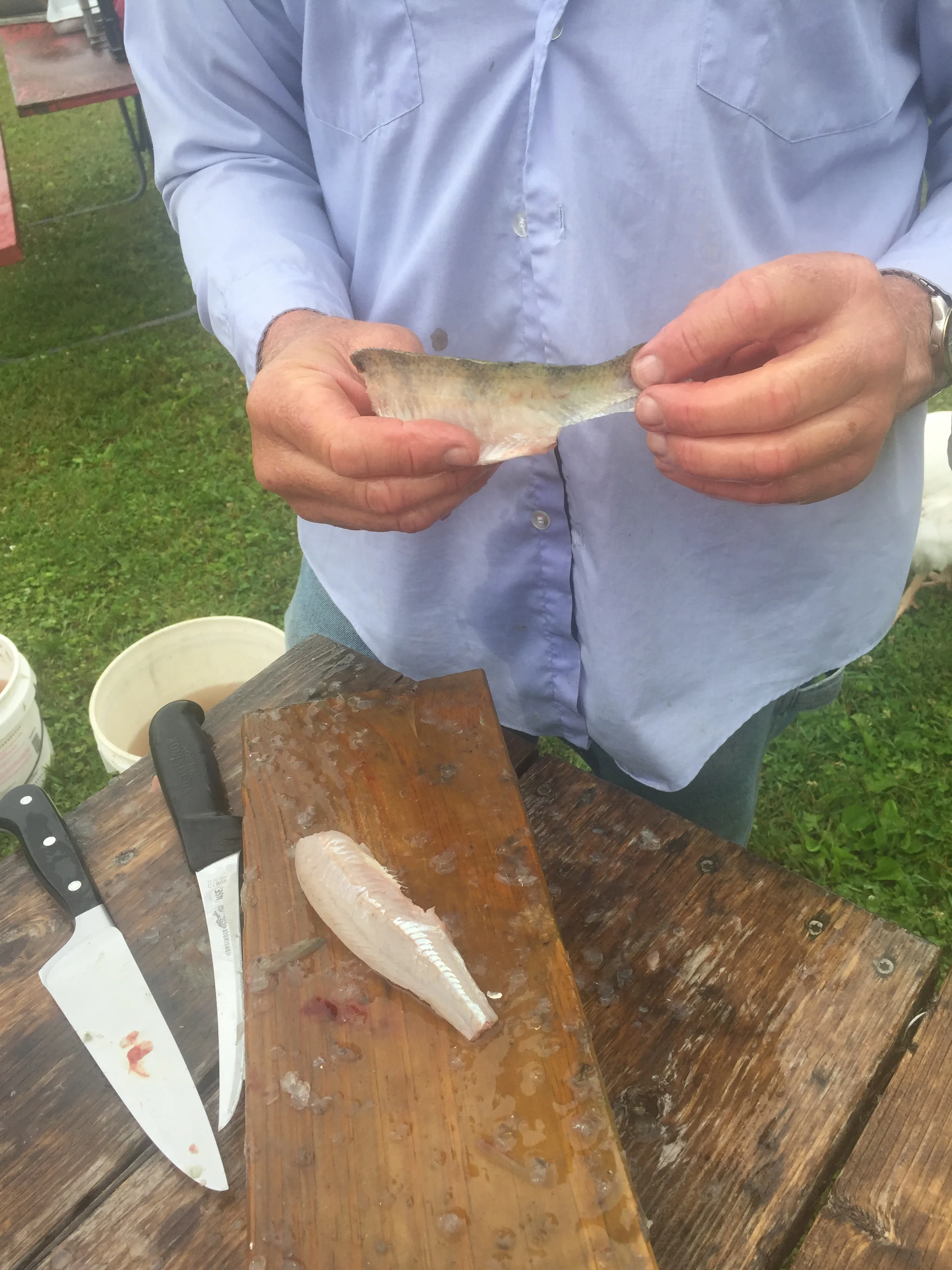
The exception to the scaling step is the yellow perch. They are armored against northern pike and do not willingly give up their scales. So they simply get skinned. 

Yellow perch are cousins to walleye

Yellow perch are cousins to walleye

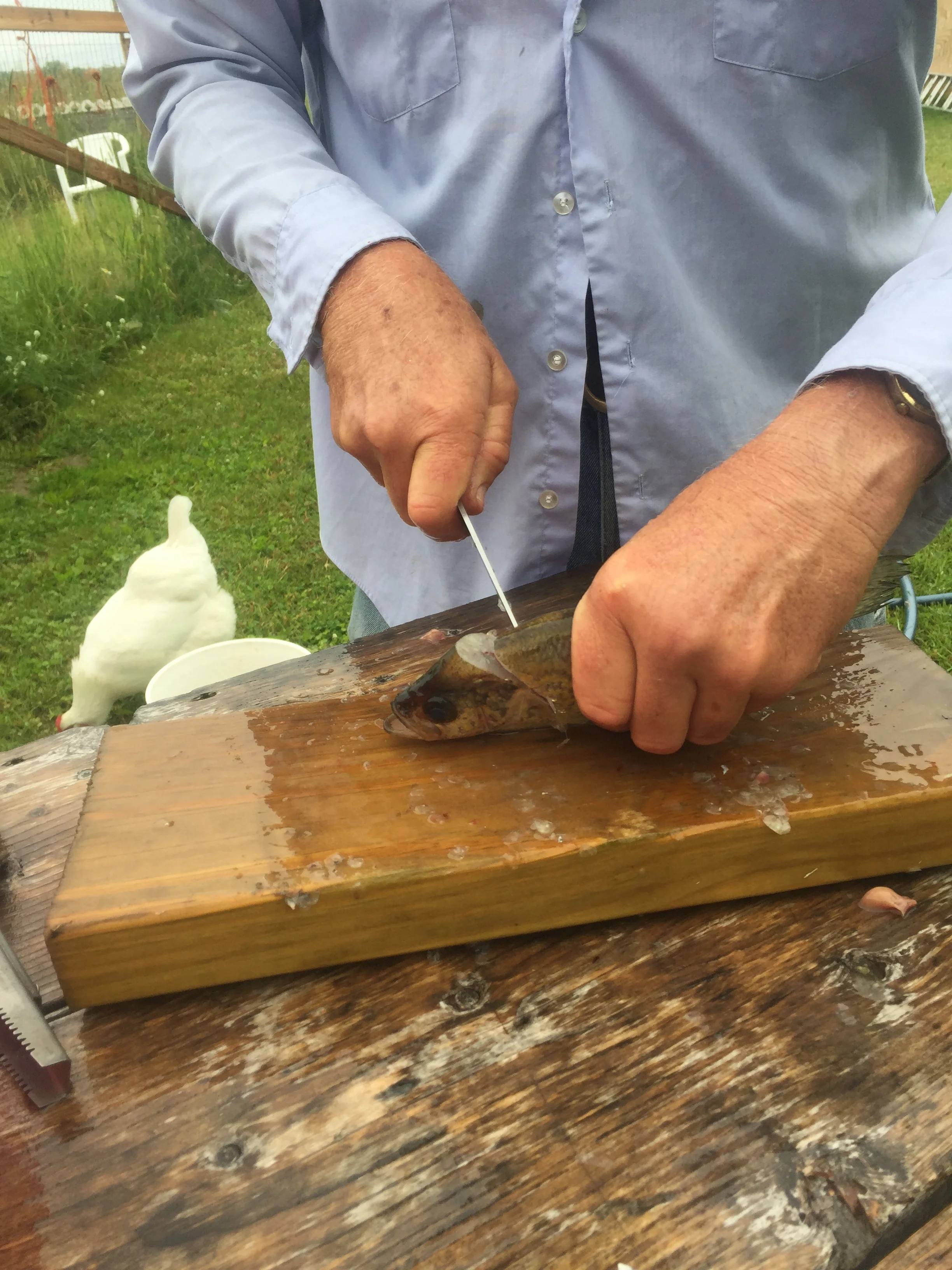
Michael puts the scaled or skinned fish in a bowl for me and I fillet them.  

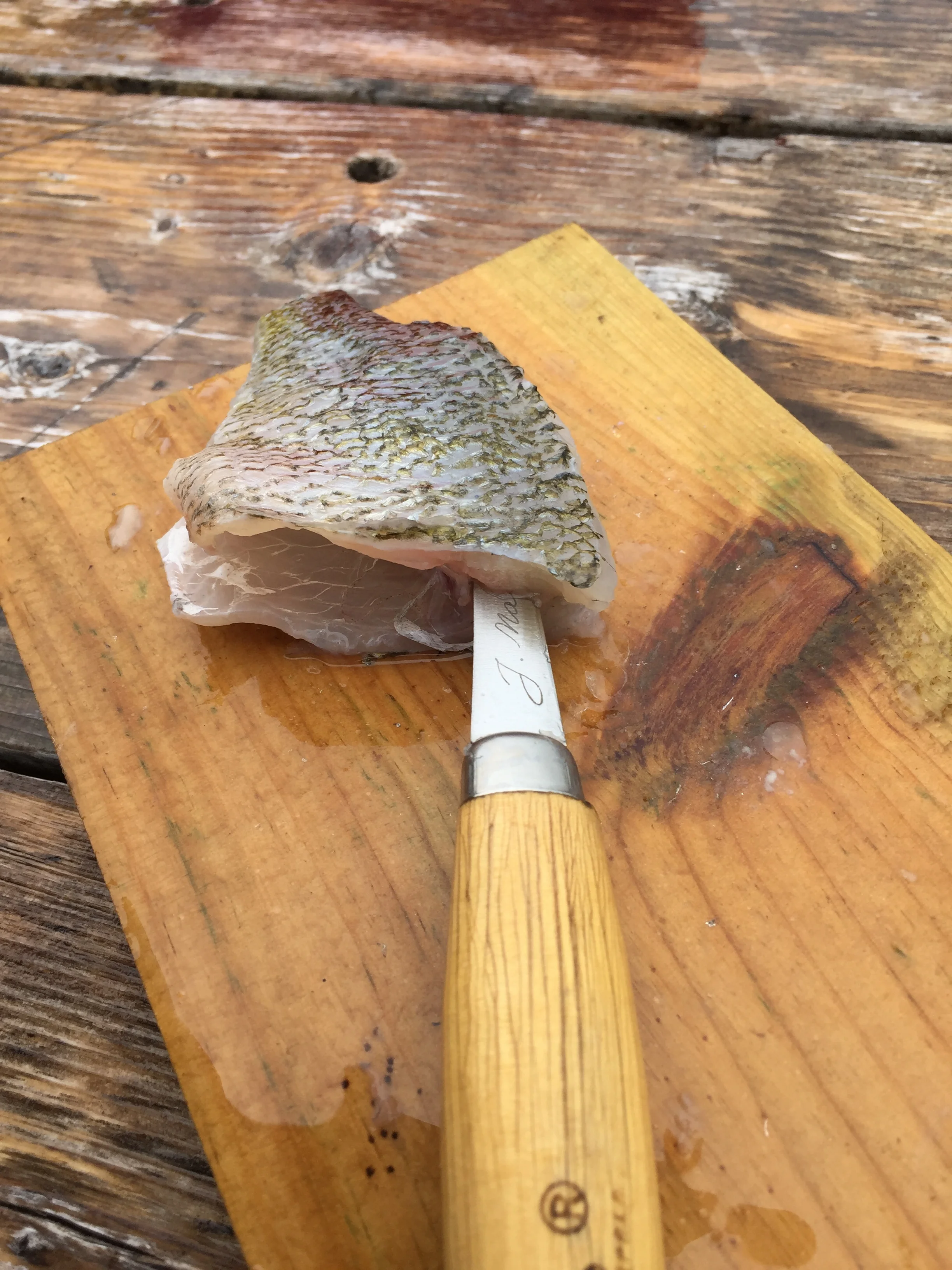
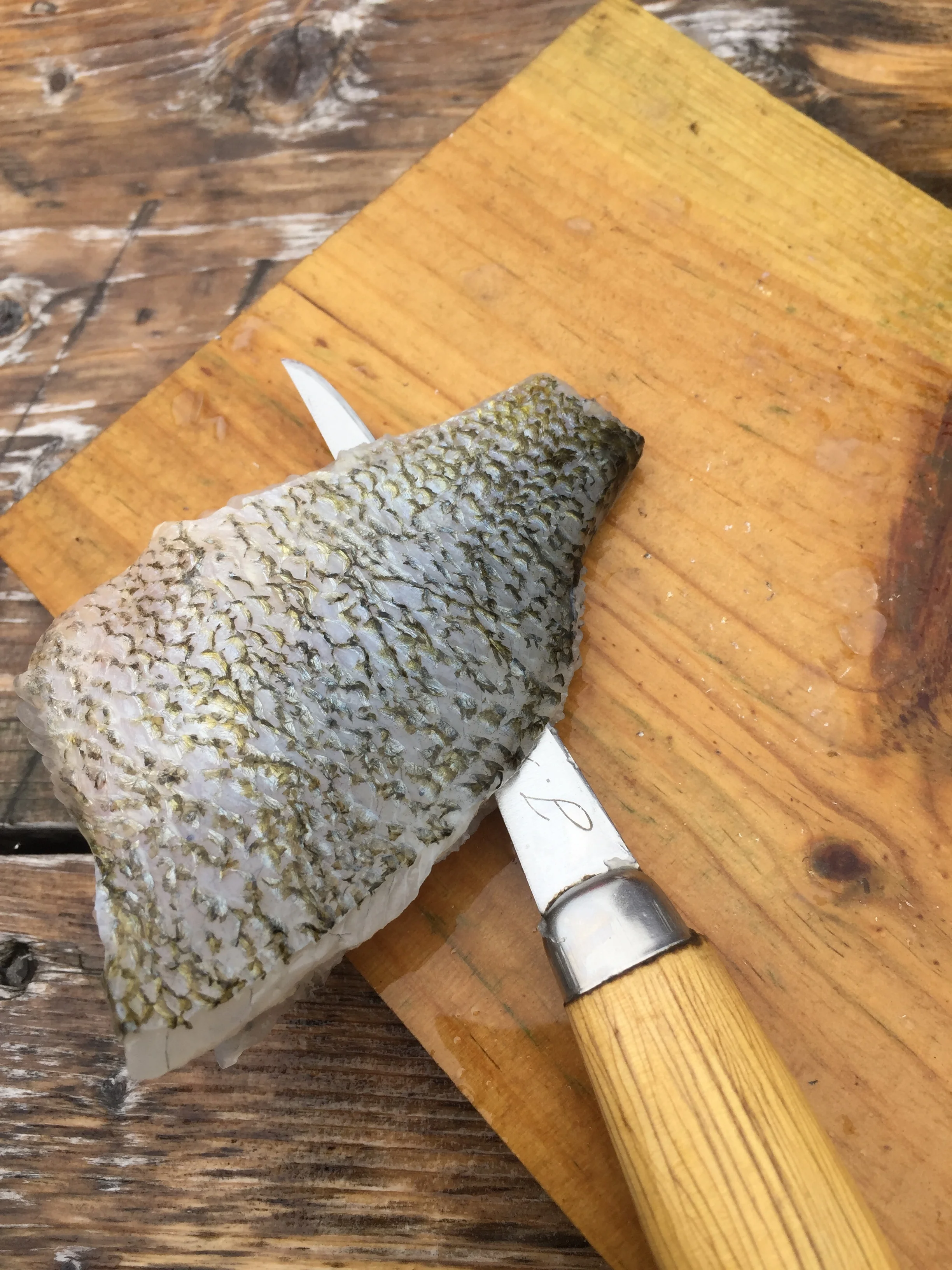
First run the knife down the backbone and slide up the dorsal bones.  

First run the knife down the backbone and slide up the dorsal bones.  

Next slide the knife in across the end of the gut cavity and slide against the bones toward the tail end.  

Next slide the knife in across the end of the gut cavity and slide against the bones toward the tail end.  

After a bit of practice, you can do these two steps in one smooth motion.  

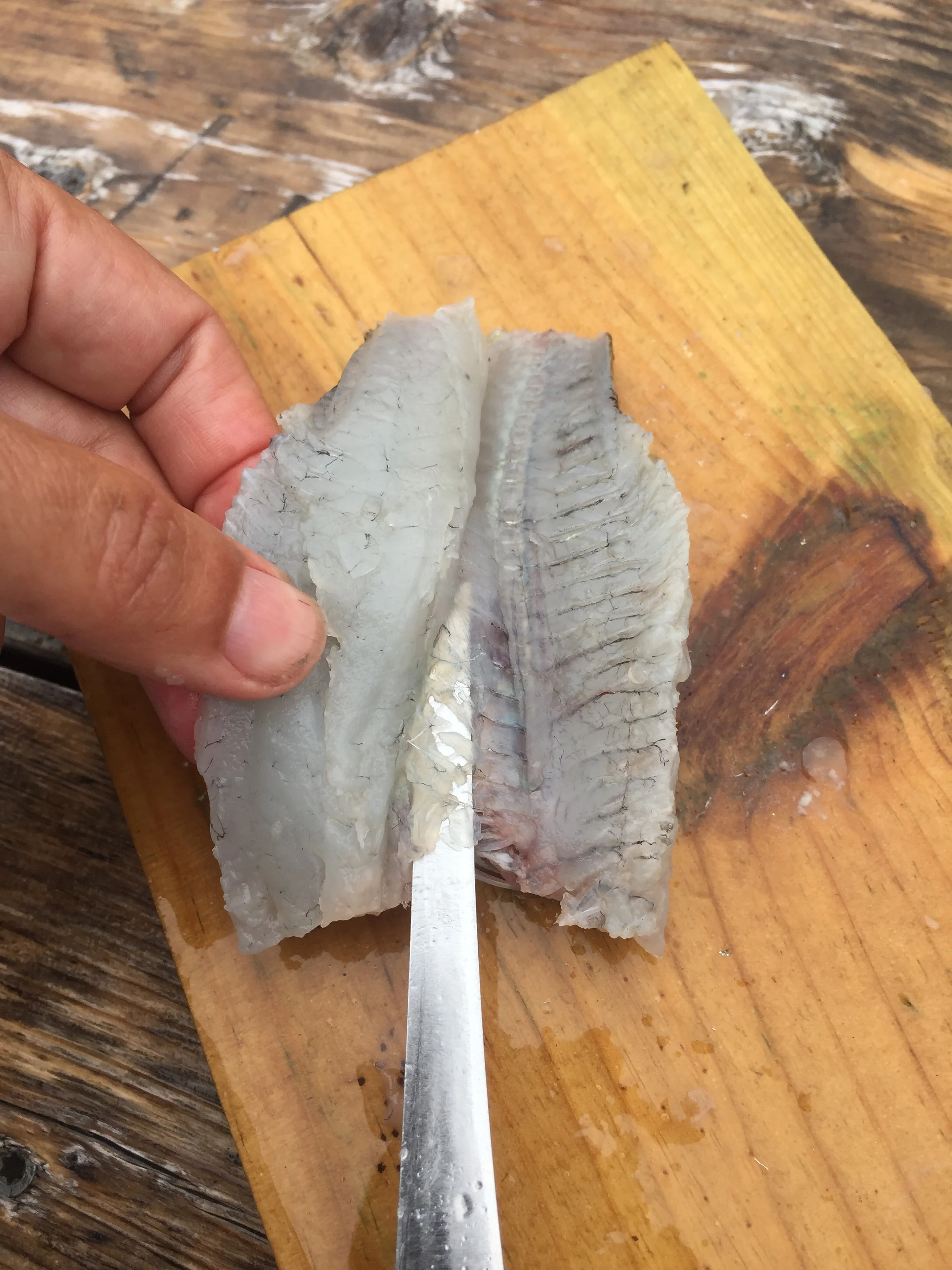
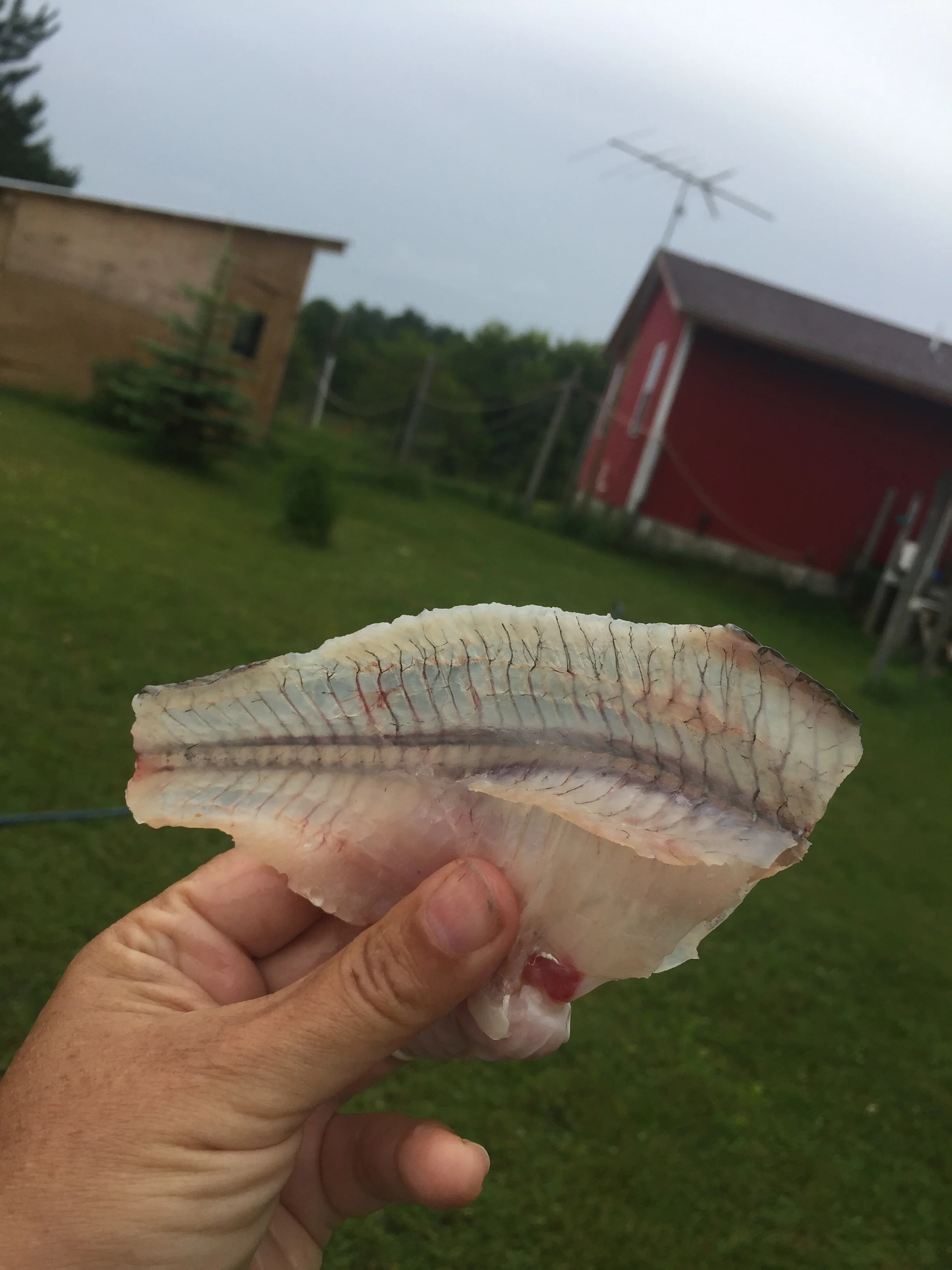
There are a set of small bones running laterally down the rib cage. I cut down to them, then slide the knife under them and cut toward the skin until they release, then finish separating the belly meat from the ribs. 

There are a set of small bones running laterally down the rib cage. I cut down to them, then slide the knife under them and cut toward the skin until they release, then finish separating the belly meat from the ribs. 

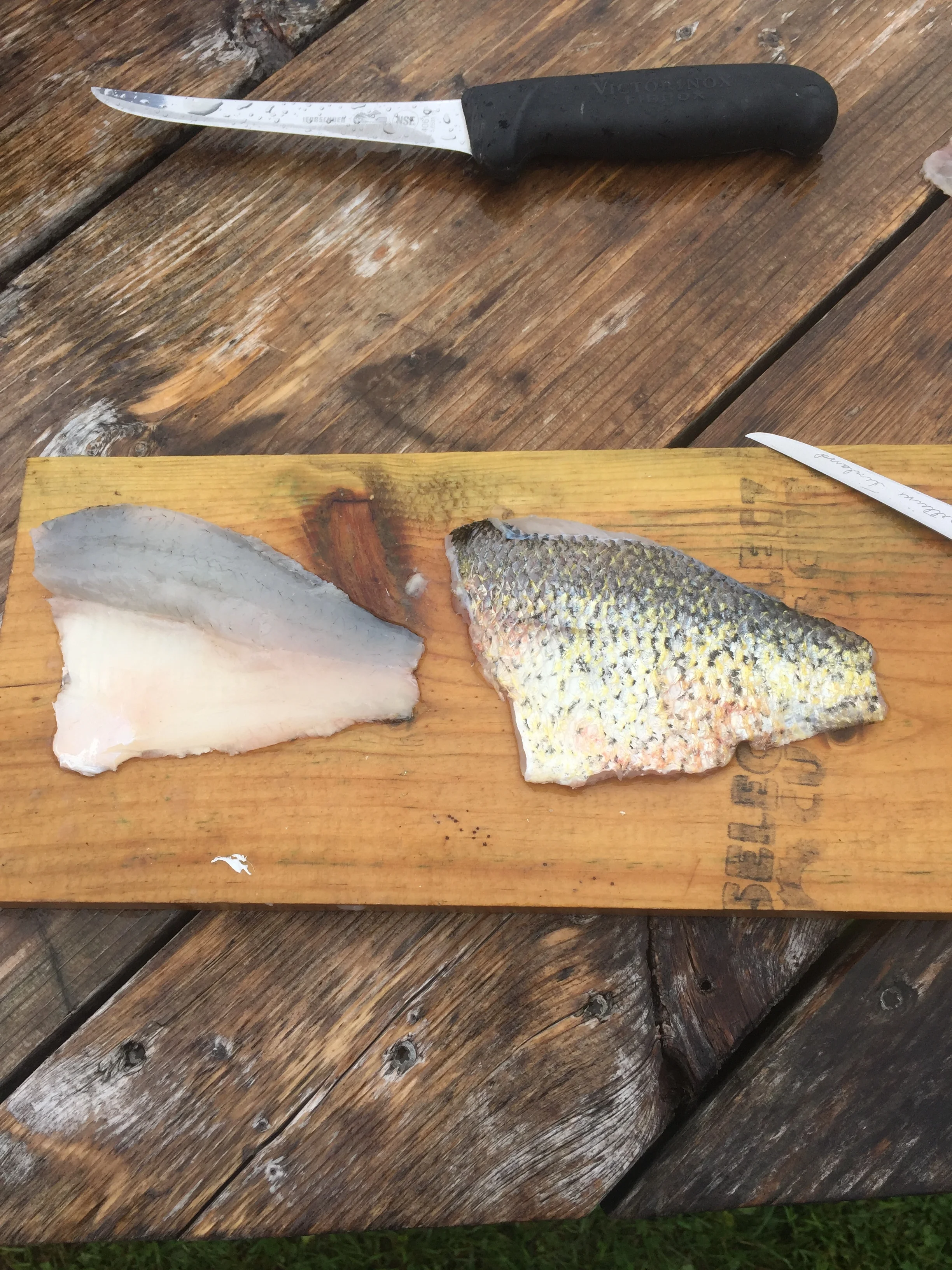
This is all it takes to make a boneless fillet. Repeat for the other side.  

8 fillets makes dinner for 3, which means we processed enough for about 5-6 dinners, one of which we had tonight!  

8 fillets makes dinner for 3, which means we processed enough for about 5-6 dinners, one of which we had tonight!  

You know you've done well if what remains looks like this: 

I suppose we could make fish sauce from the heads and bones, but Michael buries them in the garden instead.  

I suppose we could make fish sauce from the heads and bones, but Michael buries them in the garden instead.  

It is difficult to find anywhere to eat out that has better food than we have at home.  Maybe it is because when I eat fish at home, I relive a little of the sunshine, scent of wildflowers and new mown hay, and the gentle rocking of the canoe.  

Construction journal: water in/water out

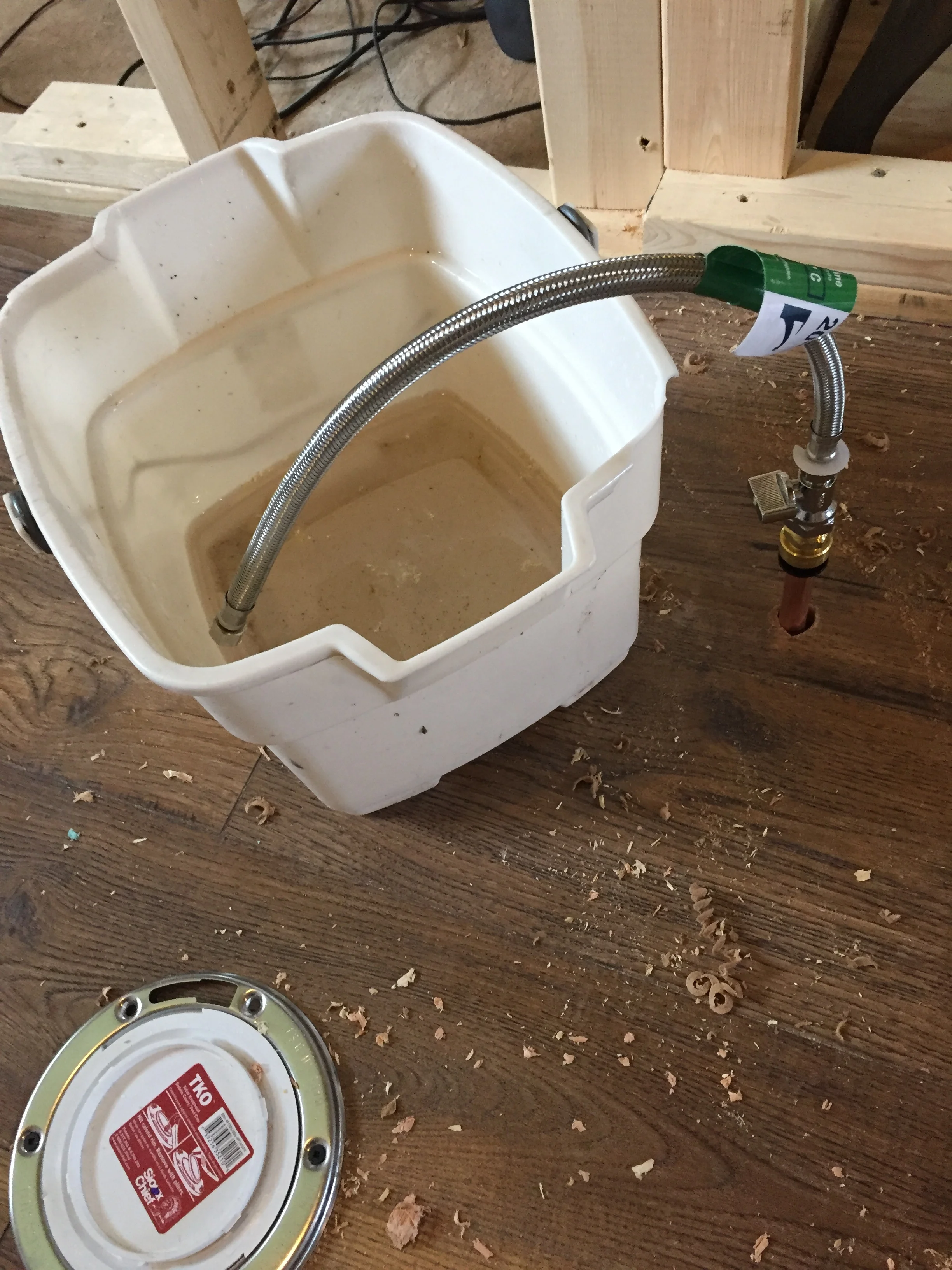
You've seen the water out. Here is the water in: 

IMG_7162.JPG

No leaks! 

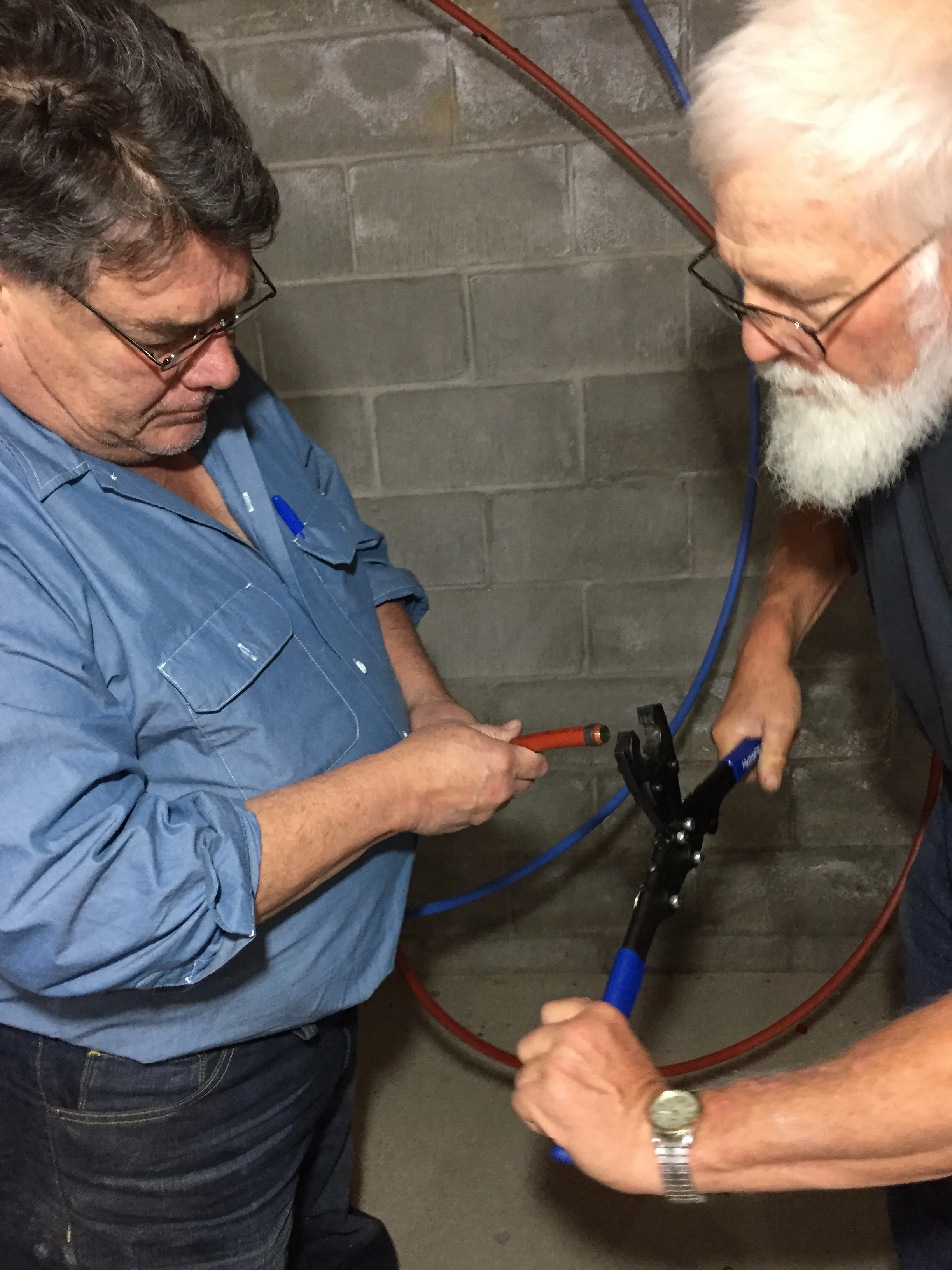
PEX. We love PEX.  

PEX. We love PEX.  

Now to get the wallboard in and taped, the shower walls built, the fixtures installed, the towel cupboards constructed, and the finish work done. Alas, Brother Daniel has his own life to return to, so we are on our own again. But as a reward for all his hard labor: 

Three generations of beautiful and talented people (says she who admits to absolute bias).  

Three generations of beautiful and talented people (says she who admits to absolute bias).  

Construction journal: Brother Daniel, plumbing wizard

Our addition is truly becoming a family project. Michael's brother Douglas saw us through transitioning from 100 amp to 200 amp service. My brother Daniel is now the brains behind getting the new bathroom plumbed.  

El Maestro conducting connections.  

El Maestro conducting connections.  

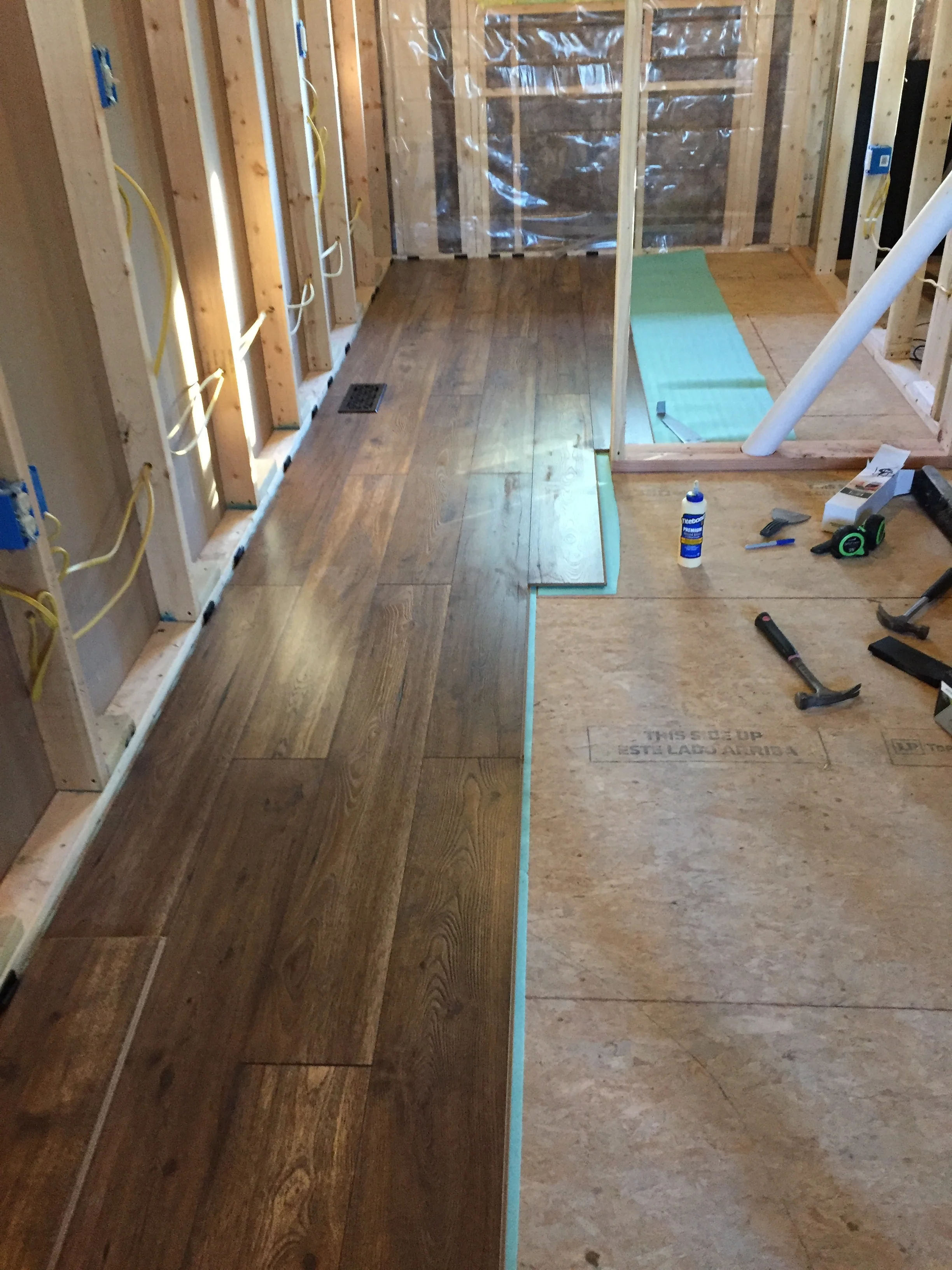
Michael had put in a vent pipe last year, and we were laying flooring in the bathroom when Lilith made her appearance last week.  

Pergo: trickier than they make it appear on YouTube.  

Pergo: trickier than they make it appear on YouTube.  

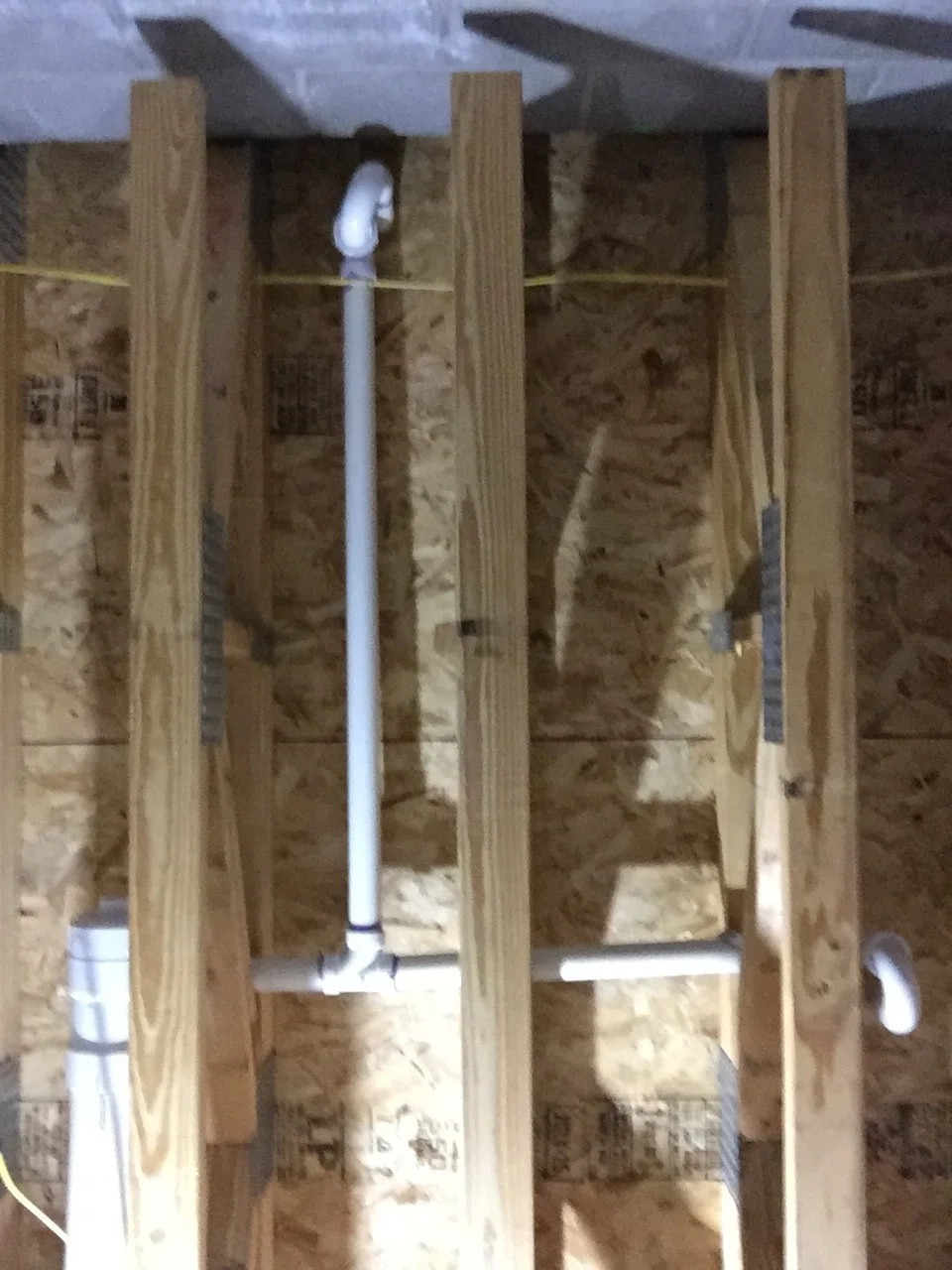
The boys started locating where tub, potty, sink and shower will be located and started drilling holes, then laid pipe downstairs.  

Looking up from the basement.  

Looking up from the basement.  

Then came the decisions regarding exactly where to run the sewer pipe. 

Yay!  Missed the core filled portion of the block wall!! 

Yay!  Missed the core filled portion of the block wall!! 

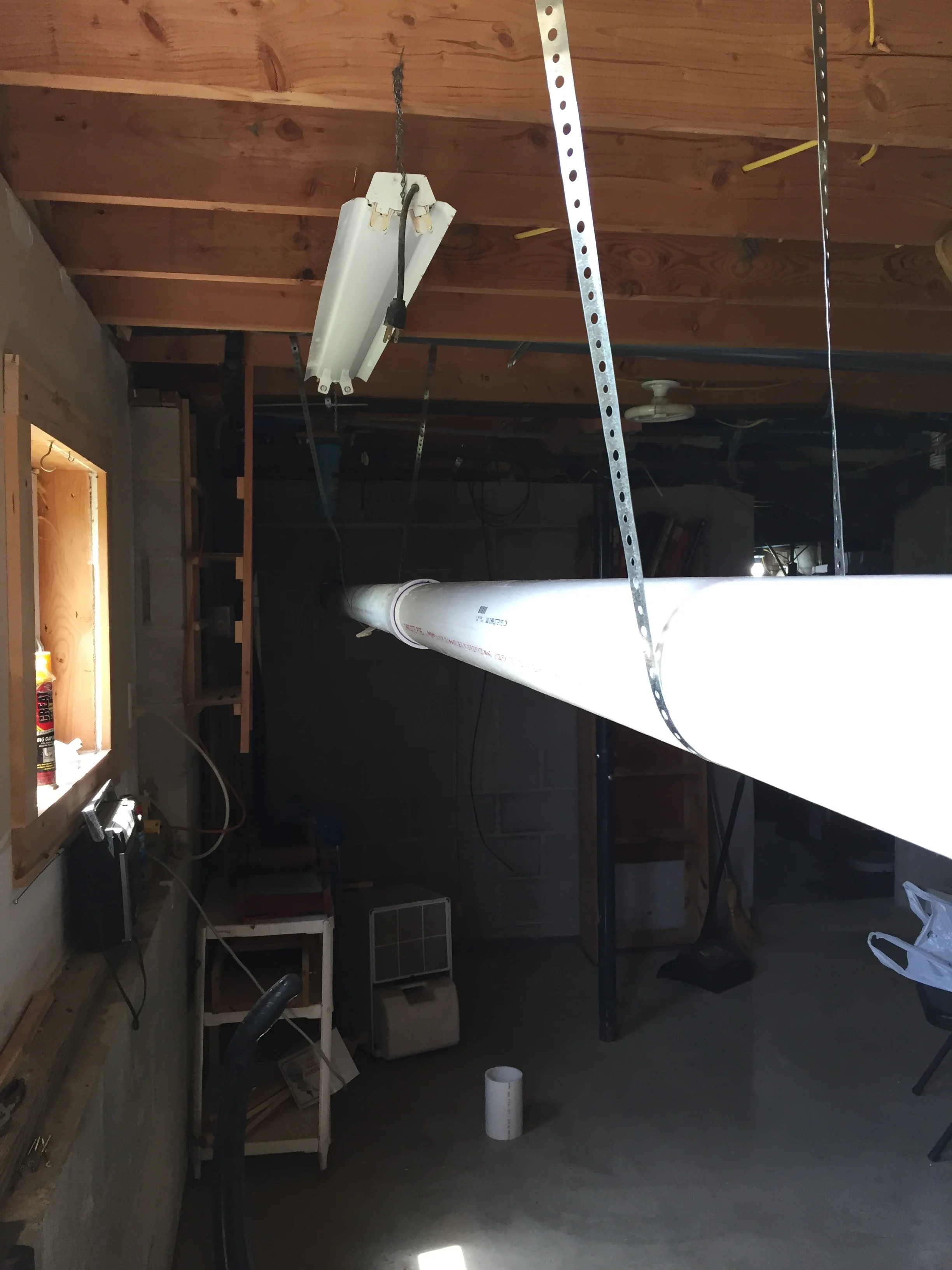
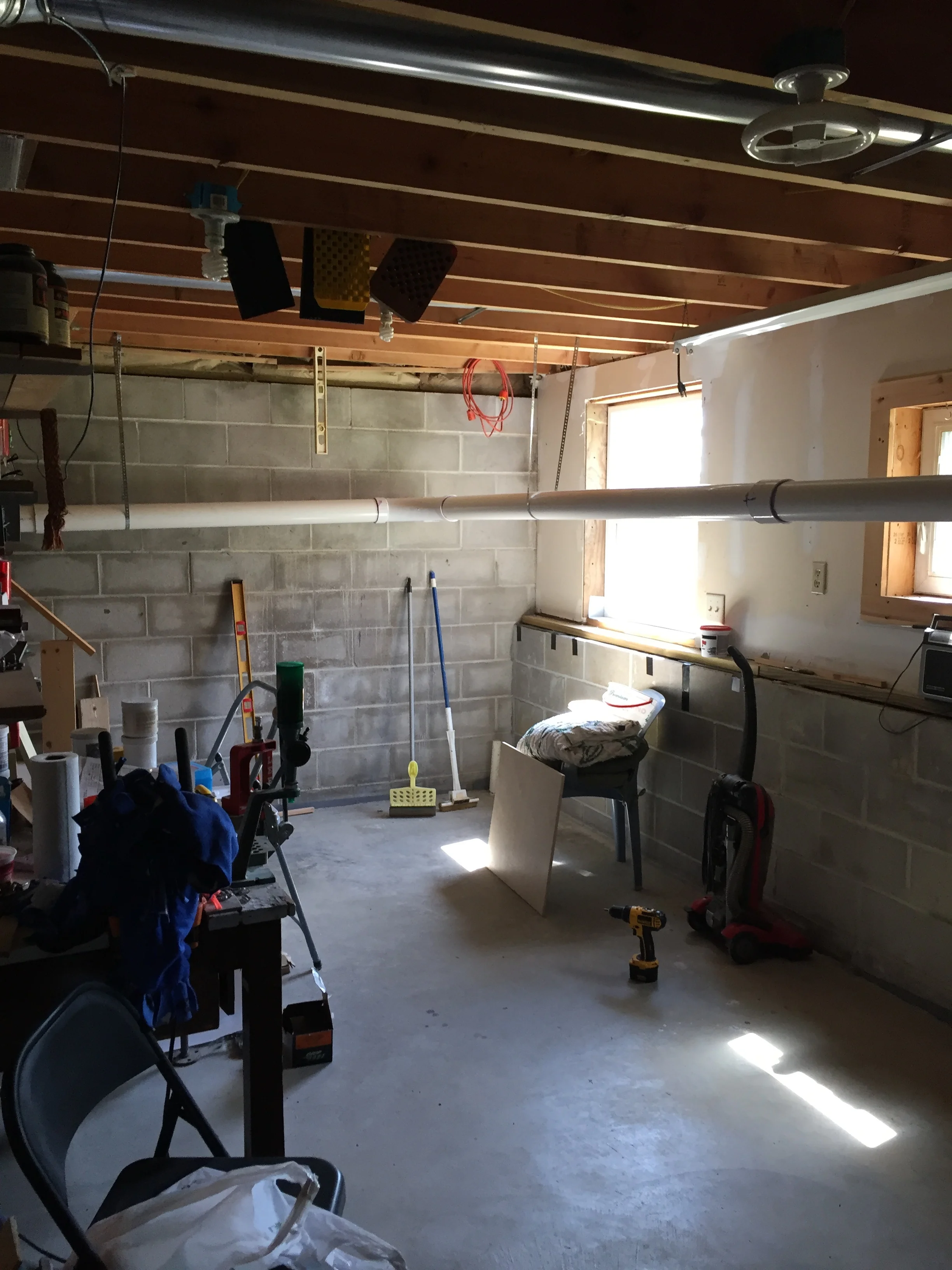
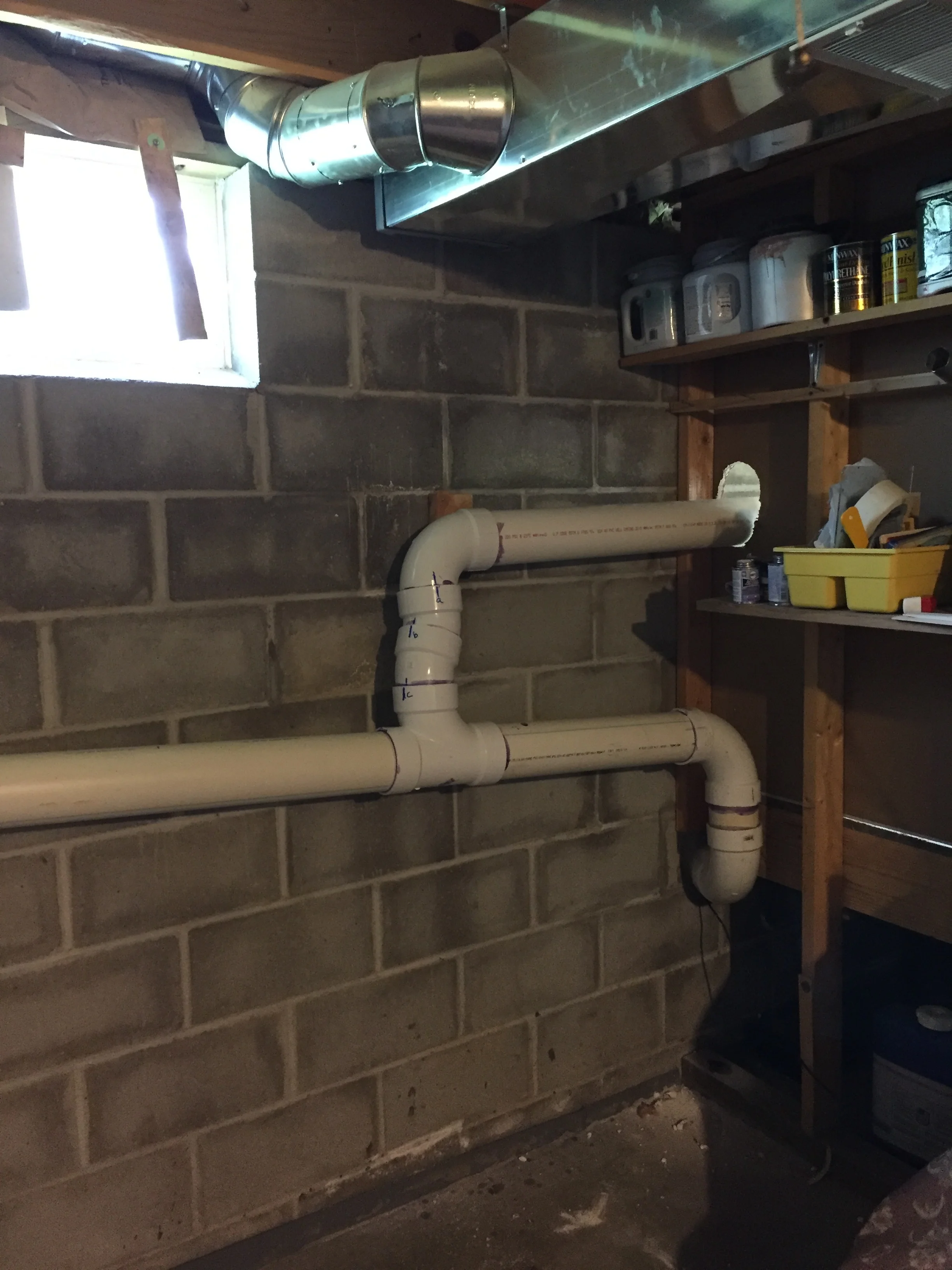
Yes, the sewer pipe runs right in front of the new basement window, as predicted, but gives enough space to use it for egress in any emergency. 

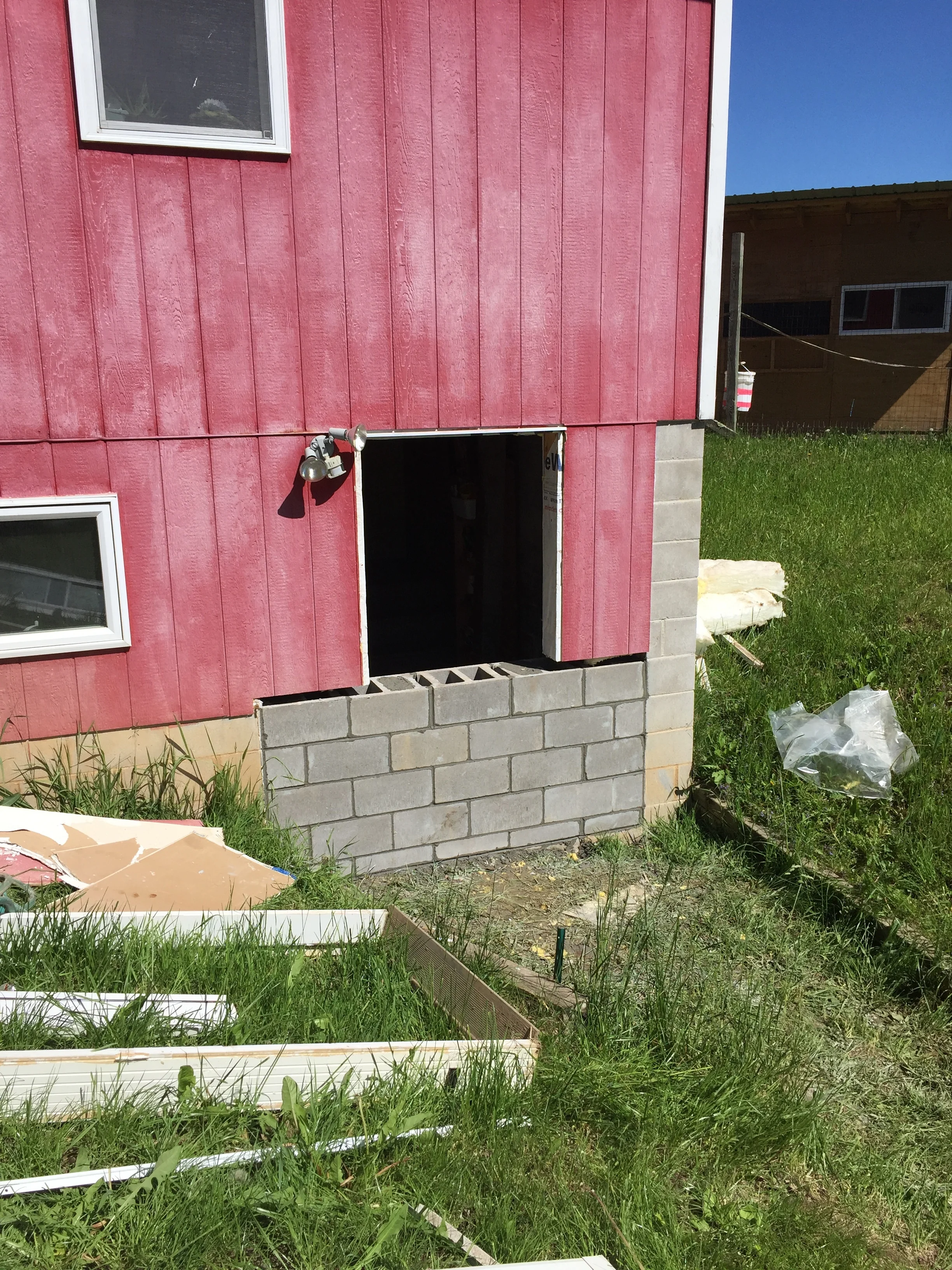
This is where the basement door used to be...but is no more. It hasn't been flooding since we had it blocked in.  

This is where the basement door used to be...but is no more. It hasn't been flooding since we had it blocked in.  

Et voila: hooked into the existing sewer outlet...and doesn't leak!   

Et voila: hooked into the existing sewer outlet...and doesn't leak!   

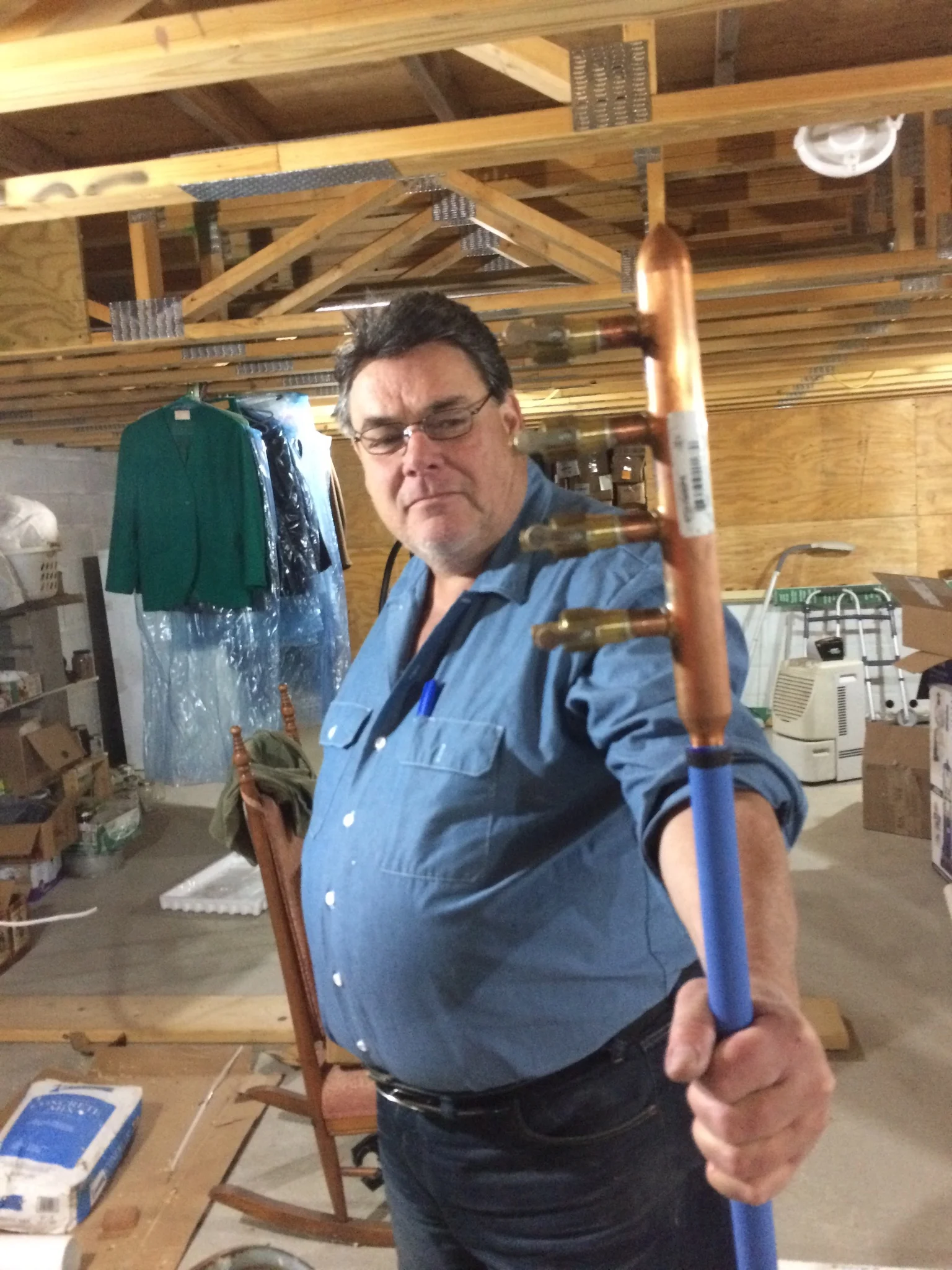
Next step: getting water into the bathroom!  (This is the manifold that will service the bathroom fixtures.) 

Next step: getting water into the bathroom!  (This is the manifold that will service the bathroom fixtures.) 

And because I cannot help myself: 

Lilith at one week old.  

Lilith at one week old.  

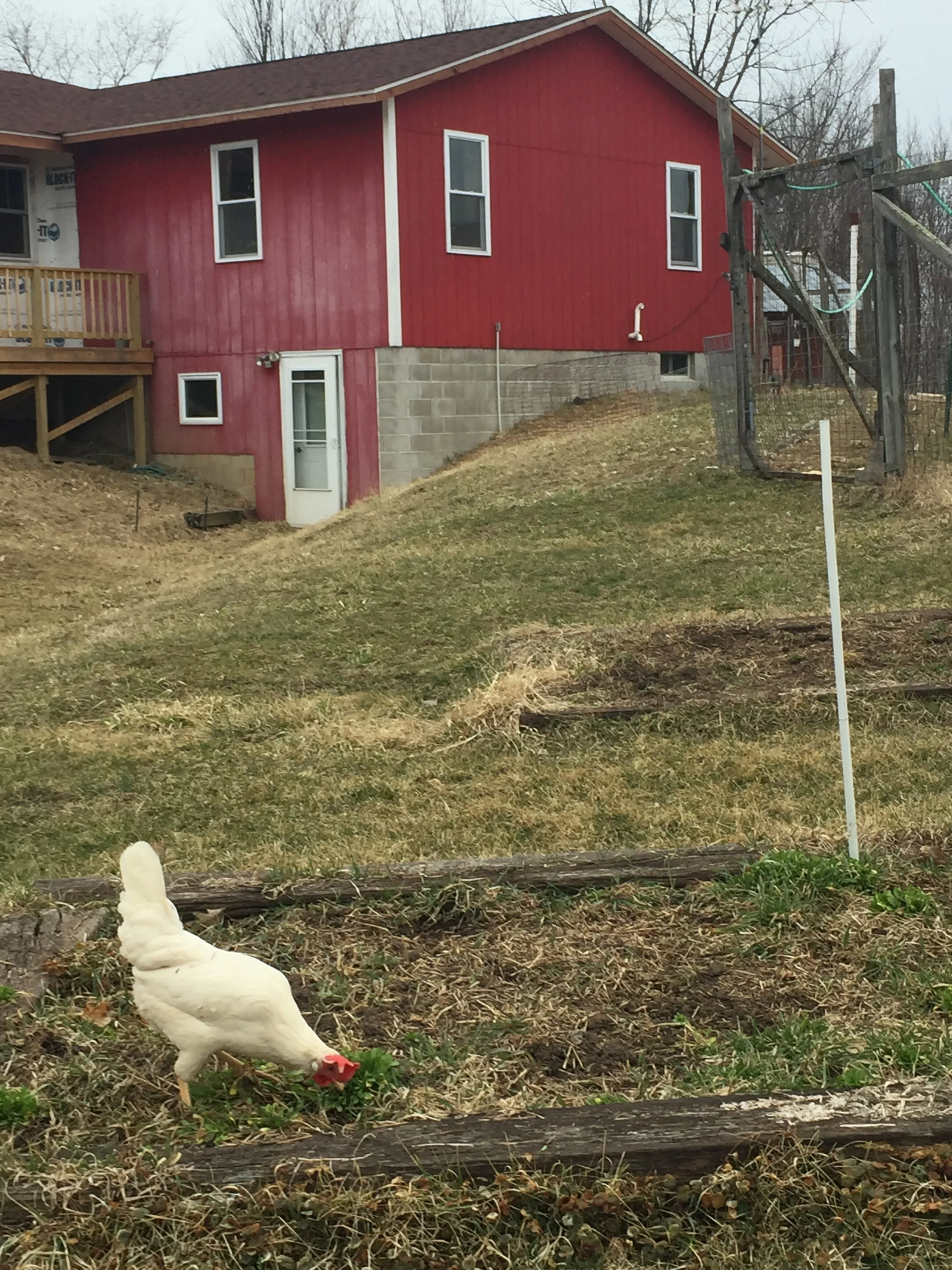
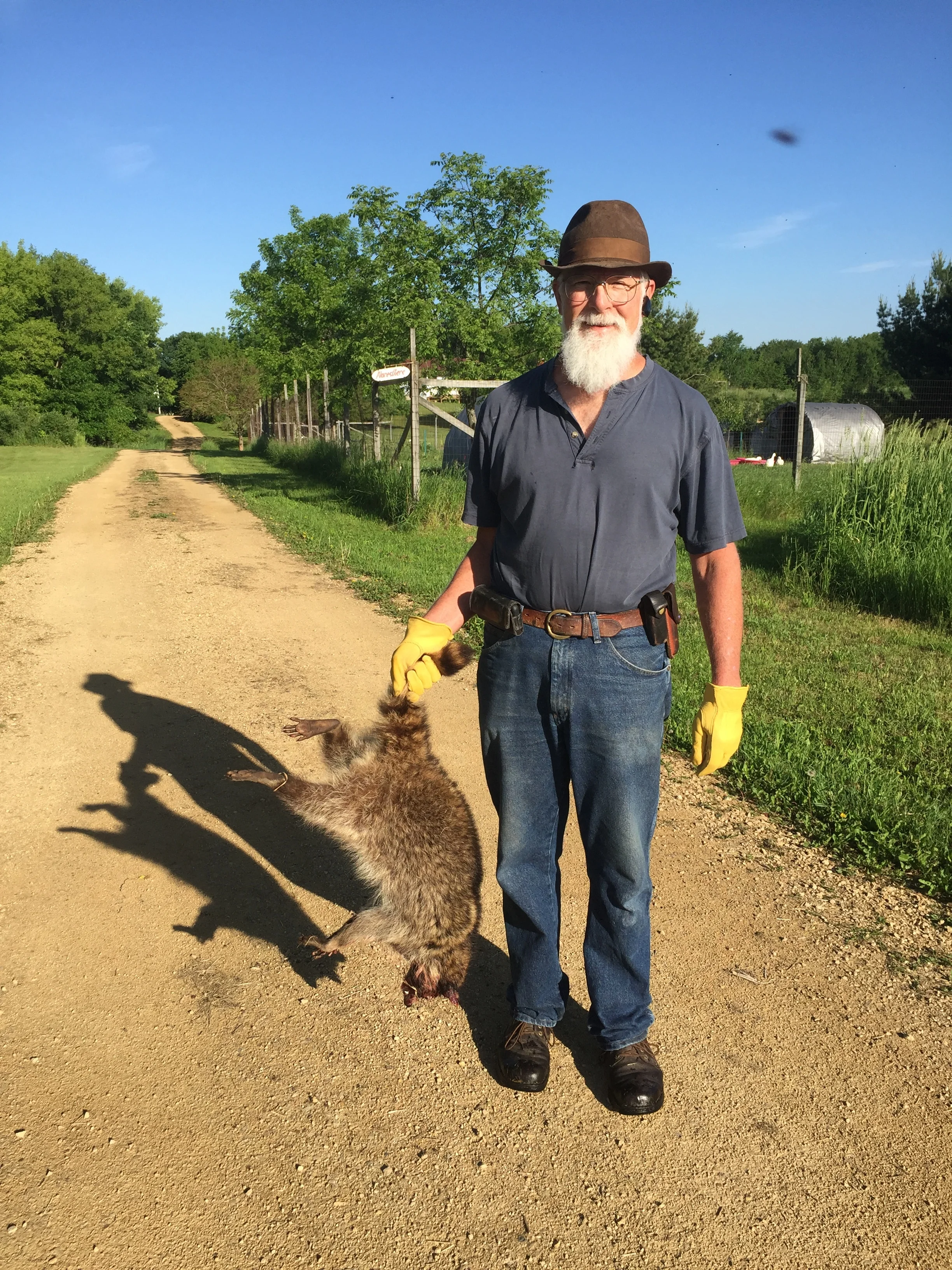
Oh!  We also received our second batch of goslings and ducklings today (to replace those who succumbed to the raccoons). Our raccoon depopulation efforts continue apace, with five 35-40 pounders having become vulture and eagle fodder. We love feeding the wild birds. 

Construction journal: unwalkouting the basement

Michael's parents had a beautiful house on a hill about 3 miles from here, which Michael and his dad built in the early 70s. It had a wonderful walkout basement. They sold that house in the late 80s and decamped to Arizona. Then we had grandchildren for them to visit in the summertimes (we lived in St. Paul at the time) and they needed more than a mini-motor home. In the mid-90s, we went in together and bought this land and Michael helped Clyde build a 3 season cabin. 

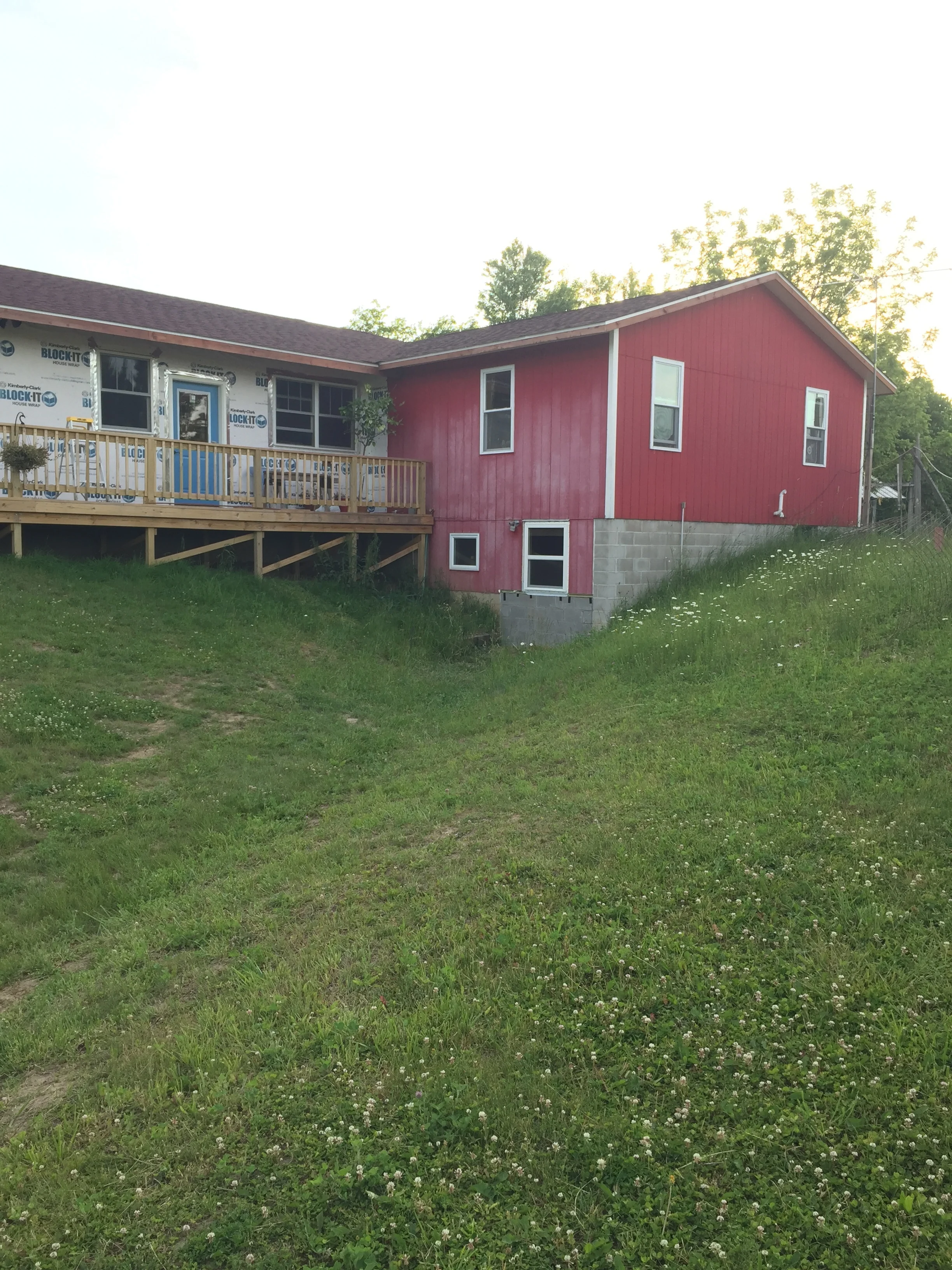
So when Clyde and Irene put a partial basement under their 3 season cabin (making a partial 4 season house), they decided to recreate the walkout basement, but without the convenient hillside. 

We still have the mountain of dirt that came out to put in this door.  

We still have the mountain of dirt that came out to put in this door.  

The problem with making a huge ditch leading up to a door is that it acts, well, like a ditch when it rains...only heading towards the house rather than away from it. We wisely hired the guy who built the basement to block in the door.  

Shaune does pretty work.  

Shaune does pretty work.  

Today we put in a window...and if the plumbing runs in front of it, the light is still nice. 

Michael will start backfilling the dirt to slope away from the house once we get the tractor running again.  

Michael will start backfilling the dirt to slope away from the house once we get the tractor running again.  

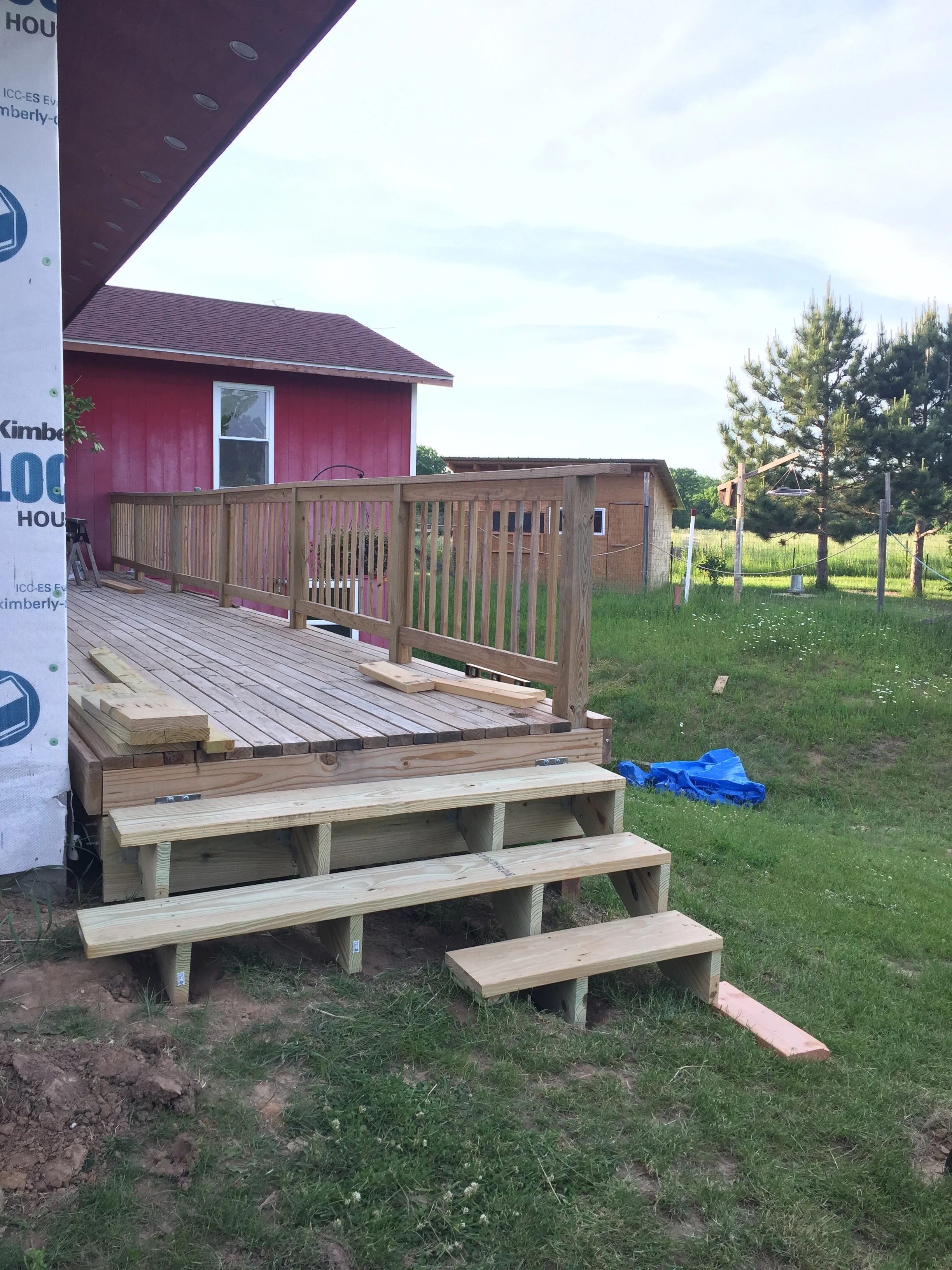
Today we also put the stairs on our deck!   

Rails are still in the future.  

Rails are still in the future, and yes, we made the steps different lengths with malice afore thought. 

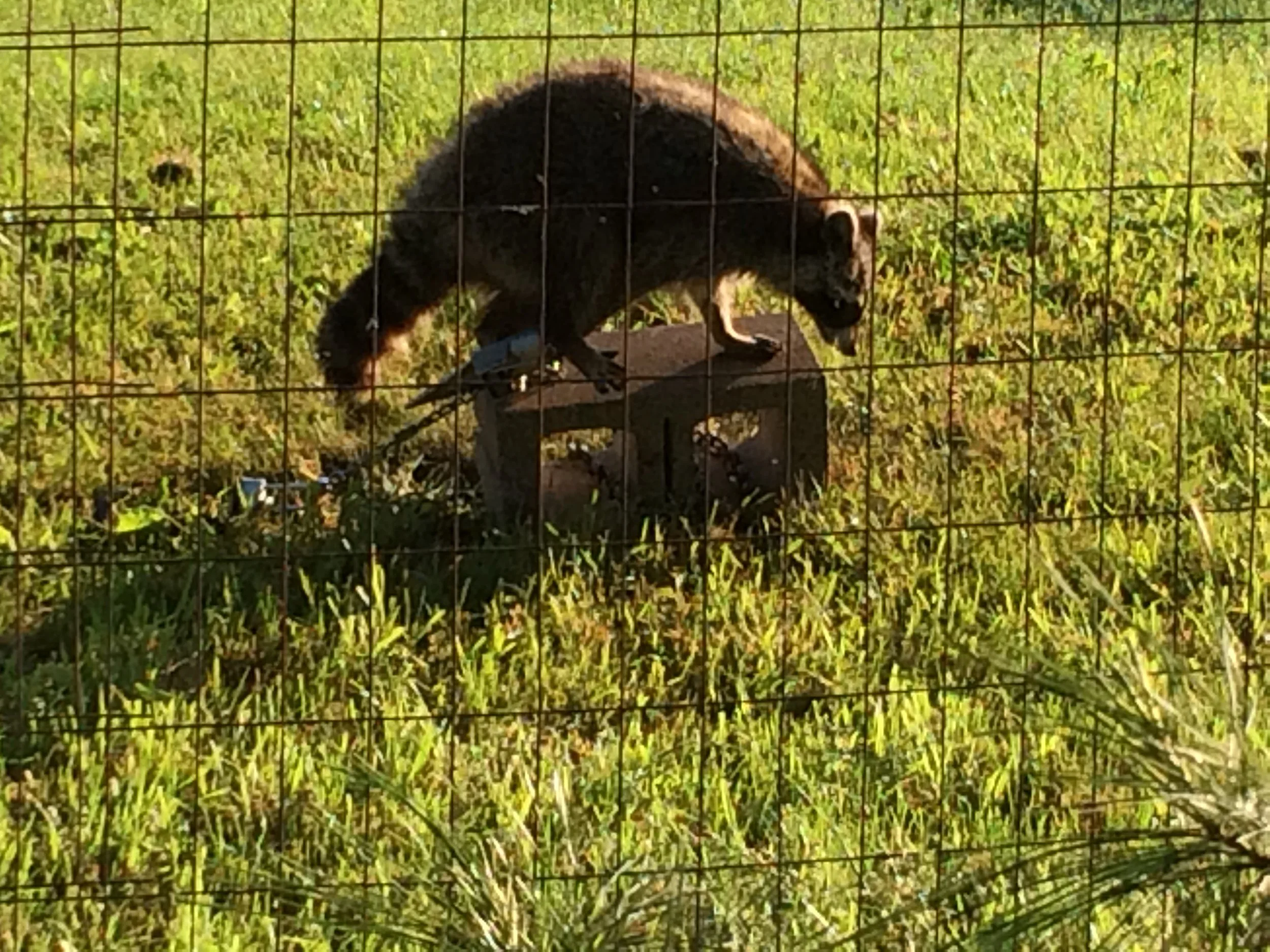
And as a final accomplishment (or maybe the first of many for the day), Michael trapped a second giant mama raccoon. 

IMG_7028.JPG

Construction journal: unwalkouting the basement

Michael's parents had a beautiful house on a hill about 3 miles from here, which Michael and his dad built in the early 70s. It had a lovely walkout basement. They sold that house in the late 80s and decamped to Arizona. Then we had grandchildren for them to visit in the summertimes (we lived in St. Paul at the time) and they needed more than a mini-motor home. In the mid-90s, we went in together and bought this land and Michael helped Clyde build a 3 season cabin. 

So when Clyde and Irene put a partial basement under their 3 season cabin (making a partial 4 season house), they decided to recreate the walkout basement, but without the convenient hillside. 

We still have the mountain of dirt that came out to put in this door.  

We still have the mountain of dirt that came out to put in this door.  

The problem with making a huge ditch leading up to a door is that it acts, well, like a ditch when it rains...only heading towards the house rather than away from it. Our decision to take the door out was put on the back burner until we realized that we will have to run the plumbing for the addition right past that door. We wisely hired the guy who built the basement to block in the door.  

Shaune does pretty work.  

Shaune does pretty work.  

Today we put in a window...and if the plumbing runs in front of it, the light is still nice. 

Michael will start backfilling the dirt to slope away from the house once we get the tractor running again.  

Michael will start backfilling the dirt to slope away from the house once we get the tractor running again.  

Today we also put the stairs on our deck!   

Rails are still in the future.  

Rails are still in the future.  

And as a final accomplishment (or maybe the first of many for the day), Michael trapped a second giant mama raccoon. 

IMG_7028.JPG

Construction journal: unwalkouting the basement

Michael's parents had a beautiful house on a hill about 3 miles from here, which Michael and his dad built in the early 70s. It had a lovely walkout basement. They sold that house in the late 80s and decamped to Arizona. Then we had grandchildren for them to visit in the summertimes (we lived in St. Paul at the time) and they needed more than a mini-motor home. In the mid-90s, we went in together and bought this land and Michael helped Clyde build a 3 season cabin. 

So when Clyde and Irene put a partial basement under their 3 season cabin (making a partial 4 season house), they decided to recreate the walkout basement, but without the convenient hillside. 

We still have the mountain of dirt that came out to put in this door.  

We still have the mountain of dirt that came out to put in this door.  

The problem with making a huge ditch leading up to a door is that it acts, well, like a ditch when it rains...only heading towards the house rather than away from it. Our decision to take the door out was put on the back burner until we realized that we will have to run the plumbing for the addition right past that door. We wisely hired the guy who built the basement to block in the door.  

Shaune does pretty work.  

Shaune does pretty work.  

Today we put in a window...and if the plumbing runs in front of it, the light is still nice. 

Michael will start backfilling the dirt to slope away from the house once we get the tractor running again.  

Michael will start backfilling the dirt to slope away from the house once we get the tractor running again.  

Today we also put the stairs on our deck!   

Rails are still in the future.  

Rails are still in the future.  

And as a final accomplishment (or maybe the first of many for the day), Michael trapped a second giant mama raccoon. 

IMG_7028.JPG

Ritual journal: sitting with the duckies

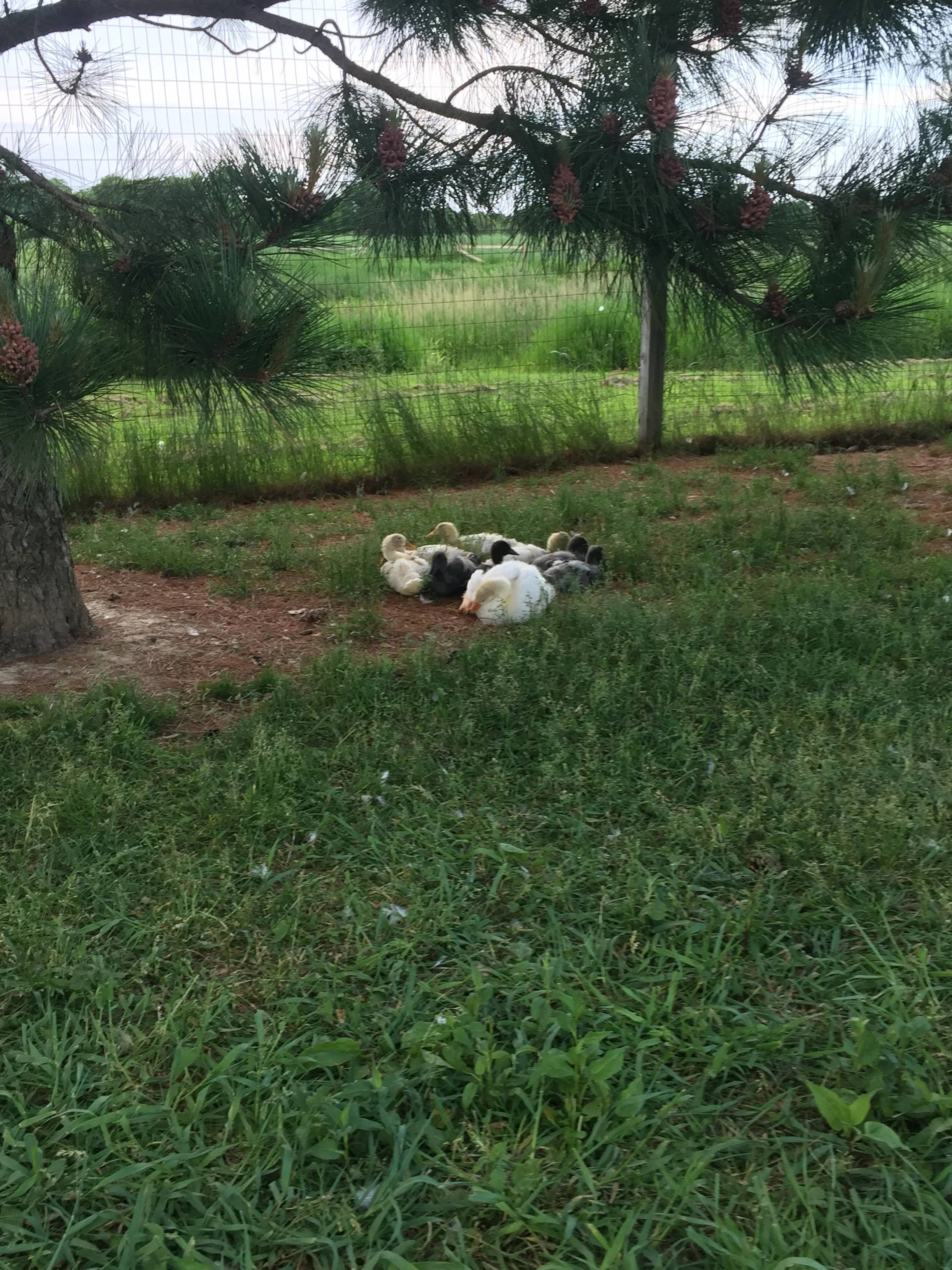
Hanging out under the pines.  

Hanging out under the pines.  

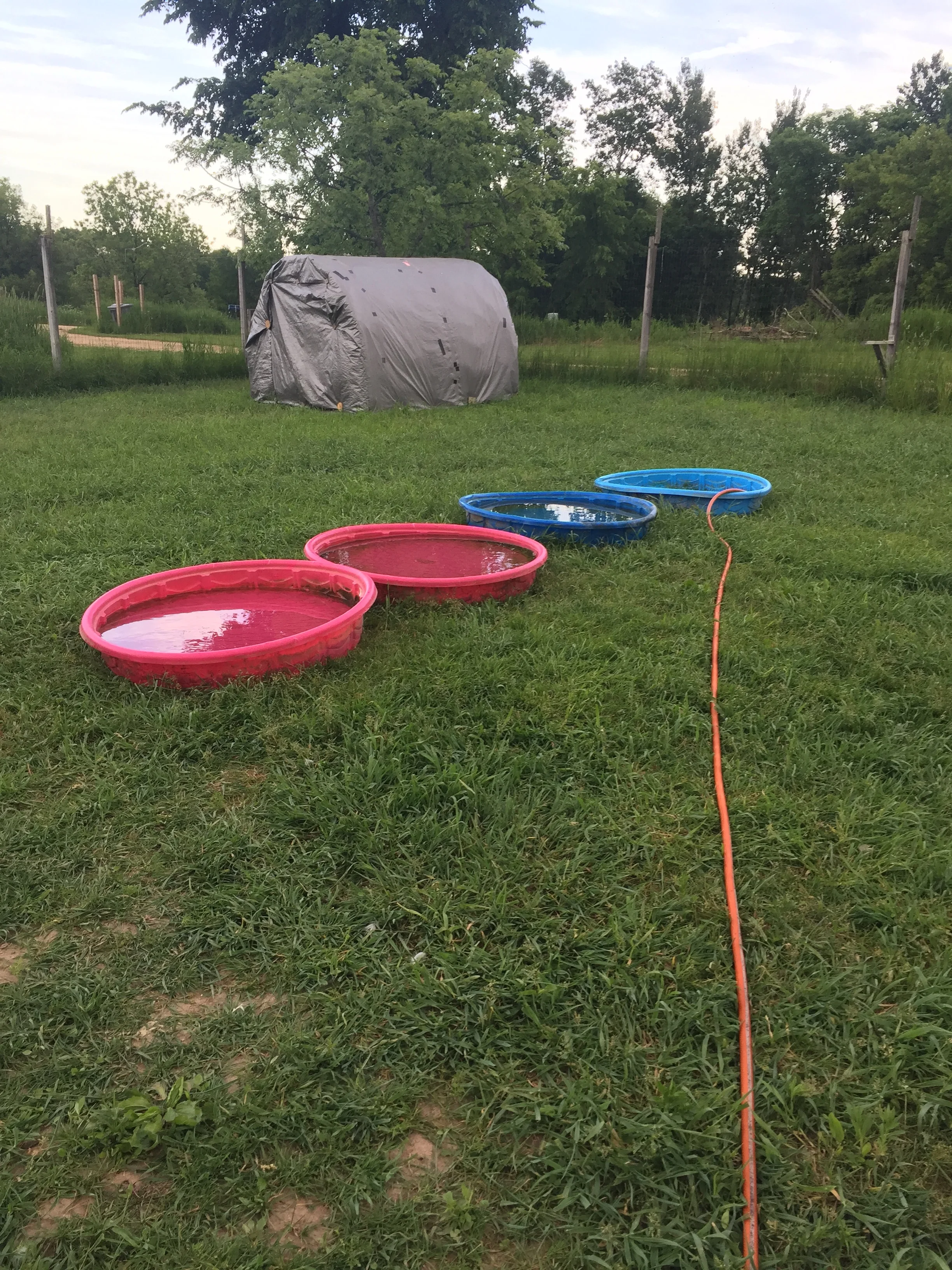
We lose eggs in the tall grass if we let our mature ducks into the pond area, so it is reserved as a playground for the newbies, once they get full featherdom. We have 4 kiddie pools for the non-pond ducks, which we fill every night. (Ducks LOVE muck, so they make it daily.). 

Duck Resort (towels not included).

Duck Resort (towels not included).

The need to fill pools gives us time and space to sit, listen to the small sounds of evening, plan our projects, or just sit and absorb warmth through our pores. 

Livestock journal: the slaughter of the innocents

Yesterday we lost 4 ducklings and 2 goslings to the raccoon monster. The monster could reach under the sides of the yurt, so we put hardware cloth along the sides as well as front and back. We ordered more geese and ducks, as we have been enjoying the geese.  

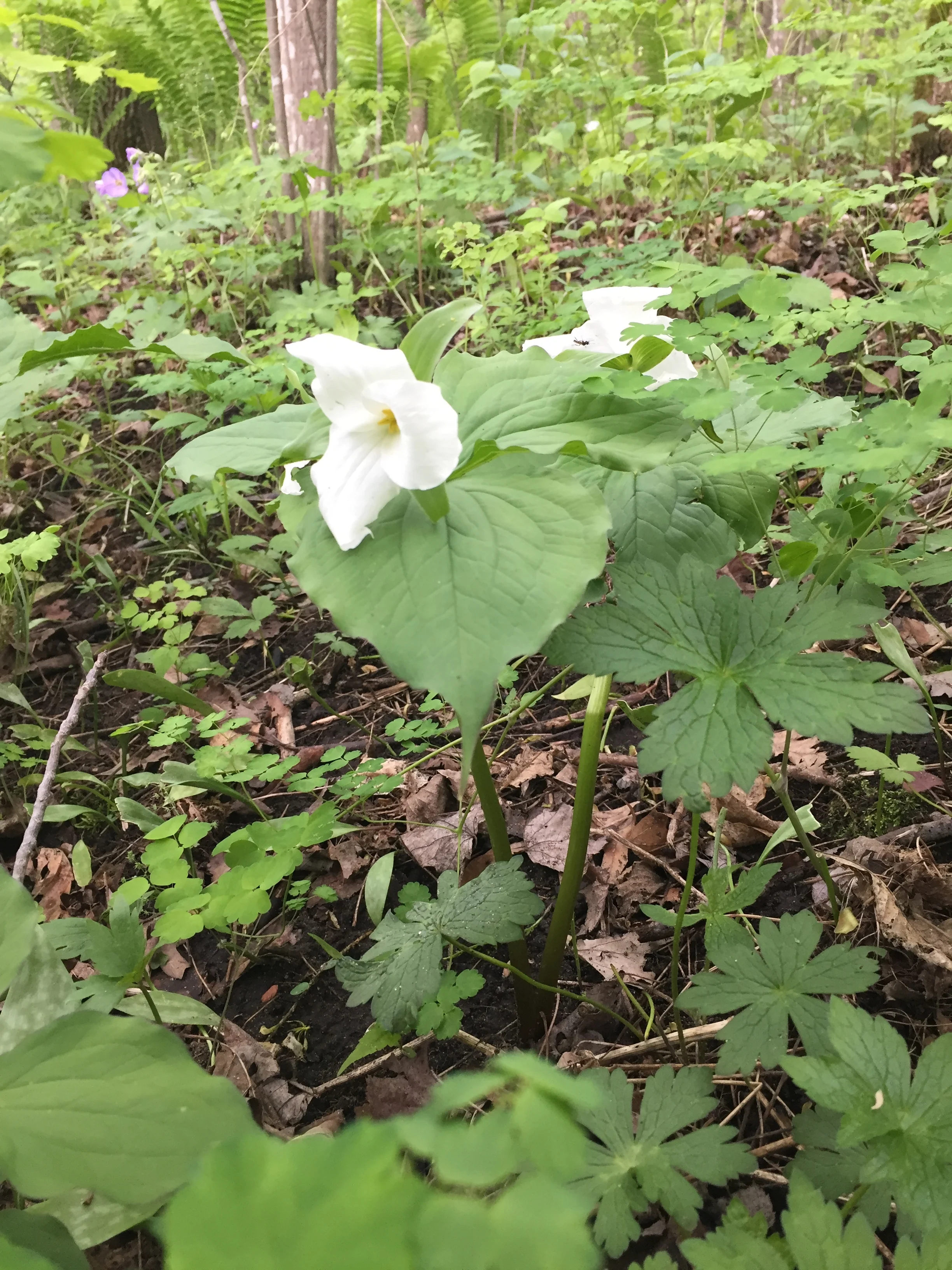
Trillium from 2 weeks ago...a bright spot to cure sad news.  

Trillium from 2 weeks ago...a bright spot to cure sad news.  

This morning we awoke to all our babies having survived the night, the live trap picked clean of bait without having been sprung, and an enormous pile of feathery raccoon poo.  


Hoary puccoon-what a great name to say! 

Hoary puccoon-what a great name to say! 

Michael went out to check on the trap at 3:30 this morning. The raccoon robbed it after 3:30 but before 7 am.  

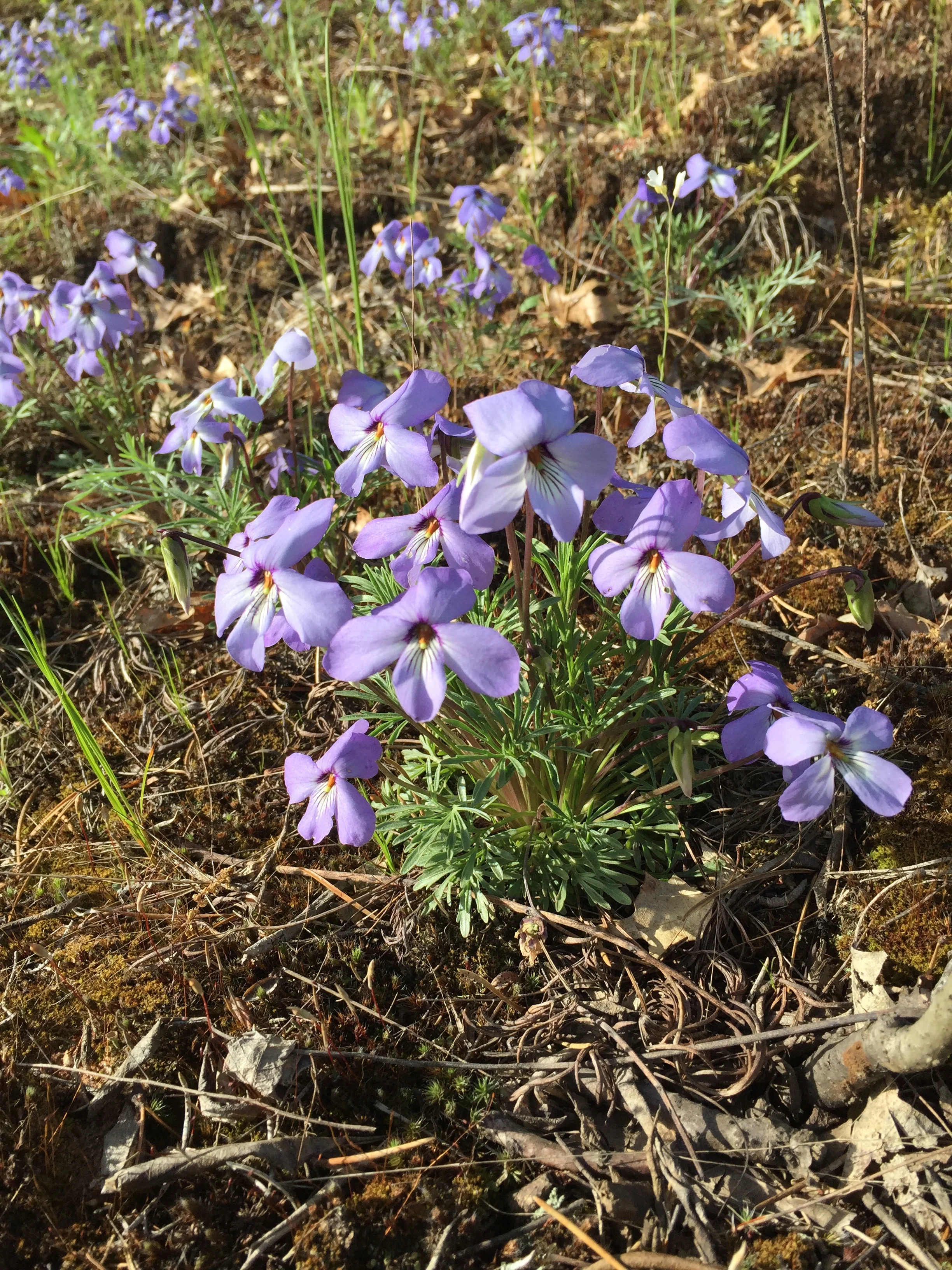
Birds foot violets-bright patches on sandy banks

Birds foot violets-bright patches on sandy banks

The trap wasn't able to hold this raccoon last year. She beats it to death then walks out...when she's not simply robbing it.  

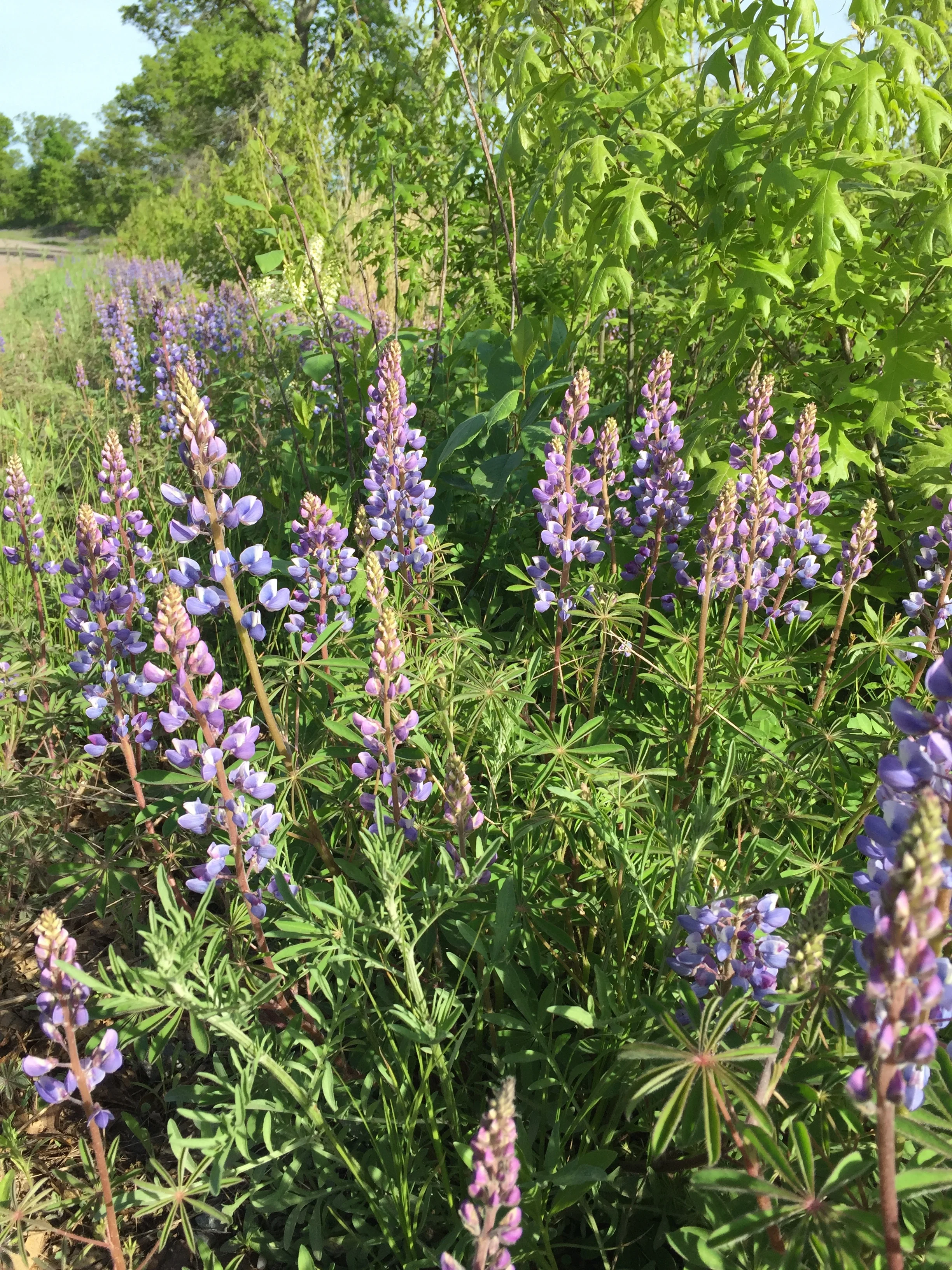
Lupine-tiny compared to the huge blossom spikes they have in Maine.  

Lupine-tiny compared to the huge blossom spikes they have in Maine.  

Yes, I am purposefully substituting wildflowers for anything related to the topic of this post. If we ever do bag the culprit, I may have to post her mug shot...but we'd have to catch her first. I'm not looking forward to figuring out how to protect our future sheep and goats and pigs from the wolves who slink through our woods. Problems for another day.  

Yellow bellwort

Yellow bellwort