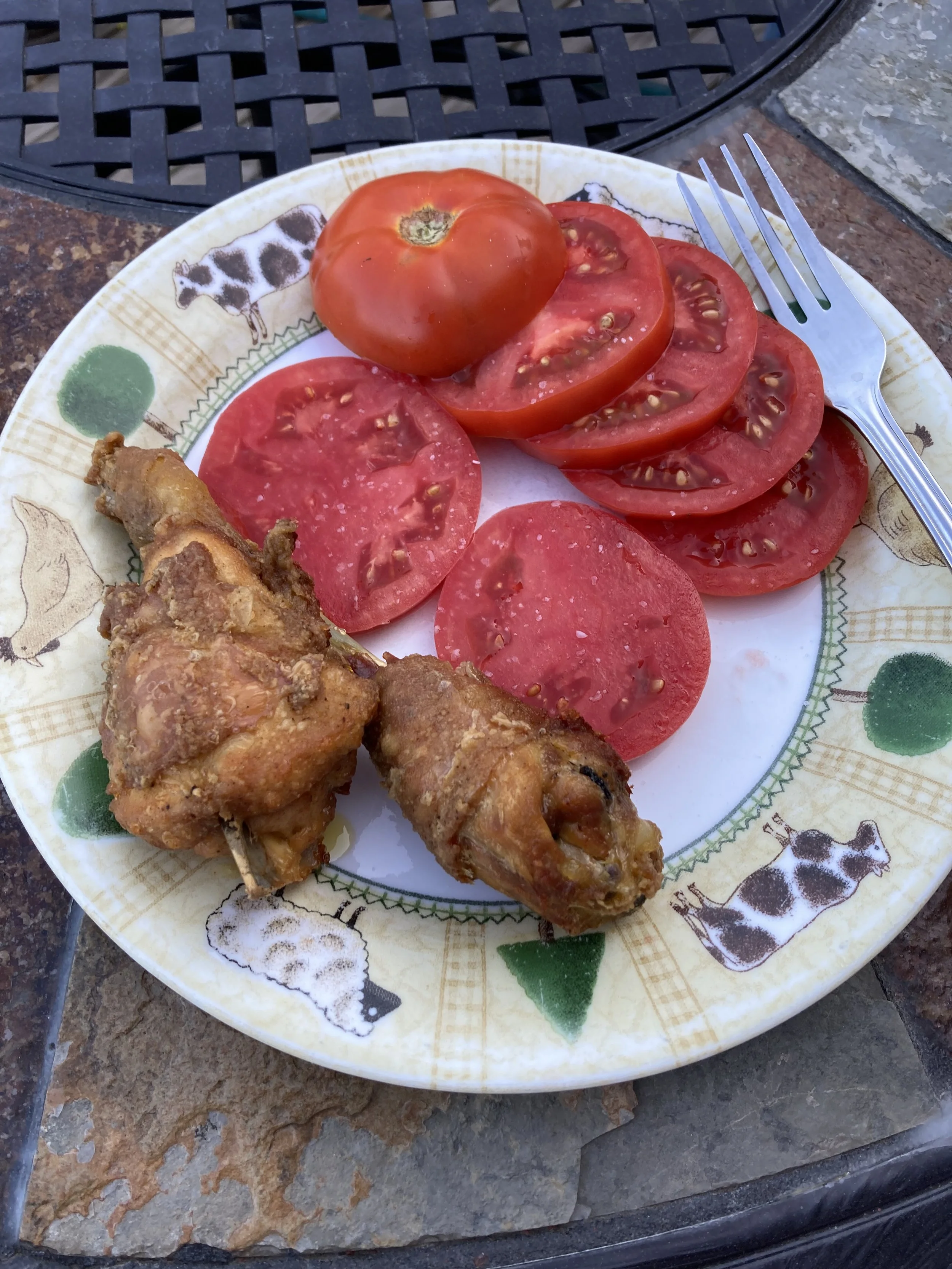
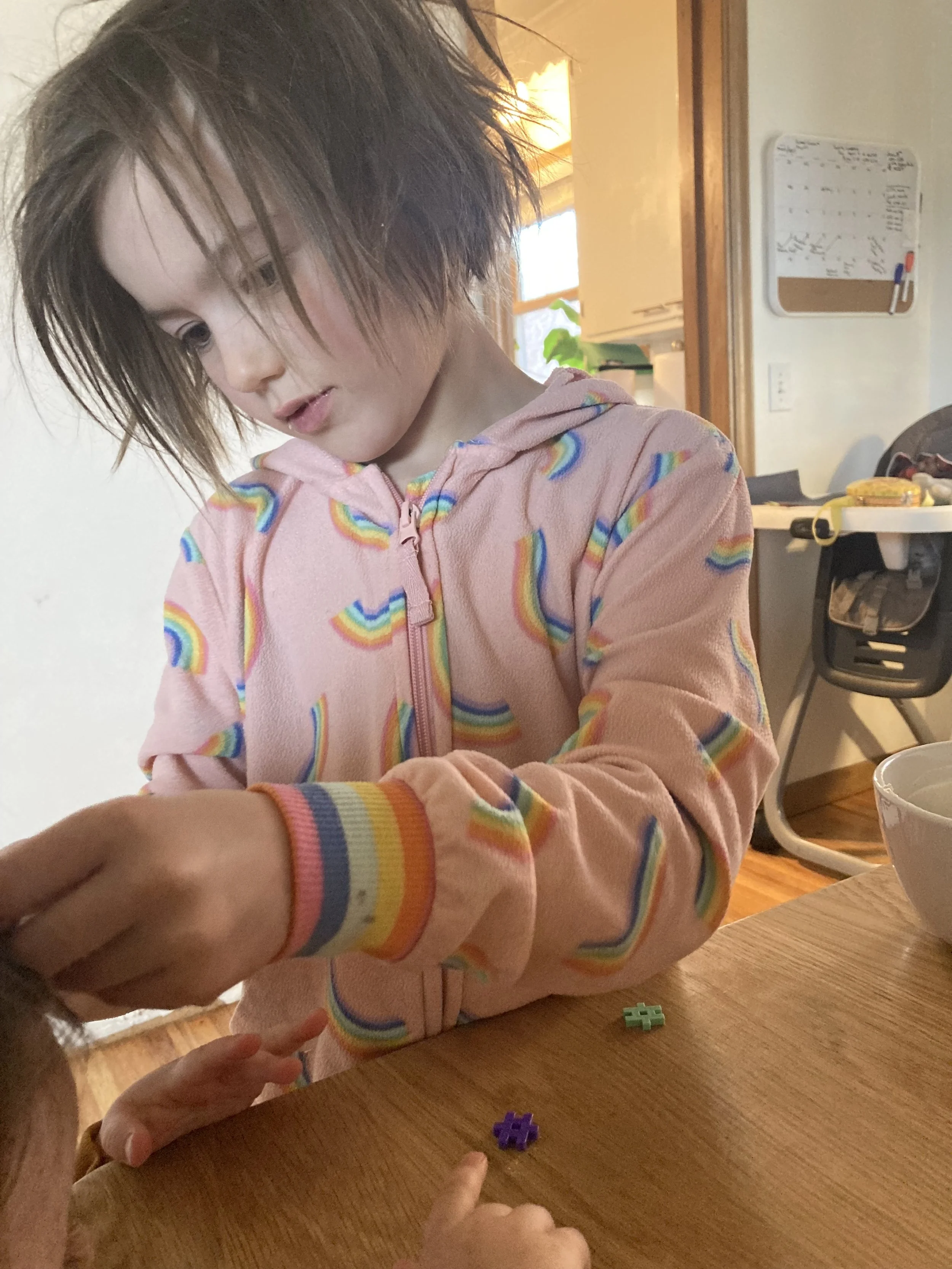
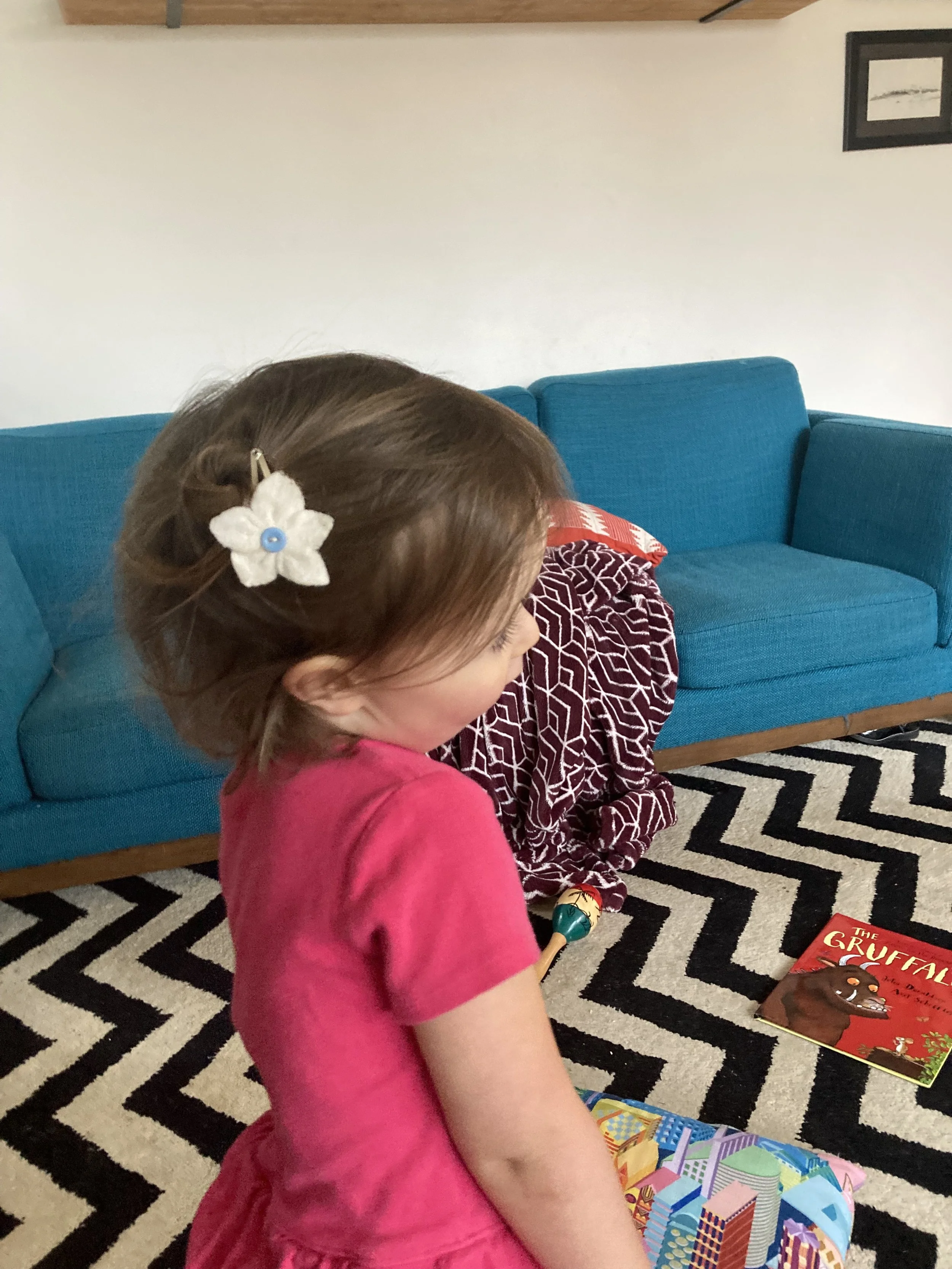
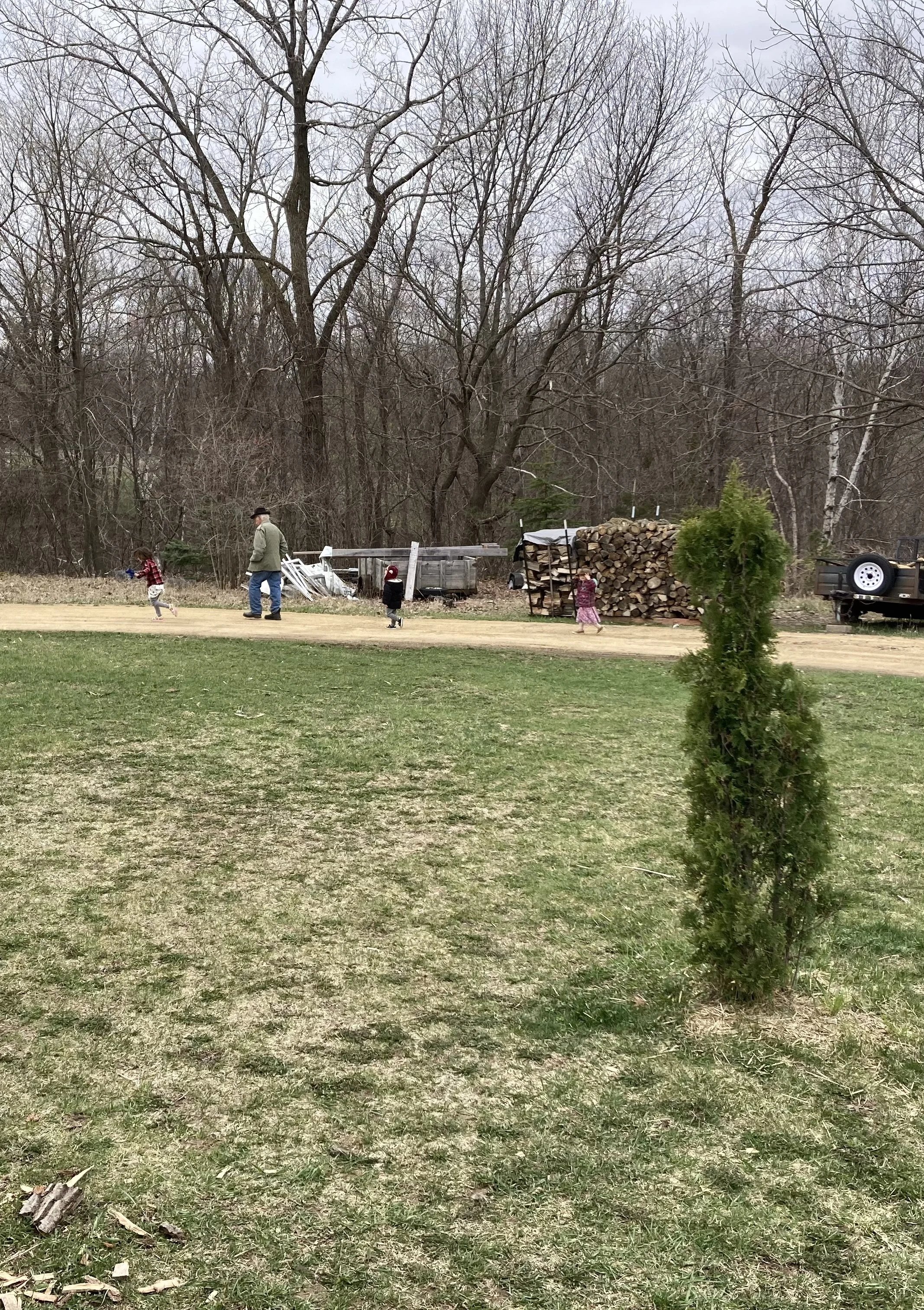
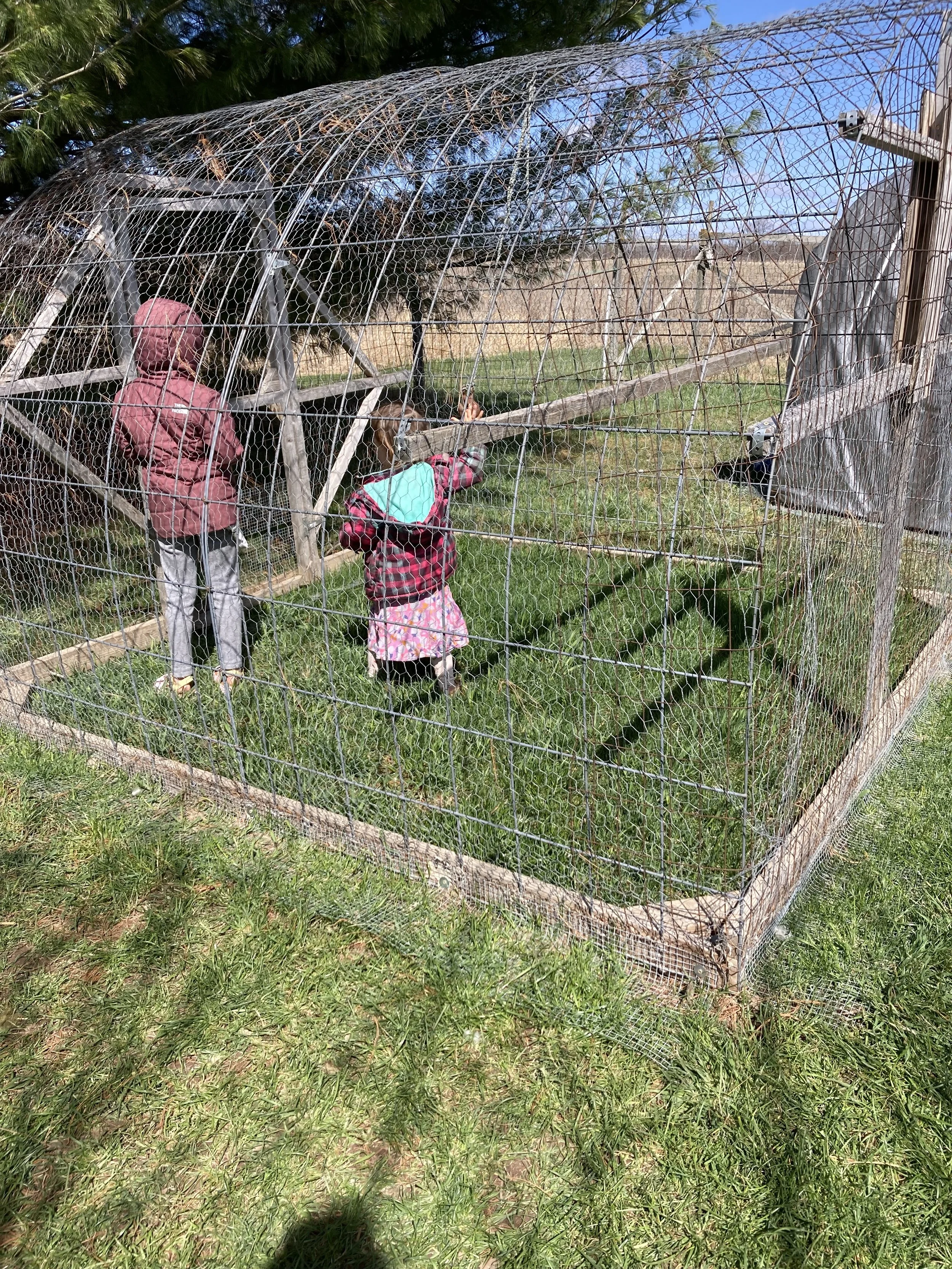
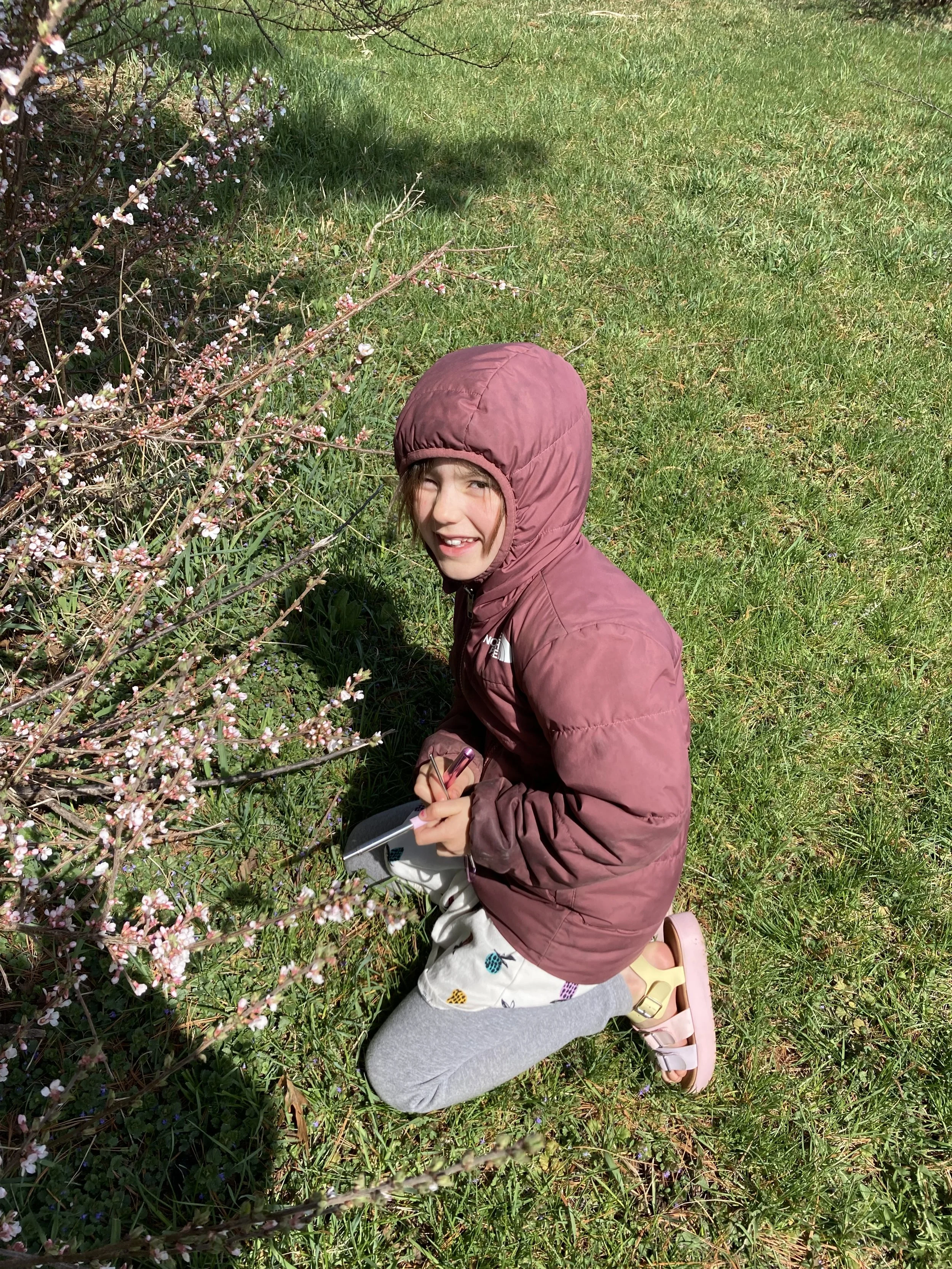
Visitor journal: the love of family and friends!

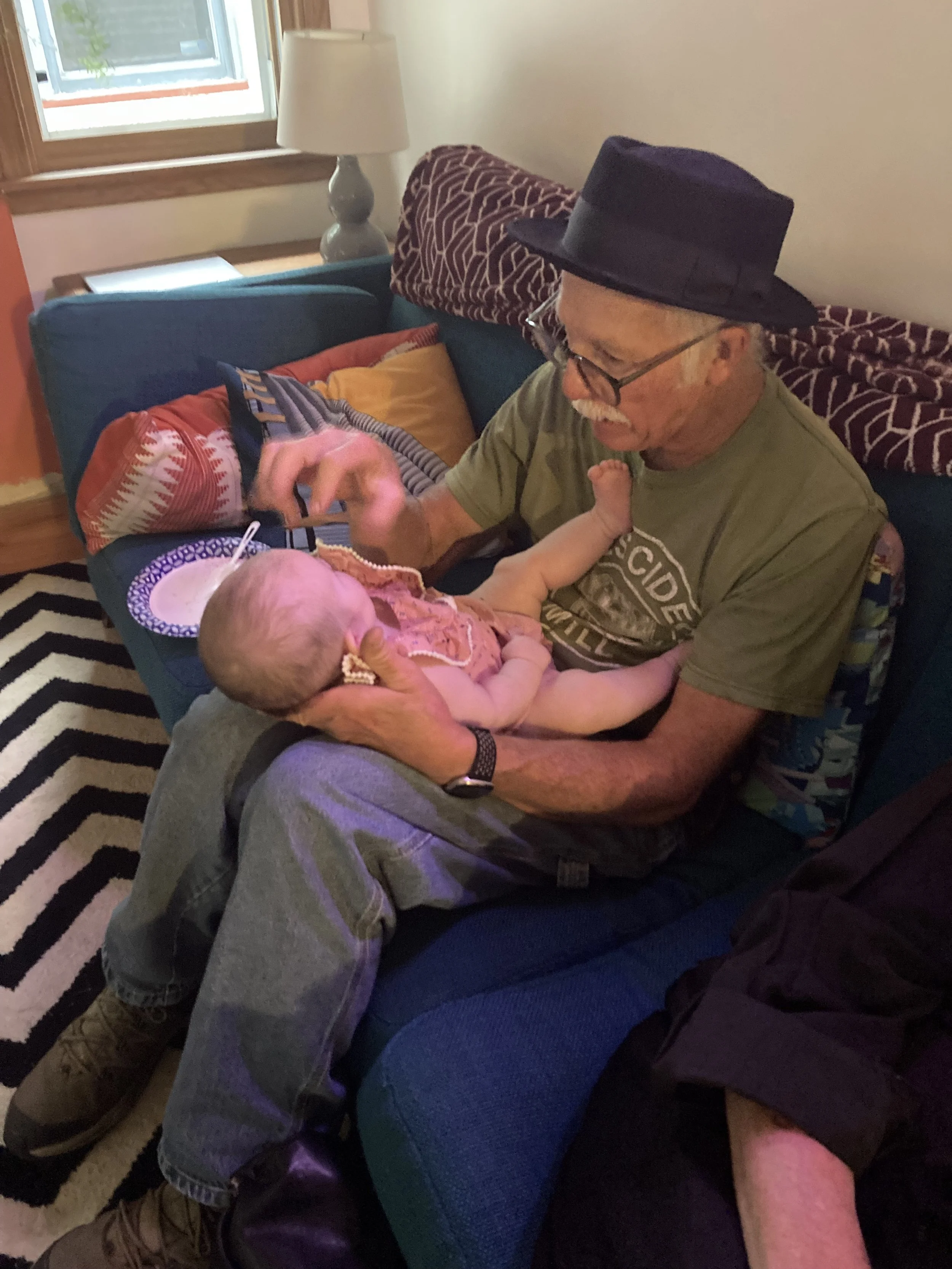
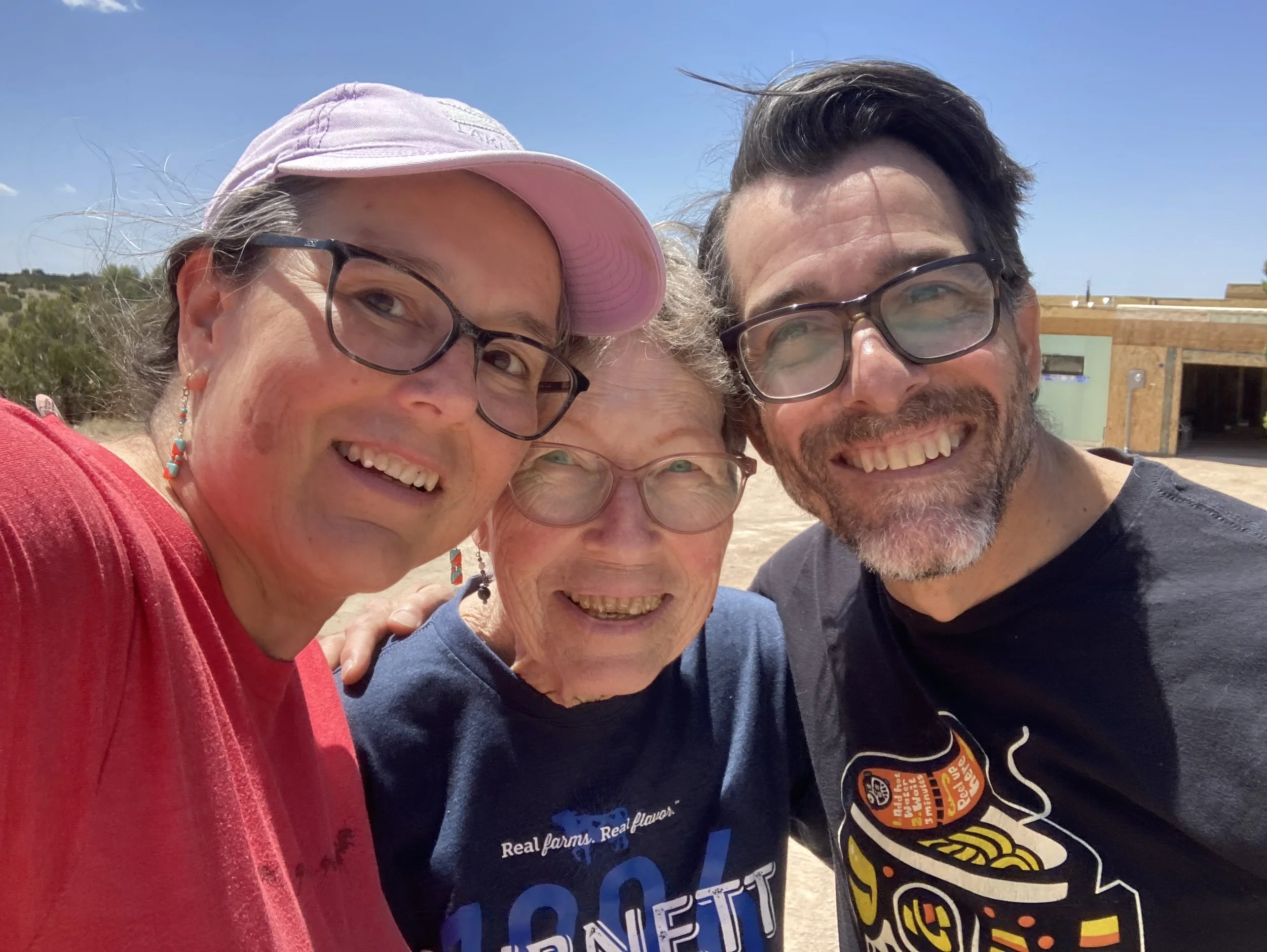
A dear friend from college stopped by in early September on her way back from one of her adventures in Alaska. I do not get out much, so I live vicariously through the travels of others. She is also an amazing gardener, so we put her to work.

With her help, the garlic got planted early this year!
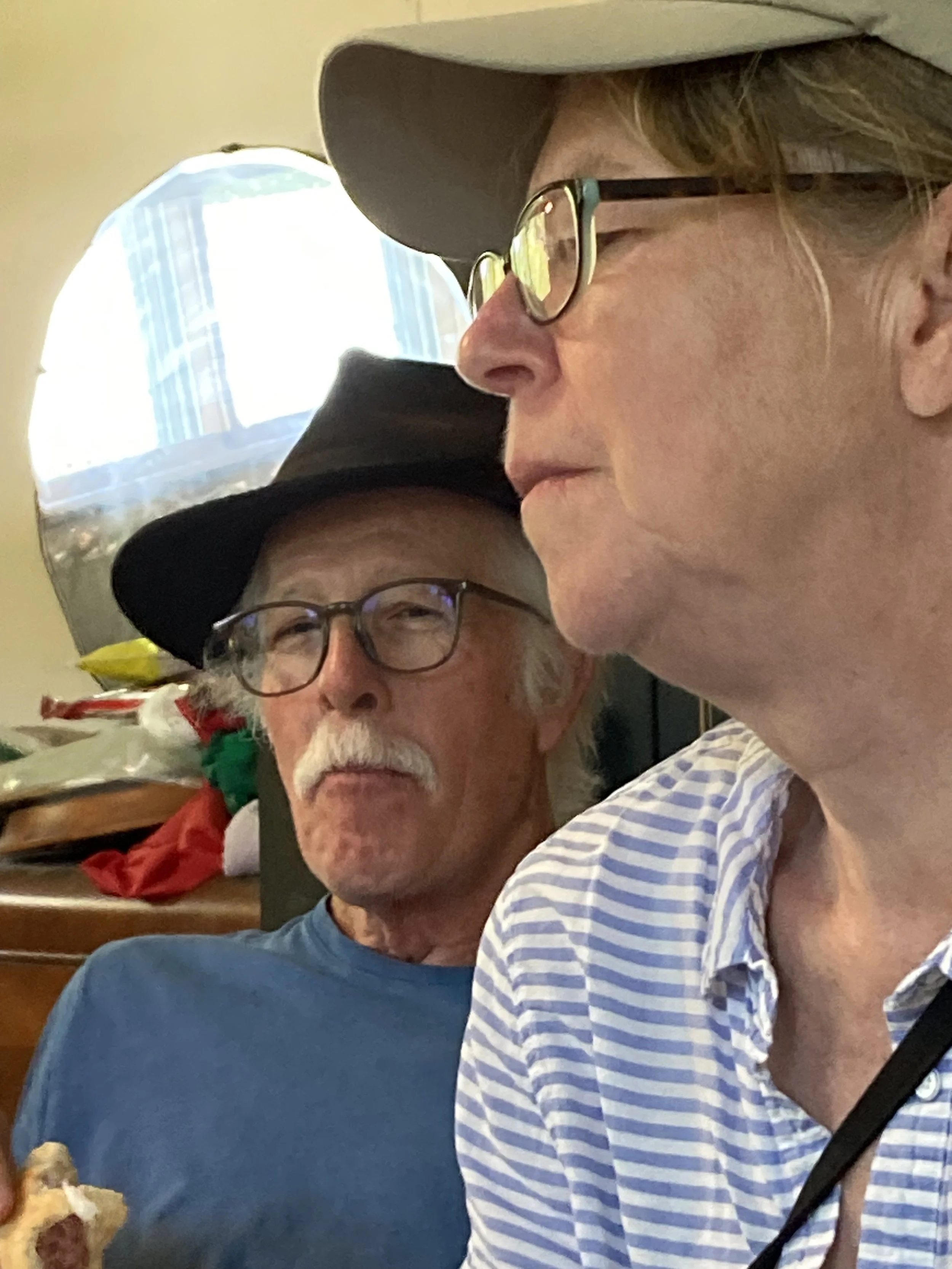
We subjected her to the chaos of having small children in the house. We advised that she might find odds and ends of bread rolls in her room, as indeed she did. Felix slept over her first night here. She says she still cherishes the memory of awakening in the morning and hearing a tiny voice chanting “abracadabra” in the next room.

I grilled eggplant (they are beginning to be plentiful) and made a big batch of baba ganoush. Turns out it is one of her favorites!
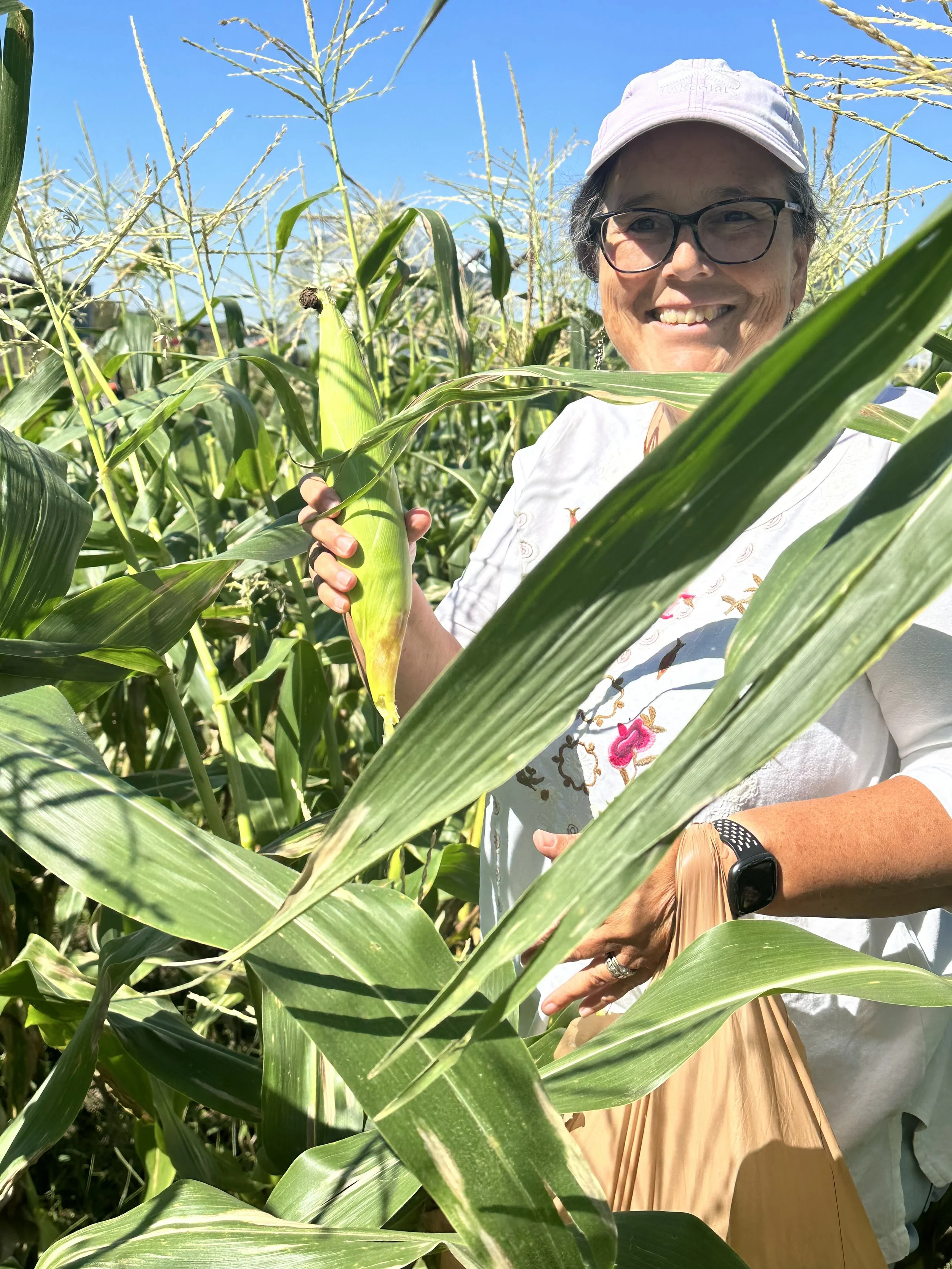
We went to a neighbor’s house and picked fresh corn. Thanks Mike!

She experienced our motto: the pay is bad but the food is good!

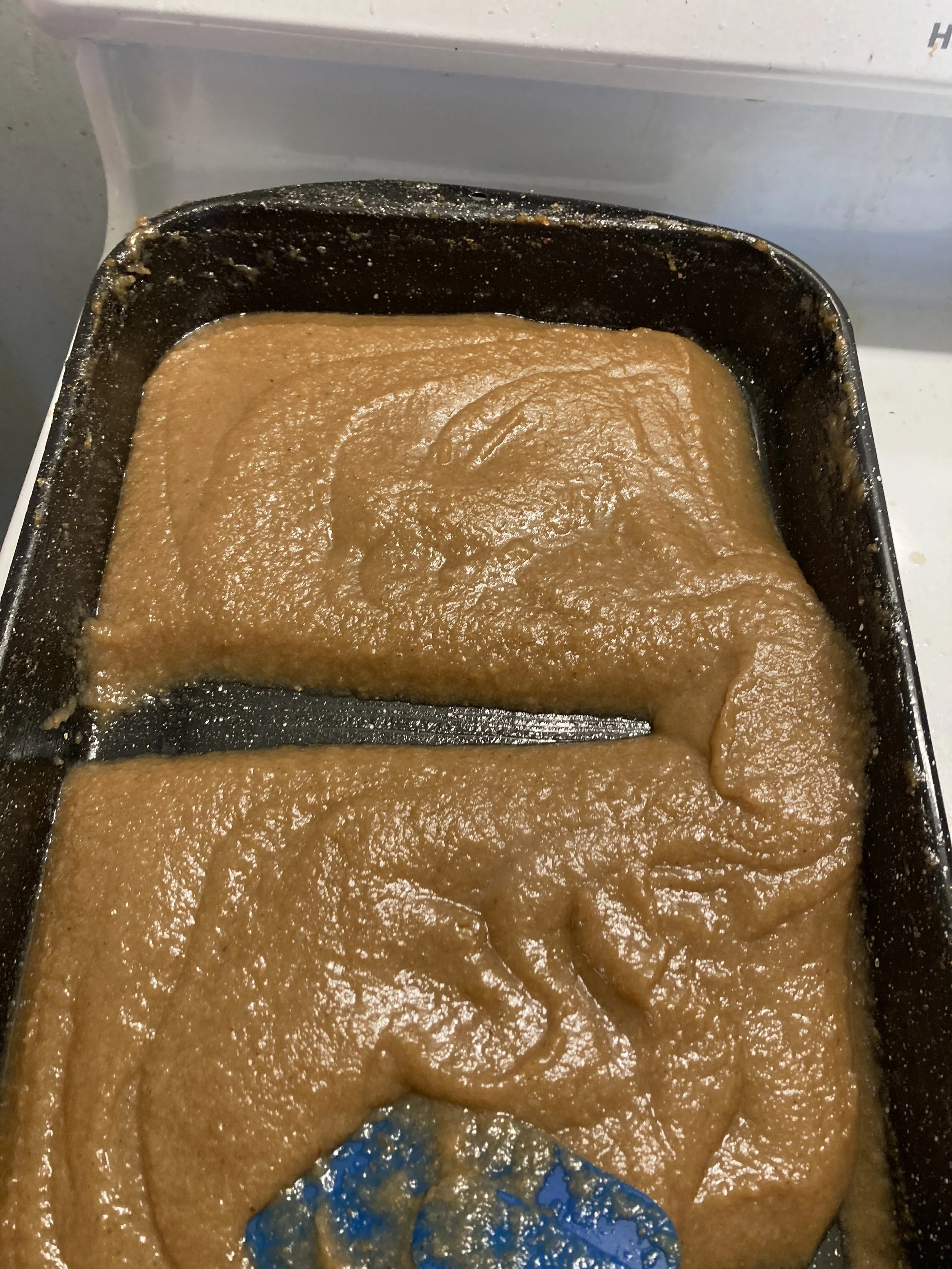
She stirred the pear butter (we took turns) until it “traced”. Now that is friendship!

She made fast friends with Zeke, and then went back to her own fantastic life in Massachusetts.

A few days later I went back to the neighbor’s and brought him seed garlic and one of our huge cabbages. Not only did I score more corn, but I also found some huitlacoche, or what is known around here as “corn smut”. He willingly let me have all I could find.

I sorted through and removed the corn silk and older mushrooms that were turning black. The next day I sautéed it with some onions, garlic, jalapeños, herbs, salt and pepper and then served it as tacos to my sister and her husband, who were passing through from Washington state to Vermont.
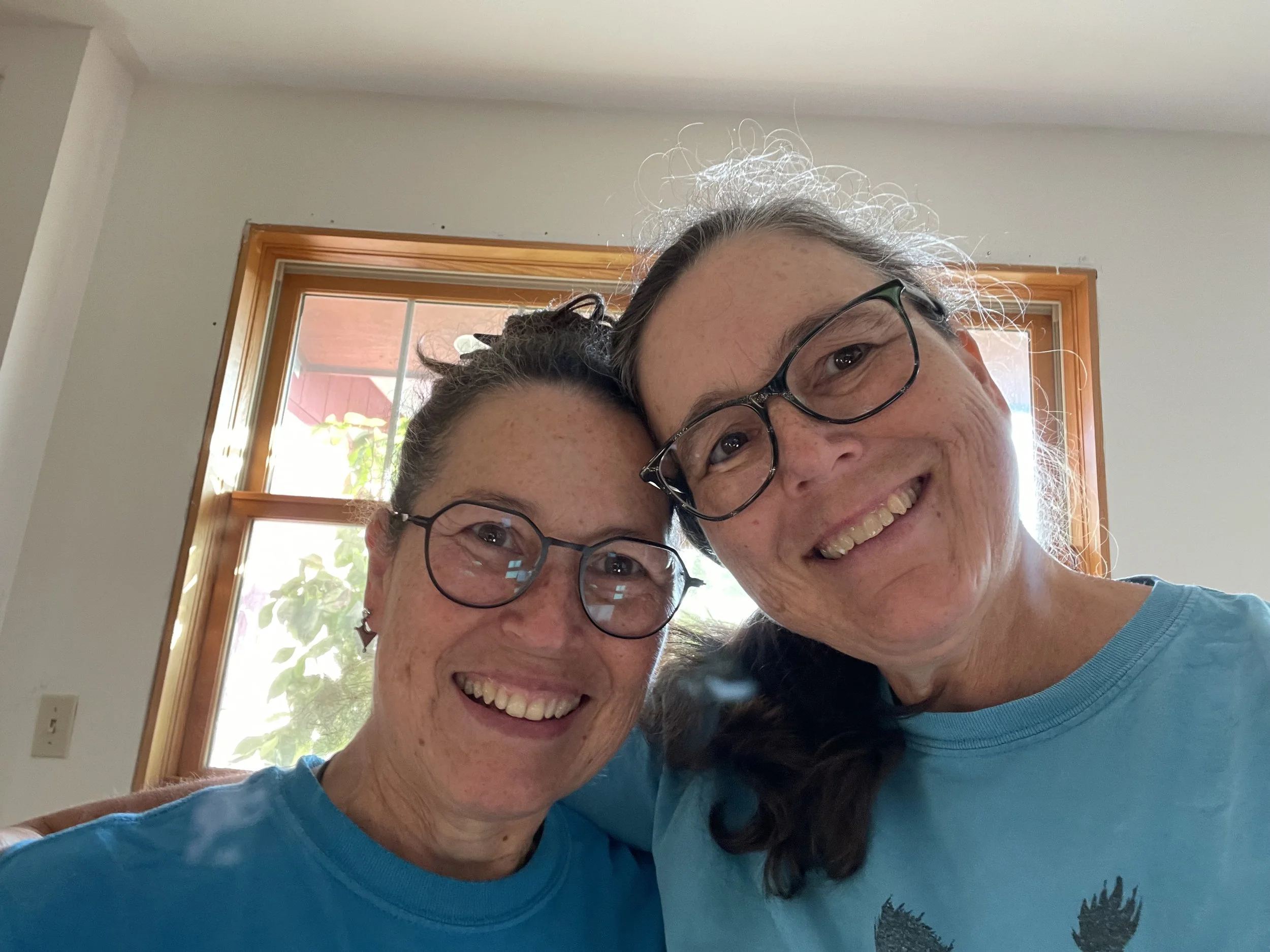
She still loves me! But seriously, she and her hubby knew what huitlacoche is, and were happy to finally try some. No photos, as they arrived late and we were all hungry. And more corn! Yum.

Michael had just moved the ducks from their summer pasture to winter residence, which meant we got to enjoy their cheerfulness with Mariluz and Tomás. And now we are back to the craziness of harvest time and preparing the gardens for winter.

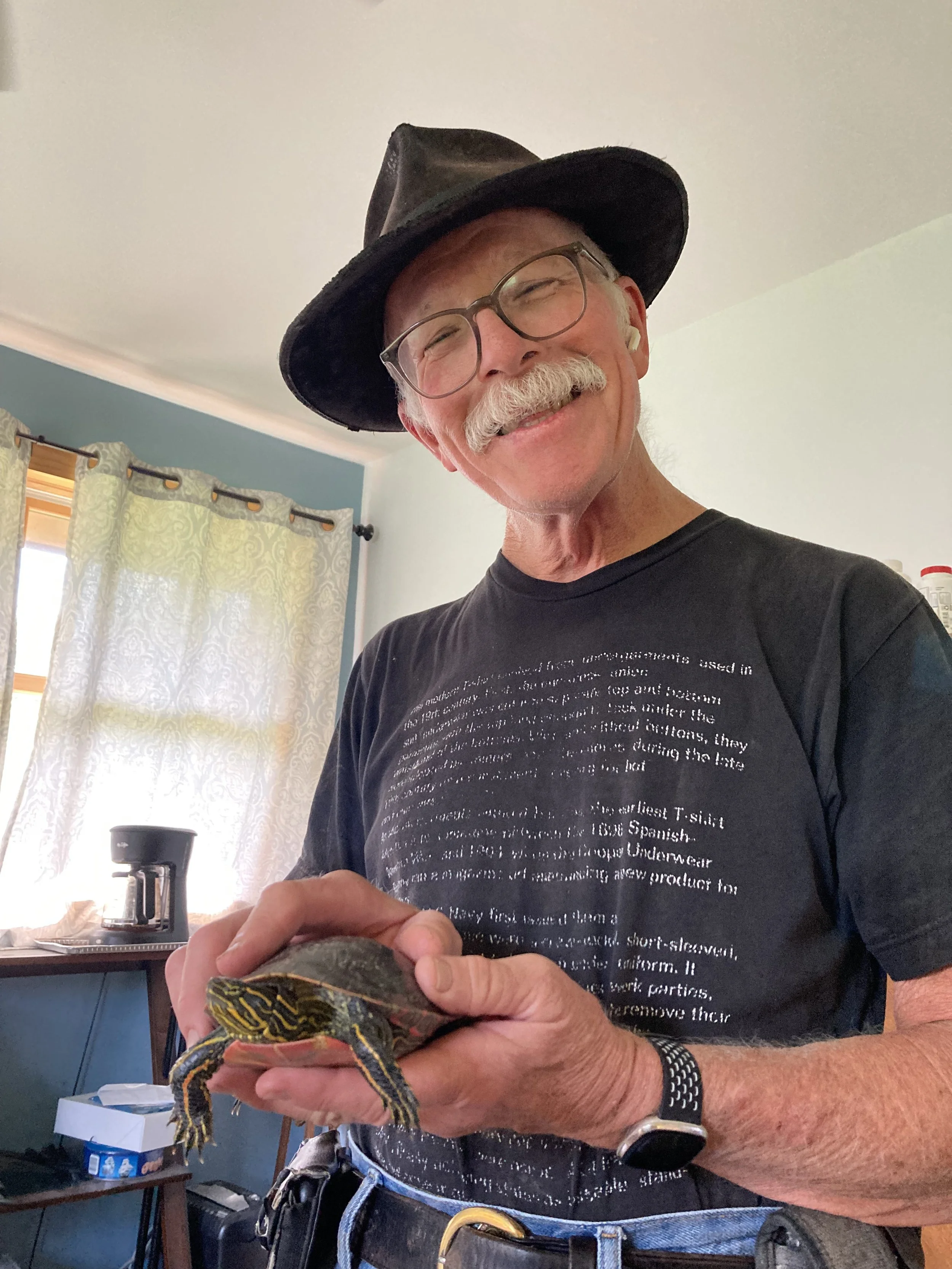
(We still have some friends around…)
Up-cycling journal: used tires

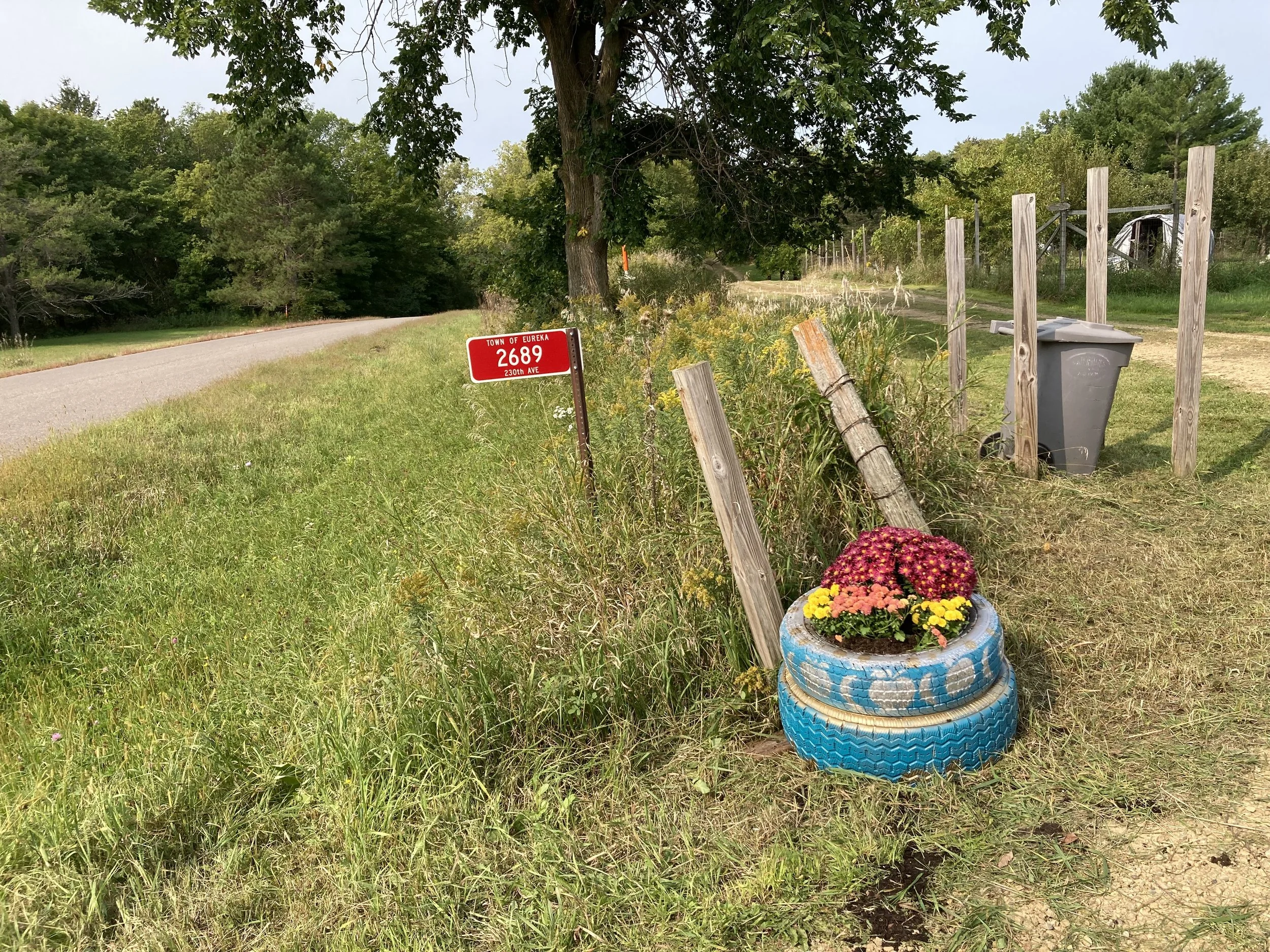
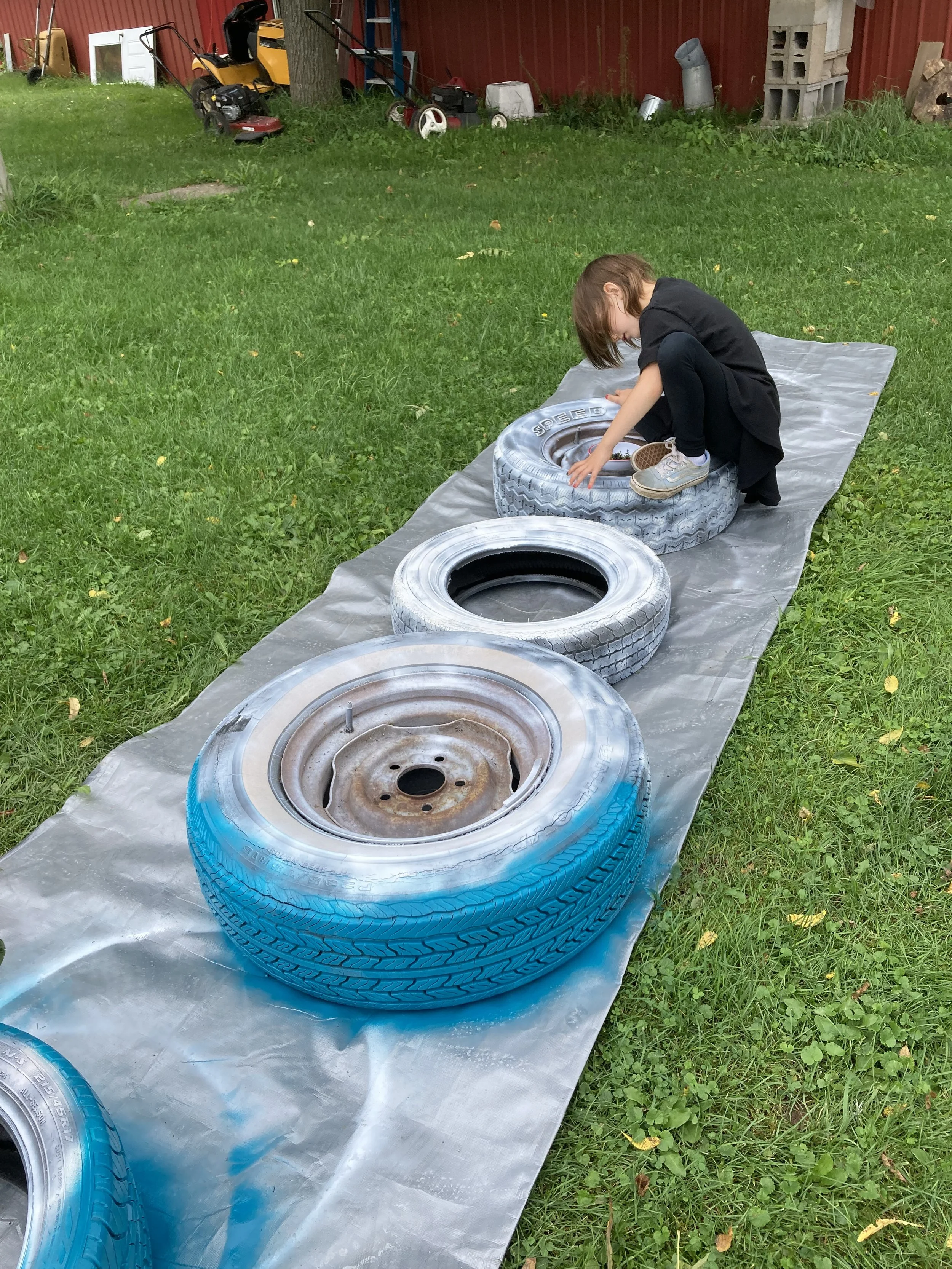
The Grand Girl always likes to have a project going. Since she would be visiting, I decided that it was time to act on my vision for the four used tires someone deposited in our ditch last year.

It turned out that her little hands were not strong enough to work the spray paint cans, but she was a trooper and kept me company.

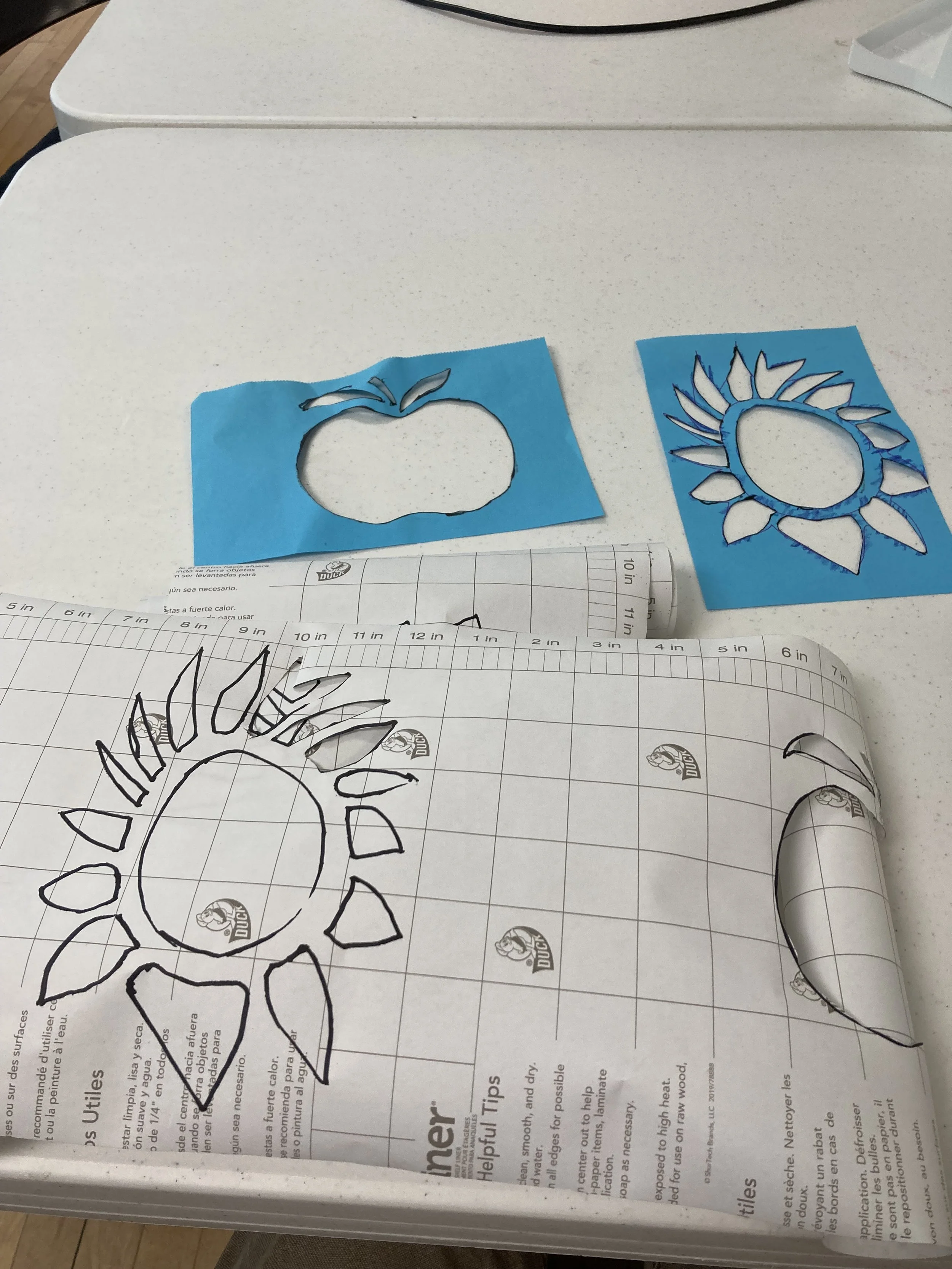
Her job was to draw me designs to put on the tires, from which I made stencils. She chose the sun and moon on her own. I drew the apple.

She pretended to be a flower so I would know how pretty these would be. Then it was time for her to go home.

I cut the stencils out of contact paper. I have to admit, this was the boring part. Then I spray painted over the stencils. The tires are stacked because it kept raining and you can’t paint a wet tire. The stacking kept the top tires dry.

My admiration for graffiti artists grew by doing this project. “Golden apples of the Sun; Silver apples of the moon.” William Butler Yeats is probably turning in his grave.

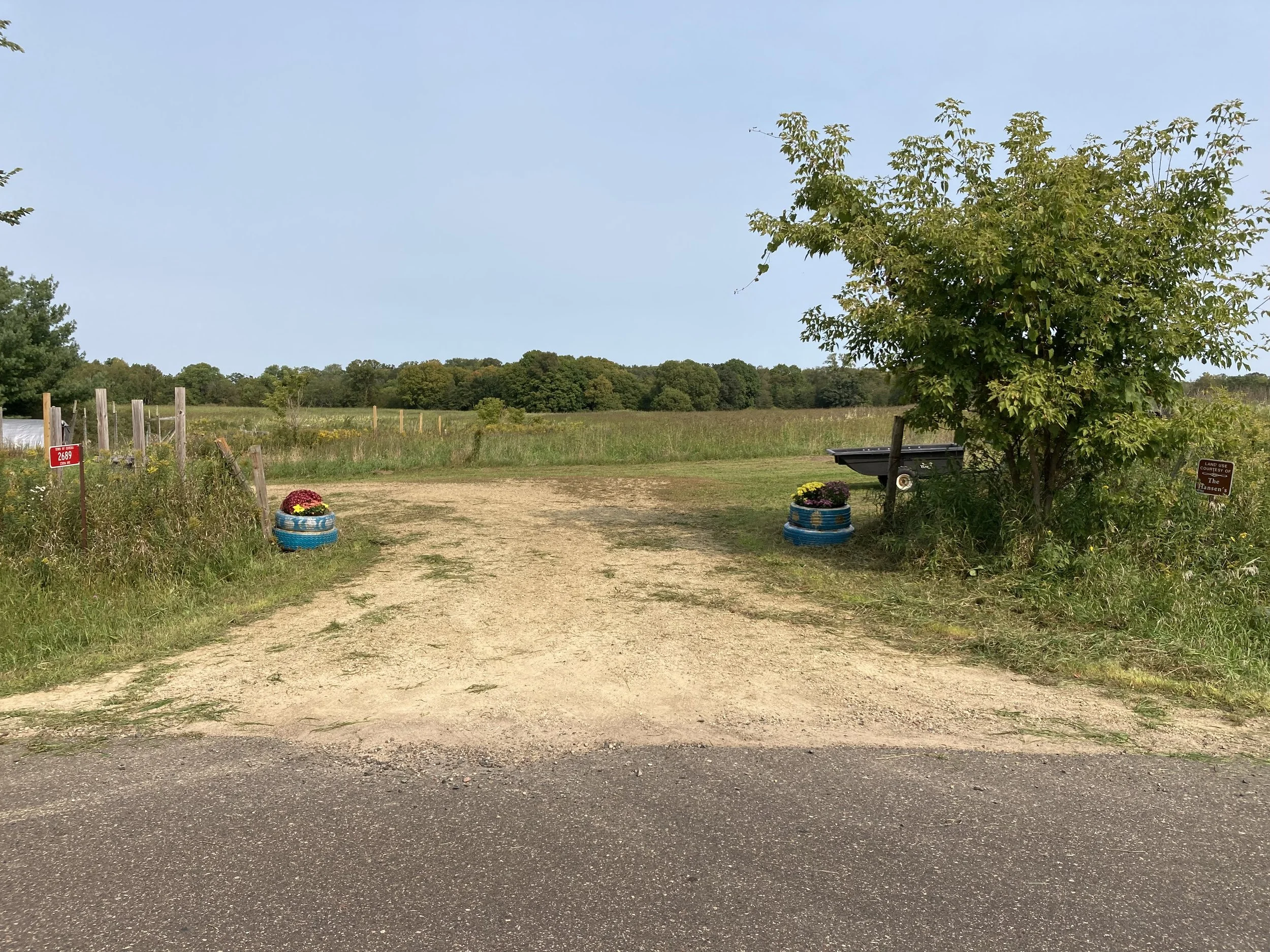
Clyde loved flowers. If ever told of my scheme for used tires, he would have shaken his head and said, “That girl is crazy!” But he would have devised a means of keeping the flowers watered. Irene always wanted something decorative for the entrance to the driveway. She also liked the color turquoise. Anything bright and cheerful. So here’s to you Summa and Bucka! [No Used Tire planters allowed at the cemetery, so these will have to do.] And no, I don’t want any more tires left in my ditch.

Family journal: time with the Grands

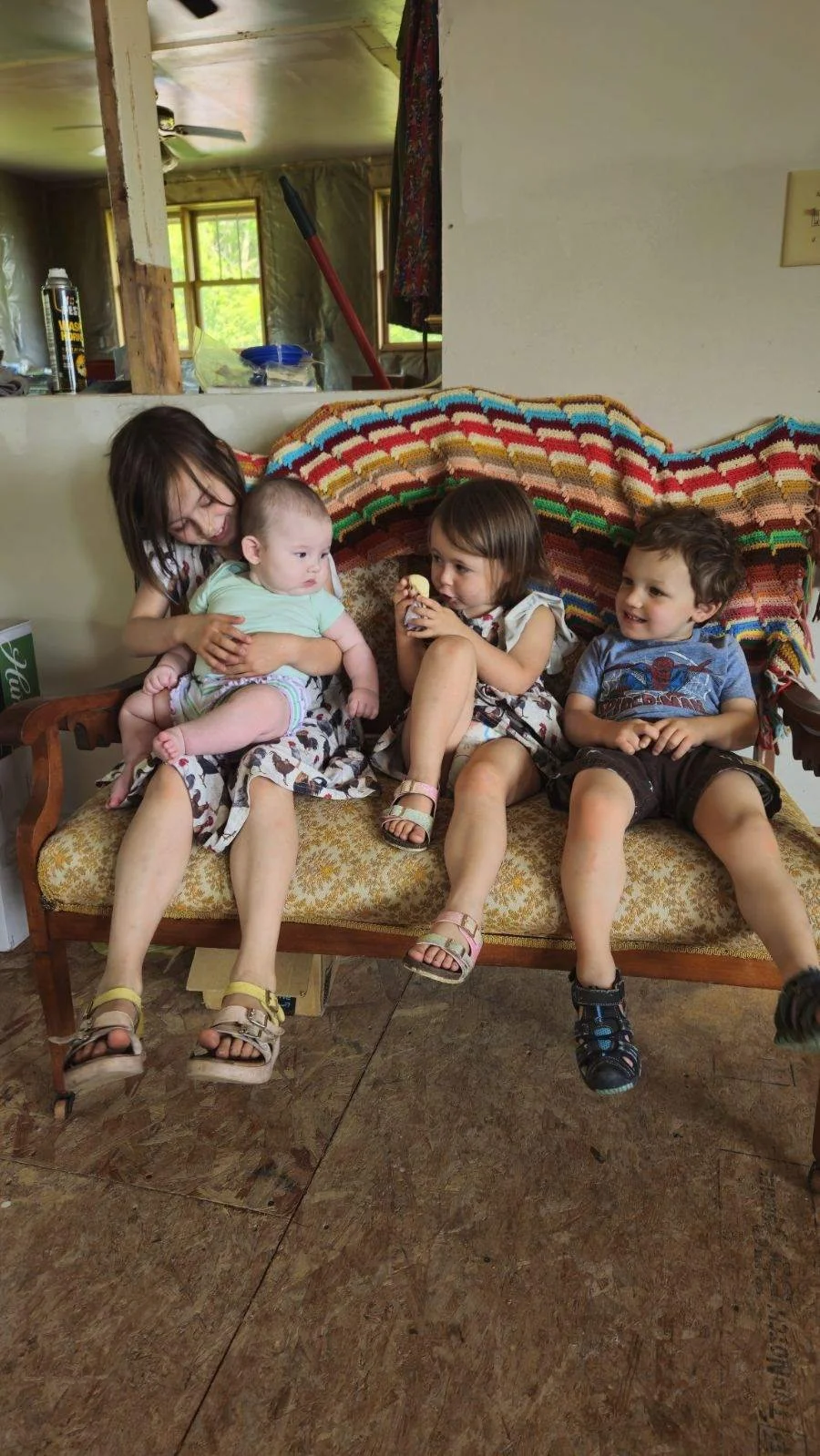
I often include photos of the younguns in my posts. We were blessed with having the Grand Girl and Guy for overnight stays in August, as well as a number of other visits. I decided it was time for a Grands post.

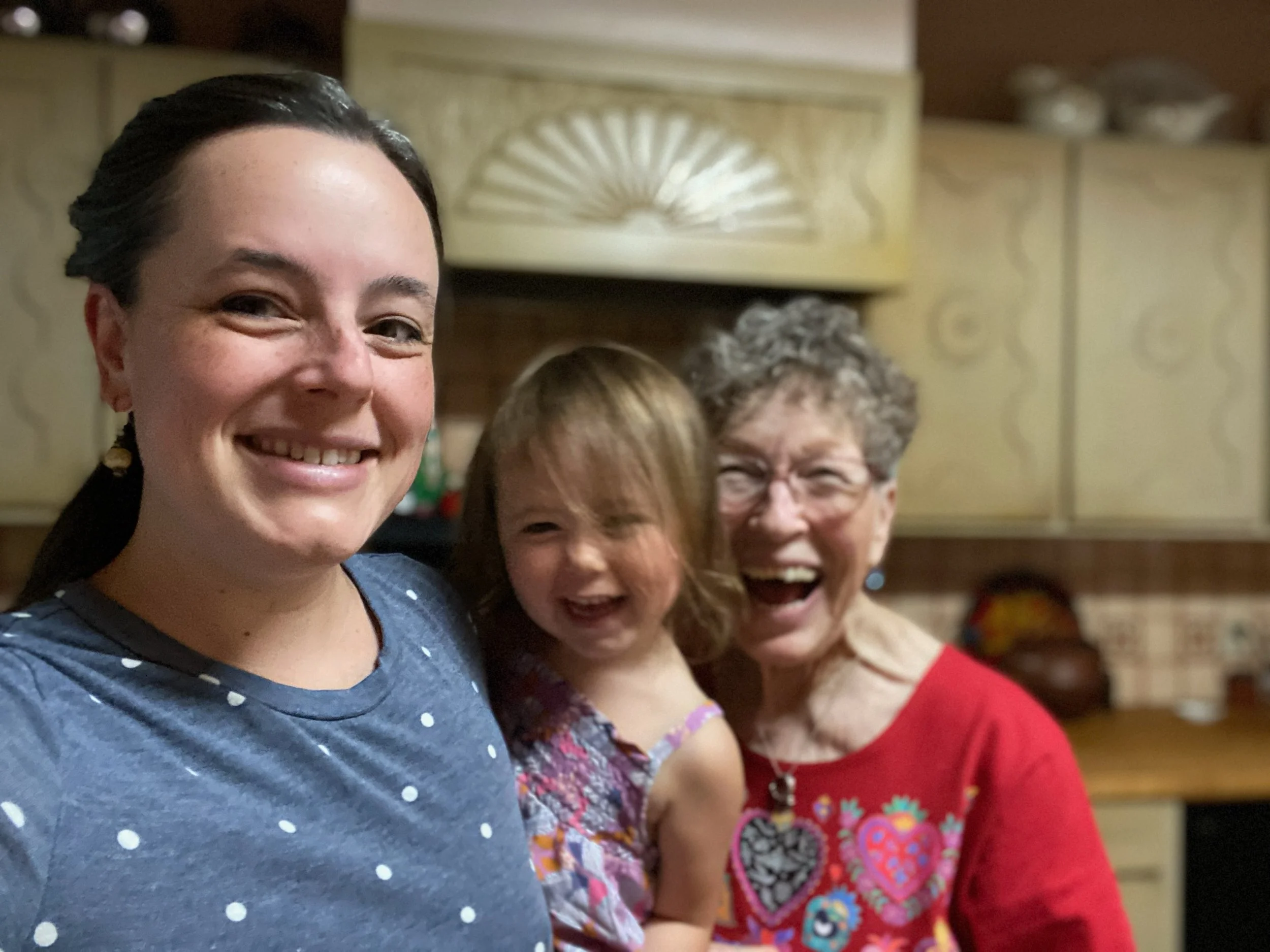
Michael and I traveled to our daughter’s home so the guys could work on several projects. This allowed me to hang out with Moogie and her mom. The Grand Guy was learning plumbing, or at least that plumbing is a thing.

We left them functioning faucets and clean kiddles.

At about the same time, my mother was enjoying the other set of Grands at her house.

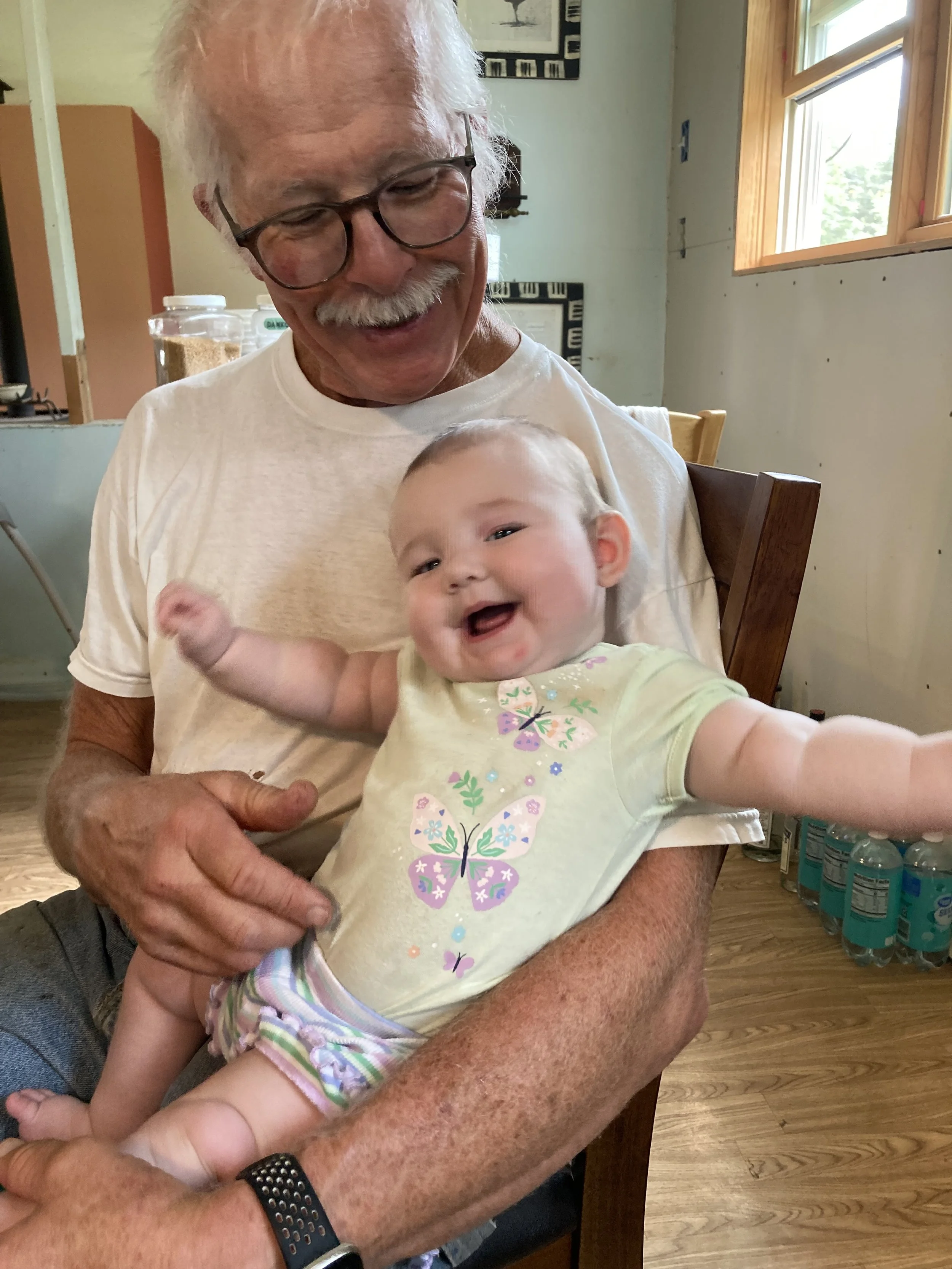
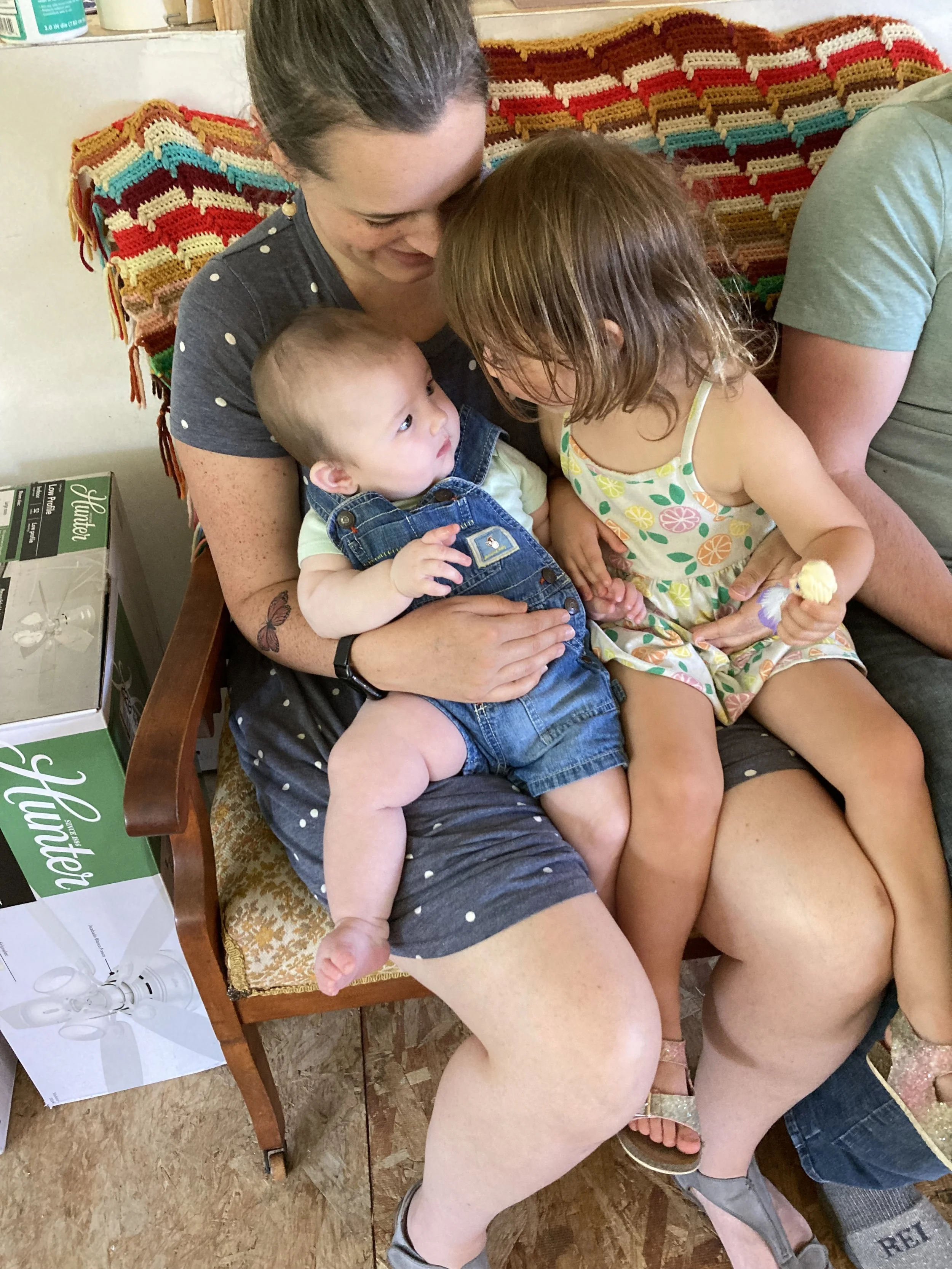
I notice we take a lot of photos of Moogie. She is quite charming.

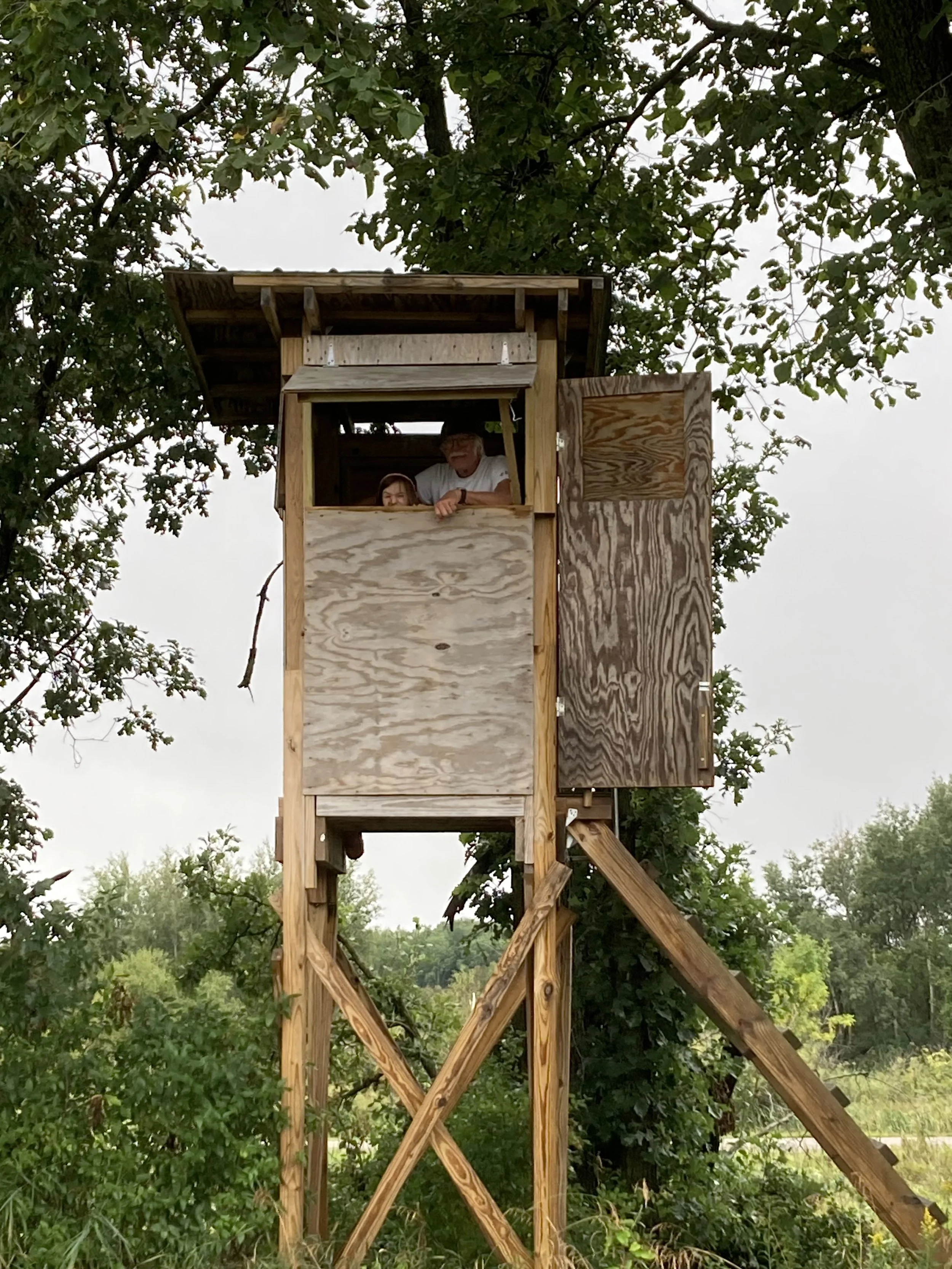
When the Grand Girl arrived for her visit, one of the first things we did was take her on a tour of the deer stands. We have two that are enclosed and with easy enough access that even I can get into them.

She helped me with turning some tires someone left in our ditch into flower planters.

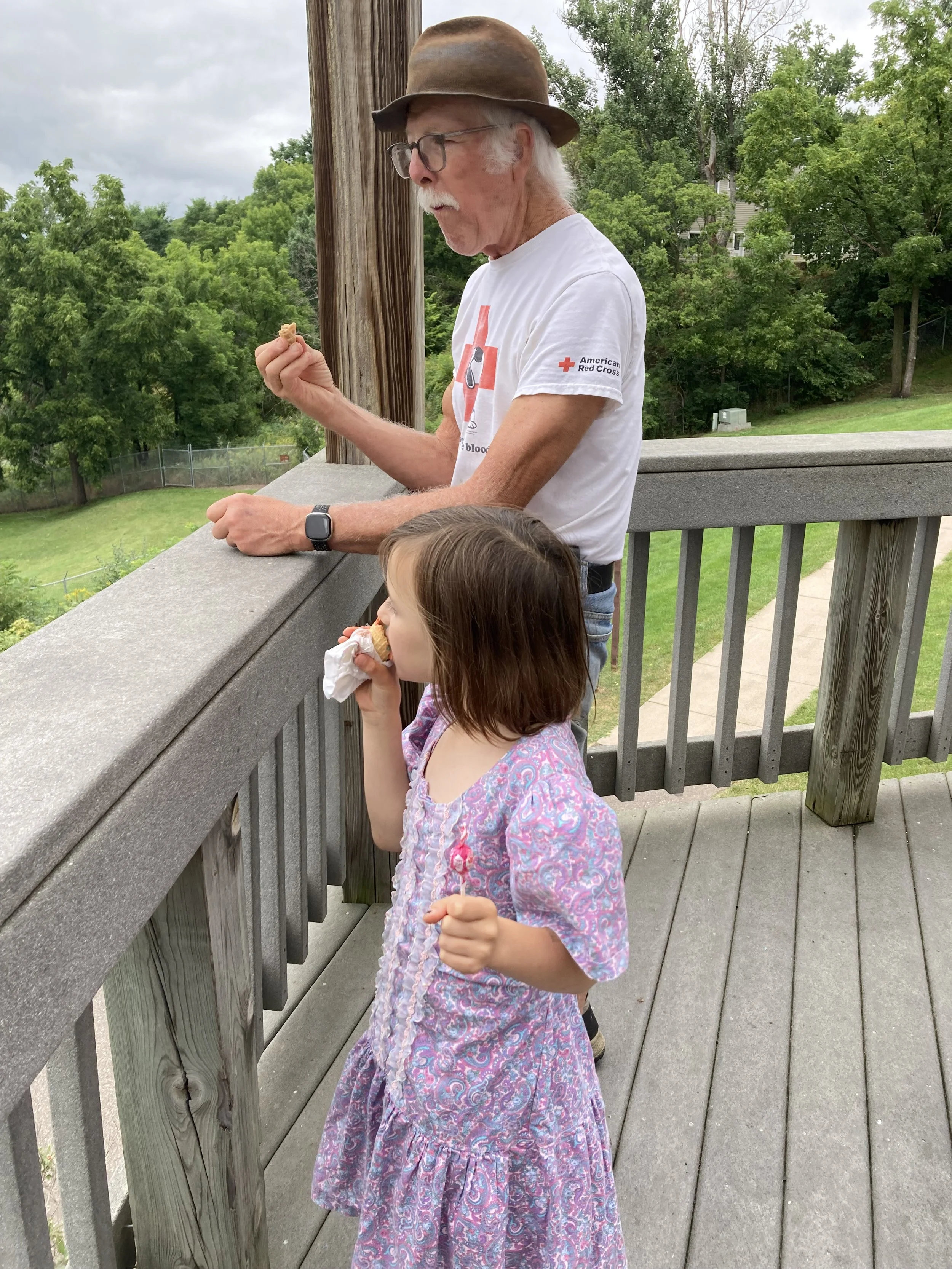
We had to go into town to buy the flowers, which took us past the ice cream shop and the falls overlook.

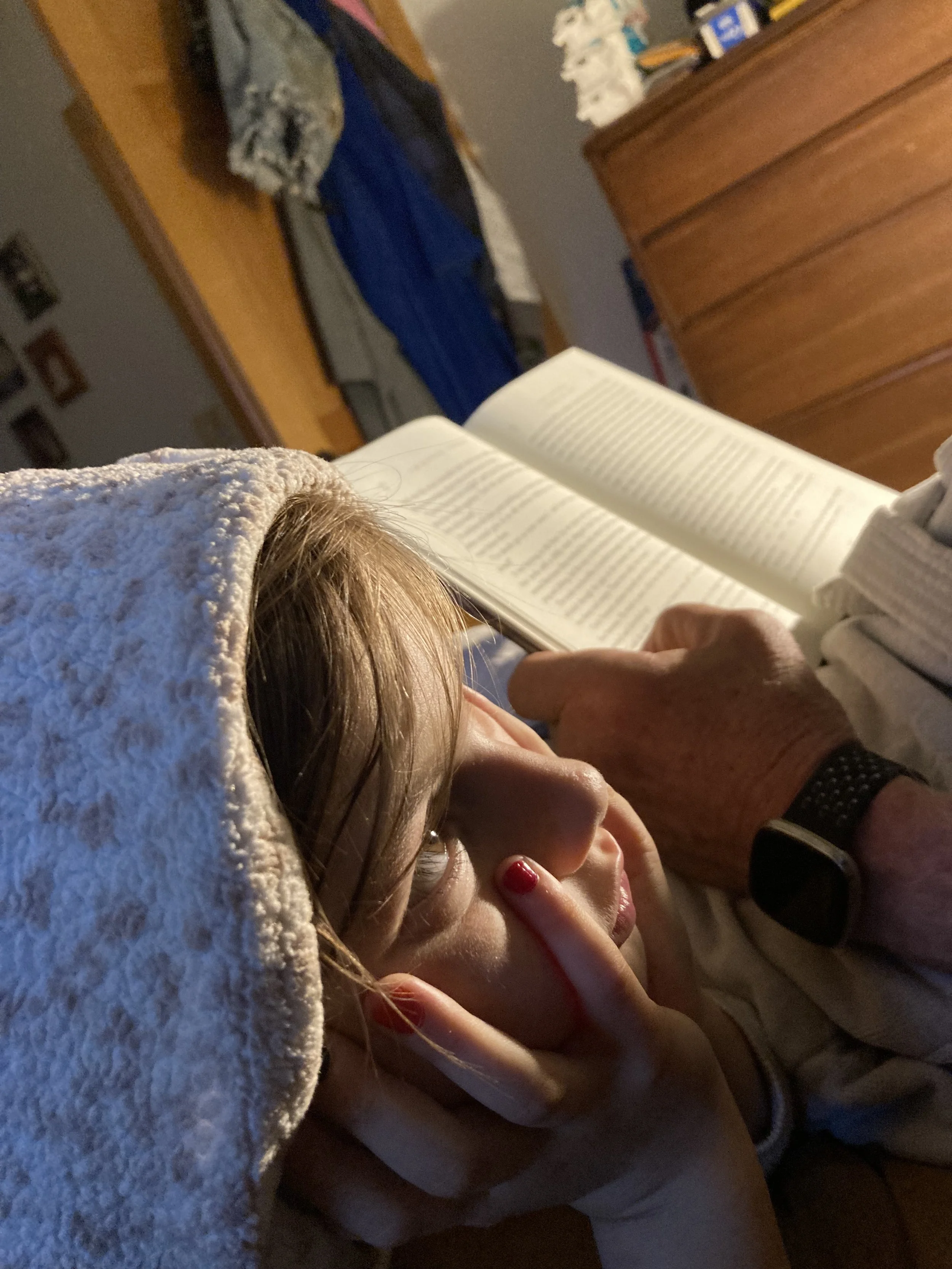
We found a good bedtime book.

She enjoyed the watermelon that grew from the seeds she planted this spring.

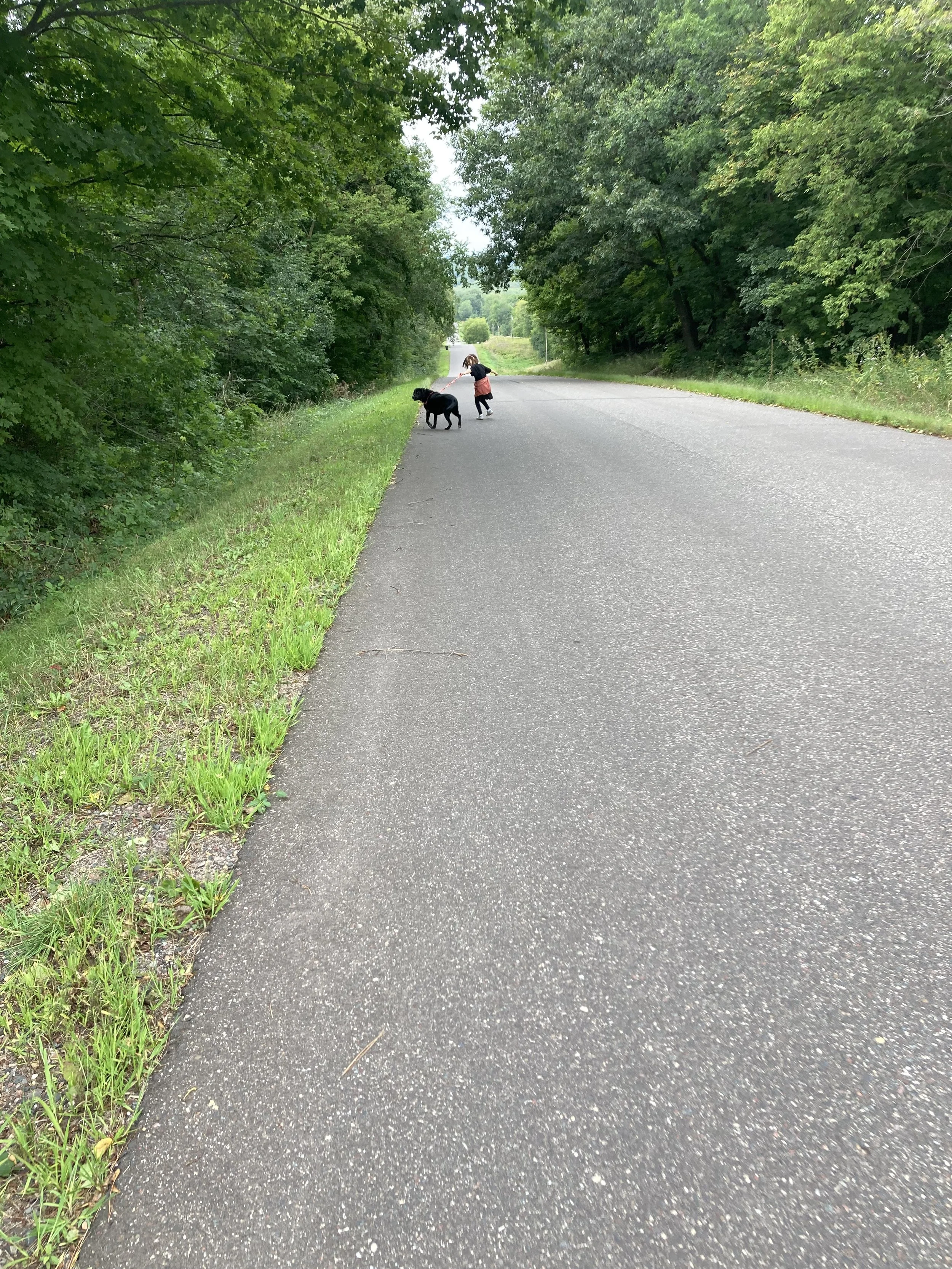
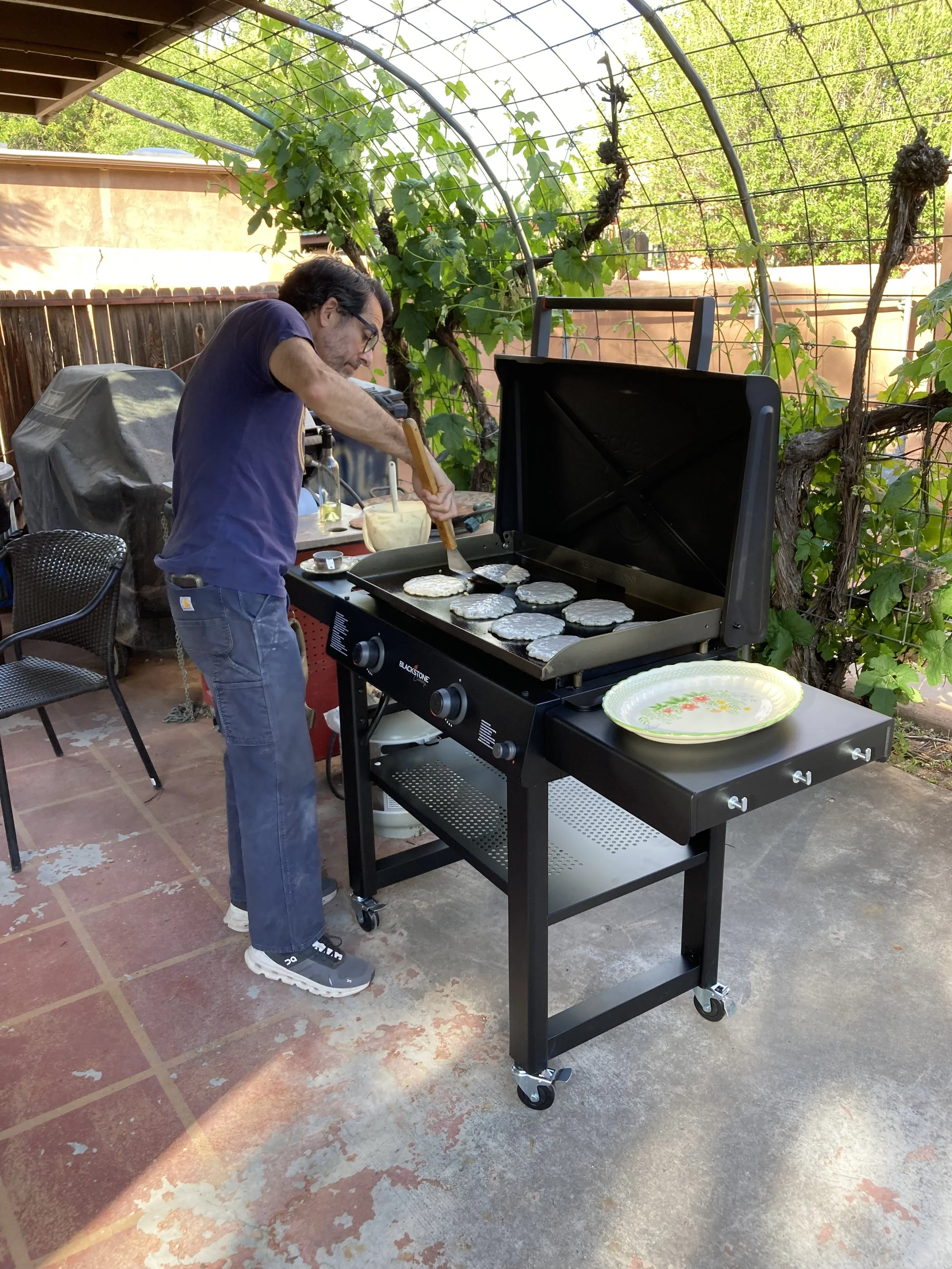
Fueled with watermelon and pancakes, she took Zeke on his 2 mile walk to the river.

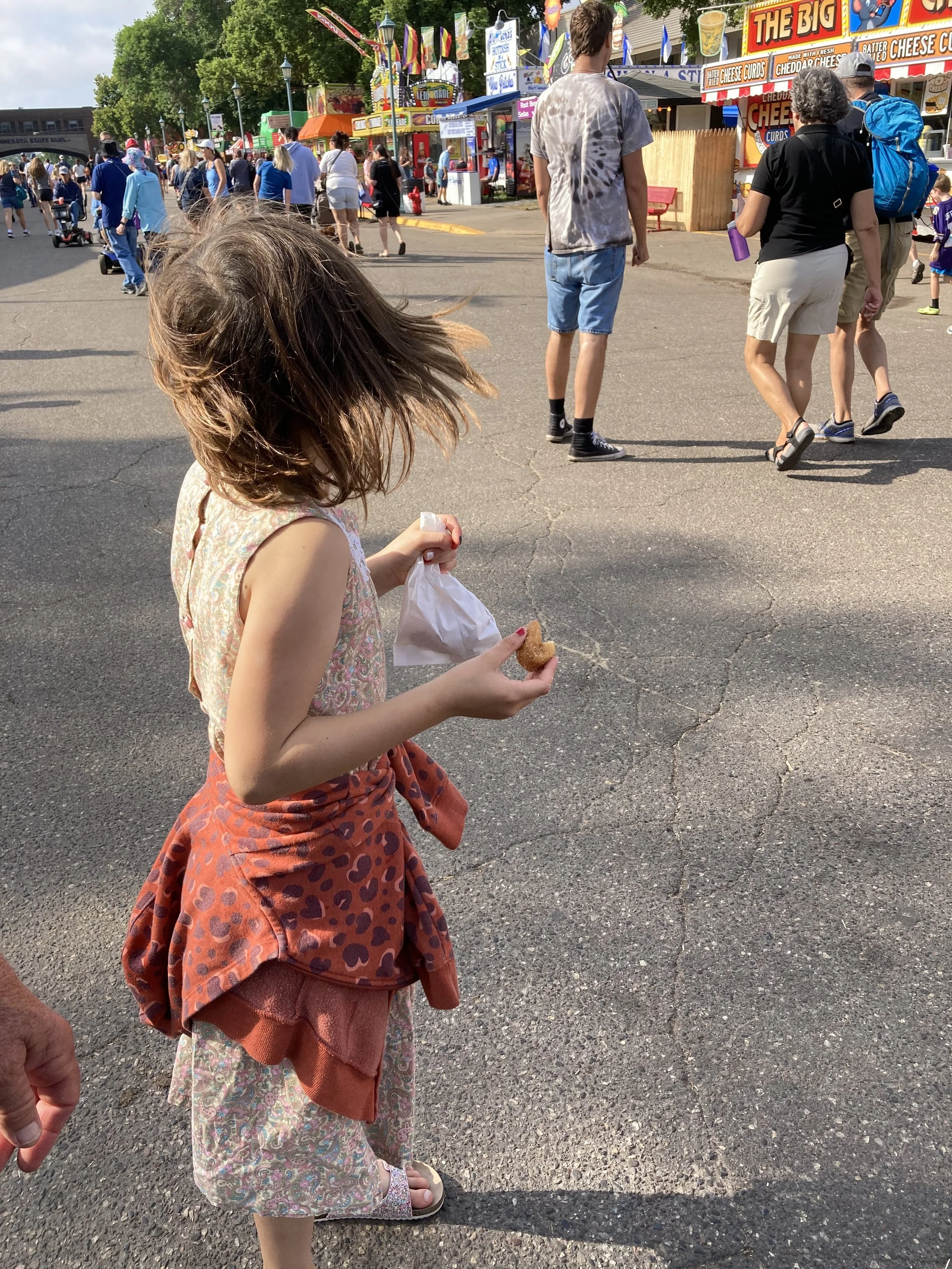
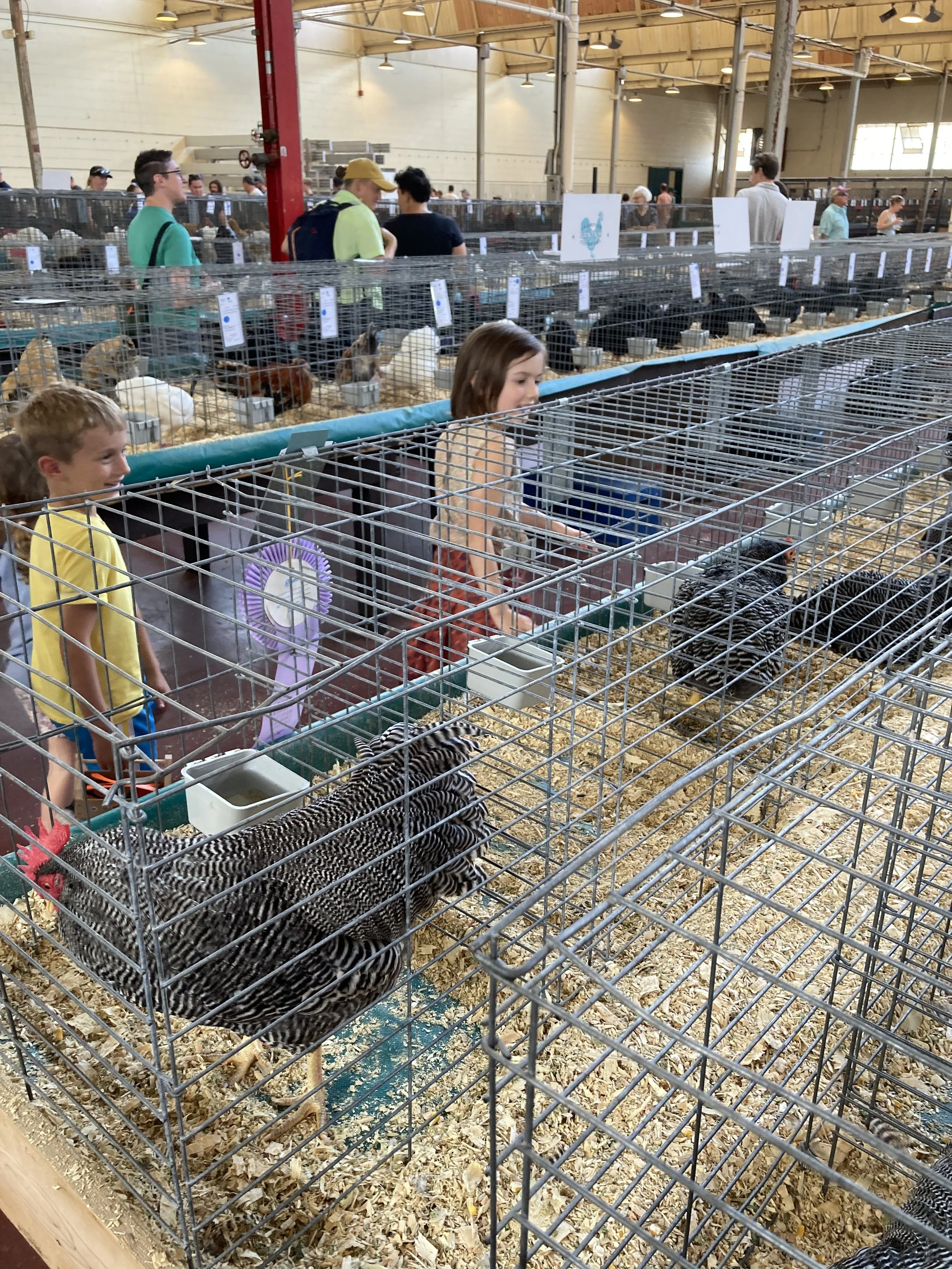
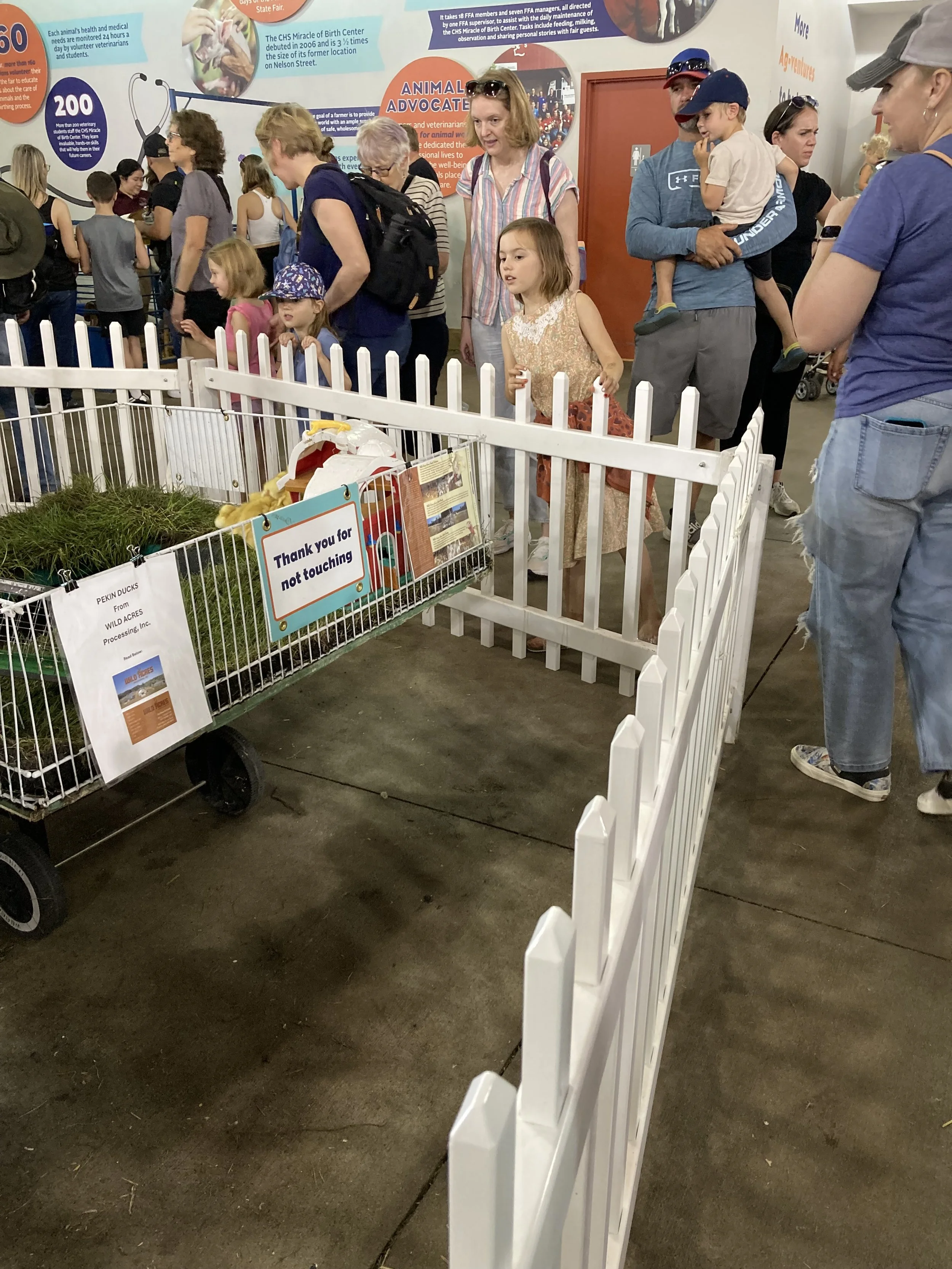
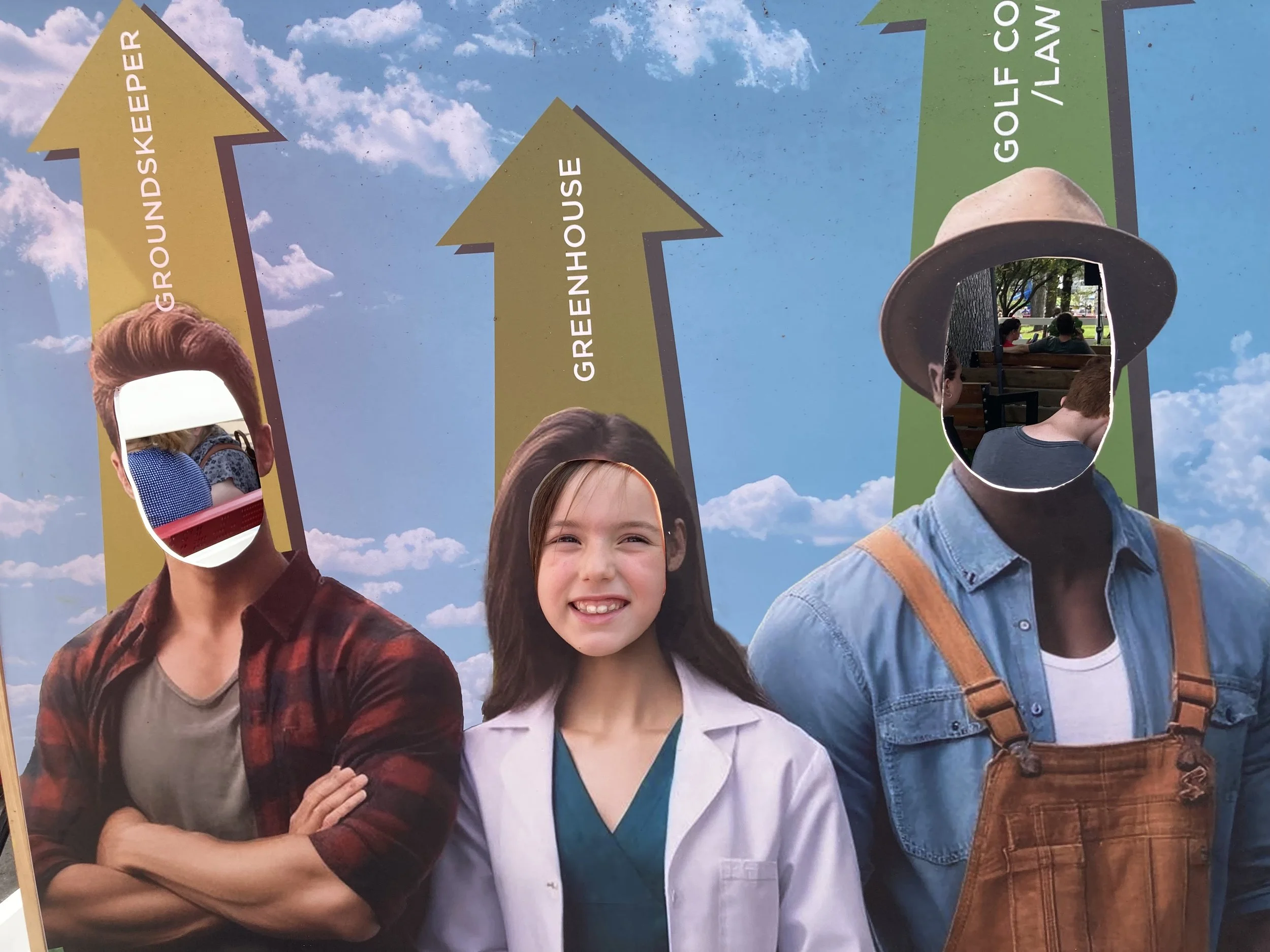
We took her to the Minnesota State Fair before returning her home.

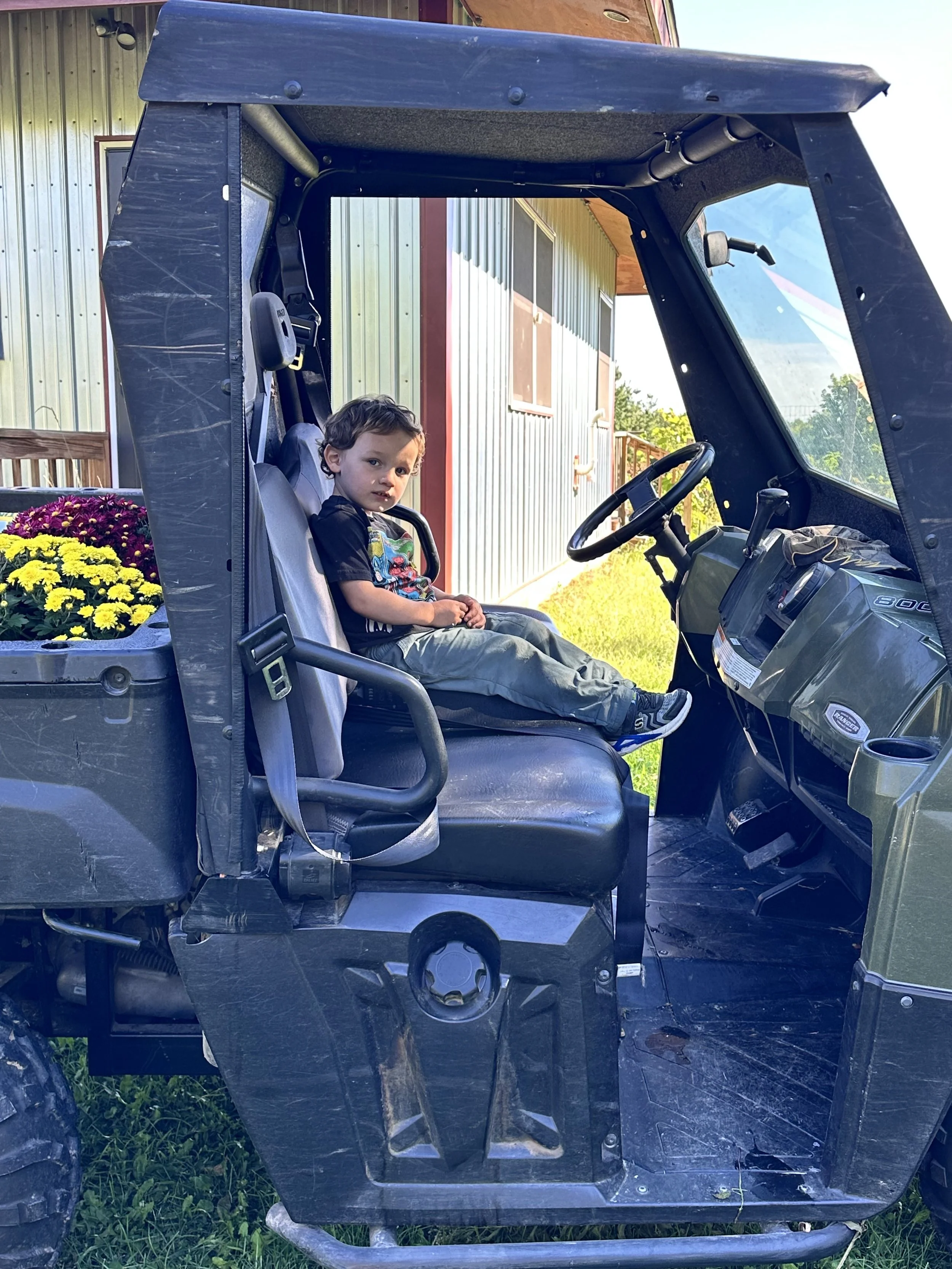
We picked the Grand Guy the next morning. He LOVED riding in the Ranger.

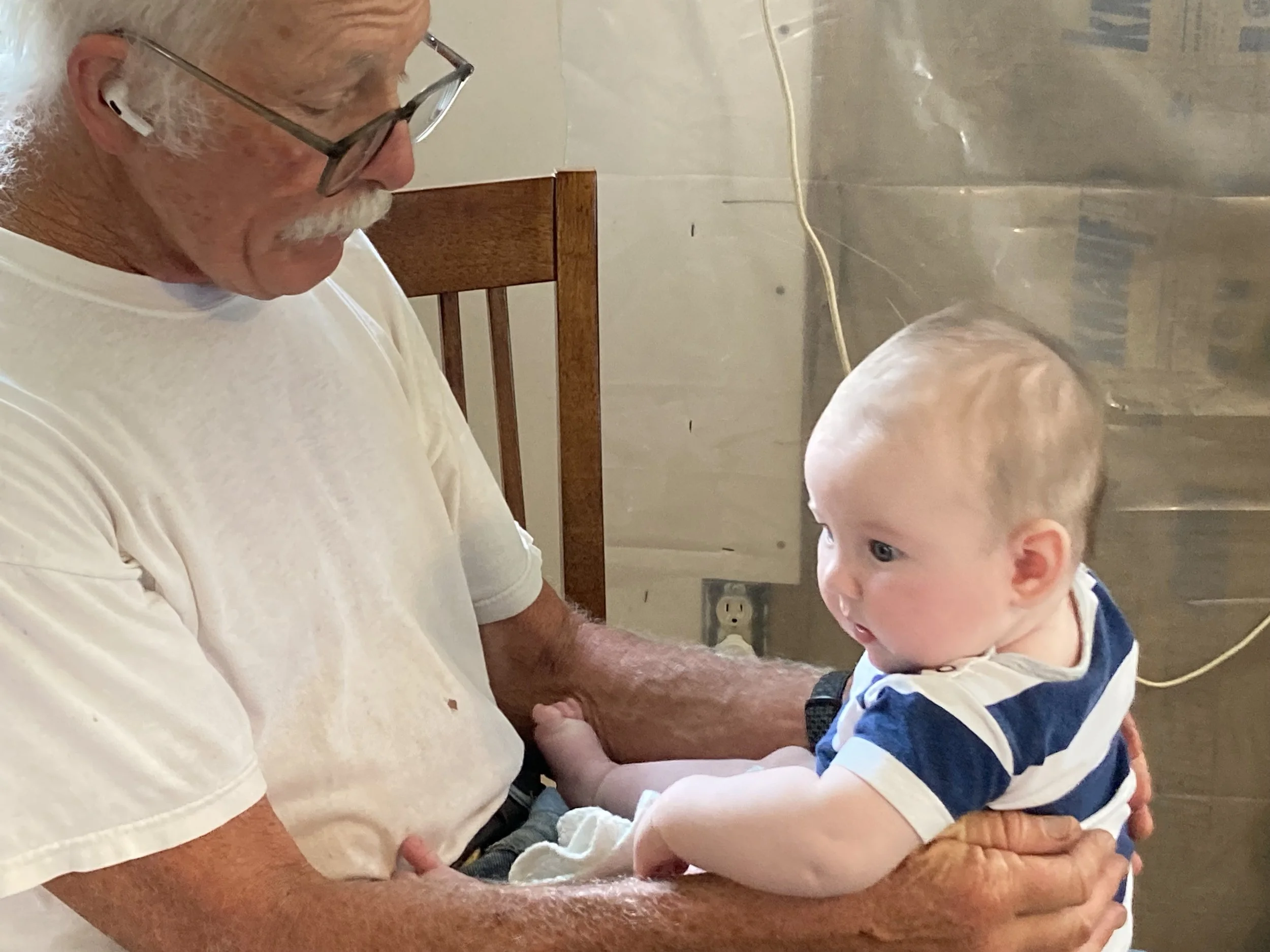
We had everyone over for dinner, and all the Grands went home with their parents. We are so blessed to have children close enough to visit regularly. It makes for a wonderfully energetic space, encouraging us to keep working to make this a place children want to be.

Harvest journal: duck anatomy

We have been reducing our flocks. No more birds to harvest as of 8/21! The temperatures bouncing between chilly and muggy hot. We feel the pressure to squirrel produce away for winter.

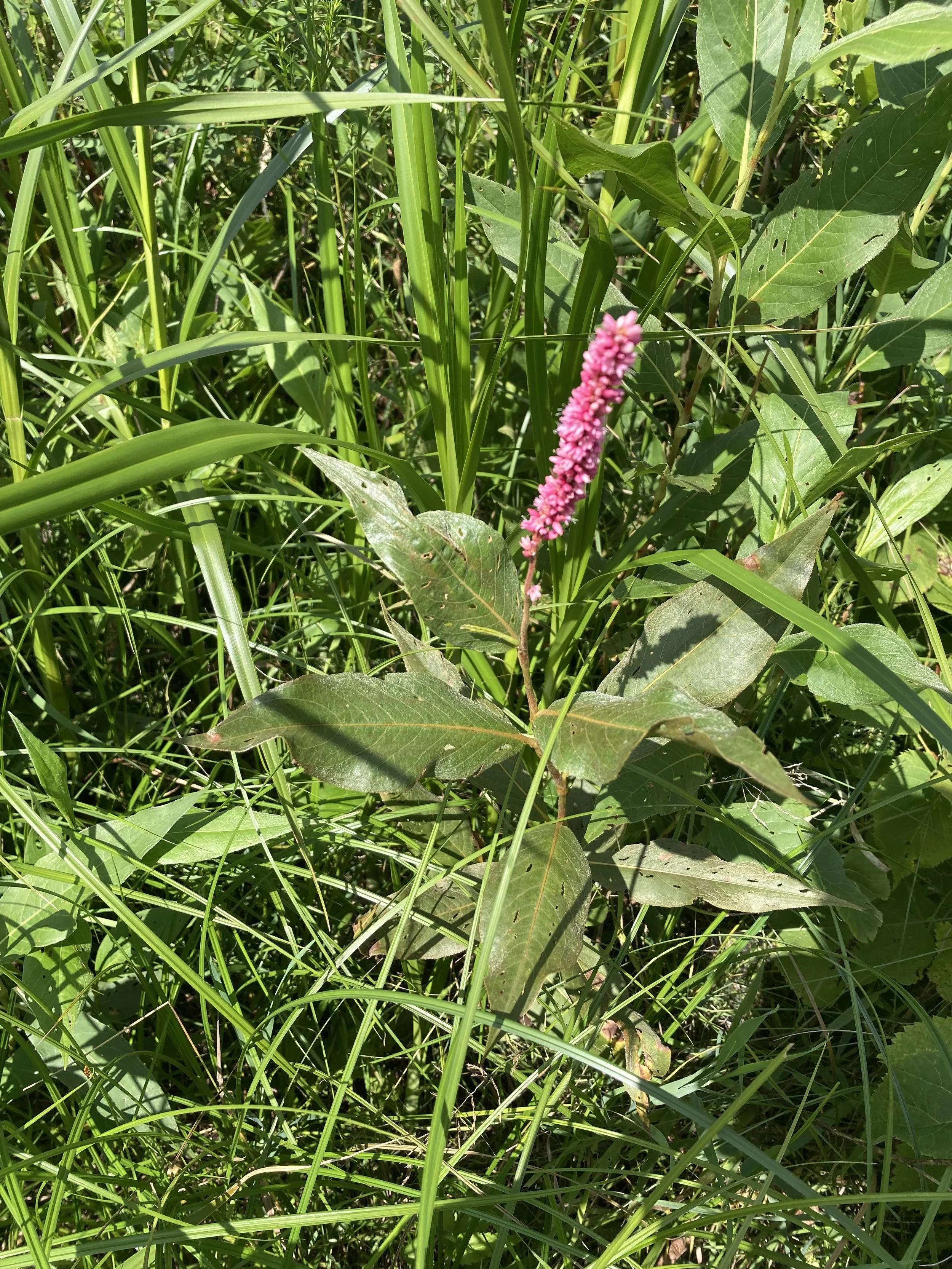
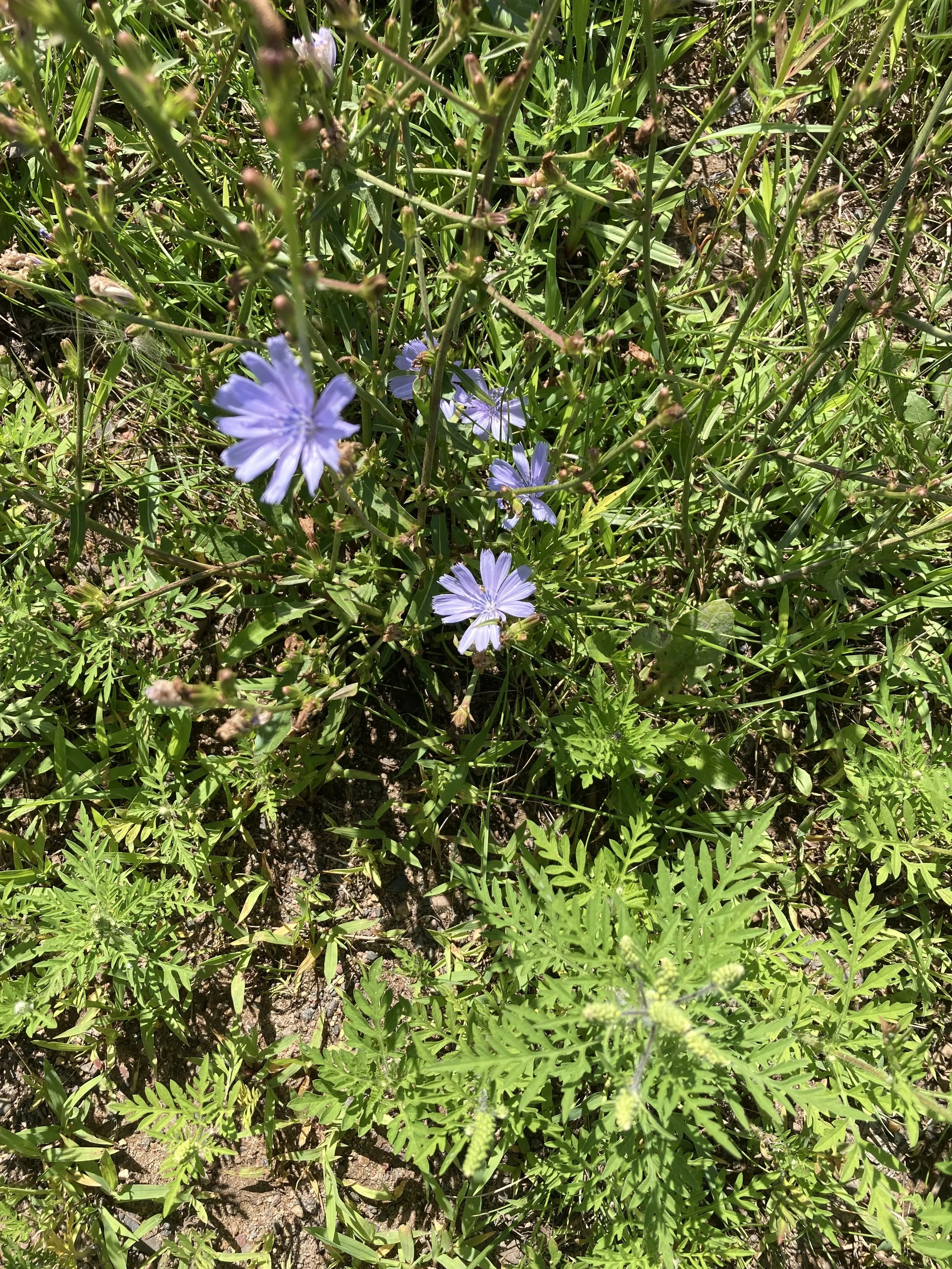
Water plantain, pine boletes and chickory: all signs of fall. These are the buffer photos for those who do not care to see blood and gut photos. Frankly, I’m fascinated by the insides of my birds. One more buffer photo of a puffball and then onto the hard core farm life.

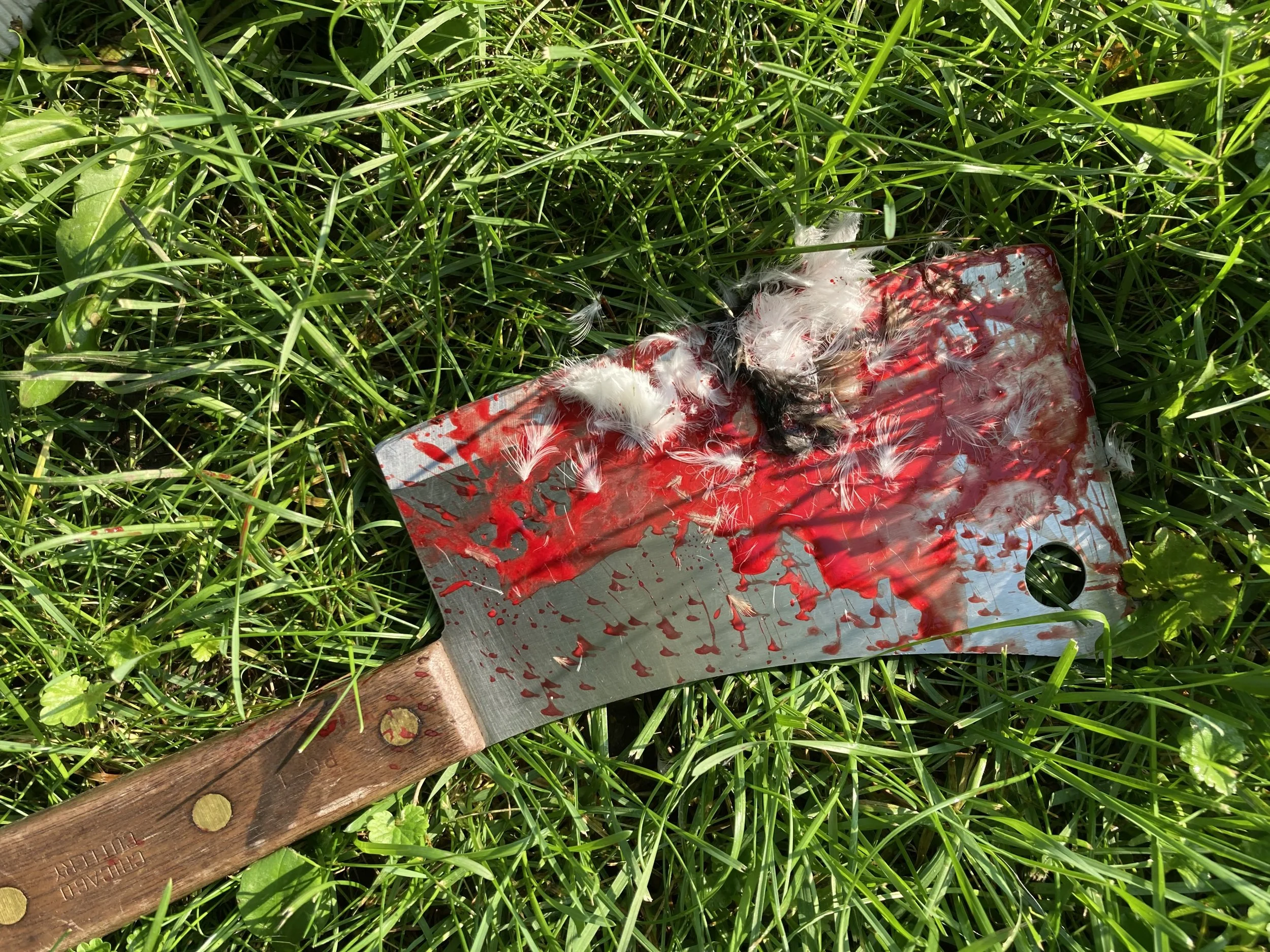
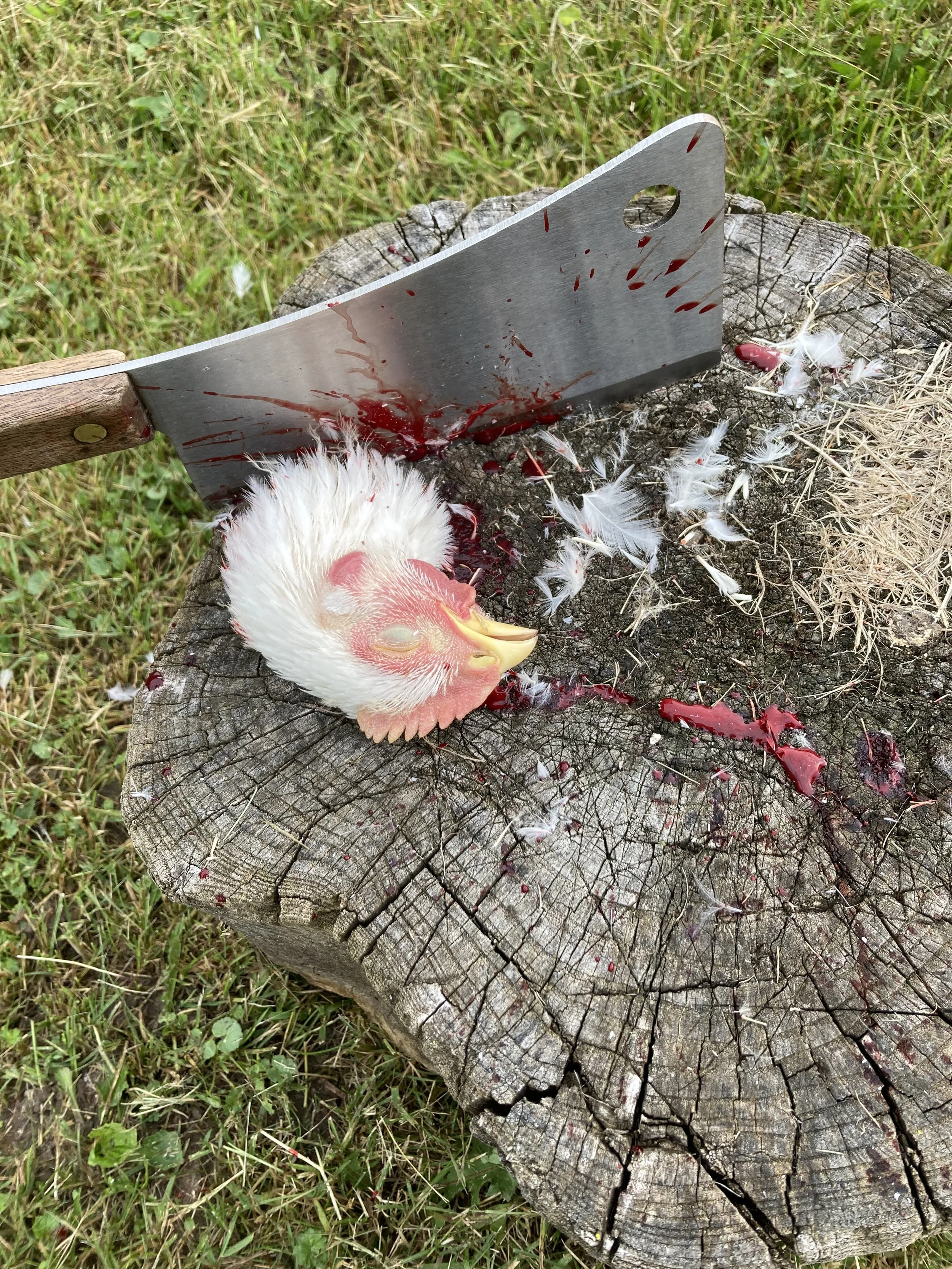
Michael uses a cleaver to chop off heads. I can never get a photo of the bagged bird, as I’m usually holding one and cooing to him while his companion goes to the block. Think of a pillow case with a corner removed. Head goes through the corner and the body is wrapped snugly with the bag. It keeps them still until the end. I stroke their breasts afterwards, which calms their bodies as they finish dying.

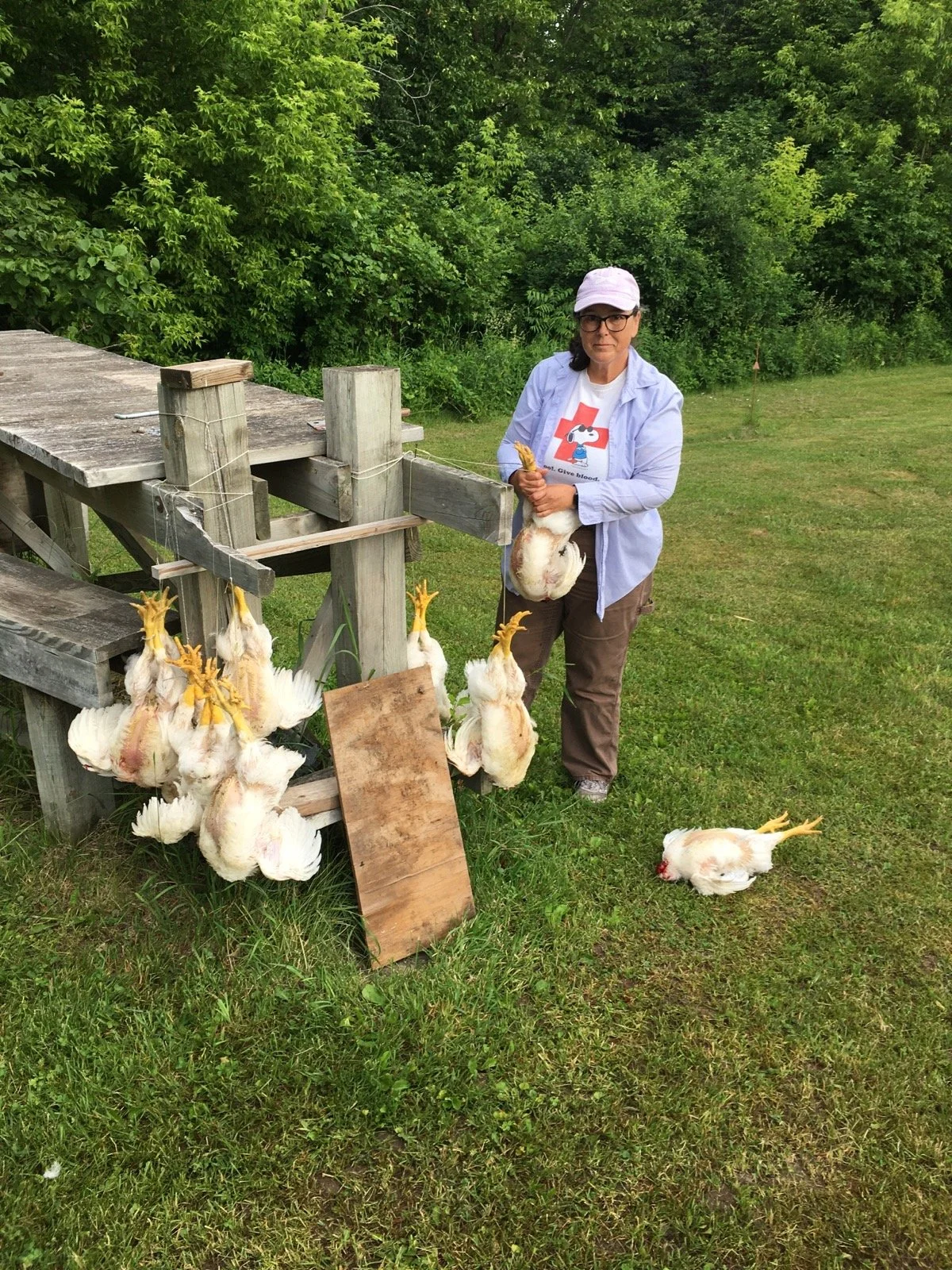
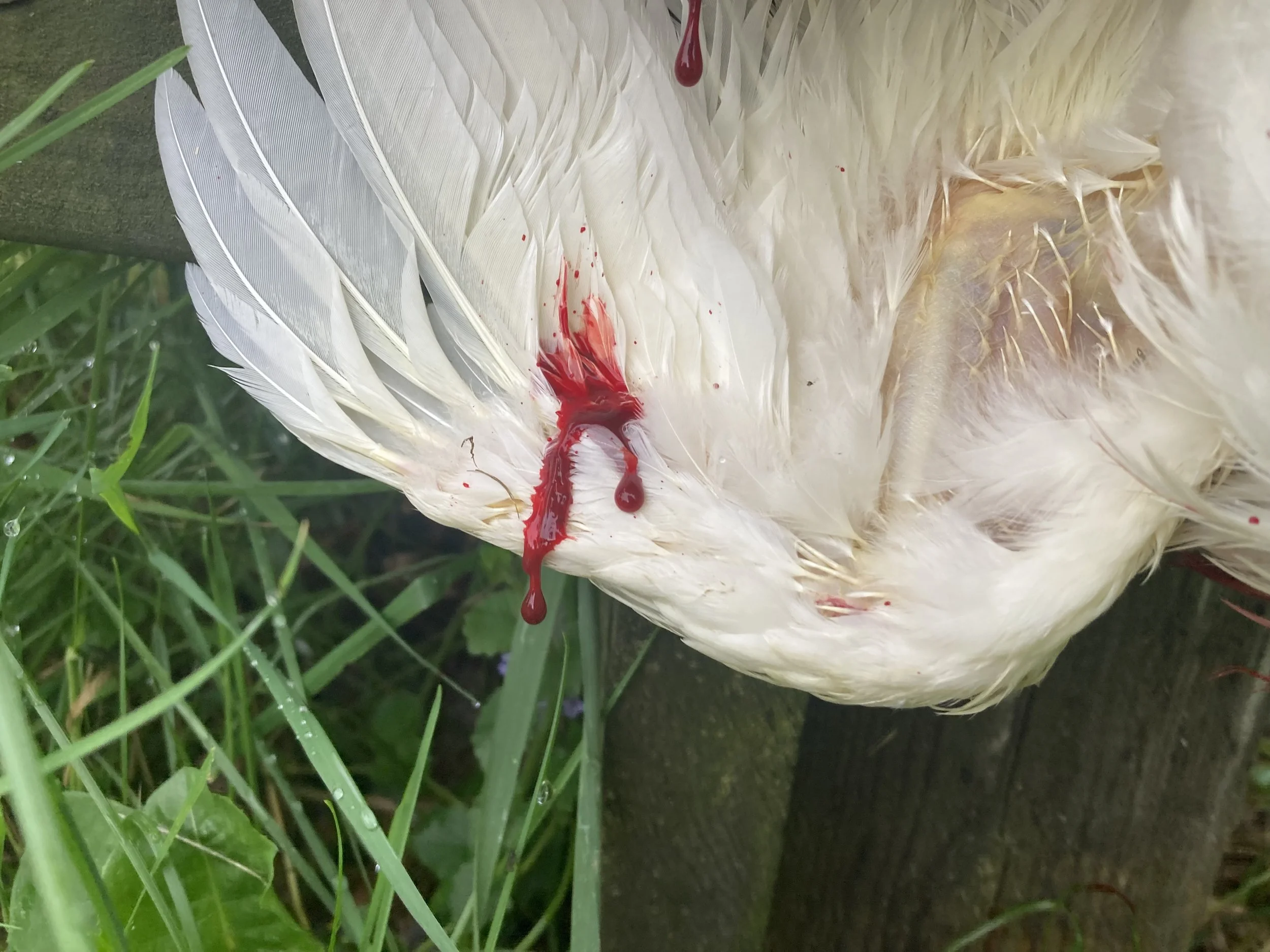
We hang birds from a gibbet, which also is a shooting bench, to let them finish bleeding before plucking. This is from earlier in the year when we harvested broilers.

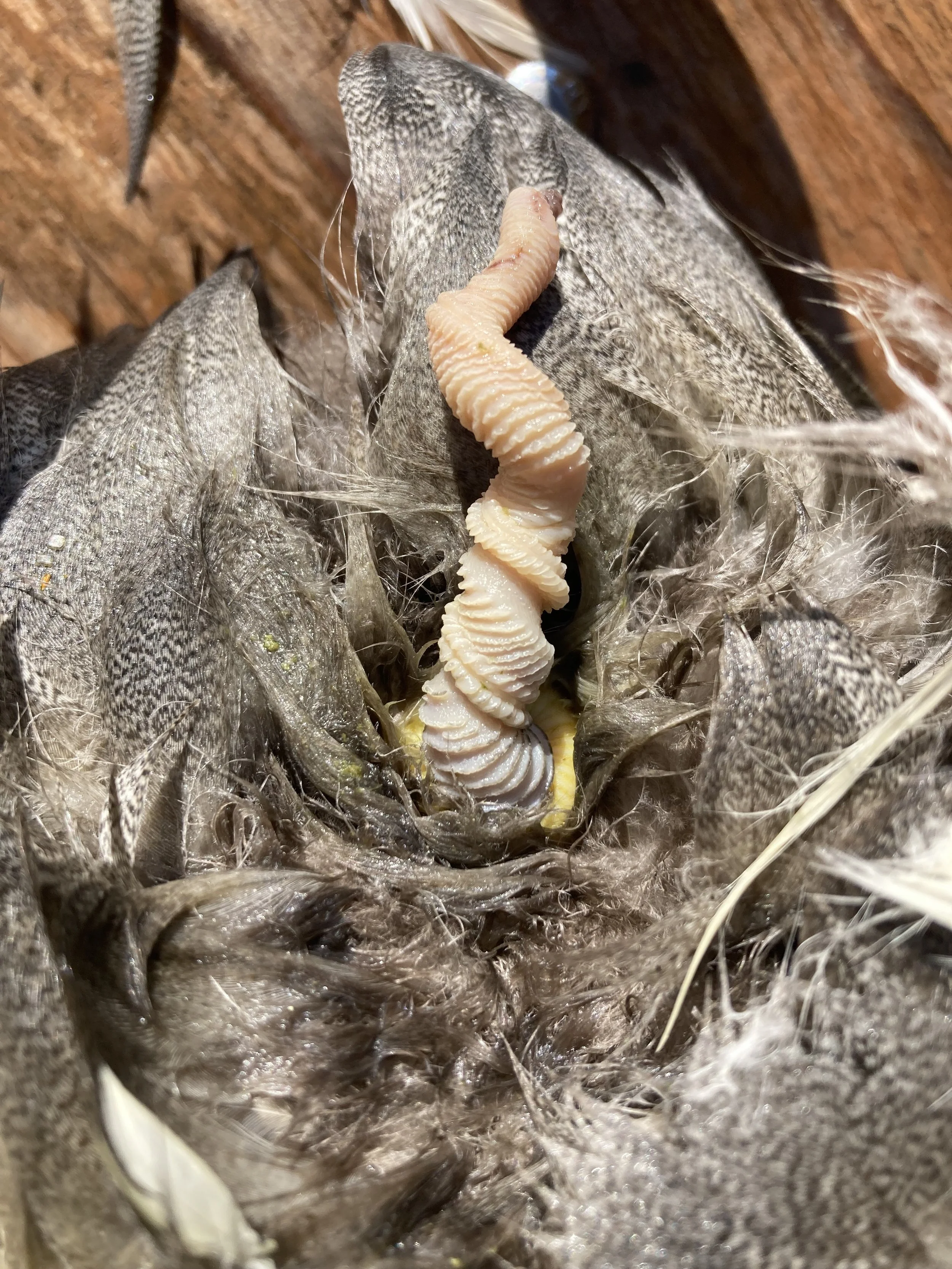
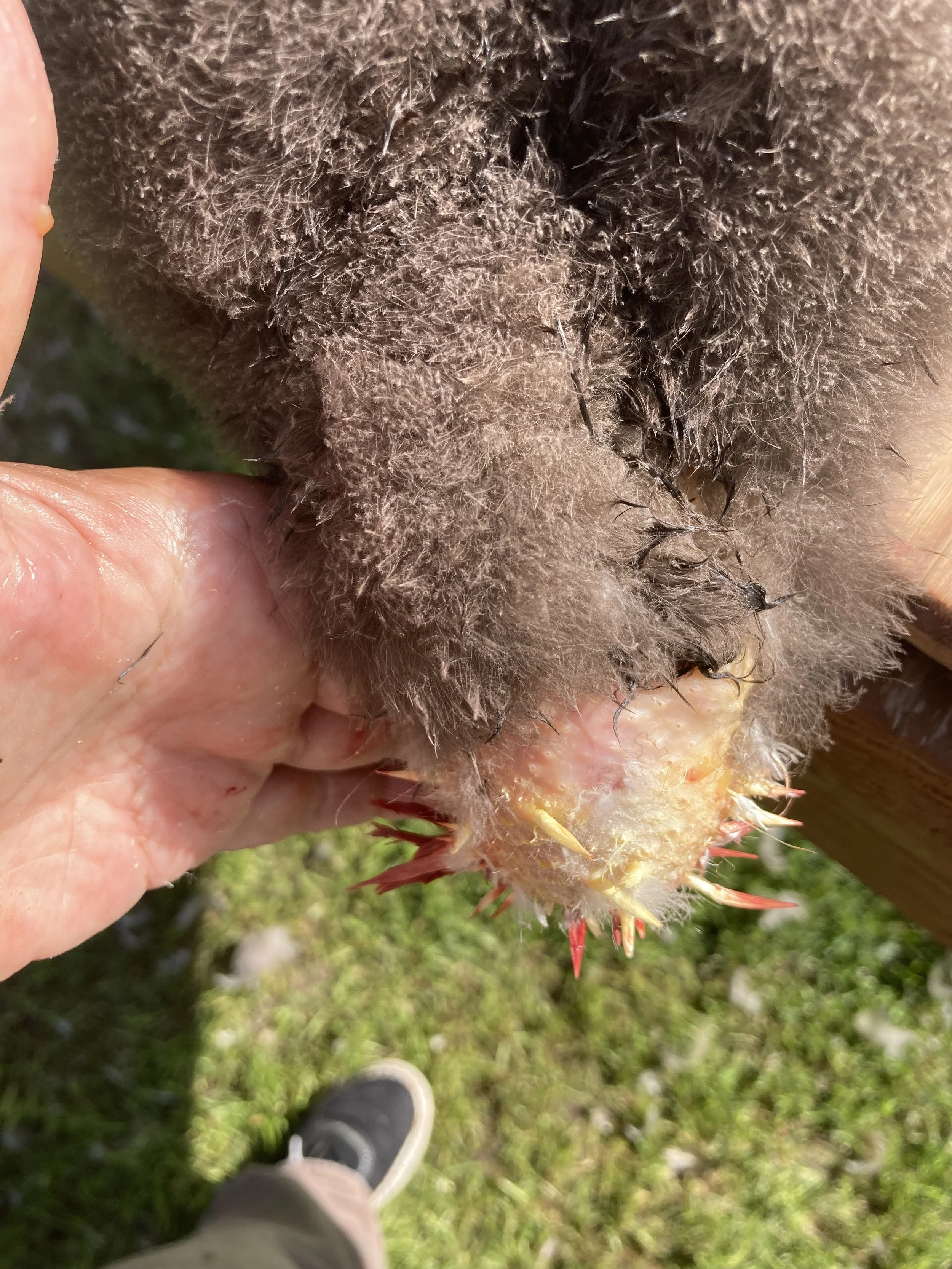
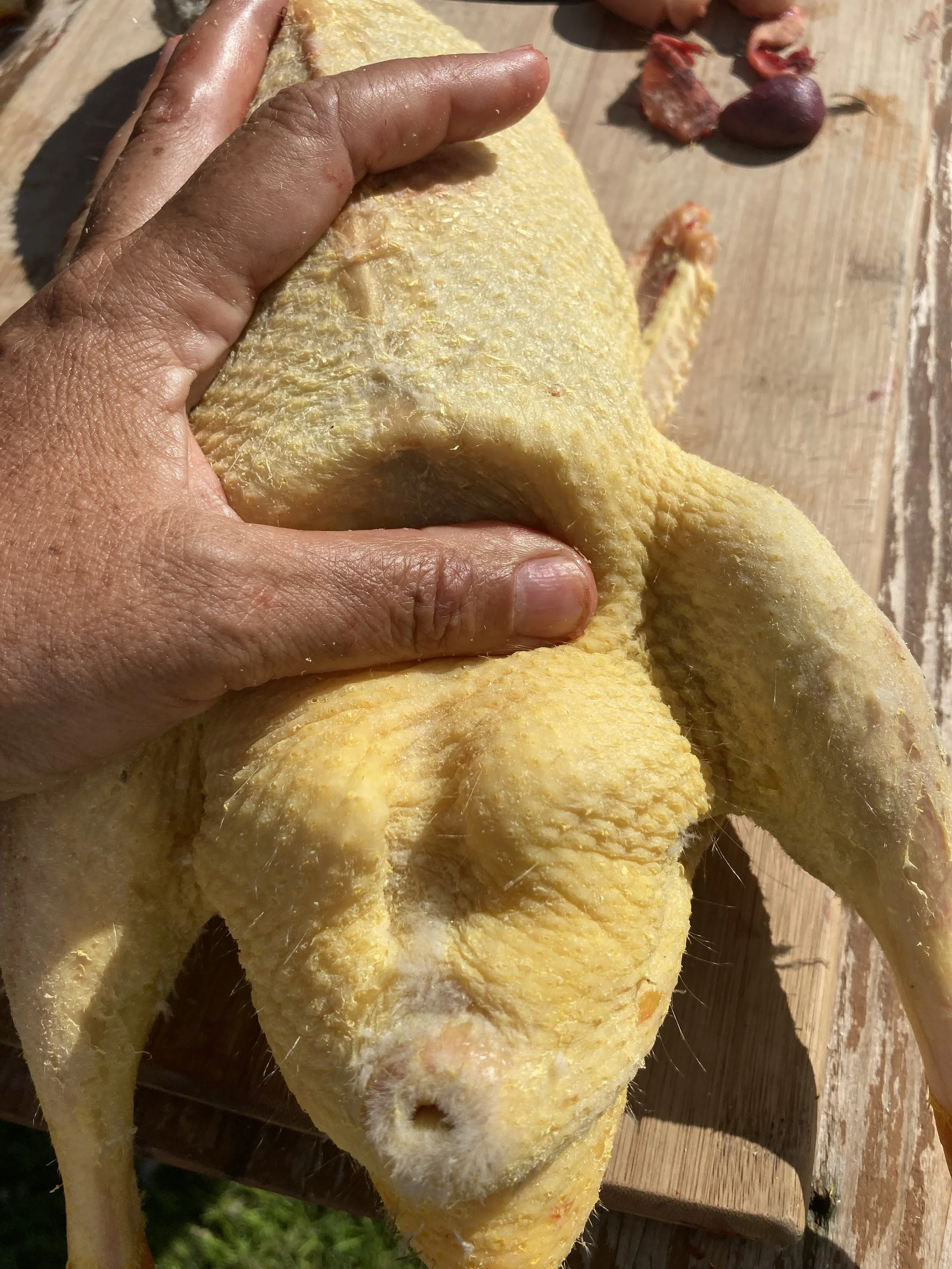
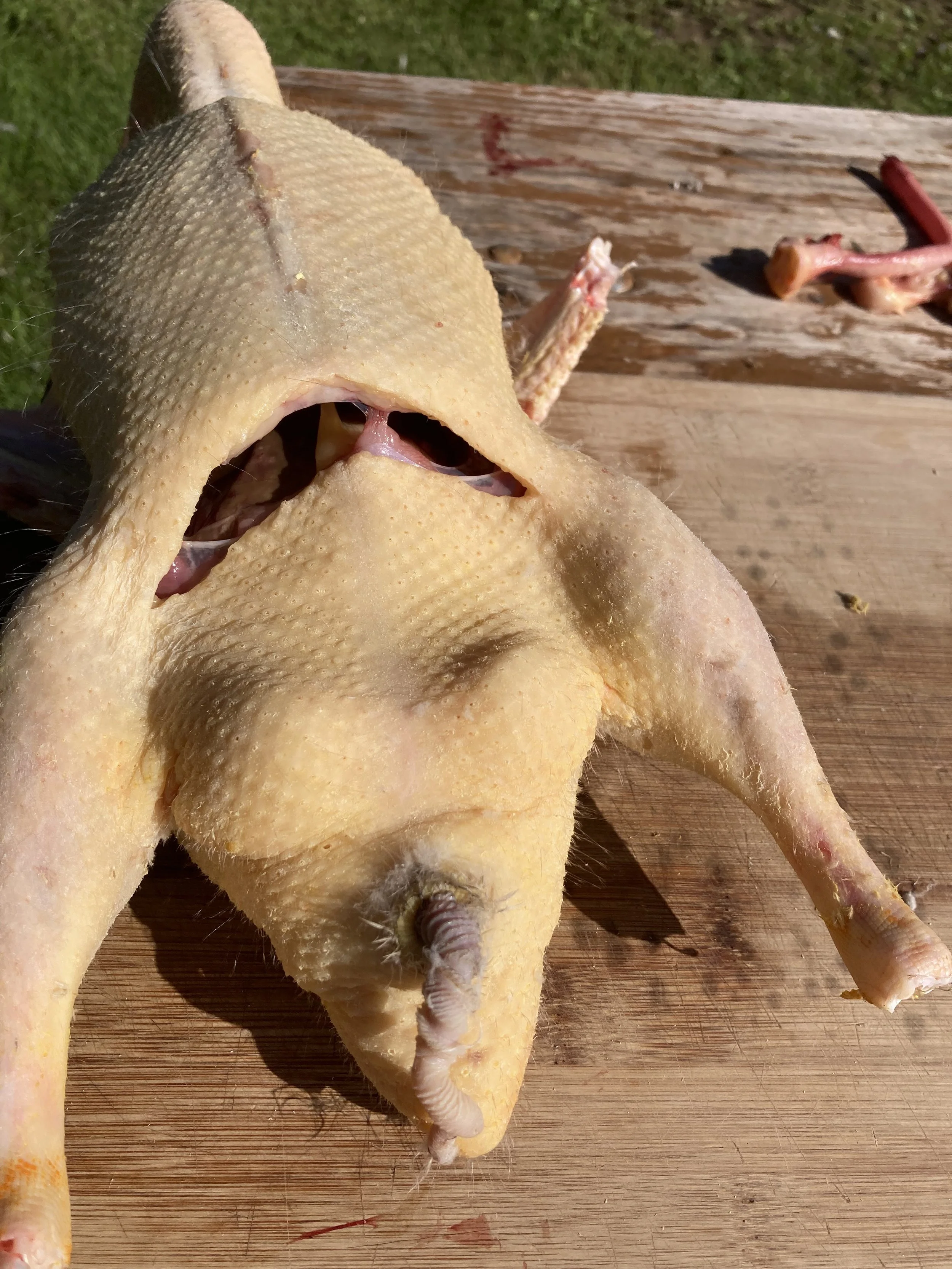
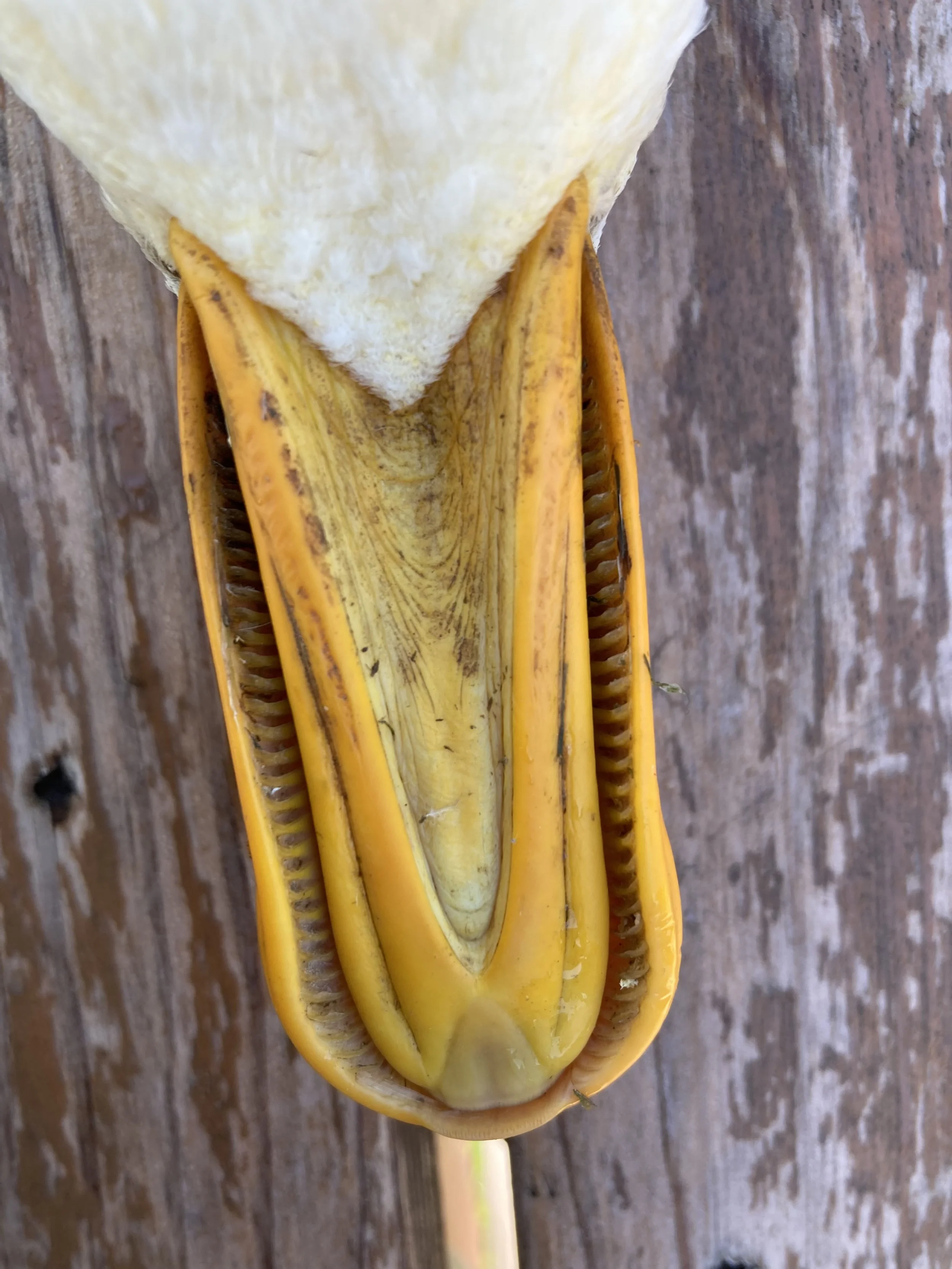
This is a duck pizzle. Ducks will sometimes stick them out when going through the process of dying. Chickens never do. Ducks have a battle of the sexes going on. Hens have internal means of avoiding fertilization by undesirable males as they cannot avoid unwanted copulation. Too many drakes per hen will create undue stress, as will cold weather or unsafe lodging.

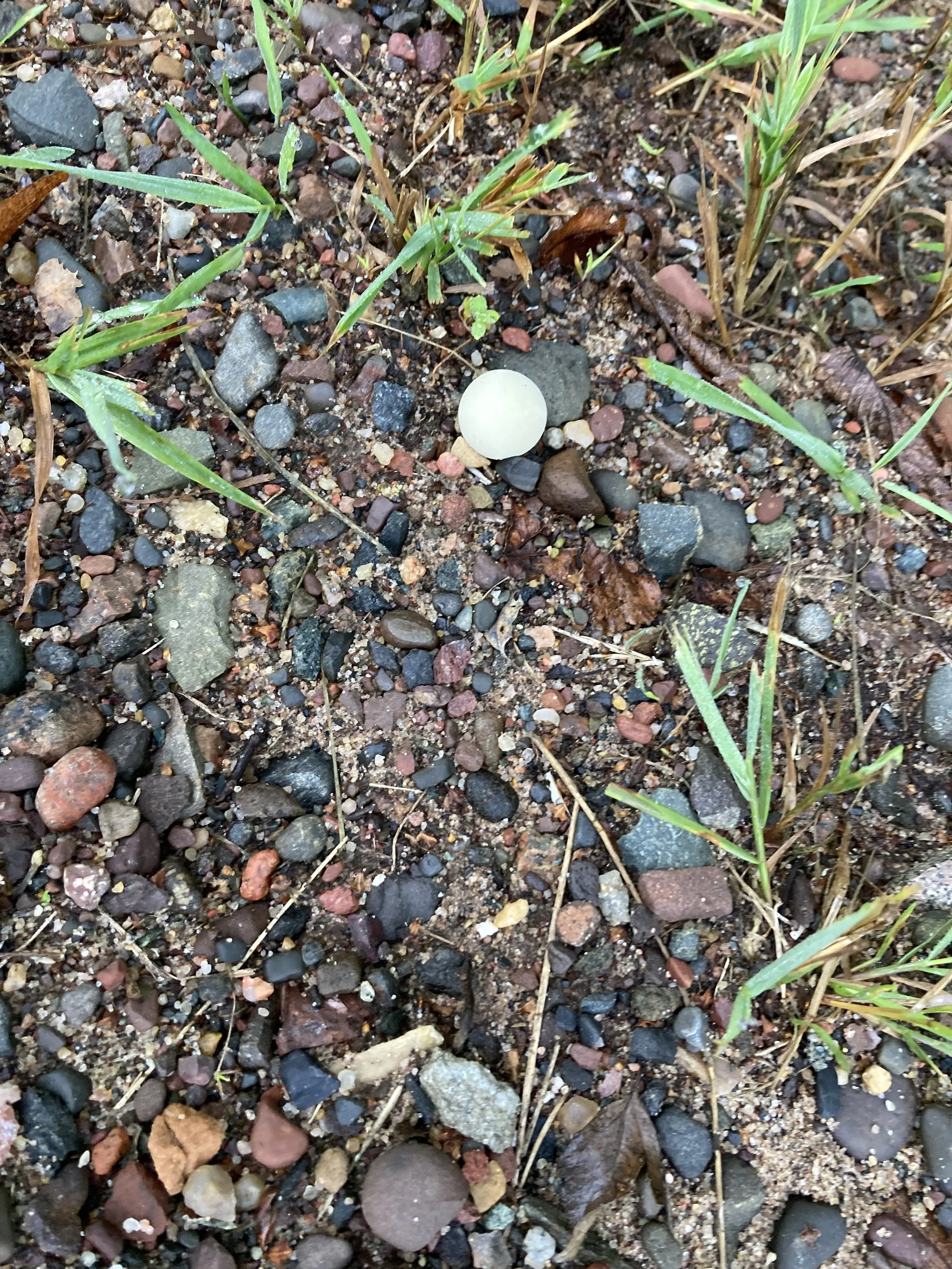
The eggs on the right side are normal. The ones on the left are not. We harvested three of our last year’s Khaki Campbells, even though we had some older hens in the flock. They lay a tannish egg, which was being scarce. They also were not overwintering well, due to their small size and producing less down than other hens. The stress factor may have led to the malfunction in their egg production. This will also happen as ducks grow older.

One of the three still had viable eggs. This one would have been laid, but for her being a member of the culled group. Because we pasture the birds and have common nests, we can’t keep track of who is laying, except by the color of the egg.

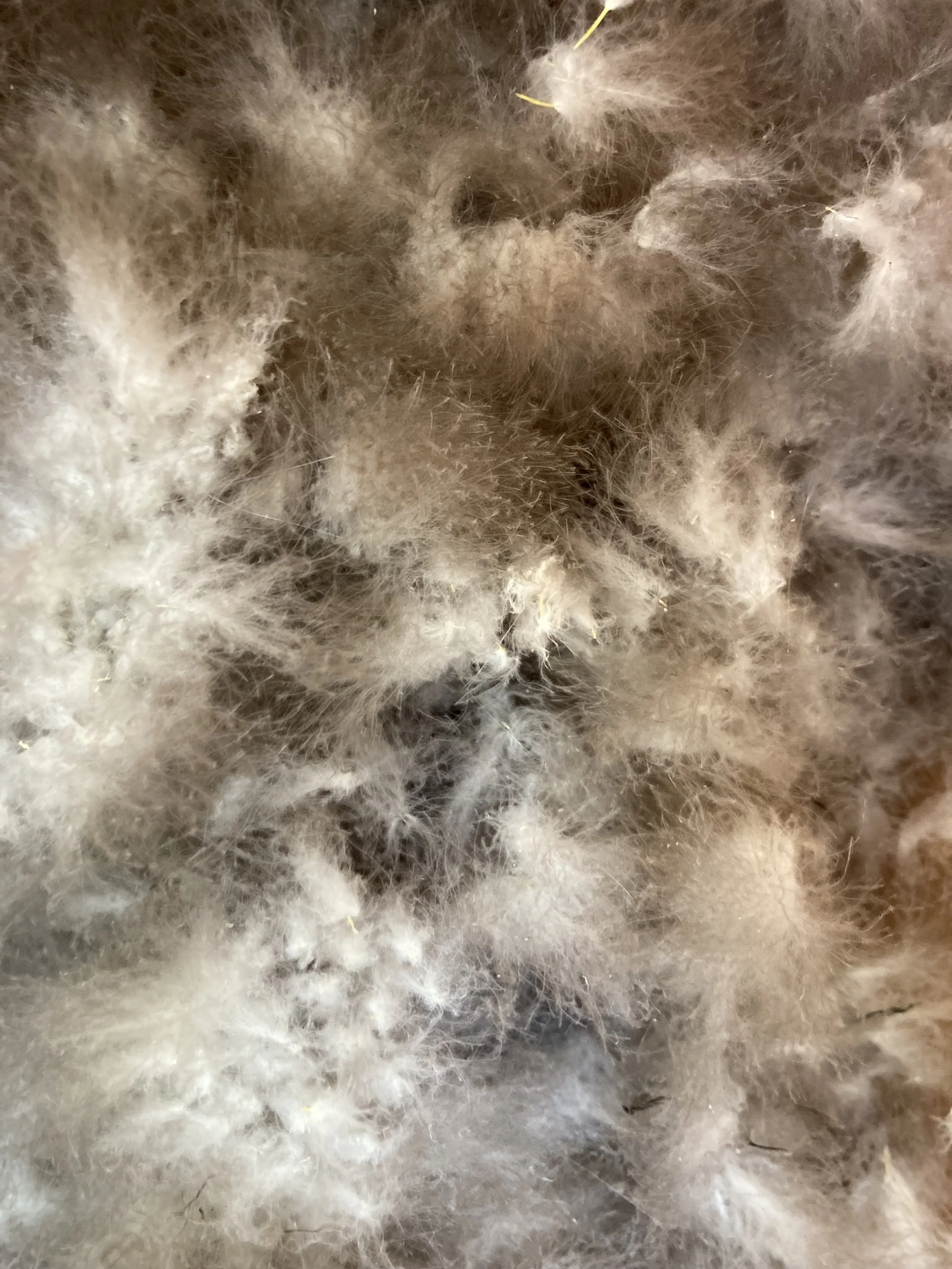
We submerge ducks in a big kettle of water heated to 160°-170° until the wing and tail feathers pull out easily. Sometimes the ducks are not done molting, which means there are feathers that have not quite emerged from their skin. You don’t want to save down from a duck during the molt, as you will have spiky things throughout the fluff.

After plucking (and saving down), I get to clean the birds. Duck and heritage chickens have narrow body cavities and I have smaller hands than Michael. I start by turning the bird on its breast and slitting the neck skin down to the shoulder blades.

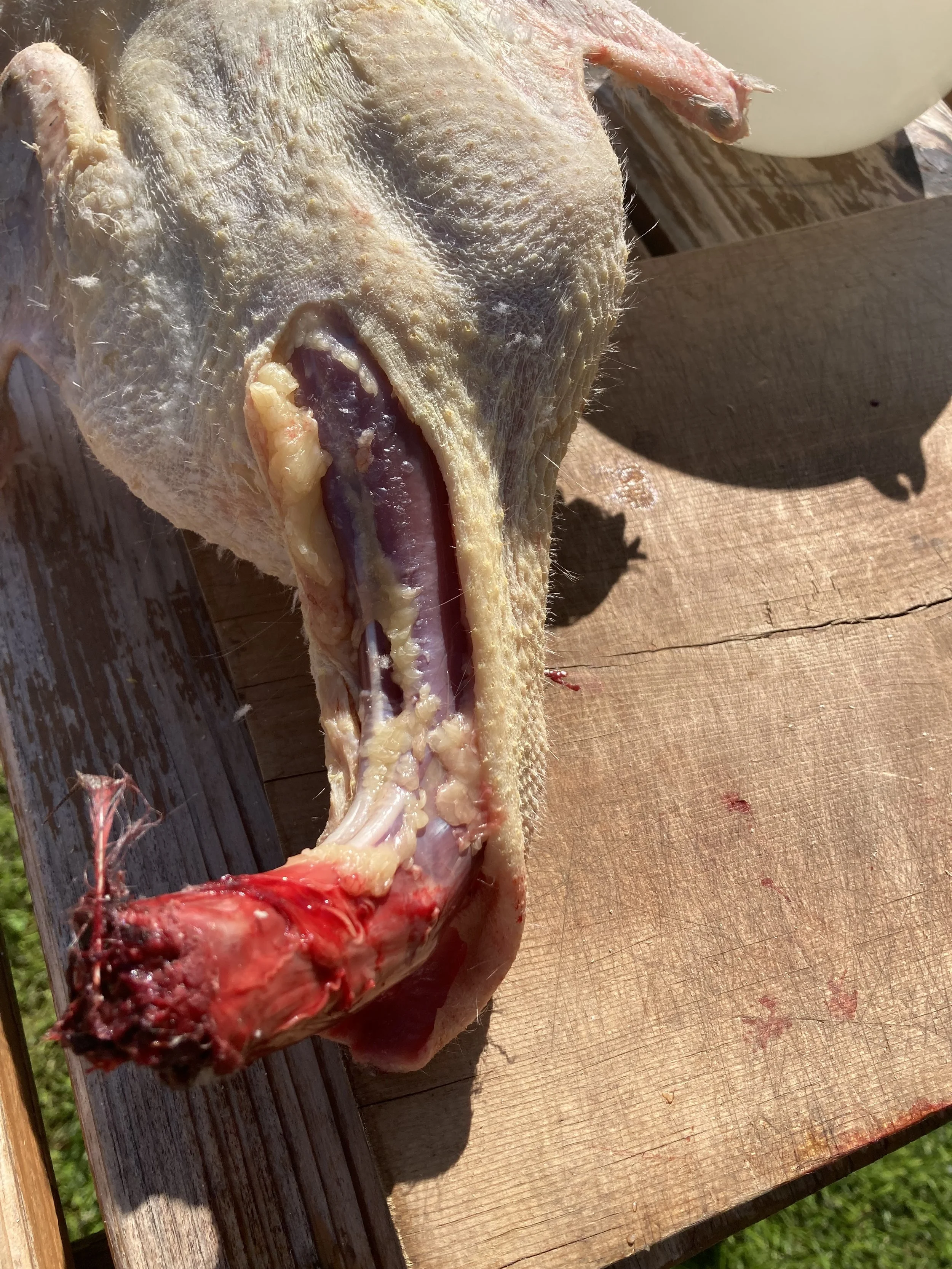
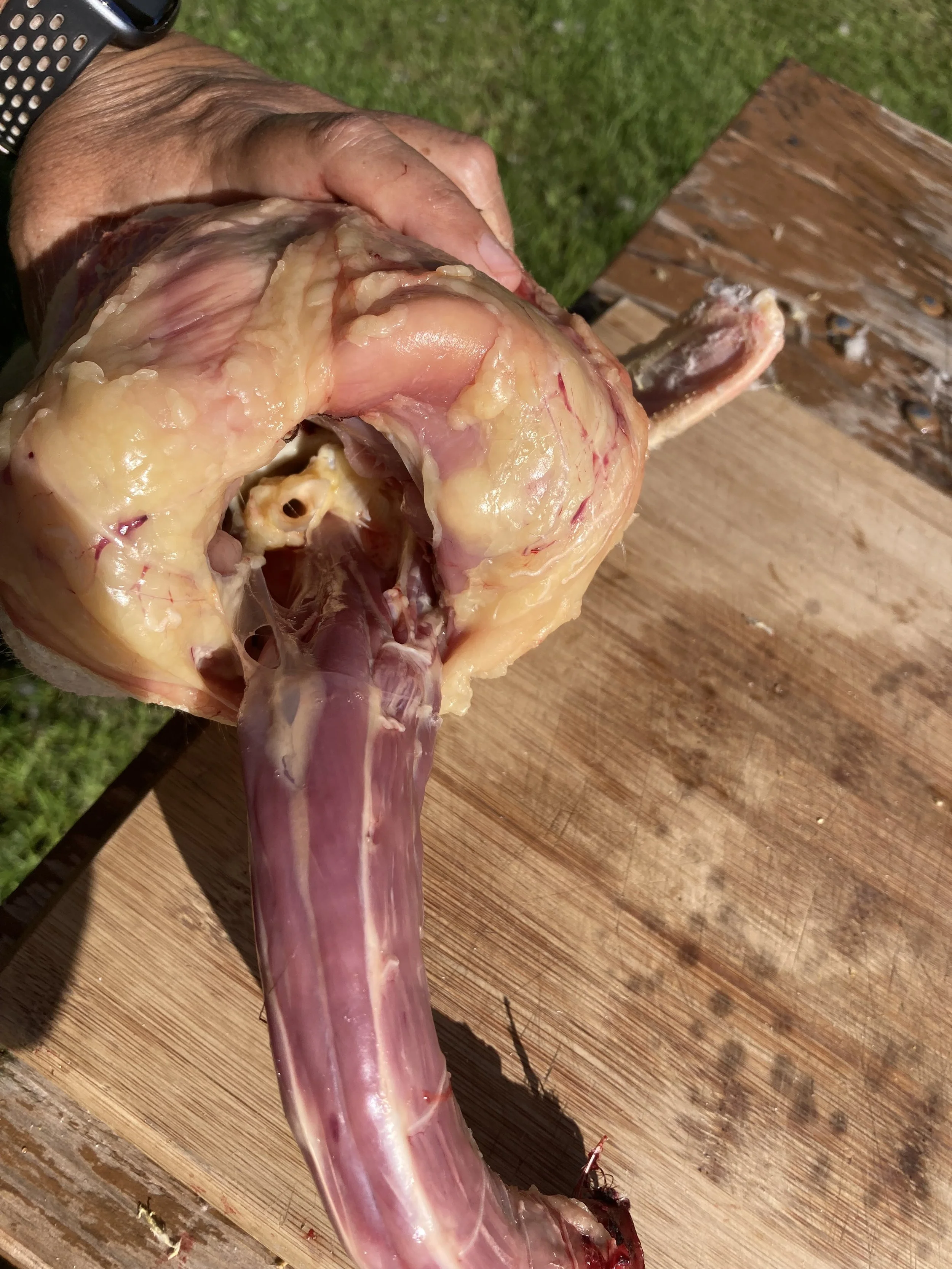
Then I turn the bird over and separate the neck skin from the muscles. The trachea and esophagus need to be peeled off of the neck skin. Same for chickens, except they have a crop (feed sac) in the esophagus which is snuggled up to the top of the wish bone. It all has to come off as much as possible before removing the viscera from the abdomen.

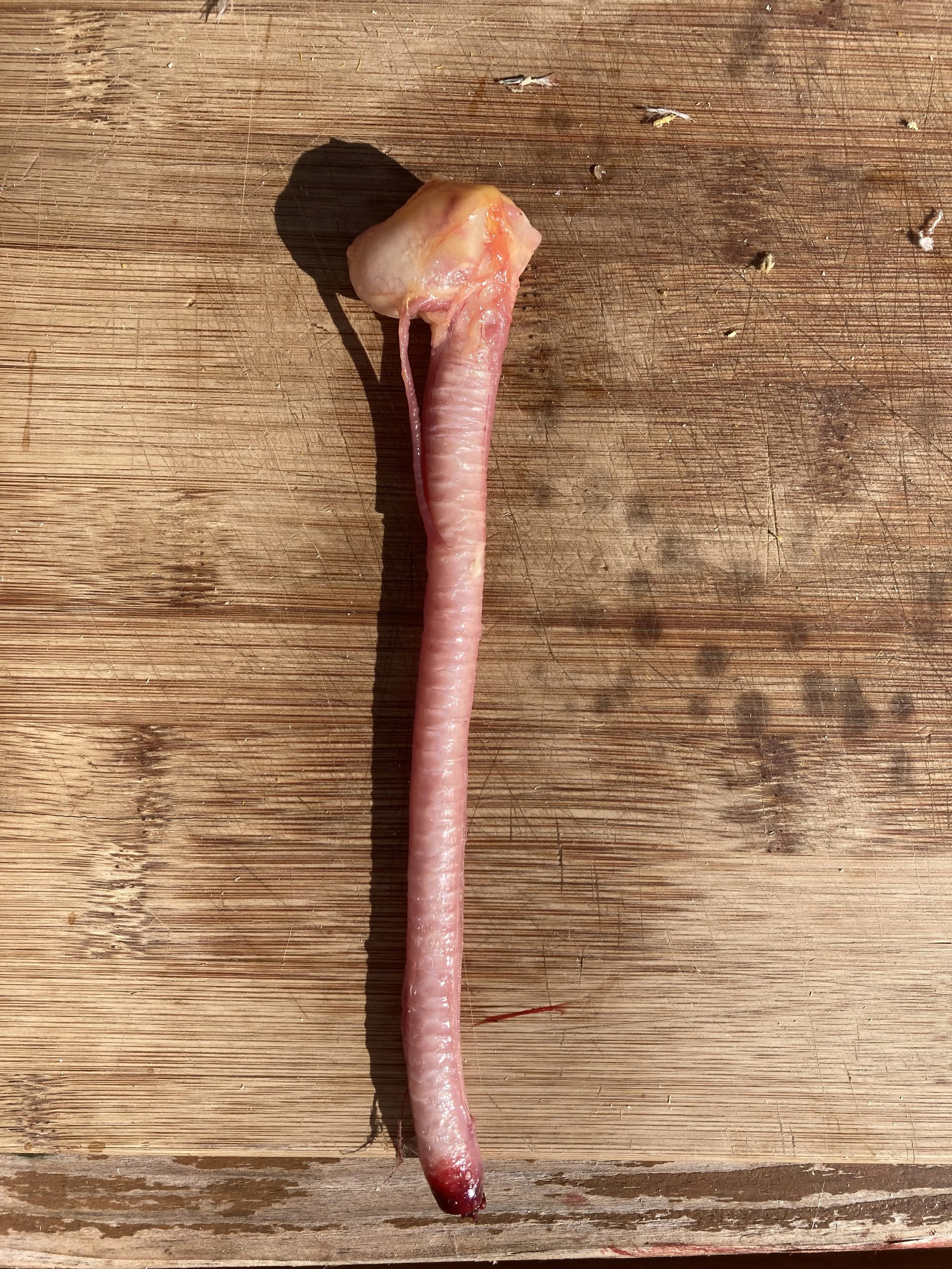
This is a drake trachea. It has a large bulb where it adjoins the lungs. This gives drakes a very quiet quack.

This is a duck hen trachea. No box to dampen their quack. Hens are noisy!

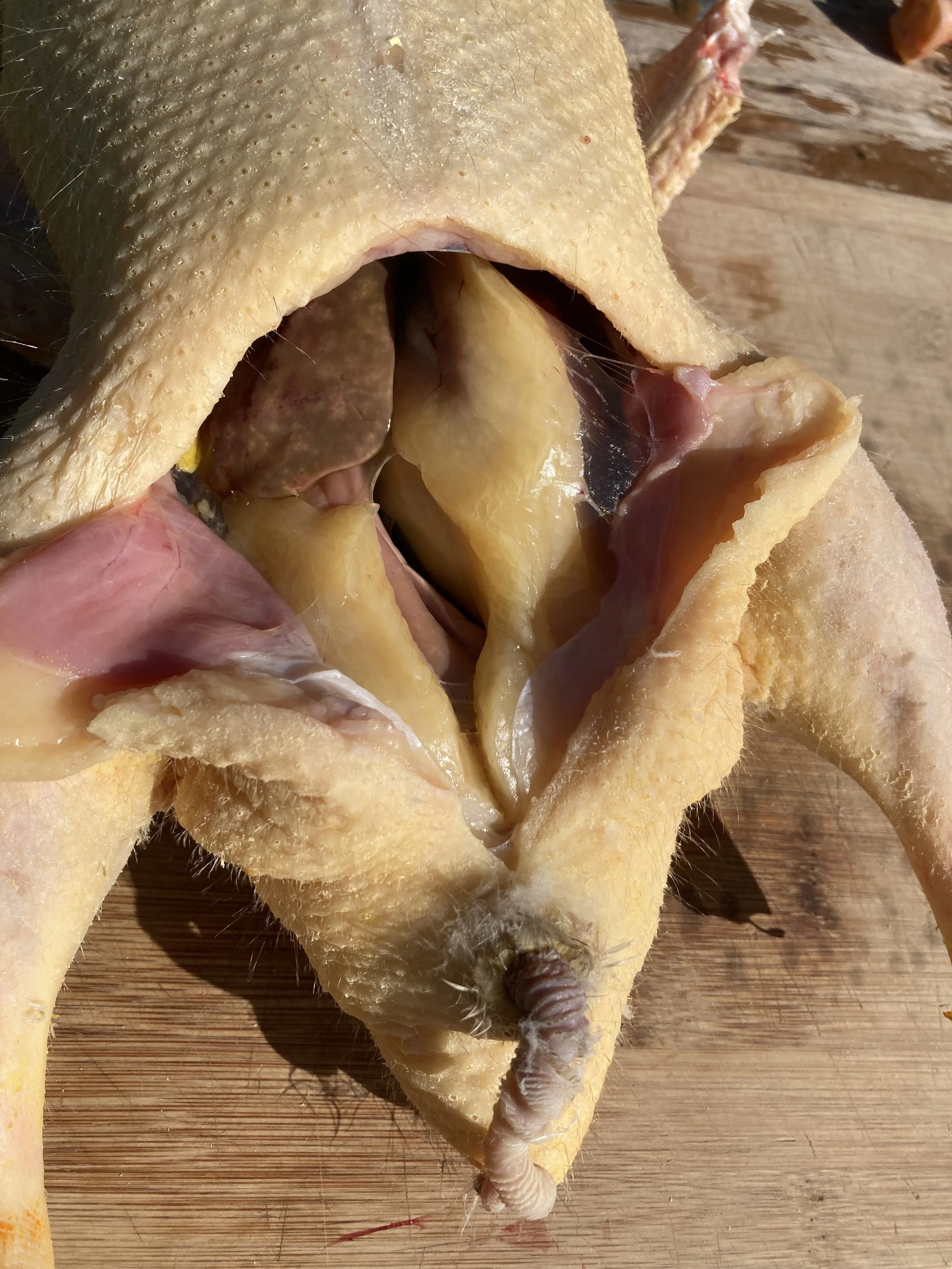
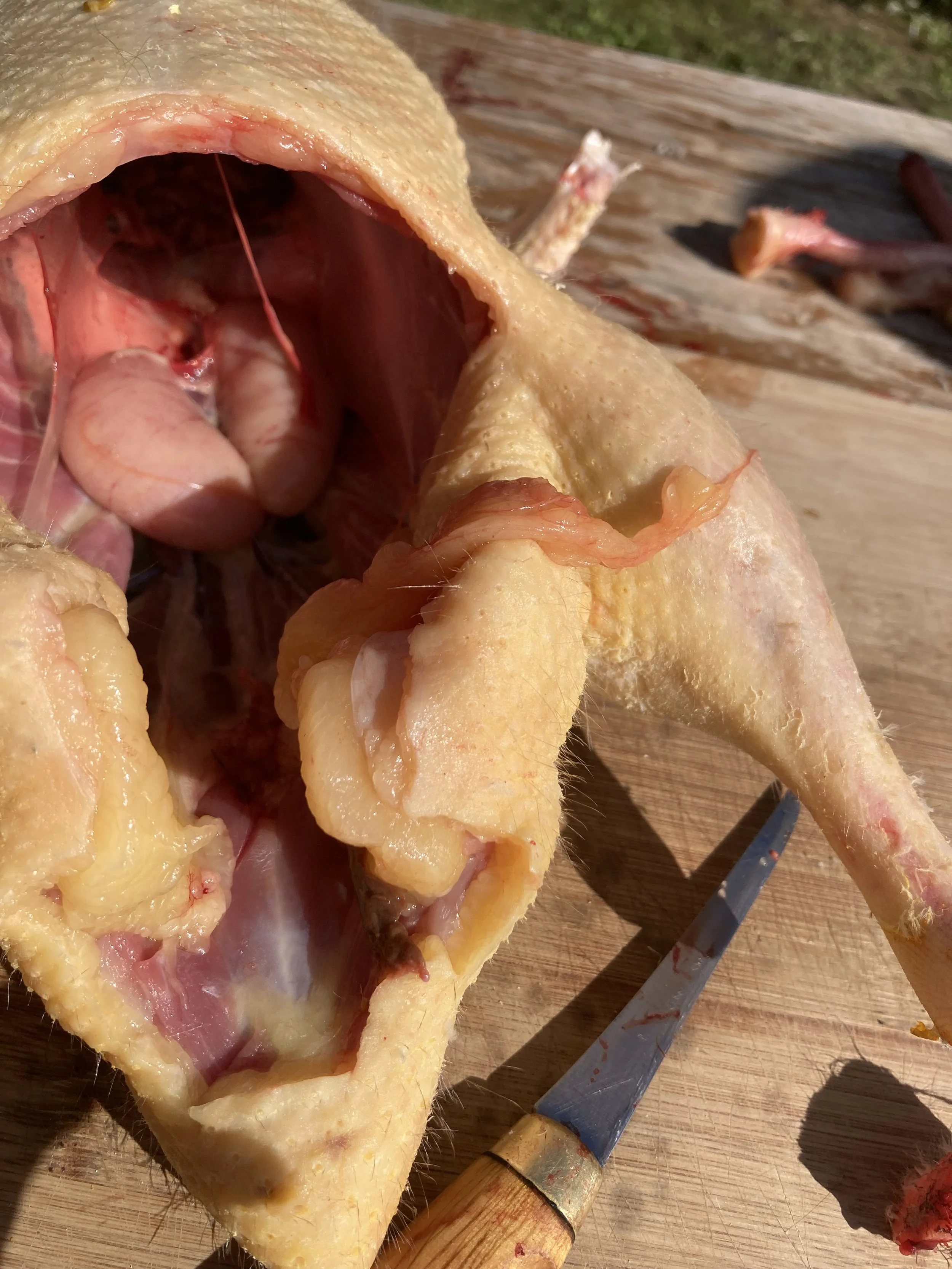
Having removed the upper sections of breathing/feeding apparatus, I open up the body. I push down on the part just below the ribs to keep from puncturing any organs. Same for chickens.

There is a layer of skin, a layer of muscle and a layer of membrane and then internal fat deposits. It helps to have sharp knives.

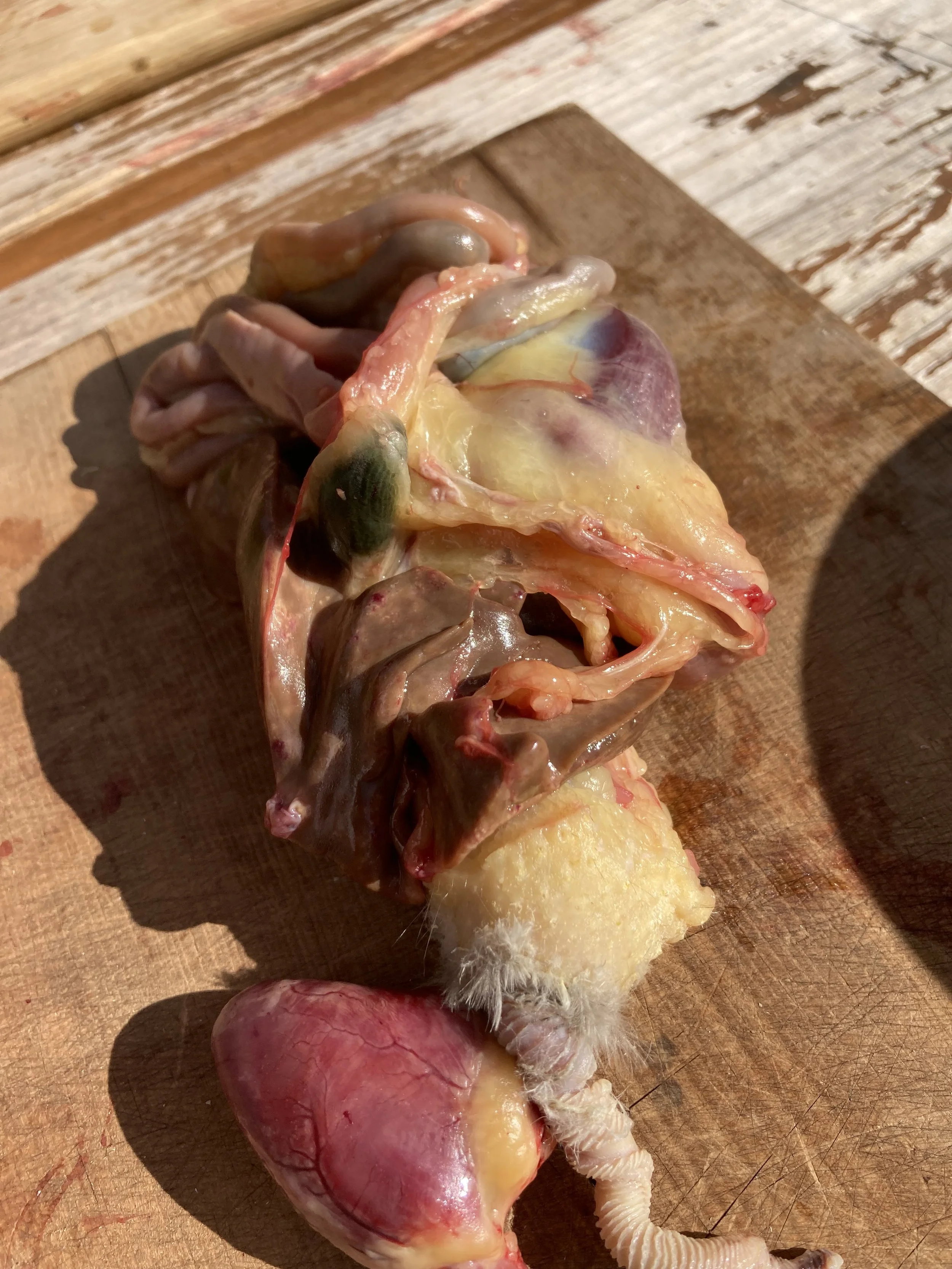
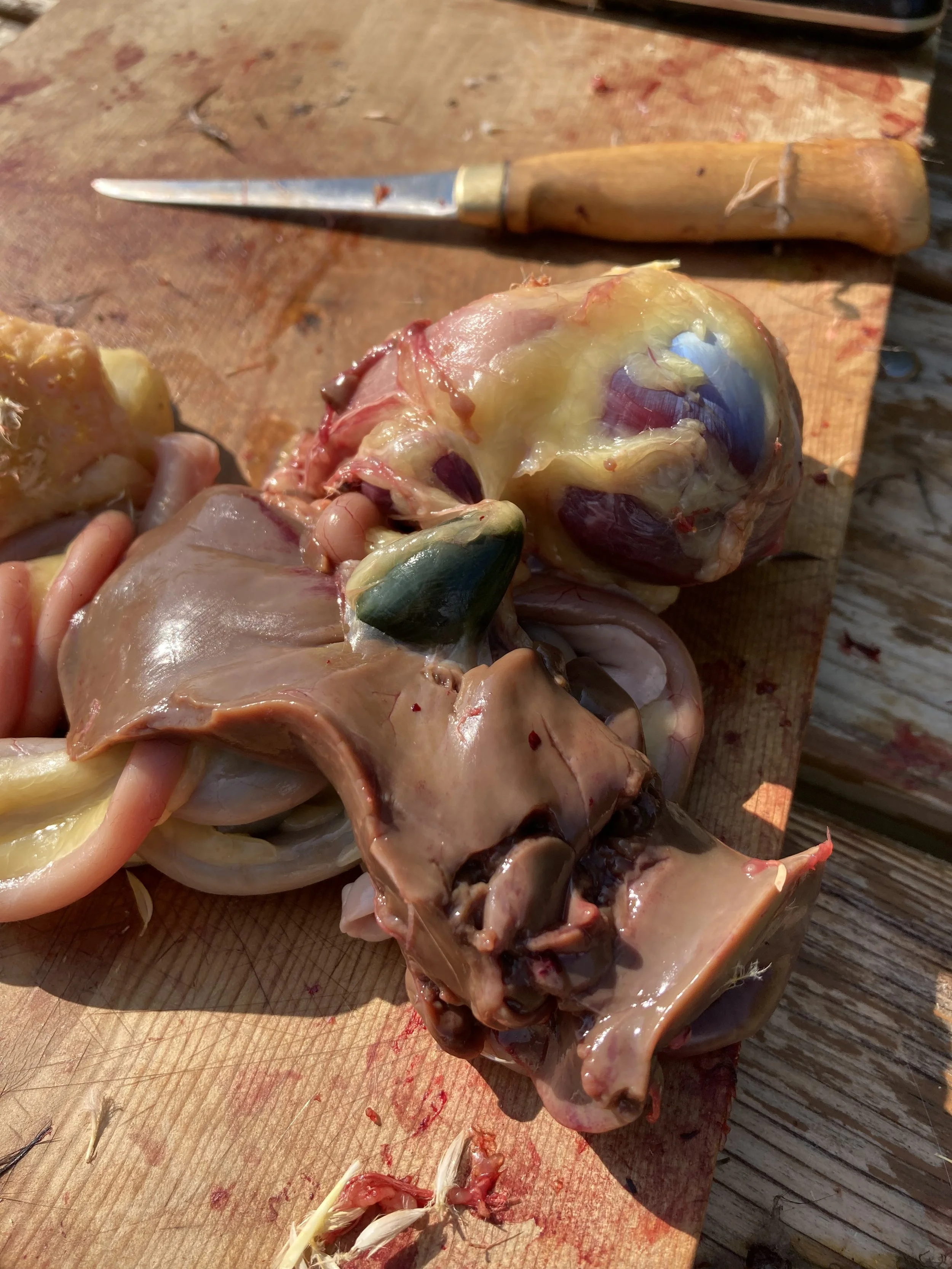
The liver is in the upper left and the gizzard is hiding under the fat on the right.

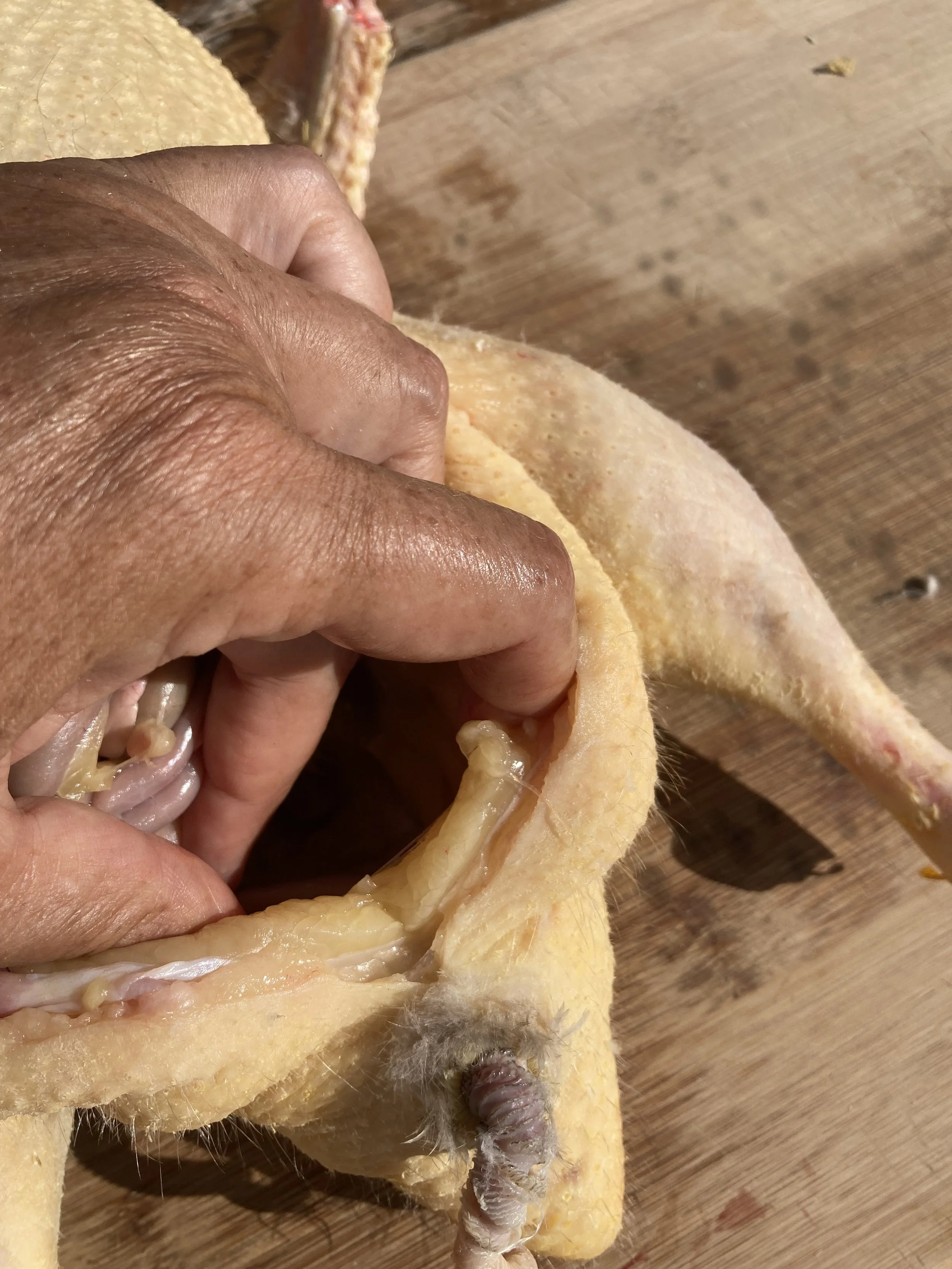
I hold the intestines back from the abdominal wall while slicing down to and around the cloaca (the one hole where everything comes out).

After detaching the guts from the top and bottom, I reach into the cavity and detach all the membranes holding the guts in place. Then I grab hold of the esophagus and pull. The heart usually separates out, but the rest is held together by more membranes.

I have to detach the testes with a knife. Otherwise they are delicate and break into pieces. My chickens love these.

I carefully cut around the gall bladder, which is embedded in the liver. Gall is bitter and best kept contained. Sometimes I puncture the bladder and have to wash everything down.

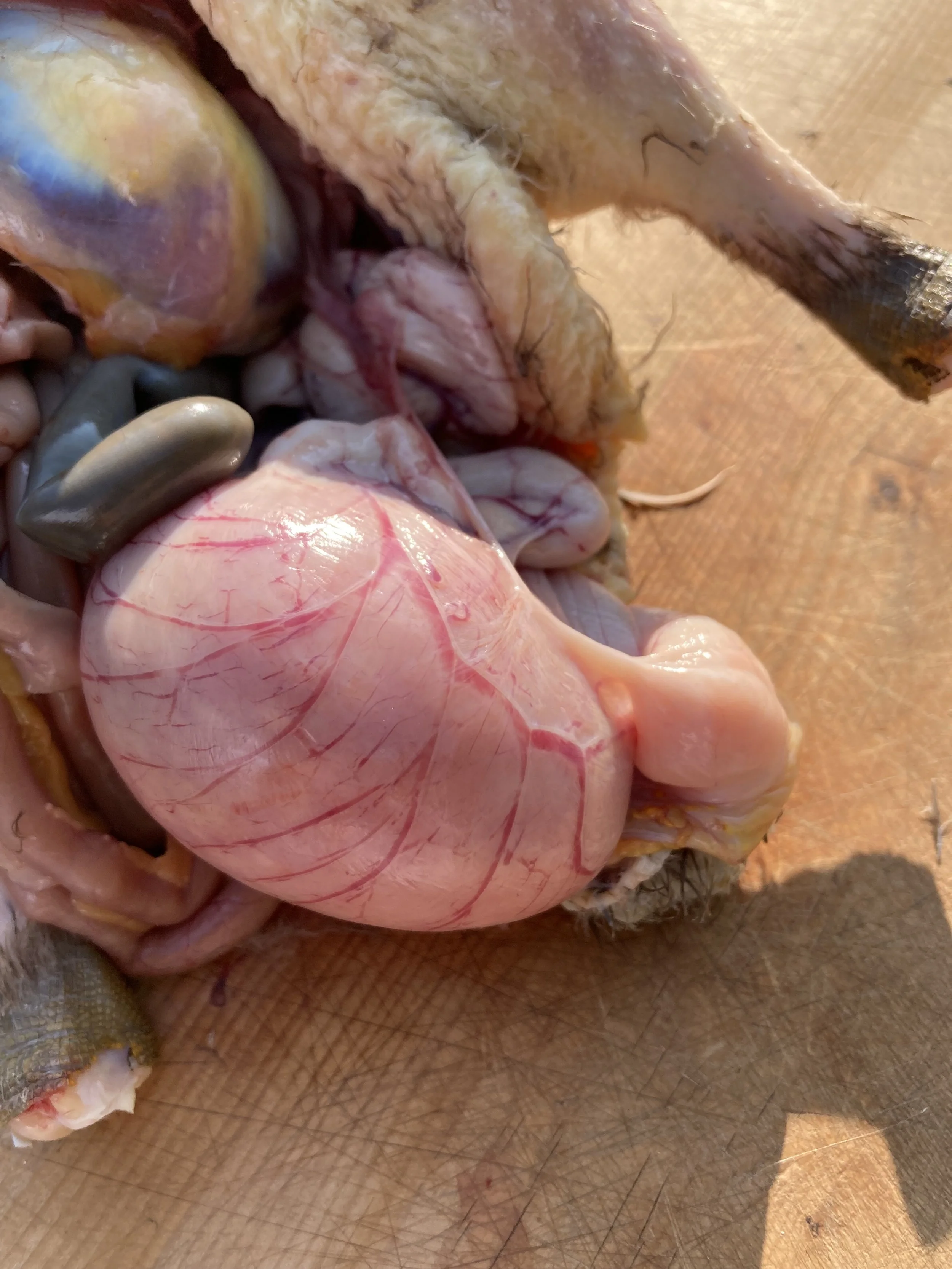
The esophagus feeds into the gizzard, which acts like teeth for ducks and chickens.

It is lined with extremely tough skin. The bird swallows gravel, which gets ground with feed/grass/bugs/etc. The mash then goes into the intestines for final digestion.

I filet out the muscles to make into sausage.

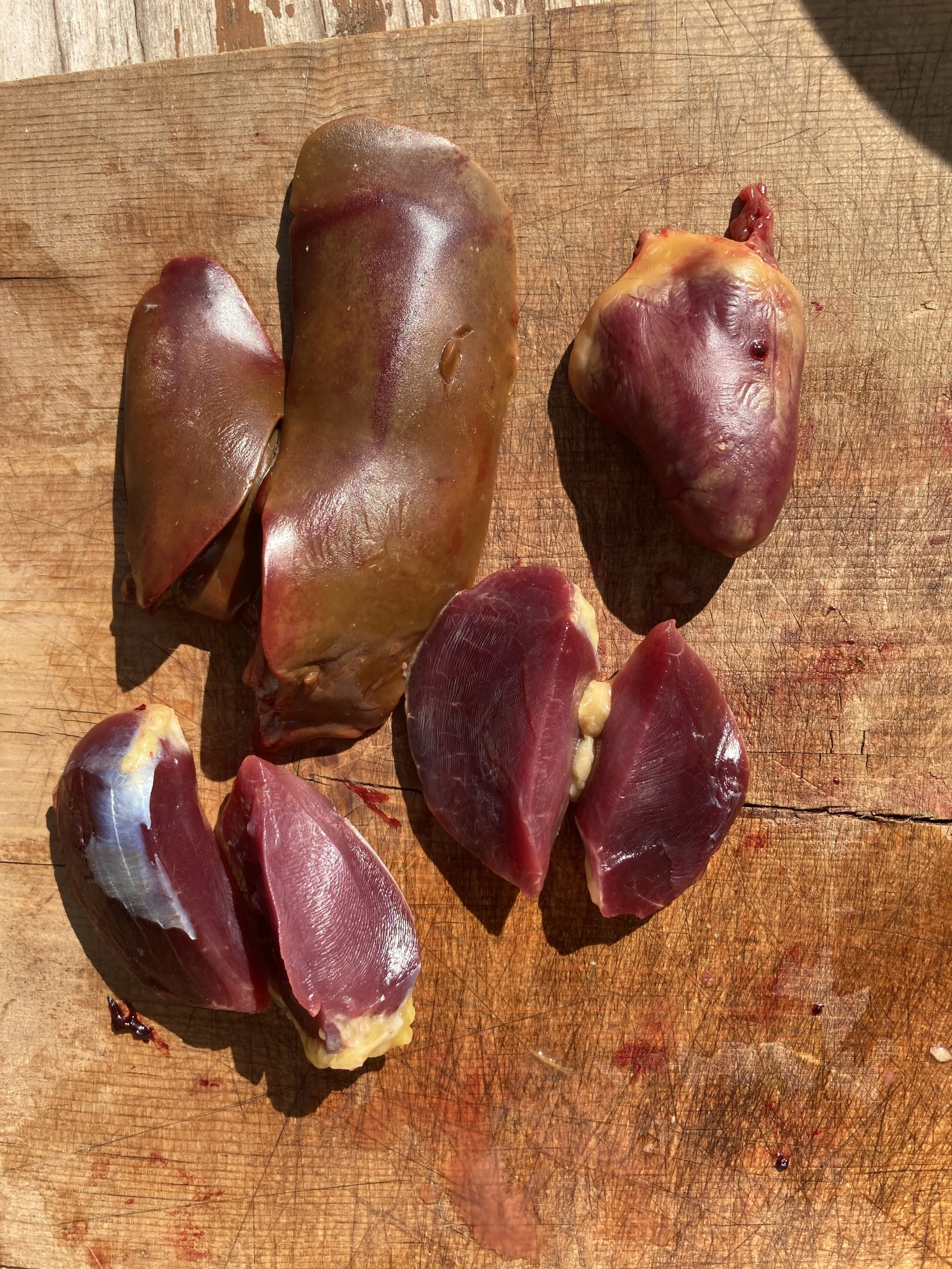
These are the parts I save: liver, heart and gizzards. Hearts go to sausages too. We just eat the livers. I put all these in a small bowl when doing the outdoors portion of the harvest. One of my favorite things is opening the bowl indoors to do a final rinse before packaging. The sudden puff of meaty, bloody aroma is amazing. Heaven help me, I am a carnivore!

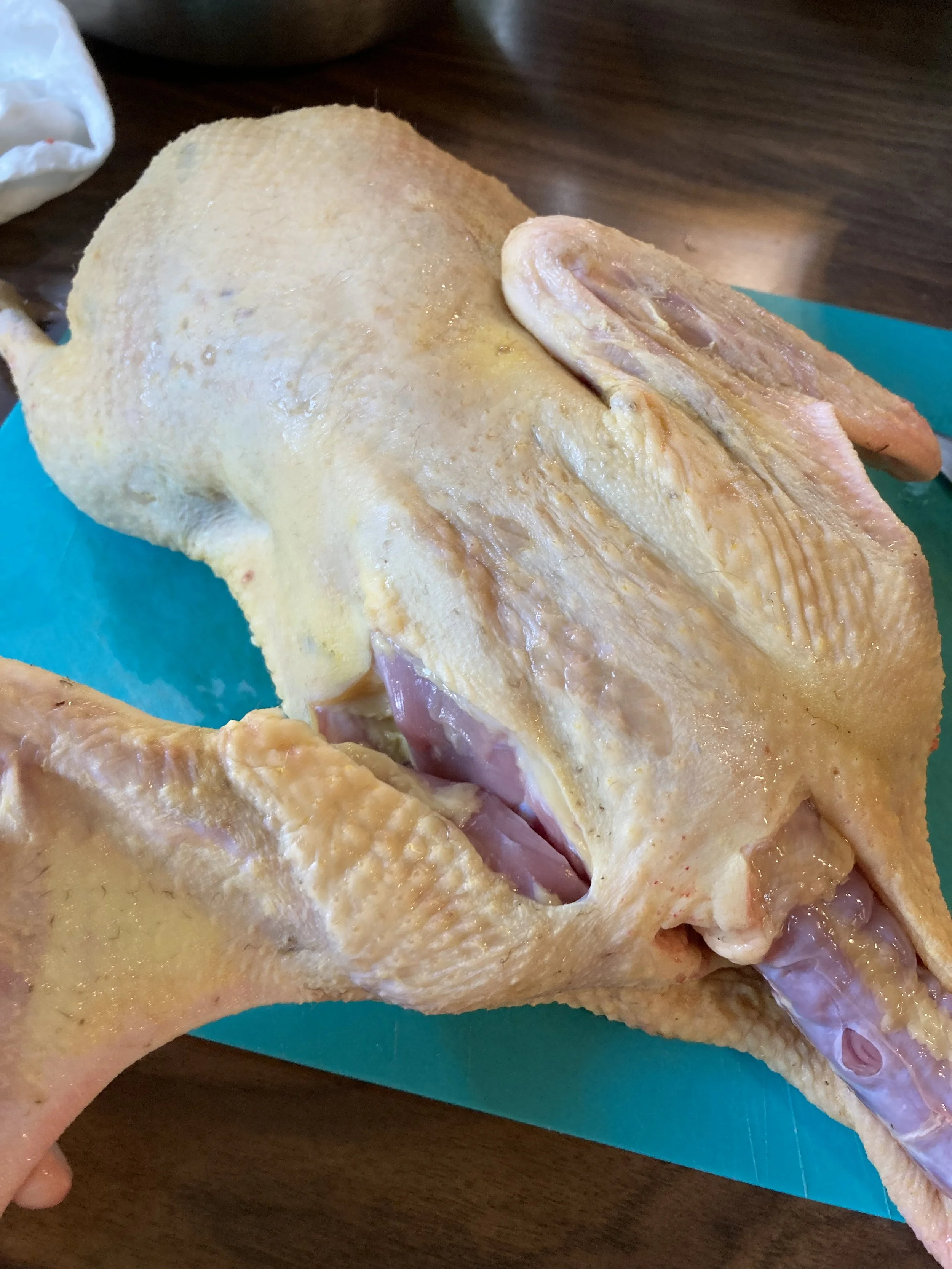
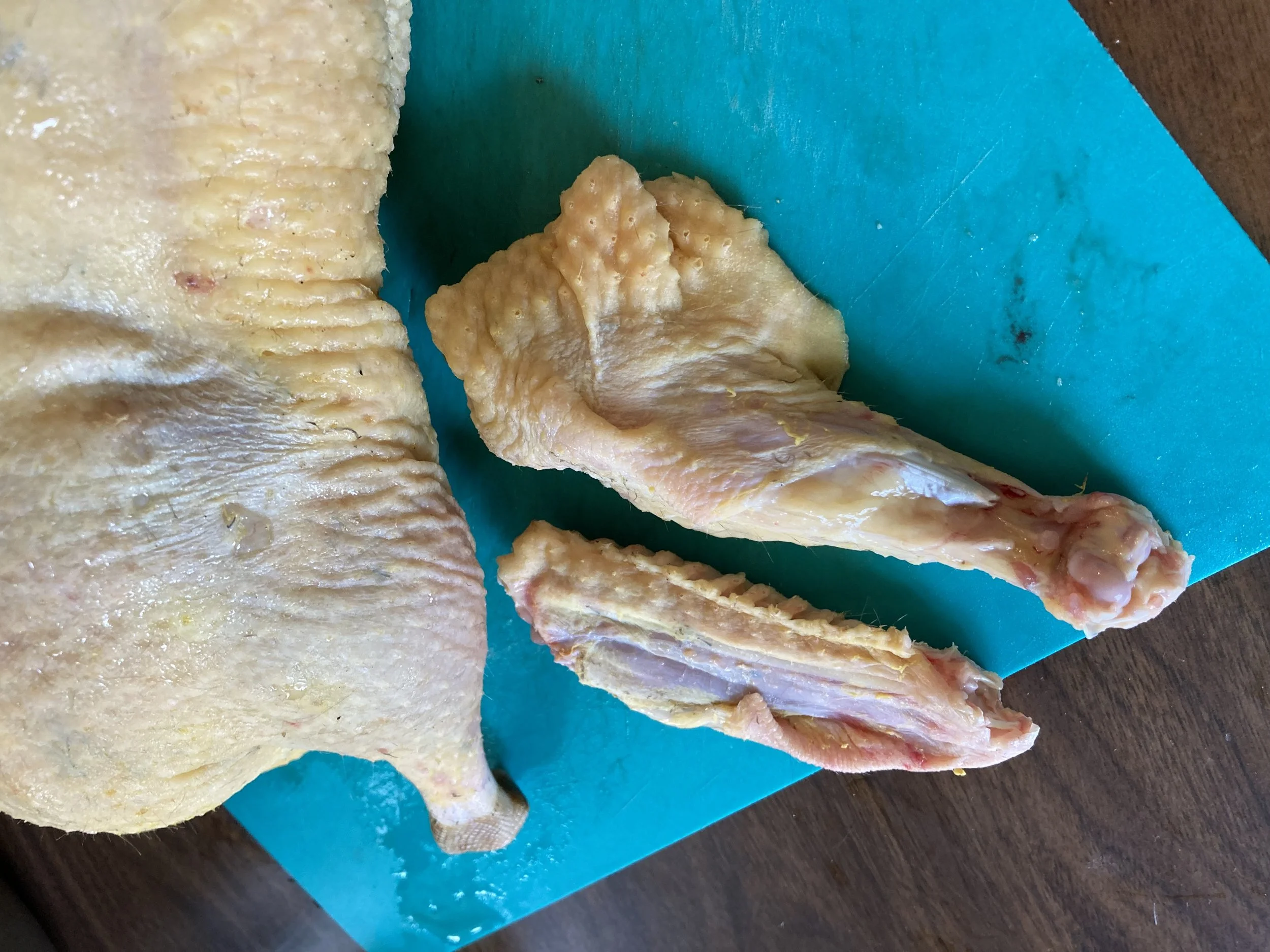
We pack the carcasses on ice in a cooler while doing the outdoors processing. We bring the cooler inside and Michael washes them down and removes any stray feathers, then hands them off to me. I part out the young ducks and skin and debone the sausage ducks. Duck breasts cook at a different rate than legs and wings. We prefer duck parts to whole roasted duck, due to cooking time differences, although a whole crispy duck is pretty special. I start the parting at the wing joints. Easiest to find from the back.

Wings and legs are best slow braised and then crisped under a broiler or on a grill. I toss the wing tips. Because ducks are so fatty, the skin doesn’t make good broth. The bones are very light and aren’t good for broth either. I save chicken carcasses for broth, but toss the ducks.

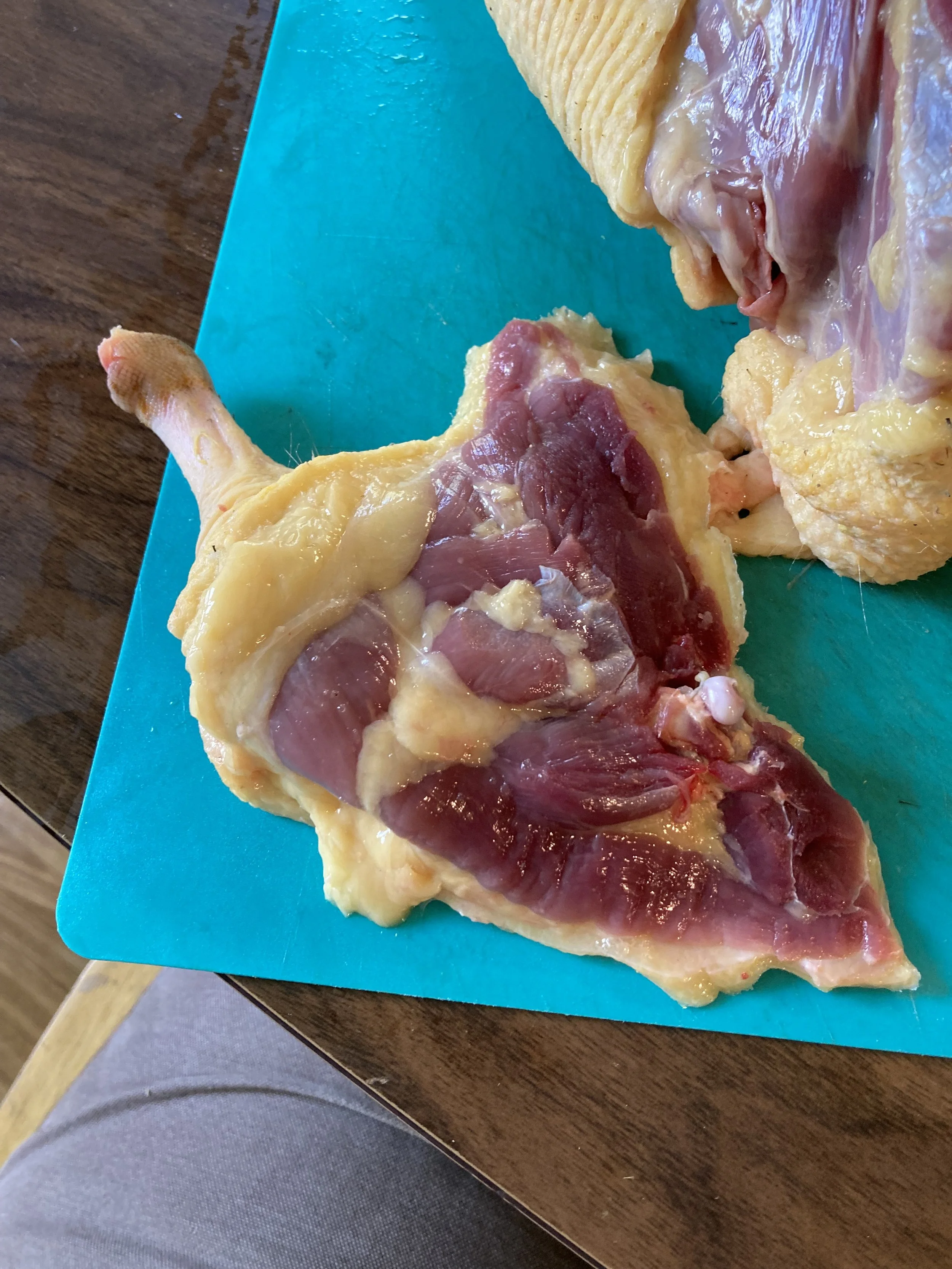
I take the legs off by slicing the skin along the muscle line and then slide my knife between the muscle and bone to the hip joint. I bend the hip until it pops out of the socket and continue the cut towards the tail.

Duck legs include the thighs. Braising helps render the fat out so they can crisp under high heat. Those legs get a work out and need slow cooking to become tender.

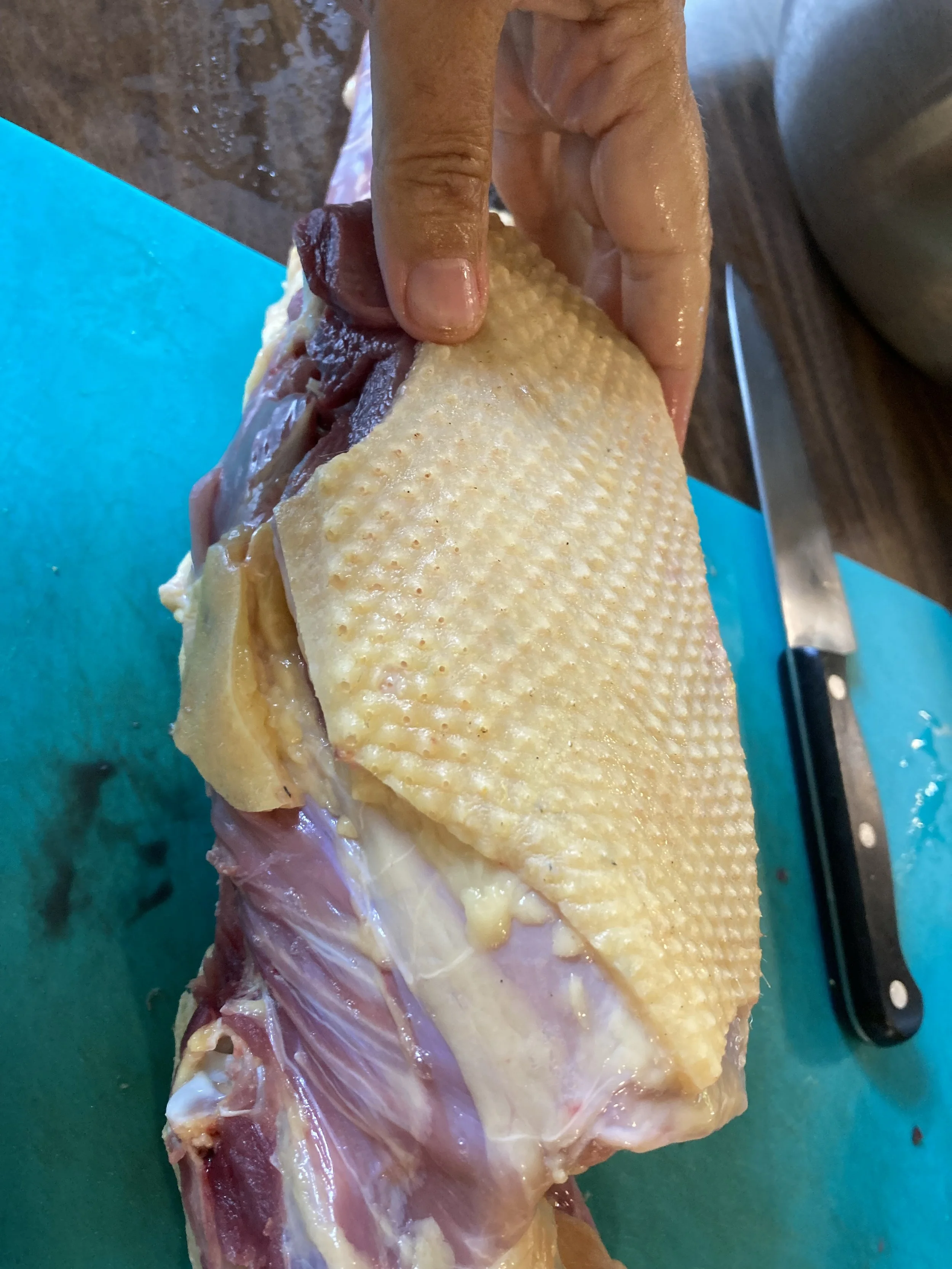
I bone the breast off last. There is a line along the skin that goes from bumpy to smooth. I slice along that line and slide my knife along the ribs to the central keel. Then I slice along the keel and the wishbone. A duck wishbone is “u” shaped, while a chicken or turkey has a “v” shaped wishbone.

Duck parts ready for packaging! I take all the meat and skin I can off the carcass for sausage making. Any extra skin/fat gets rendered for soap. The leftover cracklings are wonderful to snack on.

We also processed the extra young roosters and did in our old rooster. We fried one of the young ones. A rare treat! The old rooster will go to making sausage. He lost his place on our farm when we incubated 21 eggs and only 8 were fertile. When I opened him up, I found he had gotten so fat that he had almost blocked off his cloaca. Yikes! I could barely get my hand inside to clean him out. He was also very well connected. He weighed in at 8.5 pounds. The young cockerels weighed closer to 2 pounds each.

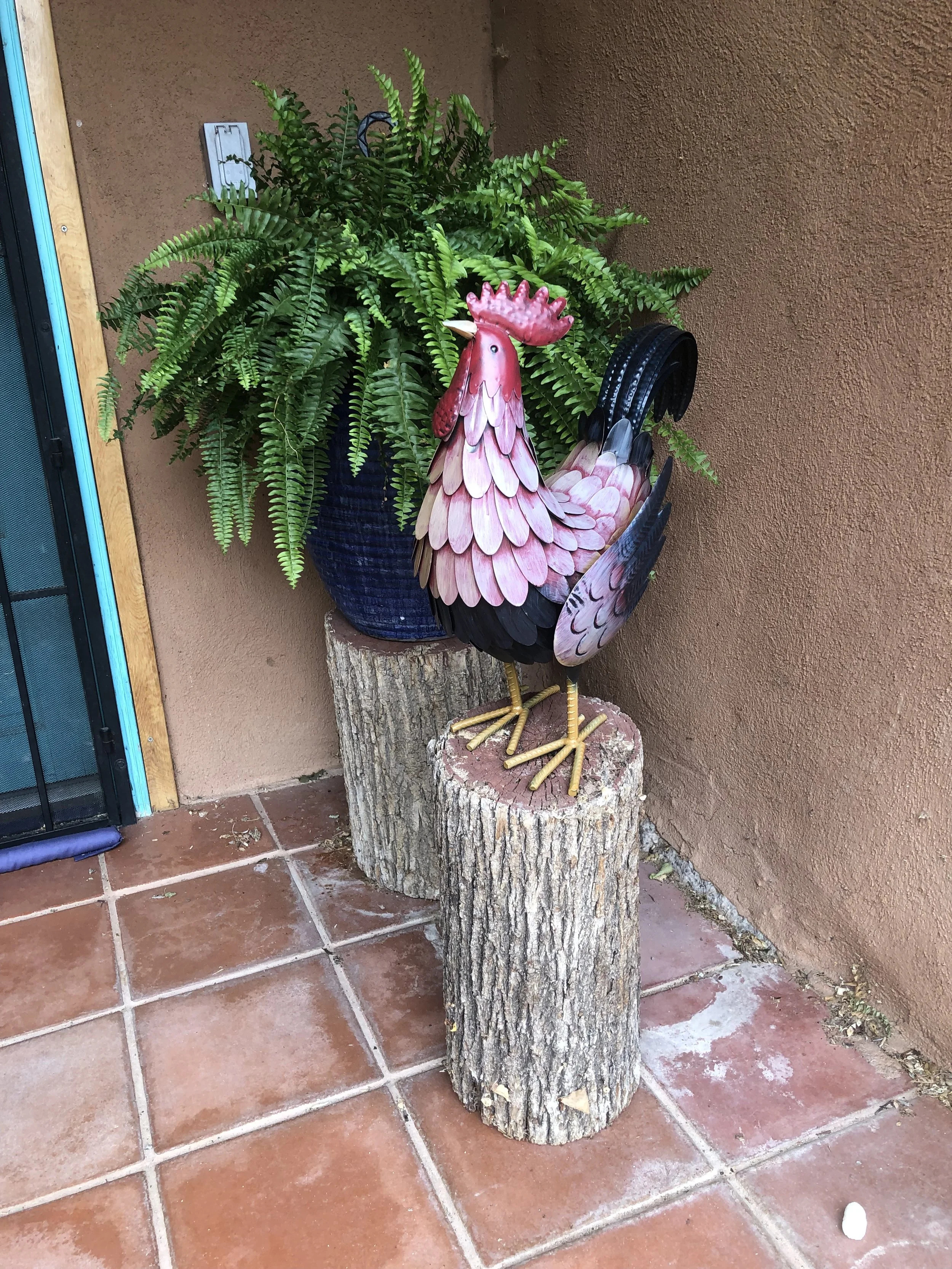
Julia Child said that she could become a great chef because she loved food and had no fear. I inherited my lack of fear from my mother. When she was young, she lived next to a woman who raised chickens but couldn’t kill them. My mother made a deal: she killed and cleaned two chickens and got to keep one to feed her family. I couldn’t resist sending her a rooster to protect her front door. I’m happy she likes Henry!

Harvest journal: days of pickles and beer

We cycle through hot and humid to sudden and spectacular storms this time of year.

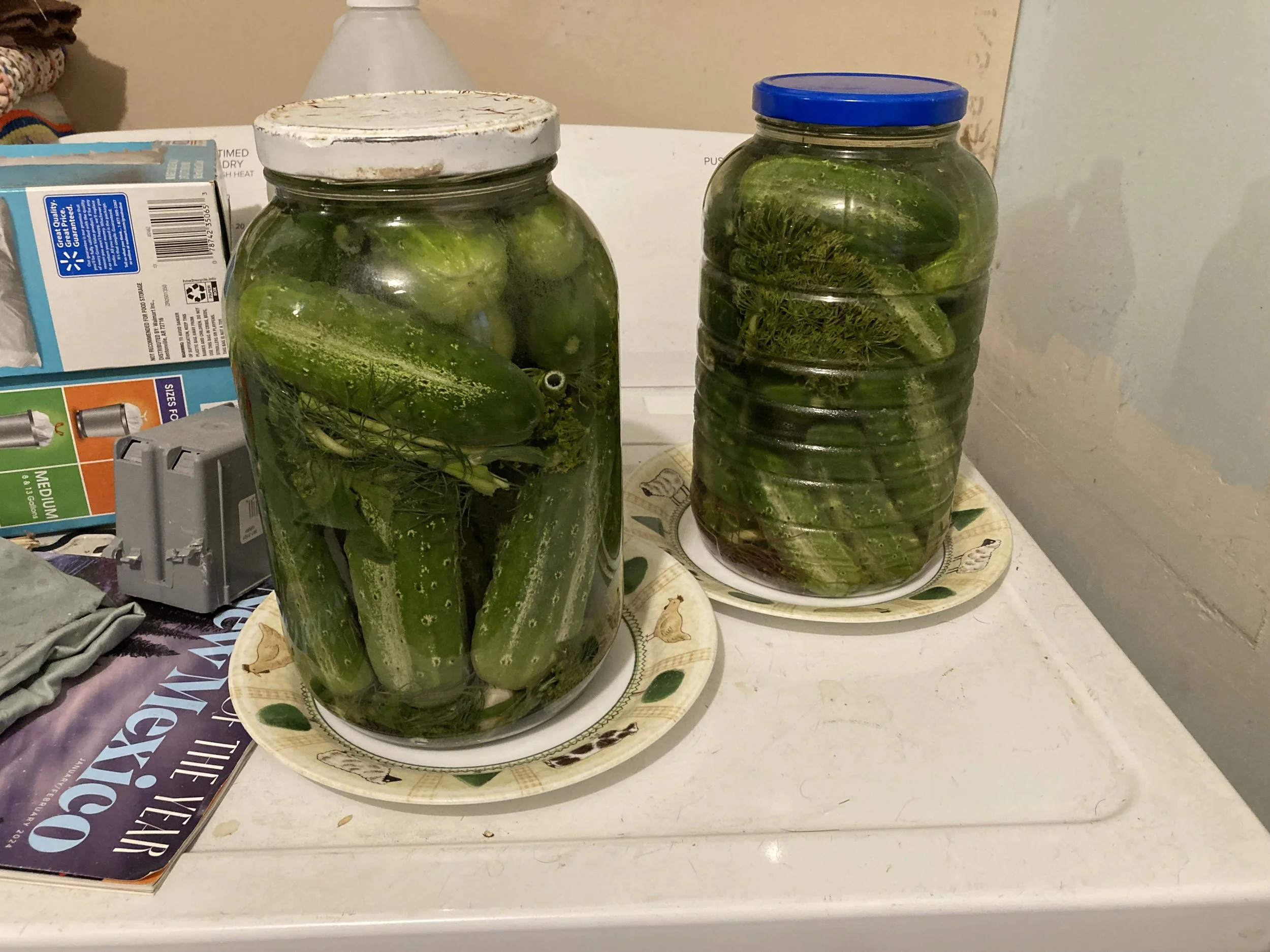
We make “3 day pickles” which often take 5 days to ferment. The cucumbers went from no cucumbers to a gallon’s worth a day. Michael packs the cucumbers in with fresh dill, garlic cloves, a tea bag and grape leaves. Water and salt on top. Leave in a warm place, lid loose enough to allow gas to escape. The recipe is from Michael’s Aunt Halyna, who immigrated from Ukraine. We do not can them but save them in the “overflow” refrigerator. They turn out crisp and delicious. We go through a lot of pickles in this household! They go well with a beer on the deck after a long, sweaty day.

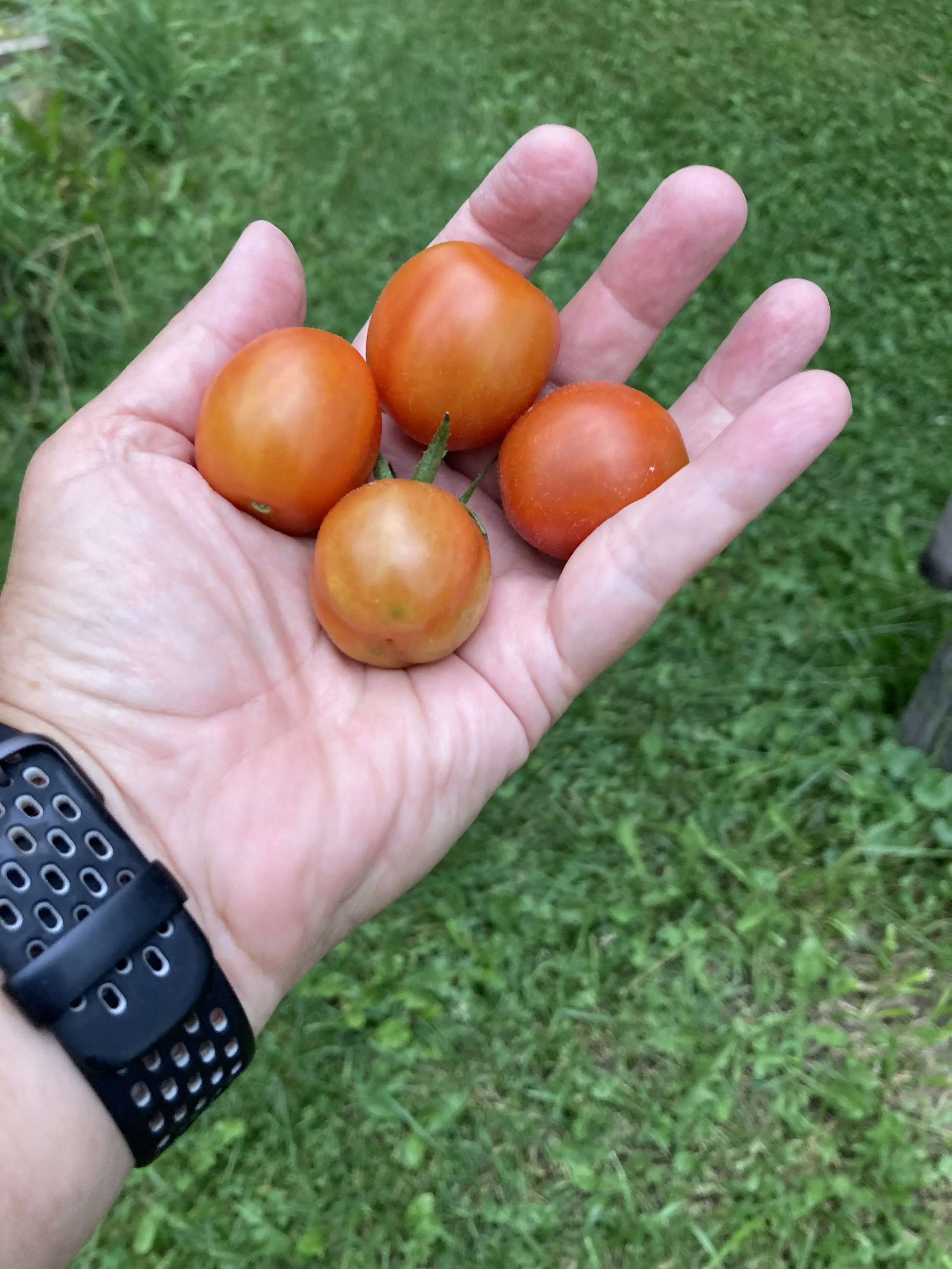
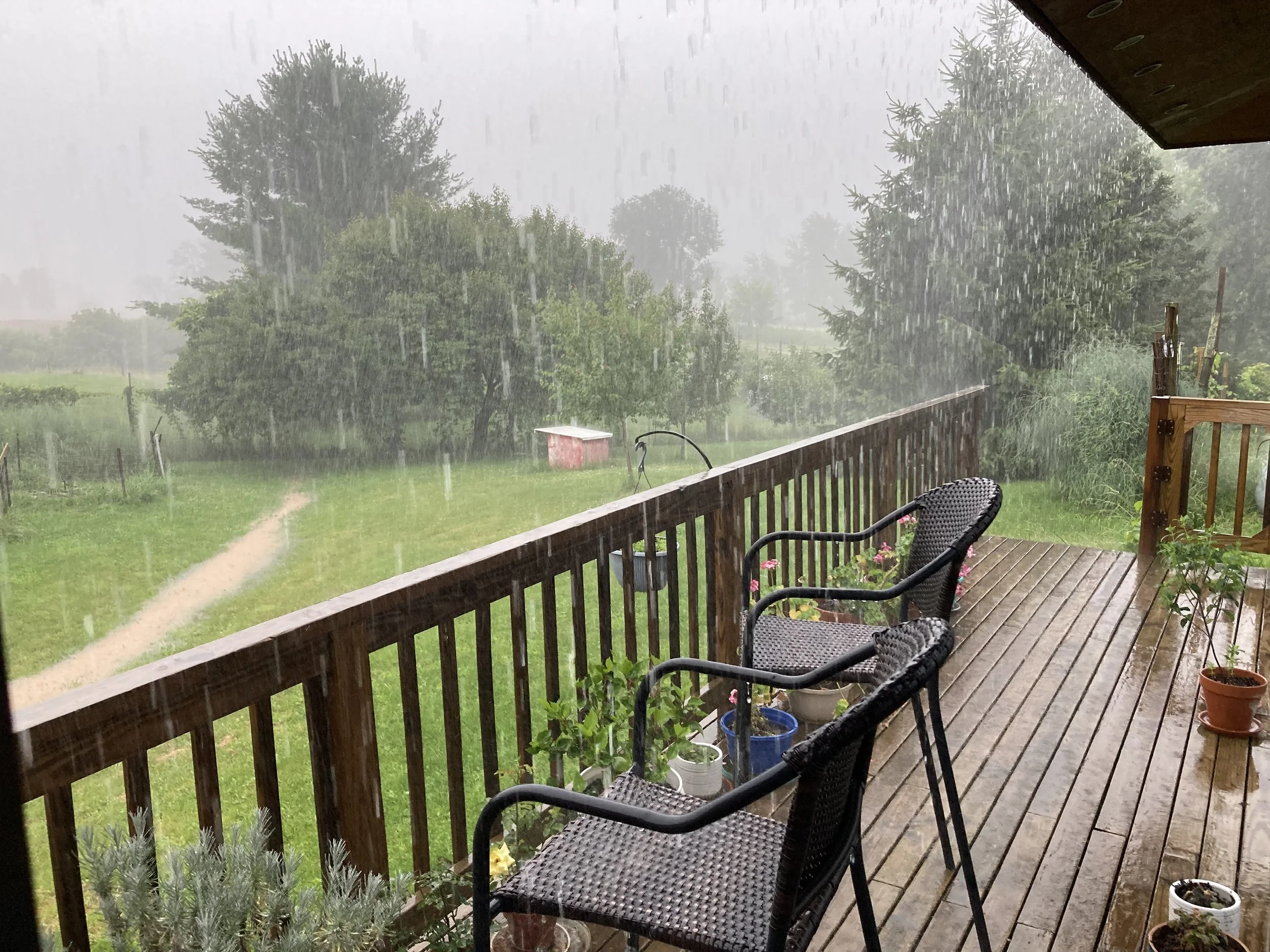
Storms have been coming in from the northwest*. I braved rushing out right before the rain to grab the few ripe cherry tomatoes. The fruit will split if it ripens and then it rains. I kept thinking how ridiculous it would be to die of a lightning strike in the tomato patch. At least I’d die happy!

*2.1” from this last one.

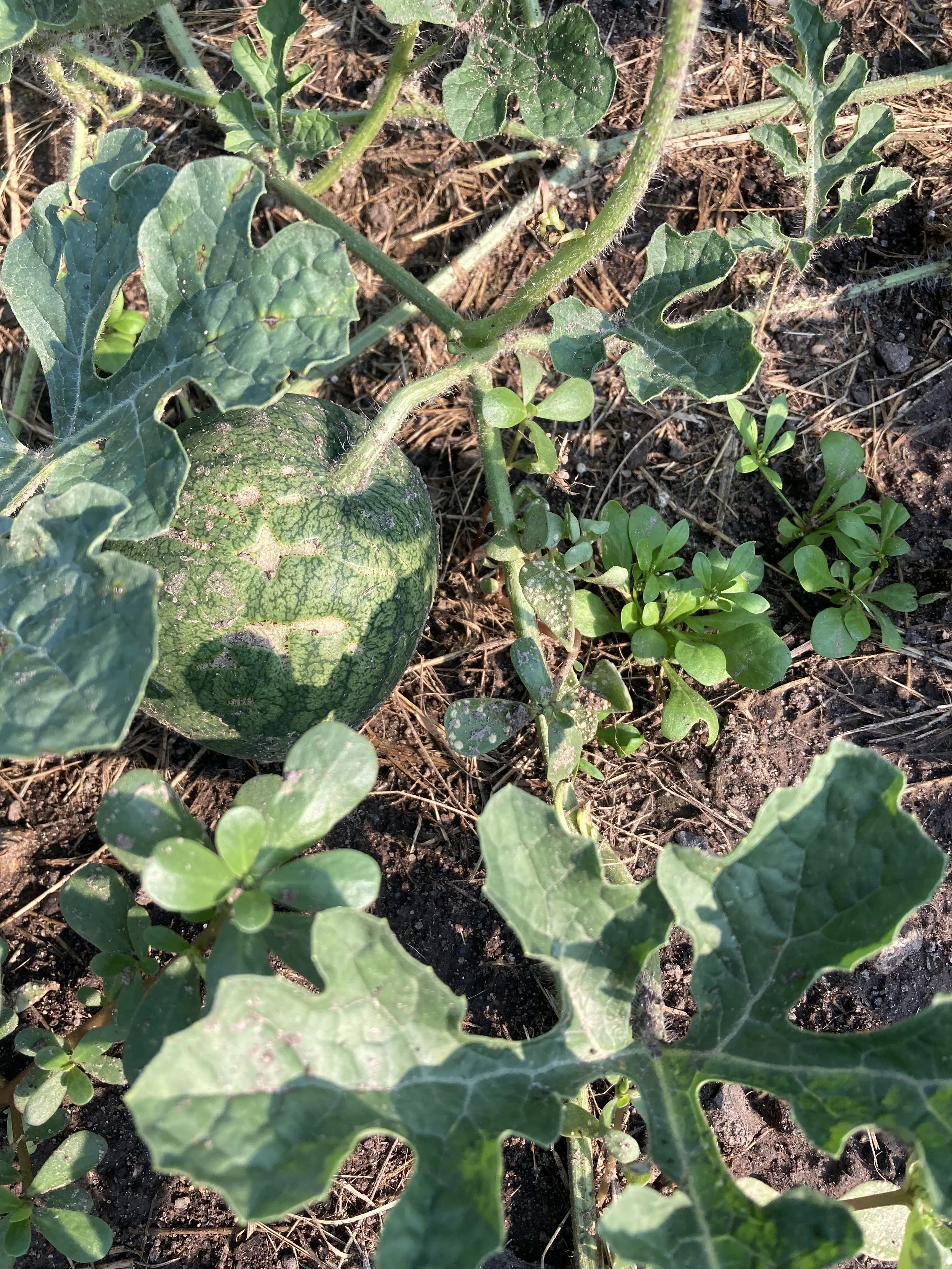
The warmth and wet have encouraged the watermelons to grow. They are creeping out of their enclosure and taking over the deck yard.

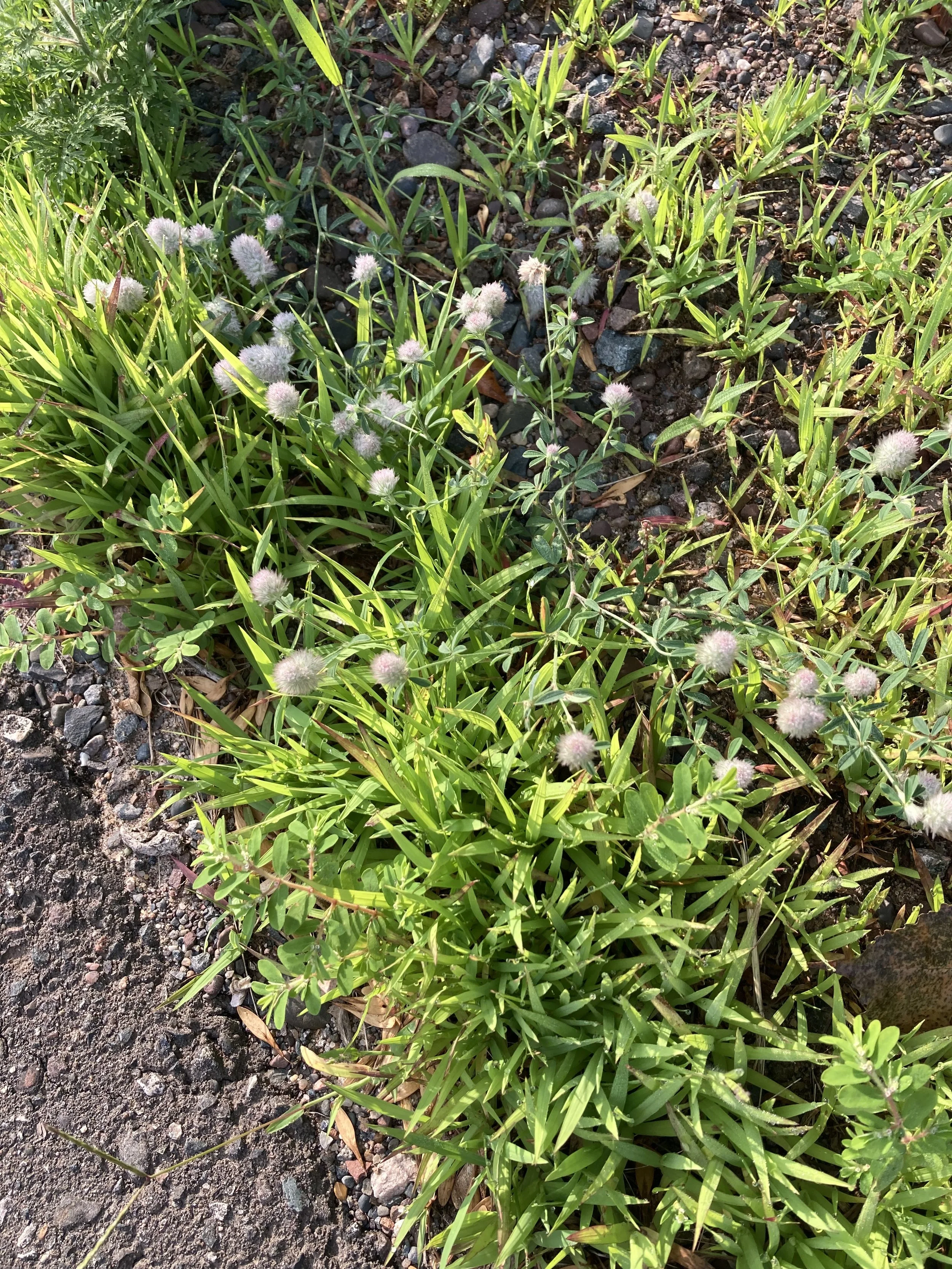
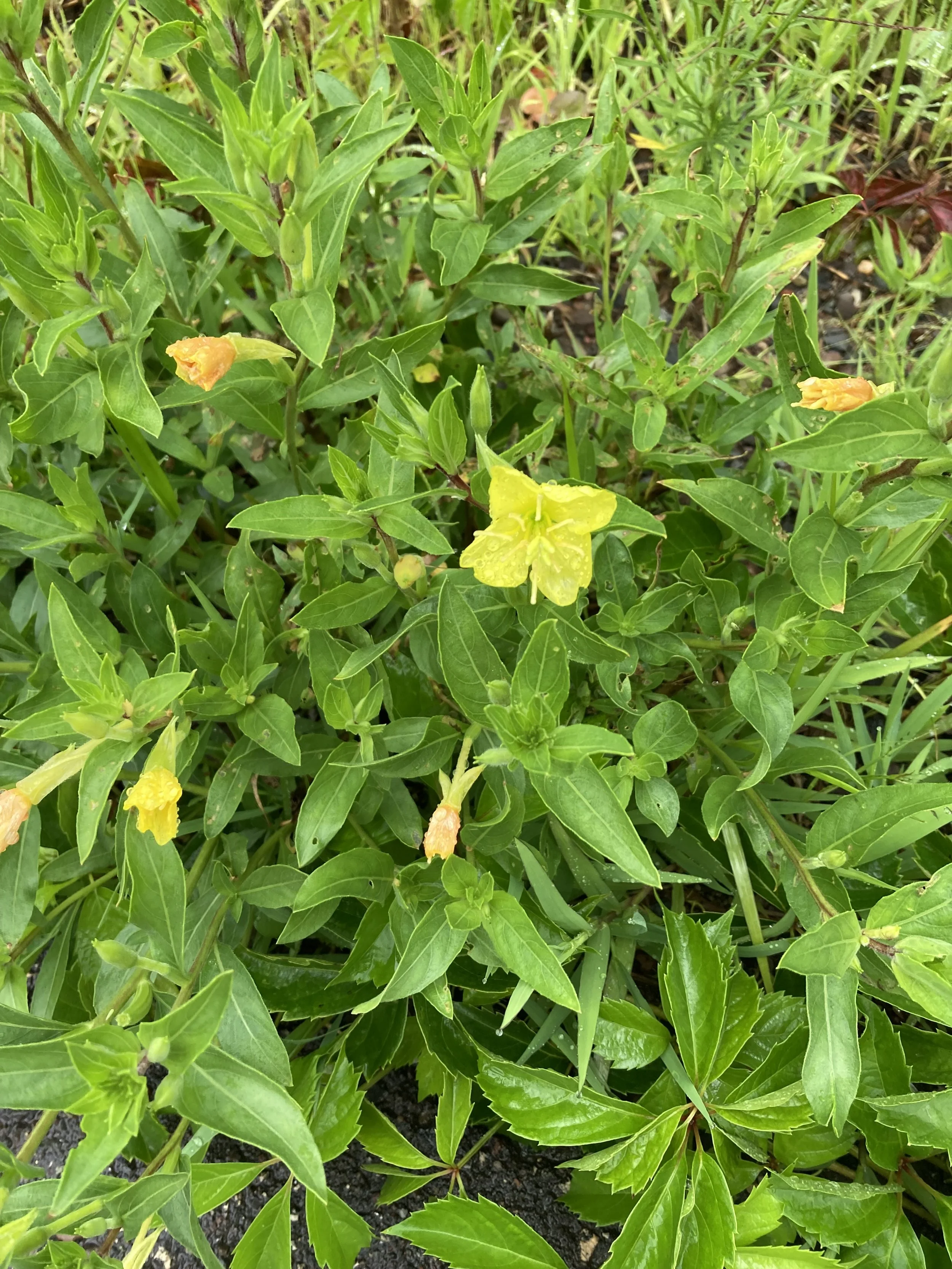
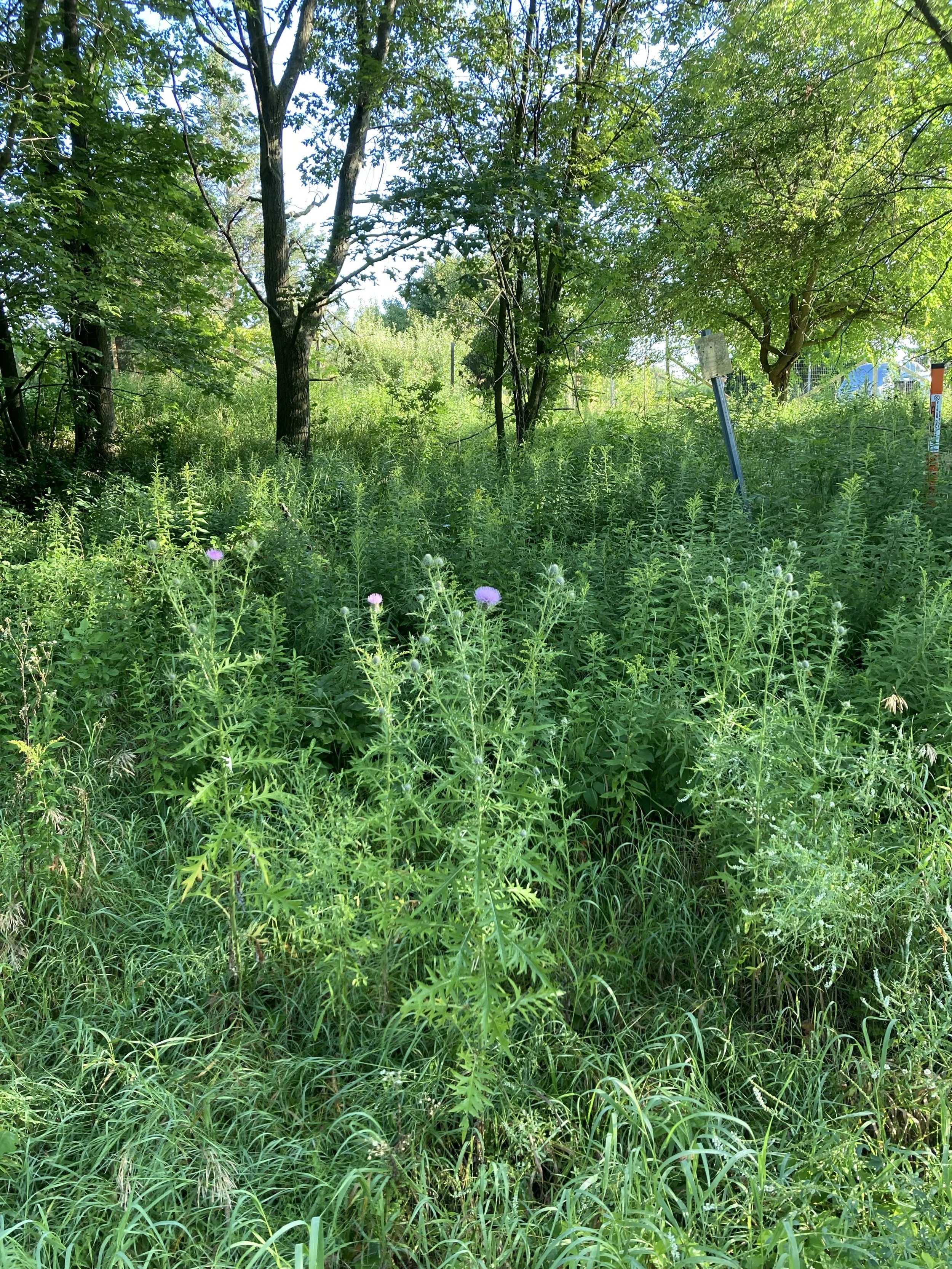
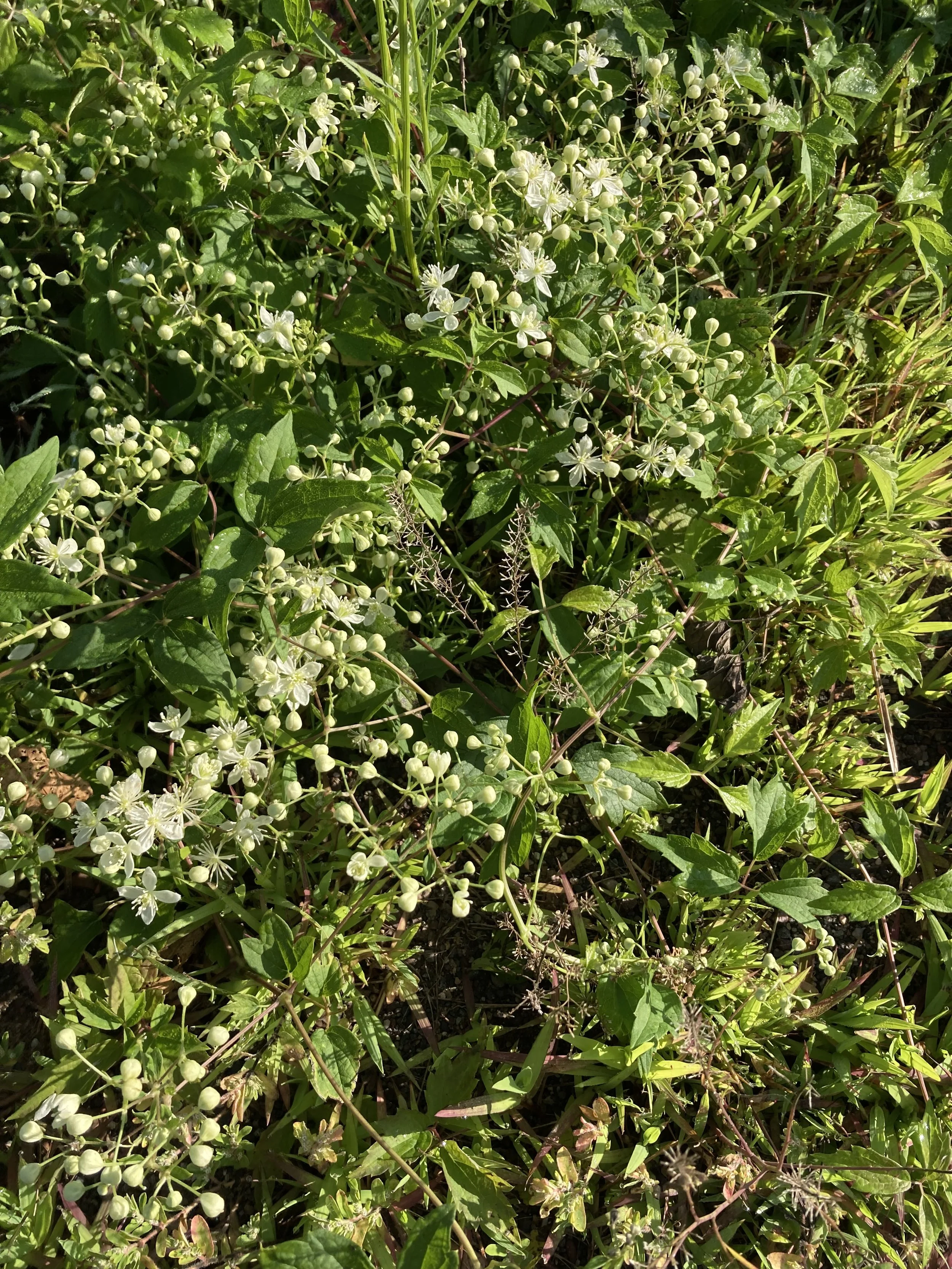
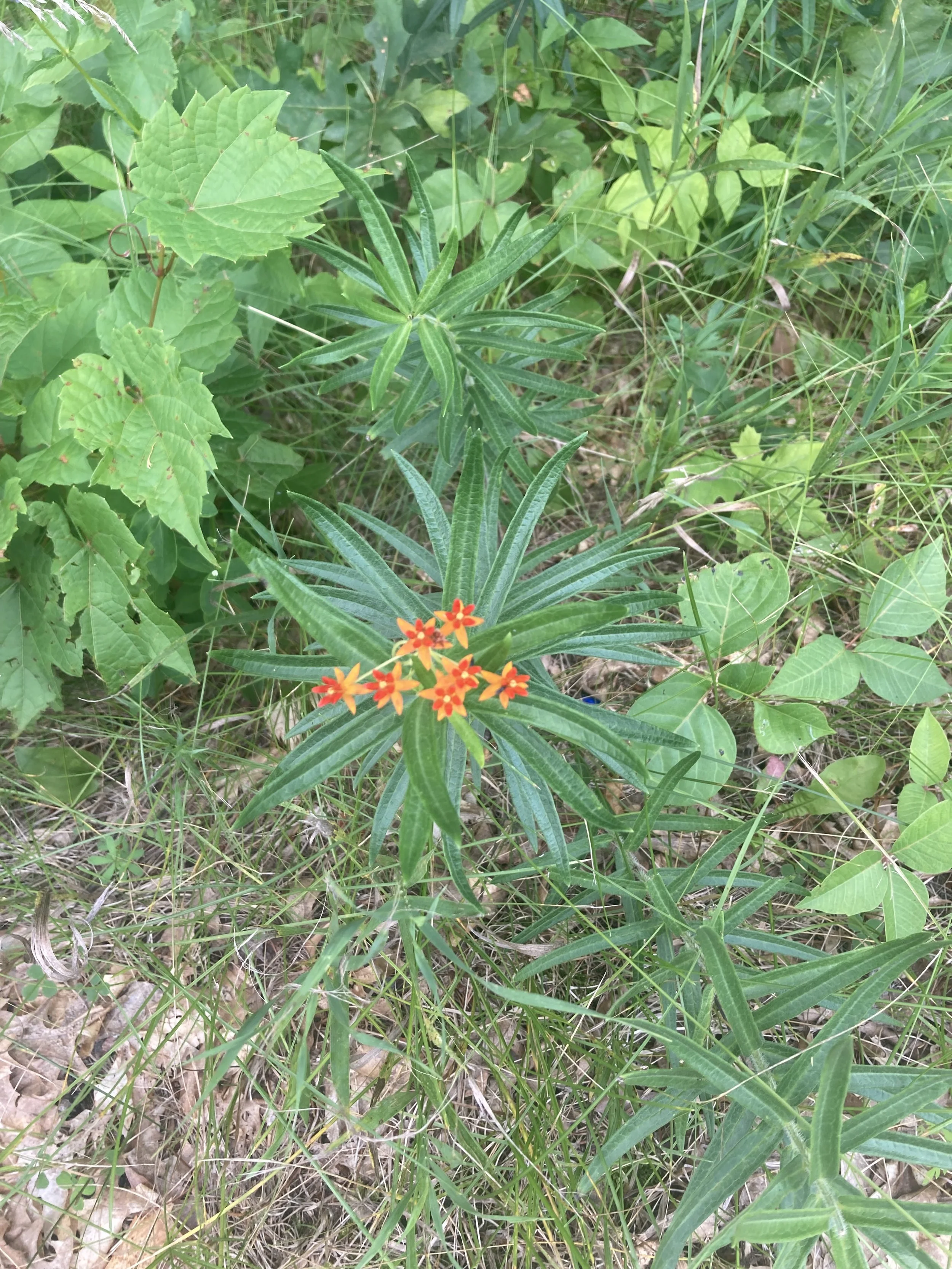
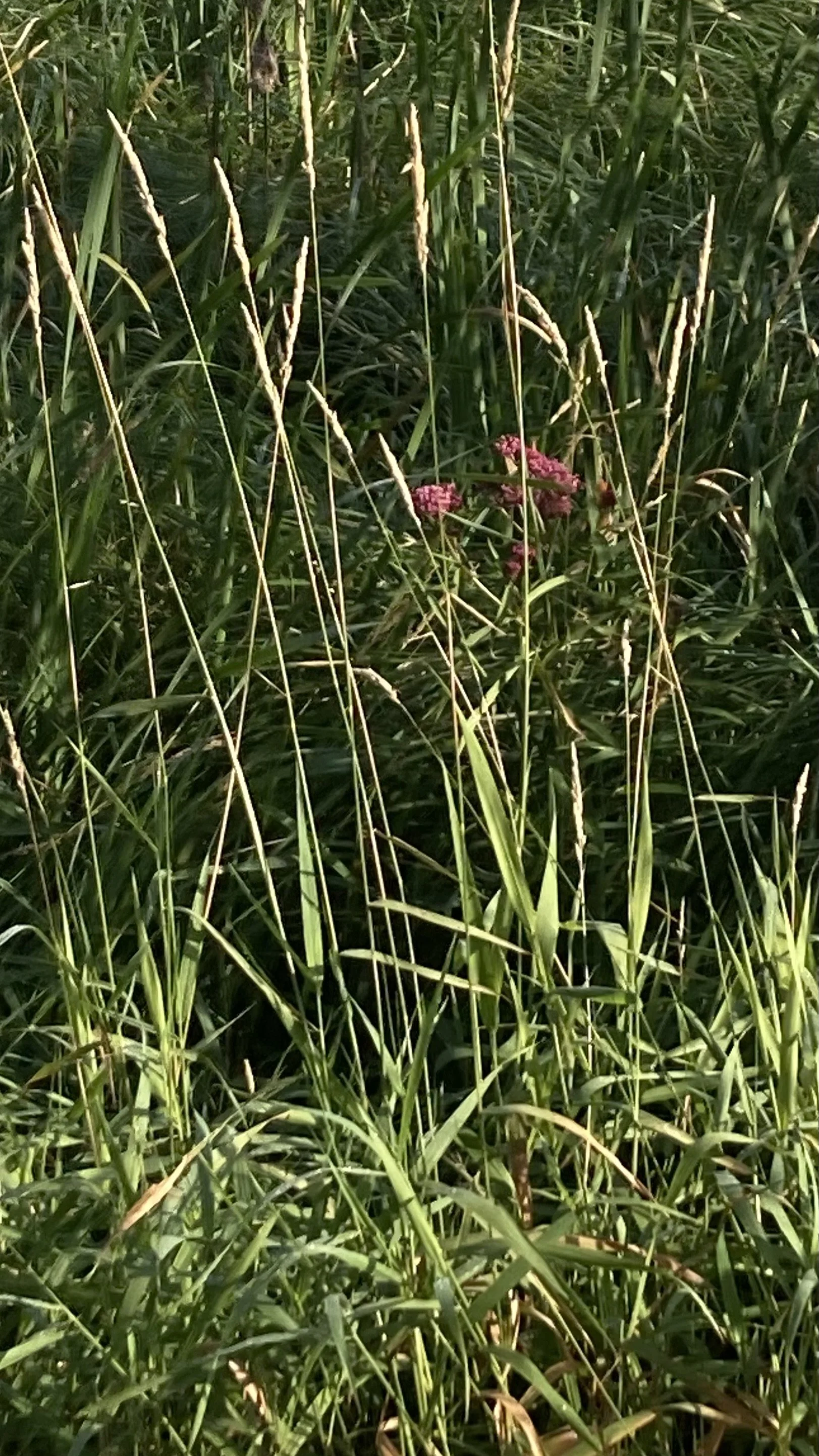
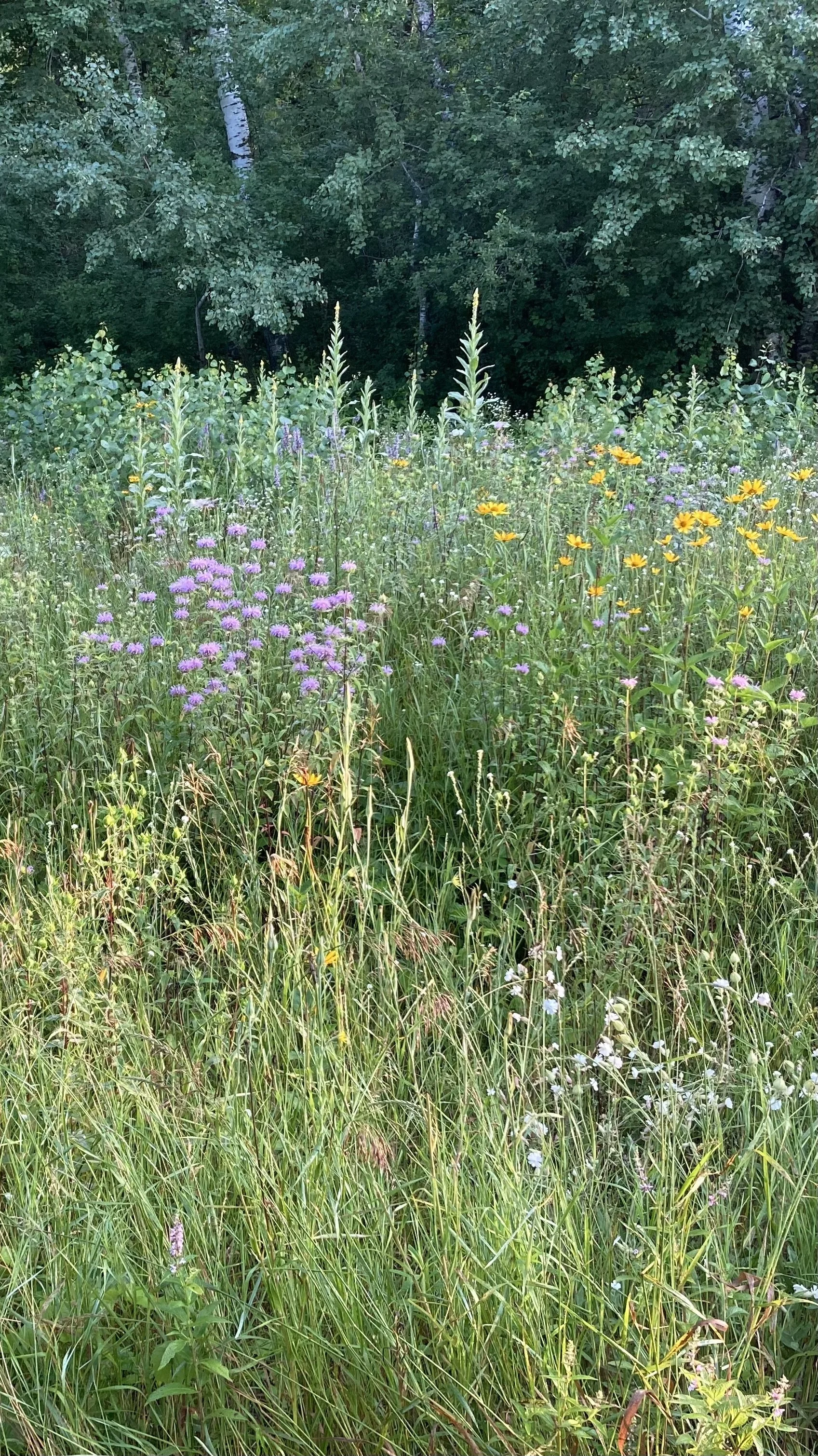
Rabbit’s foot clover, evening primrose, thistles, wild cucumber, butterfly milkweed and common milkweed. The flowers of late summer.

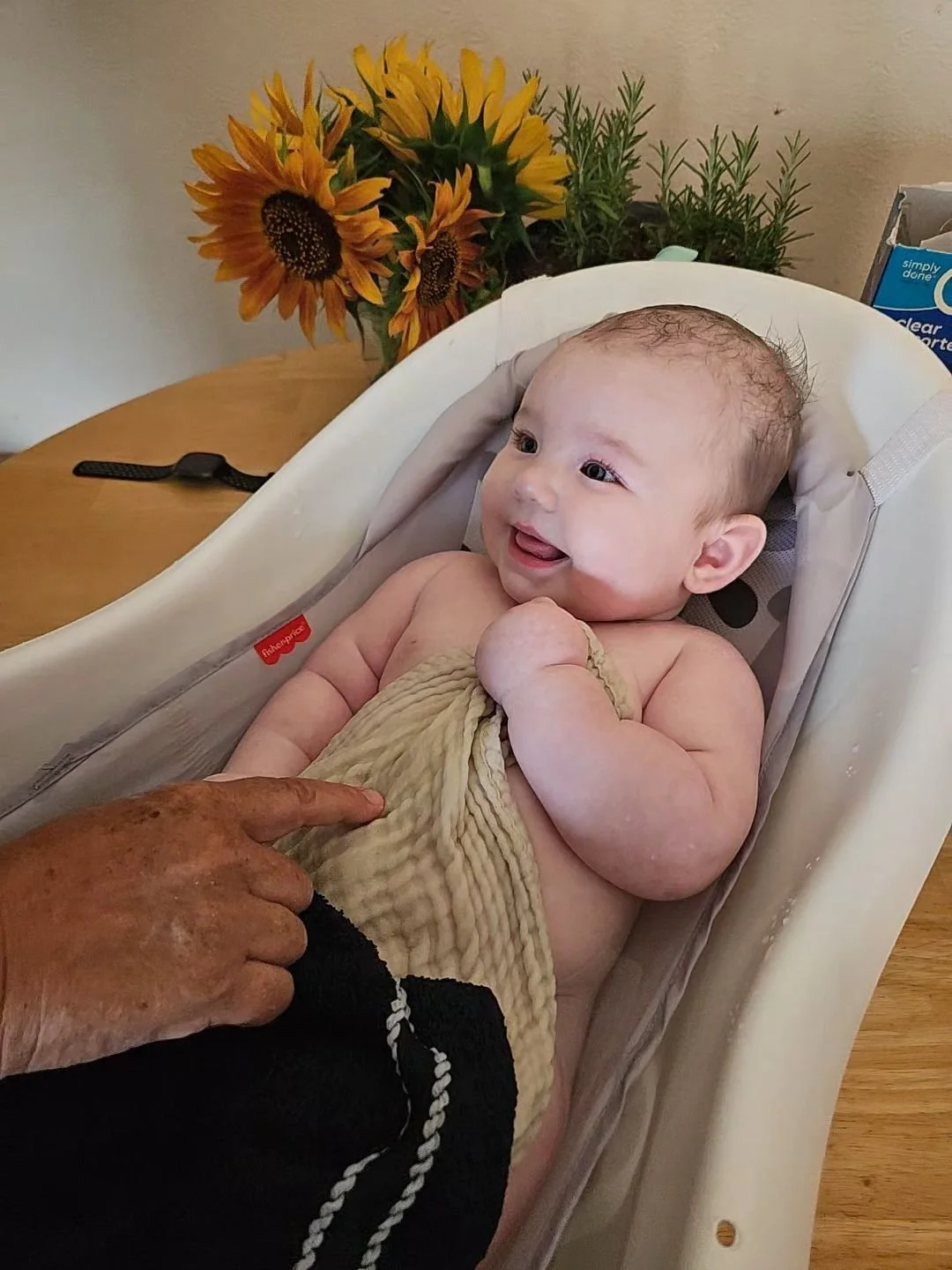
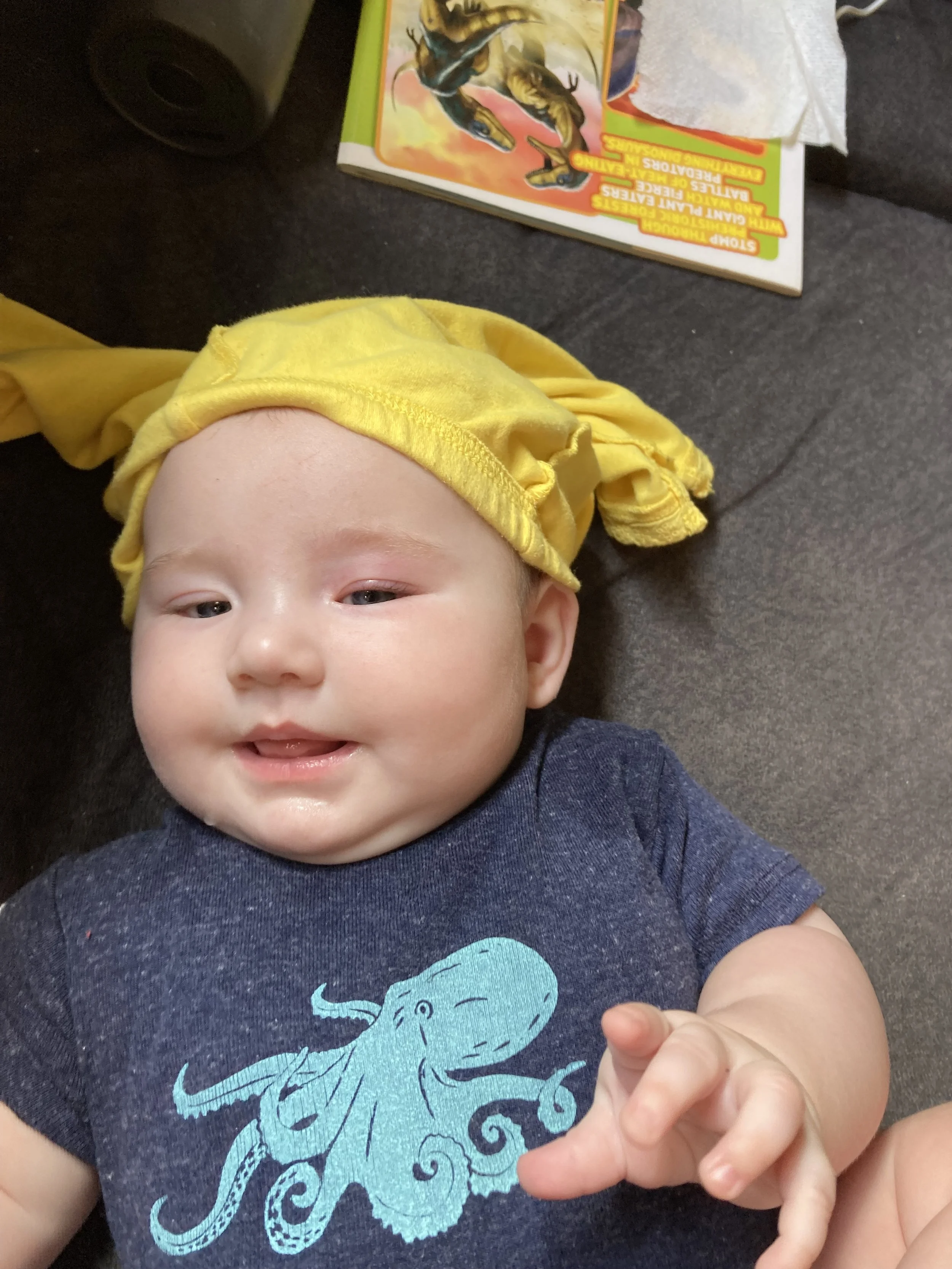
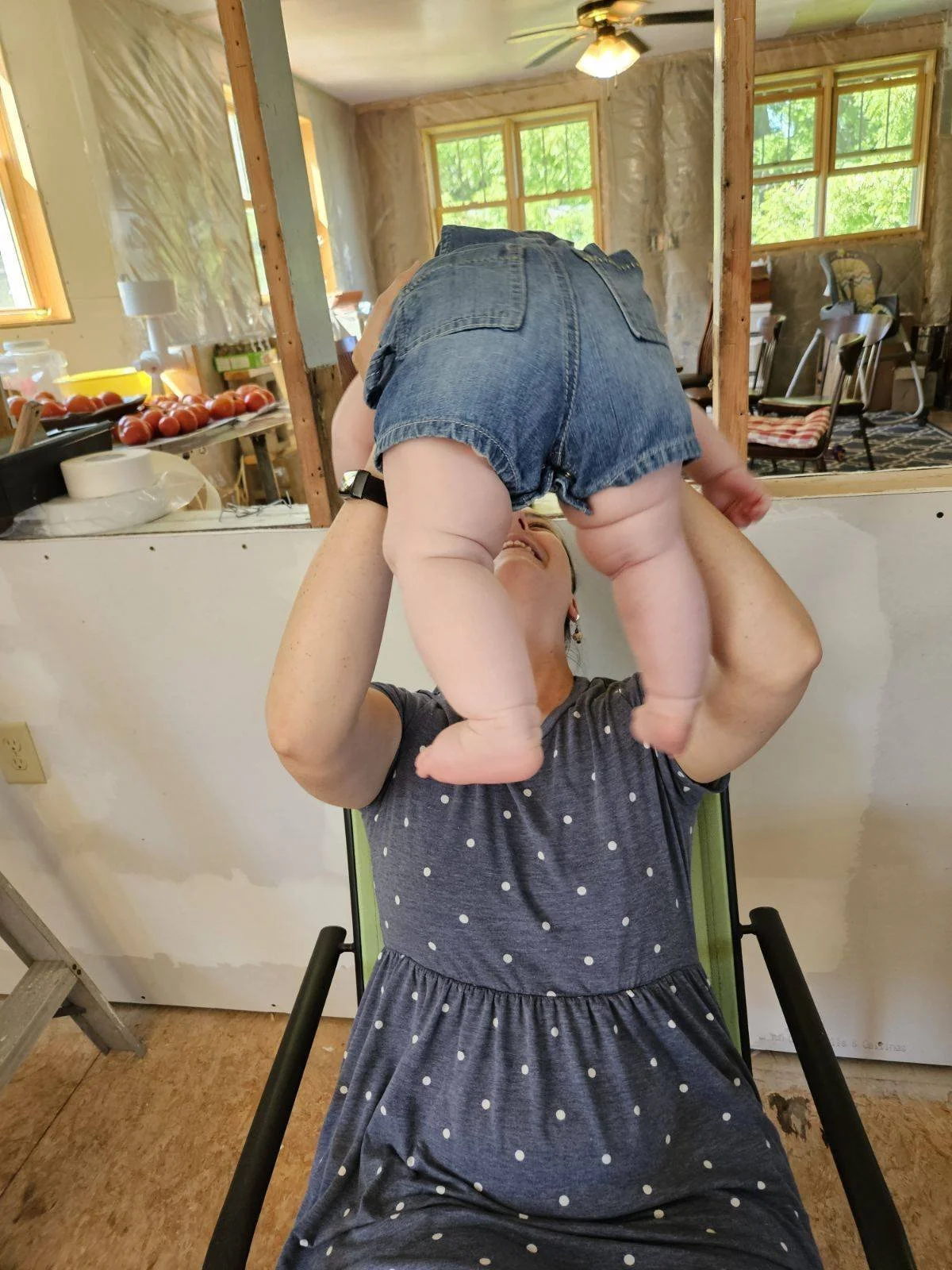
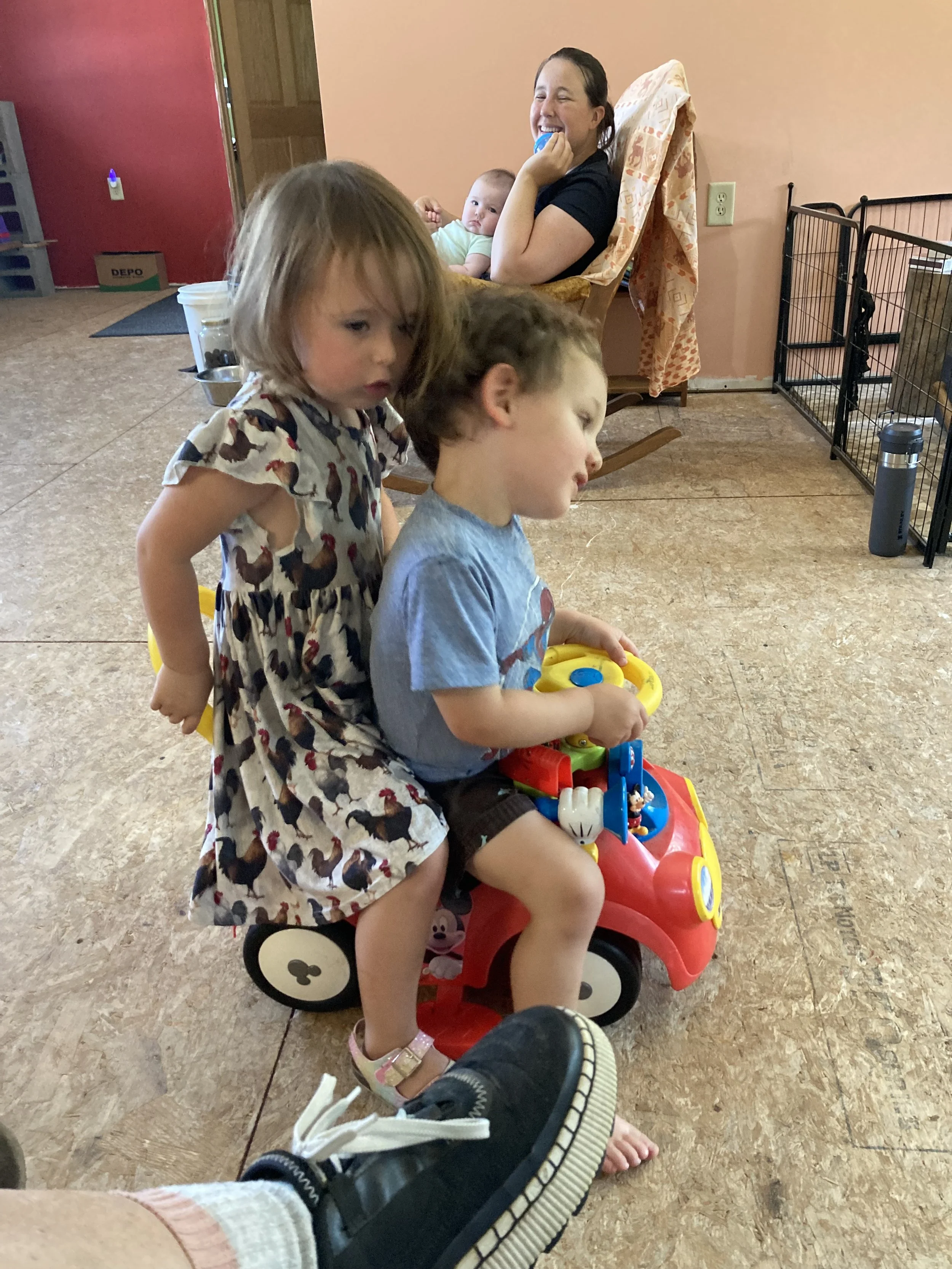
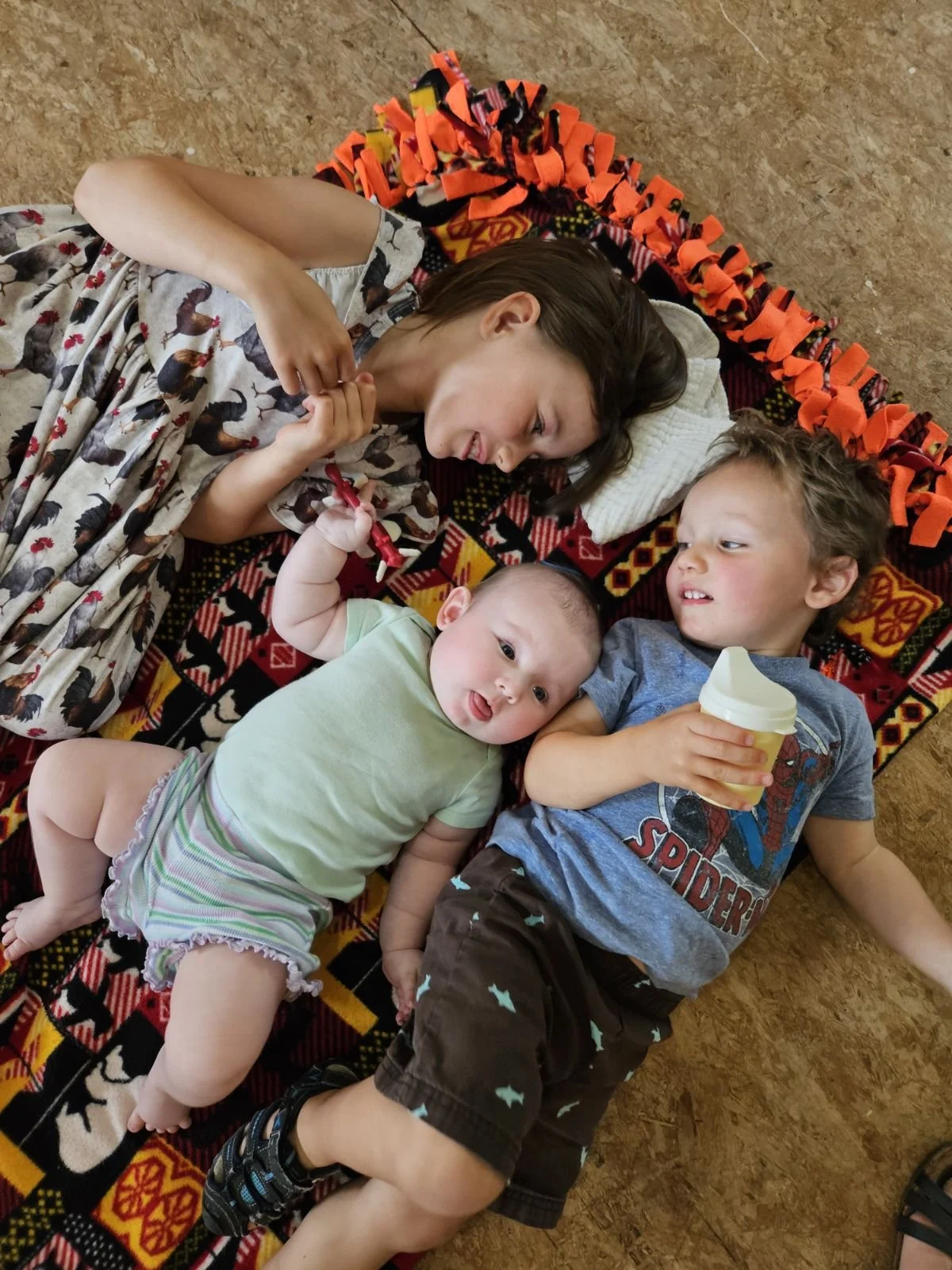
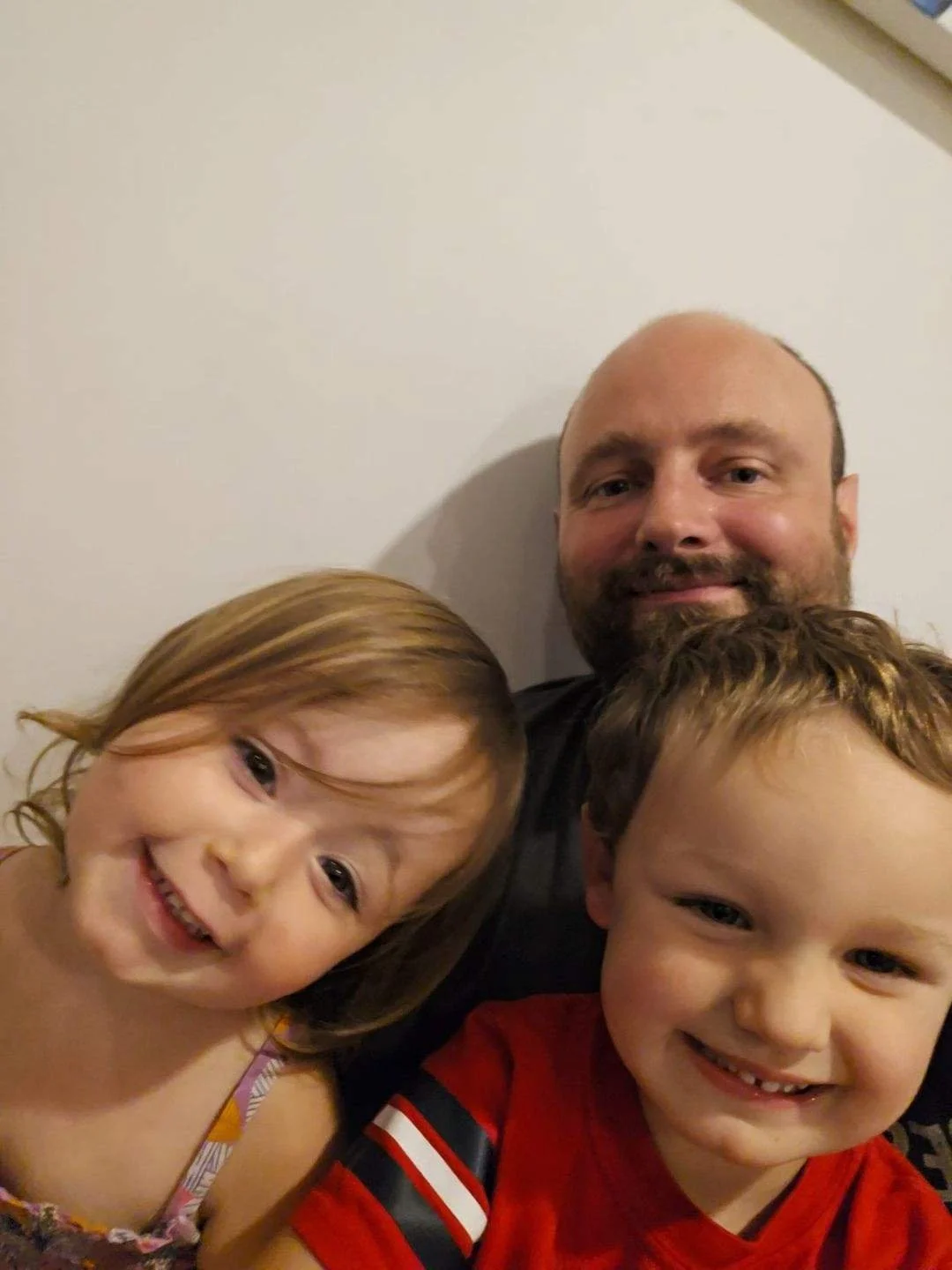
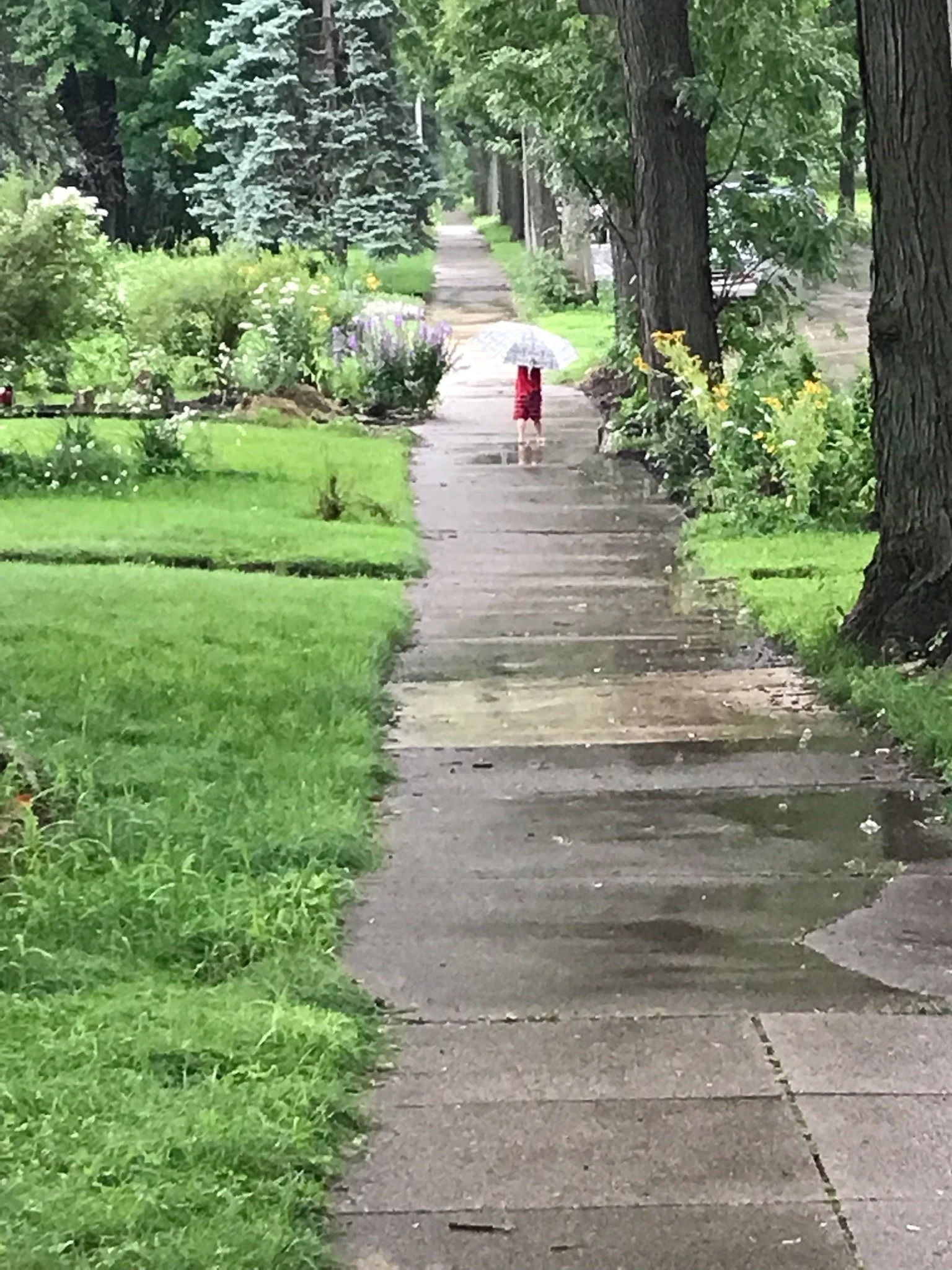
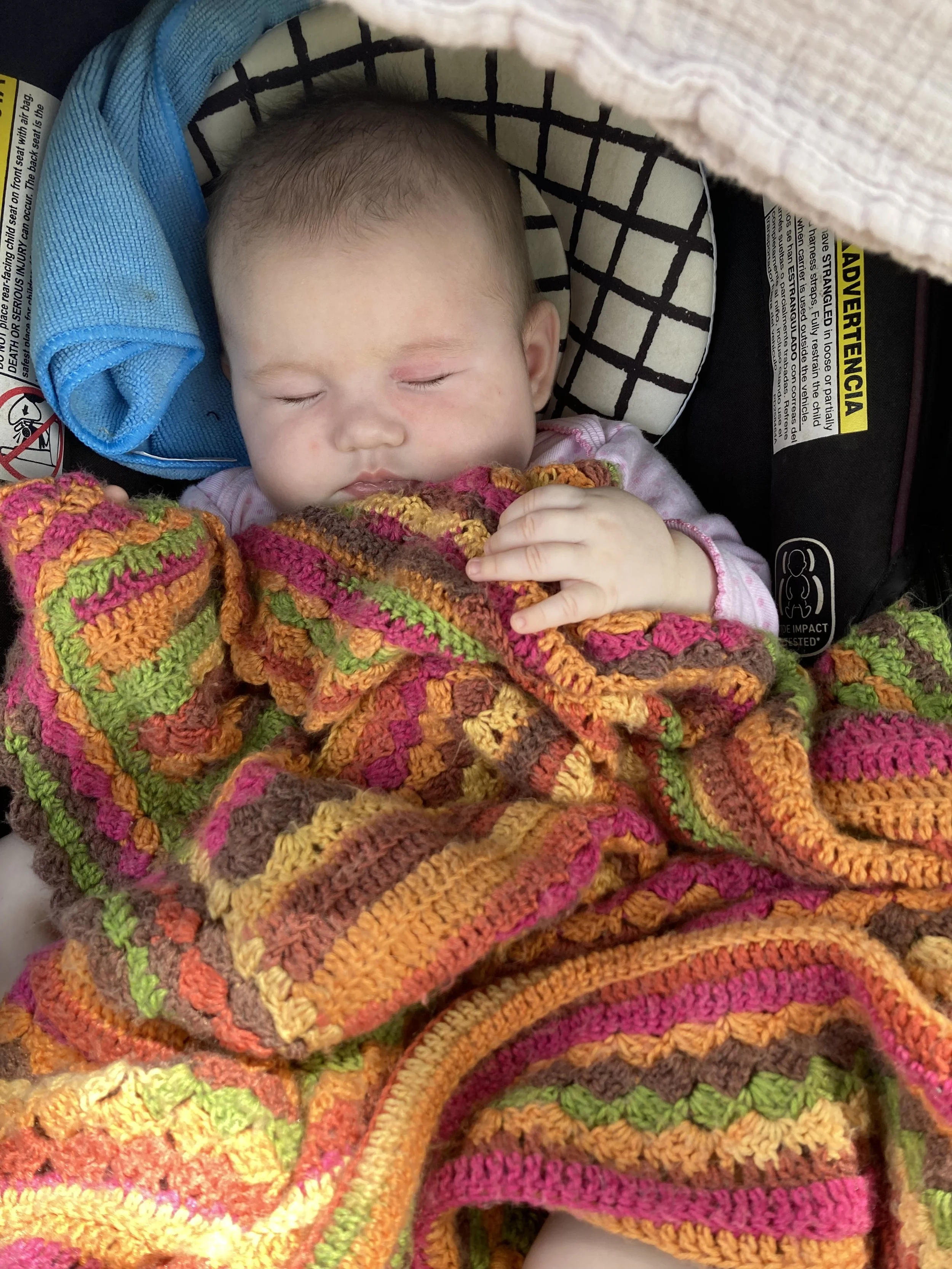
So good to watch small ones grow!

Harvest journal: the way of the potato, and onion, and garlic, and…

It’s raining again. Half an inch in ten minutes could drown a duck! But the birds are all under shelter, as are we.* The past couple of days have been in the 90s and humid. We have been in the garden, racing time.

*Rain gauge the next morning showed an honest two inches.

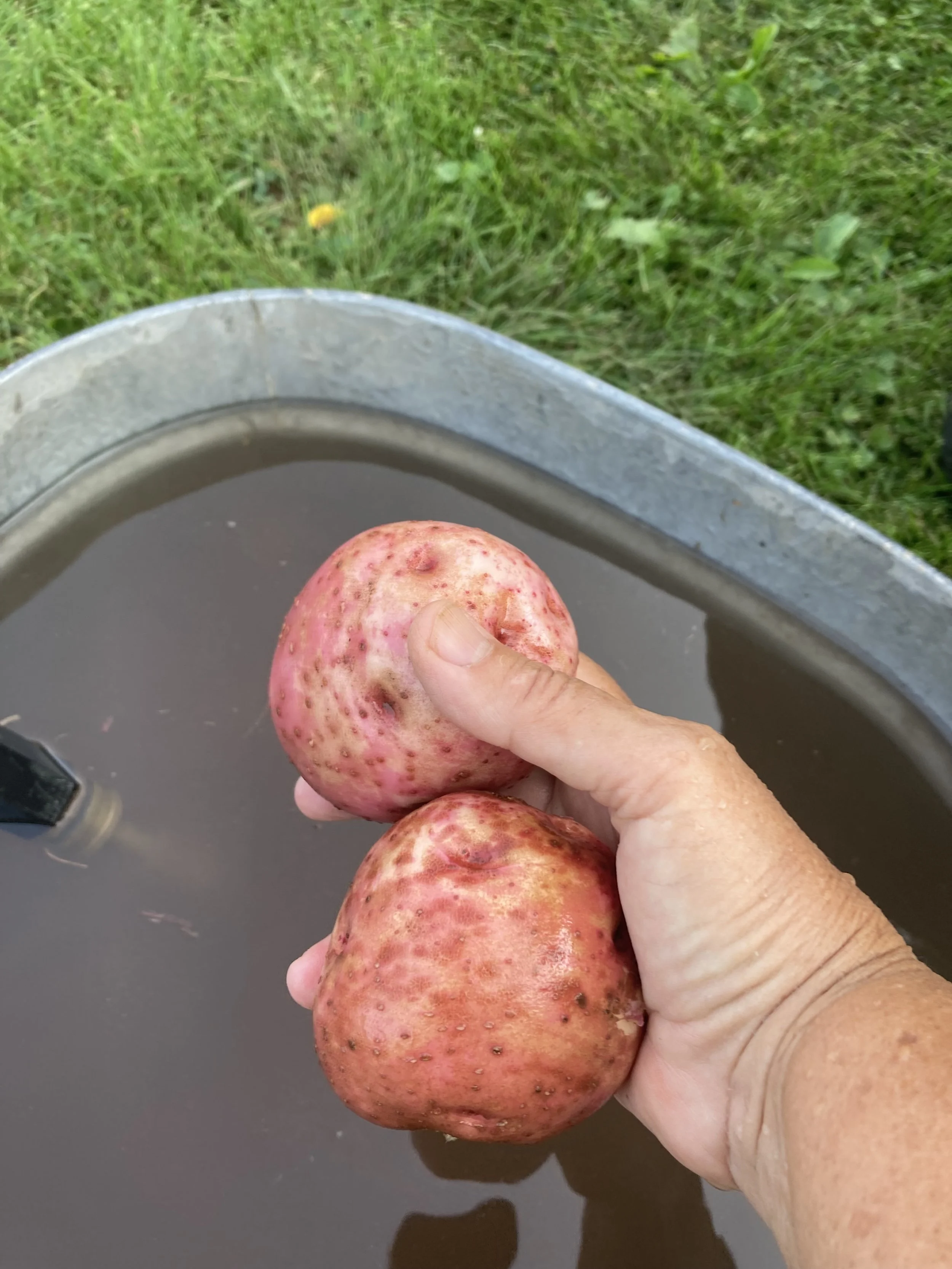
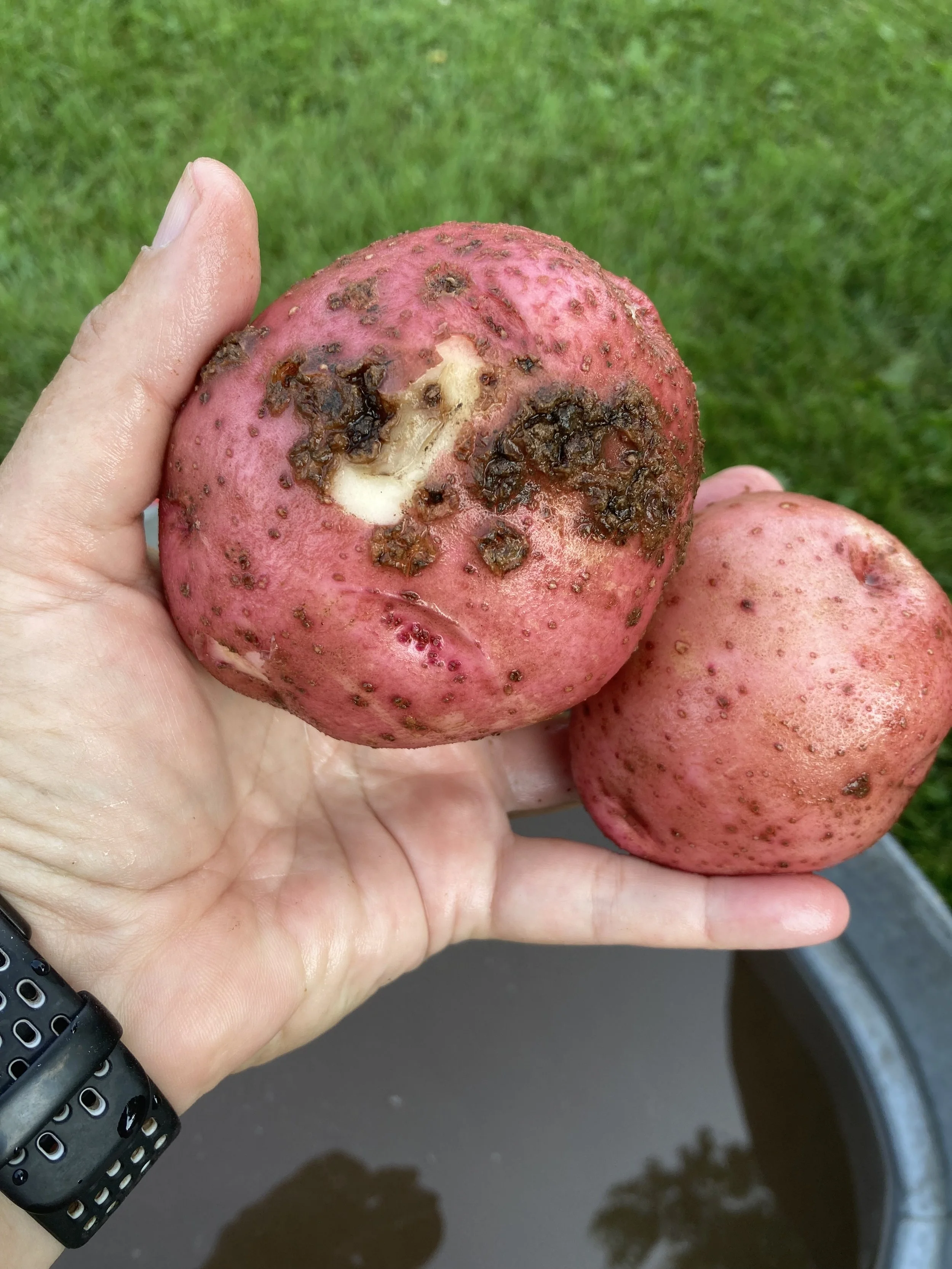
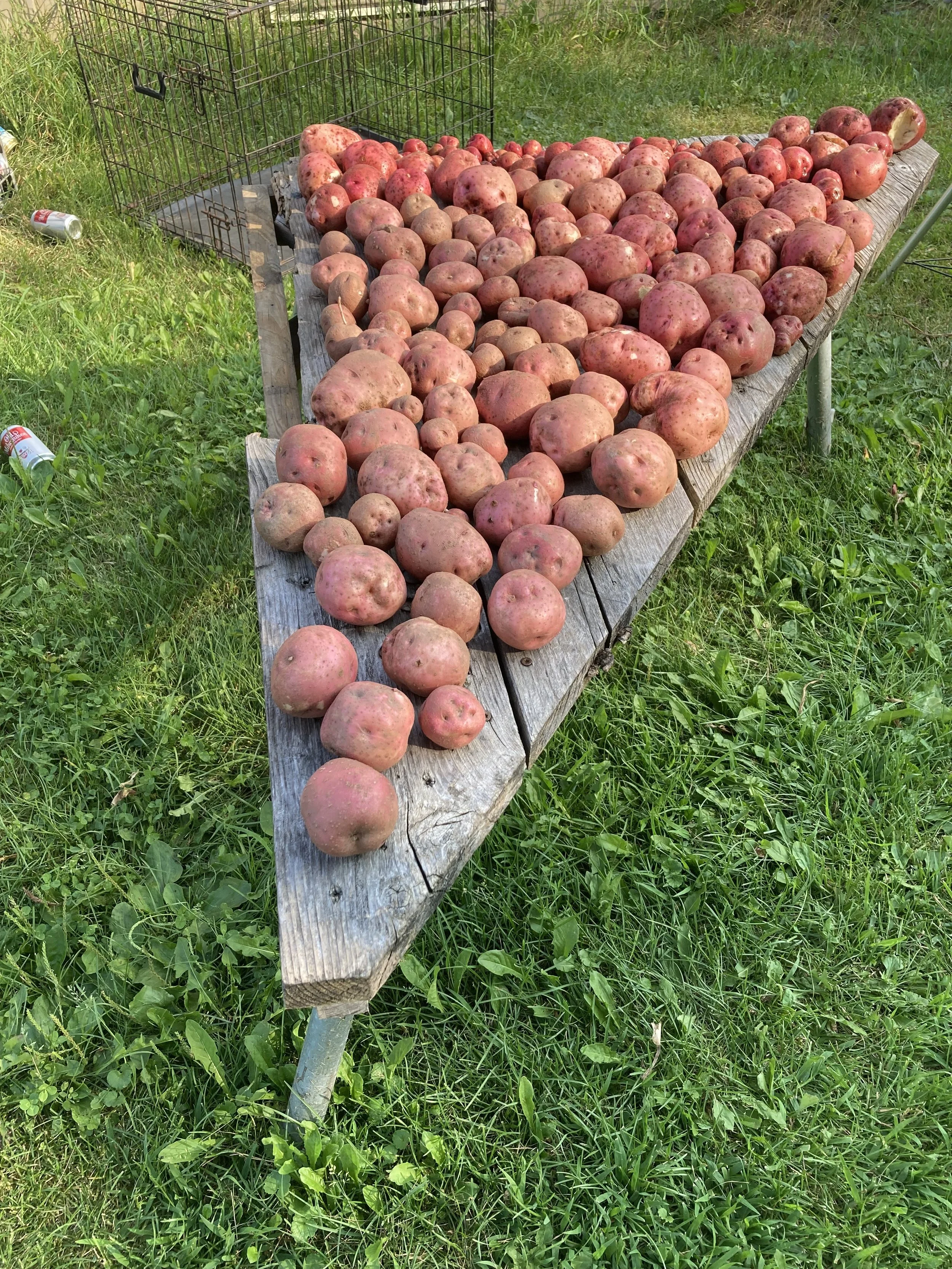
Michael dug up red potatoes today. He soaks them in water and then sets them out to dry. Then they go into the basement, spread out on cardboard with a fan on them. Then into boxes for the winter. I rescued them from their bath today as the storm was coming. Sitting on the lawn in the heat, swishing potatoes in cold water, felt methodical and slow. Not in a boring way, but more as a meditation. The dao of potatoes. Who knew? Red potatoes are prone to have scabs, as illustrated by that middle photo. This year, most of the reds are scab free. All the better to eat with the jackets on!

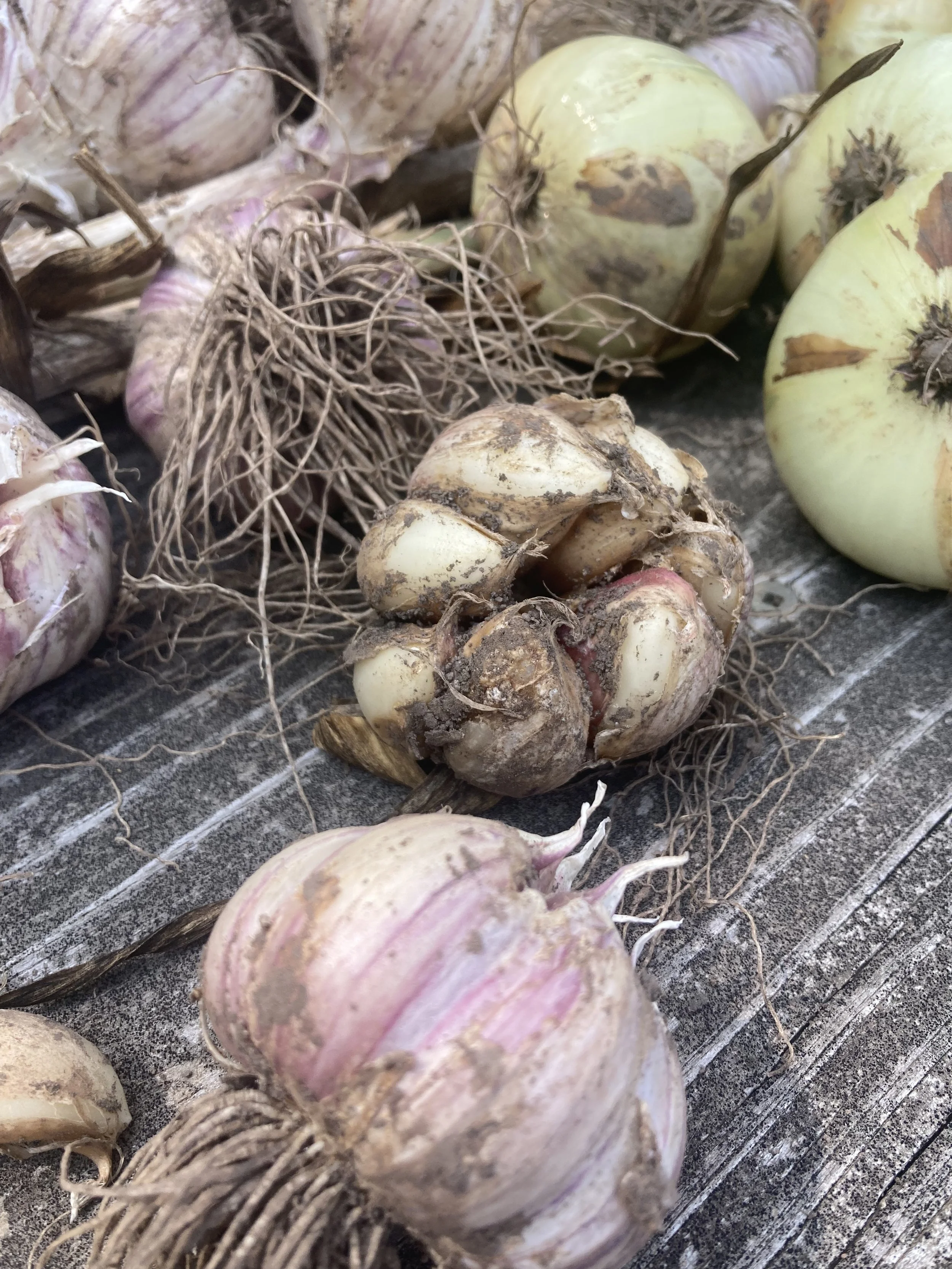
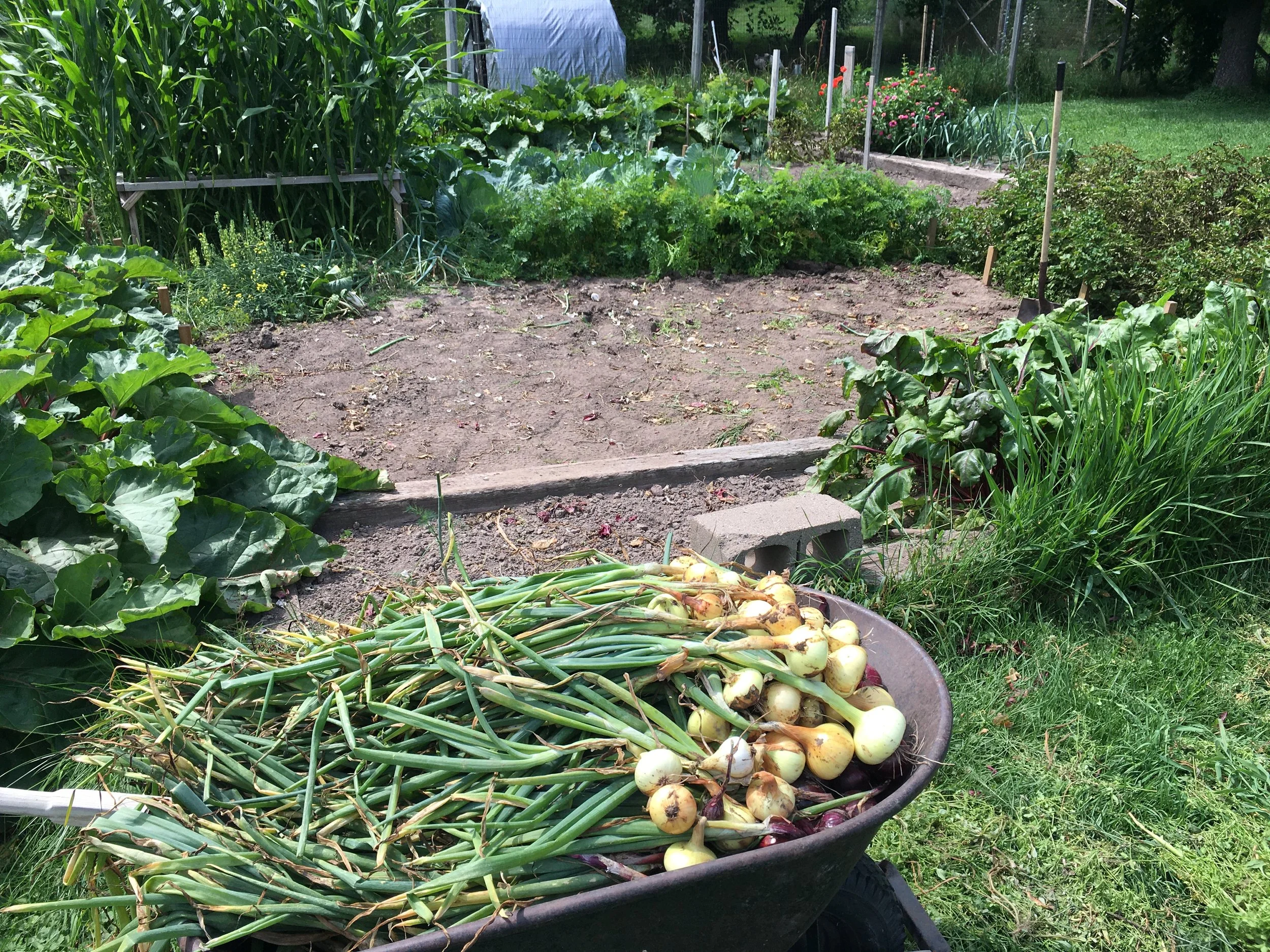
We got the last of the garlic out the ground today, along with the final onions.

The Siberian White, a hard neck, had turned completely brown on top, which meant the paper was beginning to deteriorate on the bulbs. They will not save well this year. The other varieties were not as brown and had more paper left. We will use the Siberian White first, which we would do regardless. It’s just not as pretty as it should be.

The garlic got neglected as Michael and I were getting the onions out of the ground.

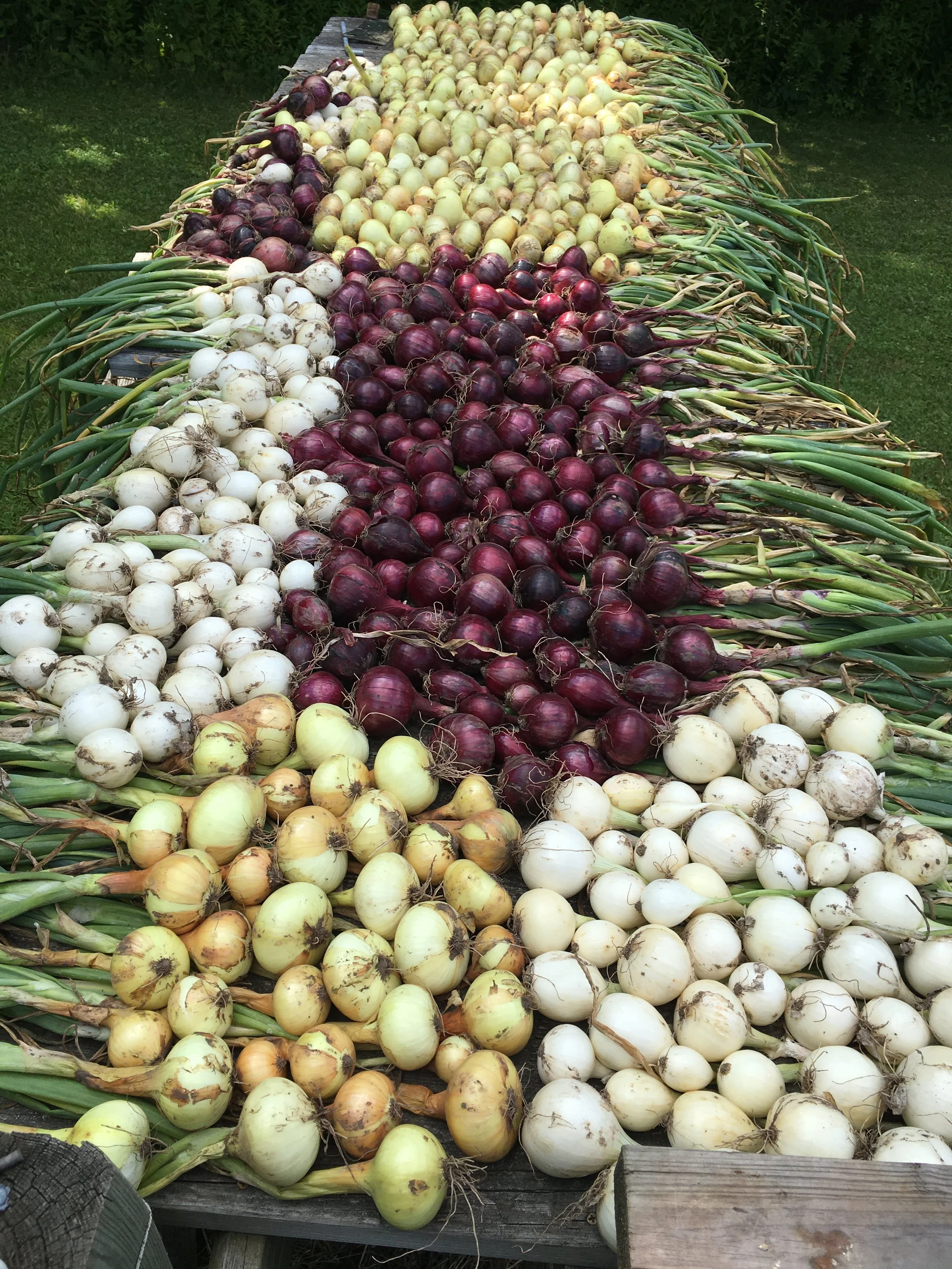
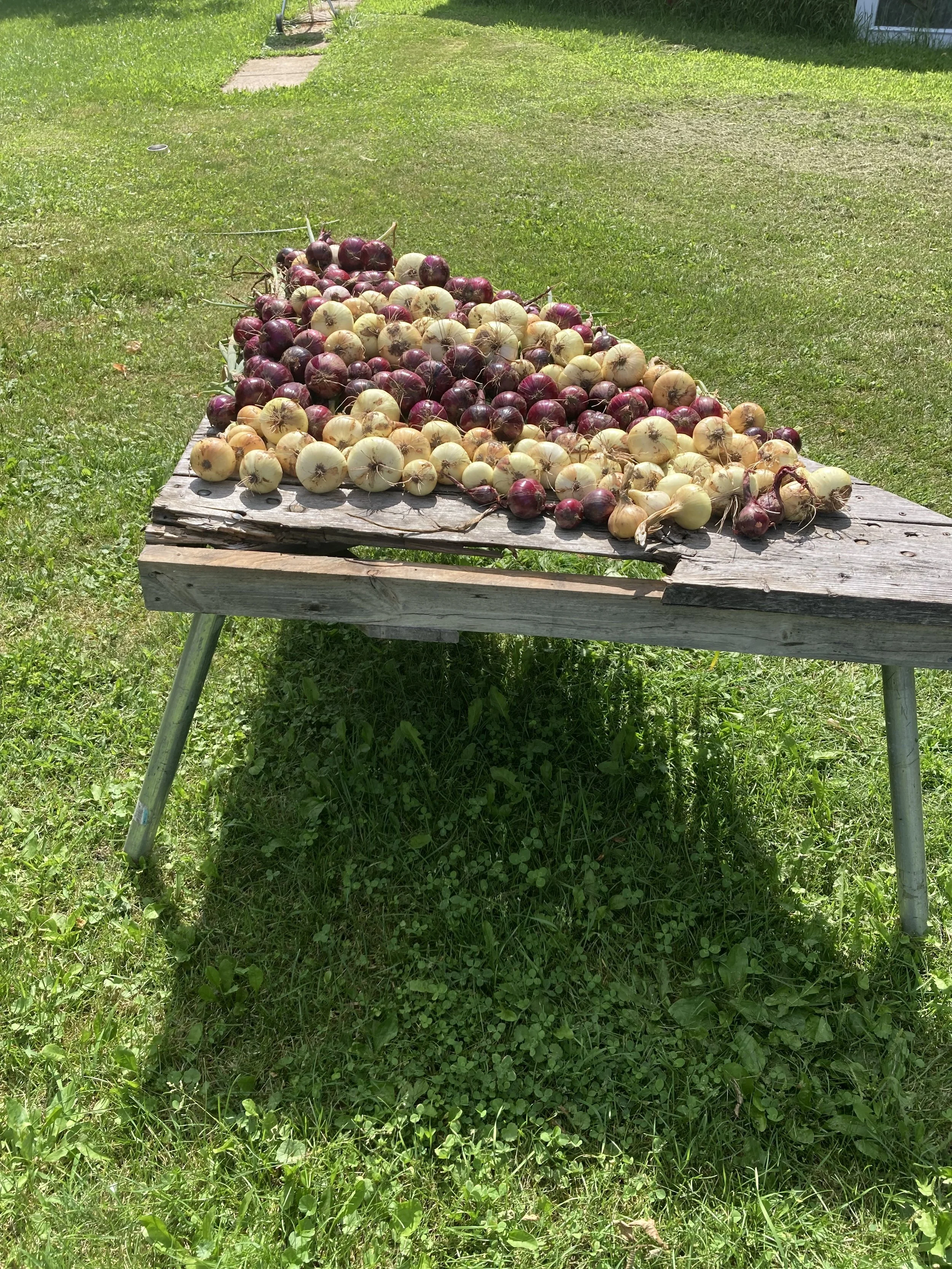
They covered our outdoor table space for a couple of (rainless) days.

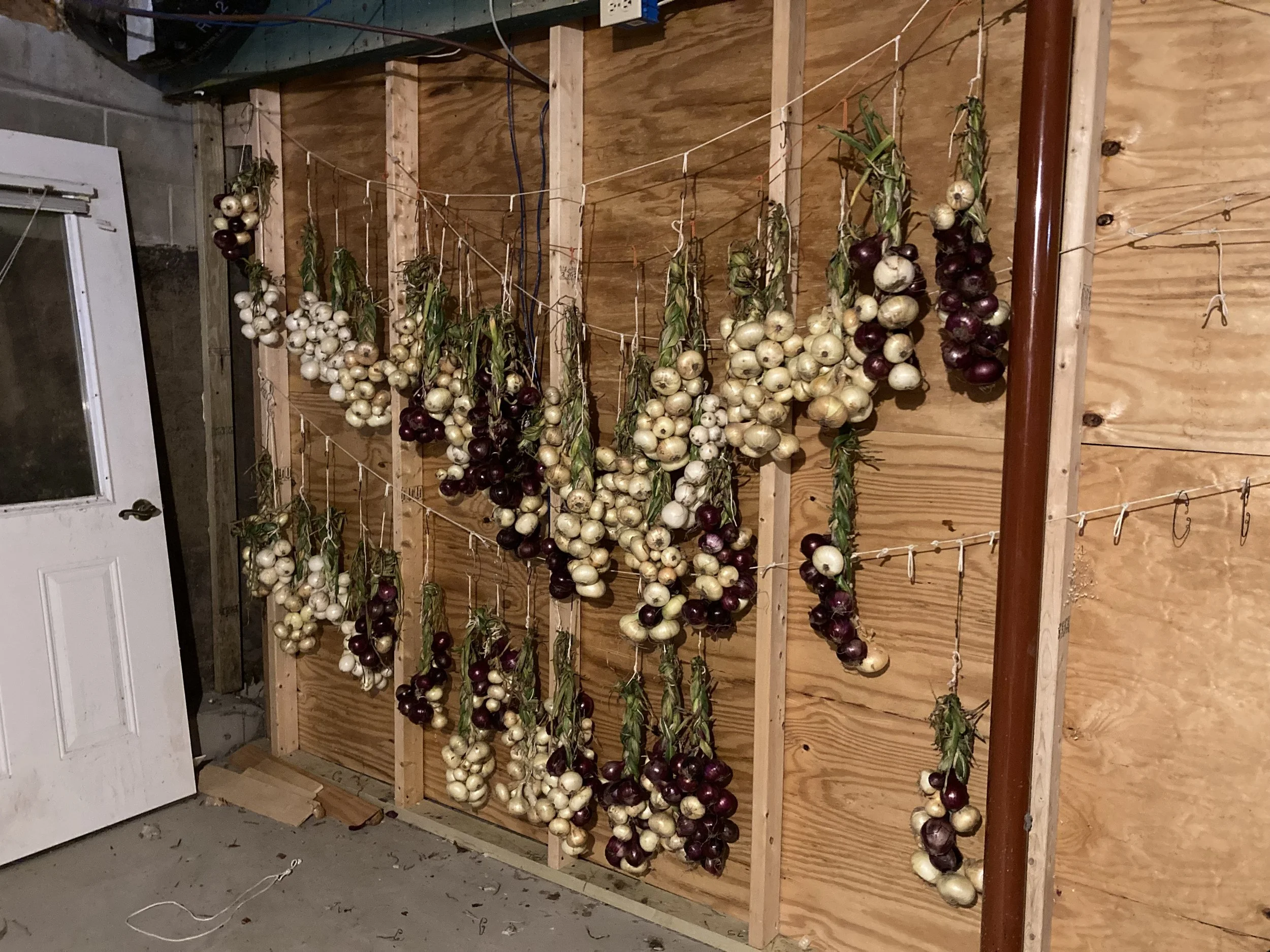
Michael helped me get them braided this year. The next day he wondered why his hands and arms ached. Braiding onions takes upper body strength! Again, sitting in the shade in the warmth, doing the rhythmic action of braiding, proved a meditative and calming type of exertion. Digging them out of the ground was a sweatier endeavor.

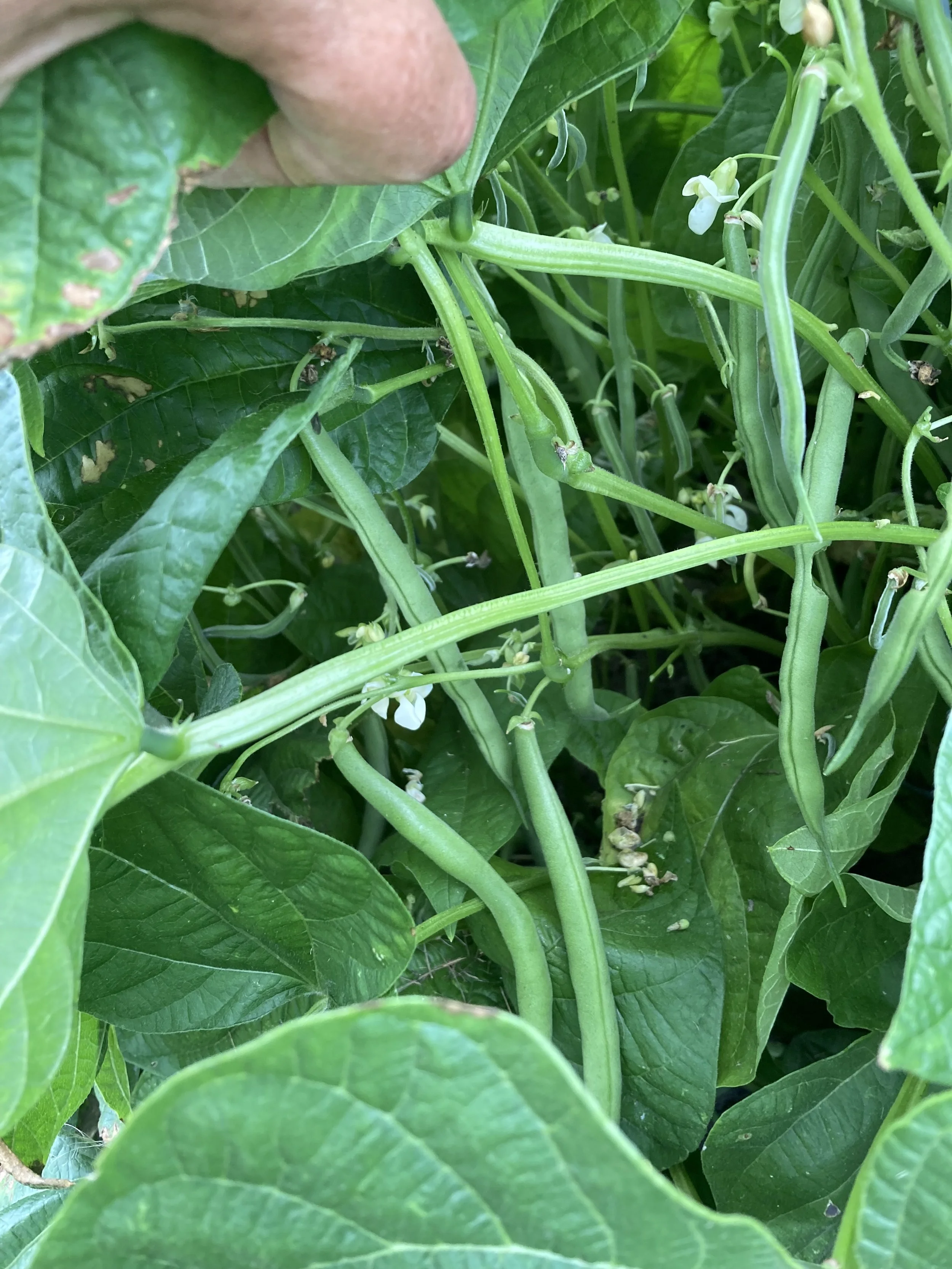
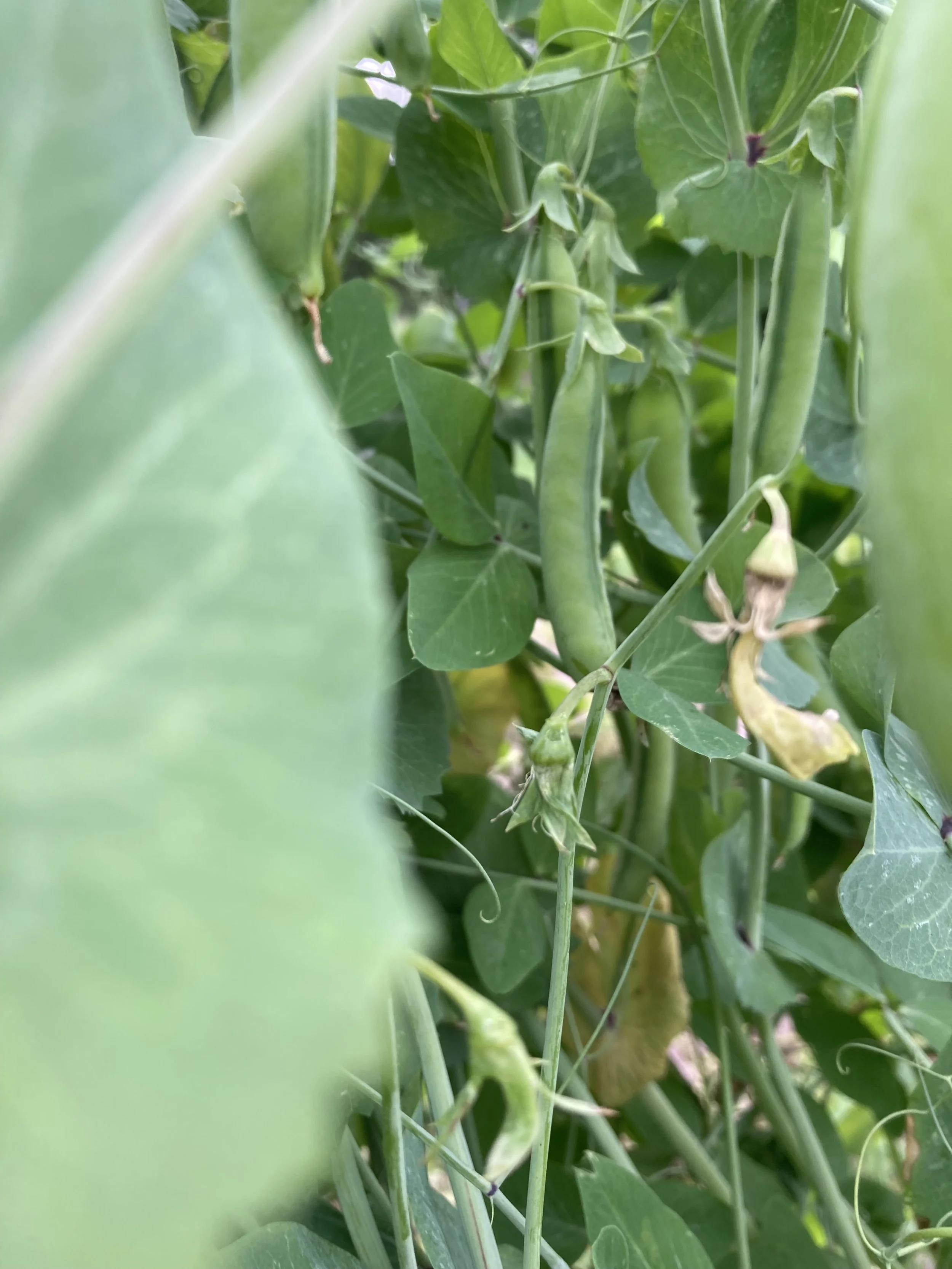
We’ve been picking green beans daily, along with peas. Shelling peas for dinner gives me an excuse to sit for a bit. I love peas. The beans are delicious, but don’t provide as much of an excuse to take a moment for another one of those rhythmic, meditative breaks.

We have been reducing our duck flock. They have finally feathered out from the last molt. It makes them easier to pluck, and also allows me to harvest the down. Some day (when I have a sewing room) I shall make a down comforter. If you harvest the duck before fully feathered, the down will still be partially encased in a quill, which create sharp points. Not good for laying next to your skin. I always regret when I am unable to save the down. I’d use their quack if I could!

It is never all work and no play here. My daughter came and made us lemon-thyme ice cream. She forgot to pack part of her ice cream maker (ah, the chaos of a 2 year old in the mix) so we improvised with a wooden spoon and an electric drill motor. Worked like a charm. Yum!

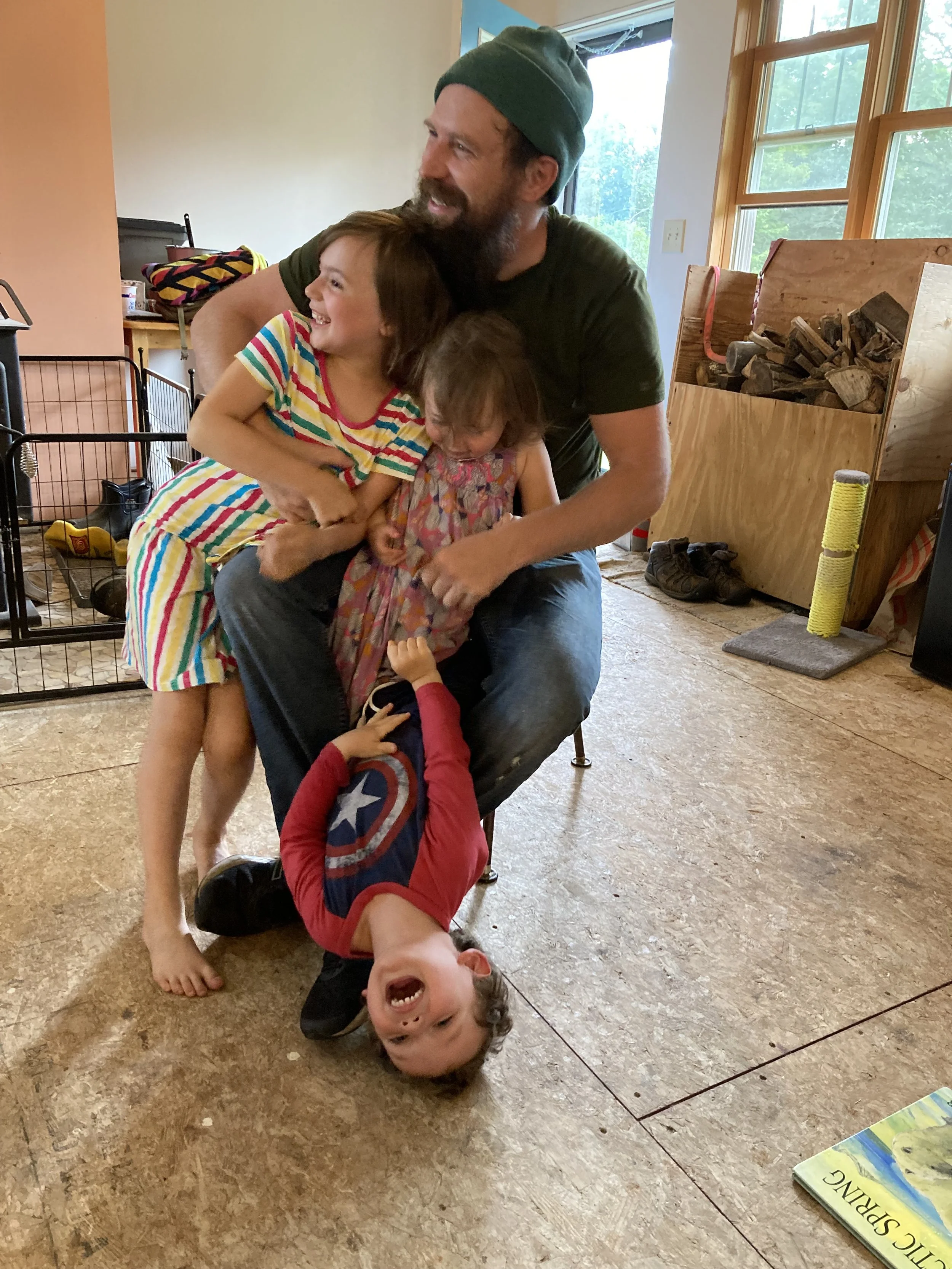
It’s wonderfully exhausting to have children in the house, everything happening in double time. A lovely counterpoint in the rhyme of life.

More ice cream (with raspberry jam sent by my brother!) at the end of today. Sweetness in his thoughtfulness for sending it; energy we sorely need.

Harvest journal: garlic, potatoes, onions, and other delights

Late July and the days grow shorter and warmer. Suddenly, the root plants die back and it is time to get them out of the ground.

We grow four varieties of garlic: two hard neck and two soft neck. The “neck” refers to the stems. These are River Giant, and they loved the weather this year! Only a few tried to bolt (creating a hard neck in a soft neck variety), so I was able to braid them easily. I will bundle the hard necks. All will go down into the basement, where it is dry, cool, and dark. We are just finishing off last year’s garlic, which means we planted enough, but not too much. The soft necks tend to last longer than the hard neck varieties, as the paper around each clove clings tighter, protecting them from dehydration.

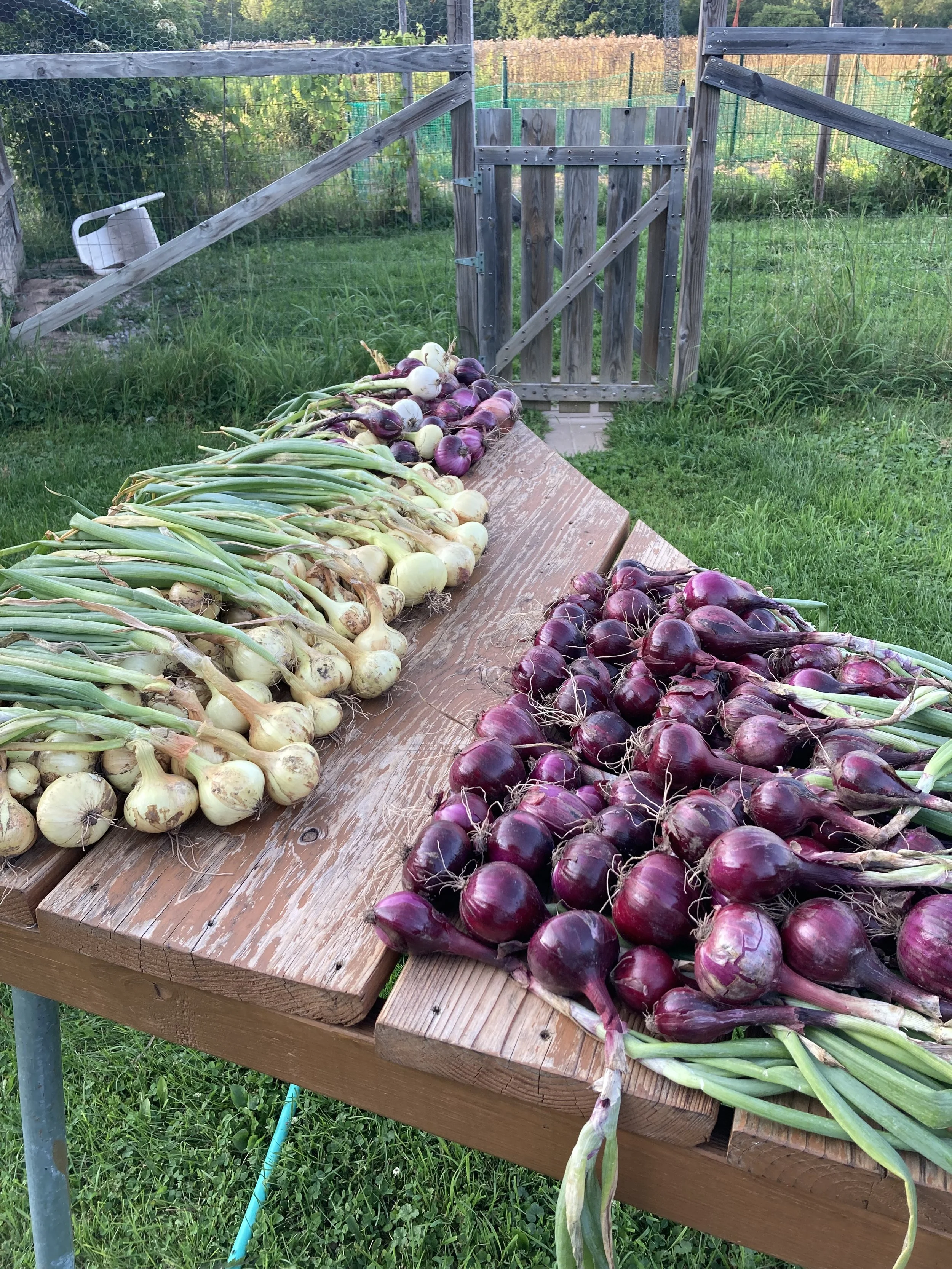
The red onions are so jewel-like as they come out of the ground. We rub as much dirt off as possible right away, as they are almost impossible to clean if the dirt dries on. When we first grew onions we washed them in water. The onions rotted. They need to be kept as dry as possible if they are to last all winter.

We spread them on tables until the tops are mostly dried. Then I braid them and into the basement they go. We ran out of onions in May. Shortly thereafter, the new crop grew large enough to steal green onion tops. We bought onions from the store twice. It reminded us why we grow our own.

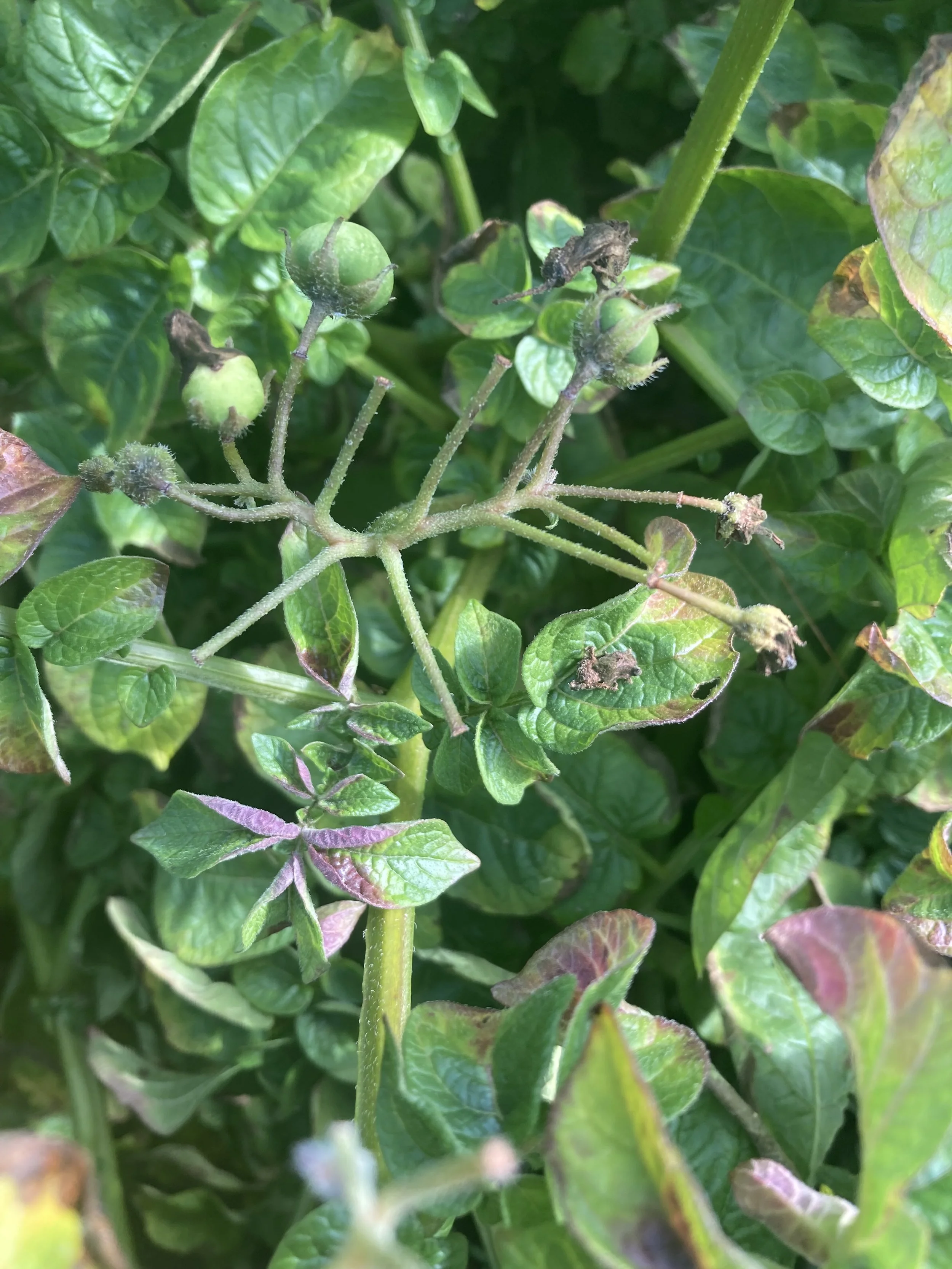
These little tomato-y looking fellers are potato fruit. I found them about a month ago. You can see the leaves beginning to turn brown on the ends. They are very shriveled now.

The russets ripened first. Michael digs them, washes them, dries them in the sun, and then spreads them out on cardboard in the basement with a fan blowing over them. After a week of drying, they get packed in cardboard boxes with newspapers tucked around them. They last longer in the dark. We bought store potatoes twice, and then swore off. Seasonal eating, it’s what we do more and more.

We harvested the last four broilers on July 18th. They averaged 10 pounds each. It was almost as much work getting them into the freezer as it was processing 10 chickens weighing 4 pounds each. We have started harvesting ducks too. However, they are still feathering out after the molt, which makes plucking them very labor intensive. We will give them another week before trying this again.

We work in the early mornings while it is still cool. Keeps the birds fresh as we clean them and the insects at bay.

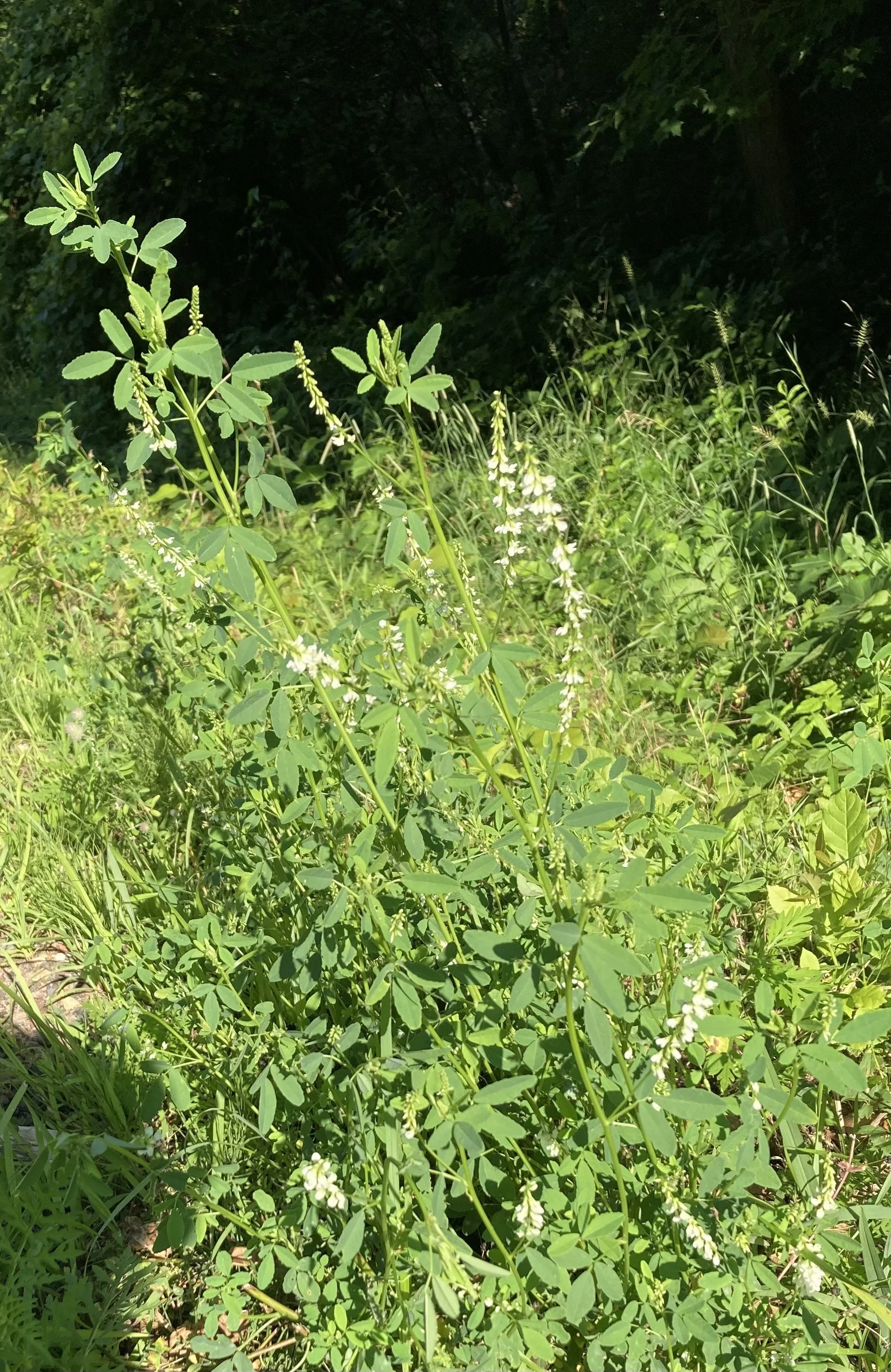
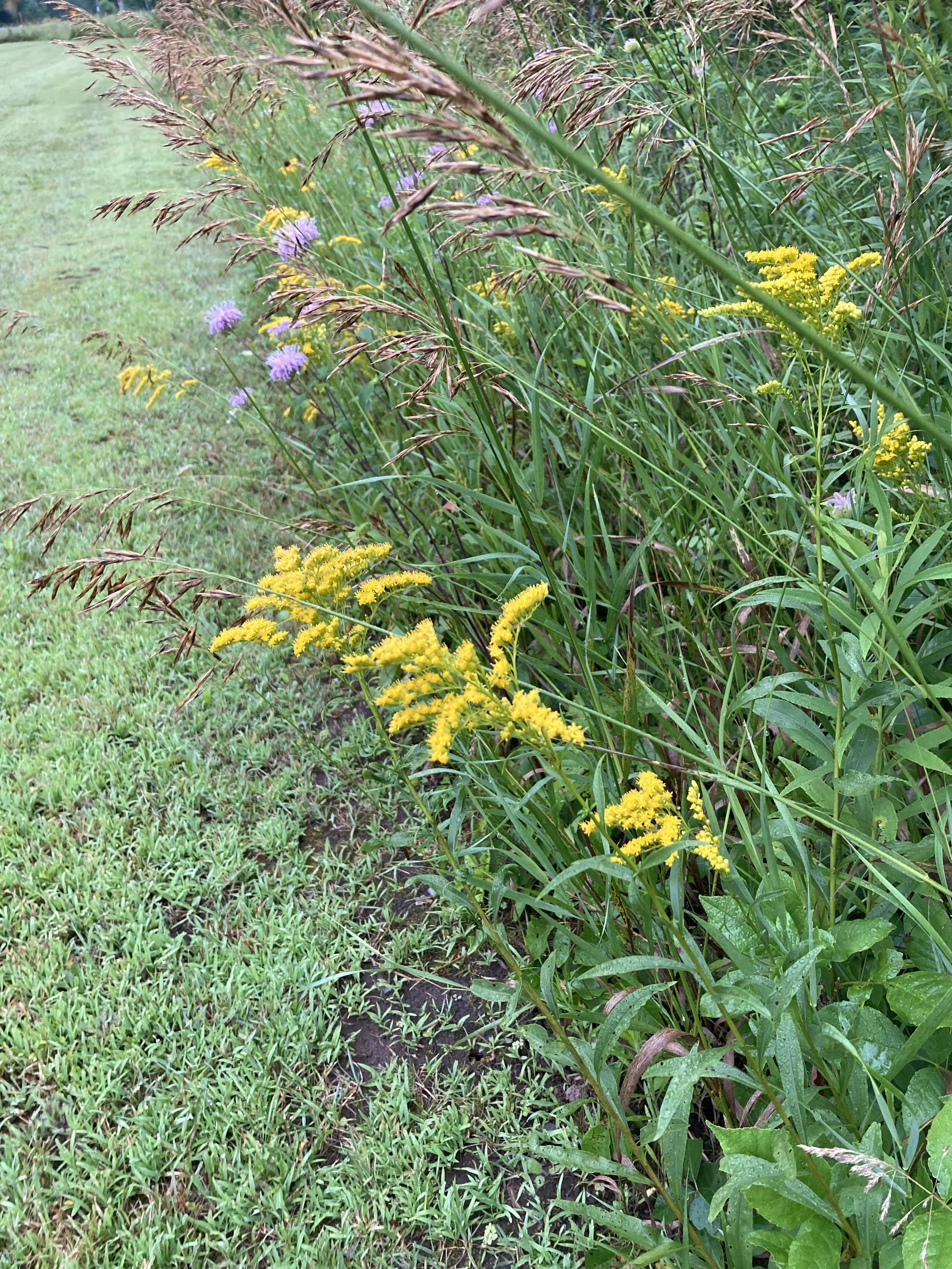
The sweet clover, goldenrod and black eyed susans appeared in mid-July.

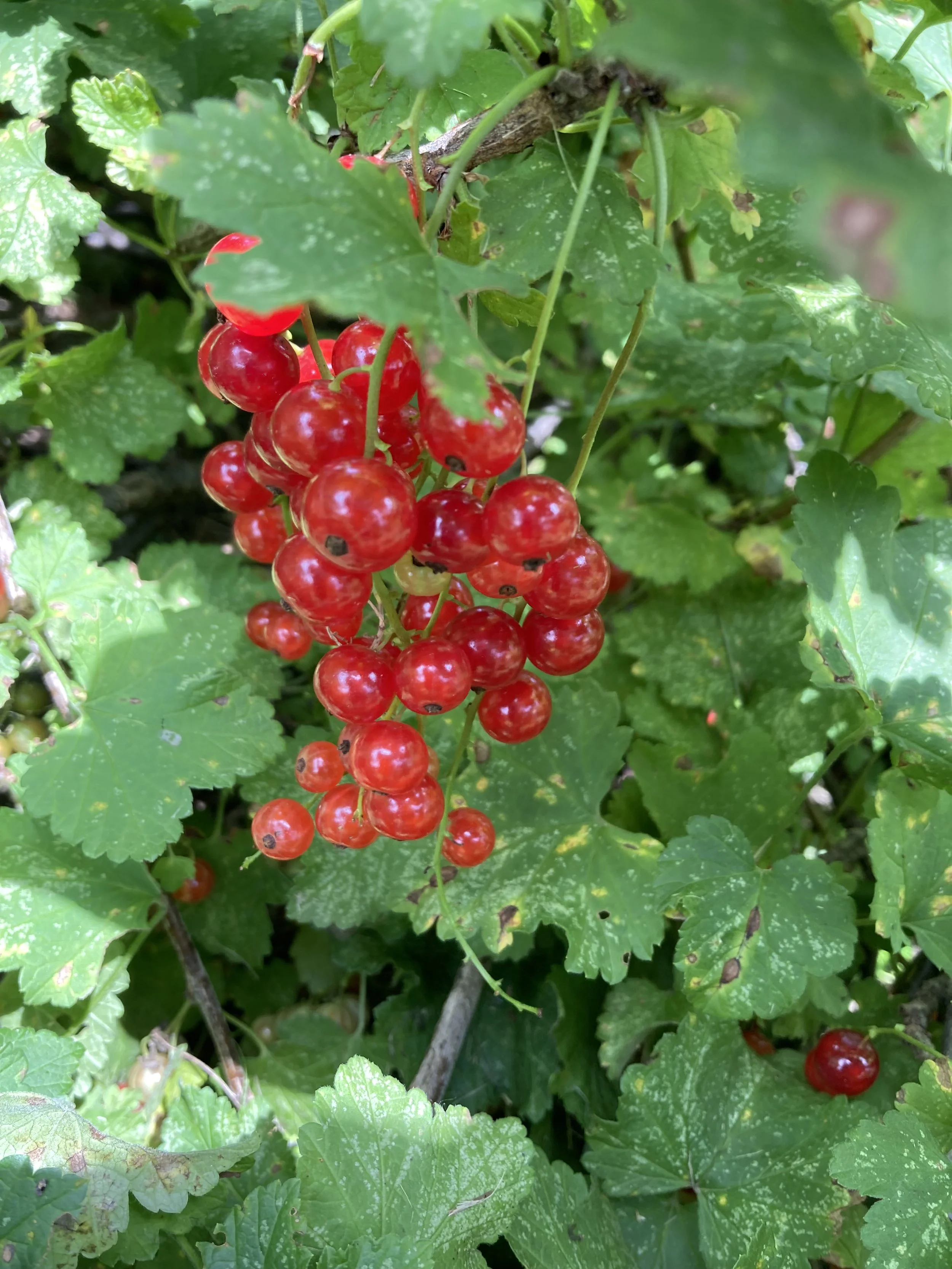
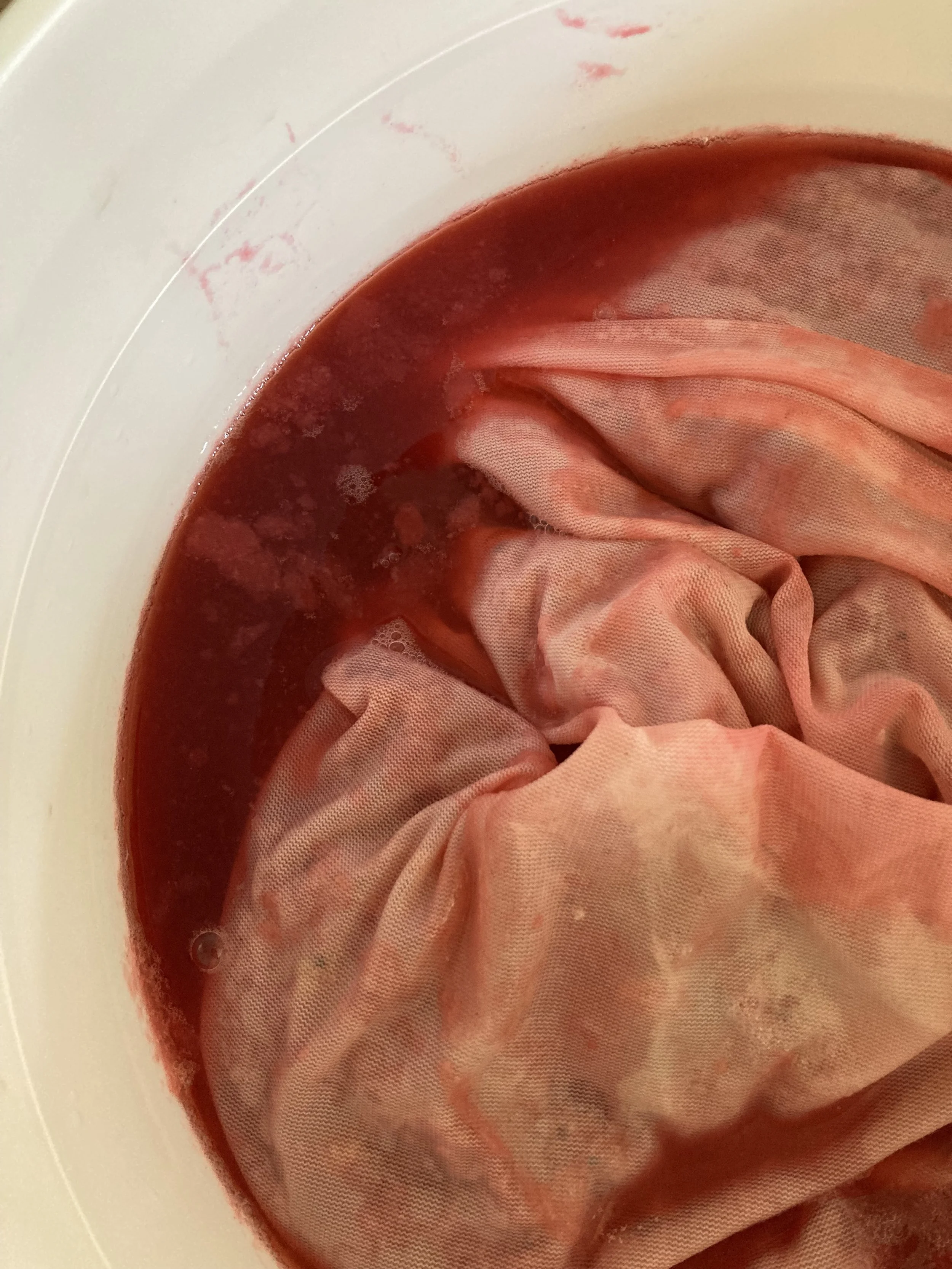
At about the same time we picked all the red currants and started a batch of wine. We should have gathered the black currants at the same time, but we got chased in by the weather.

Big lightening accompanied this rain. Safer to be indoors! I raced inside with my bowl of currants.

I gathered about 3 cups of black currants and made 3 cups of jam. You know I love you if you ever get any black currant jam!

Hot weather. We will have tomatoes soon. No wine and roses. These are days for milkweed and beer!

Thank you Nancy and Diane for coming to share our bounty!

Season journal: flowers!

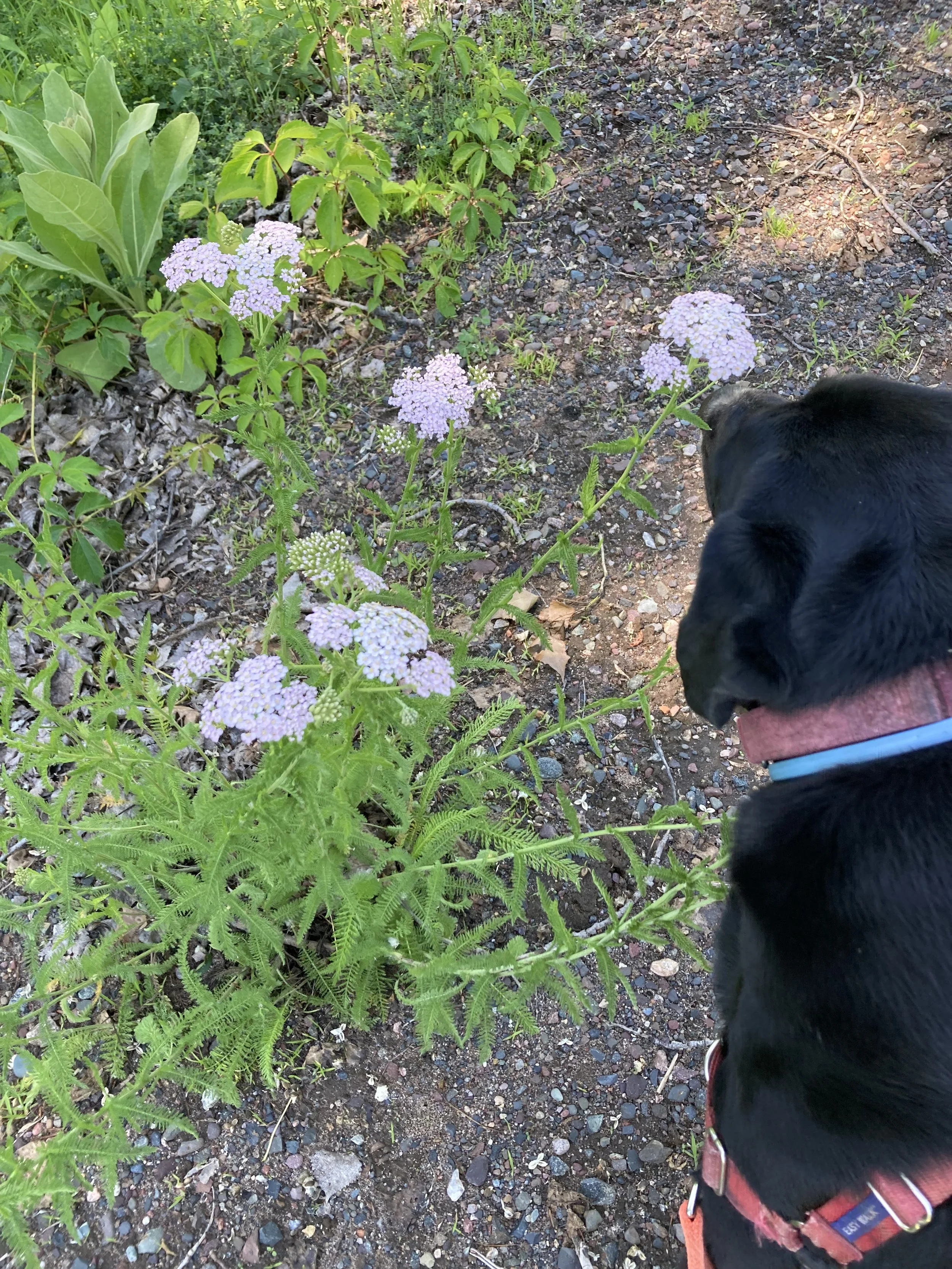
Pink yarrow! Who knew? It’s usually white!

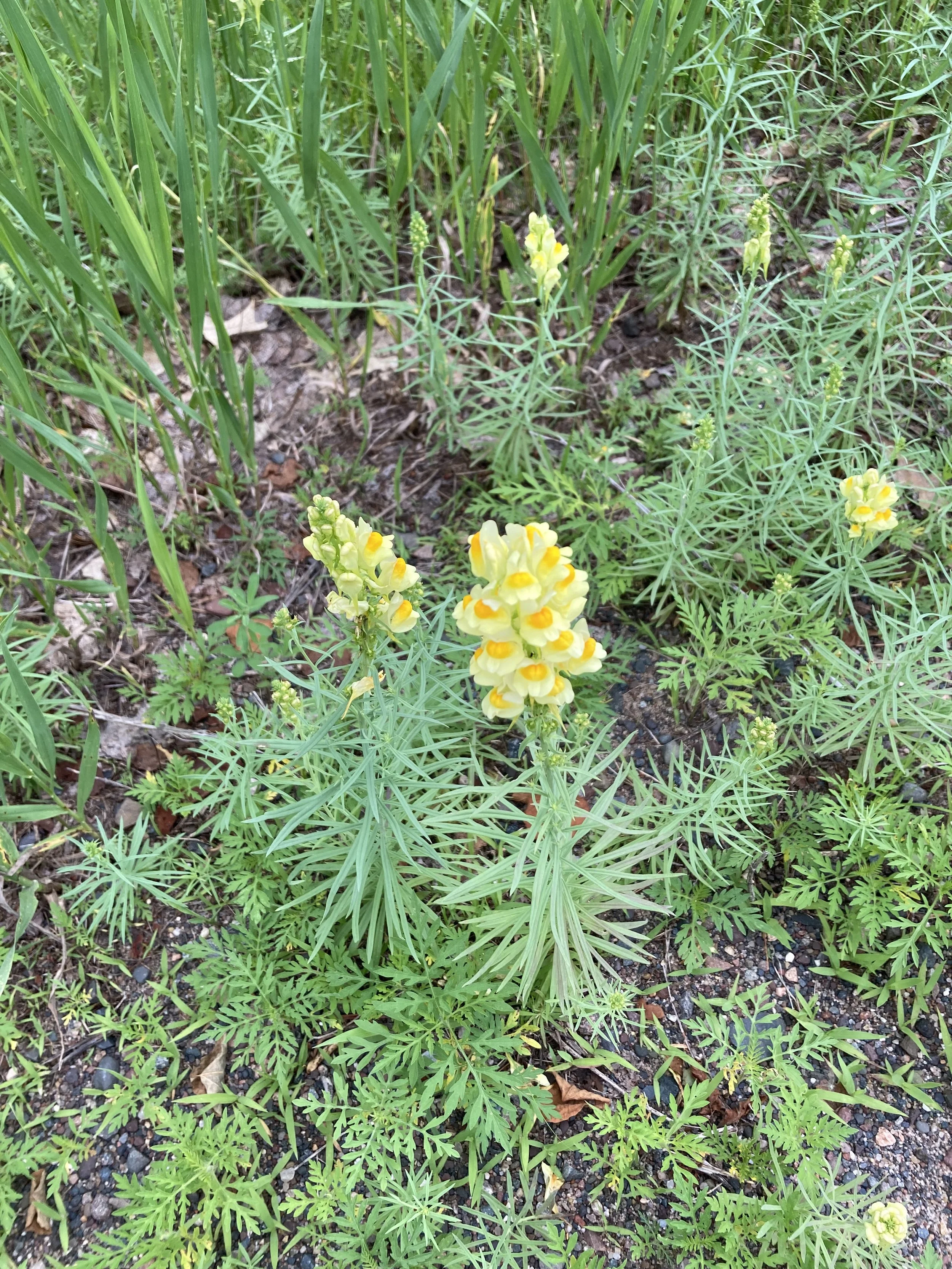
Michael calls this “Butter and eggs”. My flower finder calls it Toadflax. It looks like a tiny snapdragon. I love snapdragons! They magically appeared the beginning of June and will be some of the last flowers of fall.

Marsh Woundwort. It has square stems and so I think of it as a non-fragrant mint.

The peonies smell light and sweet.

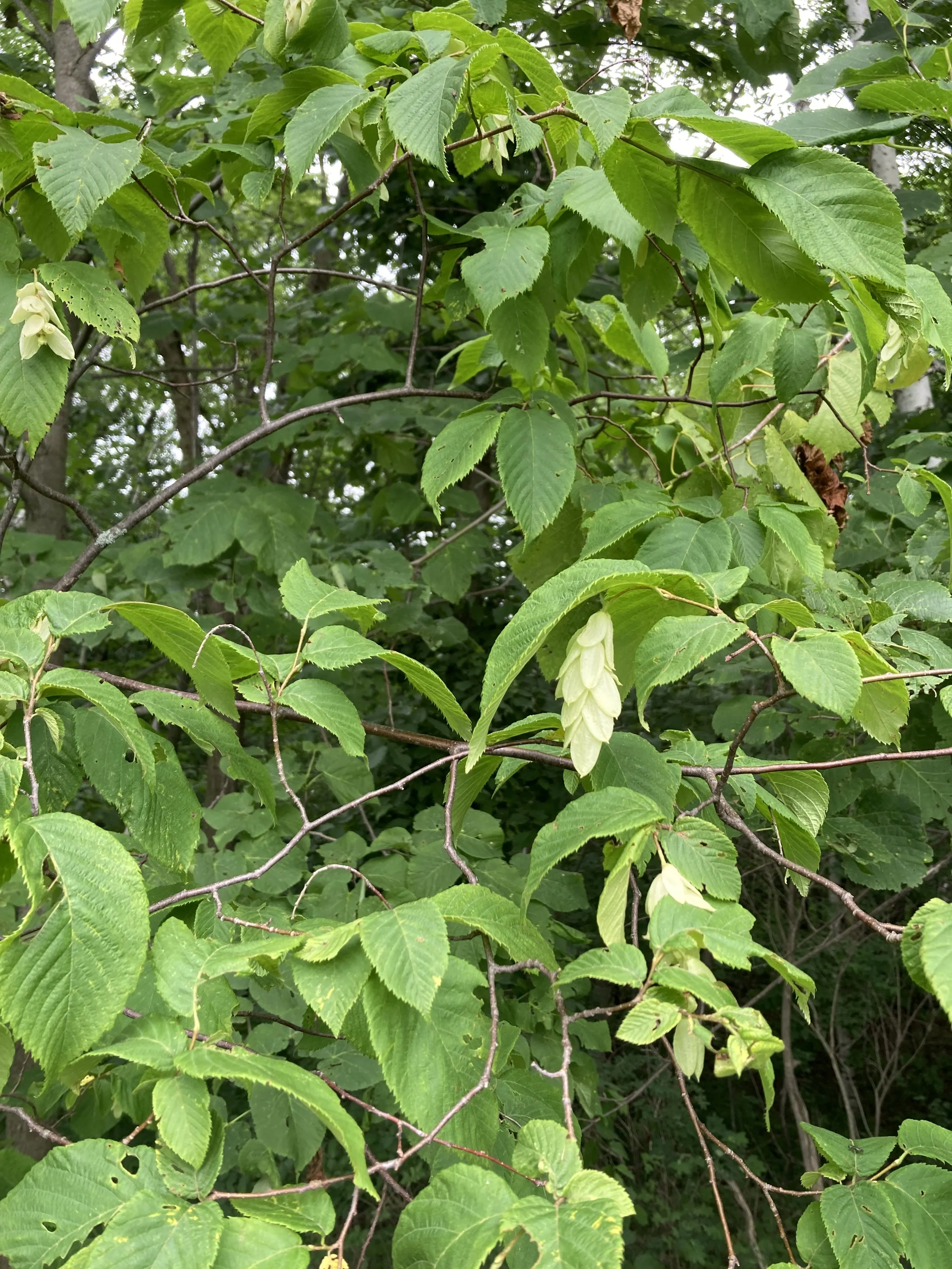
The Hop-Hornbeam is in full flower. A relative of a birch, it has very hard wood.

The hop clover grows everywhere.

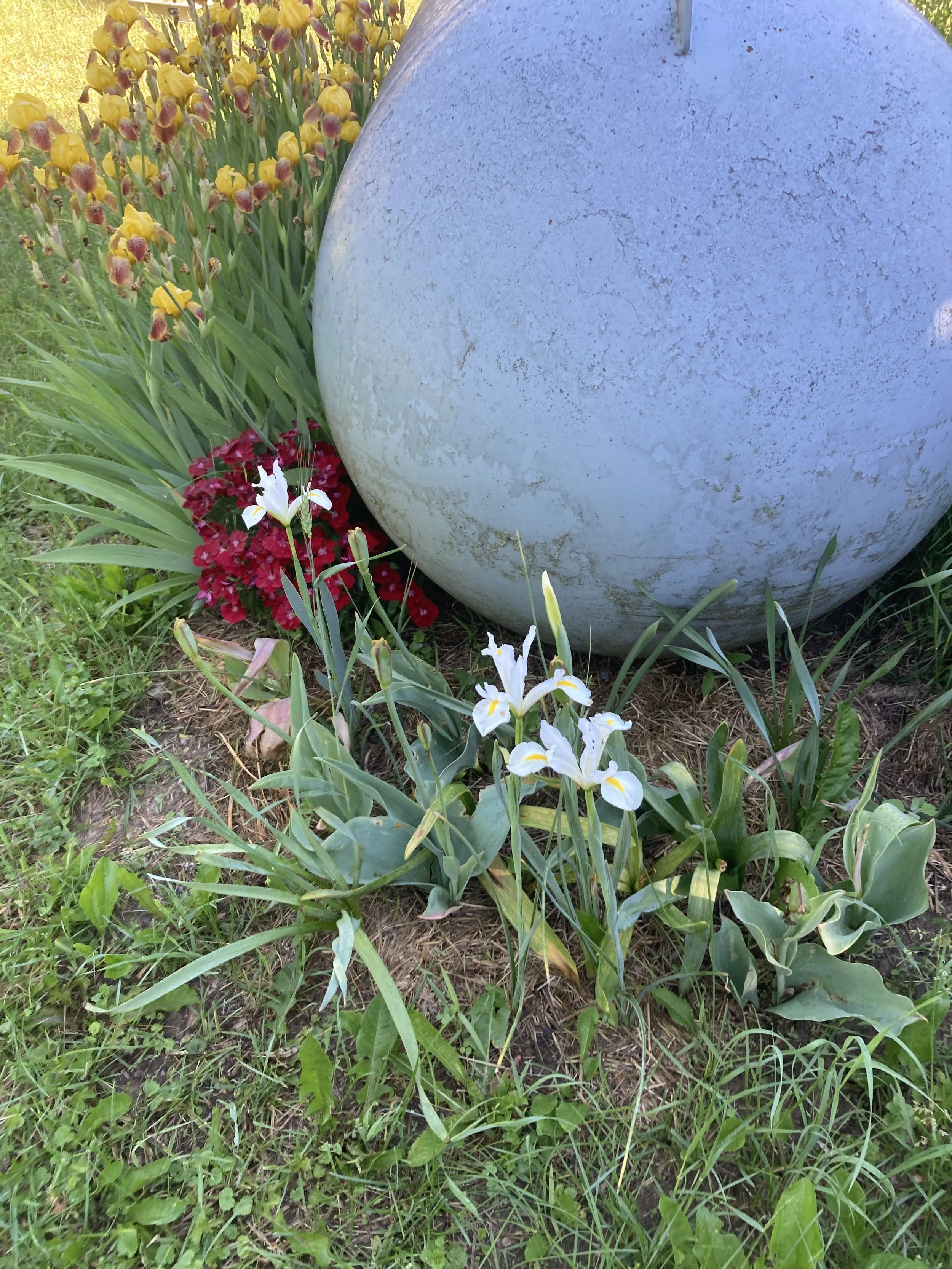
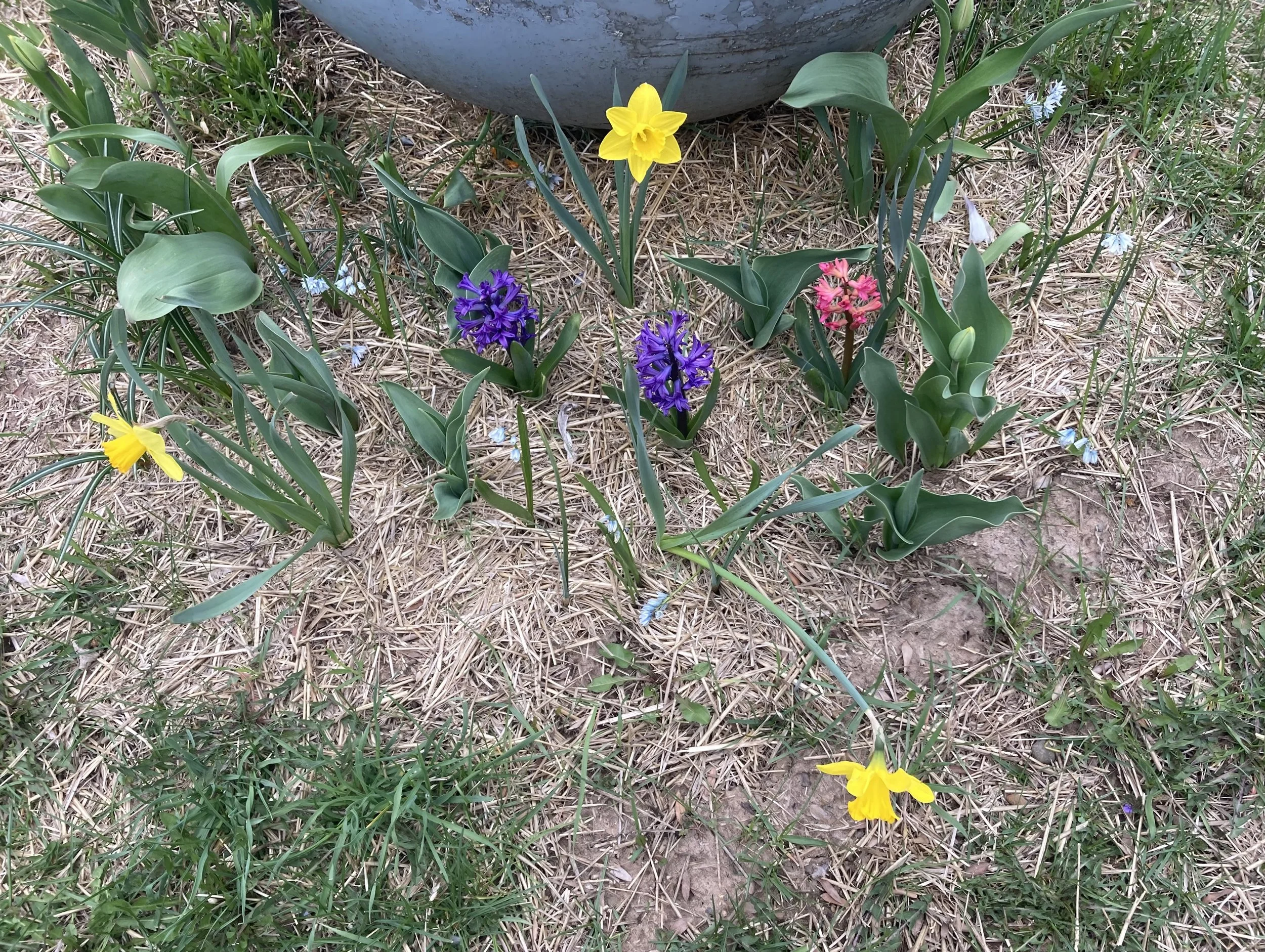
I planted a lot of bulbs last fall and then forgot what was there. Such a lovely surprise to have some late bloomers!

The garlic blossoms, aka scapes, need to be gathered, sautéed in olive oil and tossed with pasta.

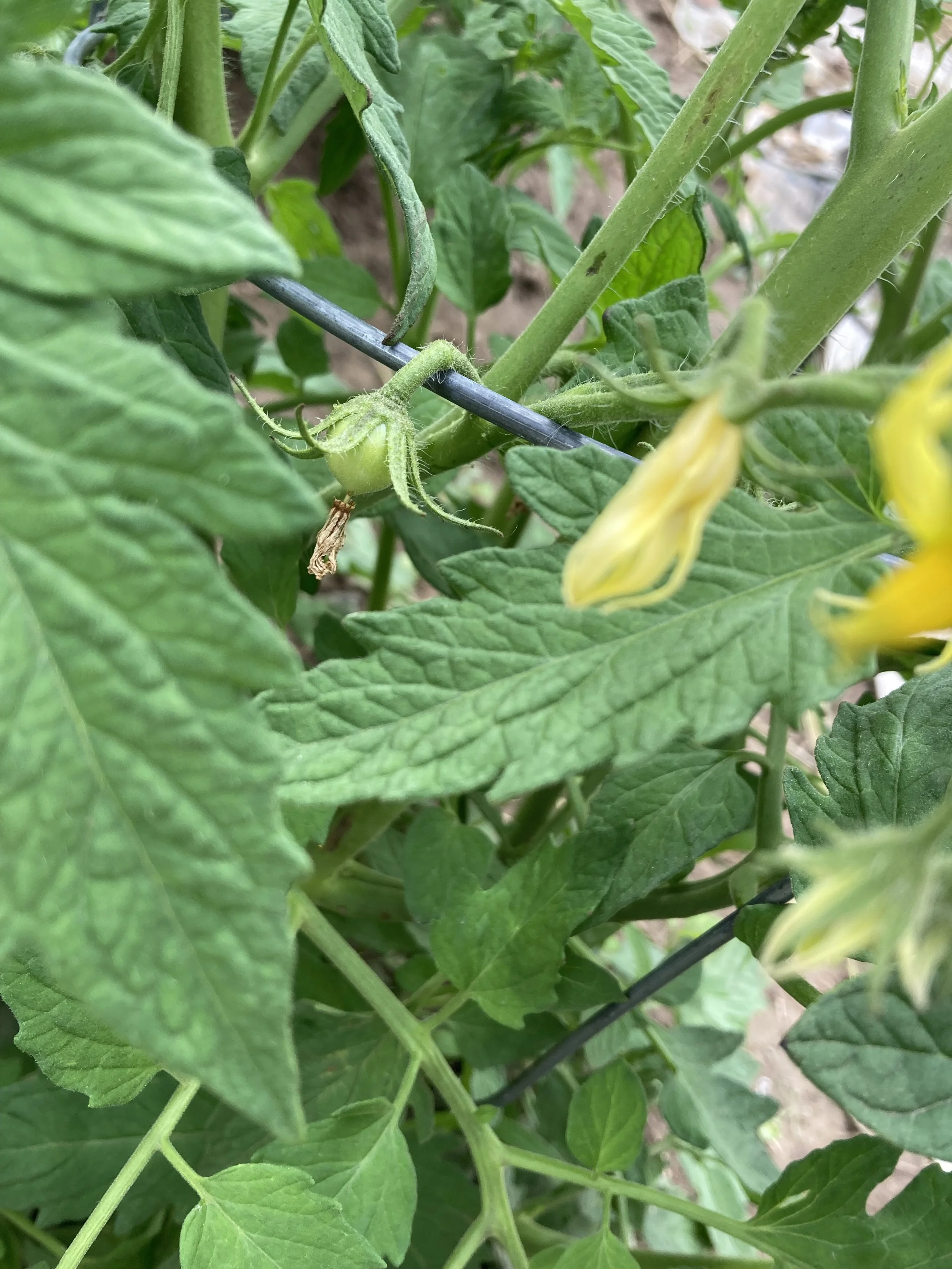
I greedily watch the tomatoes.

My first daylily burst forth today.

The elders are “blowing,” which is what we call its blossoms. The elder blow wine we made last year finally came into its own and has a complex, slightly bitter but floral flavor. It grows on you.

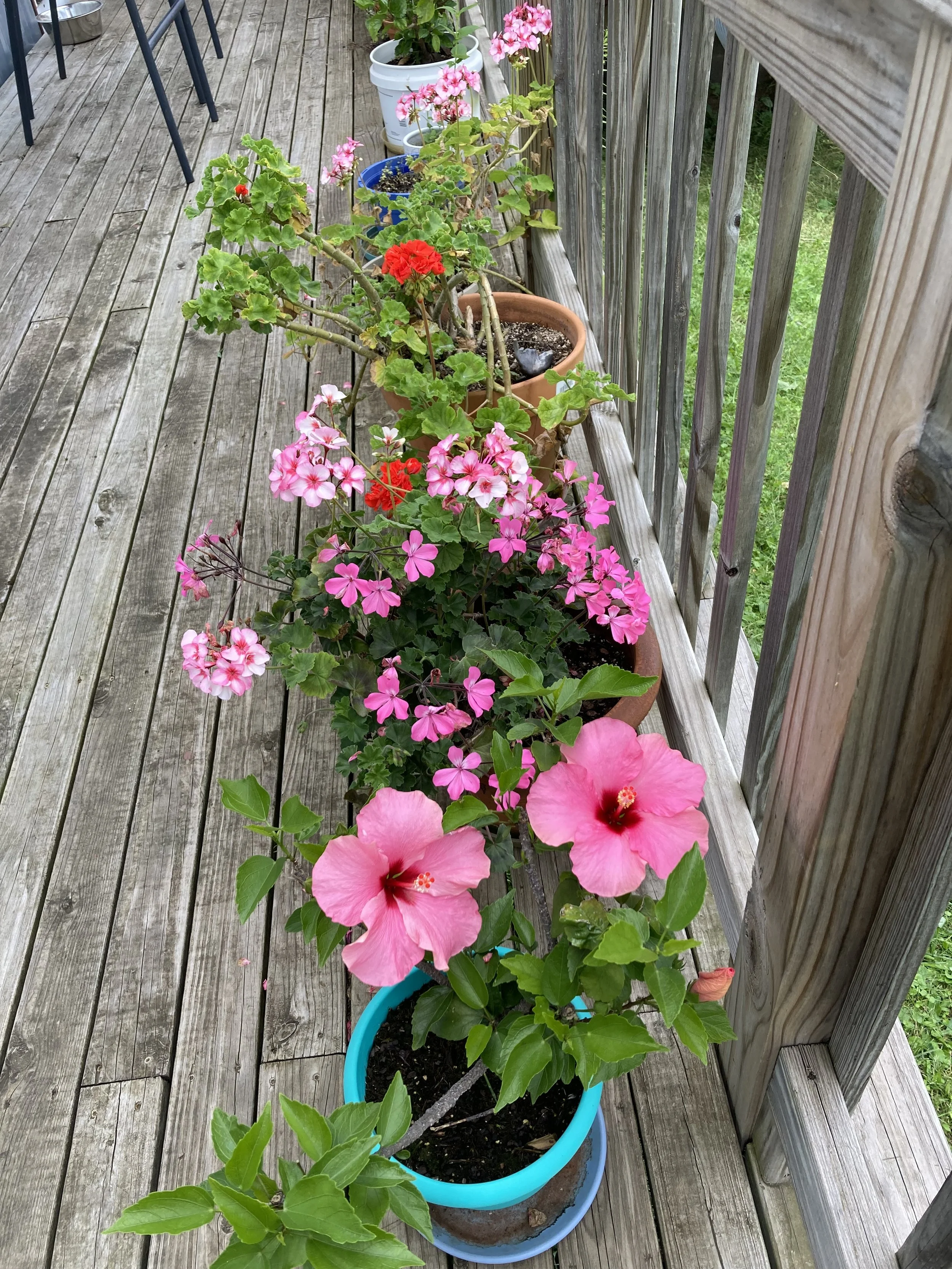
The Johnny Jump Ups and marigolds brighten the deck.

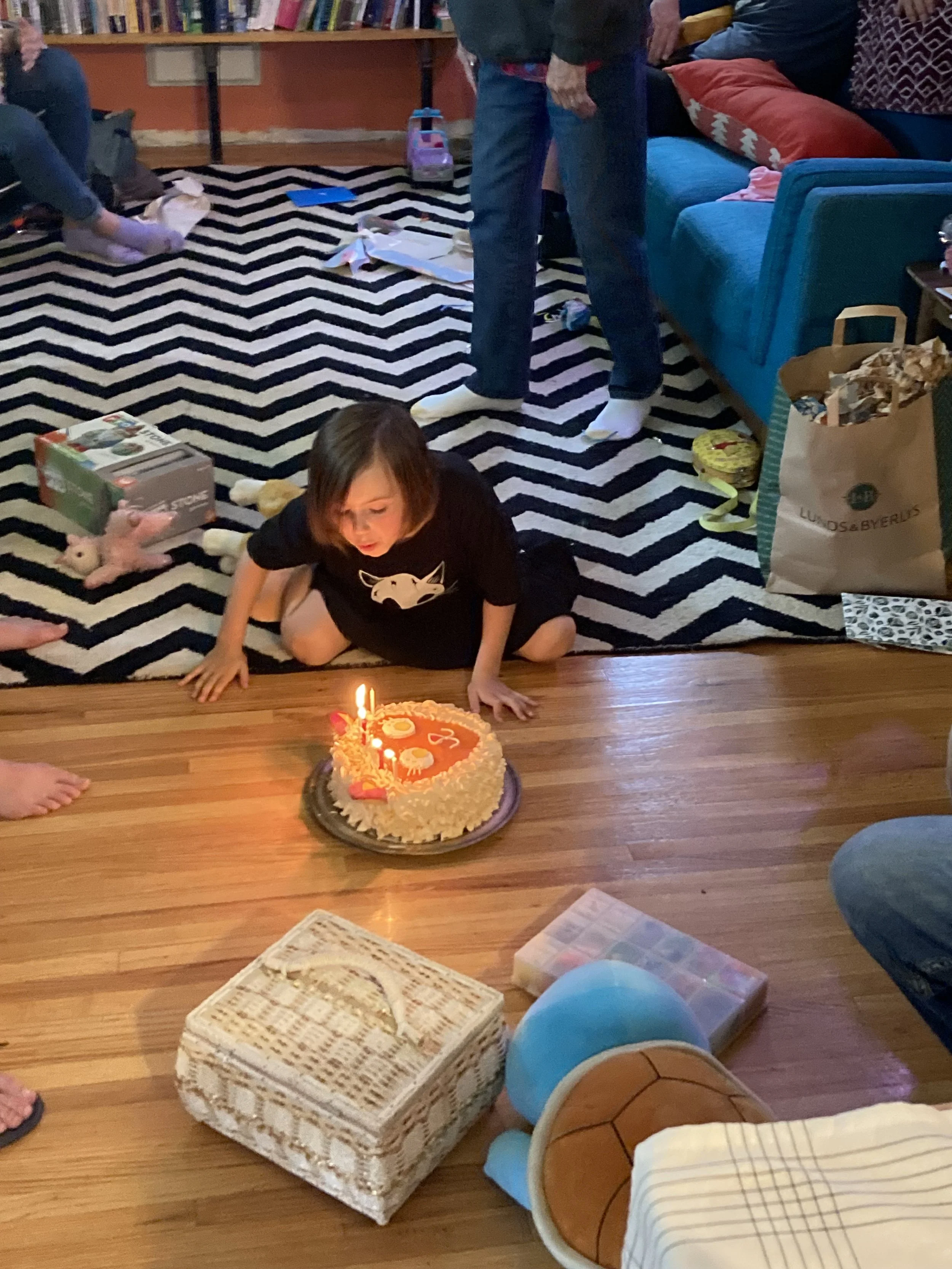
But they cannot hold a candle to this wonderful child. Happy Birthday Grand Girl!

Harvest journal: 82.5 pounds

In two days. 20 broilers. 2 girls.

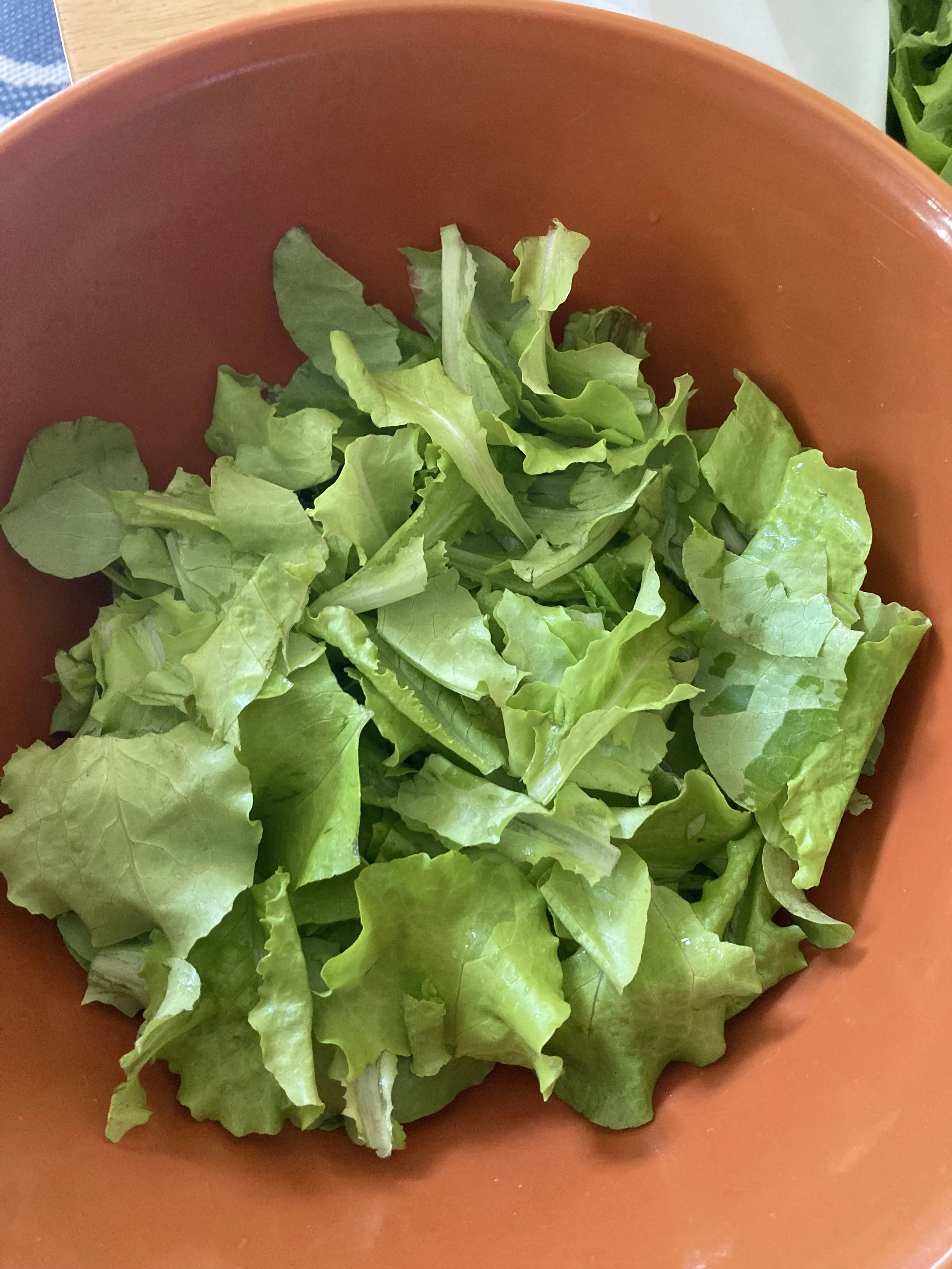
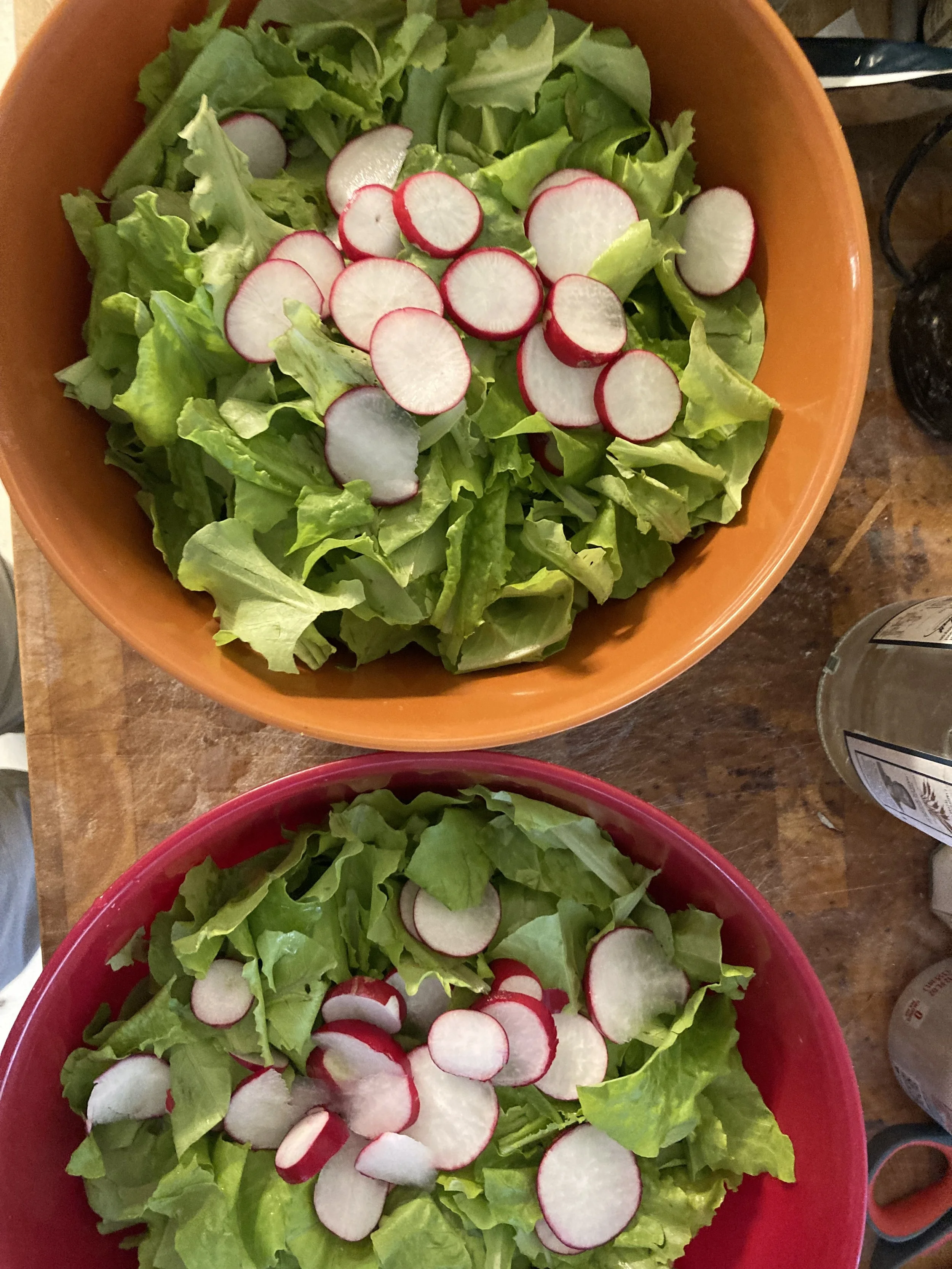
These are “buffer” photos for those who would prefer not to see the blood involved in transferring chicken from pasture to freezer. We did have our first salads this past weekend. Amazingly yum.

We love our chickens. We both carry them down to the “lick log.” I create the kill sack. Michael beheads them. We started early in the morning Saturday, racing rain.

We had all chickens hanging and started the plucking/gutting process both Saturday and Sunday before our children arrived. Sunday we tried to beat the heat (and flies). Successfully.

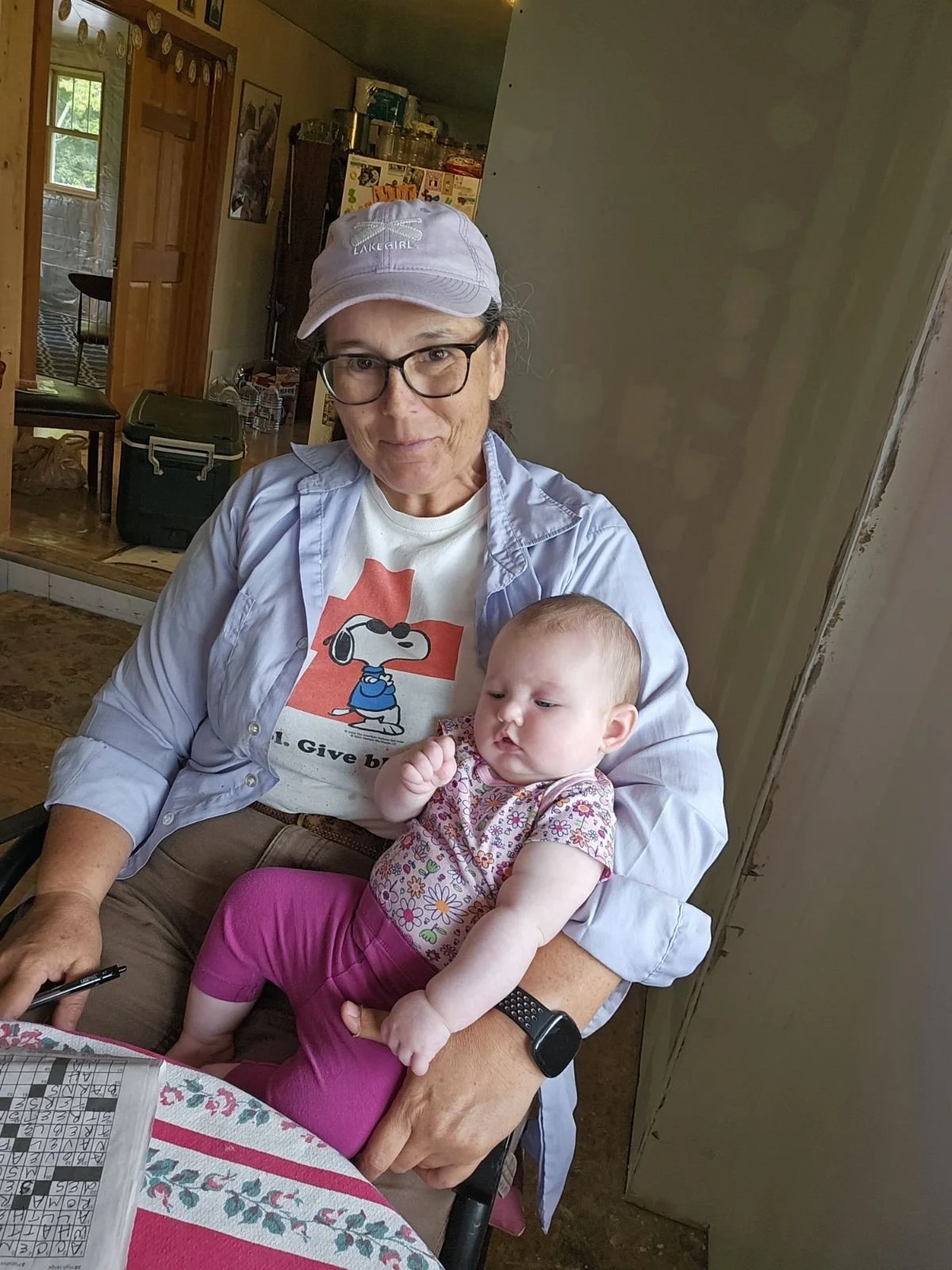
Saturday the only Grand in attendance was the one dependent on her mama for sustenance. I got to introduce her to the Cresap mania for word puzzles between outside and inside processes. Always good to rest a bit between times.

They are beautiful: excellent at transforming feed to protein while still keeping their individuality. We love our birds.

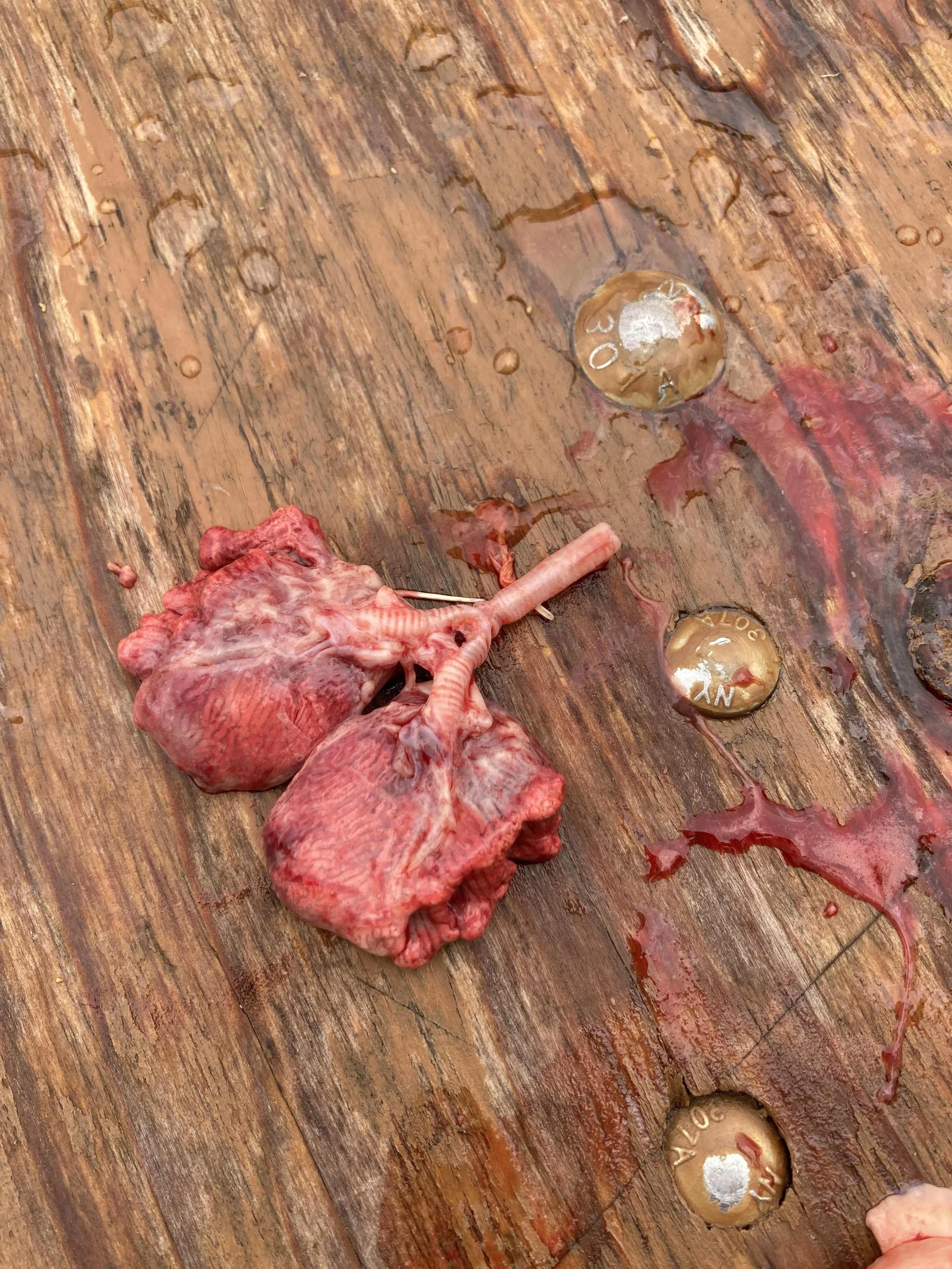
Chickens breathe without benefit of a diaphragm. Their lungs are attached to their ribs instead. It makes removing them from the carcass a challenge. Amazing to have such perfect specimens. Marvelous!

This is what 40 pounds of chicken parts look like. Those are soup bones in the far bowl. The extra 2+ pounds were from hearts and gizzards (for making sausages) and livers (which neither of our girls like).

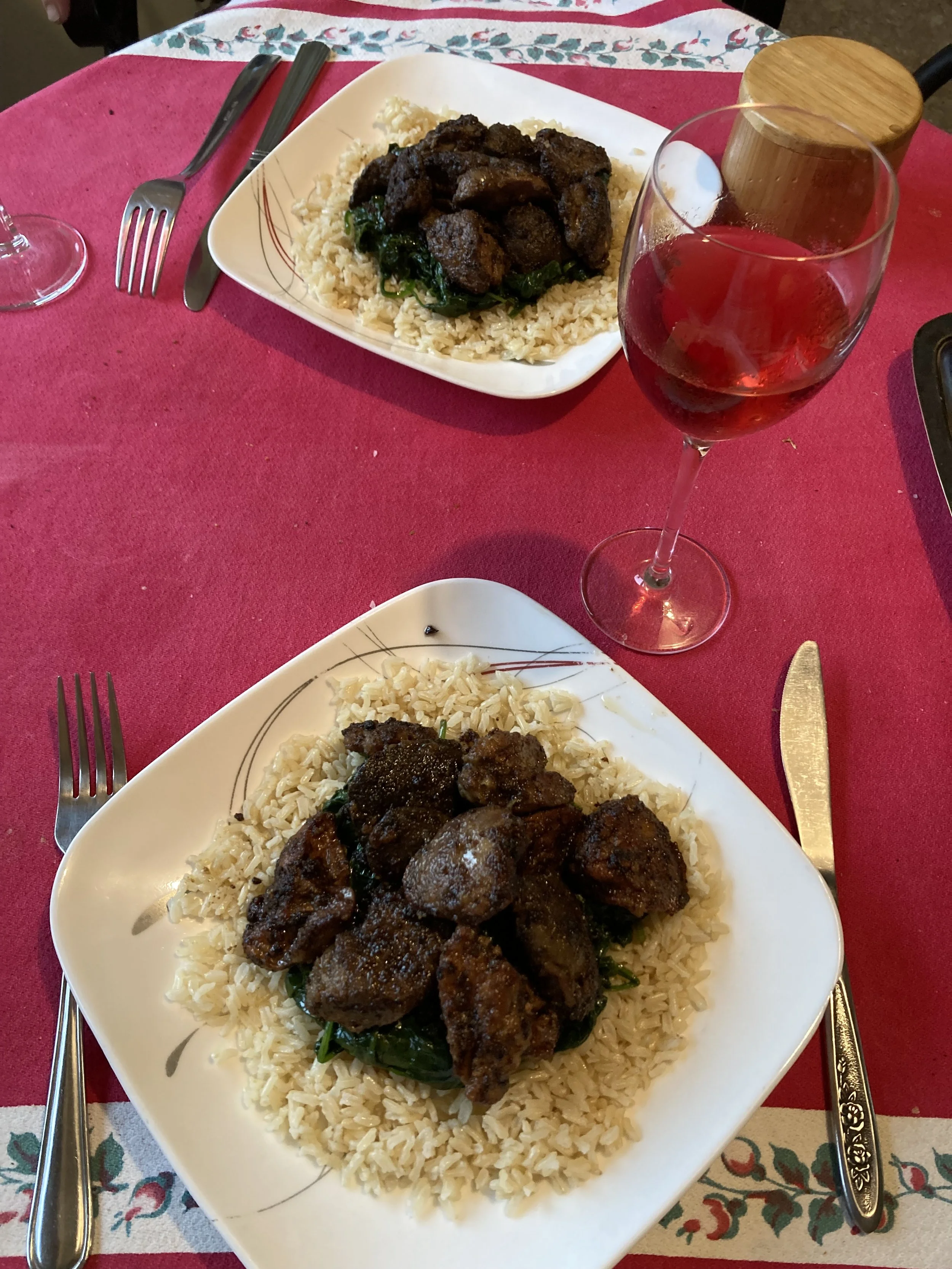
But we do! We have 14 more broilers to do in. We will package 10 soonish, letting the smaller ones grow a bit while it rains. We got an inch today. More rain due tomorrow. Four will grow up to the ten pound range, graciously providing holiday dinners. We have some Speckled Sussex to process as well. They will weigh half as much in twice the time, but will be delicious in a slow food kind of way. We love our birds.

Garden journal: producing produce

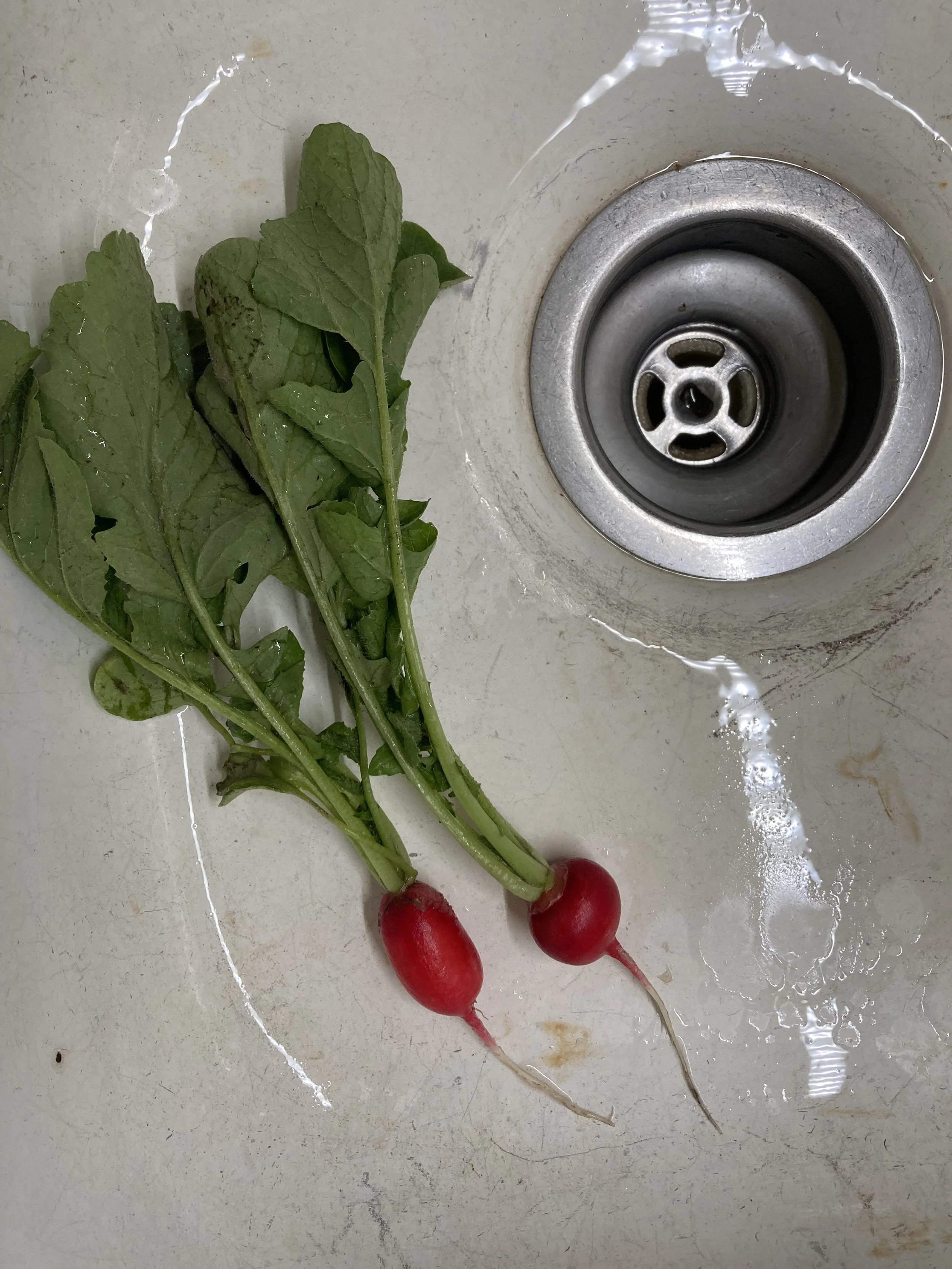
Our first radishes: Thursday June 6. Crisp and mild, they have benefited from the near-constant rain we have received.

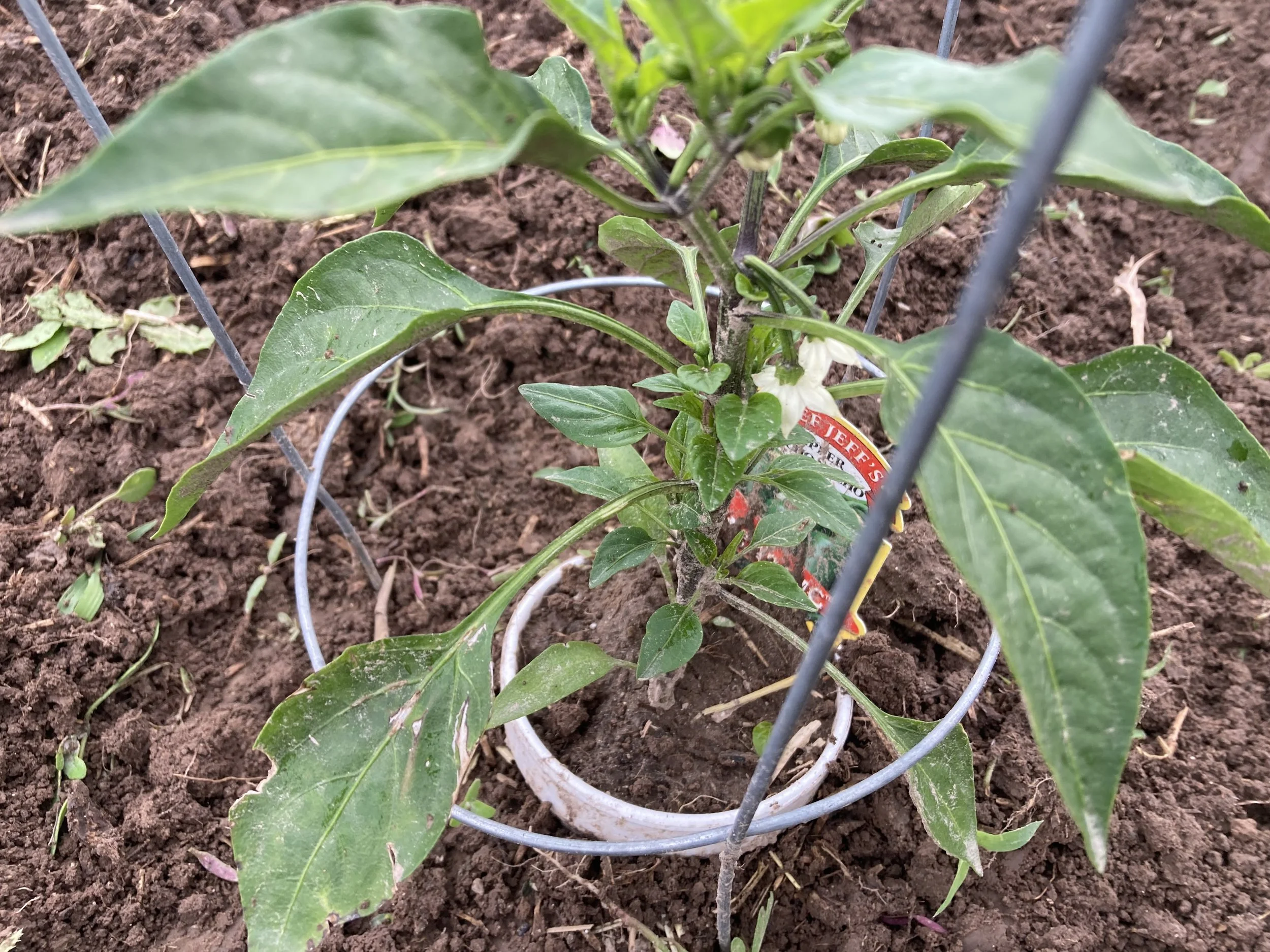
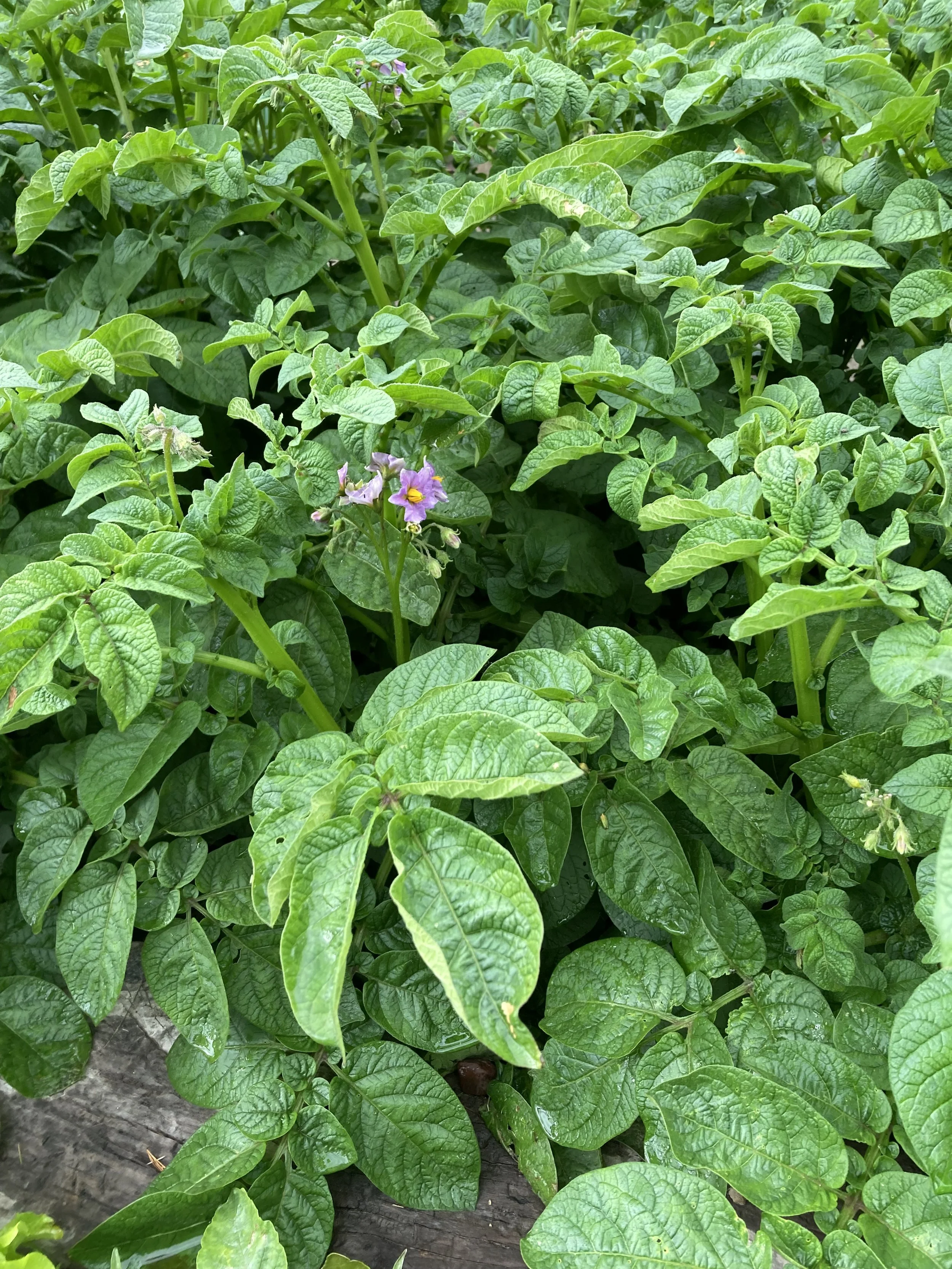
Peppers, tomatoes and potatoes are abloom.

As are the potato beetles. Organic potatoes means squishing them. One. By. One.

My eggplant starts are almost large enough to plant.

Unfortunately, the eggplant garden needs some work.

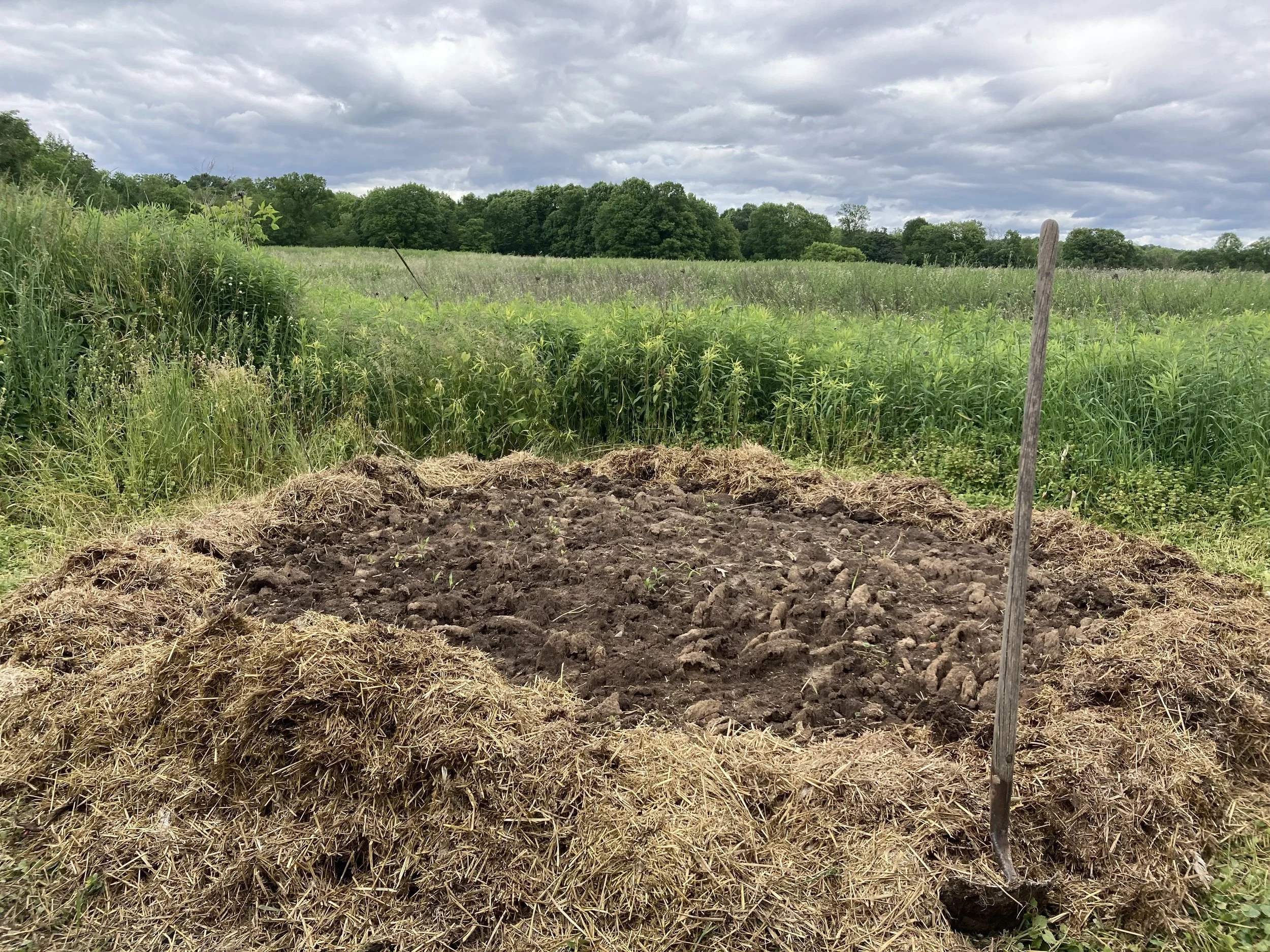
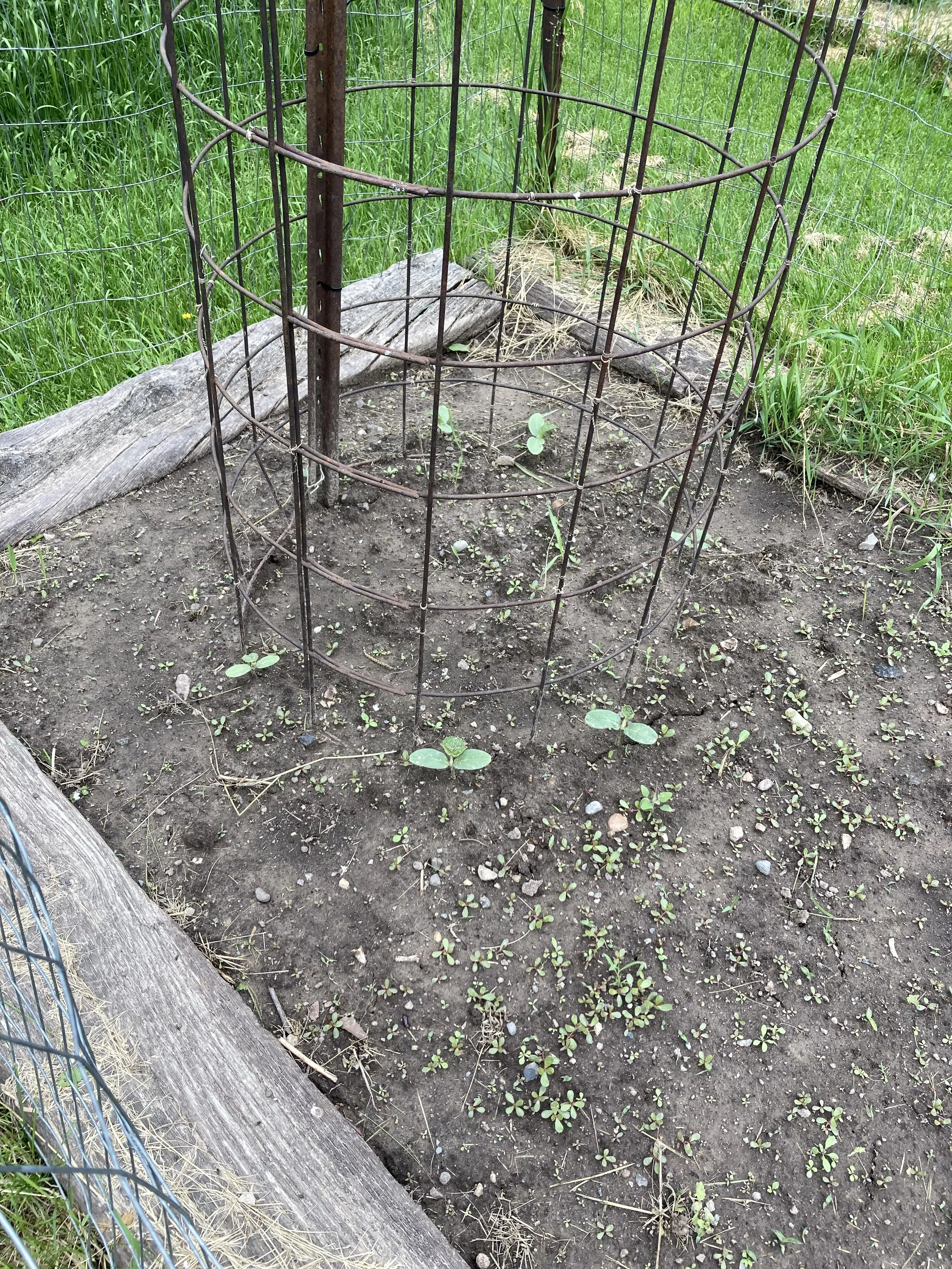
The pumpkin patch has been prepped and planted.

The squash square sports sprouts.

I found a lovely toad while weeding garlic.

Onions! No bottoms yet, but we sneak some of the tops into pasta, guacamole, and anywhere else we can.

The cucumbers need weeding.

My lettuce/radish ratios seem about right.

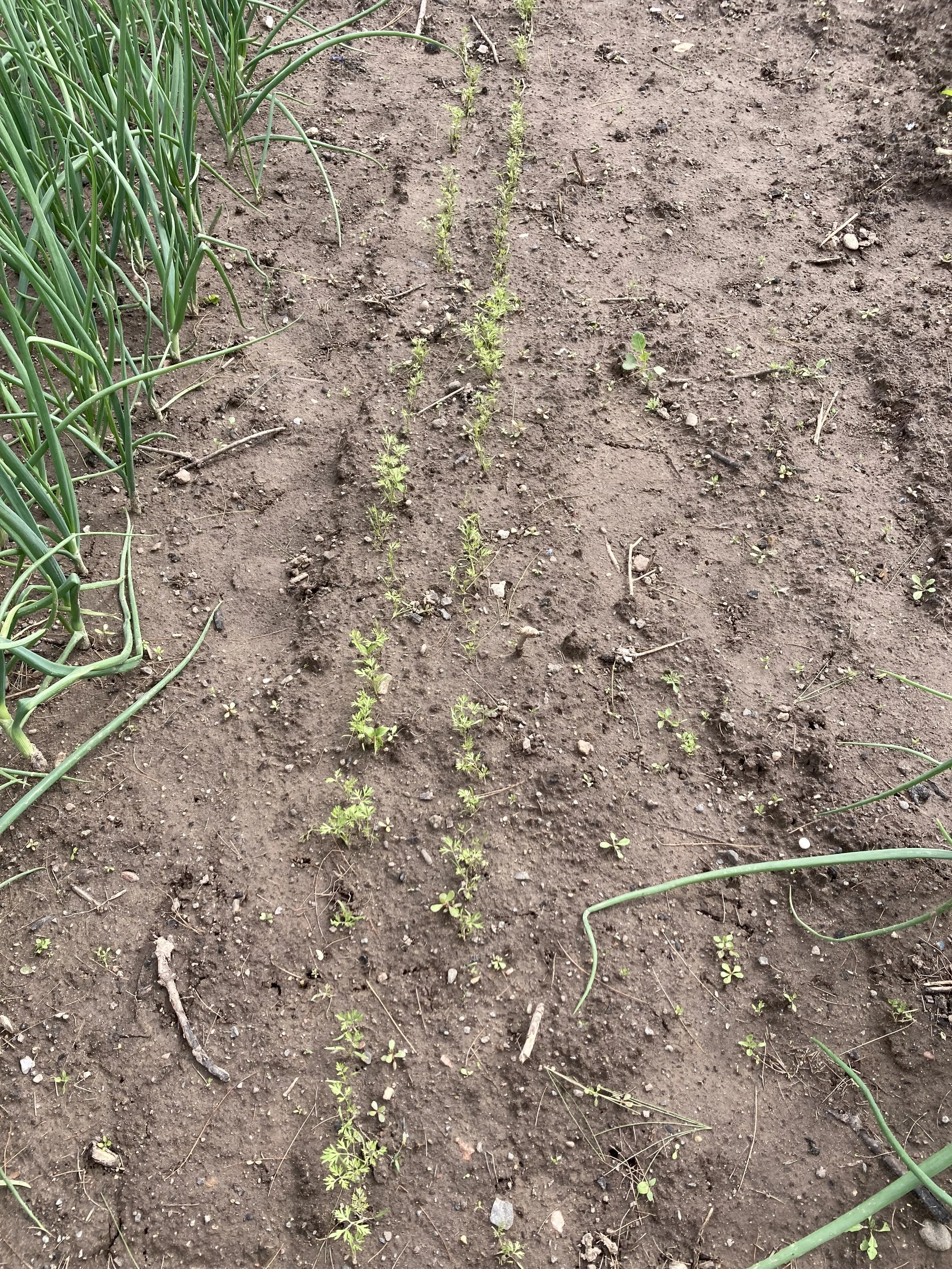
We thinned the carrots and bok choi.

I thinned the Grand Guy’s thatch.

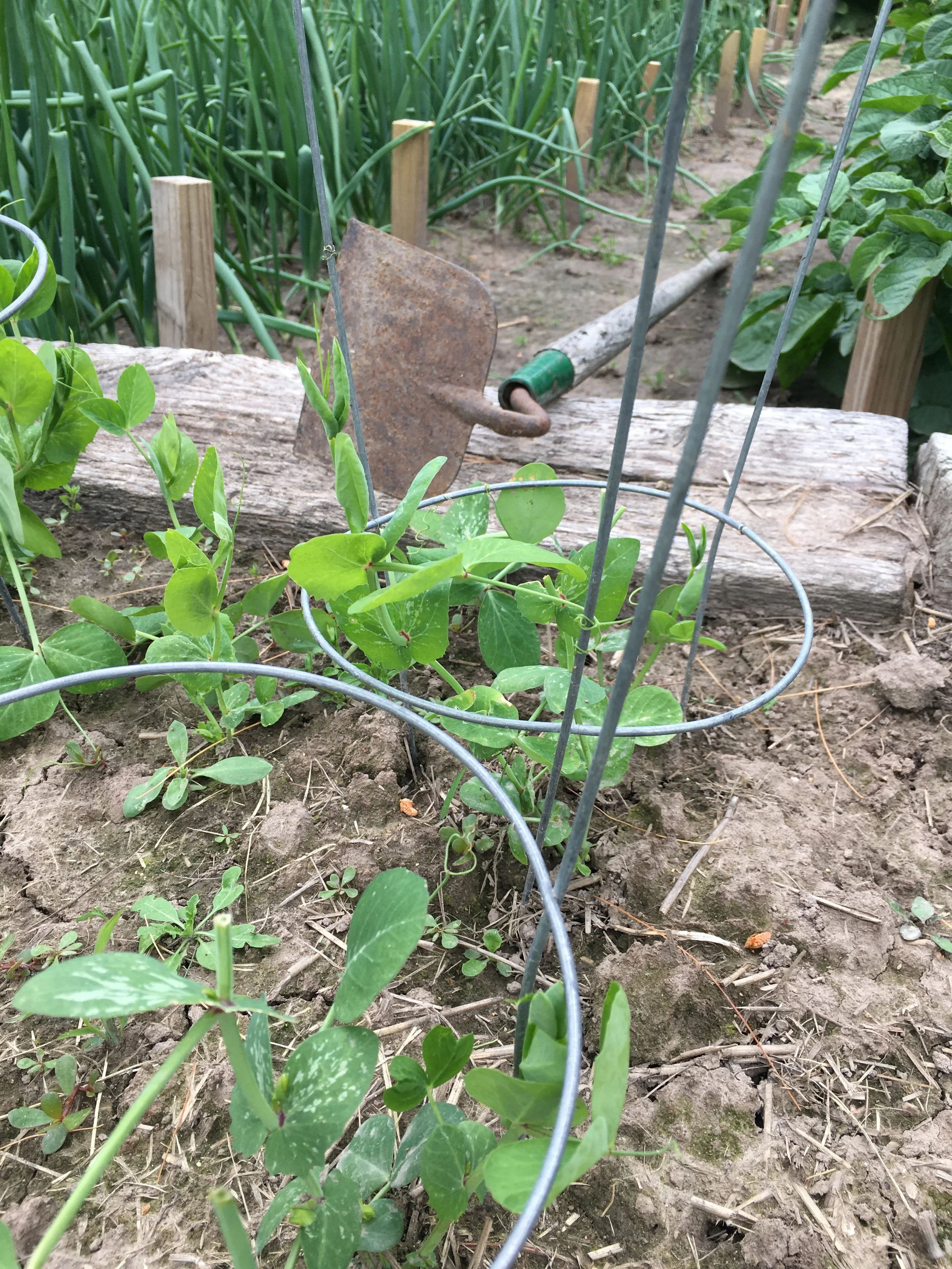
The rabbits thin the peas and beans.

Michael thinned the rabbits. (Cuban style fricassee comes highly recommended.)

The only one not getting thin is me!

Visiting journal: travelers and hosts

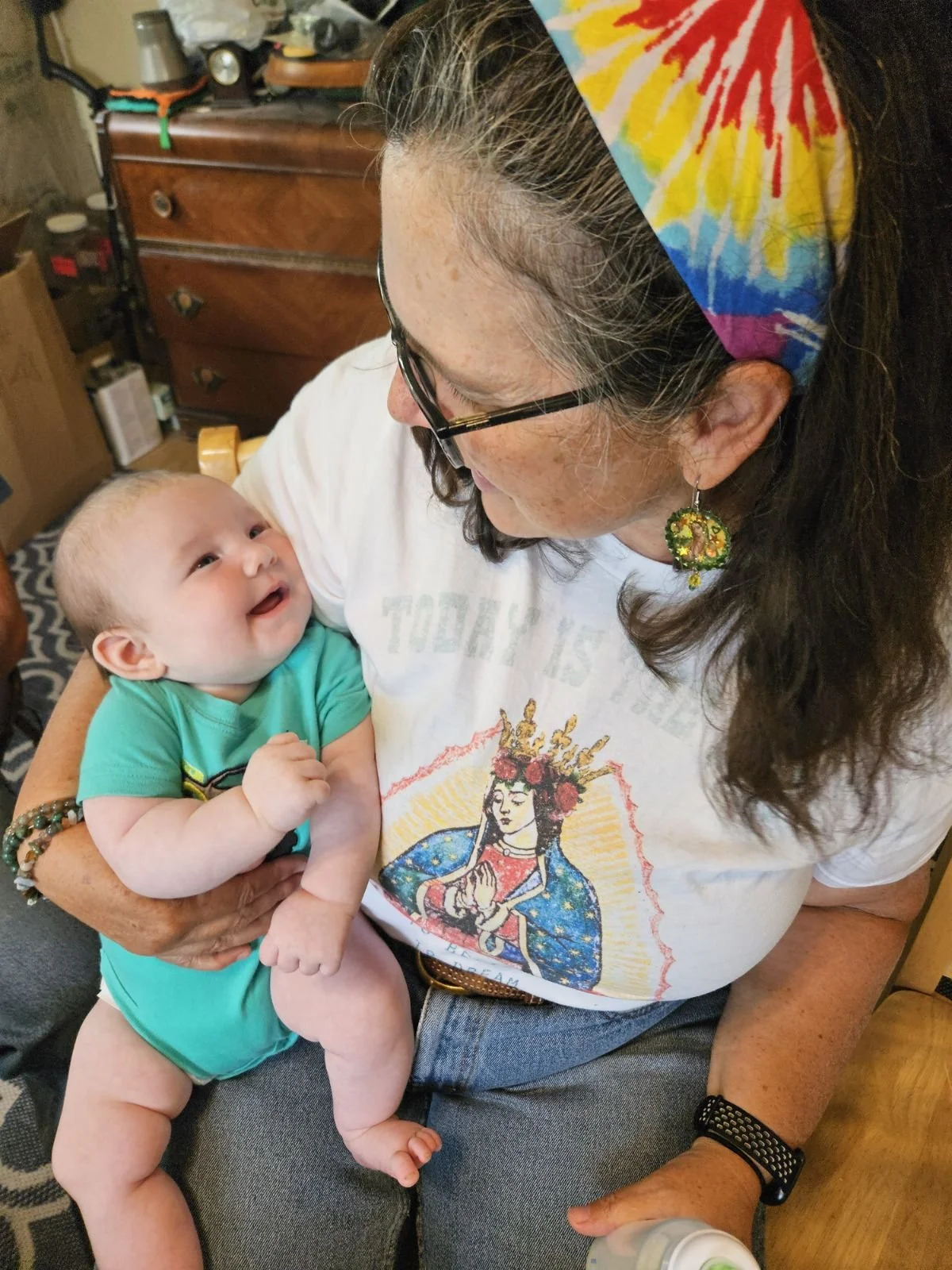
I usually visit my mom in March for her birthday. This year the tiniest Grand Girl took precedence, and so my sojourn occurred in May.

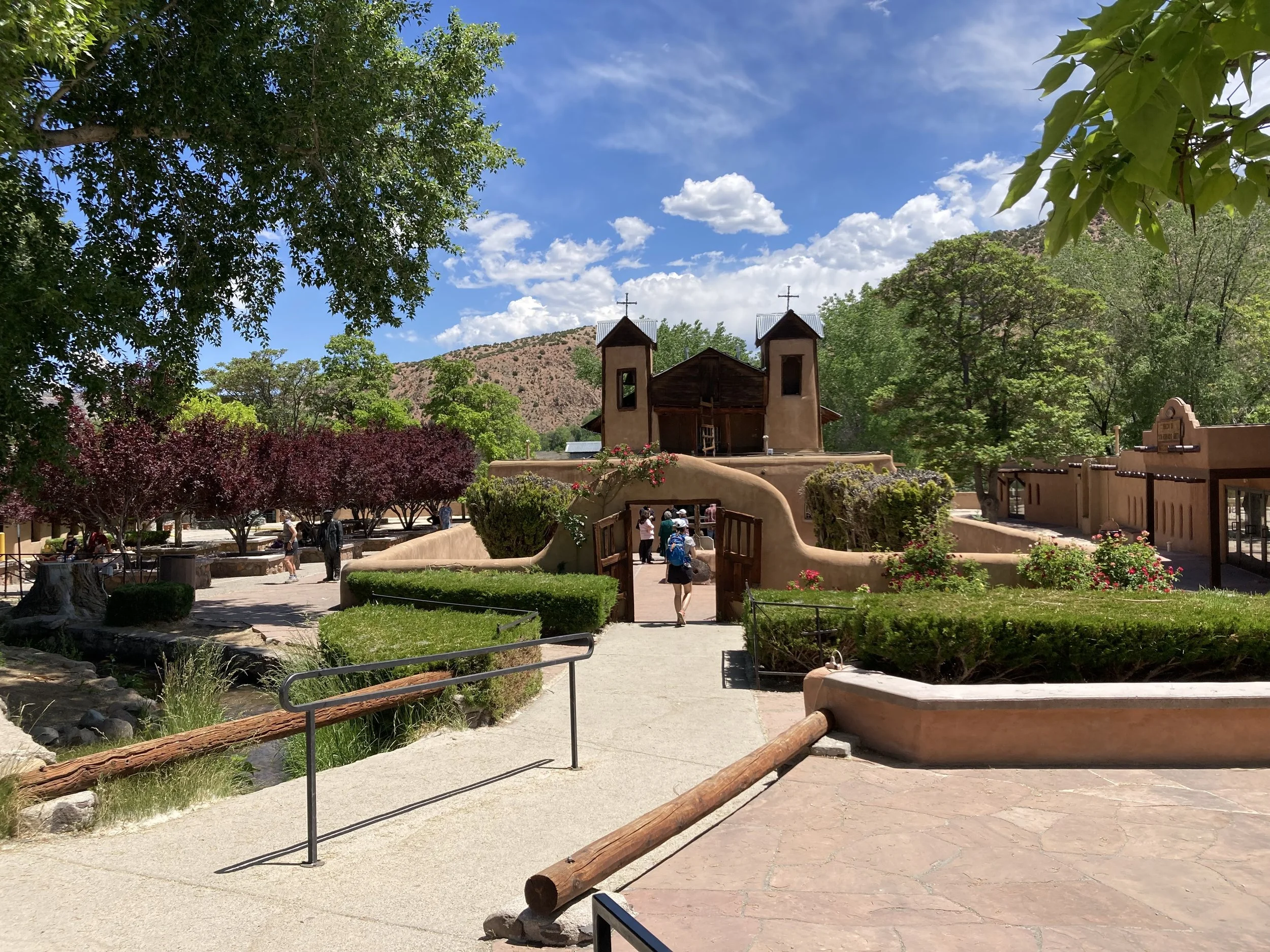
Added benefit: seeing not one but two brothers! One in Las Cruces and the other in Santa Fe.

We walked every morning.

We enjoyed neighborhood flowers.

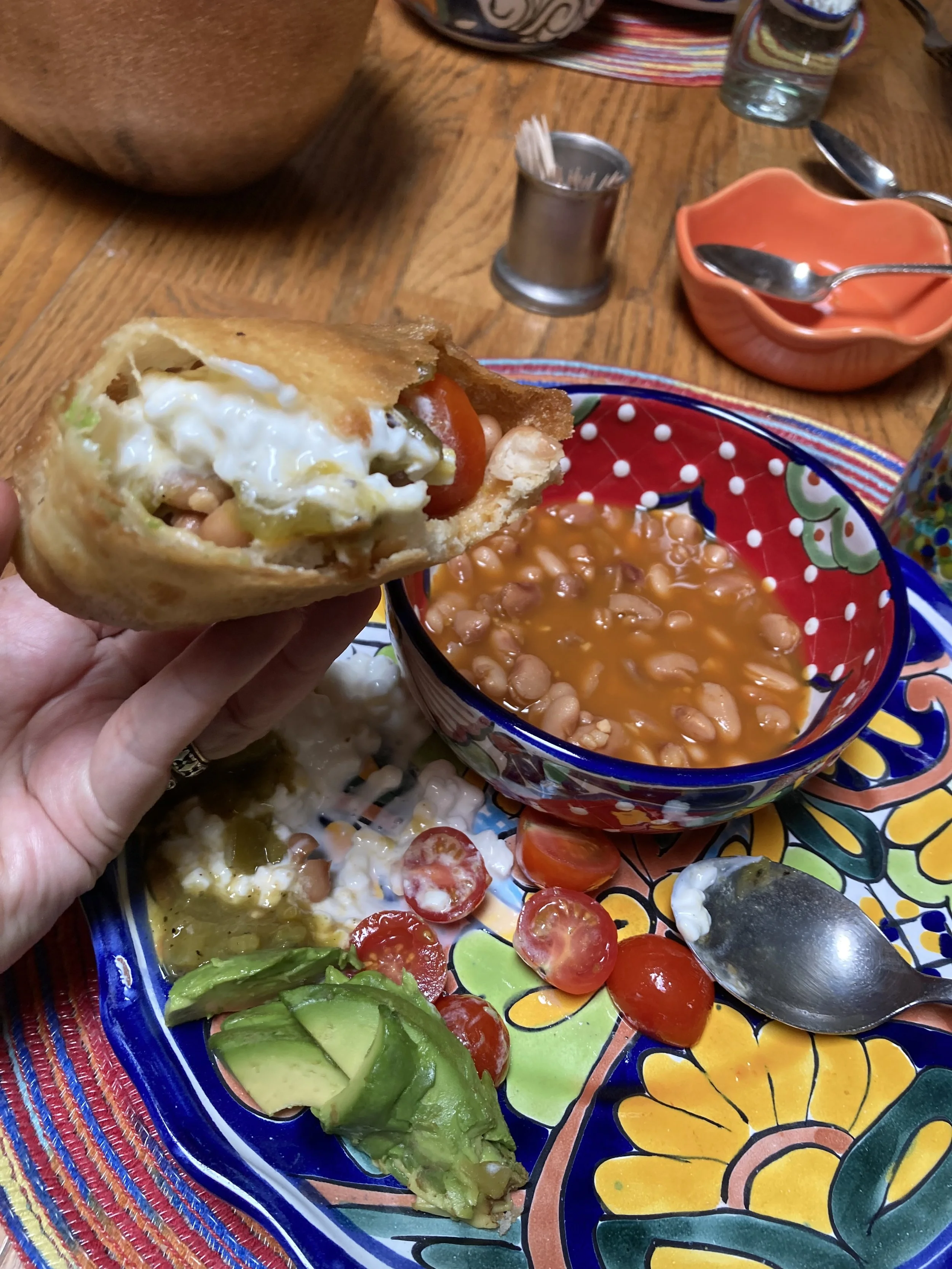
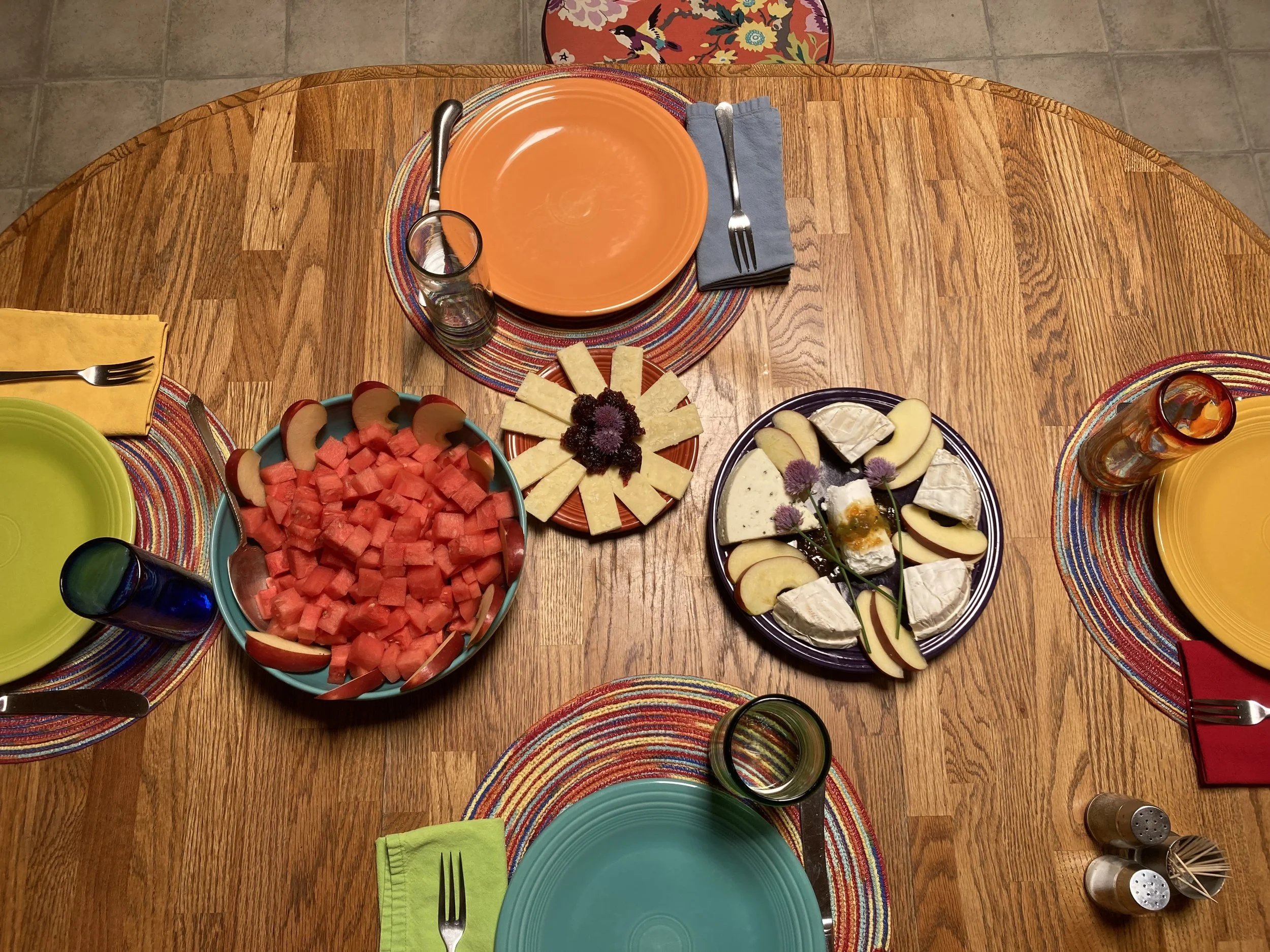
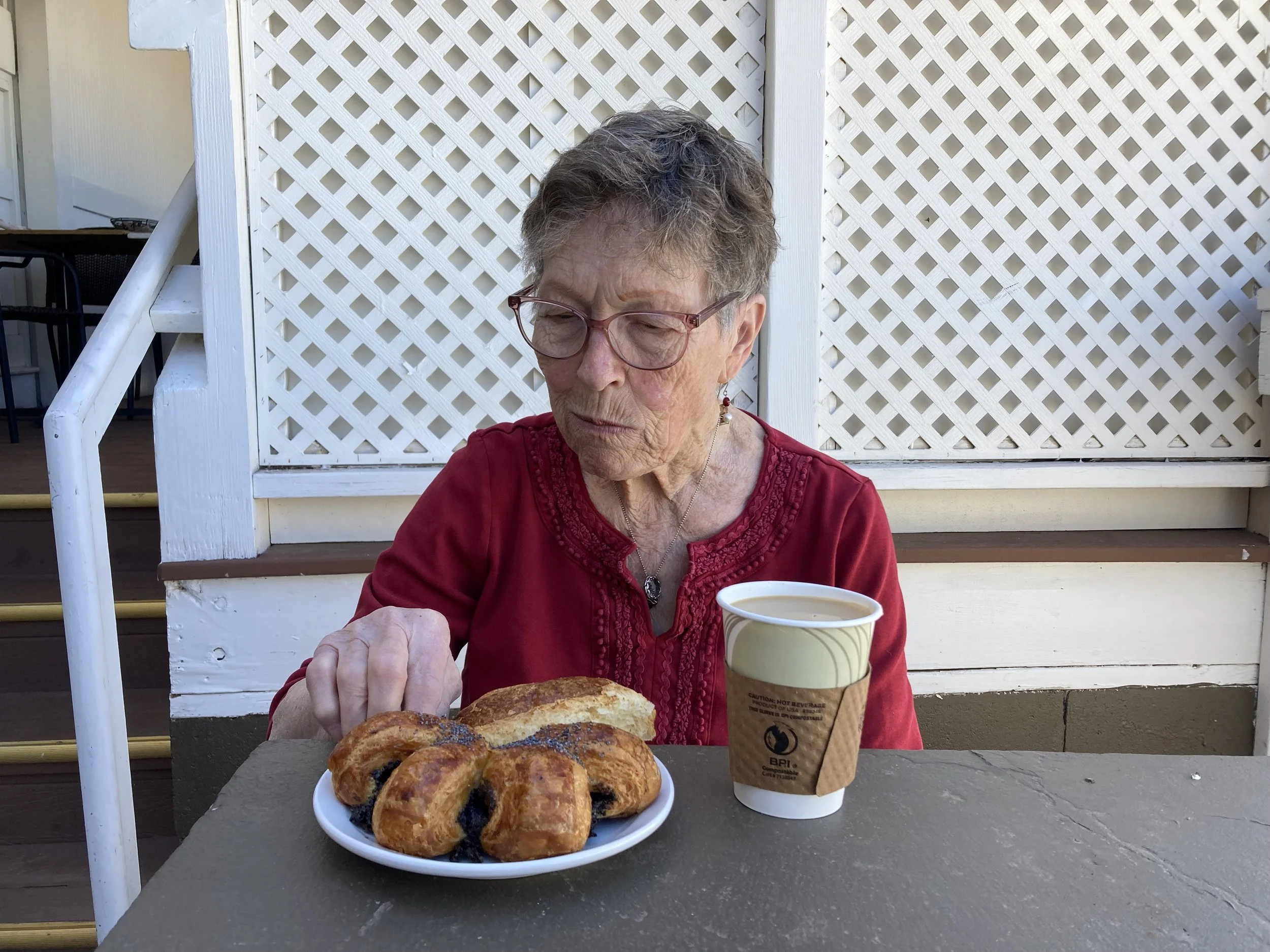
We ate good food. (Now you know from whence the good food genes…)

We achieved Queen Bee status.

We got out and about.

I puttered in her yard while she puttered in her wood shop. And then I went home.

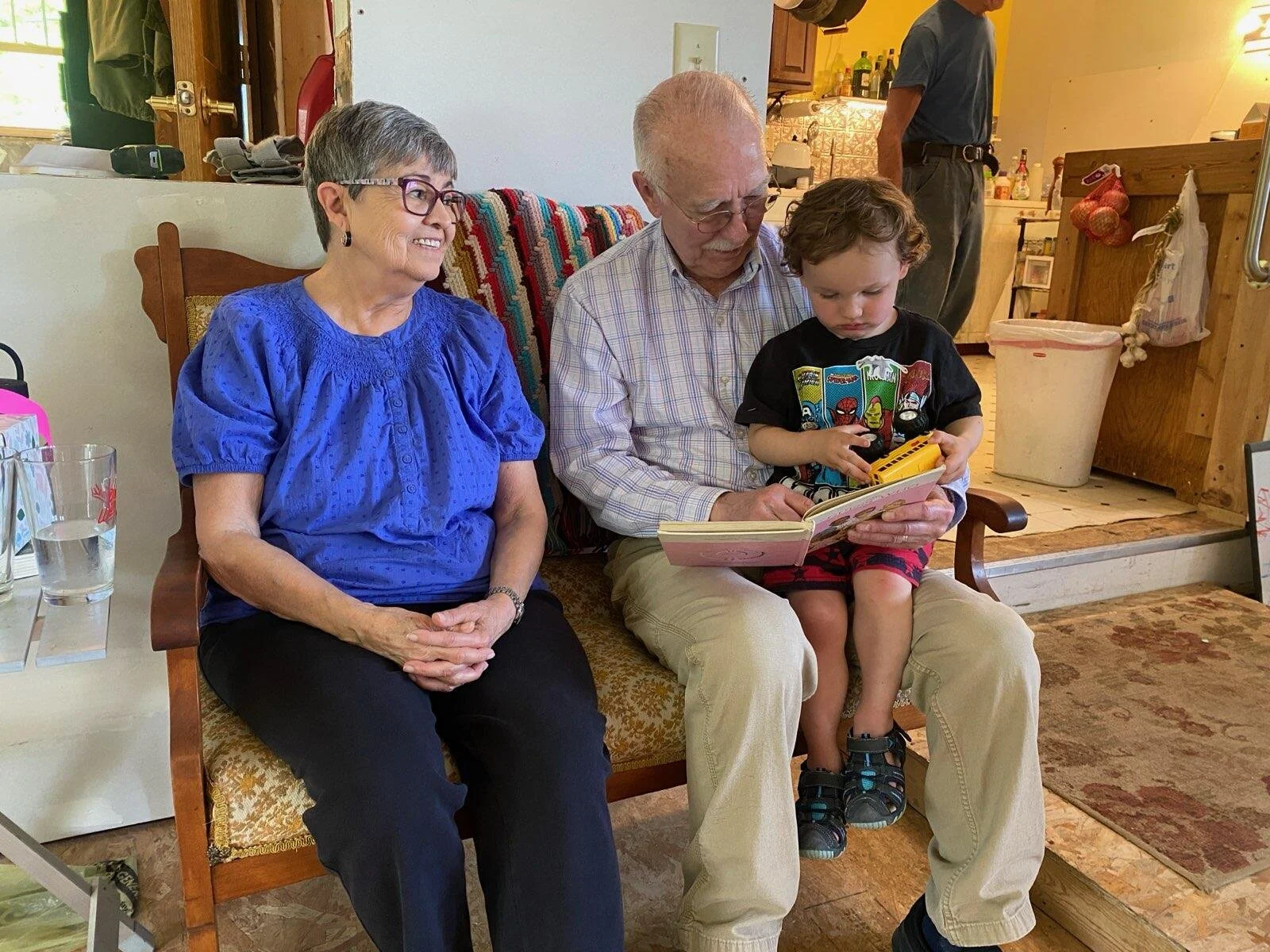
Where a few days later my Uncle Tom and Aunt Marcy arrived from Alaska! Just in time to read to the Grands and eat good food. I love my huge family!

Flower journal: the world is a blossoming

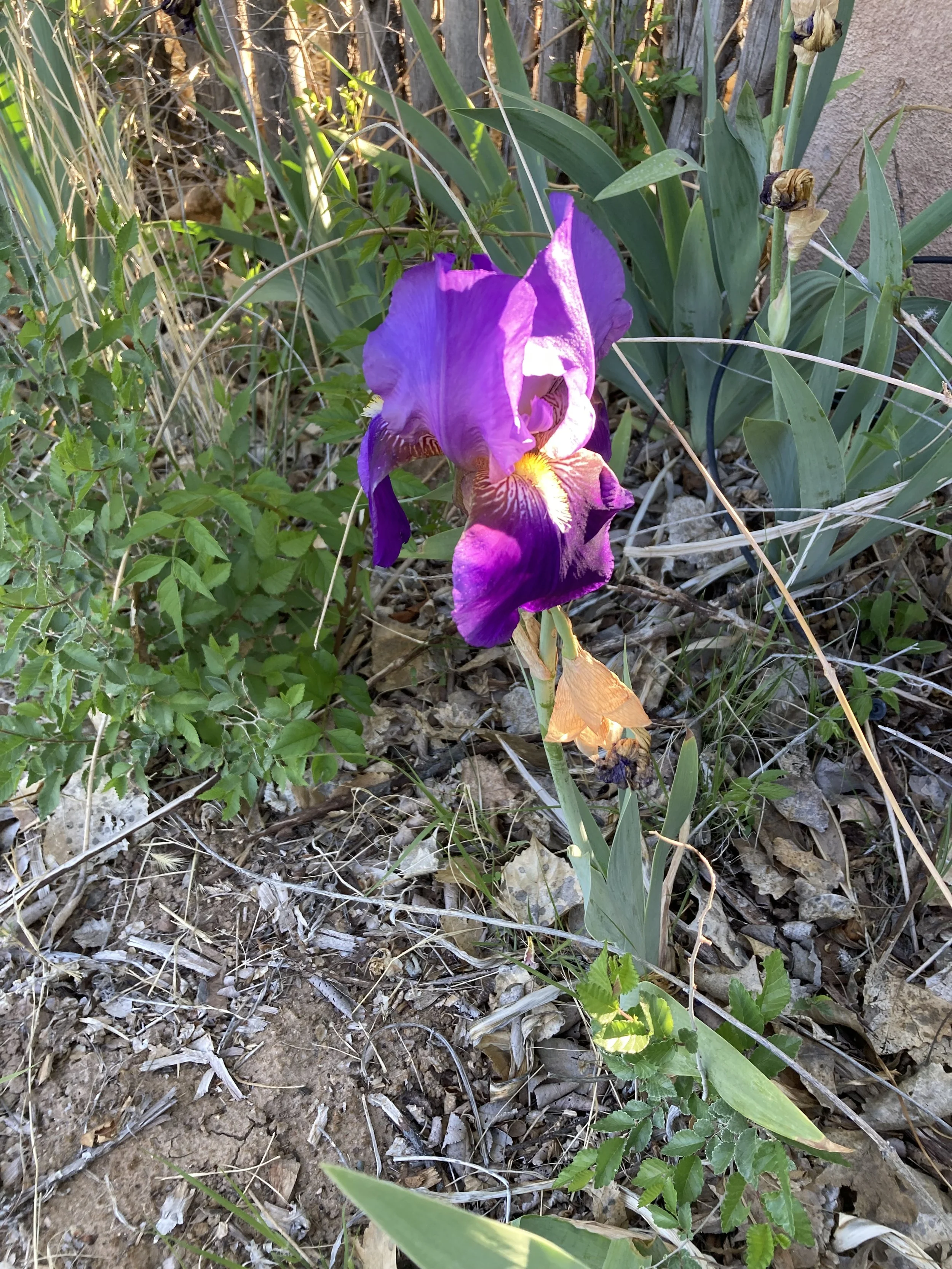
The iris and pinks blaze in low sunlight, greeting me every morning.

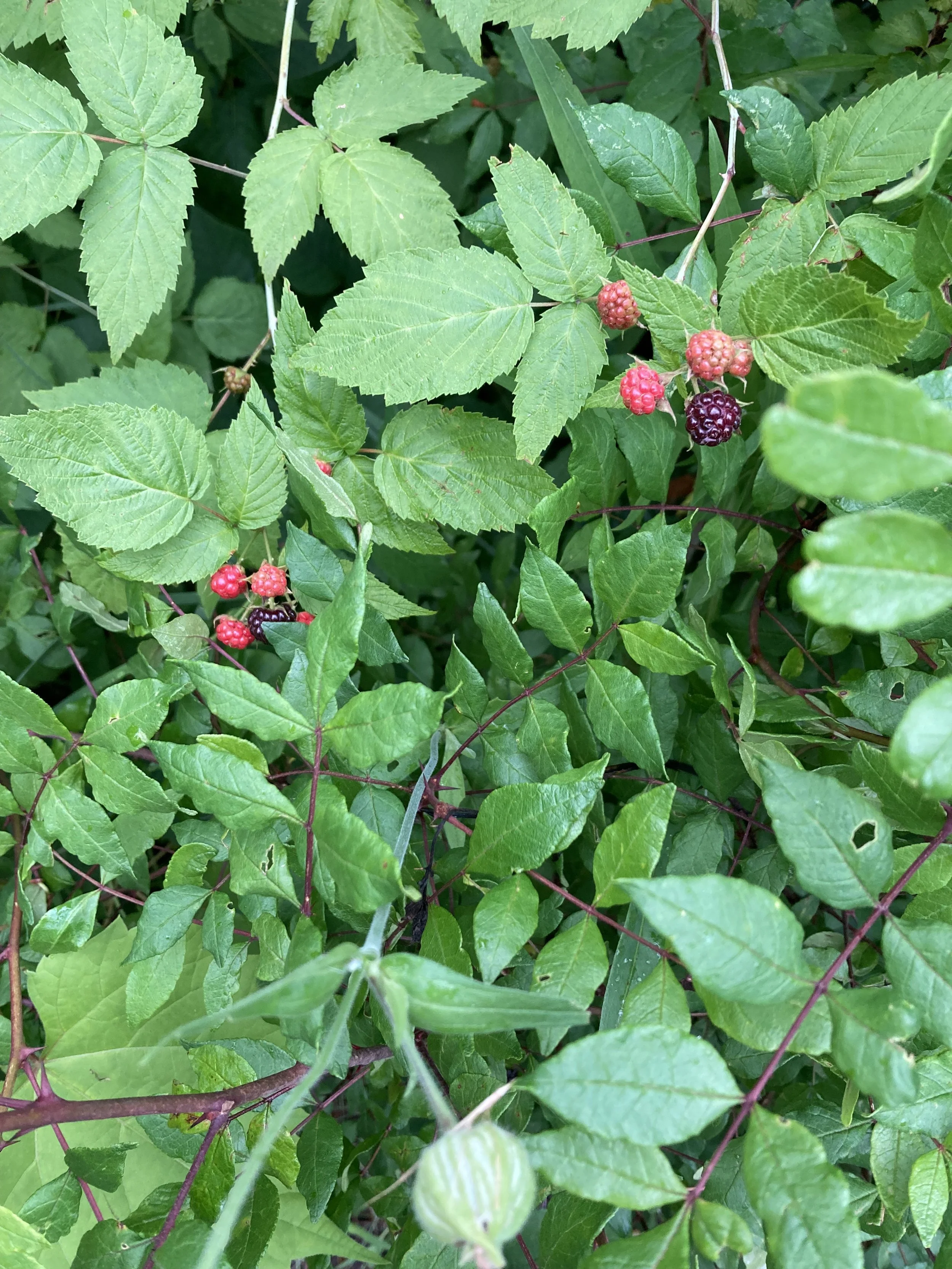
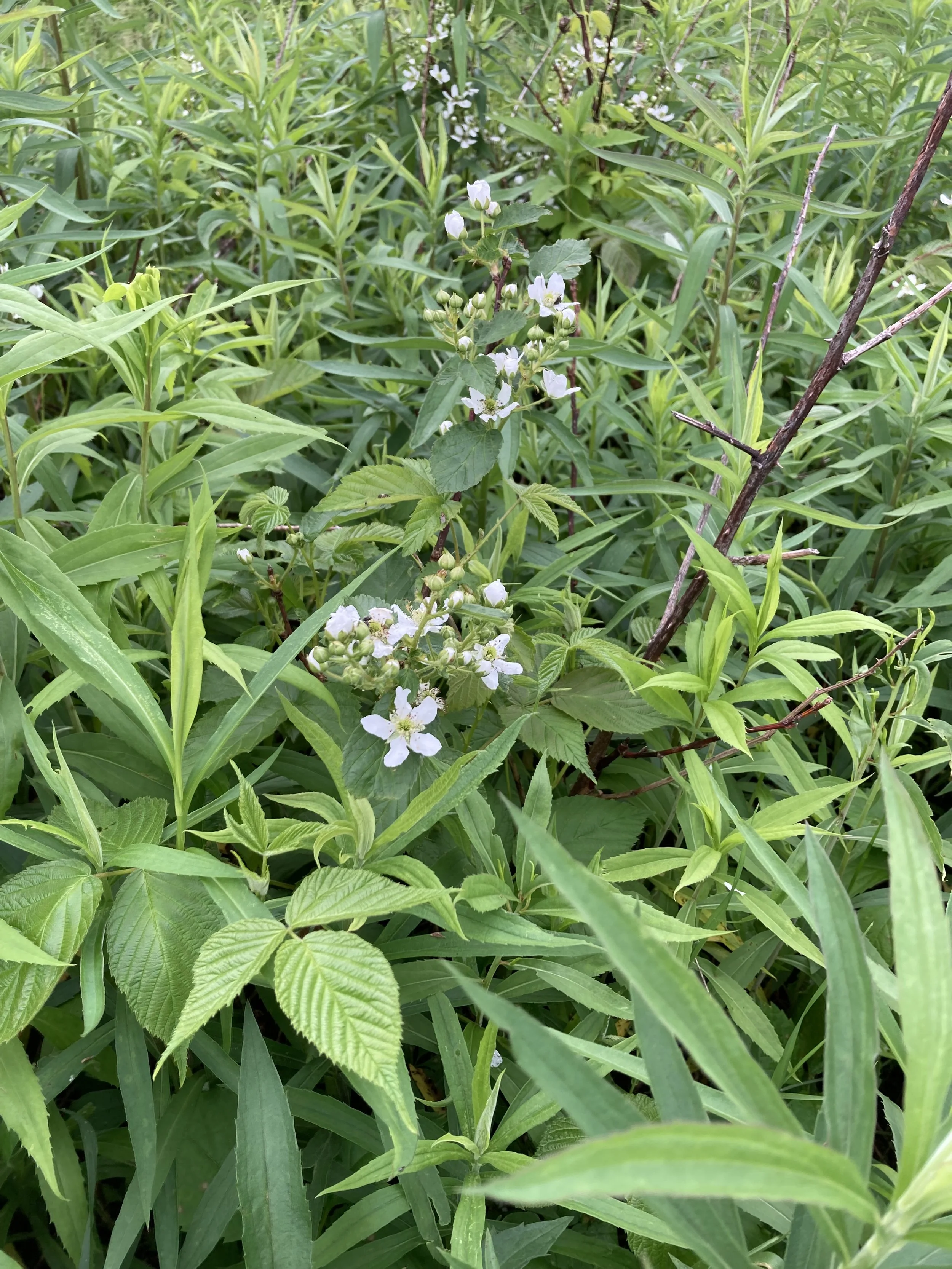
Today the black raspberries came into bloom. We do not often get berries, but with the steady rain we have received, there may be berries this year.

I mowed a legion of daisy buds two days ago. These smaller aster cousins appeared before the daisies.

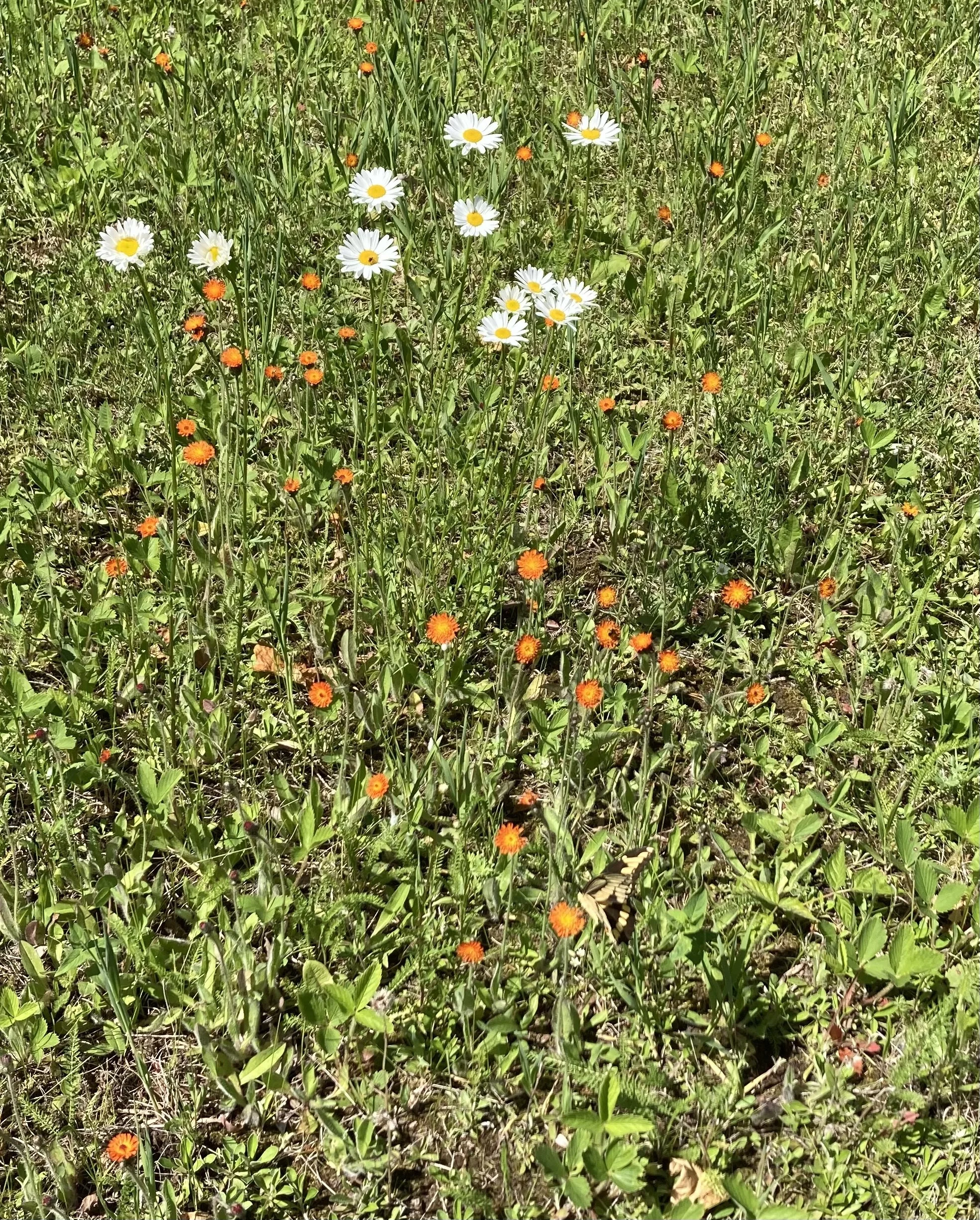
Despite my mowing, daisies dust the landscape, set off by orange hawk weed.

Hawk weed comes in yellow too.

Vetch provides a soft purple haze when I ride by on my bike.

The dreaded buckthorn: planted for its beauty, spread by abundant berries.

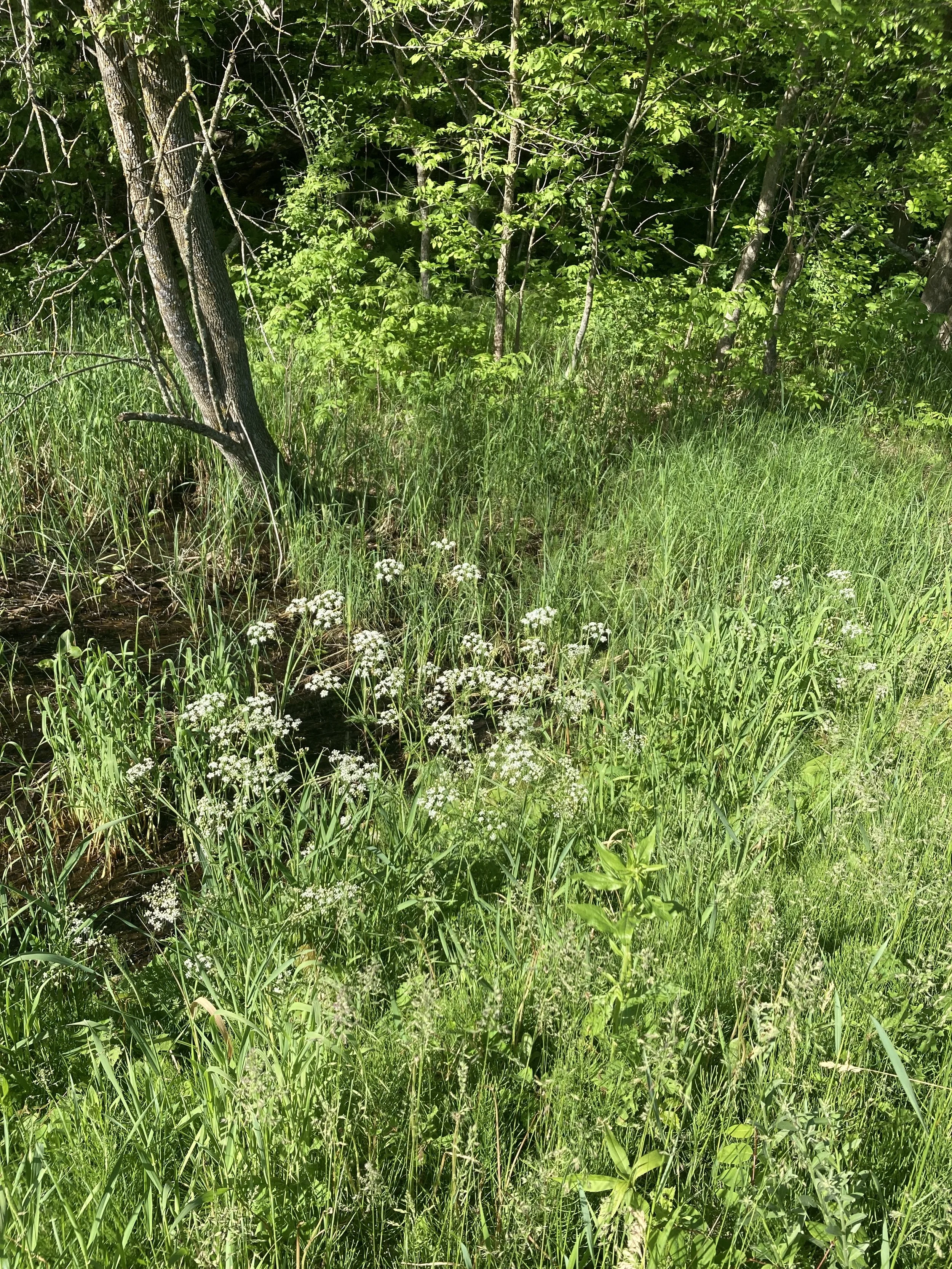
Wild carrot or perhaps hemlock. It does not have hairy “legs”, so is not Queen Anne’s Lace.

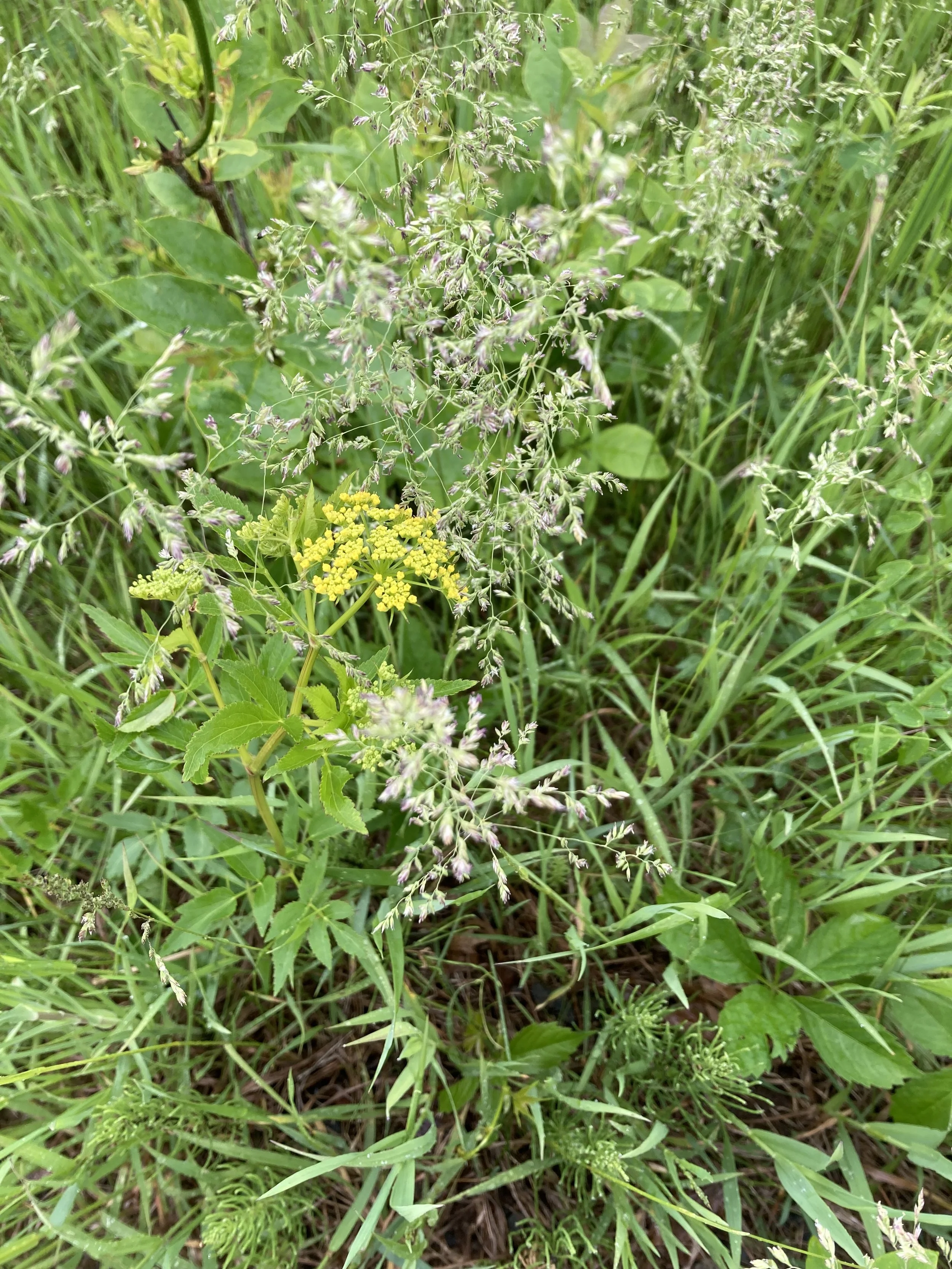
Wild parsnip shares the same habit, but blooms yellow.

The humble clover holds its own.

Wild roses: you often smell their clove-like scent before you see them.

Phlox shades from pale to intense pink.

Hoary Puccoon: a horrible name for such a bright flower. These first started to show up in late April.

Hoary Alyssum: a more fitting name.

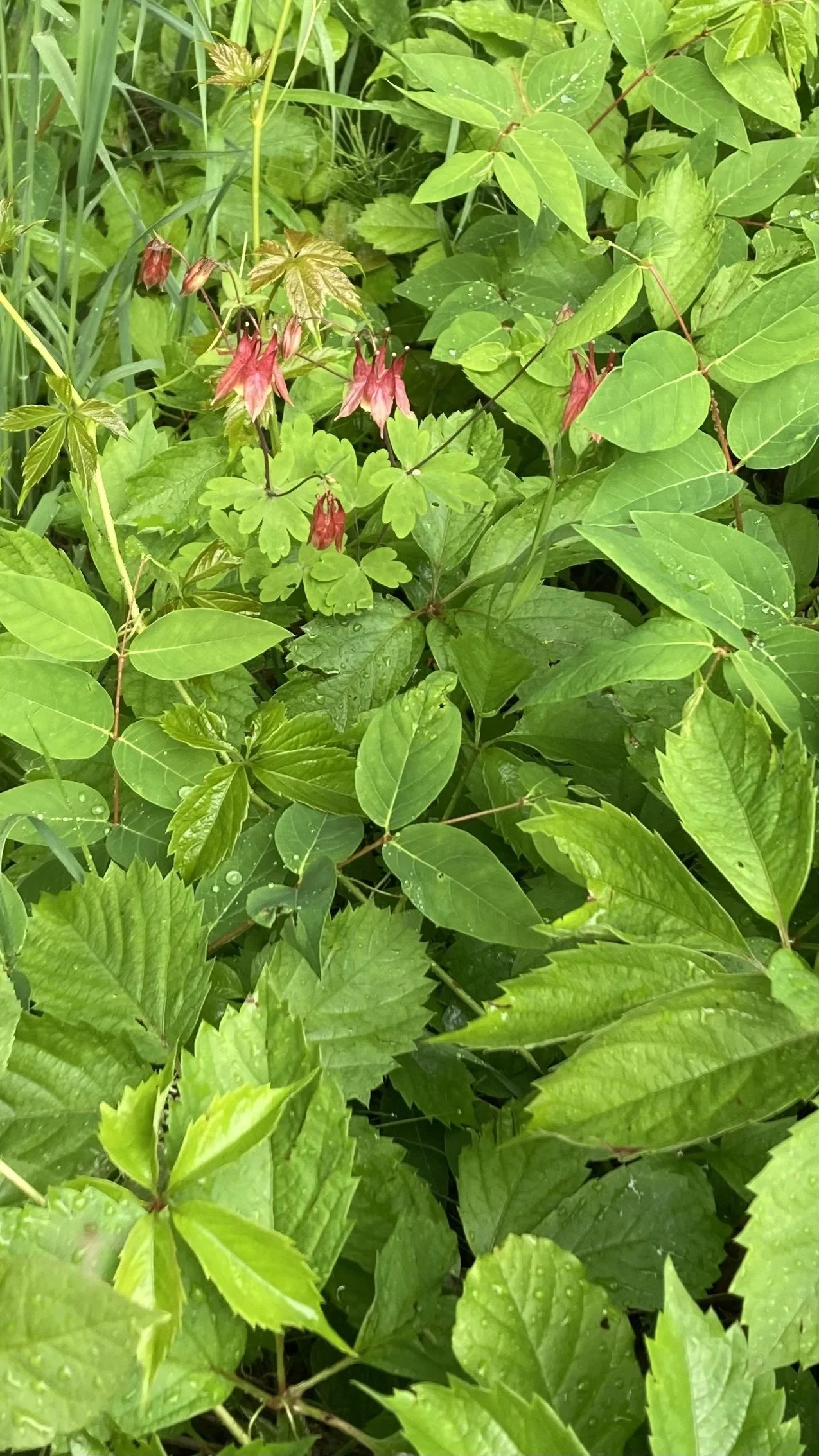
The shy Columbine.

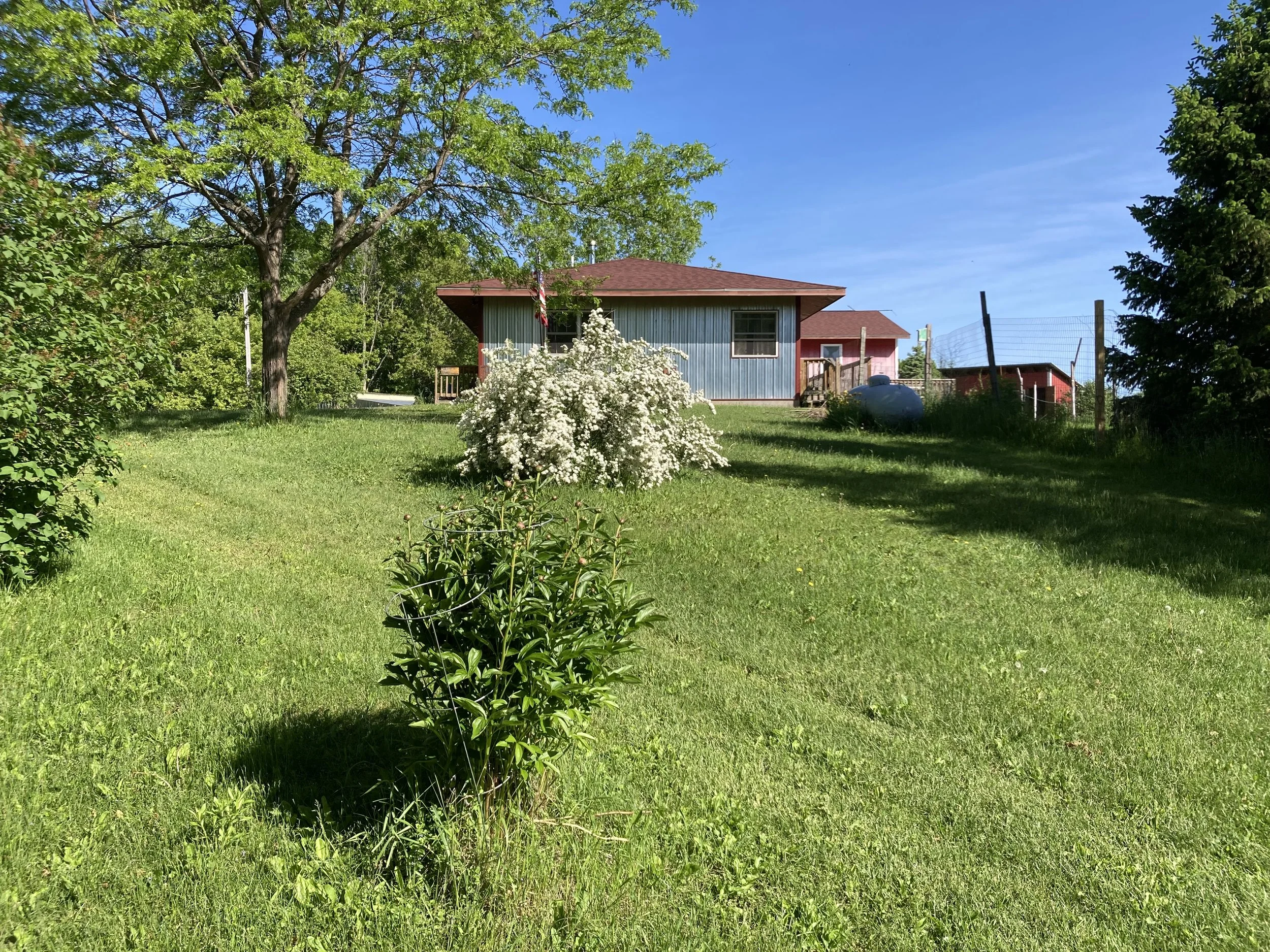
The brash Bridal Veil Spirea.

Lilacs have come and gone.

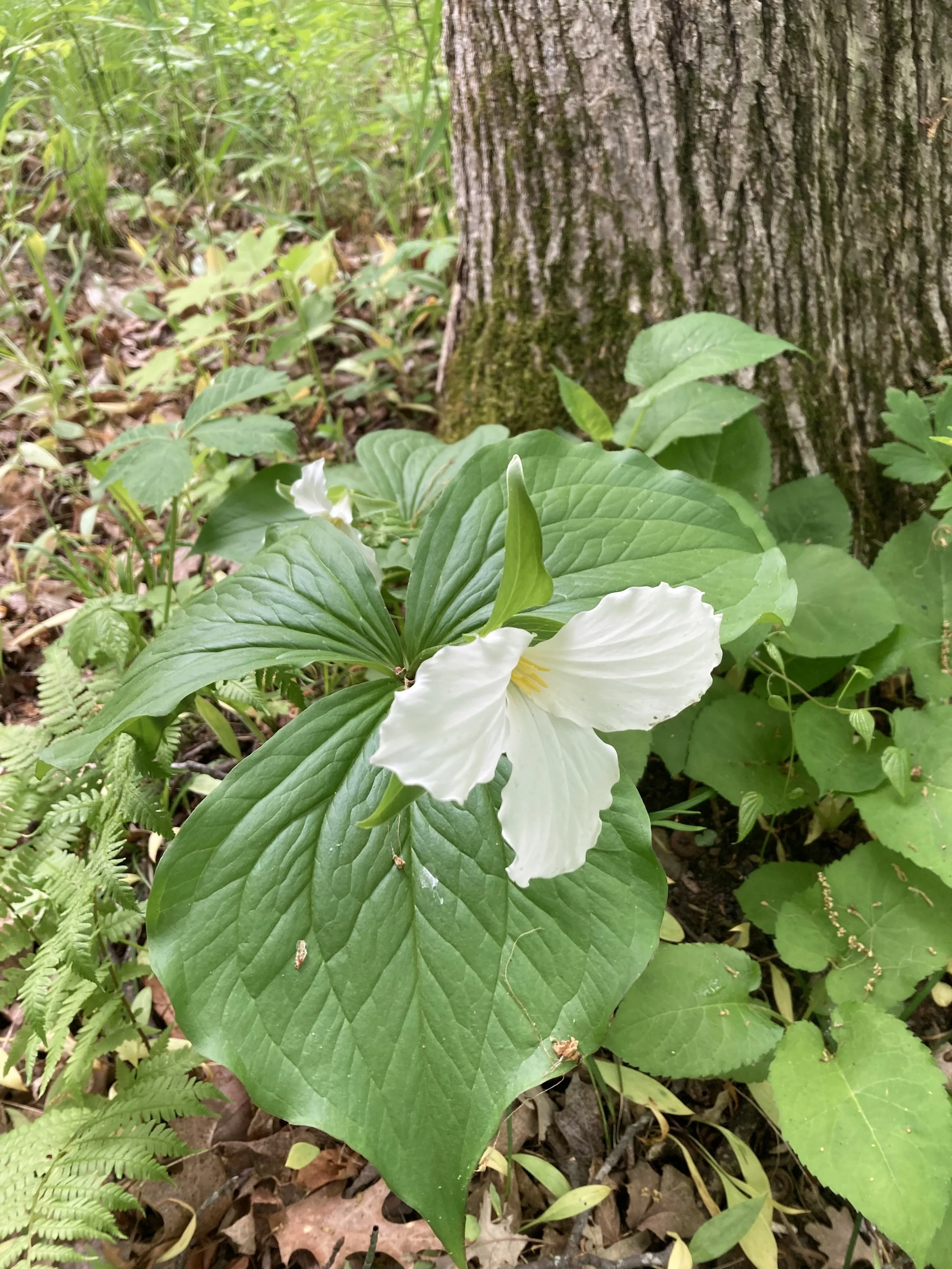
As have the trillium.

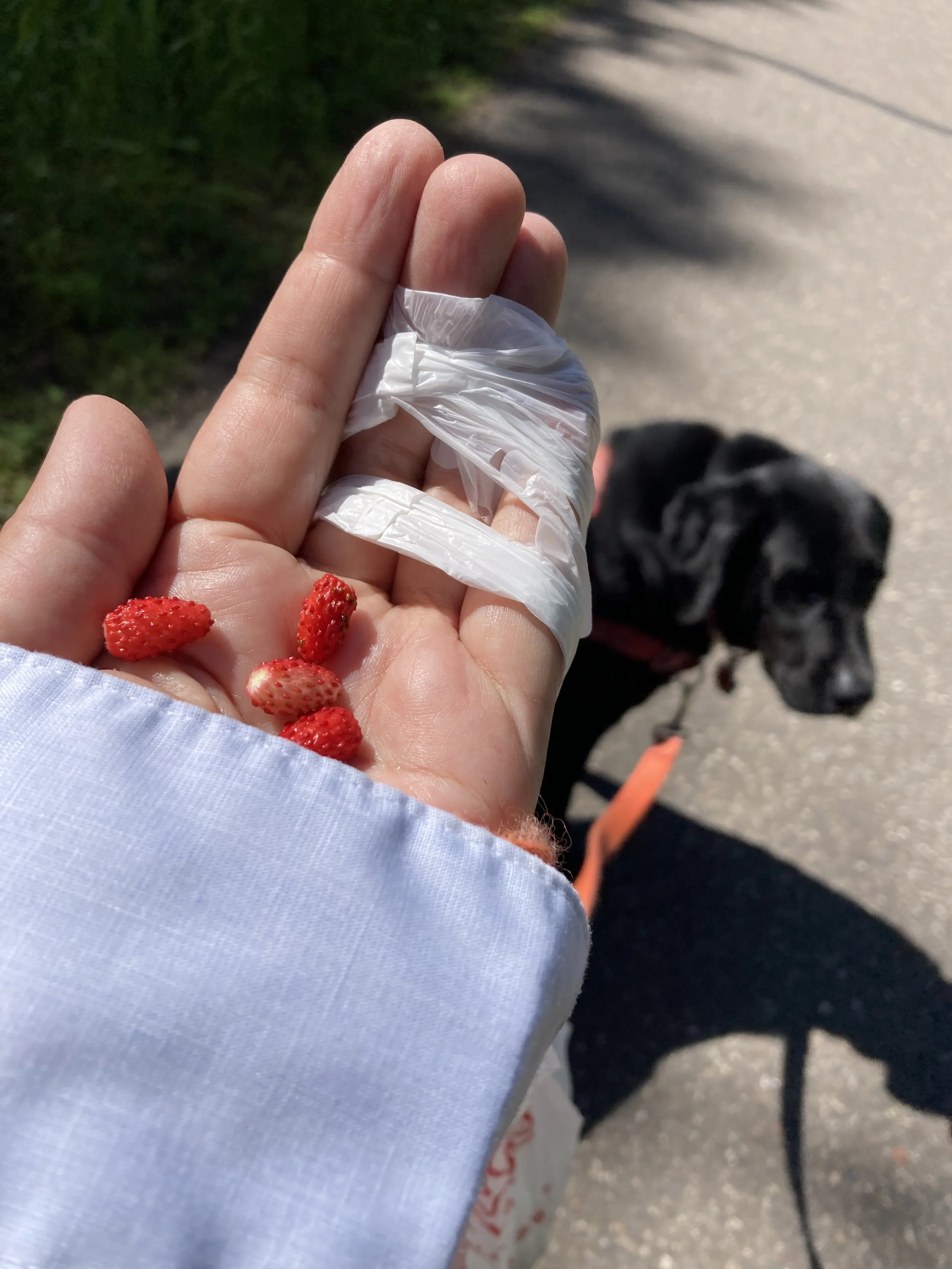
The wild strawberries continue to blossom, even while bearing fruit. That is a plastic garbage bag on my fingers. I didn’t come prepared for strawberry picking, only stray trash picking.

My favorite flower of all!

Babysitting jounal: fun with Felix

Occasionally, daycare takes a day off. A week ago we took advantage to have overnights with Felix.

We immediately put him to work helping Boopa with ducks and chickens.

I rewarded him with biscuits and gravy. He slept well.

He didn’t fall off a cliff or into a pothole.

We all enjoyed a treat.

Had a great time waiting for dinner at our local dive bar. French fries! Ketchup! Nirvana! He slept well again.

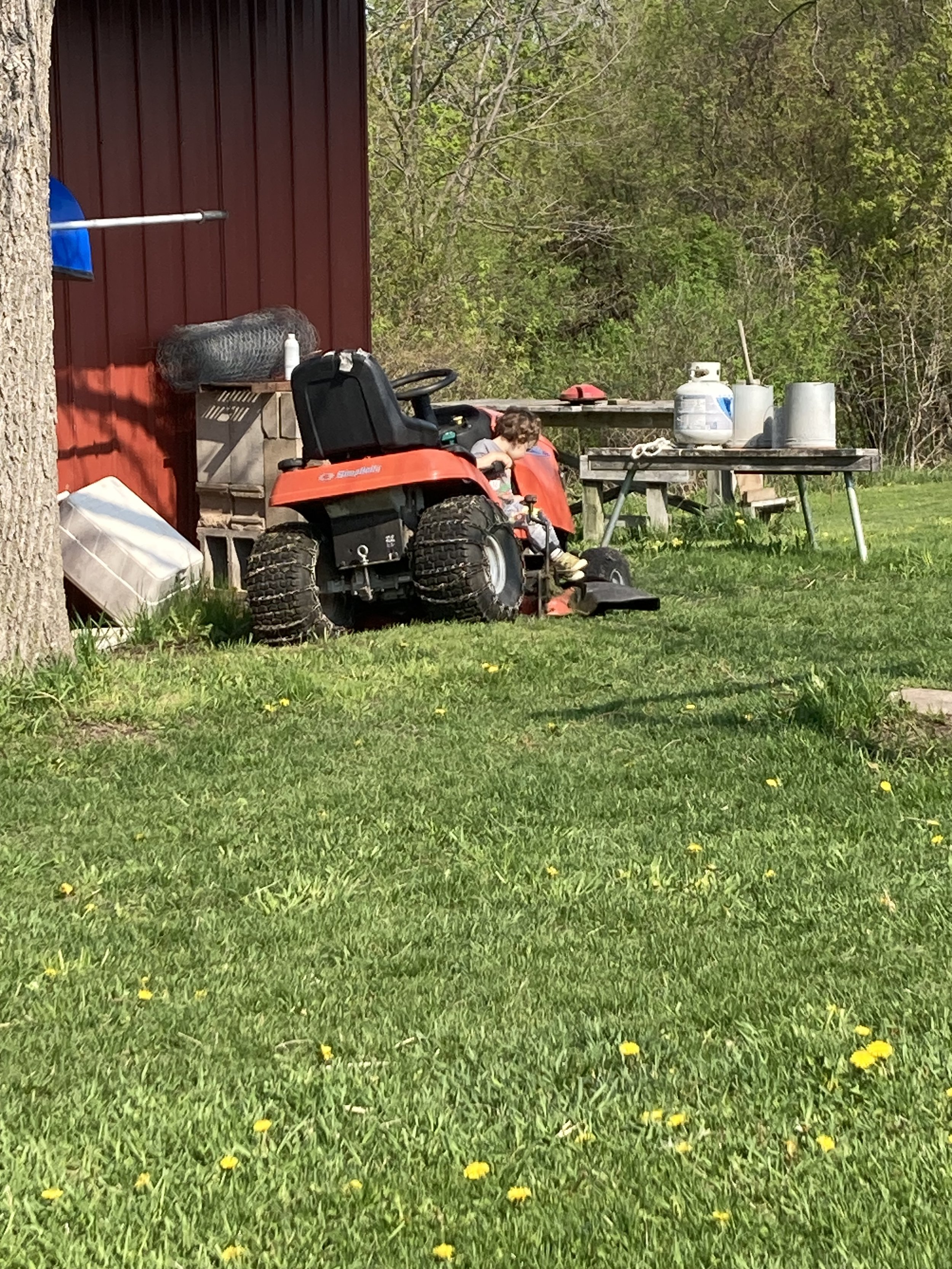
He explored the lawn tractor while waiting for Baby Sister to arrive.

She showed up and stole all the hugs.

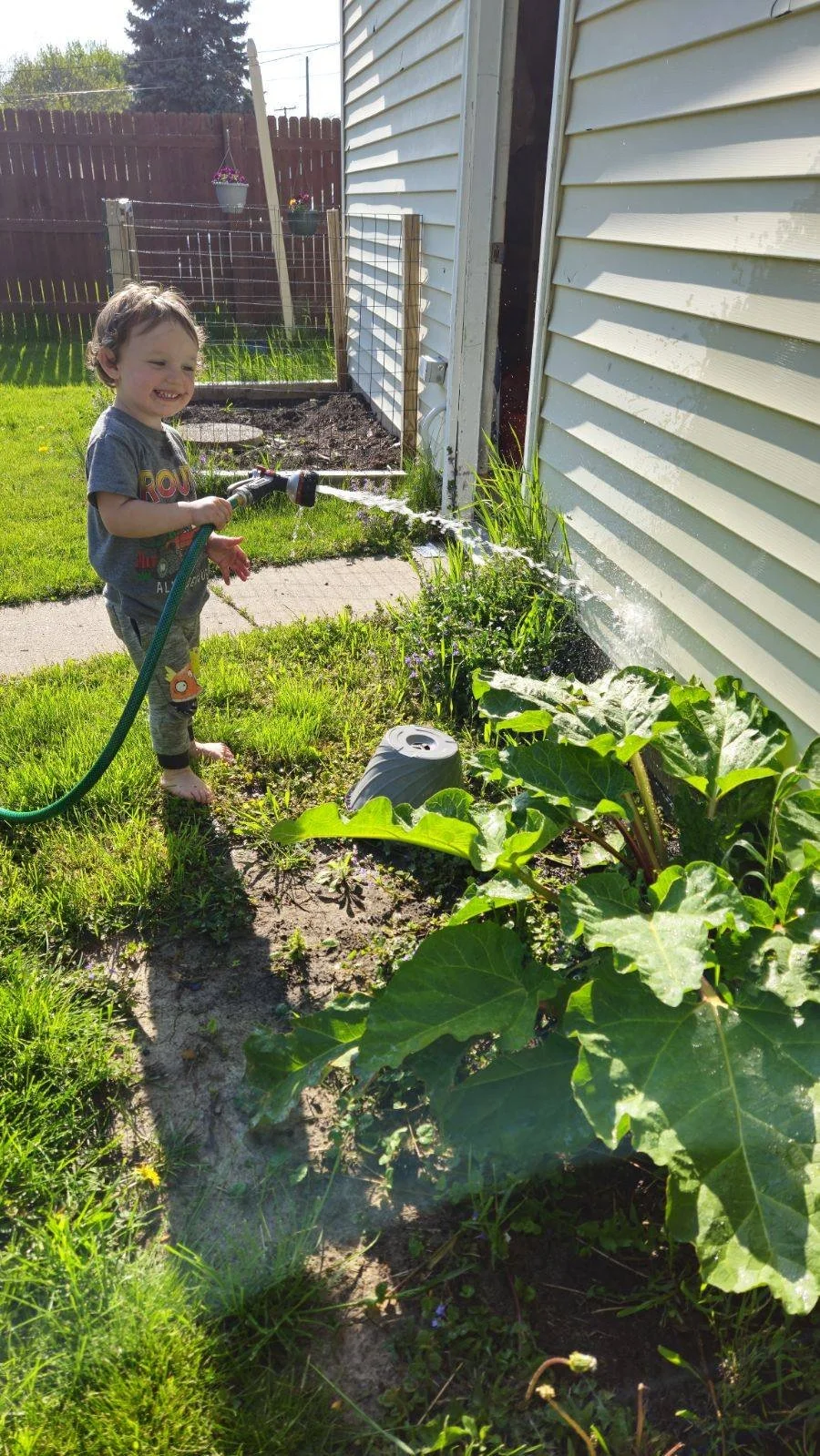
Then happily helping back home!

Garden journal: tomatoes and peppers and onions, oh my!

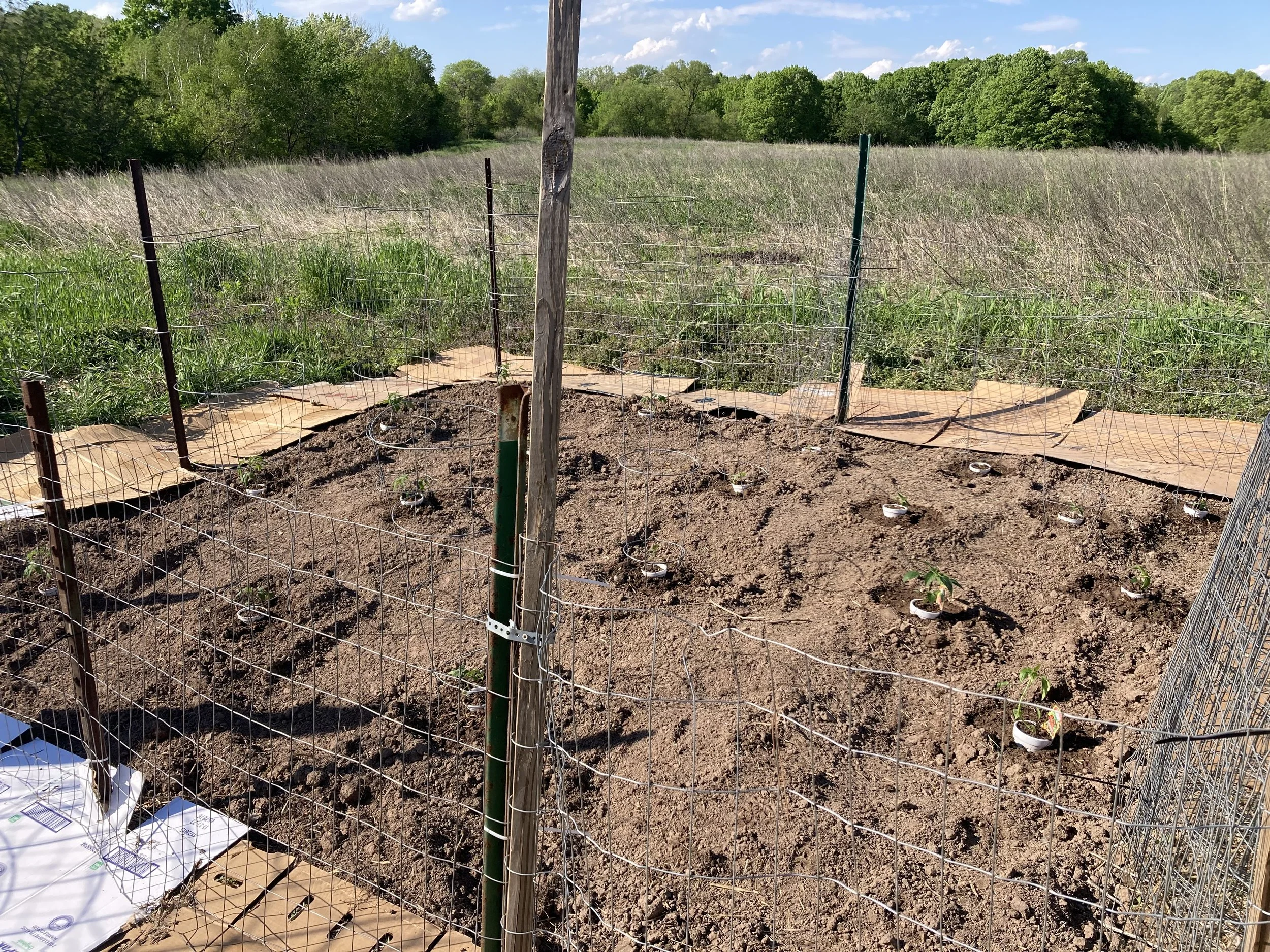
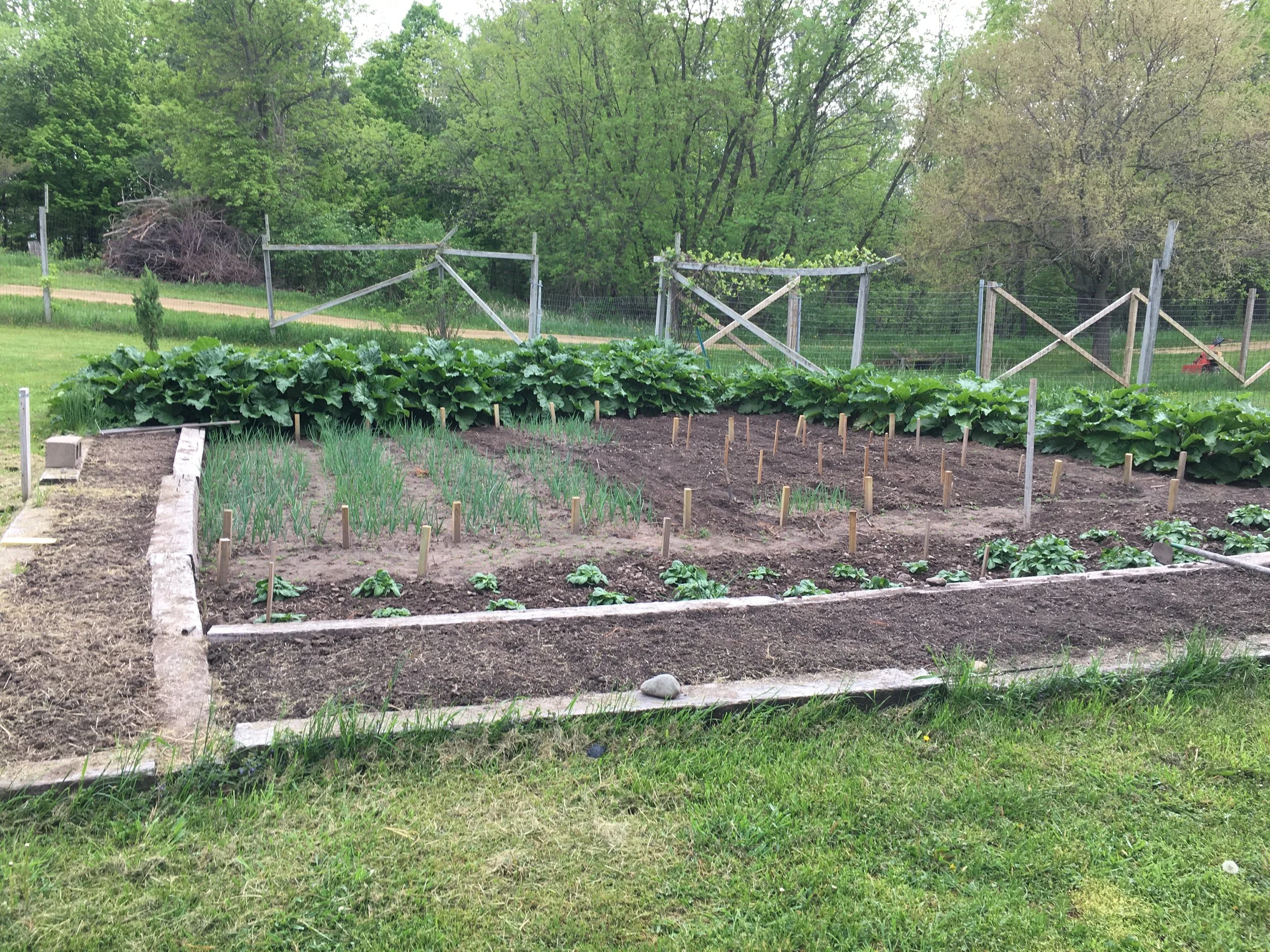
Today we got tomatoes and peppers in the ground. Michael spent several days digging this 14’ by 14’ garden, setting posts, and fencing.

I took our starts and got them planted.

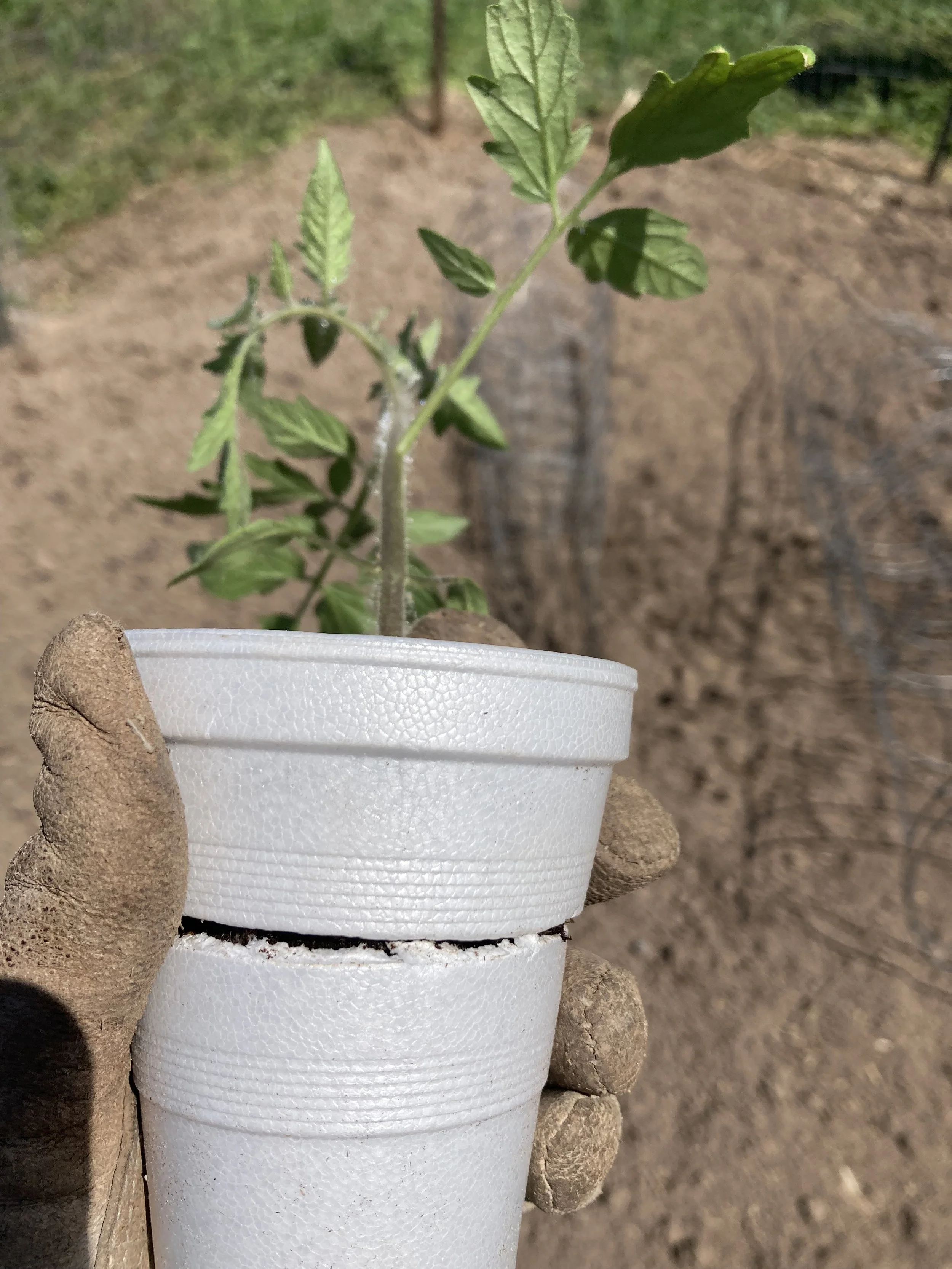
I cut the styrofoam cups, leaving a collar.

I dug a hole, snuggled the roots into the dirt, and packed them in so a collar of styrofoam remained above the dirt. Styrofoam is easier to trim than plastic cups and provides as good a shield against cut worms as plastic or metal. Using a physical barrier keeps us from using pesticides to protect our baby plants.

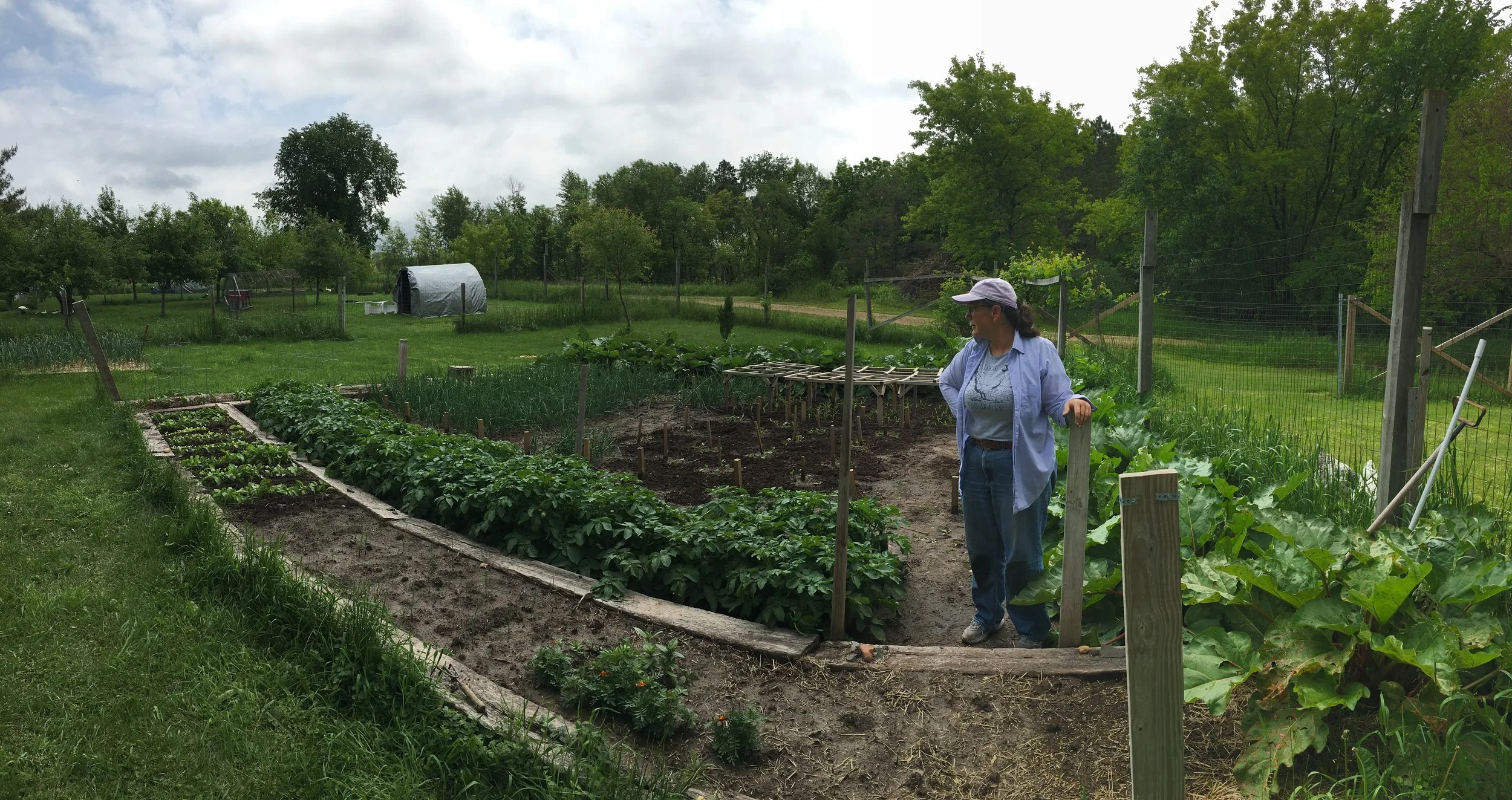
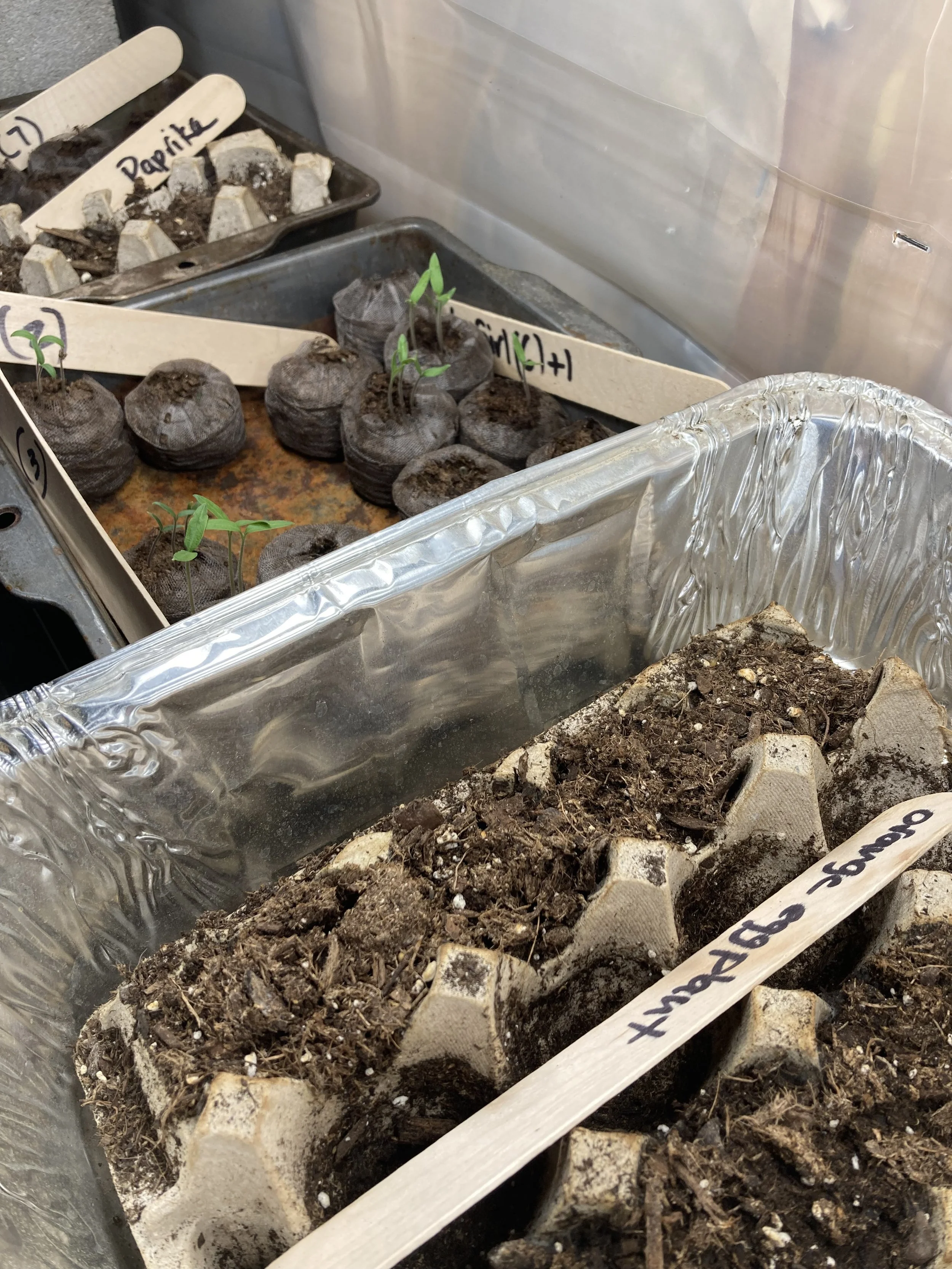
We planted the big garden with onions, carrots, bok choi, potatoes, lettuce, beets, cabbage, popcorn, peas, beans, leeks, dill, radishes and flowers. I found my experiment with egg carton starts were mostly successful. They are smaller than peat pellets and so dried out more quickly. I lost some flower starts to dryness. They also deteriorated over time. I may have lost some leeks because the soil fell away from roots in the transplant process. Generally, they worked. They just took a bit more care.

Growing things. Yayayayay!

Harvest journal: green

Michael cut chives almost in time. They were beginning to bloom, which means separating out the stiff blossom stems as well as random grasses.

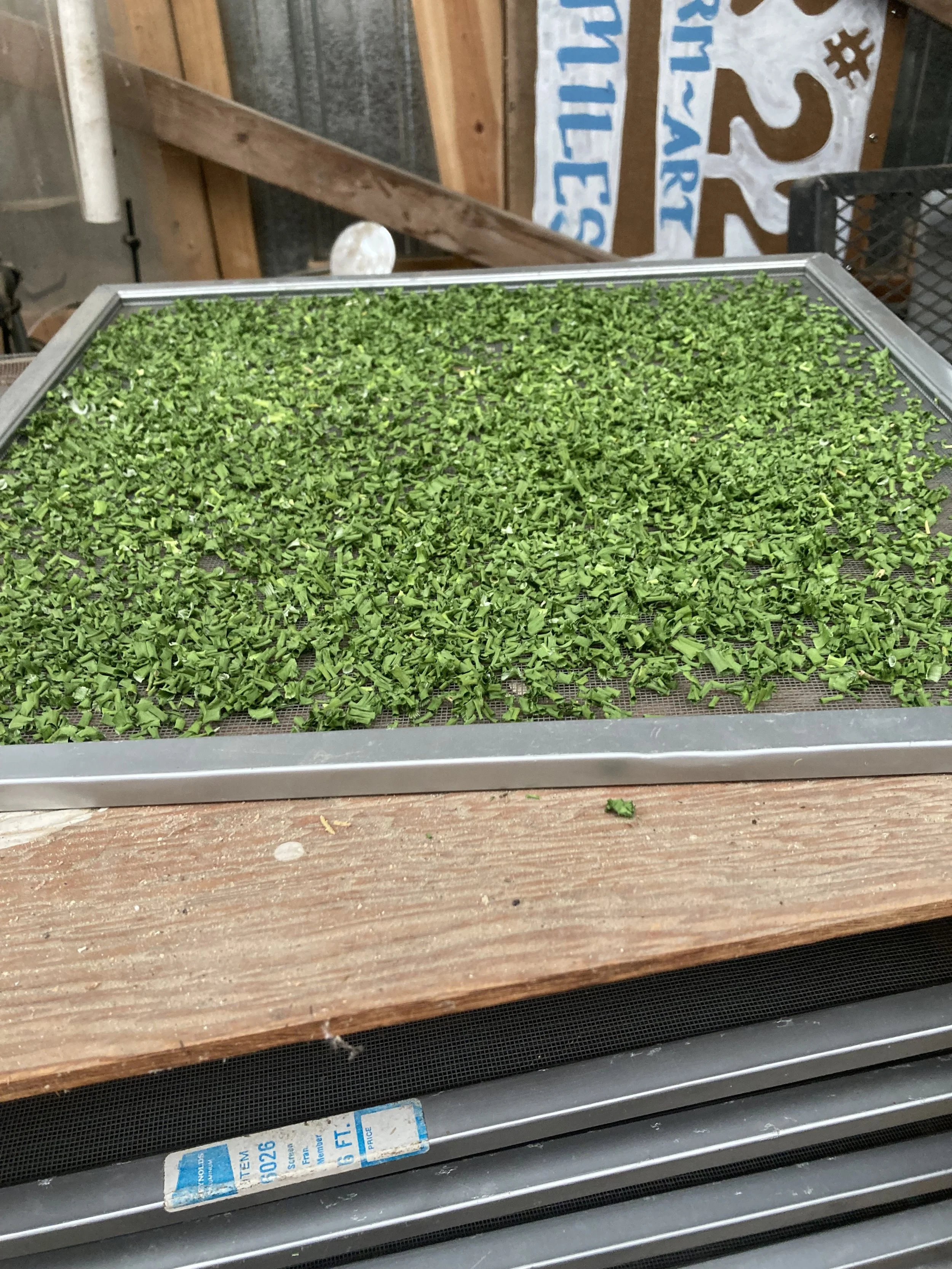
After washing and separating, we snip them onto screens. Then into the dehydrator they go.

After about 24 hours, chives have gone from wet to package worthy.

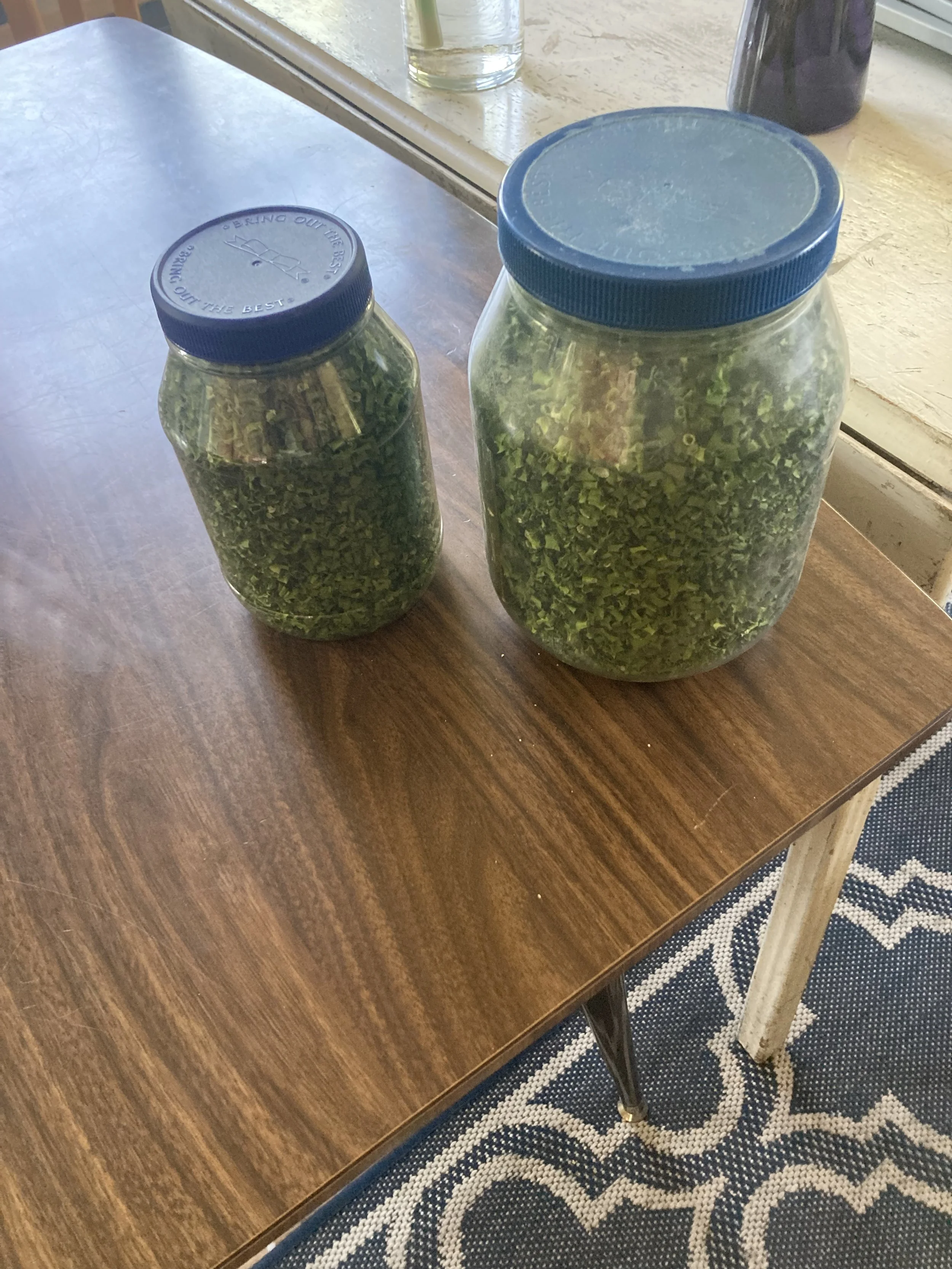
Seven screens filled two jars. This will supply us with chives for blue cheese dressing, white sauces, and other delicacies for an entire year. Fresh chives will go into omelettes, croquettes, and any other dish we think would be improved by these savory morsels.

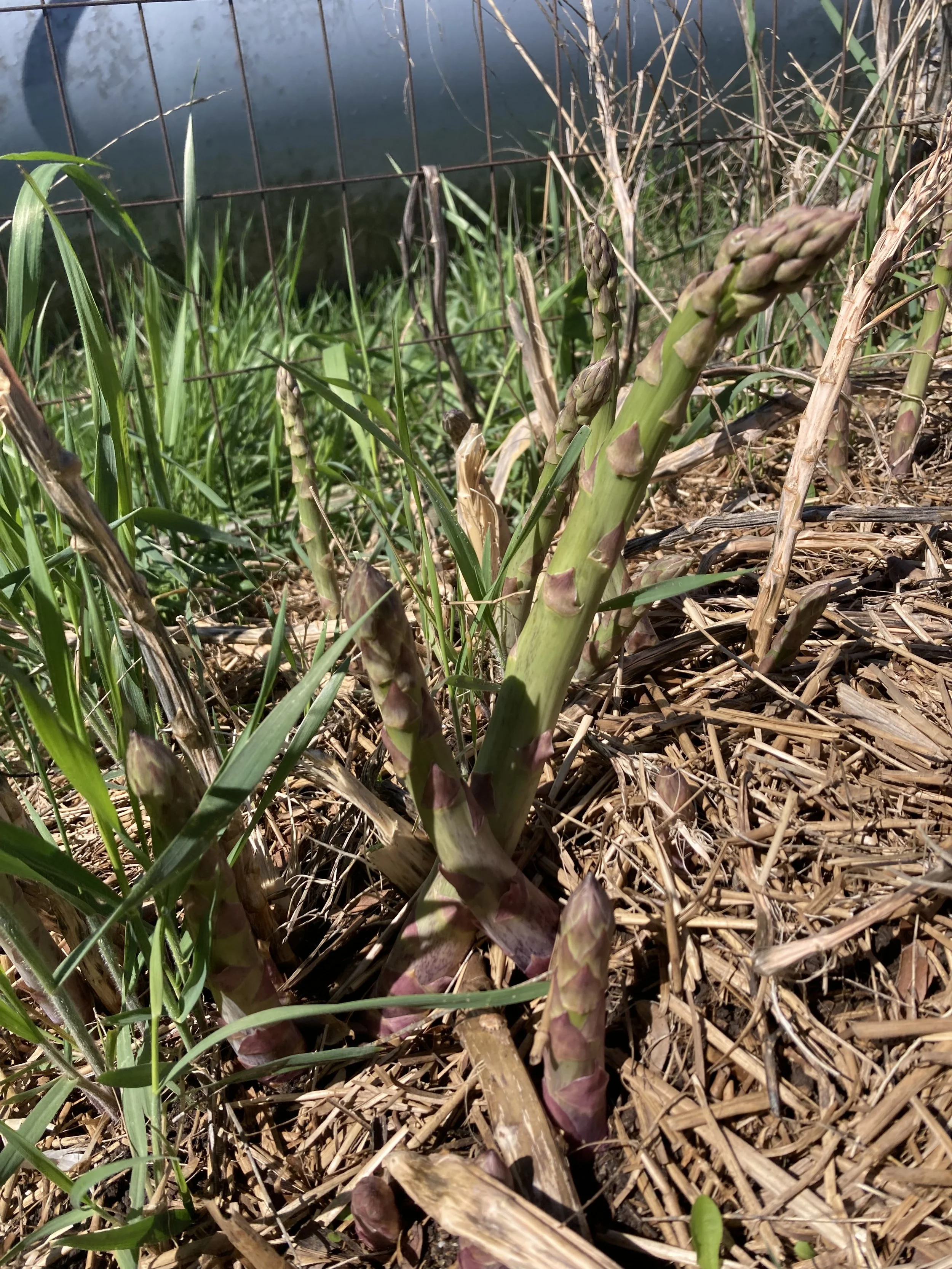
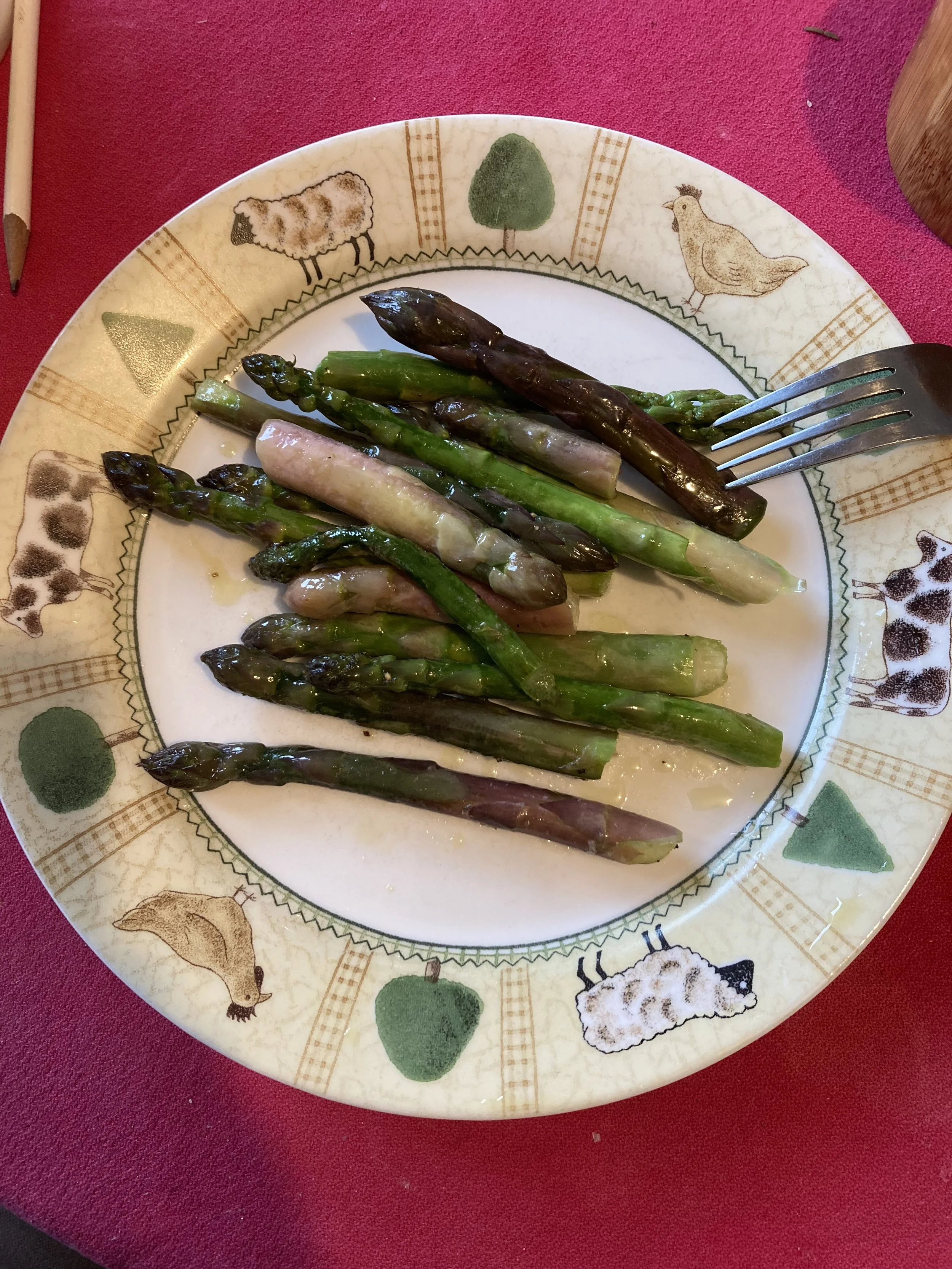
We have feasted on asparagus for about two weeks now. My daughter noticed that asparagus fresh from our garden tastes so much better than anything available from a market.

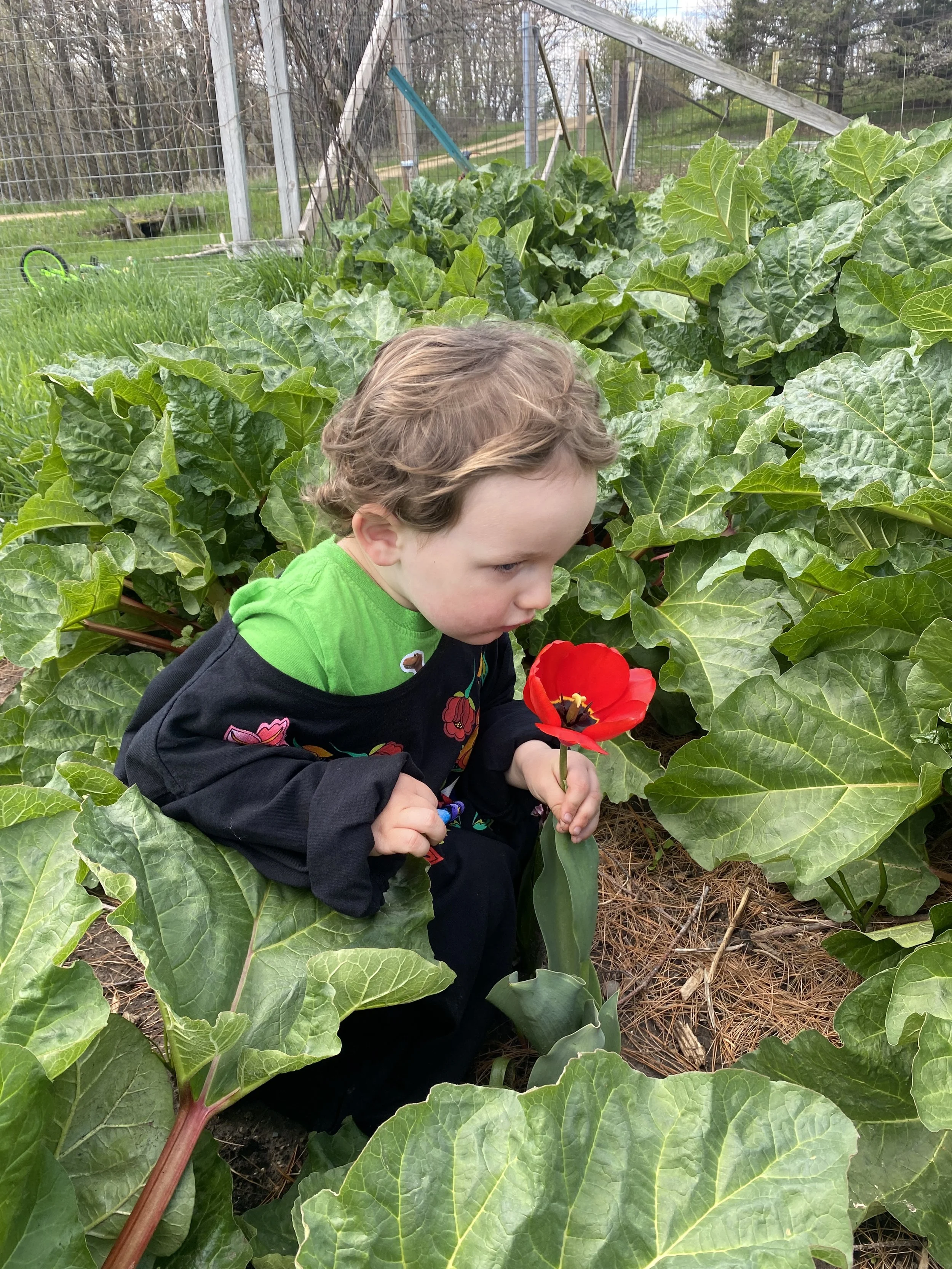
Michael has been making rhubarb pies. Soon we will harvest rhubarb for wine. We move from spring to summer at lightning speed.

Rainbows and Northern Lights. It is shaping up to be another amazing year.

Season journal: leaves!!!

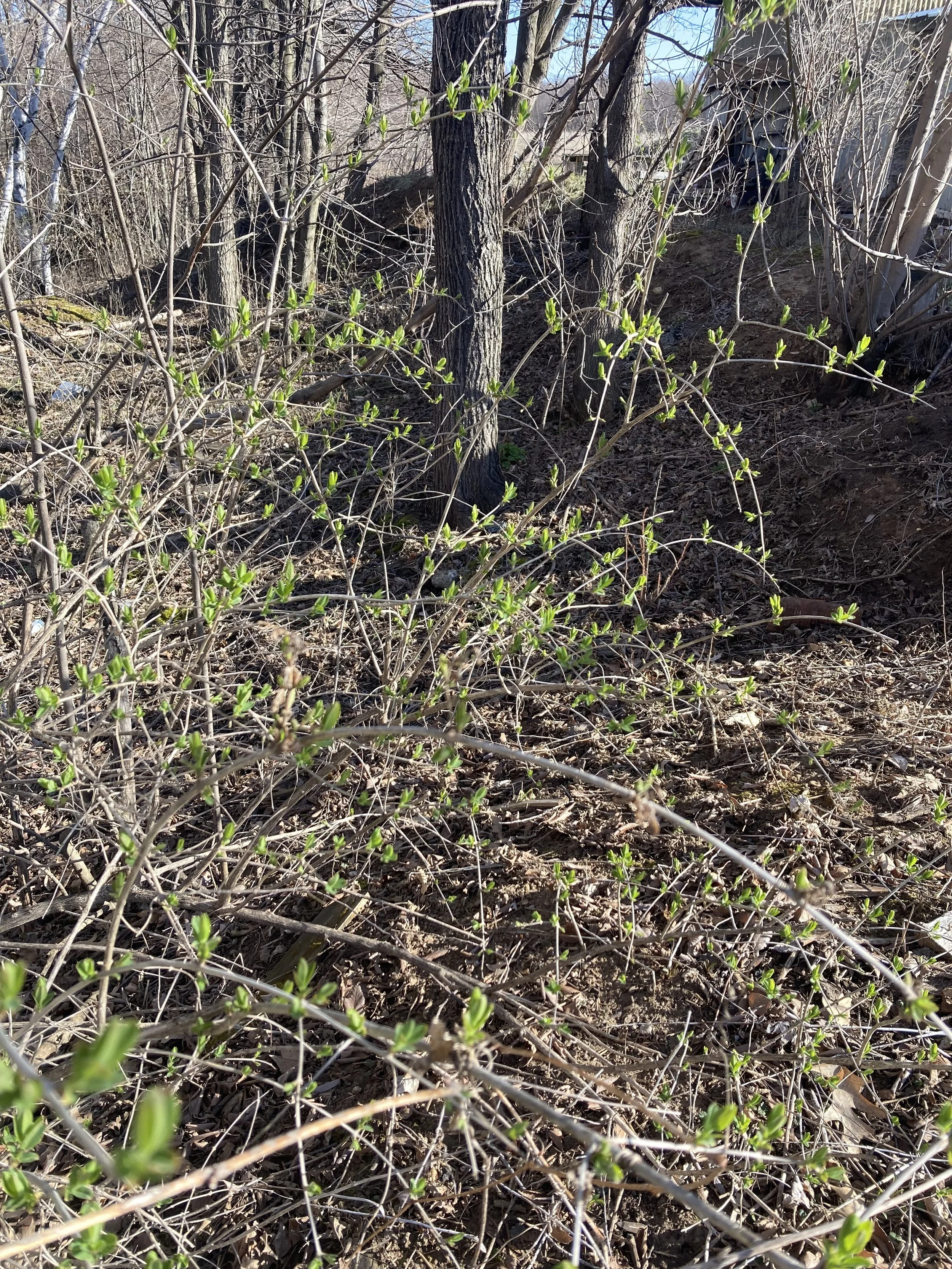
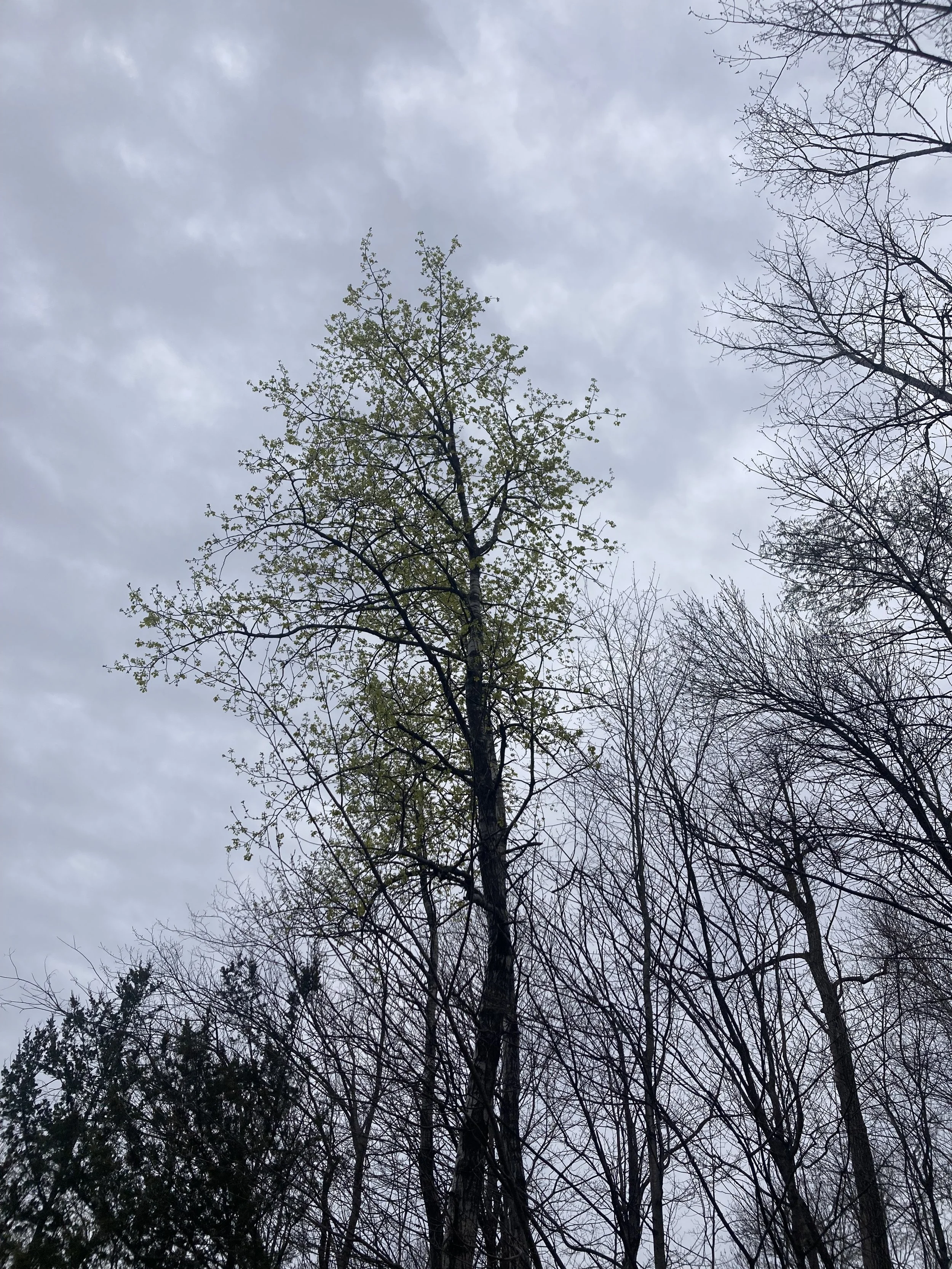
The Japanese honeysuckle won the first leaf contest on April 11th. This invasive bush lives on the edges of woods, producing abundant flowers and berries. It competes with the prickly ash for this ecological niche.

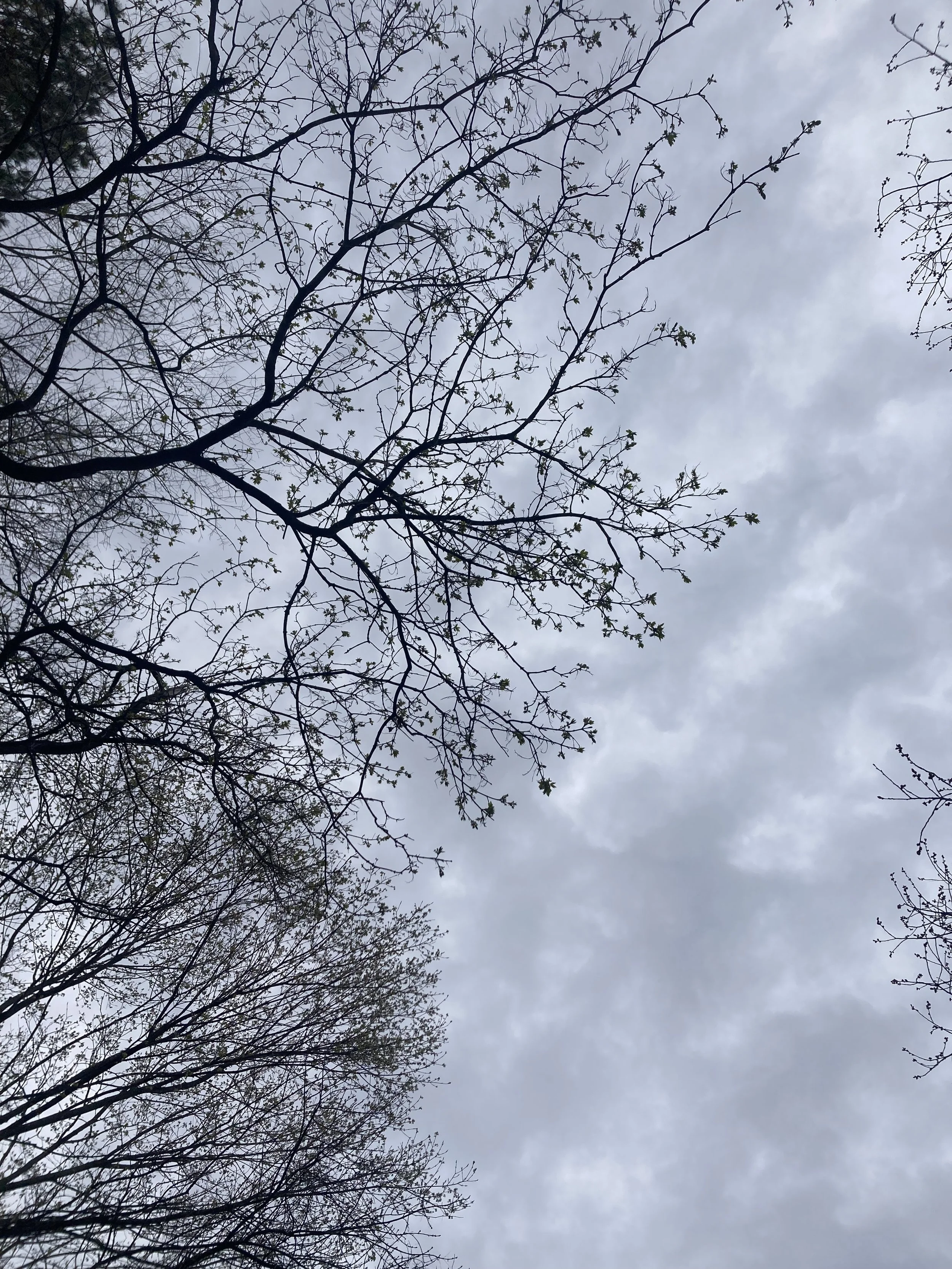
The box elders tied the poplar for first trees leafing, which happened yesterday, April 27th.

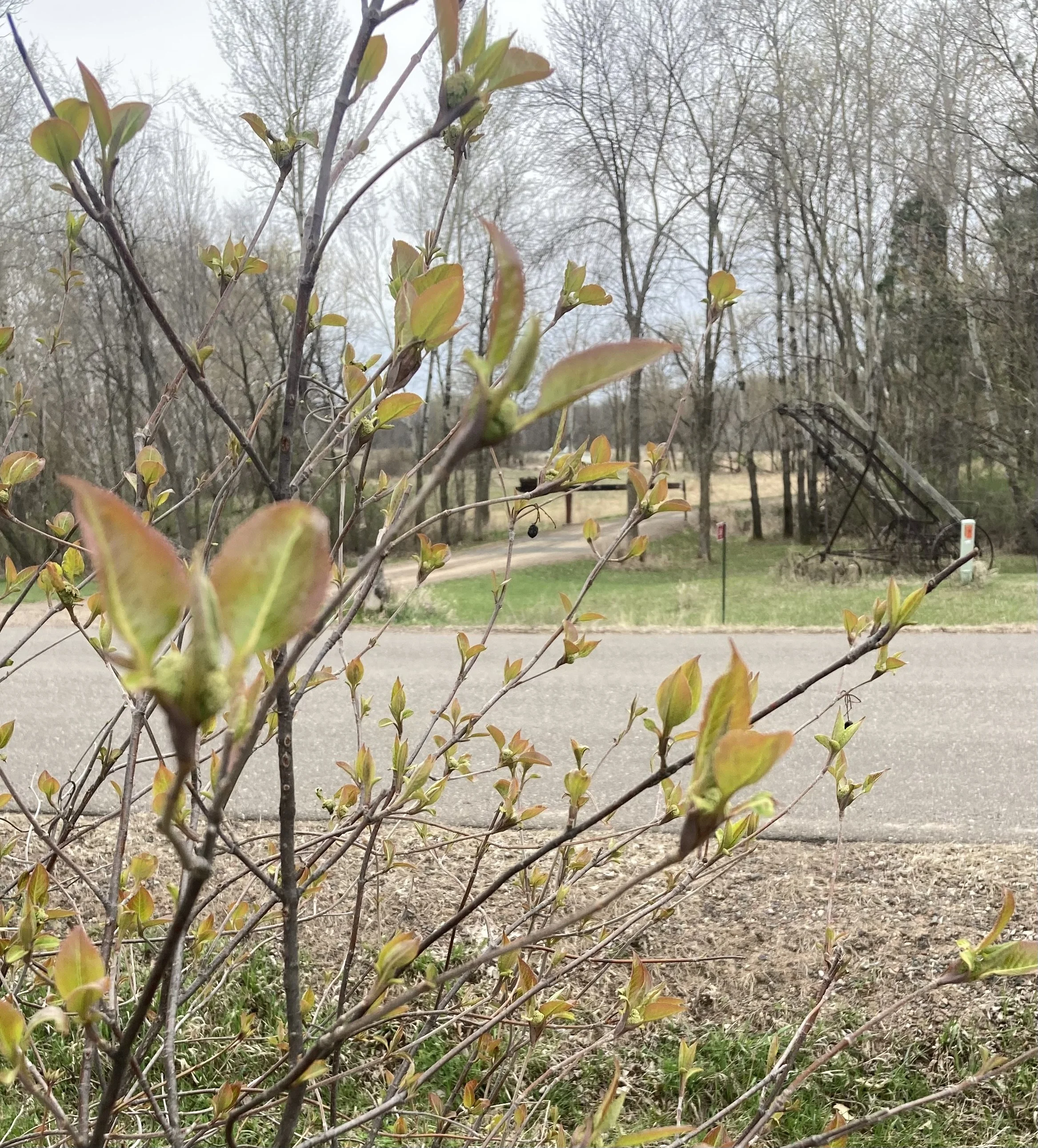
The Nanny Berries, a type of viburnum, finally showed their leaves as well. They will have big panicles of flowers that turn into clusters of dark berries in the fall. They remind me of dates in flavor and texture. They were Michael’s grandmother’s favorites.

The tree pictured below appears to be leafing out. It is a maple in full blossom!

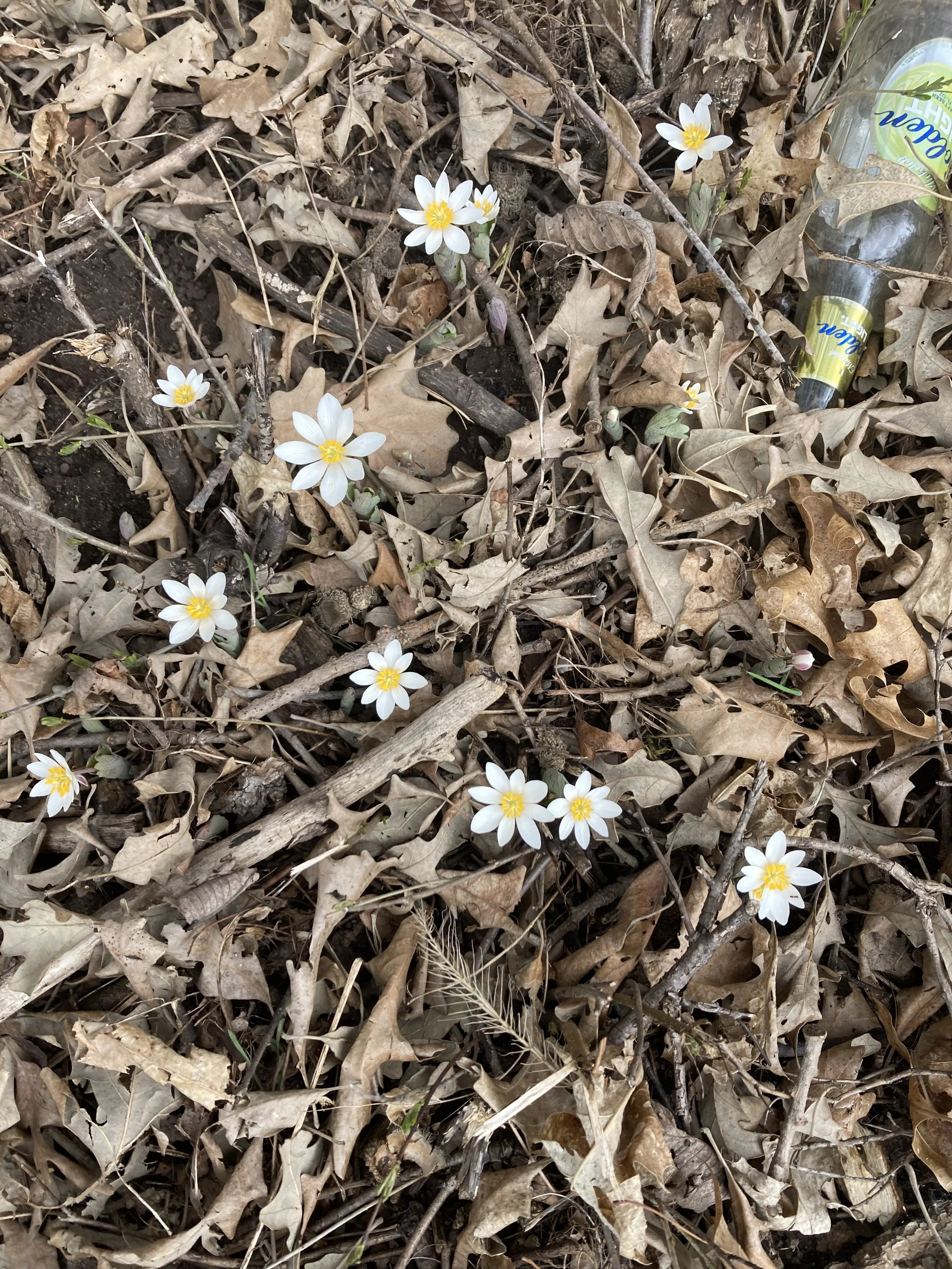
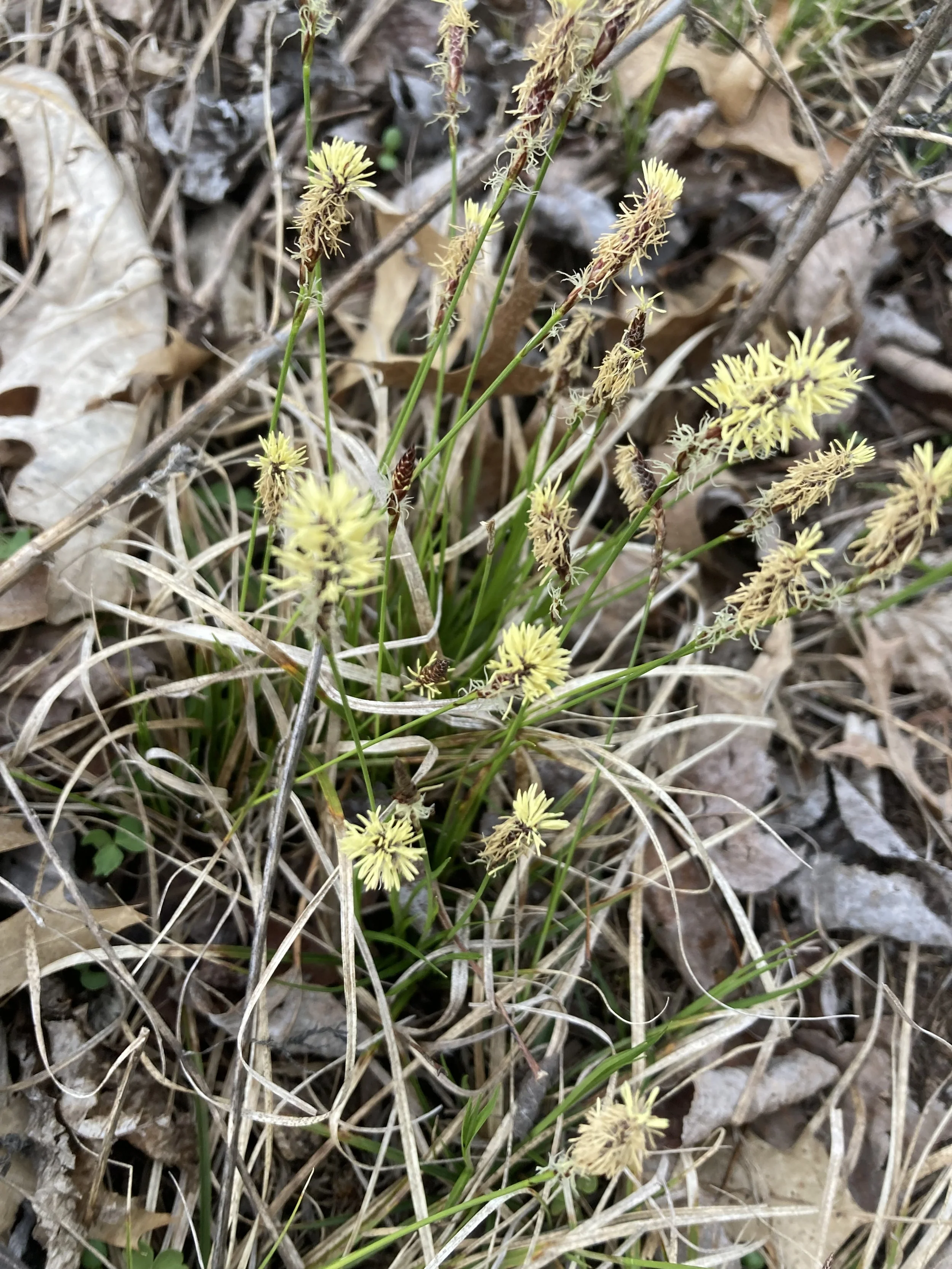
I saw my first bloodroot, violets, pussytoes and sedge blossoms on April 25th. I’m probably missing the hepatica, which bloom in the deep woods. It has been raining and my knees are not yet stable enough for slippery hillsides.

I am enjoying the flowers I over-crowded last fall. They will never disguise our old LP tank, but they do increase my joy looking in that direction.

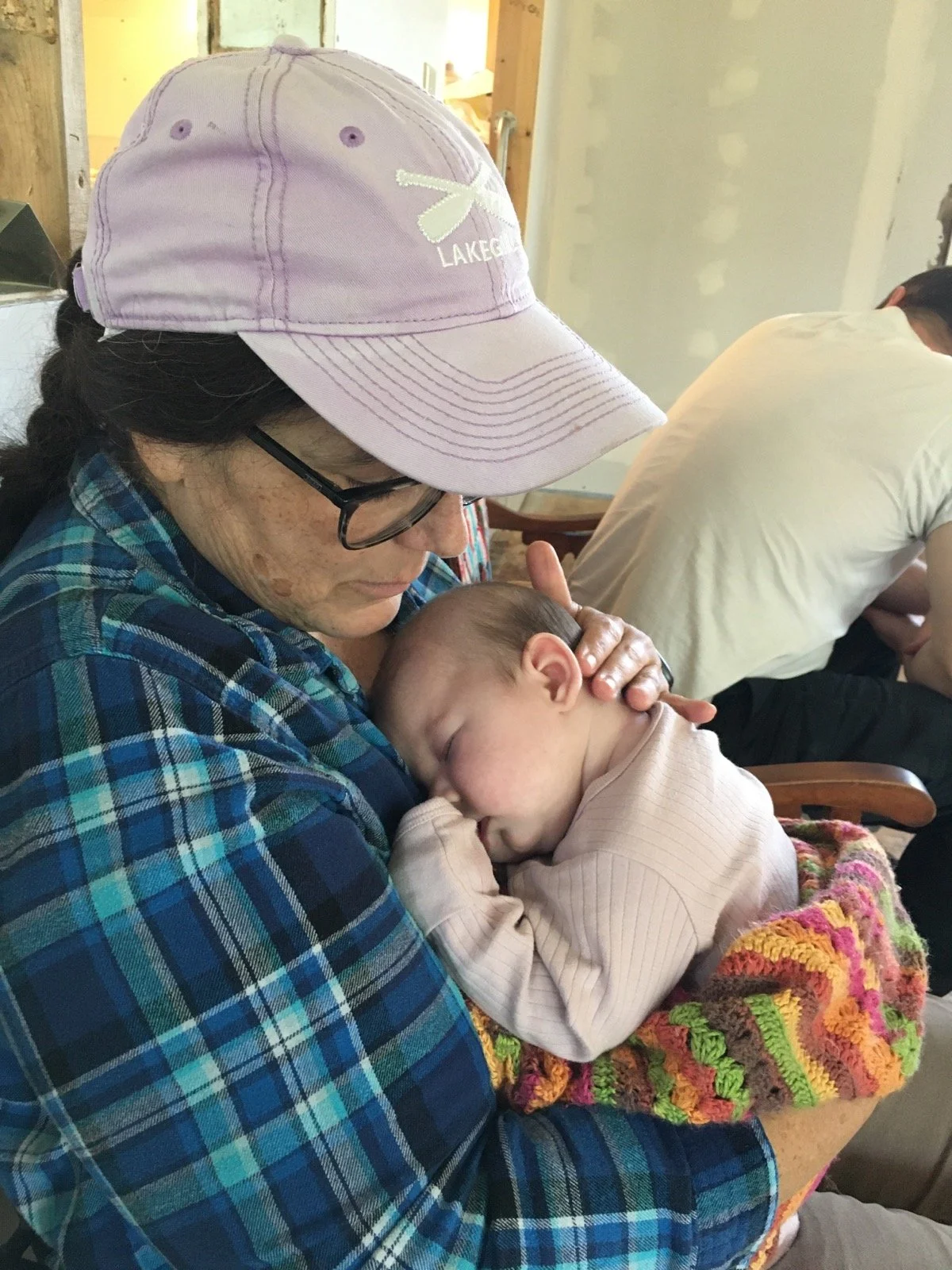
All the sprouts give me joy too. The 6 year old travels too fast to capture. The two years olds also demand more attention. The 6 week old has to be held while she is still a peanut. She started cooing today. They grow so quickly. We do not want to encase them in amber, but only to soak in their wonder at this world while we may.

Celebration journal: Earth Day meets Passover

The mosses bloom and oaks shed their leaves.

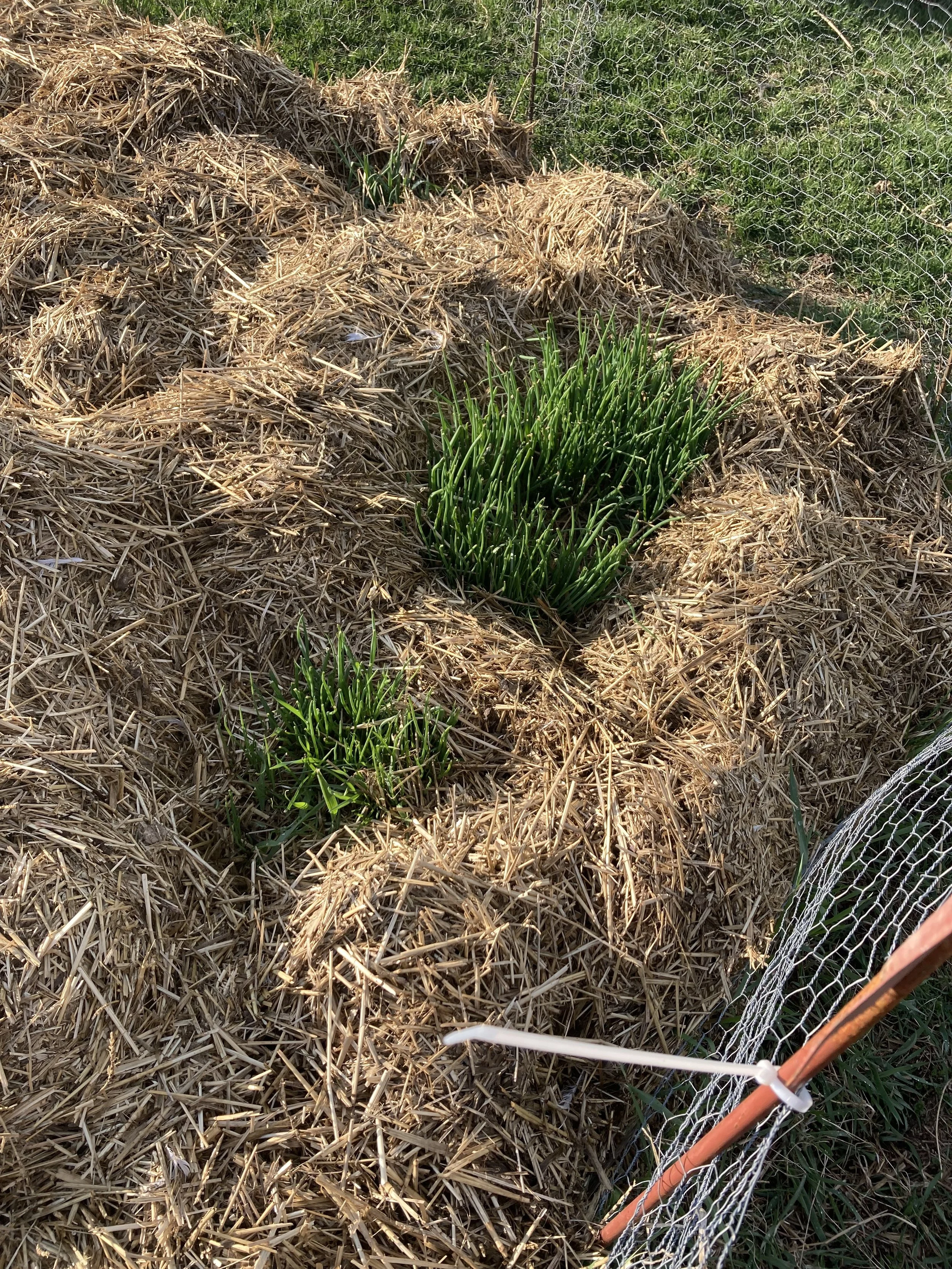
Chives will be our first harvest. We long for the greens our land will gift us.

Michael planted 900 onion sets today. He planted potatoes by April 15th as the soil complied by not being frozen. We will have frost tonight, but the earth will retain its heat.

The tomatoes I planted a week ago sprouted overnight. The peppers and eggplant have yet to show signs of life. My leeks need sunlight!

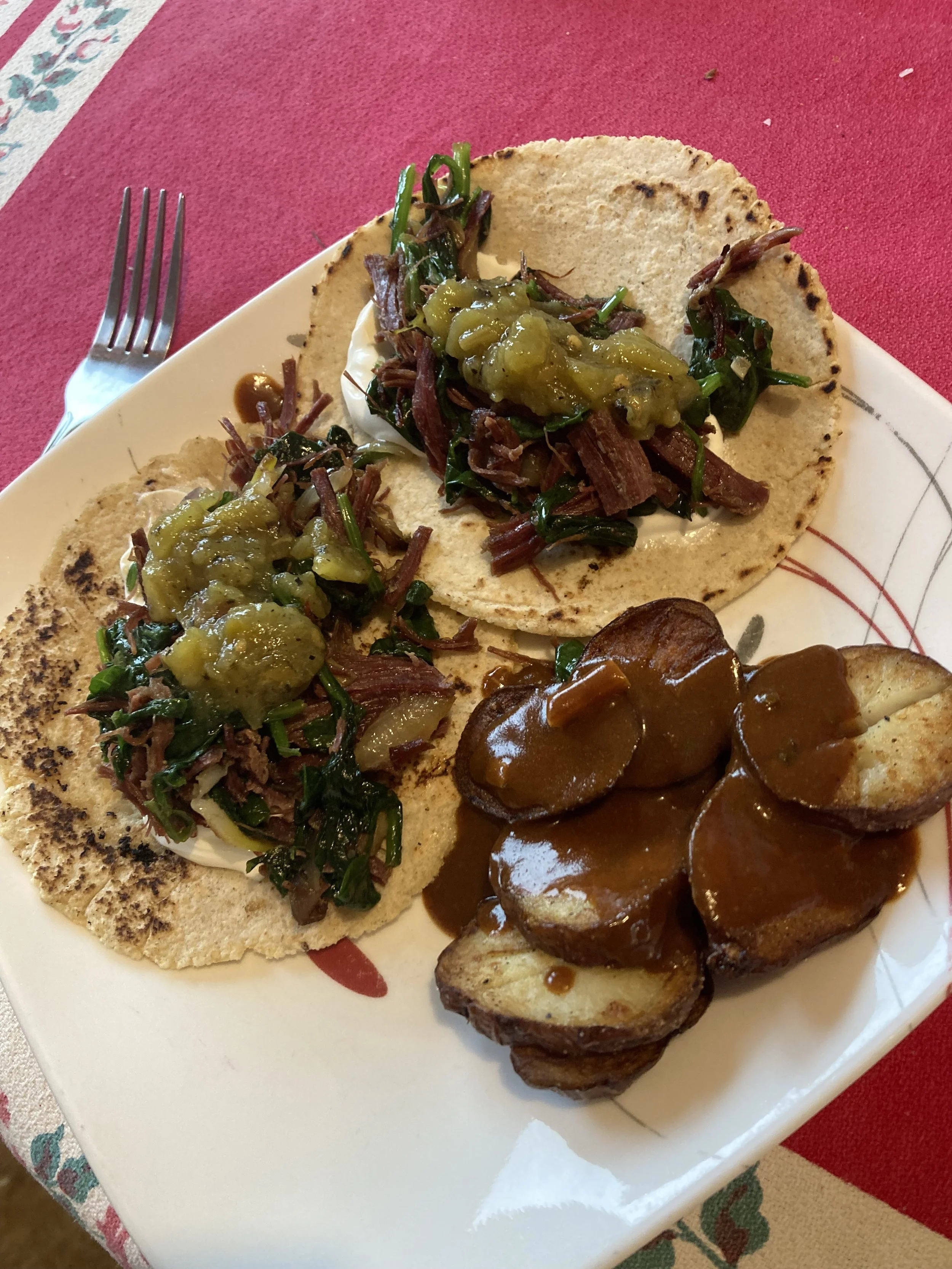
No matzo, but a different type of unleavened bread: corn tortillas. No lamb, but a different cloven hooved animal: venison. No bitter herbs, only spinach. Green and red chile from New Mexico, the land of my ancestors. It is a good day to remember how they abandoned the places of their births and slaved to make life better for their children. Salt to recall sweat, if not tears. So much to be thankful for. So much to celebrate.

Growing things journal: caring for Grands

Every now and then we are called upon to care for various and sundry Grands. We love various and sundry Grands! We live to spend time with these growing people.

Their parents went off for a long weekend to celebrate a birthday with friends far away. I’m sympathetic because the friends are of long standing and have traveled far…accomplishing fabulous things. It is so good to keep contact with such amazing people. And we have been wanting to have a sleepover with the tiny people.

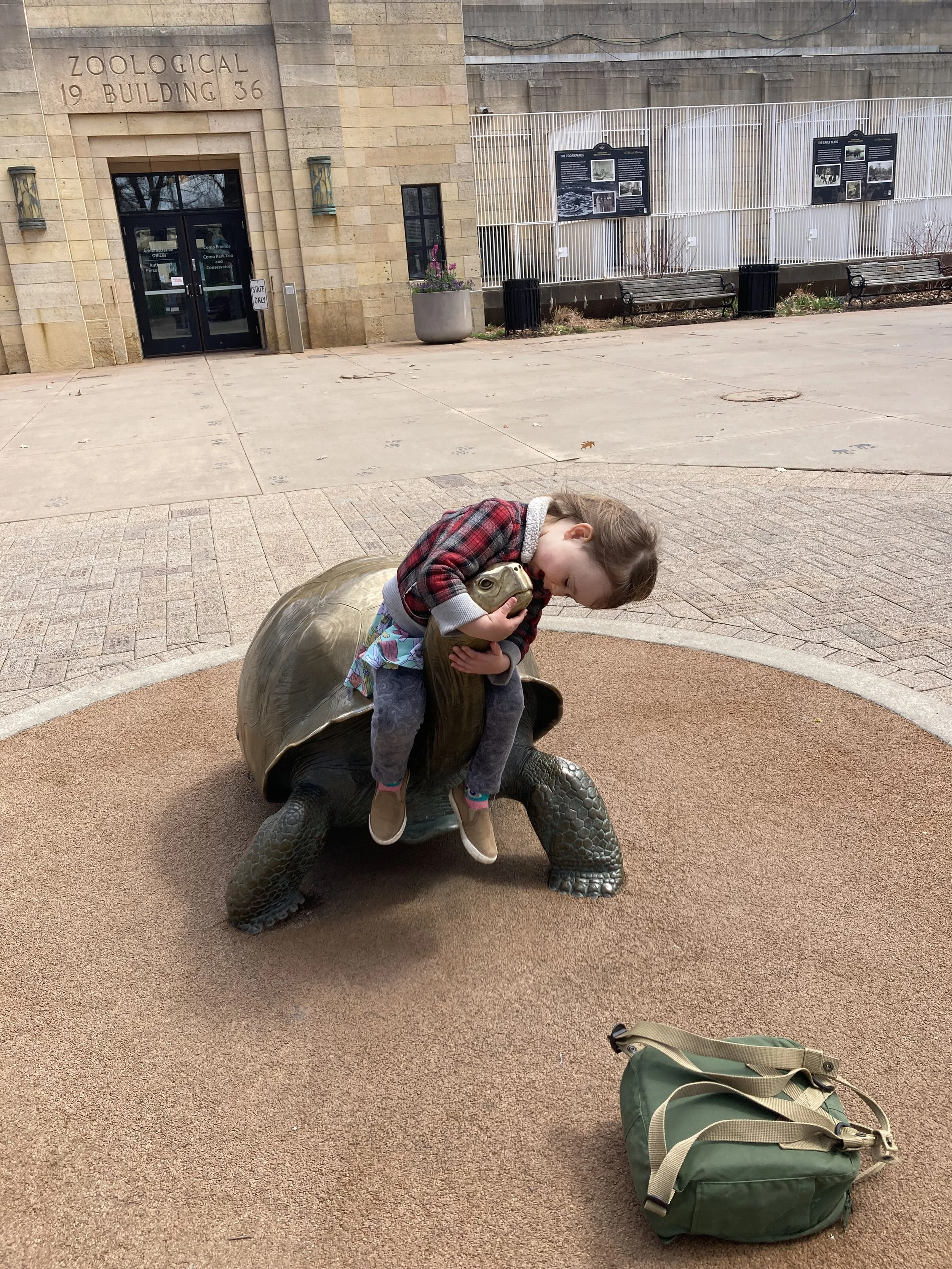
The Tiny Grand and I went and did those things that Michael got to do with our girls as they were growing up. I missed out on some things with my own children. It is good (if physically challenging) to be lifting 30 pounds up repeatedly to see over fences to peer at zebras and tigers and gorillas.

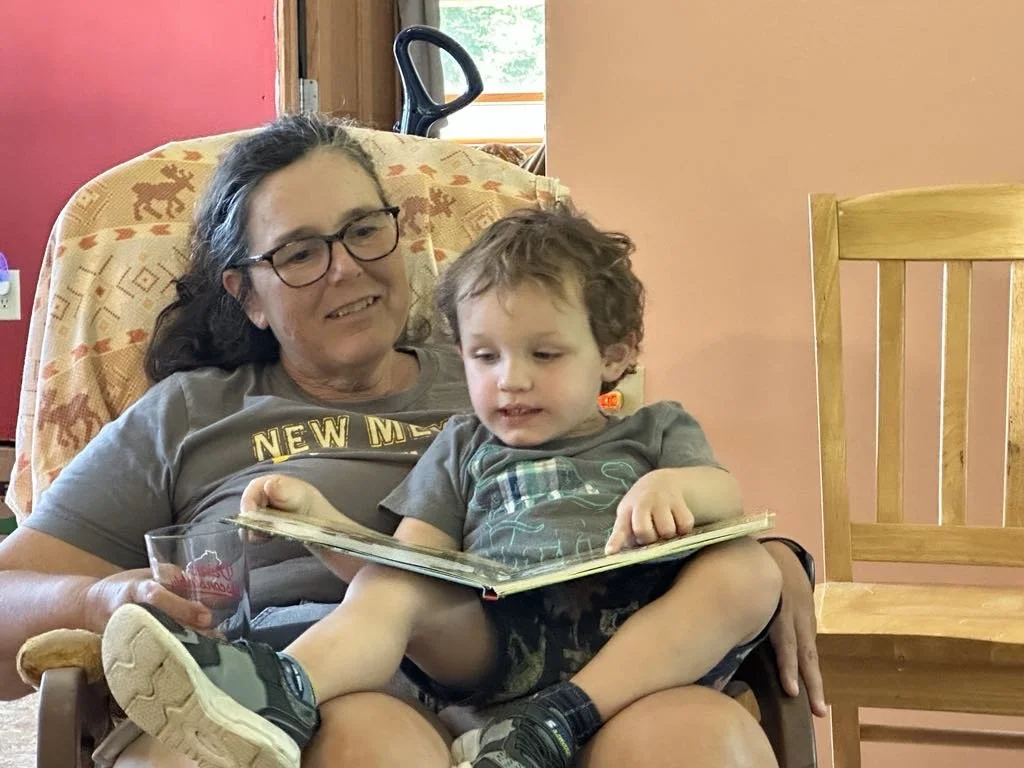
Back home again and all Grands together for a day. What to do but read books! And feed them good food.

All our ducks in a row.

In with ducks and cherries and chickens. Rawr! How to exert primacy as one finds one’s way in the world.

Eating pineapple gifted from Chiapas.

Braving storm clouds bringing snow flurries instead of sunshine.

Finding flowers after the storms.

We hope to foster familiarity with the foreign, so that these tiny people can be at home wherever they may go.